10 Thanksgiving Ideas to Revive Your Celebrations
The Holiday Season can get stressful, so we may stick to a routine for the sake of easy planning. Try any of these 10 simple ideas to bring new life to your Thanksgiving celebrations.

Instead of thinking of this as your one-stop-shop gym guide, think of it as an intro to some of the top most popular exercises, and how to perform them properly. Once you have a handle on the basic exercises below, try out some of the advanced alternatives to step up your exercise game!
#1 Burpee



#2 Bodyweight Squat


#3 Lunges


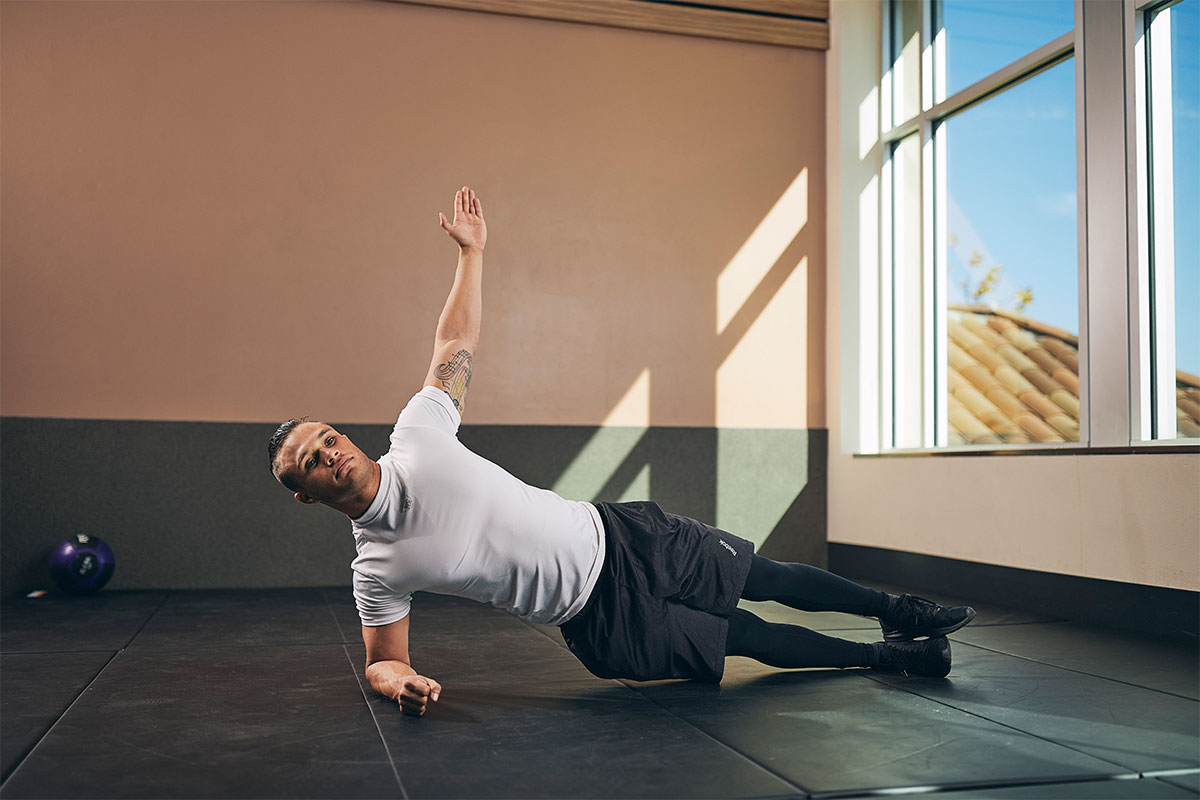
#4 Plank


Shown: Advanced movement. Side plank.
#5 Bench Press


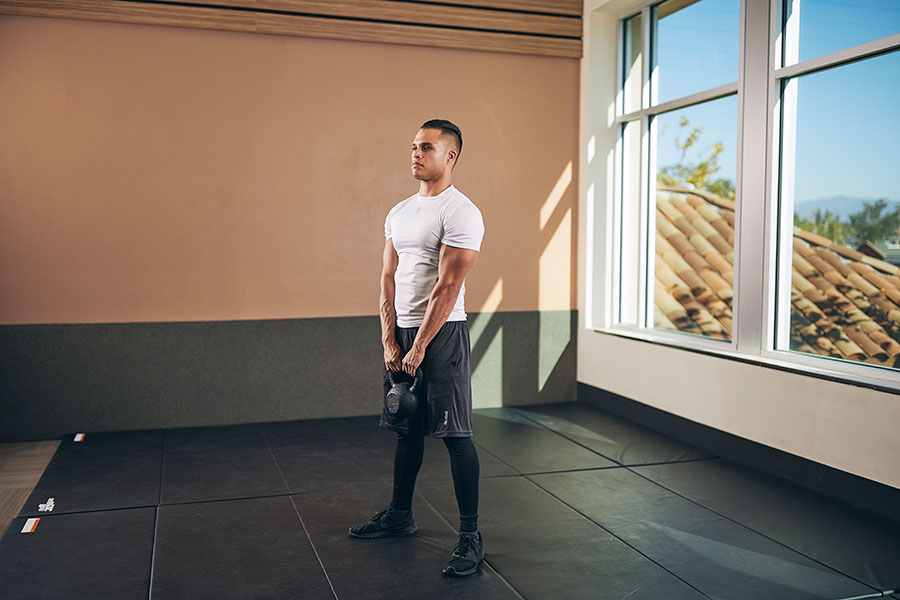
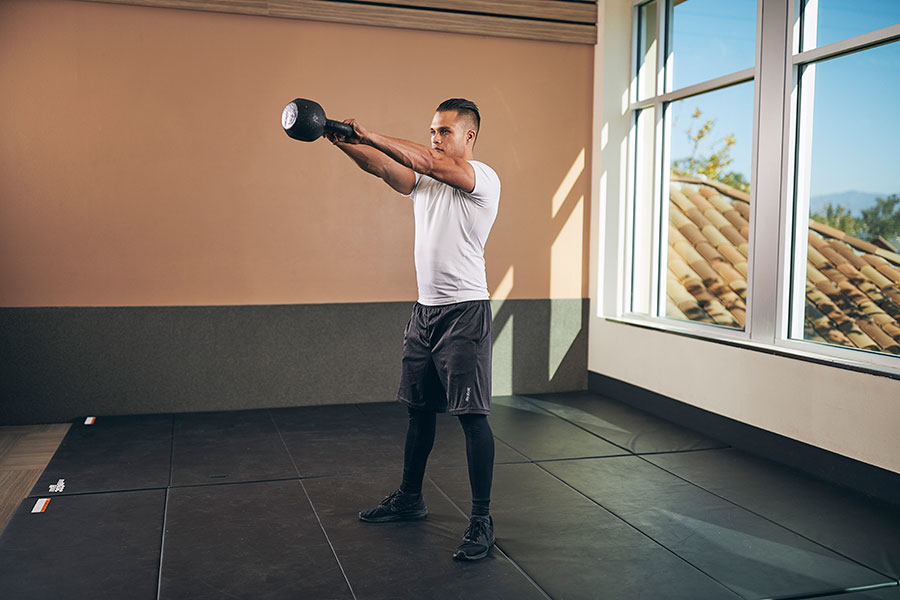
#6 Kettlebell Swing*
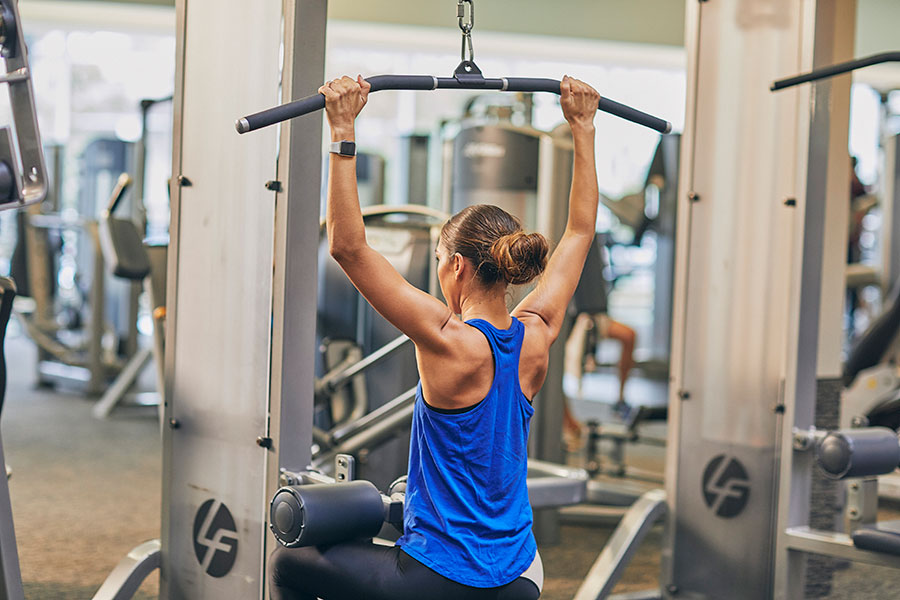
#7 Lat Pulldown

#8 Russian Twist


#9 Leg Press

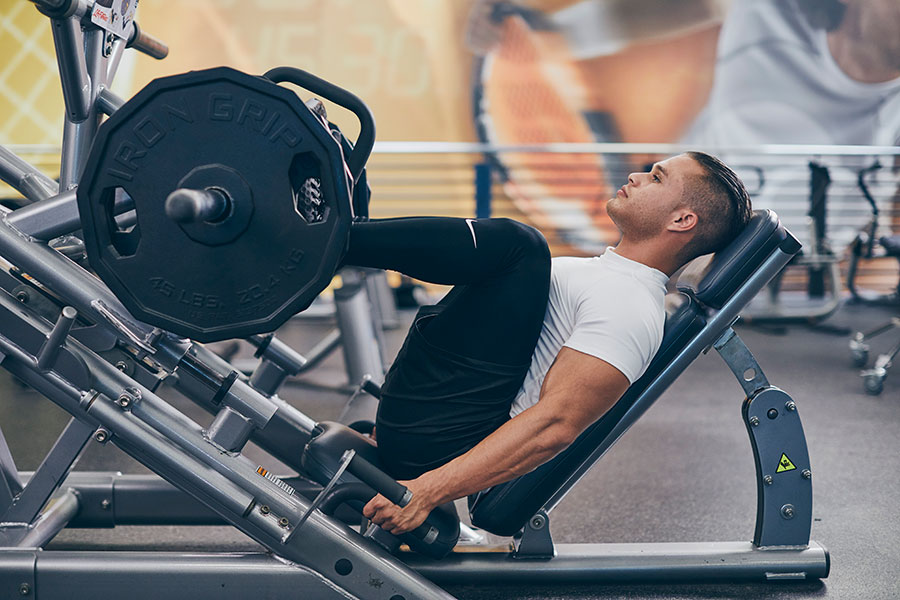
#10 Curl


Sources:

The Holiday Season can get stressful, so we may stick to a routine for the sake of easy planning. Try any of these 10 simple ideas to bring new life to your Thanksgiving celebrations.

By now, you may have seen some donation boxes at your local LA Fitness. If you haven’t been entirely sure what those boxes are all about, you’re in the right place!

Most comfort foods we turn to are heavily laden with fat, starch and calories. There are healthier ways to enjoy down-home classics by making a few tweaks.

My name is Al Allen. The members of my family are the jewels in my crown. My beautiful wife Jude gave me the blessing of two boys; Jacob, 21; and Seth, 14. Since he could barely walk, Seth loved basketball. Even at the age of five, he begged me to teach him and I did, passing on all I learned from my college career. While little league provided highlights and memories when Seth because an eighth grader the competition became more serious. I asked him what he wanted to accomplish his last season of middle school and he said, “Dad, I want to be one of the best players ever to play at my school.” I believed he possessed the ability to attain that ambition.
So, I created a PowerPoint presentation for Seth. The first slide simply consisted of ten words. The next slide listed the goals that he would need to achieve in every game he played in the upcoming season (best shooter, best ballhandler, most athletic player, etc.) The next slide covered the eleven strategies it would take to ascertain those goals. And the next eleven slides itemized five to eleven objective to accomplish those strategies. The season started in three months and the work we committed to seemed daunting. Seth could complete a few of the objectives when he woke up and after finishing his homework. But for most of his training, only one place contained everything we needed to accomplish his vision: LA Fitness.


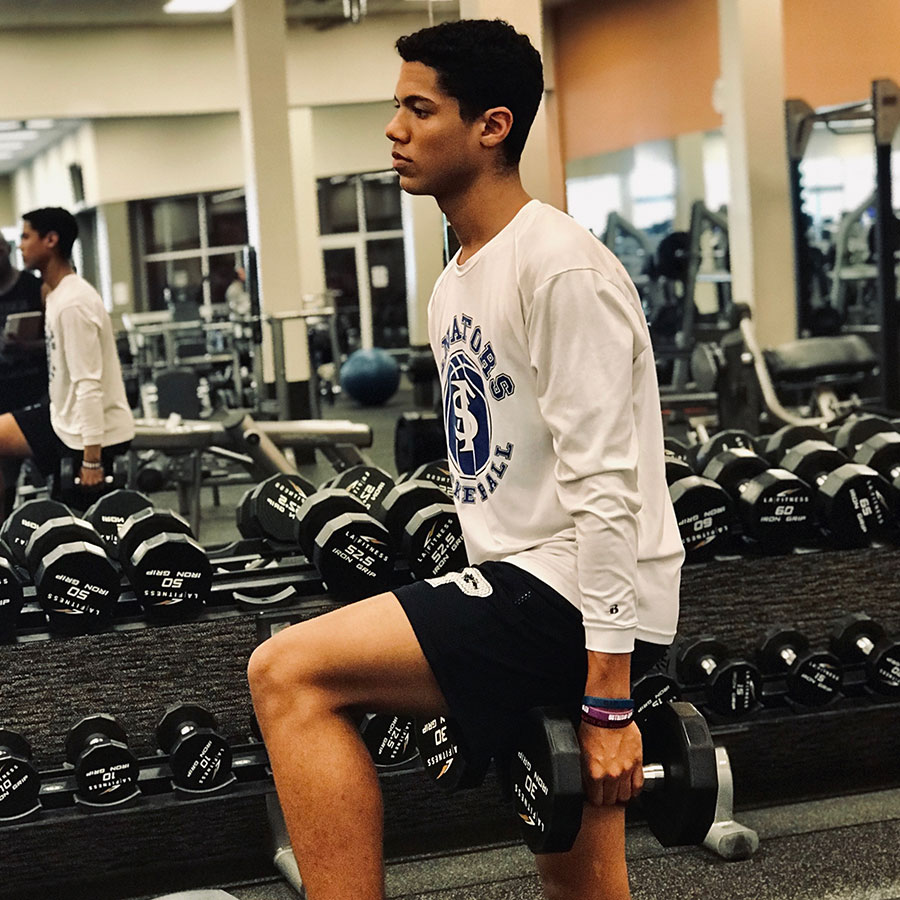


With all of this in mind, we began our training. LA Fitness became our second home. We trained there three to four times a week, sometimes arriving at six in the morning so we could practice in the gym by ourselves. LA Fitness accommodated [everything we needed]. Seth worked on getting stronger, faster, and quicker. We performed numerous shooting and ballhandling drills. I would play him one on home, mentoring him [on] what he just learned. Then, he would lift weights and complete a plyometrics workout, jumping over boxes and between ropes. Once a week, we would play in a pick-up game at LA Fitness, applying what he learned during the week. We did this for three months. A week before the season began, we played our last pick-up game against college players and adults. One of the adults couldn’t believe how well Seth shot during warm-ups. I told him “you haven’t seen anything yet.” Our team won with [me and Seth] scoring all our team’s points. Of course, it didn’t matter that he scored twenty-four of those points and I scored six. Afterward, I told him “you play the season l.ike you played in that last game, you will become a legend at your school and they will talk about you for years to come. You are ready.”
And ready, he was. He led his team in scoring, rebounding, assists, blocks, and steals. He played every position on the floor. His dexterity and skills made him unstoppable [at times]. His team finished the season tied for first place in their division. He made the All-Conference team. But we both knew even after his astonishing season, to accomplish his mission, his team would need [to] win the city championship. To succeed, his team would need to win five games in a row against the best teams in the city. Before the first game, I told him he may need to make game-winning shots to advance. I asked him about his nerves. I said confidently “Dad, this is what I trained for.” As if I prophesized it, he dominated and made incredible plays in the last moments to win every game including the city championship. His team won it all as the tournament declared Seth the most valuable player of the entire city tournament. Seth’s school won their first city championship in school history. I think I can say that my son accomplished his vision of becoming one of the greatest players ever at his middle school.
That week produced one of the greatest memories for my family. Seth’s team winning the championship took great coaches and teammates. It took his mom taking him to doctor’s appointments for therapy after injuries during the season. It took multiple motivational speeches from his big brother, Jacob. It took my mentorship. It even took his grandmother’s prayers when shooting free-throws in the last minute. But mostly, it took Seth’s talent, hard work, and character. However, none of it would have been possible without LA Fitness. LA Fitness provided all the tools to assist Seth in fulfilling his potential as a middle school basketball player. Ironically, I can’t help but think of a million commercials where actors pretend a product caused an indispensable impact on their lives. But the Allens are not actors. LA Fitness did offer us indispensable service to accomplish a dream of my son’s. These videos and pictures are not manufactured. This story is not scripted. All of it happened. Most importantly, LA Fitness helped a father and son become even closer. And, by the way, LA fitness helped me lose thirty-five pounds in the last year.
Seth accomplished one dream but a lifetime of dreams light his path and he is just getting started. I will say [this] about Seth, you haven’t seen anything yet.
See you at 6:00AM.
Sincerely,
A proud dad of two boys and a proud member of LA Fitness


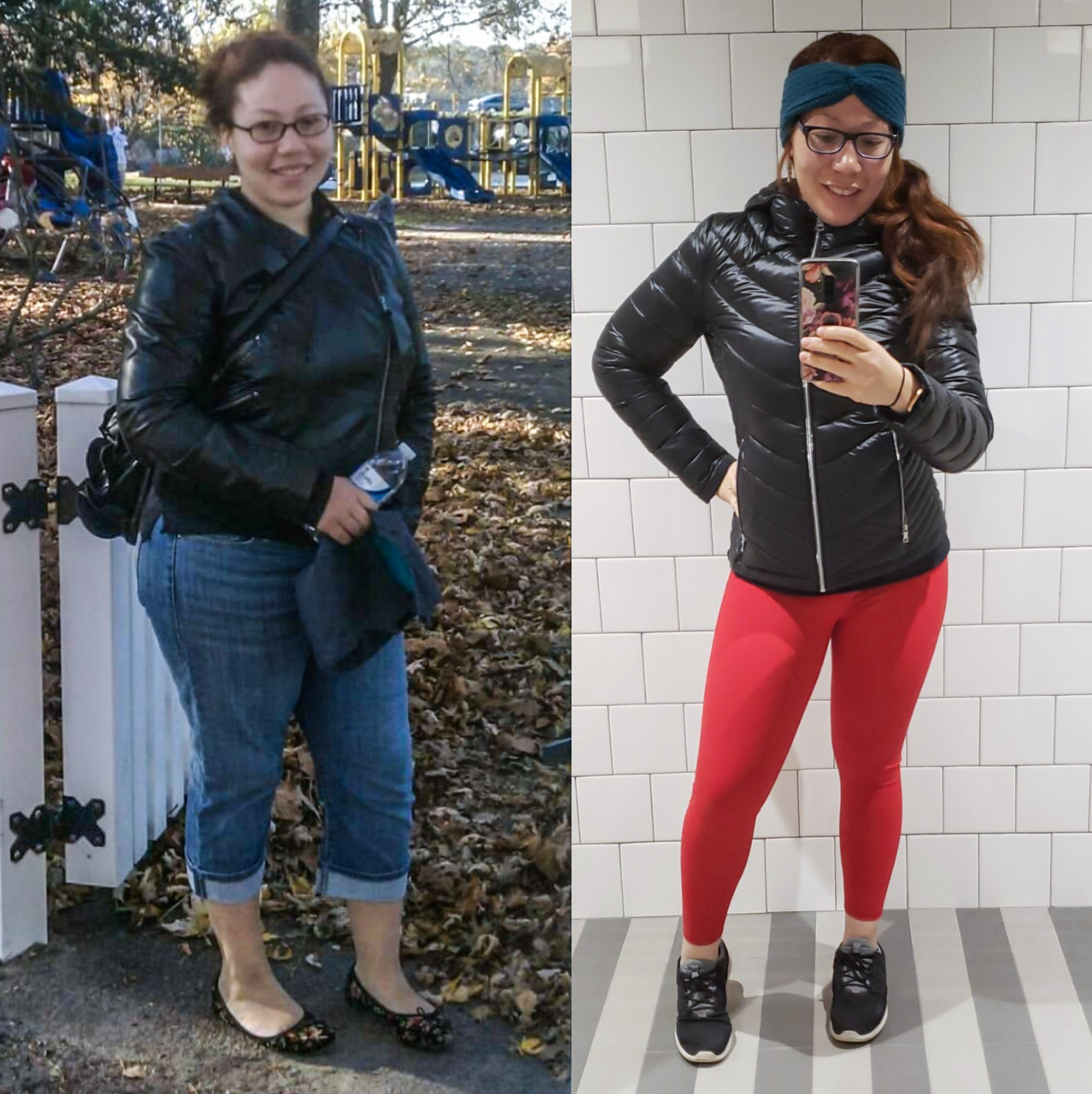
Waleska is a mom with 2 part-time jobs who had a love for chocolate. Despite the time constraints and sweet temptations, she lost over 60 pounds!
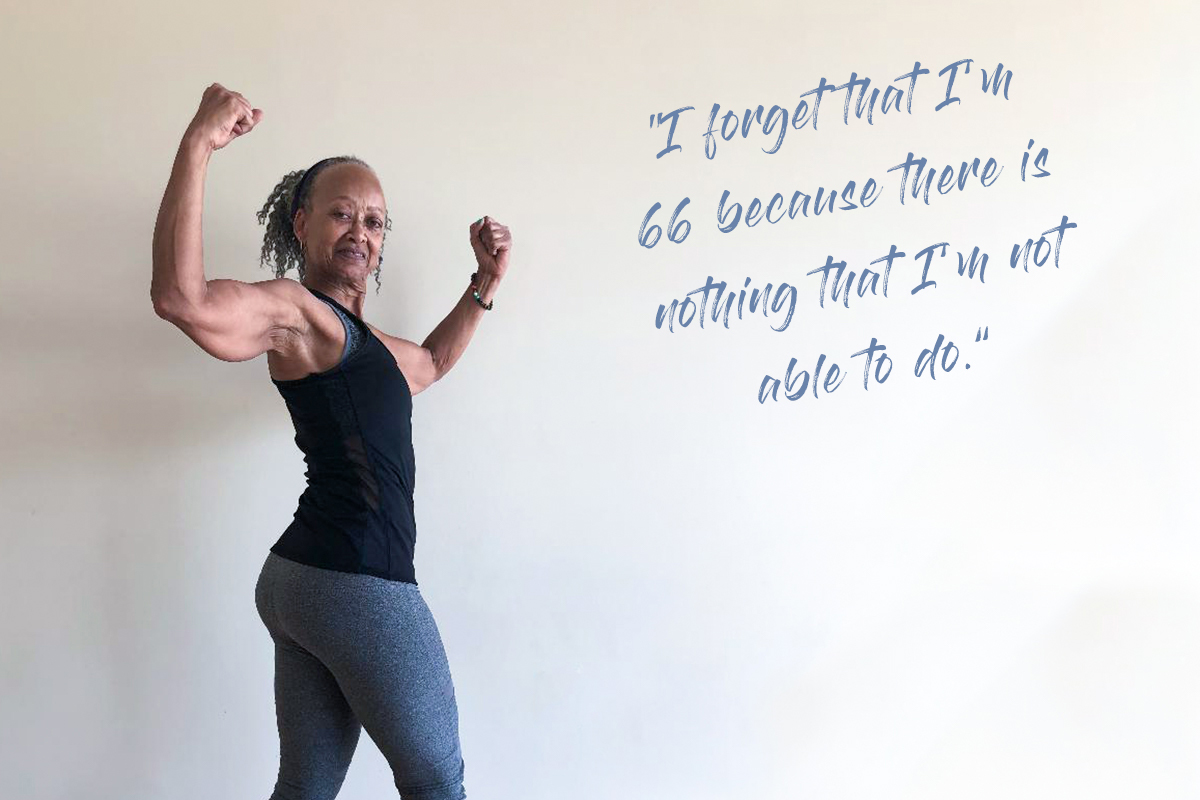
Many of us pair the idea of aging with decreased mobility and various aches. Yet, Patricia’s story shows us just how wrong that notion can be.

Ann shares how, despite back problems, strokes, and surgeries, she is well on her way to achieving her goal of losing 90 to 100 pounds!

Welcome to the 15th episode of the Living Healthy Podcast, presented by LA Fitness.
Woohoo! We’re back with Season Two (Did you miss us? Because we missed you!)
On this episode of Living Healthy, we speak with LA Fitness Personal Training Director, Tristen Alleman, who shares what he’s seen in his four years of experience in the clubs when it comes to members successfully accomplishing their resolutions.
We also beg the question, “Are resolutions really that different from goals?”
And we give tips on how to succeed on the goals you set for yourself this year. It’s a jam-packed episode, full of health advice, a special segment on the history of New Year’s resolutions from the crowd favorite, producer Matt, and Andrew and I share our own resolutions for 2019.
Enjoy!
How Are We Doing?
This podcast should not replace any exercise program or restrictions, any dietary supplements or restrictions, or any other medical recommendations from your primary care physician. Before starting any exercise program or diet, make sure it is approved by your doctor.

Intro
Begins at 0:01
Producer Matt on The History Lesson You Never Knew You Wanted
1:18
Personal Training Director, Tristen Alleman, Joins the Show
Begins at 5:17
Tristen’s Personal New Year’s Resolutions
5:35
What Are Some Common Mistakes People Make?
6:03
Are There Certain Traits That People Have That Make Them More Successful Than Others?
8:21
Does it Make More Sense to Start a Resolution Before or After New Year’s/January 1st?
9:51
Matt on the Street Segment
10:44
How to Keep Yourself Motivated
12:49
Resolutions vs. Goals
16:39
How to Keep Persevering
18:32
The Impact Social Media Has on Fitness
20:26
Cutting Out vs. Adding-In Resolutions
21:50
How to Change Your Thinking on Resolutions
23:44
Outro
24:40

On this week's episode of the Living Healthy Podcast, we ask Registered Dietician Debbie James the question "Is sugar bad for you?"

WE’RE BACK!!! On today's episode of the Living Healthy Podcast, we're talking about Cancer Screening and Prevention with Dr. Rick Van Etten!

Debbie James, RDN, brings us her expert opinion on food safety and sanitation, along with information on how you can eat well if you have to shelter in place.
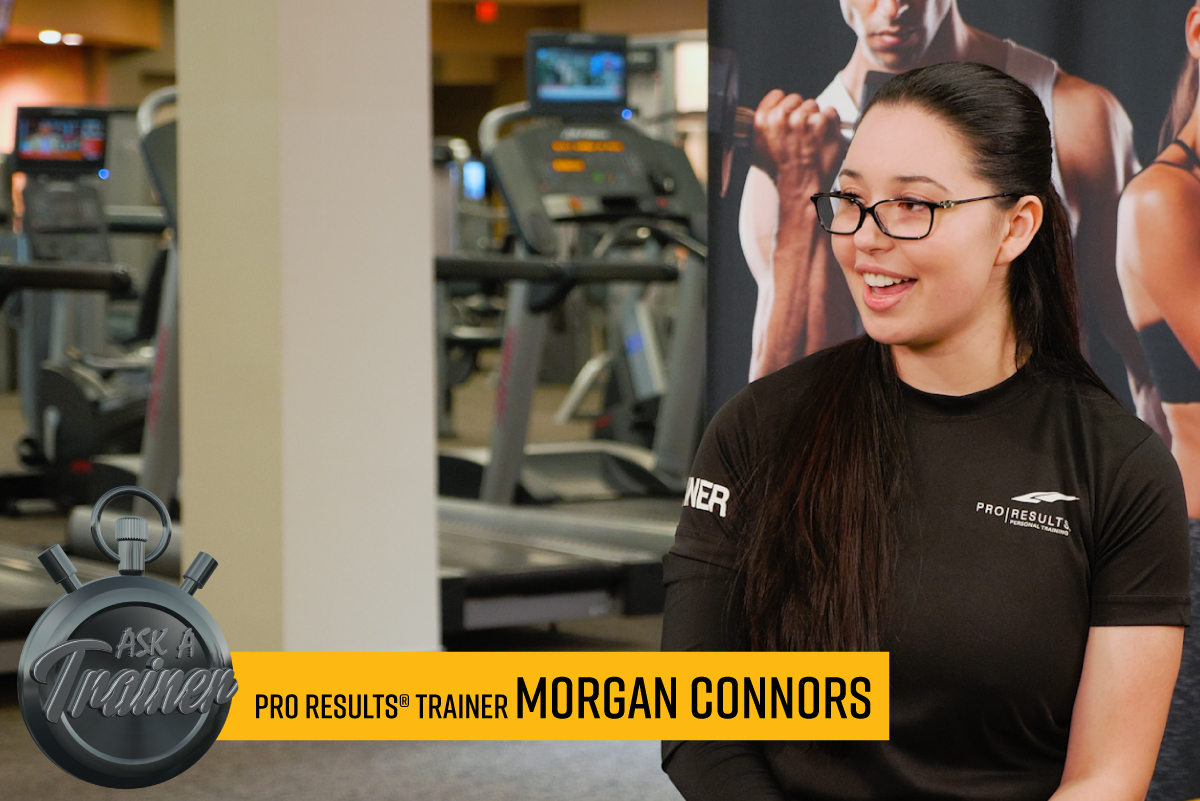
LA Fitness Pro Results® Master Trainer, Morgan C., gives her expert advice on which machines offer a full body workout.

Do you have a fitness question? Ask one of our certified Pro Results® trainers here! Your question may be featured in an upcoming Ask Our Trainer video.**
**Selected submissions will be featured on the LA Fitness blog and possibly other LA Fitness digital media entities & websites. By making a submission, you hereby grant LA Fitness a non-exclusive, perpetual, worldwide, irrevocable license to use and make copies of the contents of such submission for any purpose and in any medium whatsoever, and you hereby waive and relinquish any copyright or other intellectual property right you may have in the contents of such submission and your right to pursue any claim for LA Fitness’s violation of those intellectual property rights.
On this episode of ‘Ask A Trainer’ we speak with LA Fitness Pro Results® trainer Morgan C., and get her expert advice on how to properly maintain muscle mass.
On this episode of ‘Ask A Trainer’ we speak with LA Fitness Pro Results® trainer Morgan C., and get her expert advice on which machines offer a full body workout.
On this episode of ‘Ask A Trainer’ we speak with LA Fitness Pro Results® trainer Morgan C., and get her expert advice on whether or not strength training or cardio should come first when it comes to weight loss.

Spices are known for imparting flavor, but they are also an integral part of maintaining health and preventing disease! The medicinal value of spices has been recognized for thousands of years by the ancient Indian medical system known as Ayurveda.1 Since many diseases are a result of weak immune systems or chronic inflammation, preventing these two states can make a big difference in your health.
The immune response is a built-in defense system, protecting the body from foreign invaders and infection by communicating between cells and their chemical signals. While our skin is the outer shield of our bodies, our gut mucosa serves as the internal barrier. What we eat (especially nutrients, alcohol, coffee, spices, and salted food) affects this barrier, which is the starting point of most immune responses. It’s true that a healthy immune system can ward off infection from cold-causing germs. However, our immune systems are also activated by the longer-term stimuli of physical stress, psychosocial stress or malnutrition.2
Chronic low-grade inflammation is a prolonged and abnormal immune response of altered cell communication that does not resolve itself, leading to ill health and a variety of life-threatening conditions.2,3 This “silent inflammation” is connected to several diseases of advanced age such as heart disease, diabetes, arthritis, Alzheimer’s and certain cancers.4 Persistent inflammation is also involved in the development of obesity (and associated metabolic complications), inflammatory bowel disease, asthma, and rheumatoid arthritis.2,3,5 Inflammation of the nervous system plays a key part in neurodegenerative diseases, mood disorders (including depression and anxiety), and pain.2
Beneficial Spices
Spices come from the roots, bark, and seeds of the plant, while herbs* are the leaves. Essentially, any part of the plant that is not a leaf and can be used for seasoning may be considered a spice.
Spices and other medicinal plants have many bio-active compounds. Some have antibiotic properties (boosting our innate immunity against infections) and others are anti-inflammatory agents.5,6,7 Nutraceuticals present in several spices have shown potential to inhibit or reverse inflammatory responses and help prevent many chronic diseases related to sustained inflammation:

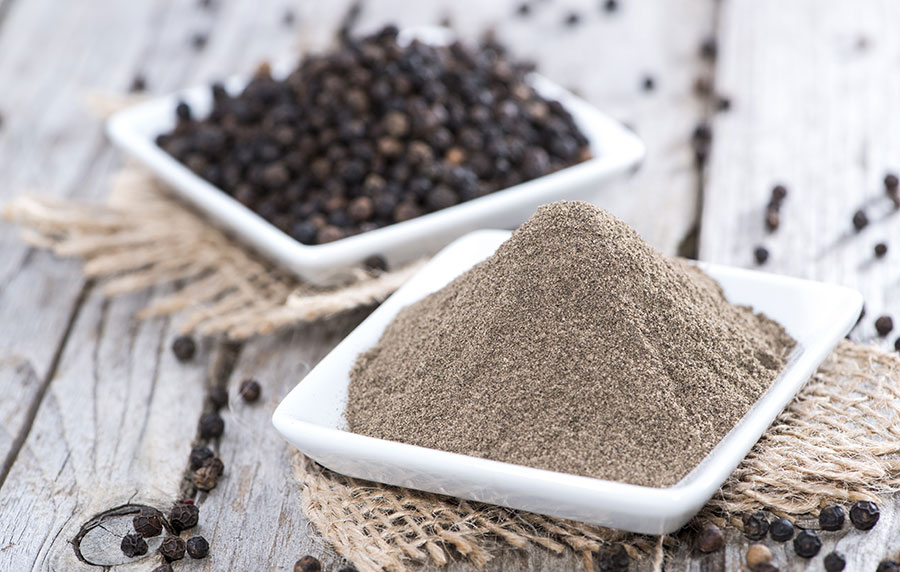


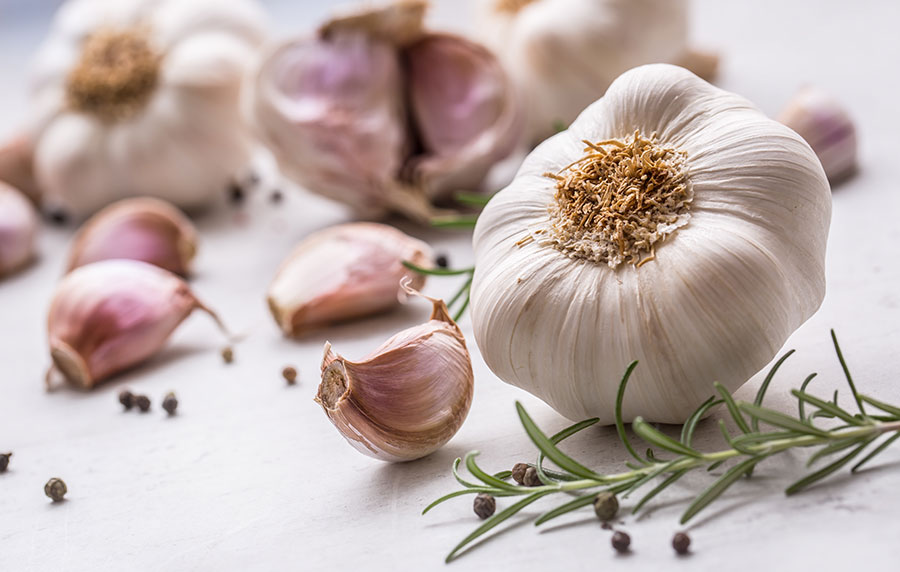


Make your own spicy blend without salt! The Academy of Nutrition and Dietetics recommends the combination below for Mexican-style dishes. Just store in a tightly covered jar.
Source: Eat Right: Eating Right With Less Salt (tip sheet). Academy of Nutrition and Dietetics, 2017.

Many other spices are beneficial in alleviating inflammation including allspice, caraway extract, chili pepper, cloves, cocoa and fenugreek.5 *Herbs with anti-inflammatory activity include bay leaf, marjoram, oregano, rosemary, sage, and thyme.5
Beneficial Diet
A diet rich in spices that decreases inflammation and oxidative stress can promote healthy immune balance. Around the world, the basic concepts for following an anti-inflammatory diet include adding a variety of spices, especially ginger and curry.4 So what about the rest of your diet? An overall anti-inflammatory, antioxidant eating plan augments immune function, fights inflammation and hampers disease development.2,10 An anti-inflammatory Mediterranean eating plan includes spices daily.
A Mediterranean diet pattern, in particular, has an anti-inflammatory effect.11 This type of diet is rich in fruits, vegetables, legumes, grains, red wine, seafood as well as monounsaturated fatty acids and omega-3 fats.8 These components provide a lot of fiber, magnesium, carotenoids, and flavonoids which help reduce inflammation.8
No matter your taste preference or diet plan, there are immune boosting and anti-inflammatory spices you can include regularly. Use them often and in greater amounts to get the most benefit!
References:
Debbie James, RDN, helps answer a reader’s question about how much protein is too much for the body to process.

Debbie James, RDN, helps answer a reader’s question on breakfast and working out.
Debbie James, RDN, helps answer a reader’s question on introducing teens to better nutrition.