Warm Comfort Foods Made Healthy(ish)
Most comfort foods we turn to are heavily laden with fat, starch and calories. There are healthier ways to enjoy down-home classics by making a few tweaks.



I’m a single bachelor, and I work about 60 to 70 hours a week, so I always end up eating out instead of cooking. I was looking for some 1-pot recipes that I can cook and pack up at work and eat at night as well. Any recommendations?
– Robert W.

I’ve tried a few 30-minute meals recipe books and always found that including pre-cooked meats or already-diced ingredients was a bit of a cheat. But you’ve got to save time somewhere, and it often comes at an expense (of money) or in sacrifice of nutrition. My advice is to either prepare your meats and raw produce in bulk when you bring them home from the store, or buy a few already-prepped convenience ingredients.
One big-time saver is pre-cut fresh produce, such as a container of onion and bell pepper strips or a mirepoix mix of diced onion, celery and carrot. Frozen plain vegetables are simple to microwave or steam. No-salt-added canned corn kernels, sliced beets or diced tomatoes are simple to pop open, drain and add to an appropriate dish for a pop of color, fiber and vitamins/minerals.
Simple, healthy and easy-to-prepare meals often mean 1-pot cooking. For example, in a heated large stir-fry or fry pan, you can start by searing chunks of your preferred protein, add chopped vegetables, then pour in a bagged frozen meal and cooking until heated through when sauce is melted and starch (pasta, potato or rice) is soft. Voila two portions become three with less sodium per serving!
Starting a slow-cooker in the morning makes coming home to a finished meal easier. Choosing your recipe and prepping your ingredients the night before means just turning on the cooker and popping in your food before leaving for work. Remember that smaller chunks of food cook faster. You can adjust heat settings and total cook time for larger items like whole chicken breasts or pork loins.
See our article Inexpensive Meal Prep | Q+A for more tips.
– Debbie J., MS, RD
This article should not replace any exercise program or restrictions, any dietary supplements or restrictions, or any other medical recommendations from your primary care physician. Before starting any exercise program or diet, make sure it is approved by your doctor.
Some questions have been edited for length and/or clarity.
 Have a nutrition question? Our registered dietitian is ready to help!
Email nutrition@lafitness.com or submit your question below and it may be featured in an upcoming article!

Most comfort foods we turn to are heavily laden with fat, starch and calories. There are healthier ways to enjoy down-home classics by making a few tweaks.

Good nutrition is all about variety! Browse through our list of unusual fruits and veggies and give yourself a chance to try something new.

Does liberally salting your food help you pump more iron in the gym? Registered Dietitian, Debbie James, investigates the claims!


Welcome to month 3 of 2018! Congratulations to those of you who have stuck with your New Year’s resolution to make fitness a priority in the new year. However, we know that some of you may not be as focused as you once were.
For those of you struggling to keep the momentum going, or even those of you who feel like you’ve already fallen off the fitness wagon – fear not! Many of you may think that a new healthy habit should begin upon the start of a year new, new month, or new week. We’re here to tell you that you can start at any time – it doesn’t matter as long as you start.
This is why LA Fitness has deemed this March as #MarchtoLAFitness. If you want to see changes, you’ve got to put in the time! Tired? Everyone is. Busy? Most people are. However, being tired or busy and not setting aside the time you need to make yourself healthy is a lose-lose situation. If you’re feeling lousy about excess weight, poor nutrition or a tired mind, starting a healthy habit is what your body needs.
The American Psychological Association (APA) suggests changing one behavior at a time. Swap out that quick fast food meal for a home-cooked one instead. Get an extra hour of sleep or add an extra day spent at the gym to your weekly schedule. Unhealthy behaviors or habits typically develop over the course of time, which means you can’t expect healthy habits to develop overnight. It’s going to take discipline and practice. Worried that you don’t have the willpower or determination to make these changes? Try this:
Set Realistic Goals
Let’s say you want to lose a certain of weight. A reasonable goal is to allow yourself enough time to make this goal come to fruition. Try setting short and long-term goals. For instance, a goal to lose 1 pound a week is a lot more realistic than wanting to lose 10 pounds. Be realistic with yourself and know what fits your lifestyle. Hitting a short-term goal (i.e., losing one pound in a week), will leave you feeling accomplished and will help develop the healthy habits you need to continue working toward your long-term goals.

Involve a Friend
Did you know that having someone to help you along the way can help you stay motivated? Whether that person is a family member, significant other, friend or coworker, you may want to invite someone who shares a similar goal to join you on your way to success! Looking to sweeten the deal? LA Fitness offers a program called VIP Rewards where you can invite a friend or family member to join you at our club while earning points that can be redeemed for LA Fitness gear. (Check out rewards here!)

Habit vs. Lifestyle
Developing healthy habits can lead to a healthy lifestyle, but how long does it take exactly to start a new healthy habit? This number has been debated a lot, with some thinking it takes 21 days to develop a habit while others believe it can take up to 90 days. How true are these numbers and what does that mean when setting a goal to sticking to consistent, healthy habits? An article published in the National Center for Biotechnology Information (NCBI) references an article1 focused on the psychology of ‘habit-formation’ and general practice. Below is an excerpt taken from the study:
Unrealistic expectations of the duration of the habit formation process can lead the patient to give up during the learning phase. Some patients may have heard that habits take 21 days to form. This myth appears to have originated from anecdotal evidence of patients who had received plastic surgery treatment and typically adjusted psychologically to their new appearance within 21 days.22 More relevant research found that automaticity plateaued on average around 66 days after the first daily performance,9 although there was considerable variation across participants and behaviours. Therefore, it may be helpful to tell patients to expect habit formation (based on daily repetition) to take around 10 weeks. Our experience is that people are reassured to learn that doing the behaviour gets progressively easier; so they only have to maintain their motivation until the habit forms. Working effortfully on a new behaviour for 2–3 months may be an attractive offer if it has a chance of making the behaviour become ‘second nature’.
Uh oh… I Slipped Again
Don’t let a day (or two or three) skipping the gym deter you from getting right back on track! Did you eat unhealthy over the weekend? Perhaps you maybe indulged a little too much on last night’s dinner. Well, this means all your hard work and progress is gone, right? Wrong! A little misstep is no reason to feel like you’ve failed at working toward your goal. Don’t wait until next week, next month, or next year to get back on track – do it today because the time spent waiting to fix what you want to change can be time spent actively working towards your life’s goals.
You’ve got this. We believe in you. #MarchtoLAFitness

Sources:
Referenced:

The Holiday Season can get stressful, so we may stick to a routine for the sake of easy planning. Try any of these 10 simple ideas to bring new life to your Thanksgiving celebrations.

By now, you may have seen some donation boxes at your local LA Fitness. If you haven’t been entirely sure what those boxes are all about, you’re in the right place!
Most comfort foods we turn to are heavily laden with fat, starch and calories. There are healthier ways to enjoy down-home classics by making a few tweaks.

I drink approximately 10 glasses of water a day. Do I need to supplement my water with electrolytes and if I don’t add anything to my water am I washing out nutrients drinking so much water?
– Carmela M.
Your reported water intake may be excessive if you are also drinking a lot of other beverages. If it’s your only fluid intake, then 10 glasses of plain water are fine, assuming you are an active, healthy adult with no medical conditions. True water overload that dilutes blood electrolytes (a serious situation called hyper-hydration or water intoxication) is rare and comes from downing gallons of water in a short period of time.
Thirst is a weak indicator of your hydration status. Better yet, check your urine color. Optimal is a pale yellow like the area circled in the image below:

You shouldn’t need to add electrolytes to your water or worry about flushing out micro-nutrients if you’re generally in this range. A clear or barely perceptible yellow reflects dilute urine, while an amber color is a sign of dehydration.
– Debbie J., MS, RD
This article should not replace any exercise program or restrictions, any dietary supplements or restrictions, or any other medical recommendations from your primary care physician. Before starting any exercise program or diet, make sure it is approved by your doctor.
Some questions have been edited for length and/or clarity.
Have a nutrition question? Our registered dietitian is ready to help!
Email nutrition@lafitness.com or submit your question below and it may be featured in an upcoming article!
Most comfort foods we turn to are heavily laden with fat, starch and calories. There are healthier ways to enjoy down-home classics by making a few tweaks.
Good nutrition is all about variety! Browse through our list of unusual fruits and veggies and give yourself a chance to try something new.
Does liberally salting your food help you pump more iron in the gym? Registered Dietitian, Debbie James, investigates the claims!

Runners, what do you do to work out your legs besides run? Pro Results® trainer, Kayla V. offers some helpful advice on leg exercises that won’t put a strain on runner’s legs.

Do you have a fitness question? Ask one of our certified Pro Results® trainers here! Your question may be featured in an upcoming Ask Our Trainer video.**
**Selected submissions will be featured on the LA Fitness blog and possibly other LA Fitness digital media entities & websites. By making a submission, you hereby grant LA Fitness a non-exclusive, perpetual, worldwide, irrevocable license to use and make copies of the contents of such submission for any purpose and in any medium whatsoever, and you hereby waive and relinquish any copyright or other intellectual property right you may have in the contents of such submission and your right to pursue any claim for LA Fitness’s violation of those intellectual property rights.

On this episode of ‘Ask A Trainer’ we speak with LA Fitness Pro Results® trainer Morgan C., and get her expert advice on how to properly maintain muscle mass.
On this episode of ‘Ask A Trainer’ we speak with LA Fitness Pro Results® trainer Morgan C., and get her expert advice on which machines offer a full body workout.
On this episode of ‘Ask A Trainer’ we speak with LA Fitness Pro Results® trainer Morgan C., and get her expert advice on whether or not strength training or cardio should come first when it comes to weight loss.
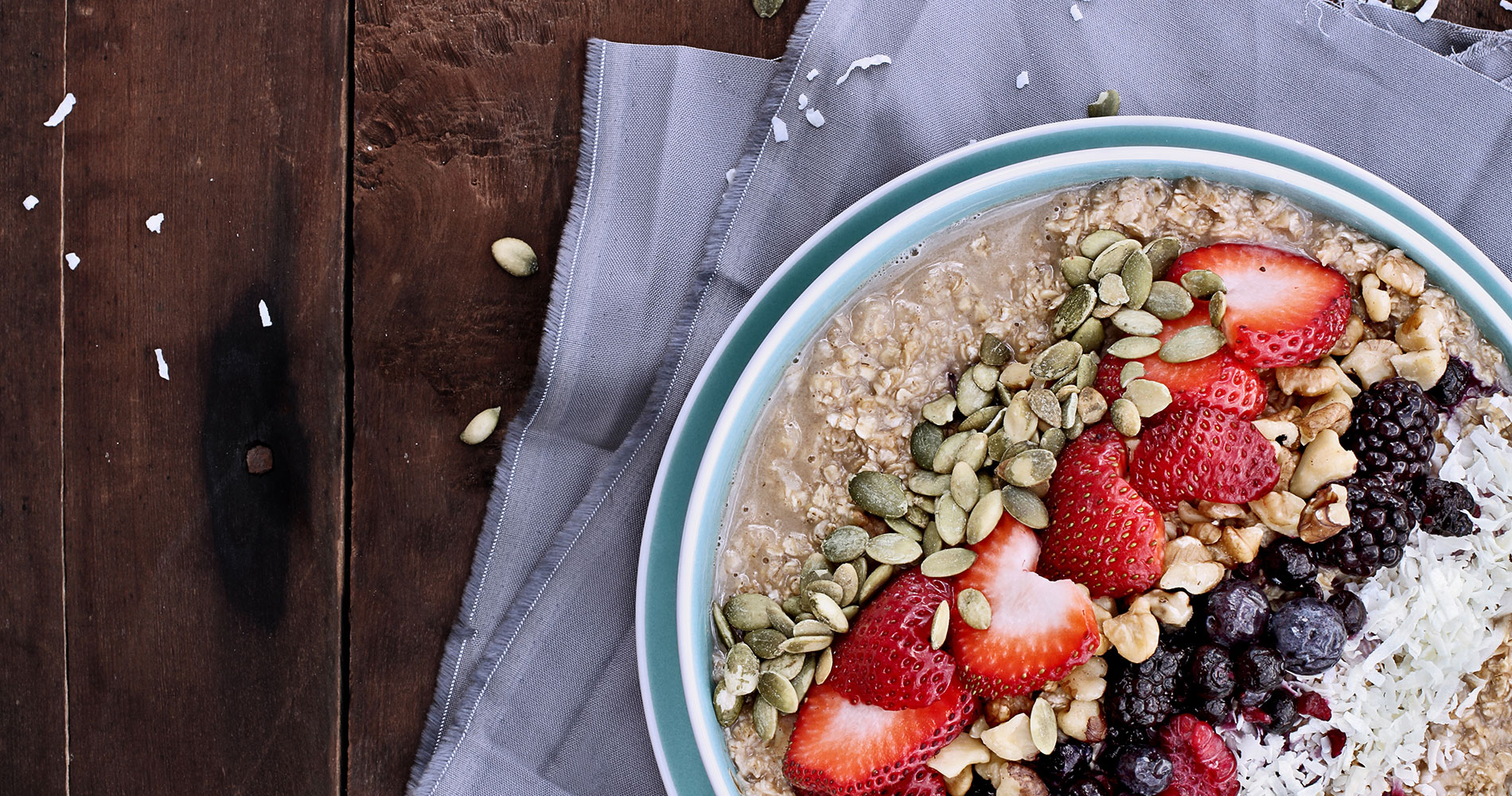
I am gluten intolerant and also need to make sure I have enough fiber in my diet. I have some restrictions also to nuts and seeds. I am really struggling with determining a healthy lower calorie diet. Any tips?
– Debbie K.
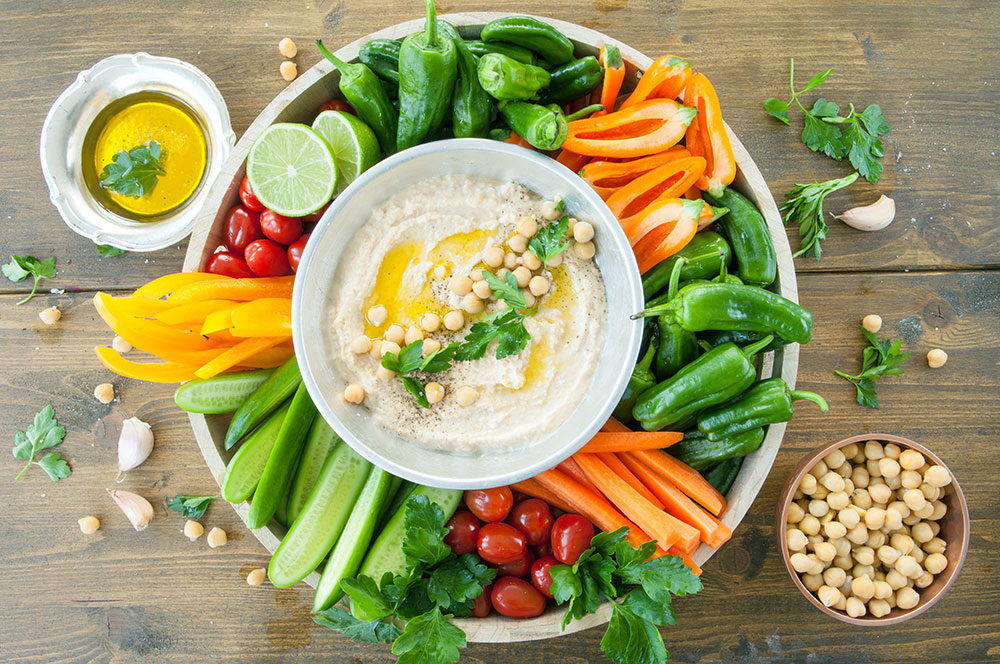
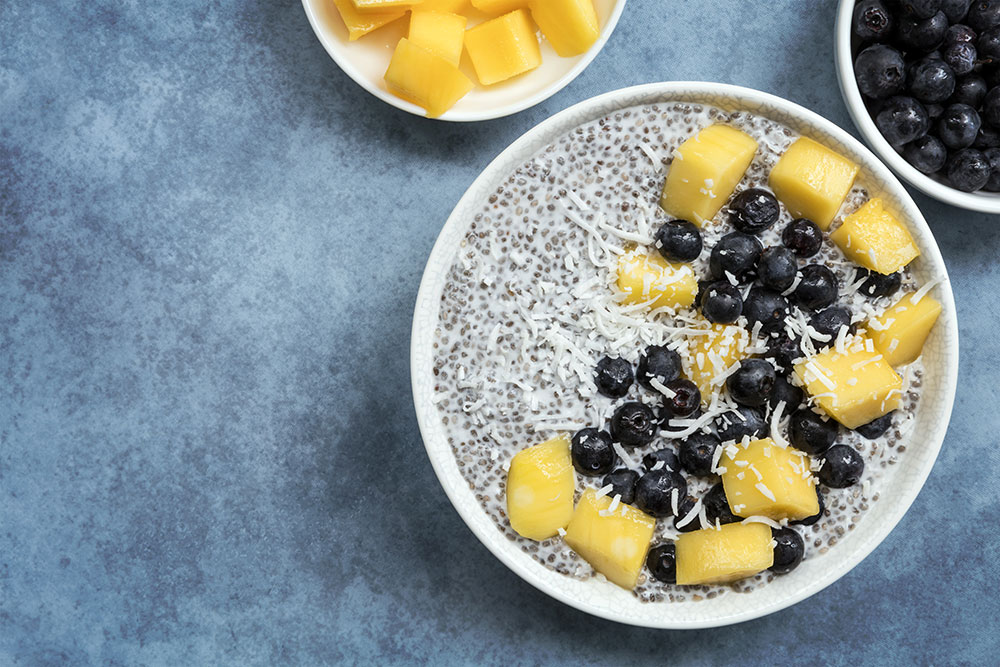
As gluten is a protein found in grains, you should look to fruits, vegetables and legumes for the fiber you need. Produce is also low-calorie (except avocados), so it is well-suited for a restricted diet. Here are some of my fibrous favorites to work into your week:
– Debbie J., MS, RD





This article should not replace any exercise program or restrictions, any dietary supplements or restrictions, or any other medical recommendations from your primary care physician. Before starting any exercise program or diet, make sure it is approved by your doctor.
Some questions have been edited for length and/or clarity.
Have a nutrition question? Our registered dietitian is ready to help!
Email nutrition@lafitness.com or submit your question below and it may be featured in an upcoming article!
Most comfort foods we turn to are heavily laden with fat, starch and calories. There are healthier ways to enjoy down-home classics by making a few tweaks.
Good nutrition is all about variety! Browse through our list of unusual fruits and veggies and give yourself a chance to try something new.
Does liberally salting your food help you pump more iron in the gym? Registered Dietitian, Debbie James, investigates the claims!