Heirloom Tomatoes & Stracciatella from etta
Award-winning Chef, Danny Grant of Chicago’s etta, shares a light and healthy recipe you can easily whip up just in time for your next summer potluck!



Photo credit: Katherine Parske
If you think Italian cooking is only carb and calorie loaded, think again. We spoke with Chris Disney, Director of Operations for Picazzo’s Healthy Italian Kitchen and learned a thing or two about how healthy eating doesn’t have to mean sacrificing flavor or enjoyment of your meal. Check out the QA with Chris below and then make Picazzo’s delicious Chocolate Avocado Mousse recipe for dessert tonight!
Q: Italian food is known for being very carb-heavy. While this isn’t necessarily a bad thing, a lot of our readers are looking for ways to work on their nutrition to become their best healthy (and fit) selves – what makes the food at Picazzo’s so healthy?
Chris Disney: Healthy is such a broad term- for some of our guests, it means a gluten-free diet, while for others it means following a vegan diet or just eating “clean” foods. For us, it is offering something for each specific diet where our guests can be confident knowing that they are not filling their bodies with hormones, antibiotics, pesticides, genetically modified organisms or artificial preservatives. We have many guests that have food allergies, digestive problems, cancers, diabetes and many other struggles or have made conscious decisions to live a vegan lifestyle and we offer these individuals a dining experience with choices that fit their specific needs. For example, we offer 99% of our menu gluten-free, while offering a completely separate vegan menu that has over 40 different menu items available.
Q: What are some of your favorite ingredients to work with? Why those?
CD: I actually like root vegetables a lot. They are so versatile; they can be braised, roasted, grilled or baked. They can be served hot or cold and they hold up very well. Right now our menu has an herb-roasted sweet potato that is great and we are also adding golden beets into the mix very soon. I also really like using fresh herbs- cilantro, rosemary, thyme, basil- they all have such flavor and aroma and bring a freshness to any recipe.
Q: On your website, you define what a “healthitarian” is, would you mind sharing with our readers?
CD: We have so many guests with different dietary needs from eating gluten-free to vegan to organic. The one thing they all have in common is that they all focus on their health in one way or another, so we decided to define what that meant and become ambassadors of the movement to live, eat and be healthy. Our definition of what a Healthitarian is, is:
HEALTH • I • TAR • I • AN
/helth-ə-ˈter-ē-ən/
[noun]
Q: What are the “Dirty Dozen” and “Clean 15”?
CD: The Dirty Dozen and Clean 15 is a produce list that outlines the 12 most pesticide-heavy fruits and vegetables as well as the fruits and vegetables that are considered to be the cleanest. Generally, the items that are more porous and exposed will absorb the most pesticides, while items that have rinds or natural barriers give the flesh protection from absorbing large amounts of pesticides. This guideline is helpful to those who want to avoid conventional produce but may not want to pay a higher premium or cannot obtain 100% organic items.
Q: How does balancing a healthy diet and healthy lifestyle impact your way of life?
CD: Balancing a healthy diet and lifestyle is important for me since I am always on the go. I oversee 5 restaurants and my wife and I have three young kids that are 5, 3 and 8 months old so it becomes difficult to sit down and eat a healthy prepared meal, especially on a regular schedule, for all meal periods. In the restaurants, you are constantly taste-testing your product and don’t realize how much grazing you do in just quality checks. I have to be conscious and plan ahead about my choices to avoid the “auto-pilot” of eating whatever is convenient and instead, plan on having healthier snacks available like a banana, granola, yogurt or simply grape tomatoes. It is the same way with physical activity- it has to be planned and prioritized for it to happen.
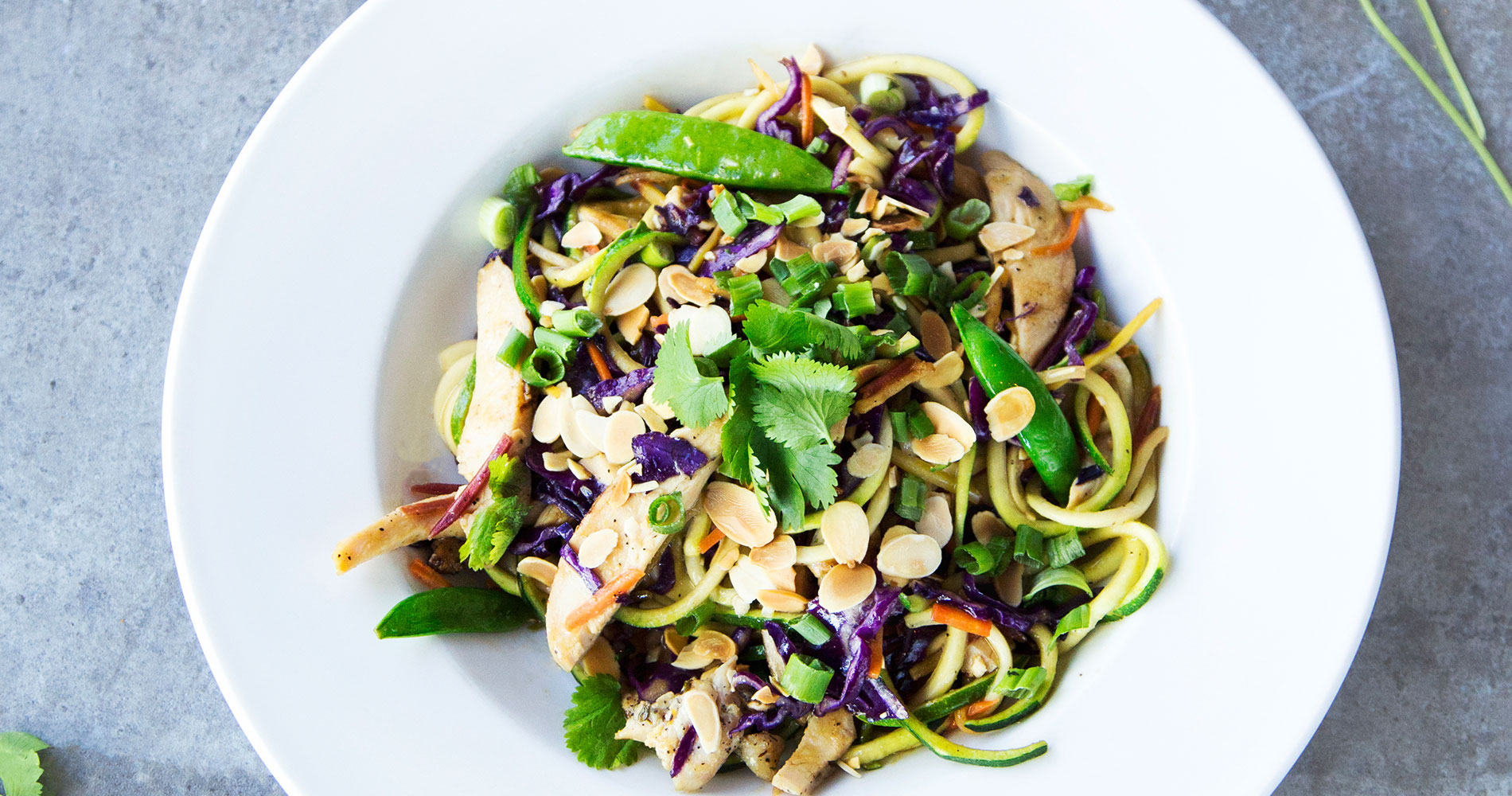


Photography by: Katherine Parske
Picazzo’s is located at the following locations:

Photo credit: Grace Stufkosky
Step 1: Blend all ingredients in a food processor (or traditional/immersion blenders will work too) until a smooth and creamy texture is present.
Step 2: Enjoy.
Featured Recipes
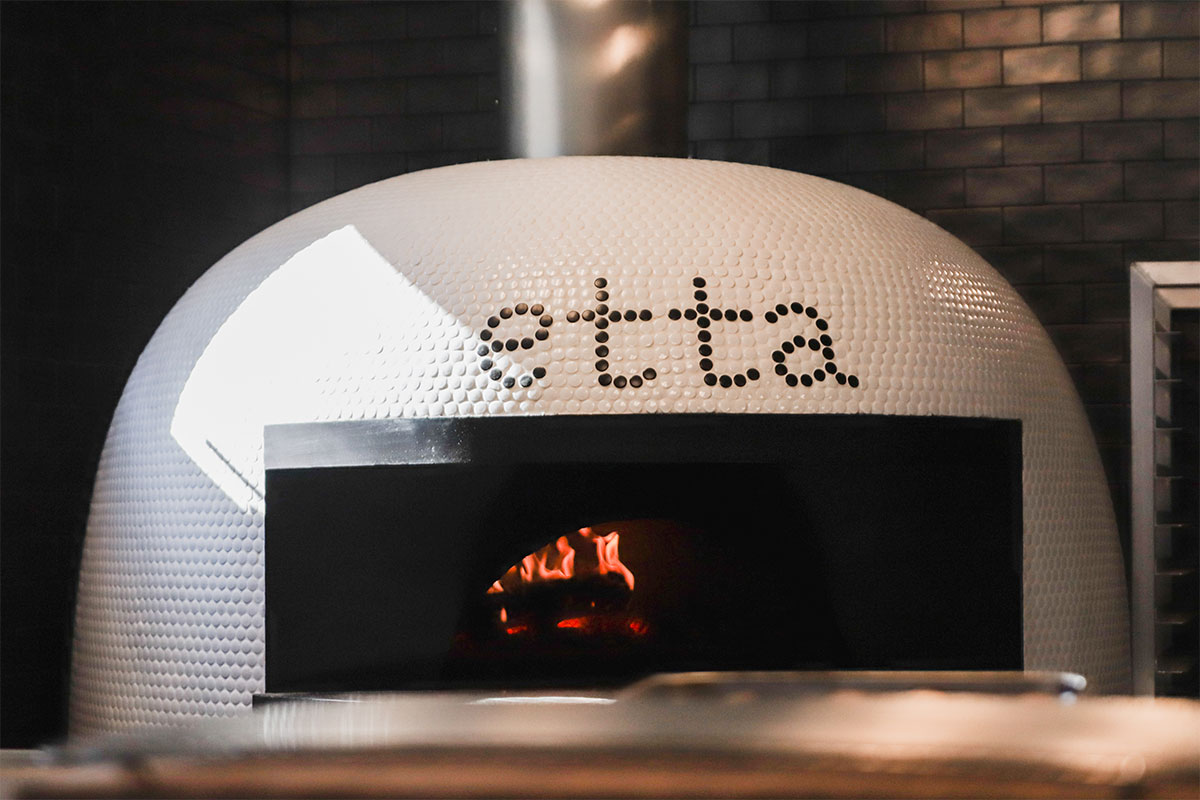
Award-winning Chef, Danny Grant of Chicago’s etta, shares a light and healthy recipe you can easily whip up just in time for your next summer potluck!
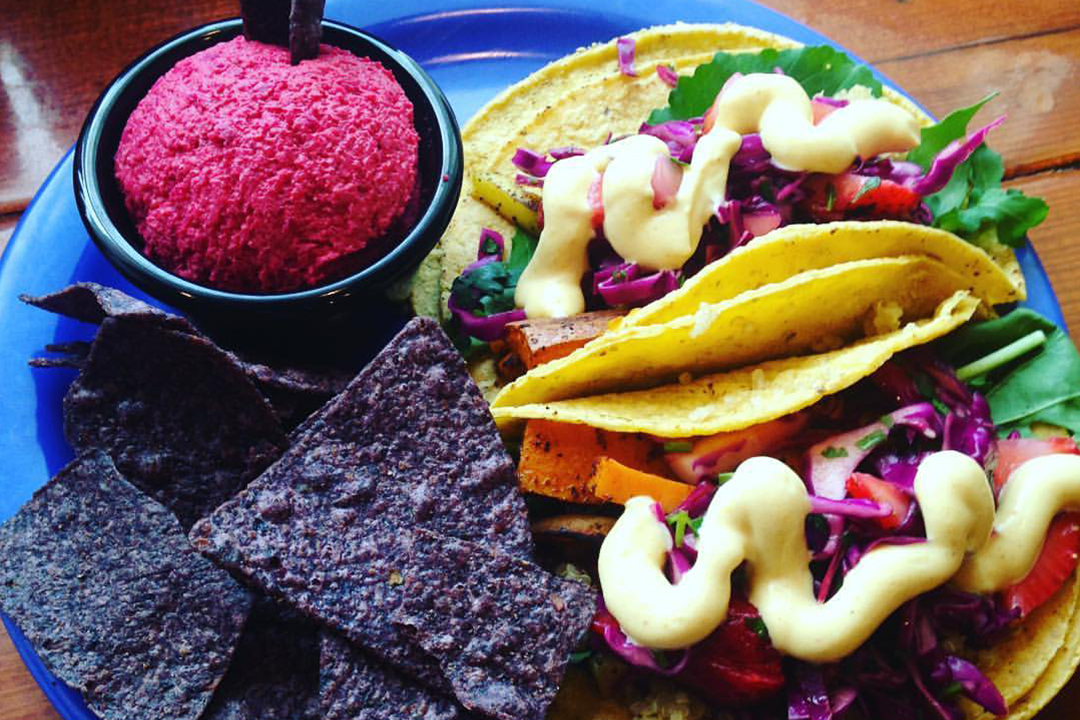
Chef Ryan Toll, of The Wild Cow, shares his vegan-friendly recipe with us for Sweet Potato and Black Beans Tacos. Whip this up quickly for tonight!
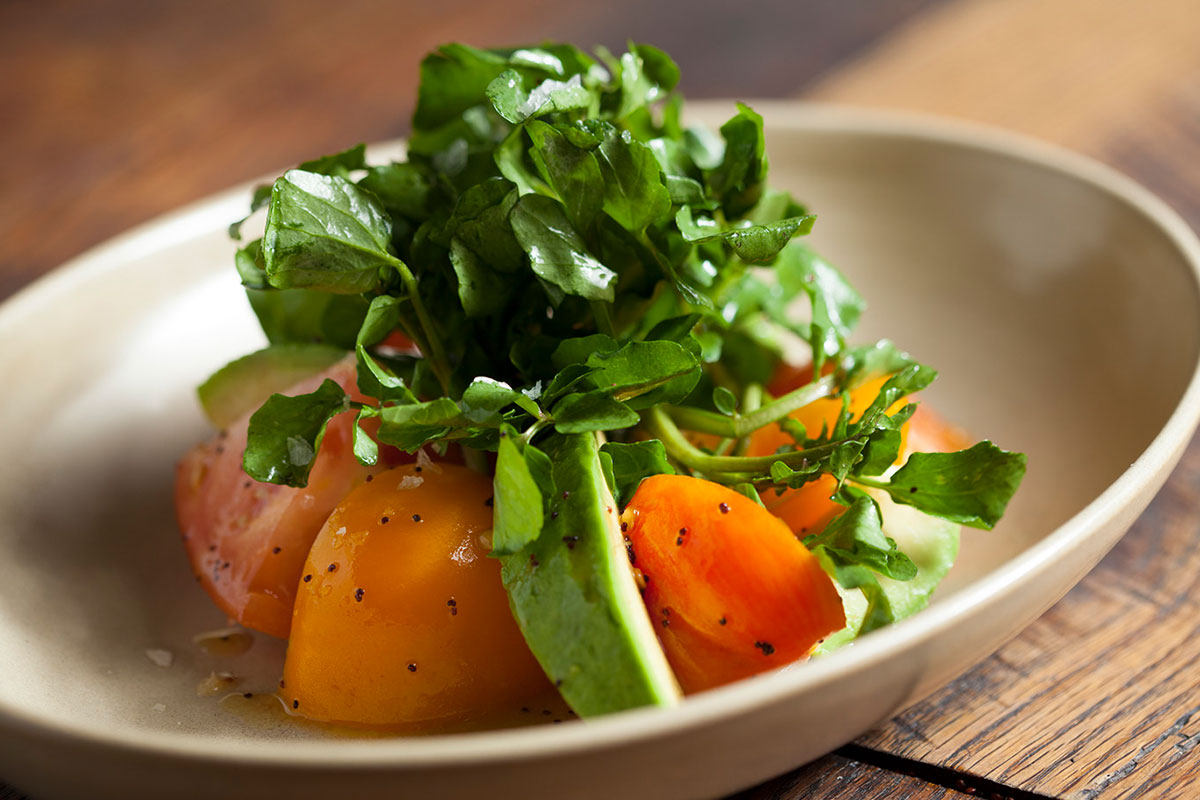
Chef Brian Okada of Water Grill shares his recipe for Tomato Avocado Salad with a light Poppy Seed Dressing. It's quick, it's easy, healthy and tasty!


A triathlon is an athletic contest that challenges its competitors in three different events: swimming, cycling, and long-distance running.
There are typically four to five different levels of triathlons that you can choose to compete in.
Level 1: Super Sprint Triathlon (Beginners)
Level 2: Sprint Triathlon (Beginners)
Level 3: Standard Triathlon – Olympic Distance (Intermediate)
Level 4: Half-Ironman Triathlon (Advanced)
Level 5: Ironman Triathlon (Advanced)
Source: Cycling Weekly


A triathlon training schedule is going to vary based on current fitness level, age, gender, and the level of triathlon you plan on competing in.
Taken from the Triathlon Training for Dummies Cheat Sheet, they recommend:
Sprint/Super Sprint
Olympic
Half Ironman
Ironman
Of course, this is only a suggested guide. Everyone may need to adjust their fitness routine accordingly.



If you find yourself struggling with swimming, biking or running, consider investing in a certified personal trainer who can help create a personalized training schedule for you to successfully reach your goals.
It’s an additional way to help you stay accountable during your training, further establish your goals, and measure and track your progress leading up to the big day!
Tip: Know the terrain well before race day and share this information with your trainer. It can greatly impact the intensity and style of training you’ll need for optimal success.

Any time is a good time to start training at LA Fitness, but it’s a great time if you’re training for a big event. With state-of-the-art equipment, a Junior Olympic size pool*, and plenty of cycle bikes, it’s a great place to put in the work needed leading up to the big day.
If you’re looking for an upcoming triathlon to try, consider the Time to Tri Indoor triathlon series at www.mytimetotri.com/indoorseries.
The Time to Tri Indoor Triathlon Series features a 10-minute pool swim, 30-minute stationary bike, and 20-minute treadmill run. Choose from one of five LA Fitness locations in the Tempe/Tucson area July 15 or July 22.
The basic concept is to eat for training as you would an actual competition. This enables you to test out which foods, beverages and meals work best with your body for your specific race distance. Competing on a full stomach is uncomfortable, doesn’t allow the best digestion, and can impair performance so you’ll want to be sure and have a higher carbohydrate meal 3-4 hours prior to a full training session with all three sports. This meal should contain a moderate amount of protein (~30 grams) and a low amount of fat, followed by about 2 cups of water. Races are usually first thing in the morning making this timing impractical, so load up on carbohydrates the night before and practice early mornings while following the below.
About an hour prior to the event, eat a snack with around 30-60 grams of carbohydrates and about 10 grams of protein, again lower fat and with a cup of water. Consumption of this snack is critical as there is no intake during the first swim leg and fueling during the bike and run legs will likely be limited to sports drinks. The goal is to create a constant supply of blood glucose throughout the triathlon. Hydration for thermoregulation is critical, so drink ½ – 1 cup of a lightly salted solution of 5-8% carbohydrate (10-20 g CHO and ~110 mg Na+ per cup) every 15 – 20 minutes during competition and training. Everyone’s body is unique and gut tolerance varies, so find your ideal foods and volume to ensure peak performance.
Response above provided by LA Fitness registered dietitian, Debbie James, RDN.
Sunday, July 15 at 7:30 a.m.:
Sunday, July 22 at 7:30 a.m.:
It’s your time to try a triathlon! For more information and to register, visit mytimetotri.com/indoorseries. LA Fitness members save $10 on registration.

For a more comprehensive look into everything you’ll need to know before your big day, check out this all-inclusive article published by the New York Times on triathlons.
All guests using club facilities must be 18 years of age or older, show I.D., and sign a waiver of liability prior to admission. Advertised events are subject to change. ©2018 Fitness International, LLC. All rights reserved.
* Amenities may vary by location and some may require an additional fee. Access based on membership type.

The Holiday Season can get stressful, so we may stick to a routine for the sake of easy planning. Try any of these 10 simple ideas to bring new life to your Thanksgiving celebrations.

By now, you may have seen some donation boxes at your local LA Fitness. If you haven’t been entirely sure what those boxes are all about, you’re in the right place!

Most comfort foods we turn to are heavily laden with fat, starch and calories. There are healthier ways to enjoy down-home classics by making a few tweaks.

LA Fitness Pro Results® Master Trainer, Stone T., gives his expert advice on which machines best assist with toning the body. His answer may surprise you!

Do you have a fitness question? Ask one of our certified Pro Results® trainers here! Your question may be featured in an upcoming Ask Our Trainer video.**
**Selected submissions will be featured on the LA Fitness blog and possibly other LA Fitness digital media entities & websites. By making a submission, you hereby grant LA Fitness a non-exclusive, perpetual, worldwide, irrevocable license to use and make copies of the contents of such submission for any purpose and in any medium whatsoever, and you hereby waive and relinquish any copyright or other intellectual property right you may have in the contents of such submission and your right to pursue any claim for LA Fitness’s violation of those intellectual property rights.
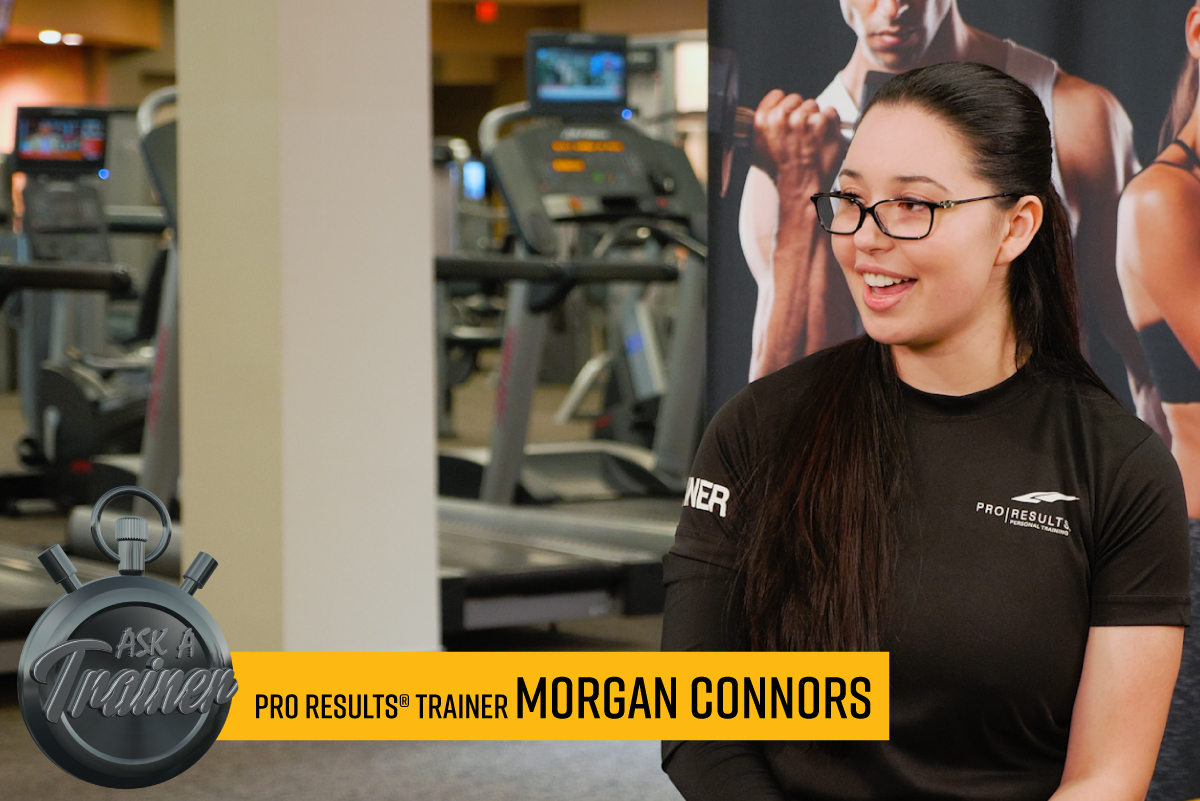
On this episode of ‘Ask A Trainer’ we speak with LA Fitness Pro Results® trainer Morgan C., and get her expert advice on how to properly maintain muscle mass.
On this episode of ‘Ask A Trainer’ we speak with LA Fitness Pro Results® trainer Morgan C., and get her expert advice on which machines offer a full body workout.
On this episode of ‘Ask A Trainer’ we speak with LA Fitness Pro Results® trainer Morgan C., and get her expert advice on whether or not strength training or cardio should come first when it comes to weight loss.
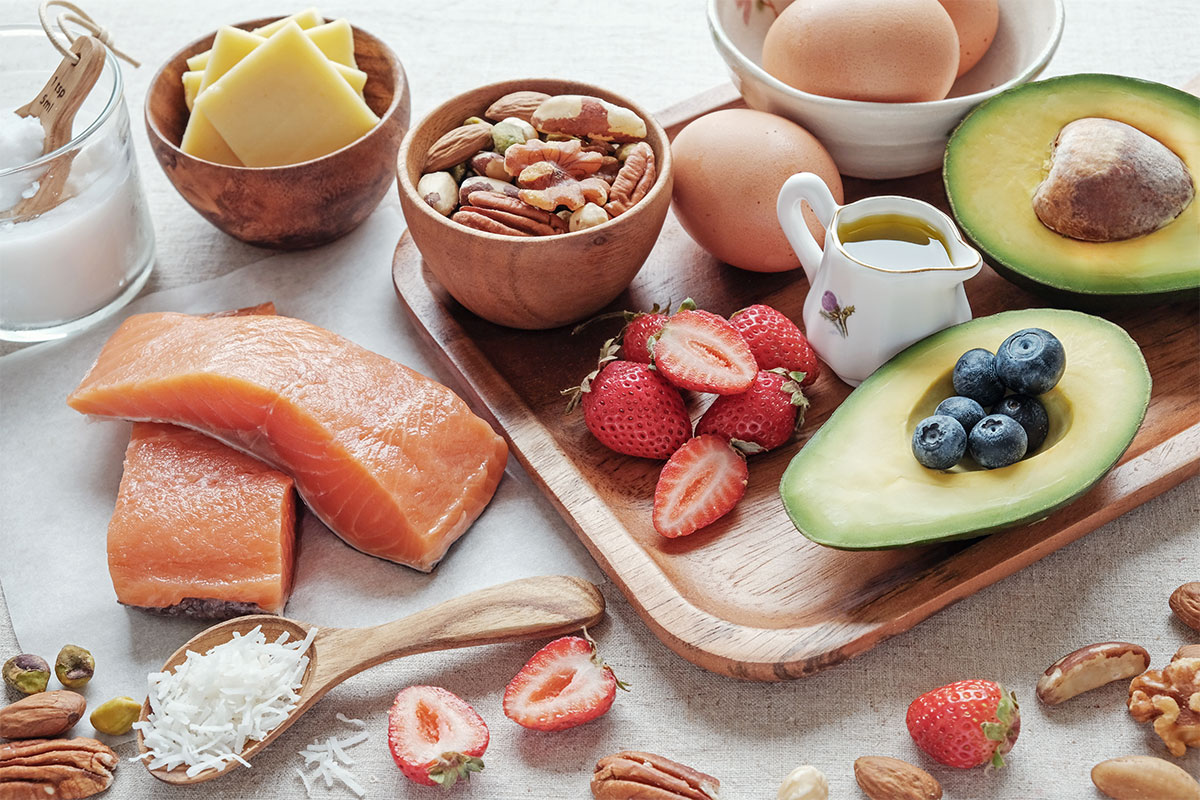

Can you provide me with a basic understanding of carbs, fats, and proteins?
– Mandeep P.

Carbohydrate, fat, and protein are the three macronutrients (needed in large quantities) that give us energy. Alcohol also provides calories but is not a nutrient. Water is the other macronutrient but is calorie-free.
Carbohydrates are compounds that are predominantly used for energy in the body to fuel our brain, nervous system, organs, metabolic processes, and muscles. We get 4 calories per gram from carbohydrate molecules that reach our cells. Some carbohydrates aren’t even digested or absorbed – namely dietary fiber. It is specifically identified on a food’s Nutrition Facts panel, as are sugars. Carbohydrates can be simple or complex in structure. Simple carbohydrates are single or double sugar units, while complex carbohydrates are starchy. Sugars are naturally found in fruits, milk and yogurt, some vegetables, but can be added to just about any packaged or processed food. Starches include foods like potatoes, pasta, bread, rice, corn and cereal grains.
Fats that we eat are triglyceride compounds, the same type we store in our bodies. We get 9 calories per gram of fat, making fat the most energy-rich macronutrient. In addition to long-term energy, we use fat for insulation and protecting our internal organs. Each triglyceride has 3 fatty acid strands. Some of the bonds in a fatty acid are doubled-up making them unsaturated. Mono-(single) and poly-(multiple) unsaturated fats are healthier for us than saturated fat. Trans fat is produced unintentionally when in food processing, and unsaturated fat (typically plant oil) is hydrogenated to become solid. These are the worst fats that negatively impact health, even more so than saturated fat. The highest sources of beneficial unsaturated fats are fatty fish and plant foods like nuts, olives, and avocados.
Proteins are chains of nitrogen-containing amino acids that we break down and reuse to form our own protein in cell membranes, antibodies, and enzymes. These are functions neither fats nor carbohydrates can perform, and we don’t have amino acid reserves, so it’s important to get enough protein. We get 4 calories per gram of protein. Some of the amino acids we can’t form ourselves and so are considered essential to our bodies. Protein sources with the most essential amino acids include eggs, poultry, beef, pork, and dairy products. With an adequate amount of a wide variety of legumes, vegetables, whole grains, nuts and seeds, vegans can get enough essential amino acids from plant foods alone.
Did you know?… If you eat too many calories from any energy source, your body can convert it to stored fat.
– Debbie J., MS, RD
This article should not replace any exercise program or restrictions, any dietary supplements or restrictions, or any other medical recommendations from your primary care physician. Before starting any exercise program or diet, make sure it is approved by your doctor.
Some questions have been edited for length and/or clarity.
 Have a nutrition question? Our registered dietitian is ready to help!
Email nutrition@lafitness.com or submit your question below and it may be featured in an upcoming article!
Most comfort foods we turn to are heavily laden with fat, starch and calories. There are healthier ways to enjoy down-home classics by making a few tweaks.

Good nutrition is all about variety! Browse through our list of unusual fruits and veggies and give yourself a chance to try something new.

Does liberally salting your food help you pump more iron in the gym? Registered Dietitian, Debbie James, investigates the claims!

I would like to find good breakfast diet. I can’t do milk products in the morning. Oatmeal is not my favorite, but I can eat it. I also need good lunch meal to carry with me as I am in sales so I’m in the car all day long.
My background:
Thanks for your help.
– Kent S.
Based on the information you provided, meals about 600-800 calories (assuming no snacks) seem suitable. You’d benefit from fiber, unsaturated fats including omega-3 fats and losing weight, hence the lower calorie range.
Here are a few options about 600 calories for you to consider:
Breakfasts
Lunches
Others have recently had similar questions. Read our answers here: Quick Eats While on the Road and The Mailman Diet.
– Debbie J., MS, RD
This article should not replace any exercise program or restrictions, any dietary supplements or restrictions, or any other medical recommendations from your primary care physician. Before starting any exercise program or diet, make sure it is approved by your doctor.
Some questions have been edited for length and/or clarity.
Have a nutrition question? Our registered dietitian is ready to help!
Email nutrition@lafitness.com or submit your question below and it may be featured in an upcoming article!
Most comfort foods we turn to are heavily laden with fat, starch and calories. There are healthier ways to enjoy down-home classics by making a few tweaks.
Good nutrition is all about variety! Browse through our list of unusual fruits and veggies and give yourself a chance to try something new.
Does liberally salting your food help you pump more iron in the gym? Registered Dietitian, Debbie James, investigates the claims!