Is Sugar Bad For You? – Podcast Ep. 43
On this week's episode of the Living Healthy Podcast, we ask Registered Dietician Debbie James the question "Is sugar bad for you?"

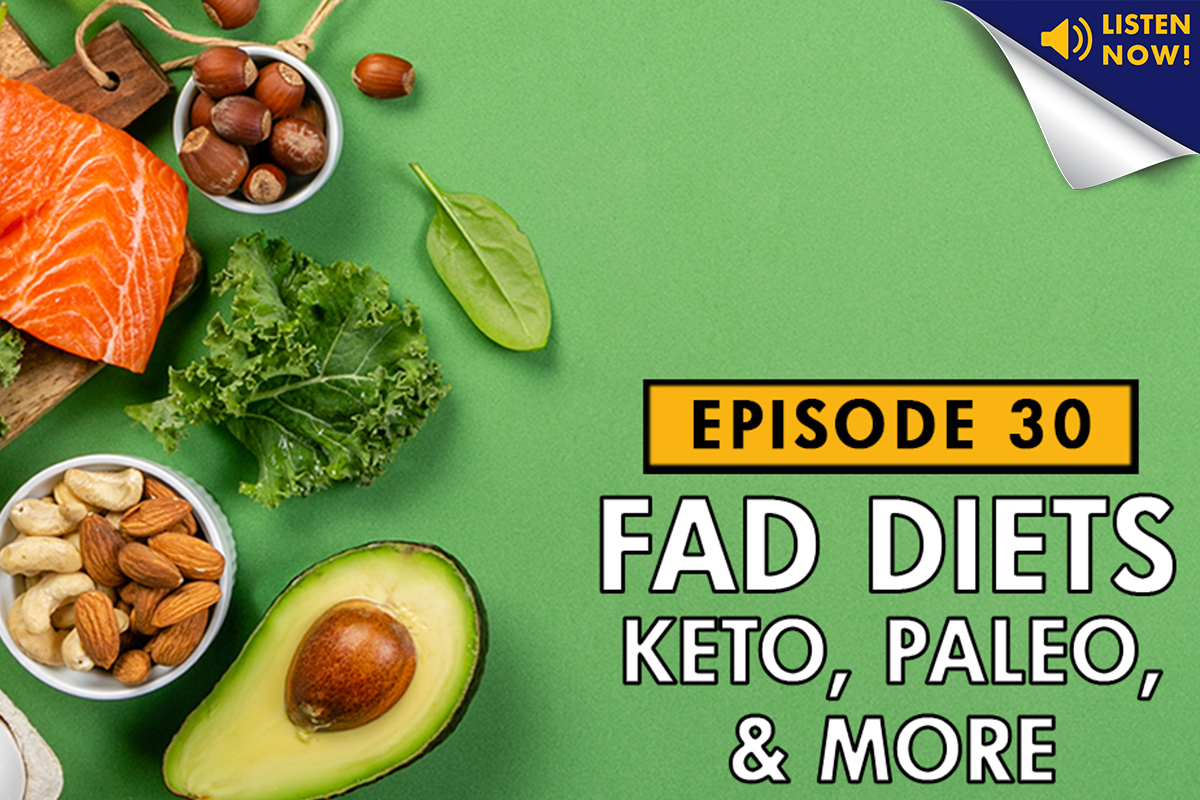
Welcome to the 30th episode of the Living Healthy podcast, presented by LA Fitness.
We’re kicking off Season 2 and we’ve got some exciting content lined up!
On this episode of the Living Healthy Podcast, Debbie James, RDN, answers some frequently asked questions about some of the most popular fad diets: Paleo, Whole 30, Keto, Anti-Inflammatory, and Intermittent Fasting. She delves into each one to discuss the recommended foods, the Pros and Cons, and how it effects the body.
How Are We Doing?
This podcast should not replace any exercise program or restrictions, any dietary supplements or restrictions, or any other medical recommendations from your primary care physician. Before starting any exercise program or diet, make sure it is approved by your doctor.
Intro
Begins at 0:01
Season 1 Recap
0:10
Introduction of New Co-host – Brittany Welch
1:16
Fad Diets – Paleo, Whole 30, Keto, Anti-Inflammatory, Intermittent Fasting
2:04
Introduction of LAF Registered Dietician, Debbie James
3:09
How Does the Word “Diet” Mean?
3:36
Are Diets Approached as Long-Term or Short-Term Changes?
4:19
What is the Paleo Diet?
5:02
Why Do People Participate in the Paleo Diet? What Foods Should/Shouldn’t You Eat?
5:55
What are the Pros of Paleo?
6:58
What are the Cons of Paleo?
8:31
Is There a Way to Incorporate Paleo into a Traditional Diet?
9:02
Who Would be a Good Candidate for Paleo?
9:53
What is the Whole 30 Diet? What Foods Should/Shouldn’t You Eat?
10:48
Would Paleo/Whole 30 be More Appropriate for a Body Cleanse?
12:24
Who Would be a Good Candidate for Whole 30?
14:09
What is the Ketogenic (Keto) Diet?
14:46
What Foods Should/Shouldn’t You Eat While Doing Keto?
17:15
Can the Keto Diet be Sustained Long-Term?
18:02
Can Keto be Used to Help Treat Epilepsy?
19:46
Who Would be a Good Candidate for Keto?
21:03
What is the Anti-Inflammatory Diet? What Foods Should/Shouldn’t You Eat?
21:40
What are the Health Benefits of the Anti-Inflammatory Diet?
23:45
Is the Anti-Inflammatory Diet a Prescribed Diet?
24:45
What is Intermittent Fasting?
26:12
Rebound Eating Associated with Diets
29:08
Pros of Intermittent Fasting
30:13
Does Intermittent Fasting Have a Similar Effect on the Body as Keto?
31:15
Who Would be a Good Candidate for Intermittent Fasting?
32:45
Actionable Advice
33:51
Outro
34:43
On this week's episode of the Living Healthy Podcast, we ask Registered Dietician Debbie James the question "Is sugar bad for you?"

WE’RE BACK!!! On today's episode of the Living Healthy Podcast, we're talking about Cancer Screening and Prevention with Dr. Rick Van Etten!

Debbie James, RDN, brings us her expert opinion on food safety and sanitation, along with information on how you can eat well if you have to shelter in place.

When a championship or trophy is on the line, every opportunity for an athlete to practice makes a difference. The same is true of exercise sessions in preparation toward achieving a physical goal. Too many people run through their workout just to check it off as done instead of utilizing the workout to its full potential. Instead, treat the session like elite athletes do – as a rehearsal for the biggest physical performance they’ll do that season.
“Make each day your masterpiece“ – John Wooden
Effort, drive and determination are often attributes associated with athletes pushing through tough practices. Hence, the “no pain, no gain” exercise motto. But enthusiasm, purpose and intense focus may be just as important for progress1. For successful workouts, having a positive attitude, a goal for that session and focused attention are key.

Three Key Factors You Need


01.
Enthusiasm is a cornerstone of the late basketball coach John Wooden’s famous Pyramid of Success2. He described enthusiasm as that “which infuses hard work with inspired power.” Without the passion and joy for what you are doing, you can easily slip into worker bee mode to get your workout over with. Enthusiasm is a spark that ignites the willingness to proceed. It’s characterized by feelings of excitement and high levels of enjoyment3. If you’re not loving what you are doing, find another way of doing it or switch up your workouts.

02.
Purpose Personal meaning powers action – it’s caring enough about what you’re doing. Finding your purpose goes beyond the outcome you seek, but the “why” you are striving for it to begin with. Putting your personal values as top priority can lead you to perform better4. Nothing else can take precedent during your exercise session. Purpose is supported by the belief that you are responsible for your own success. Having an identified purpose helps you overcome pressure and stress and to bounce back from losses.
“The successful warrior is the average man, with laser-like focus.“ – Bruce Lee

03.
Intense Focus With digital distractions it’s easy for one’s mind to wander off course. Sport psychologists say that being in the moment is crucial for effective practice5. Worry about what you can execute in the present instead of dwelling on the past. Pay greater attention to the action you’re doing instead of smartphone alerts, the environment around you or thoughts of the outcome. Whereas you might get away with reading while doing some low-intensity steady-state cardio, strength-training requires focus6.
Definition: Practice is the repetition of an action with the goal of improvement.
All that is not to say that the treadmill setting or weights have to be different or more than your last workout. On the contrary, repetition with good form allows you to improve on quantity or speed later. The TED-Ed video entitled “How to practice effectively…for just about anything” by Annie Bosler and Don Greene has an expanded explanation for the reasons why repeated practice works — one of them is neural processing. You actually create the neural pathway to do an action unconsciously by repeating it until the action becomes reflexive.
Treating your workout like a household chore to get done will likely make the session, well, …a chore. Consider each exercise session a rehearsal – a chance to fix mistakes and move forward toward a winning performance, even if you are the only audience. Embrace what you’re doing, make your purpose a priority and narrow your attention to your present action.
References
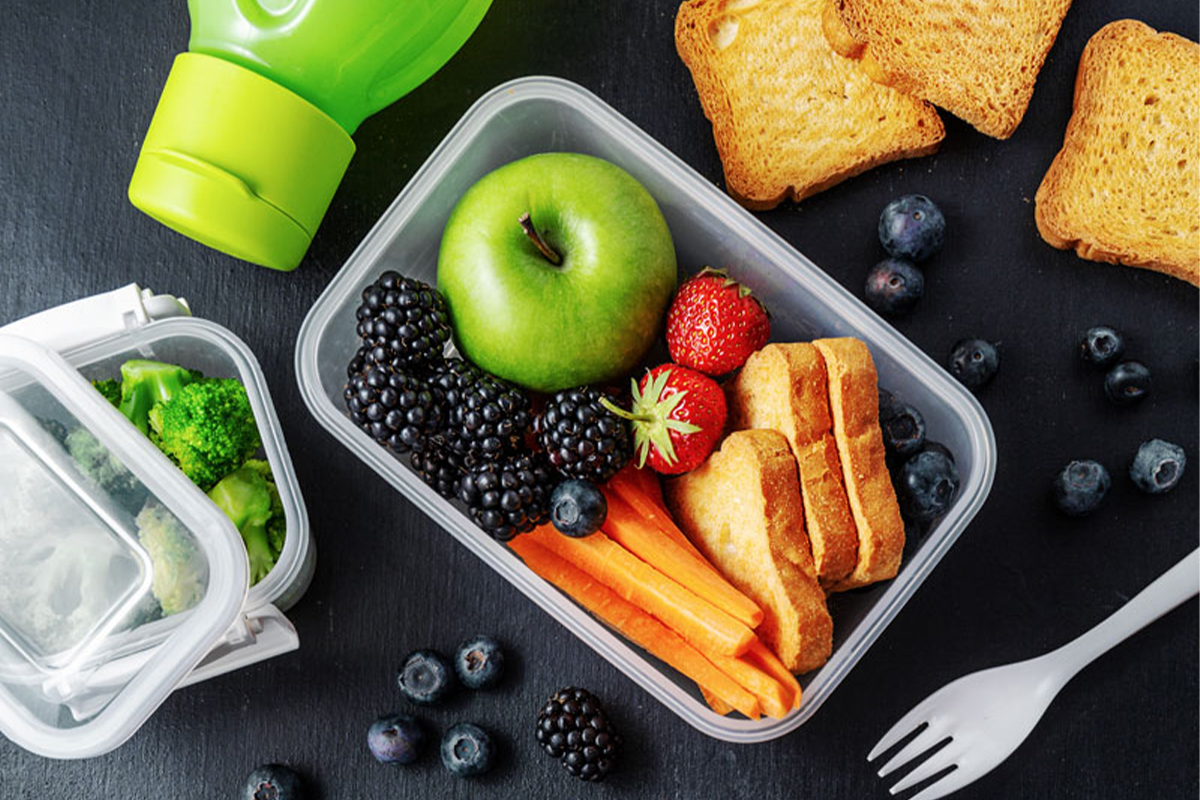
Snacks can easily be something to grab-n-go! Whether you invest a little effort to prep snacks ahead of time or purchase one of the many available options at the grocery store, a quick snack “helps bridge the gap between meals,” as Kimberlain puts it.
It used to be that eating between meals was a “no-no.” Snack food was often equated with junk food. But no more! Eating healthy snacks in between meals can give you an energy boost, keep you satisfied and help prevent overeating at meals. The right snacks can add fiber and nutrients to your day without an abundance of calories.
Many people know this but still end up stretched thin and starving by the next meal or dragged down by fat and calories. Why? Several obstacles can stand in the way of snacking smart. We dug in with the help of Amy Kimberlain, RD, Spokesperson for the Academy of Nutrition and Dietetics in Miami, Florida, to find solutions for seven common snack problems.

Follow These 7 Solutions
01.
NO PREP TIME
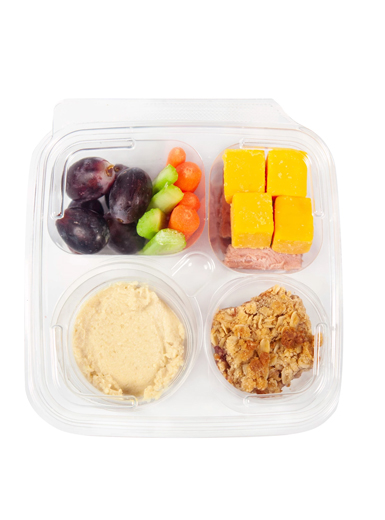
Snacks can easily be something to grab-n-go! Whether you invest a little effort to prep snacks ahead of time or purchase one of the many available options at the grocery store, a quick snack “helps bridge the gap between meals,” as Kimberlain puts it. She suggests protein packs, nuts pre-portioned with dried fruit or simply a banana or apple. An individual tuna salad kit complete with crackers is another quick option. Even a package of peanut butter sandwich crackers or small 1.5 ounce energy bar works.
02.
DIETING
If you think you need to avoid snacking to curb overall intake, think again. Kimberlain comments that “going too long without eating may sometimes lead to overeating.” Crunchy fruit or vegetables provide bulk with fewer calories, such as fresh fruit bowl, celery sticks, baby carrots, sliced cucumbers, mini bell peppers, and sugar snap peas. Those are light enough to combine with a couple tablespoons yogurt dip or hummus. Items under 150 calories like these Avocado Turkey Roll Ups and Strawberry Coconut Energy Bites, as well as low-sodium V8® juice, also serve for calorie-controlled snacking.

03.
CARDIAC DIET
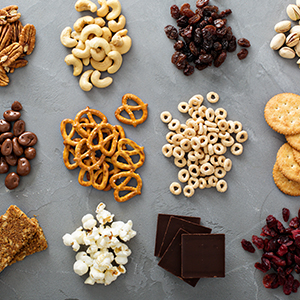
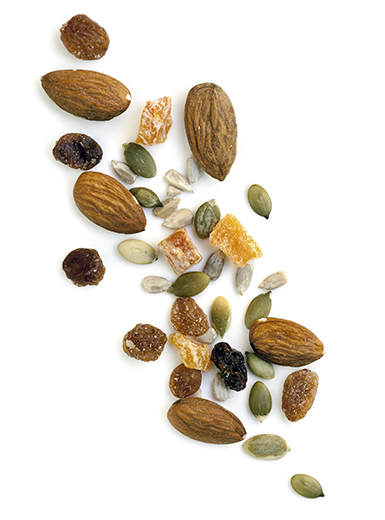
Sensible snack choices can be part of a heart-healthy diet! Low-saturated fat foods that have moderate protein or high fiber will satisfy between meals. Pick items with 2 or more grams of fiber per serving. Functional foods that include omega-3 fatty acids or calcium + vitamin D are also heart-smart. Our top recommendations include grapes & almonds, peach & nonfat cottage cheese, and a whole-wheat waffle with 1 Tbsp. peanut butter and a few berries. Create your own 3-ingredient trail mix with 1 cup pretzels or dry cereal, 1/4 cup raisins or other small dried fruit, and 1/4 cup cashews or pistachios; makes 4 servings.
04.
ATTACK OF THE MUNCHIES
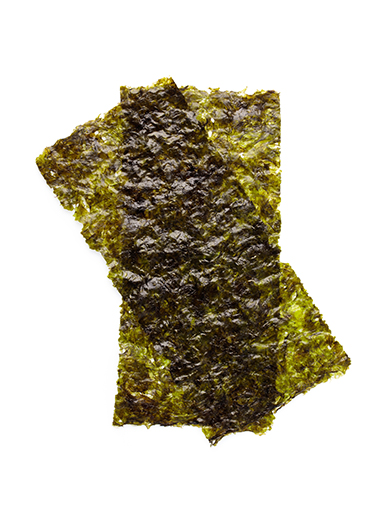
Having a salty, crunchy snack craving can lead you to grab a not–so–healthy treat. Goodbye chips — Kimberlain states, “There are several savory foods you can purchase ahead of time and portion out at home to meet your salt cravings. This way you can grab a healthy snack to take to work, instead of grabbing something salty from the vending machine.” Find a microwave low-sodium popcorn in single-serve (usually 100 calorie) bags. Try seasoned roasted chickpeas, dry roasted seaweed sheets or freeze dried crunchy veggies. Aim for 200 mg or less total sodium per snack.

05.
MEALTIME MISHAP
When you’ve missed a meal or are running a couple hours behind, cramming in a full meal before yet another one later may do more harm than good. Mini-meals that are filling yet calorie-controlled resolve this situation. Here are some of our favorites… Half quesadilla: whole wheat tortilla with a slice of reduced fat cheese, leaves of spinach and a spoonful of salsa, folded and pan warmed. Mini pizza: grain bagel half topped with marinara sauce and shredded low fat cheese, broiled until cheese is melted. Potato bites: split 4 creamer potatoes, scored and microwaved open-faced with broccoli bits, then topped with nonfat cottage cheese and a squirt of hot sauce.
06.
DESSERT DOWNFALL
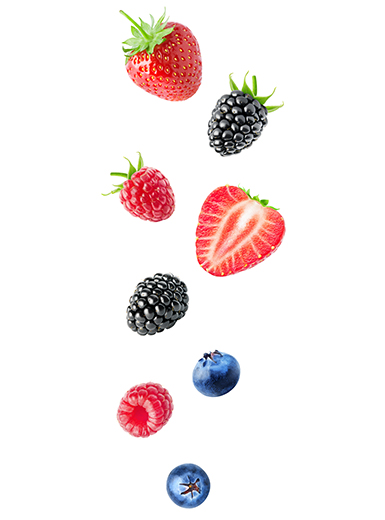
Instead of giving in to your sweet tooth’s urge for a dessert, consider healthy alternatives. Kimberlain says, “While it’s OK to indulge your cravings every now and then, there are healthier options out there that will help satisfy these cravings.” Try a slice of cinnamon toast or a few graham crackers instead of rich baked goods. Opt for flavored yogurt instead of ice cream or pudding. For a fruitier flavor, pop berries into your mouth for sweetness with each bite or mix diced apples with a couple spoonfuls light whipped cream and walnuts.

07.
NUT-FREE AND VEGETARIAN
There’s more to snacks than carb-loaded starches like pretzels for vegetarians who also need to avoid nuts. Protein helps you feel fuller longer, and meat-free protein sources are no exception. Kimberlain shares that “there are plenty of quick, nut-free snack options that pack lots of protein.” Her top suggestions are edamame, hard-boiled egg, hummus (or other bean dips), and cheese with fruit. A high protein skyr or Greek yogurt with granola is another good option, as is a sunflower seed butter + sliced banana–topped English muffin half.

Imagine this scenario —
“I survived the week-long school trip without getting sick like last time.”
“Wow – with all those kids? Good hygiene, I bet.”
“Maybe, but I safeguarded with echinacea, zinc and high-dose Vitamin C.”
“Didn’t you tell me you started probiotics beforehand, too?”
“Yep – my trifecta plus one! I just needed something to make a difference.”
“Uh, okay. But how do you know which ‘thing’ did the trick?”
— silence —
Immune-enhancing products are akin to a muscle-building arsenal because many weightlifters try everything all at once like the first person in our story. Starting a thermogenic, pre-workout formula, creatine, NO booster, and recovery drink at the same time is like a “throw everything at the wall and see what sticks” approach.
To enhance the effects of rigorous training and a nutritious diet, many people use ergogenic aids to reach top shape or peak performance. And the most popular ergogenic aids are dietary supplements. The term “stack” 15 years ago referred to a product with combined ingredients that had similar effects, such as herbal stimulants or androgens.
Now, it’s about stacking multiple supplements (often with proprietary blends) within the day. Most often targeted for gaining muscle and losing fat, stacking various supplements is promoted for gains in the weight room. The idea is that by grouping supplements together there may be a synergy of certain ingredients that combine to create greater advantages.
For single-ingredient preparations, it makes sense to take more than one dietary supplement, as they have different methods of action and are useful at different times. But by starting several compound supplements at once, it’s more difficult to determine which are effective – particularly if there are 6-8 products on the list! I recommend taking no more than four while ProResults® Master Trainer Geoff Fox advises avoiding performance-enhancing supplements (your wallet will thank us).

For those of you that are stacking your supplements, here are some tips for evaluating product effectiveness and safety:

The Holiday Season can get stressful, so we may stick to a routine for the sake of easy planning. Try any of these 10 simple ideas to bring new life to your Thanksgiving celebrations.

By now, you may have seen some donation boxes at your local LA Fitness. If you haven’t been entirely sure what those boxes are all about, you’re in the right place!

Most comfort foods we turn to are heavily laden with fat, starch and calories. There are healthier ways to enjoy down-home classics by making a few tweaks.


Most of us have been told a lie in the gym at some point. The real question is, did you believe it? If someone has helped you or given you tips, did you ever research what they said or did to see if it was true? There’s a chance that it was completely wrong.
We’re going to go over and debunk a handful of myths surrounding the ideas of muscle building and fat burning.
When we exercise moderately, it’s true that more fat can burn compared to carbohydrates. However, this type of training burns fewer total calories and takes significantly longer. High intensity exercises like HIIT (high intensity interval training) can burn more calories in a shorter amount of time and can cause an “after-burn” effect fueled by fat that can last a day or longer. I personally found success with HIIT training. HIIT by LAF is great for those interested in high intensity workouts looking to burn some calories!


“Don’t eat late at night.” “Eat dinner earlier.” “No carbs before bed.” These seem to be some common statements we hear for losing weight and they couldn’t be more inaccurate. Calories are calories and if you eat too many of them you’ll gain weight, regardless of what time it is. According to a , overweight people lost more weight eating carbohydrates at night compared to throughout the day. The late-night eaters had better hormone levels that control satiety and hunger. The Human Growth Hormone (HGH) is a powerful hormone produced by the human body that regulates the amount of body fat you burn and the amount of muscle you build. HGH levels peak while you’re sleeping so if you eat right before bed, your body could utilize those nutrients to build muscle and burn fat at the same time.

What’s going to burn more fat calories in 20 minutes: watching TV, walking, or interval sprinting? If you think it’s TV or walking, you’re wrong. Just because you burn a higher percentage of fat from moderate exercise doesn’t mean you’ll burn as many total fat calories. Interval sprinting burn a less percentage of fat but a much higher total calorie loss, which actually results in more fat calories burned than walking for 20 minutes.
A family member of mine went on a diet a while ago to try and lose weight. She was told to double her protein intake and eat less carbohydrates. She ended up miserable and weighing more than she did before her diet. We’re not saying protein doesn’t build muscle, but there’s a point where protein can hurt compared to help. For every pound of body weight, consuming about Any protein consumption over the 1.25g per pound of bodyweight can get broken down in to amino acids and nitrogen which can either store in your body or excrete your body.
If someone is trying to give you a fitness tip, listen to what they have to say but do your own research and come up with your own opinion. Everybody has a different body and genetic makeup. What works for one person might not work for another. Know what works best for you and own your workouts!
References
The Holiday Season can get stressful, so we may stick to a routine for the sake of easy planning. Try any of these 10 simple ideas to bring new life to your Thanksgiving celebrations.
By now, you may have seen some donation boxes at your local LA Fitness. If you haven’t been entirely sure what those boxes are all about, you’re in the right place!
Most comfort foods we turn to are heavily laden with fat, starch and calories. There are healthier ways to enjoy down-home classics by making a few tweaks.