Is Sugar Bad For You? – Podcast Ep. 43
On this week's episode of the Living Healthy Podcast, we ask Registered Dietician Debbie James the question "Is sugar bad for you?"

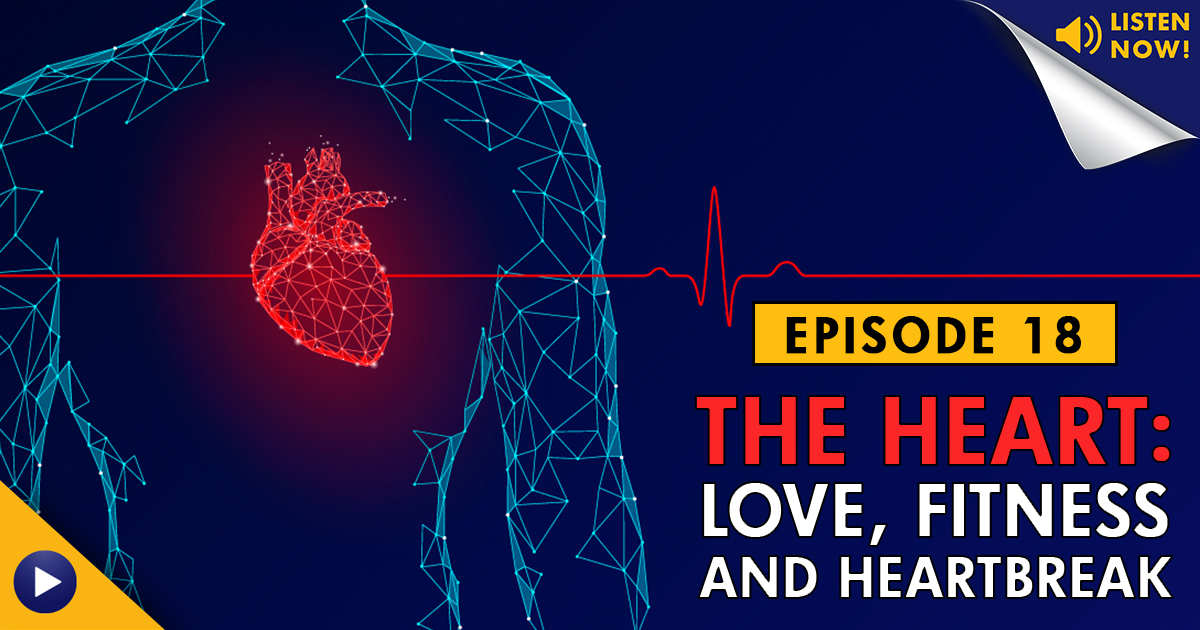
Welcome to the 18th episode of the Living Healthy Podcast, presented by LA Fitness.
Can you really die of a broken heart? We asked Subbarao Myla, Medical Director at the HOAG Cardiovascular Institute, this exact same question and the answer might surprise you.
How Are We Doing?
This podcast should not replace any exercise program or restrictions, any dietary supplements or restrictions, or any other medical recommendations from your primary care physician. Before starting any exercise program or diet, make sure it is approved by your doctor.
***The Physical Side of the Heart – Part 1***
Introduction
0:01
Introduction of Subbarao Myla, Medical Director at the HOAG Cardiovascular Institute
Begins at 0:55
What Makes the Heart So Special?
Begins at 1:41
What is Heart Disease Exactly?
Begins at 2:55
What Causes the Beginning Breakdown of the Heart?
Begins at 4:28
What Type of Exercise is Best for the Heart?
Begins 5:38
Why Do People’s Heartrates Vary So Greatly?
Begins at 7:37
Subtle Warning Signs of the Heart
Begins at 9:55
High Blood Pressure vs. High Heart Rate – Which is Worse?
Begins at 13:53
***The Spiritual Side of the Heart – Part 2***
Does Love Actually, Truly, Affect the Heart?
Begins at 16:02
Can You Really Die of a Broken Heart?
Begins at 19:46
Can You Fix a Broken Heart? How Long Does It Take to Fix a Broken Heart?
Begins at 22:49
Teenagers and Cell Phone Use: Predicting Depressive Tendencies
Begins at 25:00
How to Make Your Heart Feel Happier
Begins at 26:04
The Elderly and Loneliness
Begins at 28:05
***The Nutritional Side of the Heart – Part 3***
Heart Healthy Foods
Begins at 30:46
Eat Brighter Foods? Here’s Why
Begins at 33:43
Portion Control – How Much to Cut Out
Begins at 34:04
How Much Dark Chocolate is Healthy for You?
Begins at 36:43
Actionable Advice
Begins at 38:12
Outro
Begins at 40:32
On this week's episode of the Living Healthy Podcast, we ask Registered Dietician Debbie James the question "Is sugar bad for you?"
WE’RE BACK!!! On today's episode of the Living Healthy Podcast, we're talking about Cancer Screening and Prevention with Dr. Rick Van Etten!

Debbie James, RDN, brings us her expert opinion on food safety and sanitation, along with information on how you can eat well if you have to shelter in place.

When you think fitness, what comes to mind? Toned muscles, flat abs, strong and trendy fitness influencers? Chances are that your mind doesn’t think of progressive muscle weakness, but that’s exactly what former fitness industry leader Augie Nieto experienced when he was diagnosed with the crippling disease ALS (Amyotrophic Lateral Sclerosis), otherwise referred to as Lou Gehrig’s disease.
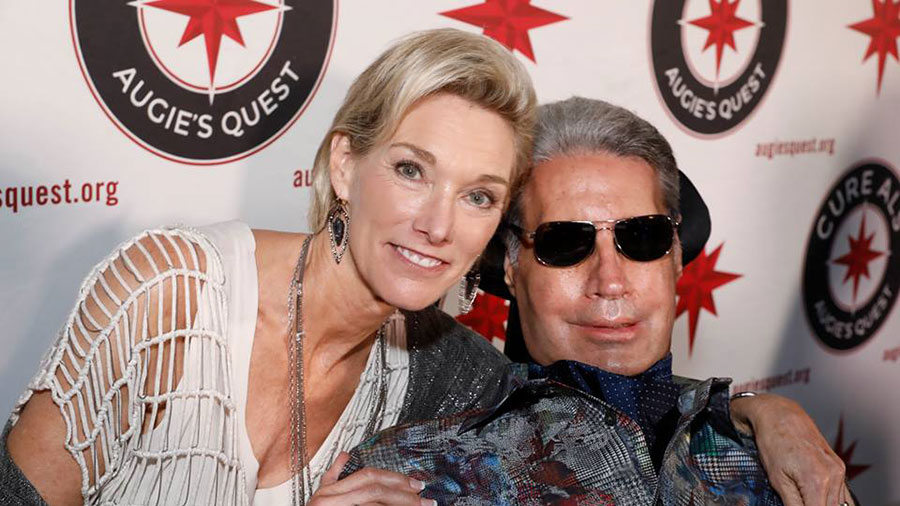
Photographed: Lynne and Augie

Photographed: Matt Bellina and Team
But what is ALS and who does ALS affect?
“ALS is a disorder that affects the function of nerves and muscles”1. One of the mysterious things about this disease is that researchers don’t yet know what causes it, but they do have some insight on those most heavily afflicted by the disease.
Per the ALS Association, Massachusetts Chapter –
Most people who develop ALS are between the ages of 40 and 70, with an average age of 55 at the time of diagnosis. However, cases of the disease do occur in persons in their twenties and thirties. Generally, ALS occurs in greater percentages as men and women grow older. ALS is 20% more common in men than in women. However, with increasing age, the incidence of ALS is more equal between men and women.2
While an exact cause has not yet been discovered, “it is known […] that military veterans, particularly those deployed during the Gulf War, are approximately twice as likely to develop ALS.”3
One fortunate thing about this disease is that it is not contagious. However, that doesn’t help ease the minds of friends and families whose loved ones struggle with this deliberating condition.
Fifteen new cases are recorded each day4, estimating that as many as 20,000 Americans have the disease at any given time. The onset of ALS symptoms can be as common as muscle weakness or stiffness. Once the disease progresses, however, “vital functions such as speech, swallowing and later breathing”5 are lost.
There is currently no cure for ALS.
In 1995, the FDA approved a drug known as Riluzole. This drug has scientifically shown “to prolong the life of persons with ALS by at least a few months.”6
Each year, LA Fitness partners with Augie’s Quest, founded by Life Fitness leader, Augie Nieto. His foundation raises money to help fund ALS research. It’s his mission to one day find a cure for this horrible disease.
If you would like to learn more about how you can donate, please visit www.lafitnesscares.com.
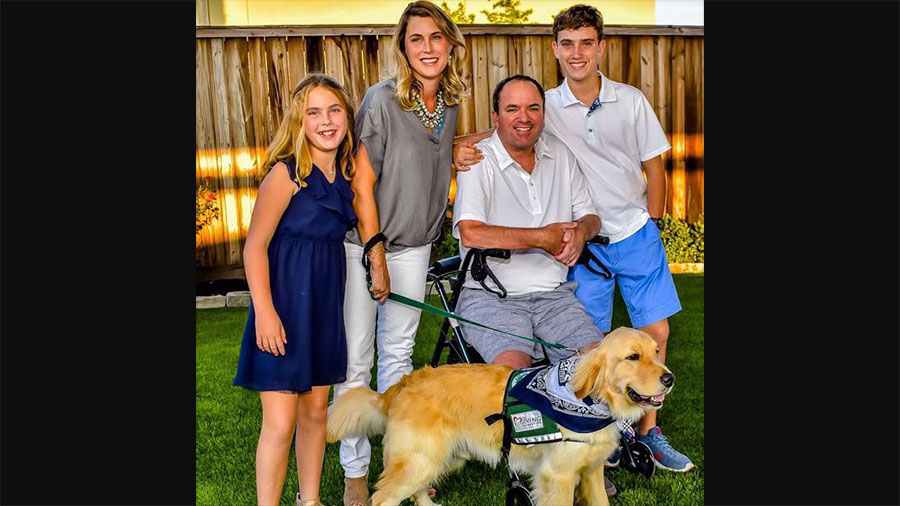
Photographed: Collin Hadley and family

Photographed: Andrea Lytle Peet

Sources:
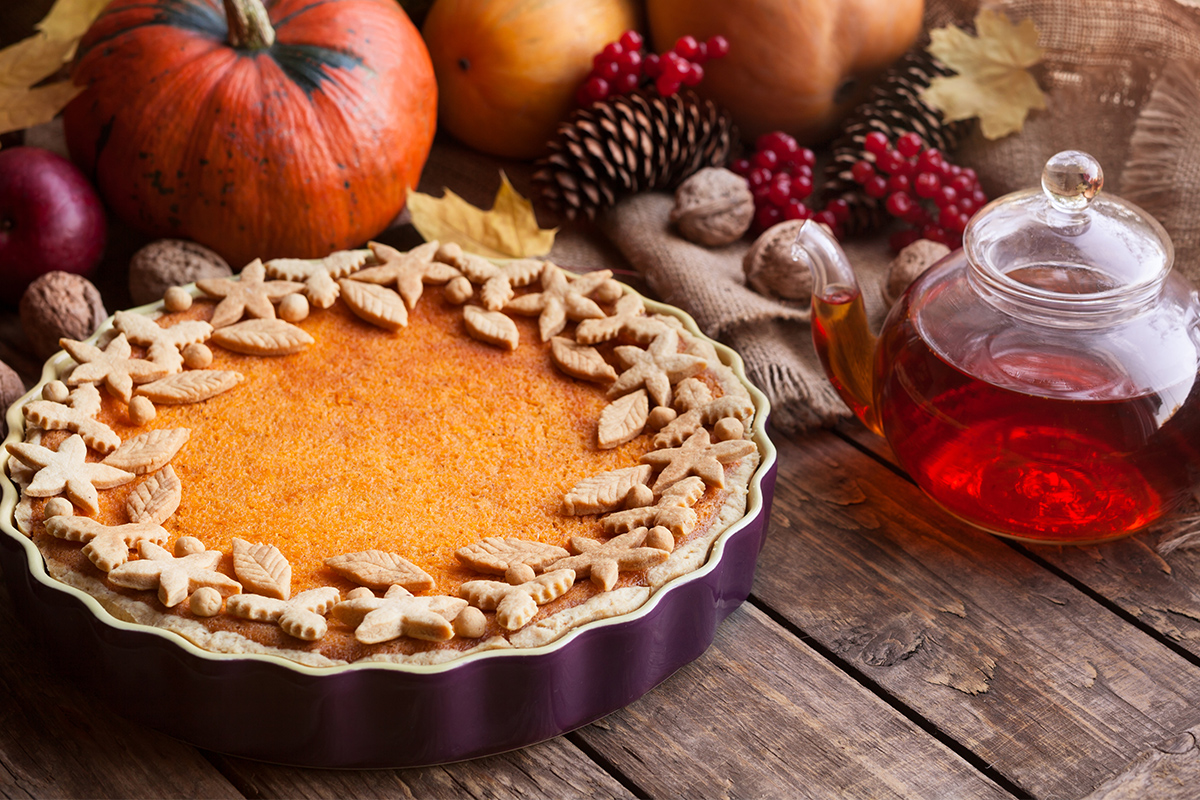
The Holiday Season can get stressful, so we may stick to a routine for the sake of easy planning. Try any of these 10 simple ideas to bring new life to your Thanksgiving celebrations.

By now, you may have seen some donation boxes at your local LA Fitness. If you haven’t been entirely sure what those boxes are all about, you’re in the right place!
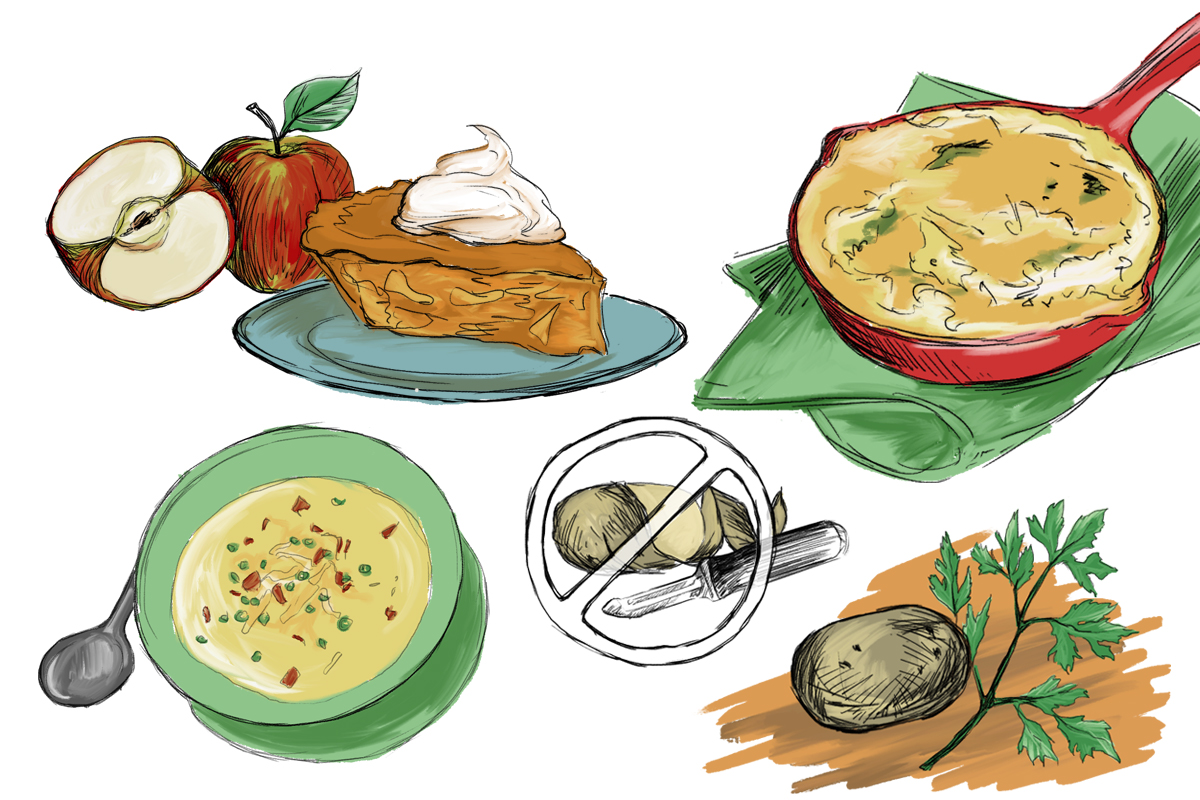
Most comfort foods we turn to are heavily laden with fat, starch and calories. There are healthier ways to enjoy down-home classics by making a few tweaks.


Fitness was indoctrinated very early on in my life. Healthy competition and athleticism began with seasons of tee-ball, basketball summer camps, and track and field in high school, supplemented by dance on the offseason. With a buzzing household of four active boys and my bountiful curious female presence, my parents always encouraged us to “go outside and play.” My household was never not moving!
My earliest (and perhaps fondest) memory of fitness was watching my mother every day after school. She hastily preheated the oven before going to her bedroom as she got us settled into our school work. There, she removed her tailored office clothes, kicked off her favorite black patent-leather “cockroach-killer” heels and traded them for one of my dad’s t-shirts and her favorite spandex biker shorts. With her work files piled high on the kitchen counter, she threw some pasta sauce on the stove with a heaping amount of fresh and dry herbs simmering over low heat for that evening’s dinner. At exactly 3:30 pm every afternoon, she popped in her early 90s aerobics VHS tape and jumped right into her enthusiastic stepping. I marveled at the overly-animated, permed out fitness instructor sporting spandex and white ankle socks motivating my super-hero of a mom to “go for another 30 seconds more” as she panted between incoming house calls and me racing my sibling’s toy-cars by her feet.
This image of my multi-faceted mother trying to balance work, family, and self-care is forever engraved in my mind. I understand now why it was necessary for my mother to commit to fitness. To my mother, fitness was loving herself and caring about how she felt regardless of the external demands life asked of her to fulfill. To this day, I credit my mother for not only being an example for healthy living but continuing it as a practice today. She was, after all, the person I went to get a gym membership with. We worked out together, supported each other, and reminded one another (while thrift shopping) that the number on the tag of that dress is not as important as the way you feel in it.

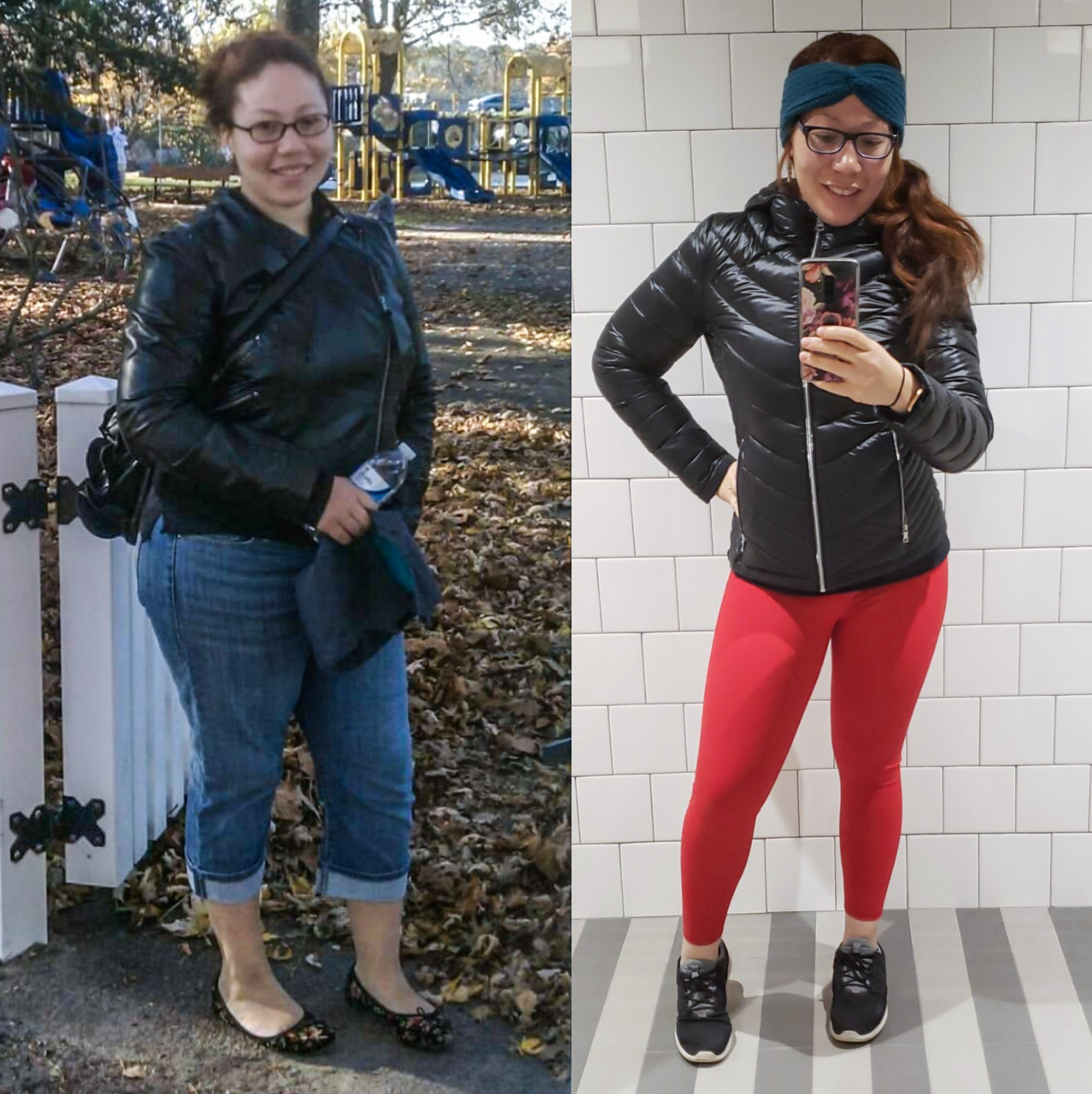
Waleska is a mom with 2 part-time jobs who had a love for chocolate. Despite the time constraints and sweet temptations, she lost over 60 pounds!
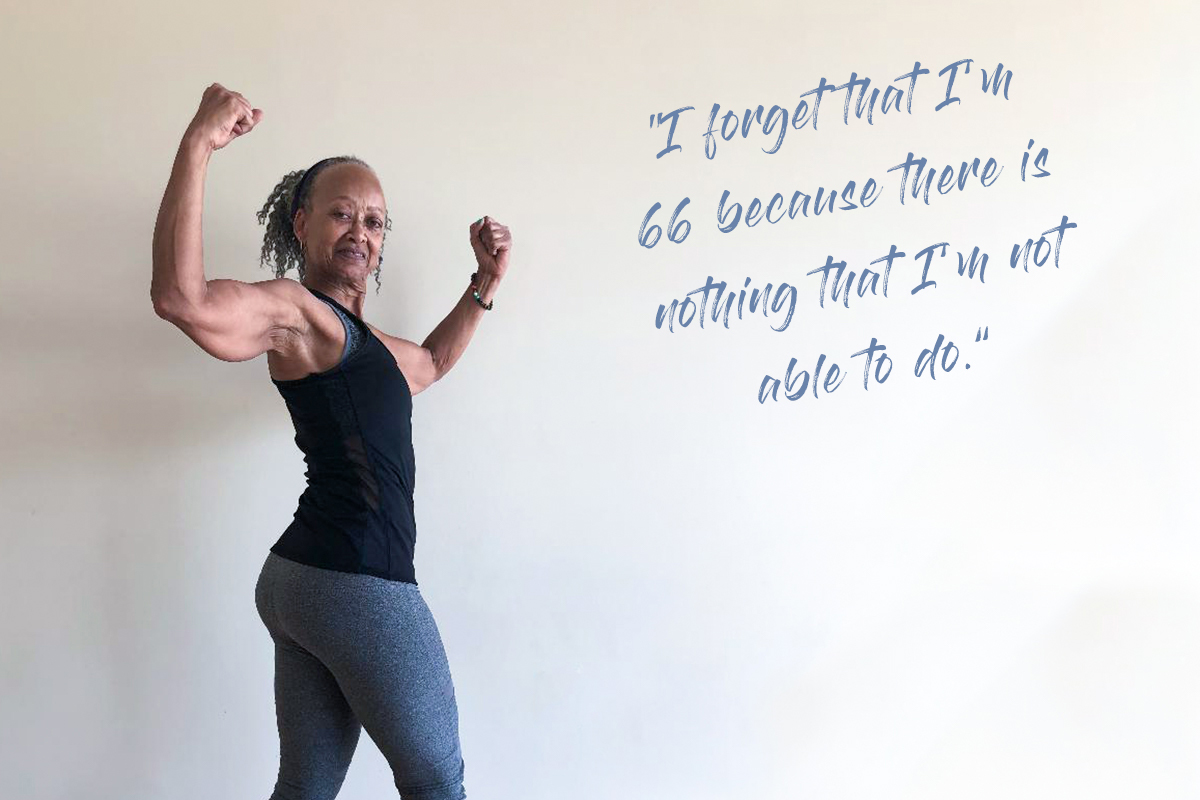
Many of us pair the idea of aging with decreased mobility and various aches. Yet, Patricia’s story shows us just how wrong that notion can be.
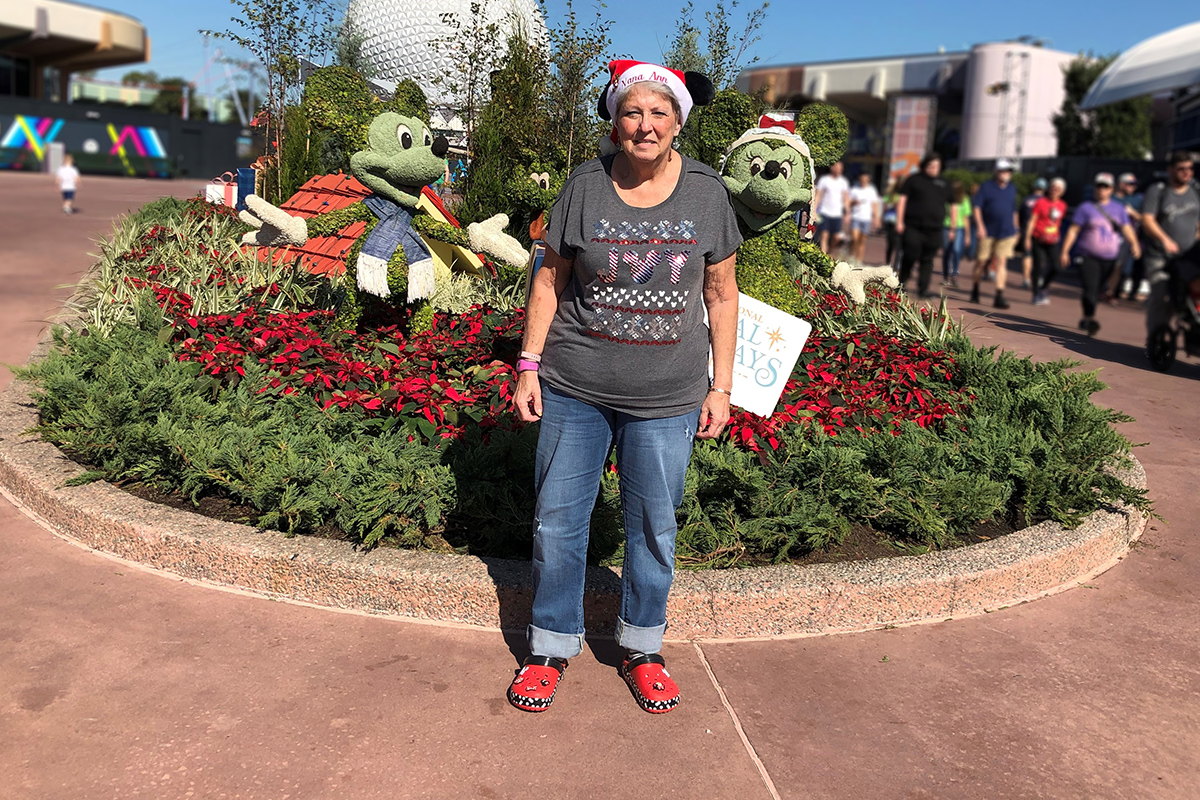
Ann shares how, despite back problems, strokes, and surgeries, she is well on her way to achieving her goal of losing 90 to 100 pounds!

Ah, love. Is there anything more freeing than the feeling of being completely, utterly, and hopelessly in love? When suddenly, the world seems calmer, colors seem brighter, and you just can’t hide the smile that stays stuck to your face. True love is pretty wonderful because it makes us the best version of ourselves – and often, the best version of ourselves makes others want to be the best version of themselves. It’s an ooey-gooey cheesy feeling that is truly amazing.
Reflecting upon how good love makes us feel inside, we reached out to American Heart Association volunteer John A. Osborne, MD, PhD, the director of Preventive Cardiology at State of The Heart Cardiology in Dallas, TX to understand if these feel-good feelings actually affect the heart.
Dr. Osborne, is this true, does love really have an effect on the heart?
Absolutely! As anyone who has ever been in love (or read about it) knows! It not only makes one’s heart “pitter-patter” and makes us feel wondrous, it may actually be good for your heart health! When you are in love (and feel loved), one’s blood pressure responds to that peace and calm and may translate to lower blood pressure. High Blood Pressure is the most common form of cardiovascular disease and affects about one-half of US adults. If this “silent killer” is not identified, treated, and controlled, it could take between 5 to 7 years off the average lifespan! In fact, those who are married or in long -term supportive relationships live longer and have better recoveries if they do encounter heart problems. Patients who have a good social support system had better recoveries and survival rates after bypass surgery than those who did not. This survival benefit also extends to our four-legged friends as well! Don’t forget about them on Valentine’s Day either!

What about the opposite – can you really die of a broken heart?
The short answer is yes! Only in the 1980s was this described in the medical literature, although for centuries that concept of “dying from a broken heart” has been well described in literature, operas, plays, and, most recently, movies! It is called “Takotsubo Cardiomyopathy” and is more common in women and looks like a typical heart attack, but in this case, there are no blockages in the blood vessels unlike how the vast majority of heart attacks occur. It is felt that a sudden, massive release of catecholamines (the stress hormones such as epinephrine, norepinephrine, and other stress hormones) can cause severe vasoconstriction of the blood vessels to the heart and cause a heart attack, heart damage, heart failure, and even sudden death! Fortunately, if diagnosed properly and with appropriate medical care, the damage can be prevented, and our heart can heal itself with time and medications.

What are some ways you can make your heart feel happier and stronger?
A good diet (the Mediterranean Diet was voted, yet again, the best overall diet in 2019) and regular exercise along with a no tobacco lifestyle are the foundations for excellent cardiovascular and all-around health. A small amount of dark chocolate – with its blood pressure lowering anti-oxidants, flavonols, and catechins, and best of all shared with your loved one(s) – can’t hurt! The AHA has a great app to help with this called “My Cardiac Coach” that is available for your smartphone and large number of resources on the web at www.heart.org.

Responses above provided by American Heart Association volunteer, John A. Osborne, MD, Ph.D., the director of Preventive Cardiology at State of The Heart Cardiology in Dallas, TX.
The Holiday Season can get stressful, so we may stick to a routine for the sake of easy planning. Try any of these 10 simple ideas to bring new life to your Thanksgiving celebrations.
By now, you may have seen some donation boxes at your local LA Fitness. If you haven’t been entirely sure what those boxes are all about, you’re in the right place!
Most comfort foods we turn to are heavily laden with fat, starch and calories. There are healthier ways to enjoy down-home classics by making a few tweaks.

Surprise – most foods for heart health come from living things without hearts! That is, only one item on our list of the nine most heart-healthy foods is an animal and the rest are plant sources. Vegetarians, omnivores and paleo-lovers alike can all protect their hearts by including suitable foods from the following list more often.
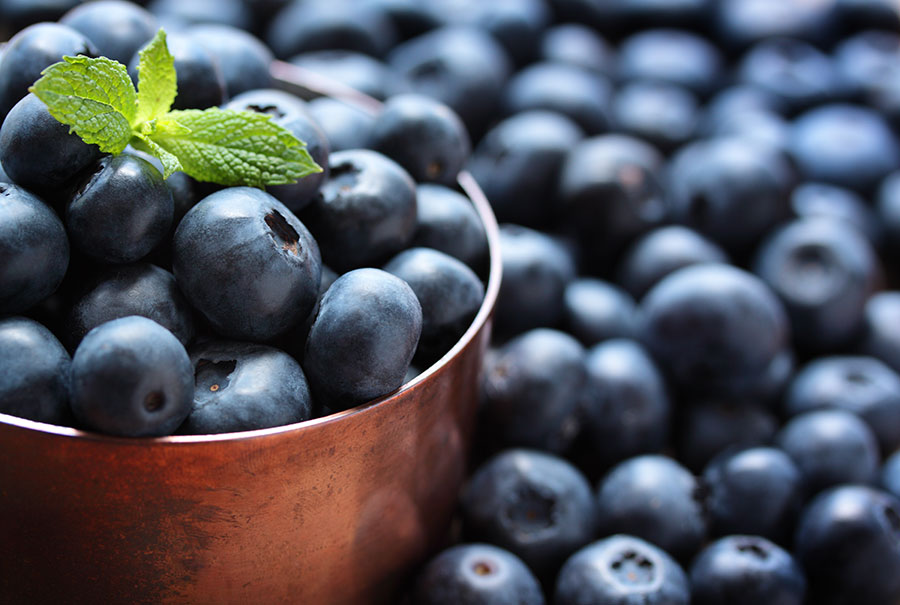
BLUEBERRIES
These fruit gems contain high levels of polyphenols1,2 and have multiple cardiovascular benefits including anti-inflammation,1 lowering blood pressure,2 regulating cholesterol oxidation2 and accumulation,1 reducing oxidative stress,1,2 and improving vascular function.1 Consumption of blueberries is associated with cardiovascular disease prevention1 and cardiovascular risk factor reduction.2
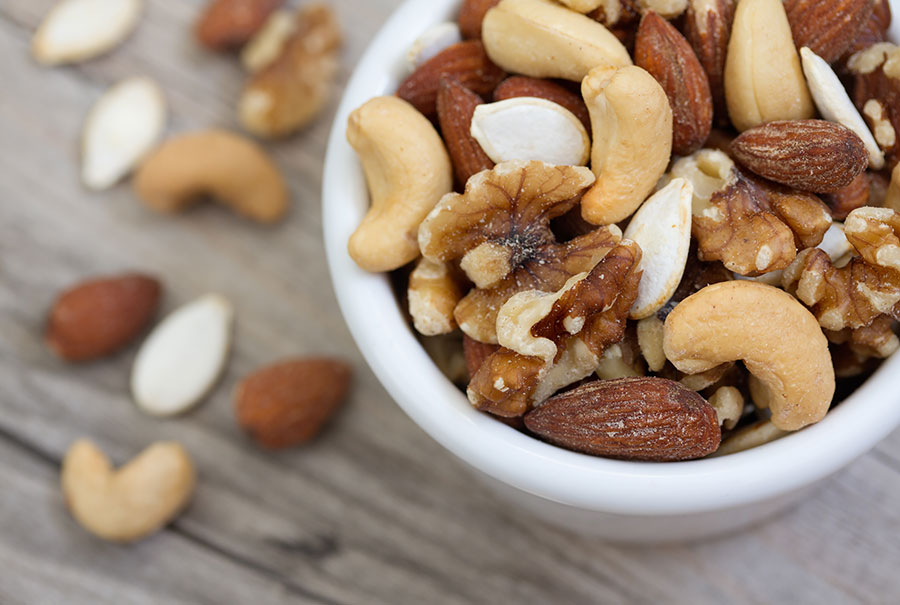
NUTS
The omega-3 fatty acid present in nuts, alpha-linolenic acid, may reduce cardiovascular disease risk and atherosclerotic plaque formation by changing vascular inflammation and improving endothelial dysfunction3 (the health of the vascular wall). In a nearly 5 year-long study those assigned to a Mediterranean diet supplemented with nuts (or extra-virgin olive oil) had a lower incidence of major cardiovascular events than those assigned to a reduced-fat diet.4

BEANS
Dietary fiber is known to help protect against cardiovascular disease.5 Legumes (including beans, peas, and lentils) are excellent sources of soluble fiber — the kind that can lower your “bad” LDL cholesterol.6 In a multi-country study, cardiometabolic risk (metabolic syndrome, inflammation, and obesity) was inversely associated with dietary fiber intake.5 Benefits are most pronounced with bean intake upwards of 4 times per week.

LEAFY GREEN VEGETABLES
Intake of leafy green vegetables may confer strong cardiovascular health benefits7. Researchers noted that, “Increasing vegetable intake, with a focus on consuming leafy green and cruciferous vegetables may provide the greatest cardiovascular health benefits.”7 A few studies showed that the greatest cardiovascular benefits were observed at intakes greater than 120 g/day [about 2 cups] for leafy green vegetables.7 Spinach, kale, collard greens, mustard greens, and chard are well-known leafy green veggies.

AVOCADOS
These fatty fruits contain beneficial monounsaturated fats (as well as polyphenols, carotenoids, vitamin E, phytosterols, and squalene) which can lower your LDL cholesterol. 6,8 Avocados seem to help prevent chronic inflammation that makes atherosclerosis, the hardening of artery walls, worse.6 They also inhibit platelet aggregation and help prevent thrombus formation. 8
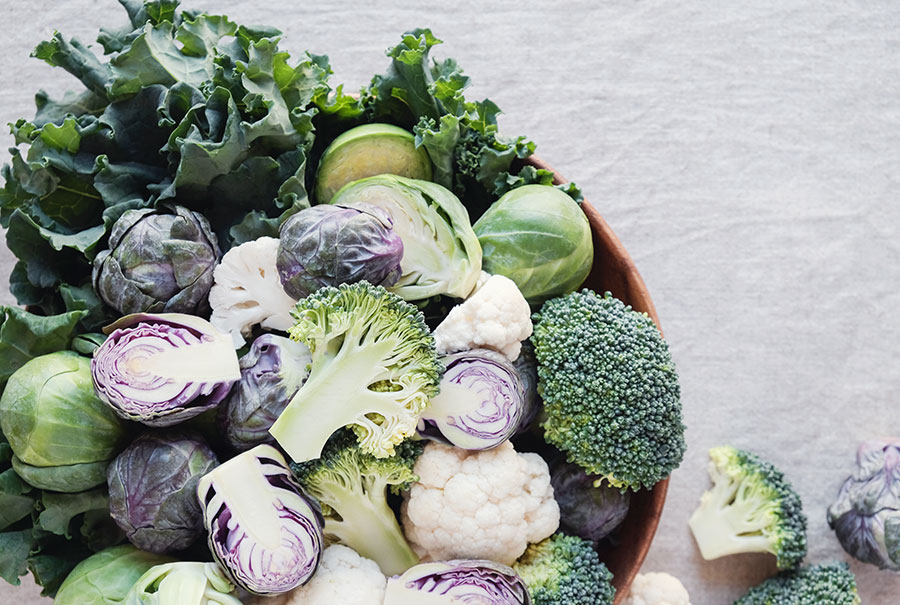
CRUCIFEROUS VEGETABLES
Evidence supports the notion that cruciferous vegetables promote strong cardiovascular health7. Researchers noted that, “Increasing vegetable intake, with a focus on consuming leafy green and cruciferous vegetables may provide the greatest cardiovascular health benefits.”7 A few studies showed that the greatest cardiovascular benefits were observed at intakes of greater than 200 g/day [about a cup] for cruciferous vegetables.7 Brussel sprouts, cabbage, cauliflower, broccoli, and bok choy are well known cruciferous veggies.

OLIVE OIL
Extra-virgin olive oil contains minor antioxidant compounds9 and a lot of monounsaturated fat. Consuming extra virgin olive oil augments the anti-inflammatory effect of HDL, may repress atherosclerotic inflammatory genes, and helps retain anti-atherogenic activity with advancing age.9 In a nearly 5 year-long study those assigned to a Mediterranean diet supplemented with extra-virgin olive oil (or nuts) had a lower incidence of major cardiovascular events than those assigned to a reduced-fat diet.4

SALMON
Fatty fish such as salmon are rich in long chain omega-3 polyunsaturated fatty acids (LCn-3PUFA) which have anti-clotting6 and anti-inflammatory effects and help lower triglycerides,6 a fat implicated in heart disease. Though not all studies demonstrate cardio-protective effects of LCn-3PUFA, it may be that omega-3‘s role in cardiovascular disease prevention may be dampened by high intake of omega-6 fats. Within a Mediterranean diet (low saturated fat), high omega-3 fat consumption is cardio-protective.
REFERENCES:
The Holiday Season can get stressful, so we may stick to a routine for the sake of easy planning. Try any of these 10 simple ideas to bring new life to your Thanksgiving celebrations.
By now, you may have seen some donation boxes at your local LA Fitness. If you haven’t been entirely sure what those boxes are all about, you’re in the right place!
Most comfort foods we turn to are heavily laden with fat, starch and calories. There are healthier ways to enjoy down-home classics by making a few tweaks.