Is Sugar Bad For You? – Podcast Ep. 43
On this week's episode of the Living Healthy Podcast, we ask Registered Dietician Debbie James the question "Is sugar bad for you?"

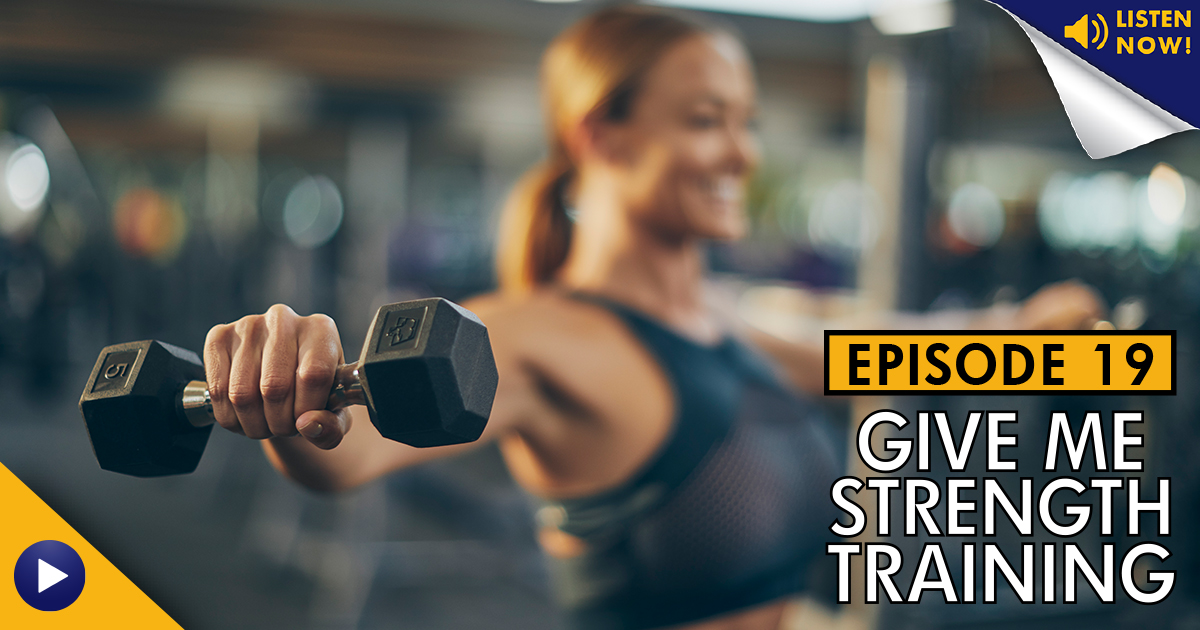
Welcome to the 19th episode of the Living Healthy Podcast, presented by LA Fitness.
On this episode of Living Healthy, we speak with LA Fitness, Personal Training Director, Mark Joseph de Guzman, who educates us on the importance of strength training.
How Are We Doing?
This podcast should not replace any exercise program or restrictions, any dietary supplements or restrictions, or any other medical recommendations from your primary care physician. Before starting any exercise program or diet, make sure it is approved by your doctor.
Intro
Begins at 0:01
Personal Training Director, Mark Joseph de Guzman joins the show
Begins at 0:33
Let’s Define Strength Training – Do Bodyweight Exercises Count?
0:52
How Does Strength Training Build the Muscle?
1:41
Can Strength Training Improve Metabolism?
2:45
What Type of Protein is Best for Building Muscle?
4:41
How Much Protein Should Be Consumed Per Day?
5:26
FACT or FICTION: Will Girls Get Bulky from Strength Training?
6:58
What Should Bodybuilders Do to Bulk?
8:01
What is the Average PT Client Looking to Accomplish?
9:46
Different Types of Strength Training: Does One Work Better Than Another?
10:31
What Is Muscle Confusion?
11:10
Rest Days and Strength Training
13:22
What is the Best Thing to Do for Your Muscles After Strength Training?
15:24
How Does Strength Training Affect the Blood?
17:05
How Important is it to Train the Entire Body?
18:07
Why Do Bodybuilders Oil Themselves Up So Much?
19:25
Actionable Advice
20:50
Outro
22:00
On this week's episode of the Living Healthy Podcast, we ask Registered Dietician Debbie James the question "Is sugar bad for you?"

WE’RE BACK!!! On today's episode of the Living Healthy Podcast, we're talking about Cancer Screening and Prevention with Dr. Rick Van Etten!

Debbie James, RDN, brings us her expert opinion on food safety and sanitation, along with information on how you can eat well if you have to shelter in place.

“Take control of your health. How you or your body responds to something may be very different from your friend, neighbor or the gal standing in front of you at the coffee shop, so try not to worry or compare yourself to others. You have only one life to live, make it your own and make it your best!”
What do women commonly overlook when it comes to paying attention to their health?
KP: Women often care for others’ health care needs before tending to their own. We are great at taking family members to the doctor and we call a friend when they’re sick. However, if it’s us getting sick, we call a friend or research “Dr. Google” and get scared when we read something on the Internet.
Going to the doctor is sometimes last on our list. Some of us are too embarrassed or too busy, and others of us are too afraid to hear what the doctor has to say. But regular checkups are so important as are regular physicals to prevent disease. What’s most important is to listen to your body and seek medical care when you think it may be trying to tell you something. But also, lean on your doctor to guide you through your health concerns.
Are there certain diseases that women are more susceptible to that women should be screened for on a regular basis? How often should those checkups be?
KP: I generally encourage all patients to come in every year for at least a checkup. Discussing your diet, exercise, lifestyle, checking to make sure your vaccinations are up-to-date, and having a blood pressure check can prompt conversation for continued health maintenance and surveillance. Tests such as diabetes screening, cholesterol, liver, kidneys, thyroid, and others may be discussed with your primary care physician as well as the interval they are recommended, curtailed individually for you. Blood tests are not necessarily required annually unless there is a medical reason, concern or symptom your doctor wants to check.
There are some screenings that are designed specifically for women. For example, while both men and women can acquire the HPV virus through sexual intercourse, the HPV virus can also make women susceptible to cervical cancer. For this reason, women are encouraged to undergo regular cervical cancer screenings called pap smears. It is now recommended to start after the age of 21 and to have a pap smear every 3 years between the ages of 21-29 and every 5 years between the ages of 30 to 65, unless instructed otherwise by your doctor or with a history of abnormal prior test results.
Breast cancer screening is also important and I recommend annual breast exams with most of my patients who are in their mid-20s and older. The USPTF advises starting mammograms at age 50 and every 2 years after that. Some women may choose to start this screening at age 40 or possibly even younger (if needed) because of personal or family history but this should be discussed with your doctor.
Lastly, we recommend all female patients of child-bearing age to have STD screenings when sexually active, especially when unprotected. Exposure to chlamydia and/or gonorrhea can lead to scarring and fertility concerns for women if left untreated.

When it comes to improving mental health, what are some tips that women (and men) can do to improve their mental well-being?
Good mental health is essential for all people, men and women alike. Our mental health affects more than just our mood. It also affects our energy, sleep, concentration, productivity, relationships, work, weight, eating habits, and so many more things in our daily lives. Depression and anxiety are experienced by most women at least once in their lives and 1 in 5 will have experienced it within the past 12 months. My recommendations are to stay active and try to exercise regularly. Starting with something easy and not overly daunting such as 30 minutes, 3-5 times per week is a great starting place. If you can’t make it to a gym, get out of the house for some fresh air, take a walk and stretch! This will help open up your chest and your heart. Find what works best for you whether its yoga, or for me, boxing. There are so many options to explore, see if anything can strike your fancy and help protect your mental wellbeing. Exercise helps promote endorphins- the brain’s natural pain killer- enhancing mood and sleep – and it can show you great results that can, with time, improve the way you feel.
Meditation is also a wonderful practice for mental wellbeing. It can help gain perspective, reflection, and mindfulness. Lastly, don’t be afraid to talk to someone! Whether it’s a friend, religious figure or getting professional counseling, there are people who care and resources to help, especially in time of crisis.
Everyone’s body is different, but when it comes to the general health for women, are there certain foods they should be eating? Increase in their diet?
KP: First and foremost, try to avoid fad diets. Life is about moderation. It’s OK to treat yourself every once in a while, but find a meal plan that works right for you; something you can sustain and is easy to follow for you. Be mindful of portion size and ingredients that are on the labels. Read the whole label! When possible try to stick to foods that are low in inflammation. Chose nutrition dense foods such as green veggies. Reduce your intake of sugars and processed foods, and opt for whole grains, lean proteins, and leafy greens. Here are some other tips:
What vitamins are essential for women? Is it better to consume these in daily supplements or in day-to-day foods?
KP: It is best to get your vitamins and micronutrients in your diet rather than chasing after supplements. Your body is an amazing tool and can more effectively extract the nutrients it needs from the foods you consume than by getting it thru a supplement. However, there are a few diagnoses that may require vitamins:
For example, if you have a diagnosis of osteoporosis, then Calcium and Vitamin D are helpful in bone health. Also, vitamins are essential for women when they are planning to conceive or are pregnant. Taking a daily prenatal vitamin to ensure adequate folic acid and B vitamins are essential.
If my patients really want to take any supplements I encourage Vitamin D, Omega 3 and fiber. These are the most common things lacking in normal American diets, and even a multivitamin does not provide this for you. A daily multivitamin is generally not necessary.
If you are still not convinced please consult your doctor but always be careful when taking over the counter supplements. Sometimes, taking too much can lead to complications such as liver, kidney or heart disorders that you would have never otherwise known or expected.
Responses provided by Kimberly Petrick, MD, Family Medicine Physician at the Kaiser Permanente Santa Monica Office. Some slight grammatical adjustments were made.

The Holiday Season can get stressful, so we may stick to a routine for the sake of easy planning. Try any of these 10 simple ideas to bring new life to your Thanksgiving celebrations.

By now, you may have seen some donation boxes at your local LA Fitness. If you haven’t been entirely sure what those boxes are all about, you’re in the right place!

Most comfort foods we turn to are heavily laden with fat, starch and calories. There are healthier ways to enjoy down-home classics by making a few tweaks.
Growl… Like a little thorn in the lion’s paw, no one likes to have their eating plan thrown sideways by a simple hunger pang. Even the most well-planned meals and snacks can be set off course if your body needs more energy that day. When your belly is sending messages you can hear, it’s time to listen up! Hunger can quickly turn into reckless appetite, and if you let hunger signals go unabated for too long you may overeat later.
How to keep your calories down then? Try these lower glycemic index foods that promote satiety with their volume or nutrient density: (Serving sizes suggested below are approx. 150 calories.)

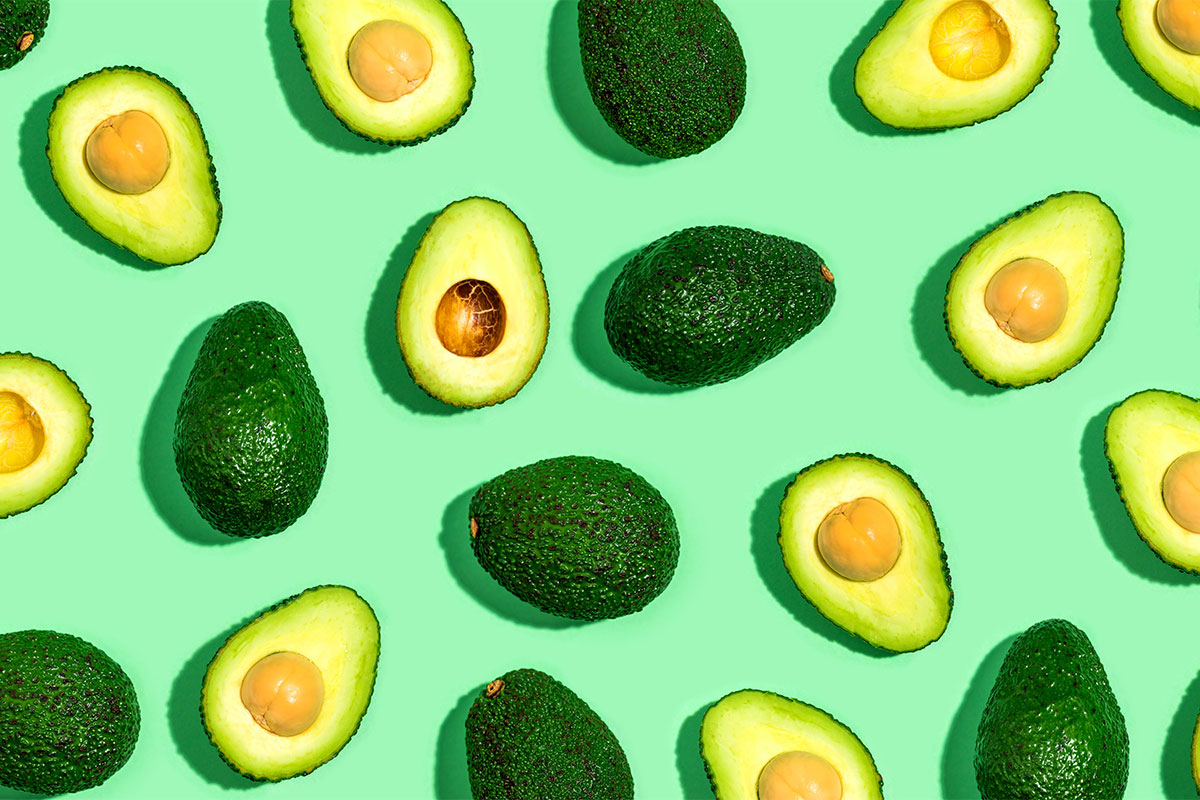
AVOCADO – Top pick to solve tummy rumbles. The fat from this fruit is heart-healthy, plus you get a good amount of fiber, Vitamin K and potassium with each ½ avocado.
Tip: Rub cut avocado half with lime juice to keep from browning.

NUTS – These little gems are chock full of unsaturated fat with a decent amount fiber per one ounce serving. They require a bit of chewing which slows your eating pace, plus their density is sure to stick to your ribs.
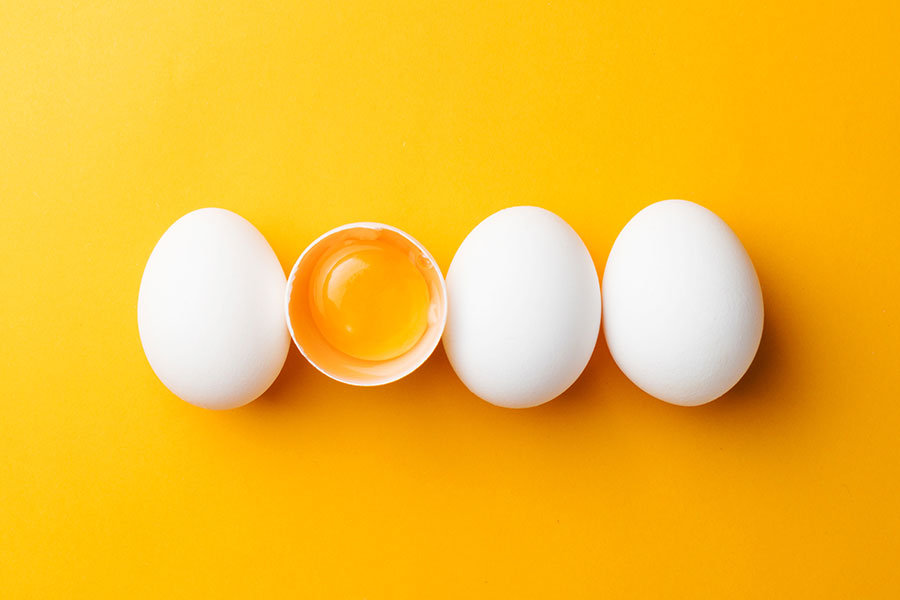
EGG – A harmonious balance of complete protein, fat, and vitamins gives eggs the ability to stand alone as a snack. Just 2 hard-cooked eggs have more protein than does a ¼ cup of tuna salad.
Tip: Repurpose a rinsed to-go drink cup with a lid to hold a couple shell-on eggs. Place your peelings inside to discard stink-free.
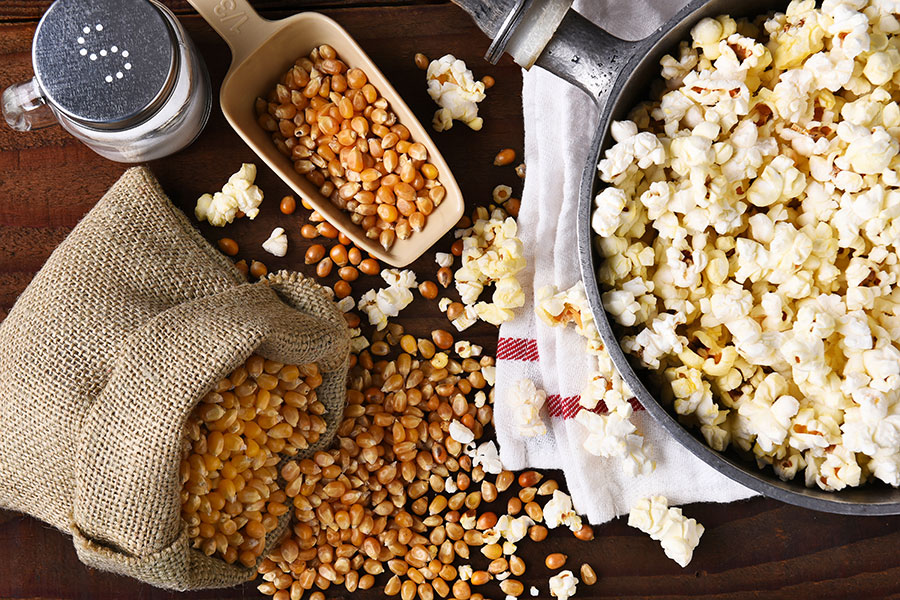
FRESH POPCORN – Not to be confused with anything yellow from a bag, freshly popped corn kernels with a sprinkle of salt and spray of butter-flavored oil is light and refreshingly warm & crisp. A three-cup serving of this finger food distracts for minutes, plus it’s a good source of fiber.

BROTH BASED SOUP – Watery liquids satisfy thirst which can often be mistaken for hunger. Soups are generally low-calorie, especially if vegetable based. An ample bowl of savory chicken noodle, minestrone or cucumber gazpacho is a good choice to forestall creeping appetite.
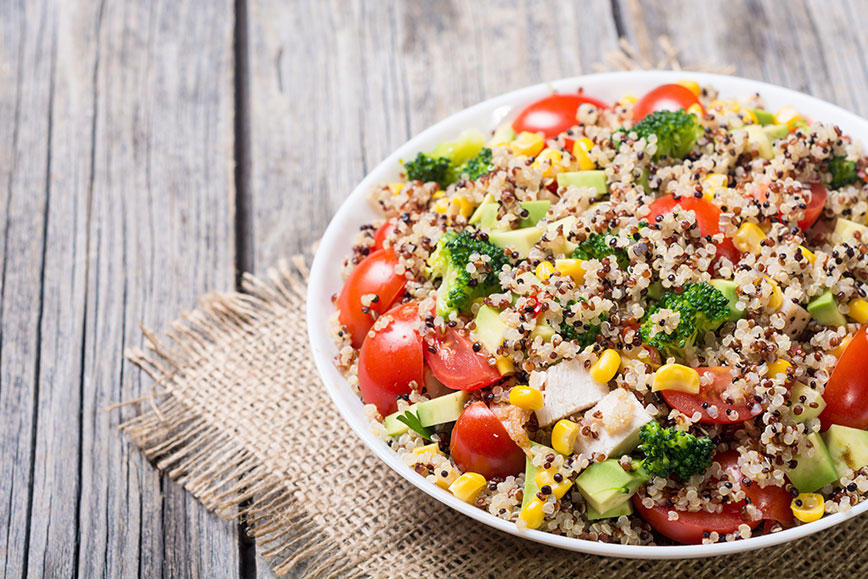
HEARTY SALAD – A chopped vegetable salad (small amount of lettuce okay) topped with quinoa, sliced almonds, chickpeas or corn plus a drizzle of oil-based dressing make for a tummy-filling solution. The chewing factor that slows your eating doesn’t hurt!

GREEK YOGURT or COTTAGE CHEESE – These protein-rich dairy choices also solve the hankering for something cool or creamy without reaching for ice cream. A one cup serving of plain plus a couple tablespoons diced fruit provides an excellent amount of calcium.
The Holiday Season can get stressful, so we may stick to a routine for the sake of easy planning. Try any of these 10 simple ideas to bring new life to your Thanksgiving celebrations.
By now, you may have seen some donation boxes at your local LA Fitness. If you haven’t been entirely sure what those boxes are all about, you’re in the right place!
Most comfort foods we turn to are heavily laden with fat, starch and calories. There are healthier ways to enjoy down-home classics by making a few tweaks.
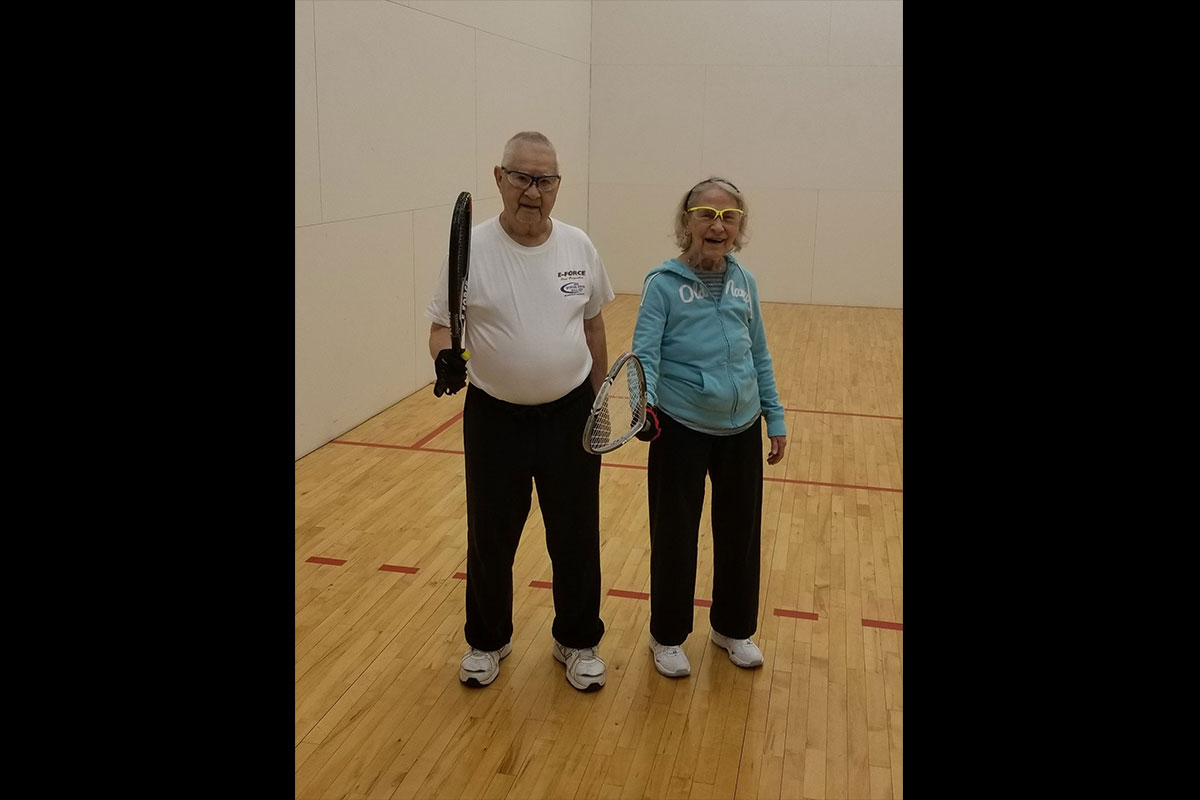
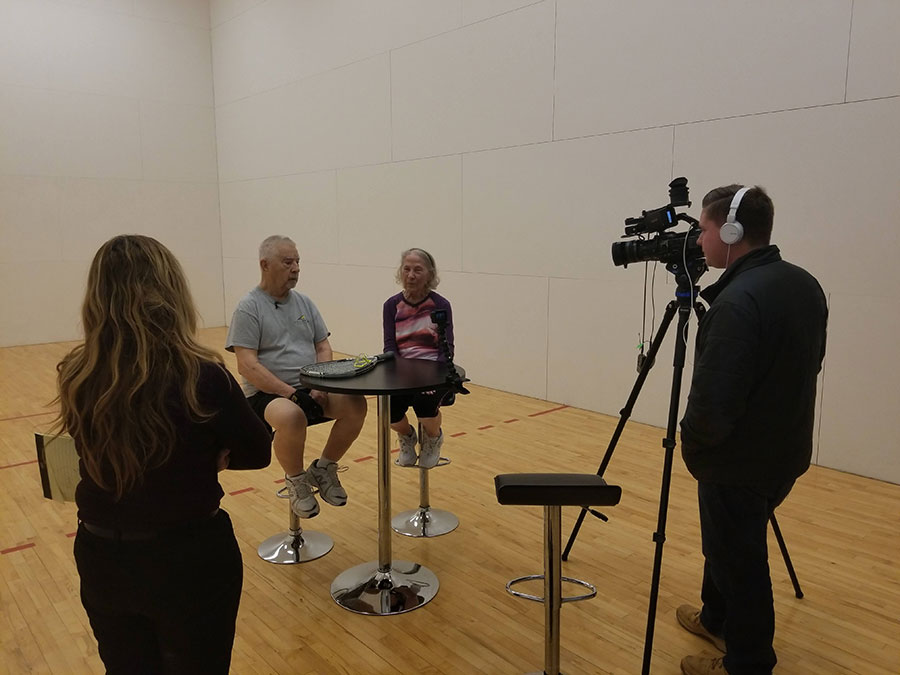
APPLE VALLEY, Minn. — For the past three decades, Jerry and Marilyn Hoagland have been playing racquetball together.
“Sometimes we get on the court when we haven’t been having a very good time at home,” Marilyn said. “Then we get here, and it’s all gone.”
Every Tuesday night, you can find the pair at the LA Fitness in Apple Valley, a place where they have become revered.
“They’re inspiring,” LA Fitness racquetball coordinator Scott Rosenburg said. “They run hard every single Tuesday.”
At 88 and 87 years young, the Hoaglands haven’t shown any signs of slowing down.
“I wanted to play until I was 100,” Jerry said. “Maybe I will.”
When Jerry and Marilyn aren’t facing each other, you can find them beating opponents more than half of their age.
“Guys don’t like to be beat by an old lady,” Marilyn said.
It started just for fun, but it’s now become a necessity for this couple of 58 years.
“It’s a lifesaver for me right now,” Marilyn said. “This is what keeps me alive. The exercise and doing it on a regular basis.”
But it’s more than just exercise or even fun for that matter.
Racquetball for the Hoaglands, is proof that couples who play together really do stay together.
“We shake hands afterward,” Jerry said. “Sometimes she doesn’t shake my hand, but usually she does.”
Reposted with permission by KARE 11 NBC. Original story written by Ryan Shaver.

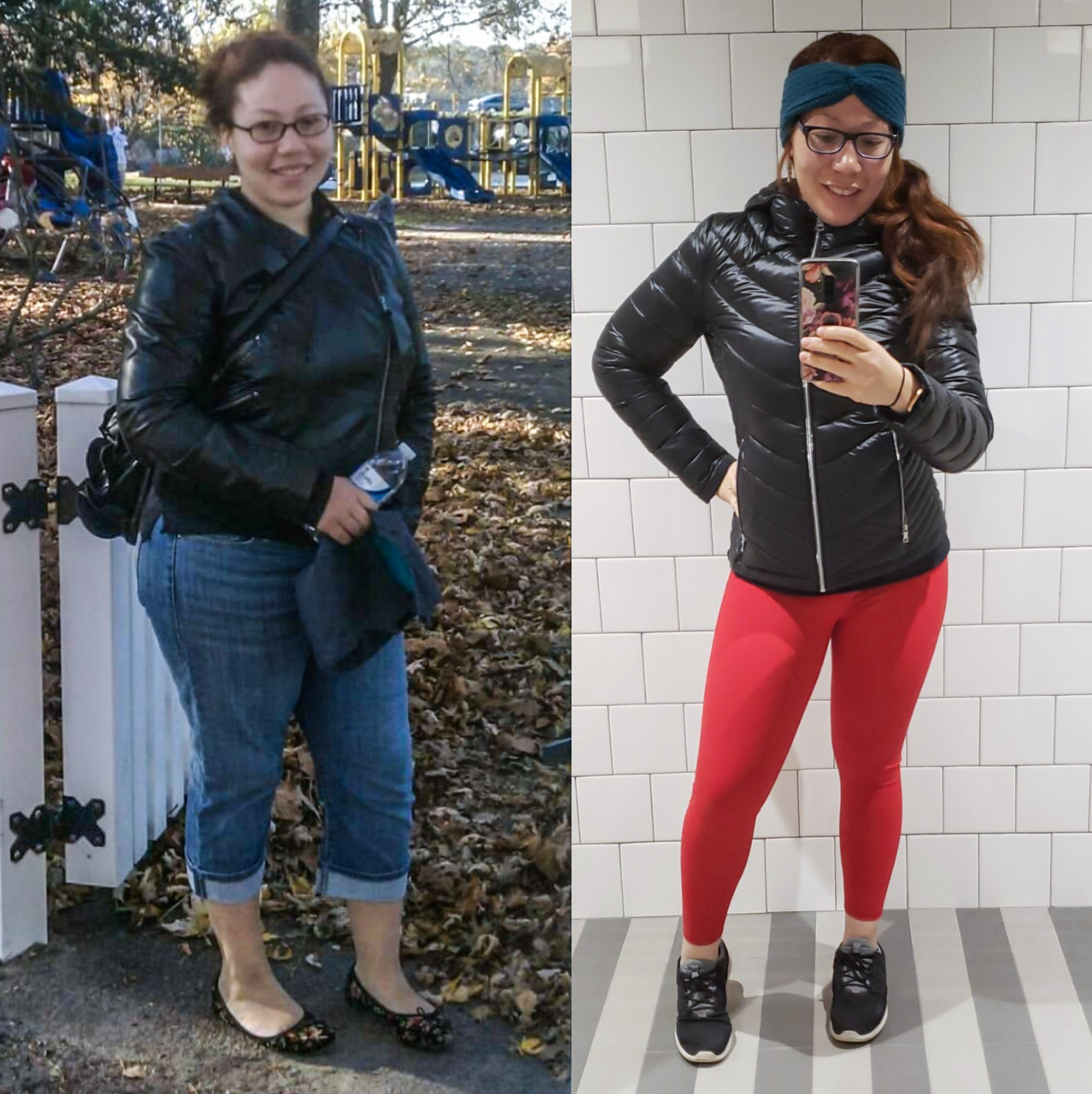
Waleska is a mom with 2 part-time jobs who had a love for chocolate. Despite the time constraints and sweet temptations, she lost over 60 pounds!
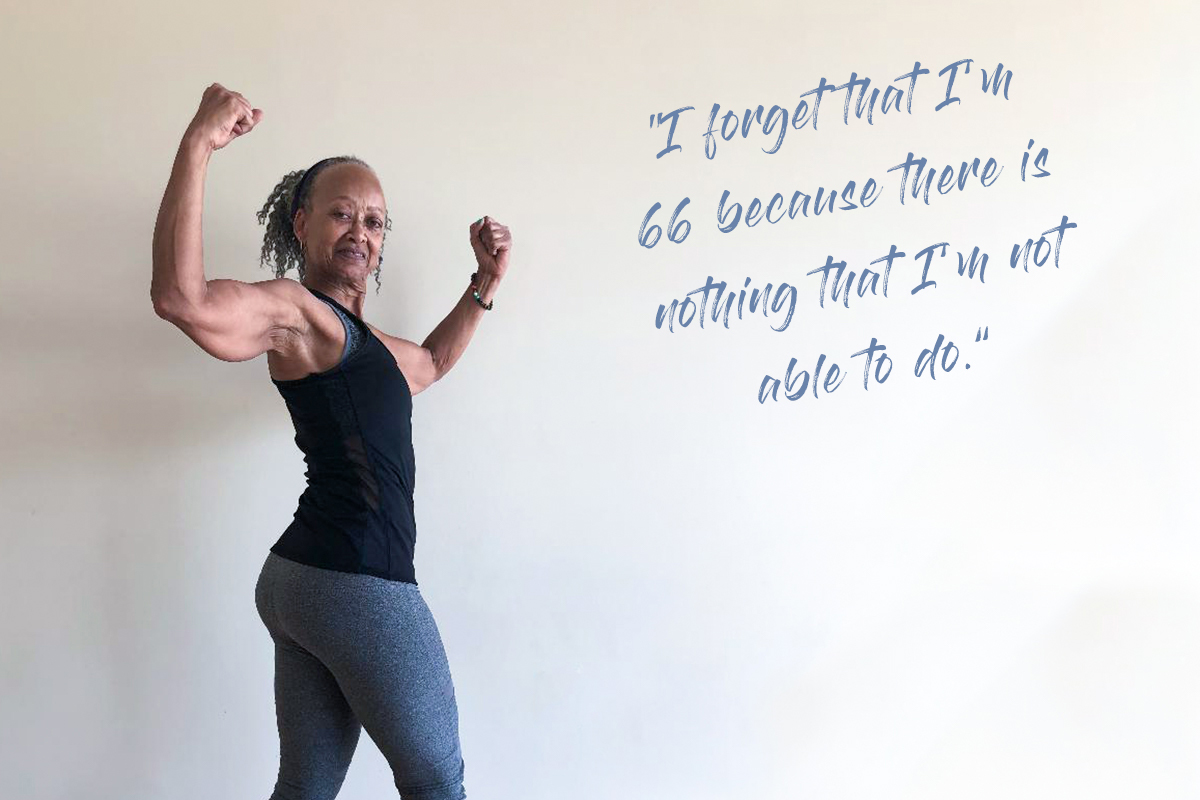
Many of us pair the idea of aging with decreased mobility and various aches. Yet, Patricia’s story shows us just how wrong that notion can be.

Ann shares how, despite back problems, strokes, and surgeries, she is well on her way to achieving her goal of losing 90 to 100 pounds!
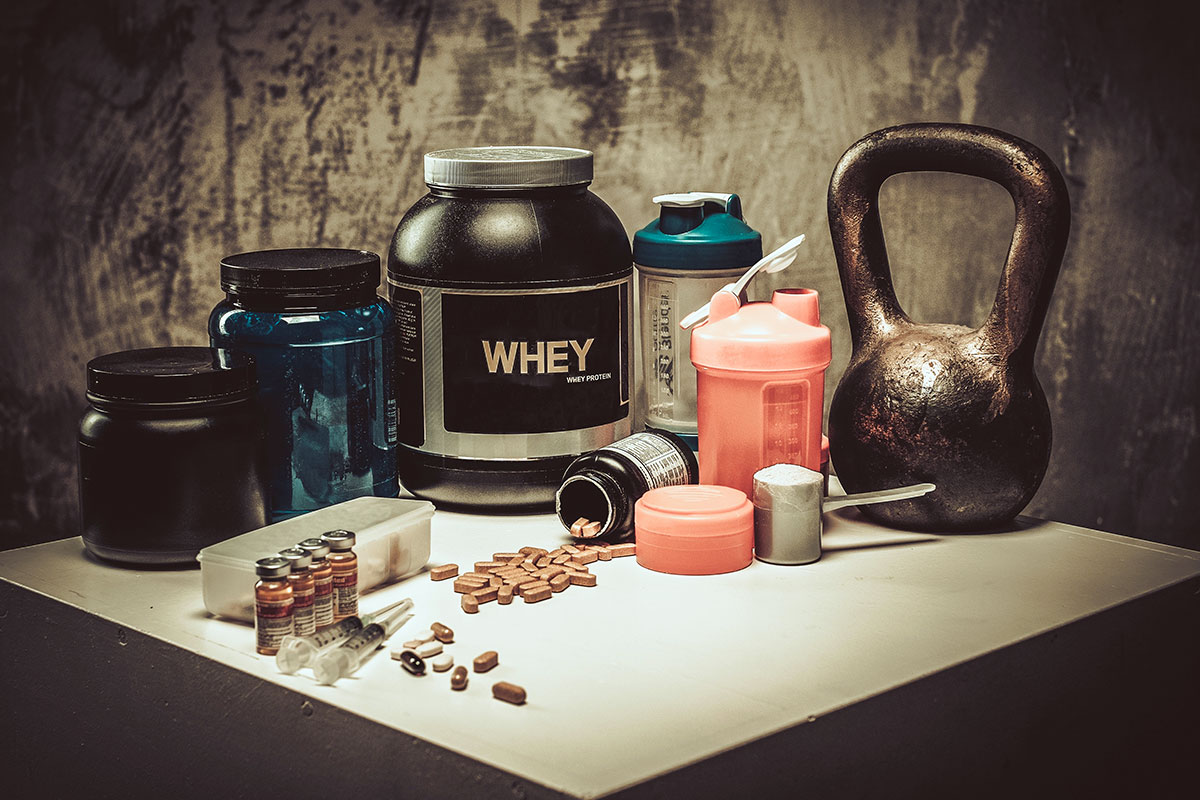
During my time as a writer for LA Fitness, my knowledge of nutrition, fitness, and health topics has grown considerably. As a certified personal trainer, I usually feel comfortable sharing my insights on fitness topics. Yet, there are still questions that I need help answering. My latest query is this:
Are supplements really necessary in order to be successful in the gym?
Personally, I do not take any supplements, and I live a very active lifestyle both inside and outside of the gym. Instead, I choose to focus on maintaining a fairly balanced diet. I choose to eat foods that help fuel me while also allowing myself some “cheat days” – which I know some people disagree with – however, that’s what works best for me.
Because everyone is wired differently, my approach may not be what works for you. When it comes to creating a personalized fitness or nutrition plan, it’s best to speak with a personal trainer or registered dietitian. However, supplements are one of those things that I have found very confusing to educate myself on, mainly because I think of them like vitamins and I get my vitamins naturally, rather than taking a vitamin supplement.
Needless to say, I wanted to reach out to a few experts on the matter.
“Supplements are the elephant in the room when it comes to the gym scene. The first thing you should always do is to check with your physician and have them do the proper testing to see if you have any deficiencies. Depending on those results or documented family history, you may need to add certain vitamins or mineral supplements to your daily caloric intake. A common example would be pregnant women, who typically get put on prenatal vitamins along with additional iron supplements as they go through their pregnancy. However, if your diet consists of the proper amount of lean meats, fruits, and vegetables, most people should be in a position where additional supplements are not needed to keep up with the individual’s active lifestyle.
The more commonly thought of supplements in our gym world are the performance-enhancing types, such as steroids, creatine, and other performance-enhancing drinks, pills, or injections. While these supplements have been documented to show immediate improvements in one’s overall strength and performance gains, they traditionally result in long term negative effects such as hormonal deficiencies. I never recommend any member or client take these types of supplements unless they have been prescribed by their doctor. For instance, these supplements are sometimes prescribed by surgeons as part of the rehabilitation program after undergoing some kind of major surgery where the supplement will aid in the rapid growth and strength of muscles, which aids in the healing process. Again, these supplements should be avoided as much as possible, generally speaking. You can get all the ‘amp’ and ‘steam’ you need from a proper diet.” – LA Fitness Master Trainer, Geoff Fox
“Just as you can get in a good workout without ever lifting up a free weight or stepping on a treadmill, you can get good exercise performance without having to take supplements. A sound diet balanced in nutrients with good hydration supports general exercise goals for non-athletes just fine. Now, healthy adults that are already fit and toned, who fuel right and would like to take it to the next level may benefit from that extra push a sports supplement can provide. They might utilize creatine, glutamine or a protein powder high in branched-chain amino acids to start. Also, caffeine can be a boost to those training for endurance.” – Debbie James, RDN
“Supplements are a highly unregulated area with few randomized, placebo-controlled trials to warrant their effectiveness. For supplements in which we do have good quality data, they have been found to rarely live up to the hype. Furthermore, we want to be cautious and consider what medications one is taking because supplements can sometimes interact and change the effectiveness of medication. Always follow the directions of your doctor, particularly when it comes to taking supplements when you’re also taking medications. The big concern around supplements is that the label may not always reflect what is in the product. When it comes to “being successful at the gym”, everyone is looking for the edge. The thought is that supplements may help in getting to the goal faster. However, healthy eating and exercise should not be a goal but a lifestyle. Habits are what create lasting change and success. Unfortunately, there are no shortcuts in this journey. At Kaiser Permanente, we believe the key to healthy living is to sleep more, move more, stress less and consider increasing how many greens you eat, such as a plant-based diet. That’s it. This is what research has repeatedly shown to optimize our health.” – Sean Hashmi, M.D., nephrologist and adult weight management lead, Kaiser Permanente Woodland Hills Medical Center
From our three experts, it looks like the overall answer is that supplements are not necessary in order to be successful in the gym, but they could be helpful for certain people, depending on your fitness lifestyle and goals.
However, supplements can be dangerous if you’re taking the wrong type. So, before you choose to take any supplement, be sure to fully understand what’s in it and how it affects your body.
A healthy diet combined with a balanced nutrition plan should give you the nutrients and energy you need to build a healthy body for yourself. However, this generalized advice may not apply to those with certain medical conditions, so always follow the recommendations of your doctor.
The Holiday Season can get stressful, so we may stick to a routine for the sake of easy planning. Try any of these 10 simple ideas to bring new life to your Thanksgiving celebrations.
By now, you may have seen some donation boxes at your local LA Fitness. If you haven’t been entirely sure what those boxes are all about, you’re in the right place!
Most comfort foods we turn to are heavily laden with fat, starch and calories. There are healthier ways to enjoy down-home classics by making a few tweaks.