Is Sugar Bad For You? – Podcast Ep. 43
On this week's episode of the Living Healthy Podcast, we ask Registered Dietician Debbie James the question "Is sugar bad for you?"


Welcome to the 22nd episode of the Living Healthy Podcast, presented by LA Fitness.
On this episode of Living Healthy, we bring back to the show LA Fitness, Personal Training Director, Tristen Alleman and, as always, listener favorite Dietitian Debbie James! They help explain the importance of establishing and maintaining a balanced workout routine and how nutrition plays an important part in this.
How Are We Doing?
This podcast should not replace any exercise program or restrictions, any dietary supplements or restrictions, or any other medical recommendations from your primary care physician. Before starting any exercise program or diet, make sure it is approved by your doctor.
Introduction
Begins at 0:01
Cardio Bunny Song
Begins at 0:42
What is a Cardio Bunny?
0:57
LAF Personal Training Director, Tristen Alleman, and LAF Registered Dietitian, Debbie James, Join the Show
1:23
Why is Cardio So Important?
1:43
What Exercises Are Considered Cardio?
2:51
What About Cardio Affects the Heart?
3:33
What Foods Are Good to Eat on Cardio-Focused Work Out Days?
4:16
Are Protein Shakes Needed on Cardio Days? Or Should They Be Saved for Strength Training Days?
6:00
Why Do Cardio Workouts Tend to Burn More Calories in Shorter Amounts of Time?
8:36
How Often Should You Include Cardio Workouts into Your Routine?
10:23
What’s Better: Cardio Before or After a Workout?
12:01
Is One Type of Cardio Better Than Another? HIIT? Cycle? Treadmill? Zumba®?
12:41
Is Caffeine Before an Aerobic Workout a Good Thing? What About Fruit Juice?
13:32
Can Too Much Cardio Damage Your Body?
15:16
NEW SEGMENT: Rapid Fire Social Media Questions from Our Listeners!
18:04
Actionable Advice
23:02
Outro
24:37
On this week's episode of the Living Healthy Podcast, we ask Registered Dietician Debbie James the question "Is sugar bad for you?"

WE’RE BACK!!! On today's episode of the Living Healthy Podcast, we're talking about Cancer Screening and Prevention with Dr. Rick Van Etten!

Debbie James, RDN, brings us her expert opinion on food safety and sanitation, along with information on how you can eat well if you have to shelter in place.

Ugh… The moment you miss an exit and are already late. Stressful! Stress is an unavoidable part of our strained and hectic lives today. It occurs when psychological or physical demands (whether perceived or real) exceed our ability to cope. Some people experience stress in the form of nervousness or headaches while others get muscle tightening or stomach upset. Long-term stress may cause anxiety or depression and contribute to chronic disease.
The effects of stress are two-fold: in behavior we react (e.g. stress eating) rather than respond; while physiologically our bodies produce greater amounts of the hormone cortisol. Both can contribute to nasty weight gain. But take heart – and breathe! In addition to relaxation techniques and other therapies, proper nutrition can combat stress. We offer this list of consumables that either reduce/interrupt the perception of stress or mitigate the harmful effects of stress:

DARK CHOCOLATE
Studies suggest that 1-2 ounces of dark chocolate (60-70% cacao) daily reduces stress levels and inflammation.1 Part of the effect may be that cacao’s flavonoids affect the brain’s sensory perception and mood, easing emotional stress.

OATMEAL
Oats can reduce stress hormone levels and boost serotonin to promote a feeling of calmness.2 Soluble fibers like fructo-oligosaccharides may boost mood since their effect on gut bacteria influences neurotransmitter systems.

ORANGES
In addition to having a stimulating aroma, citrus is rich in flavonoids which may increase cerebral blood flow and increase neural activity. Vitamin C and potassium-rich foods also improve blood pressure3 and boost the immune system, combatting chronic stress.4

WALNUTS
Various compounds in walnuts like polyphenols, tocopherols, polyunsaturated fatty acids (including omega-3 fatty acids3) may reduce oxidative stress and curb release of stress hormones. Walnuts are also a good source of B-vitamins which promote resilience during bouts of stress.4

MEDITERRANEAN-STYLE DIET
Nutrition experts recommend eating more legumes, fish, whole grains, fruits, and vegetables to reduce vulnerability to stress and decrease the effects of oxidative stress.5,6

PLANNED/EASY PREP MEALS
Knowing what you’re going to eat takes away uncertainty, eliminates ‘decision fatigue’ and creates predictability, reducing stress. Structured diets function the same way. Consider how much less complicated it is to eat and simply enjoy your meal when the decision (of what, how much and when) has already been made!

ADAPTOGENS
Certain compounds in herbal plants may mediate the adaptive stress response, helping to increase the body’s tolerance to stress by stimulating stress-protective responses, such as normalizing cortisol levels.7 Two observed adaptogens are Ashwagandha root and tulsi, though there is limited scientific evidence for their effectiveness. *

FOODS FROM OR EATEN OUTDOORS
If exploring nature and connecting with the earth can relieve stress, then picking your foods from a farm stand or straight from the garden may help. It follows also that dining ‘al fresco‘ will reduce stress — think of breathing in that fresh air!
Whether you modify your eating habits or incorporate stress-reducing foods, bolster those nutritional defenses with other stress-fighters like getting adequate sleep, exercise, keeping a positive attitude and practicing time management.
*The National Institutes of Health National Center for Complementary and Integrative Health emphasizes caution with using herbal remedies. They are best used short-term, for a few weeks.
REFERENCES:
Debbie James, RDN, answers a reader’s question about whether it’s healthy to use meal replacement shakes to lose those last few pounds.

November 7th was National Bittersweet Chocolate and Almonds Day! We’re breaking down why they’re good for you and how much you should eat to enjoy the benefits.

When you’re looking for fresh flavors to dress up your salad, make your own dressing with one of these easy (dietitian approved) recipes!
Staying healthy involves much more than just being fit and eating certain supplements or foods. One area that is often ignored is your mouth. If you neglect good oral care it can ruin your health in many ways – and may actually shorten your life.
Recently, researchers have discovered that the health of your mouth can affect the health of your entire body. This is especially true if you have the more serious form of gum disease – periodontitis. Most people have no idea that they have it or how serious it can become – and one reason is that it is nearly painless until it reaches the advanced stages. About half of the adults in America over 30 have the disease and it continues to be the major cause of tooth loss in adults.
Periodontitis is caused by some of the natural bacteria in your mouth. It gets into your gums through poor care of your teeth and starts an immune reaction. Once it is in your gums, it also gets access to your bloodstream. Not only will it destroy your gums, ligaments that support your teeth, and your jawbone, but the reaction from your immune system will produce buildups in your bloodstream and organs.
Those buildups can lead to many serious diseases and other health problems. They include cardiovascular disease, diabetes, stroke, heart attacks, several types of cancer, dementia, ED, Parkinson’s, and many more.
One of the worst things you can do for your teeth and oral health is to sip on sugary drinks for hours. Many people love to sip on specialty coffees, teas, energy drinks, or fruit juices, thinking it is healthy.
Unfortunately, the bacteria that cause cavities and gum disease feed on sugar. They also produce the acid that causes the cavities and gum disease for the next 20 minutes after each sip. It is better to drink sugary drinks only with a meal and rinse your mouth with water afterward.
While most people think fruit juice or flavored water is healthy, it can damage the enamel on your teeth. Fruit juice, especially citrus fruit juice, is highly acidic and it also has about as much sugar in it as soda. It will damage the enamel on your teeth, leading to sensitive teeth and cavities.
Besides the calcium that your teeth need for strength, your teeth also need a good dose of vitamin D. This sunshine vitamin enables your bones and teeth to absorb calcium for ongoing strength. Without it, the acid in your mouth and food will continue to leach the calcium out and make them brittle.
Researchers discovered that brushing after eating can reduce the enamel on your teeth. This is because acidic foods and drinks actually soften the enamel and a toothbrush can remove tiny bits of it. Brushing right away will also push the acid into the enamel, causing even more damage in the lower layers. You can rinse your mouth out with water and then brush about 30 minutes later.
While most people who exercise regularly know the importance of staying hydrated, here is one more reason – and it affects your dental health. A dry mouth promotes cavities and gum disease. Normally, your saliva will help to wash away the harmful bacteria and acid off your teeth. A dry mouth lets it multiply more and produce more acid than normal. You can increase your saliva by chewing sugarless gum and drinking more water.
You can keep your teeth and smile longer by eating healthy, brushing your teeth twice a day and flossing, and making regular dentist appointments.
This article was written in collaboration with Global Family Dental.

Photography provided by John Davydov of Global Family Dental.



The Holiday Season can get stressful, so we may stick to a routine for the sake of easy planning. Try any of these 10 simple ideas to bring new life to your Thanksgiving celebrations.

By now, you may have seen some donation boxes at your local LA Fitness. If you haven’t been entirely sure what those boxes are all about, you’re in the right place!

Most comfort foods we turn to are heavily laden with fat, starch and calories. There are healthier ways to enjoy down-home classics by making a few tweaks.

Short on time but still looking to get a solid workout in? Then it’s time to turn to HIIT by LAF®. If you aren’t sure what HIIT stands for, it’s short for high-intensity interval training – and it’s definitely something you should be adding to your workout routine.
If you’ve never heard of HIIT training, or you’re looking for a group setting to help give you that extra encouragement and push, then HIIT by LAF® is the right thing for you.
HIIT by LAF is a workout that is designed for almost every level of fitness, age, and goal type. These high-tech and high-energy workouts are led by motivating, certified fitness coaches who set the pace and vibe of the room. Each workout is 50-minutes long and comprised of a variety of functional exercises, core training, cardio interval training, and strength training. Wearing optional heart rate monitors, participants are led through five heart rate training zones, with each zone representing variations in levels of intensity that may result in participants burning up to 1,000 calories per workout, including calories that may burn even after the workout ends (results may vary).
Intense? Yes, but don’t let that word scare you away.
HIIT helps burn more calories in a shorter amount of time and if you manage to stay within the “fat-burning” zone during your workout, it can leave the body burning more calories even after the workout is over. This special “fat-burning” zone varies from individual to individual, so it’s important to know your resting heartrate and your max heartrate in order to gauge your different zones.

This is where MYZONE comes into play. A heart rate monitor that takes your workout to the next level.
MYZONE uses wireless and cloud technology to accurately and conveniently monitor physical activity. It monitors heart rate, calories and time exercising that converts into MYZONE Effort Points (MEPs*), with a focus on rewarding effort.
Heart rate training zones are a range of values expressed as percentages of maximum heart rate (HR max). The HIIT by LAF workout incorporates 5 heart rate training zones. If you’re interested in signing up for HIIT by LAF® classes on a regular basis, the MYZONE heart rate monitor is available for purchase at an additional cost.
Each zone is identified by zone color, heart rate percentage range, zone description, and the target amount of time that should be maintained in each zone to achieve the greatest benefits of a HIIT workout. Utilizing these zones in relation to the exercise benefits of each one aids in the development of the best programming to maximize endurance, calorie burn, and fat loss.
* MEPs (MYZONE Effort Points) are earned based on the effort exerted by the participant. Time spent in each Heart Rate Zone earns different numbers of MEPS:

HIIT is for anyone and everyone looking to take their fitness to the next level. HIIT is for moms, runners, professionals, athletes, and beginners. For moms, it’s a great escape. For runners, it’s the motivation and methodology necessary to prepare for the next run or race. For professionals, it’s the time-efficient workout when health and well-being are important, but time is tight. For athletes, it is the real-time feedback, ability to track progress and interval training necessary to improve performance. For beginners, it’s the push—the education and encouragement—necessary to reach an entirely new level of fitness.

It depends on the underlying condition of the patient/client and their baseline fitness level or physical activity status. HIIT is not for someone with a prior heart condition, who is sedentary and has not gone through proper supervised exercise testing first.
Anyone who has been very active has no cardiac risk factors, and has been screened by his M.D. about his cardiovascular fitness can definitely try HIIT and enjoy the benefits in our time-crunched environment.
The response above provided by Dr. Myla Subbarao, MD, FACC, and volunteer with the American Heart Association.
Check out our Living Healthy podcast episode on HIIT training by clicking here!
If you’re interested in learning more about HIIT by LAF®, visit welcome.lafitness.com/hiit-by-laf/.

The Holiday Season can get stressful, so we may stick to a routine for the sake of easy planning. Try any of these 10 simple ideas to bring new life to your Thanksgiving celebrations.
By now, you may have seen some donation boxes at your local LA Fitness. If you haven’t been entirely sure what those boxes are all about, you’re in the right place!
Most comfort foods we turn to are heavily laden with fat, starch and calories. There are healthier ways to enjoy down-home classics by making a few tweaks.
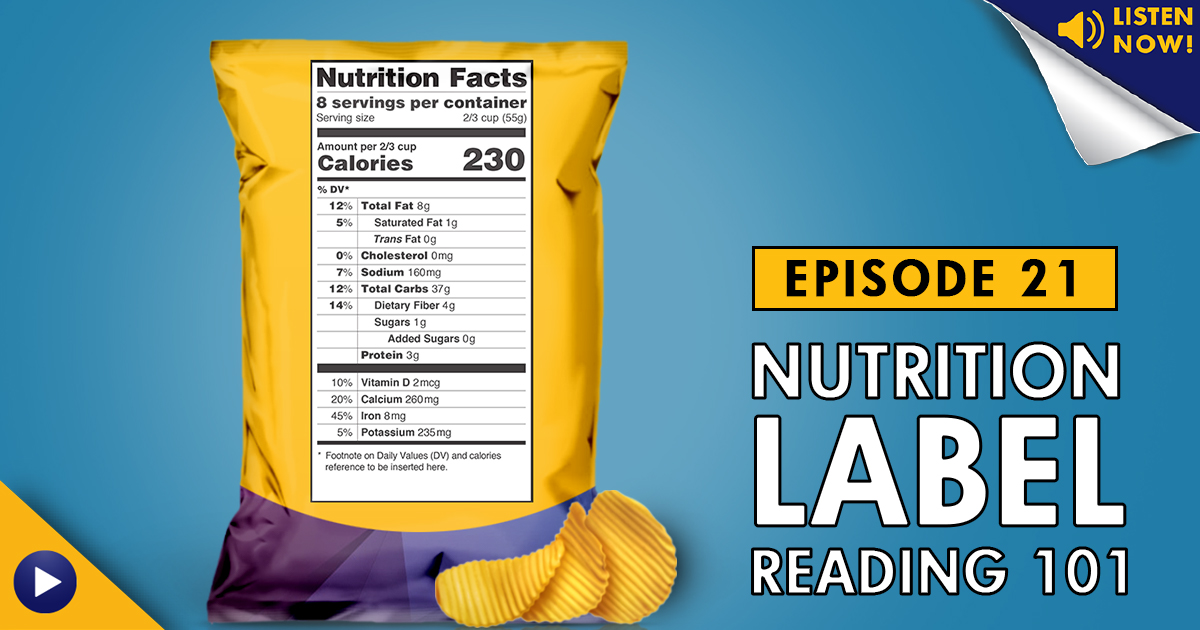
Welcome to the 21st episode of the Living Healthy Podcast, presented by LA Fitness.
On this episode of the Living Healthy Podcast, we have a listener favorite on the show, Dietitian Debbie, who helps us better understand nutrition labeling and we hear all about Andrew’s love for popcorn (and more importantly, his confusion about popcorn nutrition labels!)
How Are We Doing?
This podcast should not replace any exercise program or restrictions, any dietary supplements or restrictions, or any other medical recommendations from your primary care physician. Before starting any exercise program or diet, make sure it is approved by your doctor.
Intro
Begins at 0:01
“The History Lesson You Never Knew You Wanted” re: Nutrition Labels
Begins at 1:07
Dietitian Debbie Joins the Show
4:47
Why Are Nutrition Labels Important?
5:00
Nutrition Label – Serving Sizes
6:00
Caloric Food Tracking
8:15
Nutrition Label – Calories
10:05
Nutrition Label – Total Fat (Macronutrient #1)
11:20
Trans Fat and Saturated Fats – How Many Grams Are Too Much?
12:34
Why is Fat Known as a Macronutrient?
13:52
Nutrition Label – Cholesterol
14:30
Nutrition Label – Sodium (and Potassium)
15:43
Nutrition Label – Carbohydrates (Macronutrient #2)
17:38
Nutrient Label – Protein (Macronutrient #3)
18:46
Why is Protein So Important?
20:21
Nutrition Label – Vitamin and Mineral Section
21:05
Should Everyone Take a Daily Vitamin?
21:57
Nutrition Label – Footnote Disclaimer
24:07
Nutrition Label – Ingredients Section
25:14
Avoid These Unhealthy Ingredients
29:12
UH OH – Andrew’s Popcorn Rant
30:42
**MATT SAVES THE SHOW**
31:37
New Nutrition Labeling Laws Coming Soon
32:57
Show Wrap Up
36:23
On this week's episode of the Living Healthy Podcast, we ask Registered Dietician Debbie James the question "Is sugar bad for you?"
WE’RE BACK!!! On today's episode of the Living Healthy Podcast, we're talking about Cancer Screening and Prevention with Dr. Rick Van Etten!
Debbie James, RDN, brings us her expert opinion on food safety and sanitation, along with information on how you can eat well if you have to shelter in place.