10 Thanksgiving Ideas to Revive Your Celebrations
The Holiday Season can get stressful, so we may stick to a routine for the sake of easy planning. Try any of these 10 simple ideas to bring new life to your Thanksgiving celebrations.

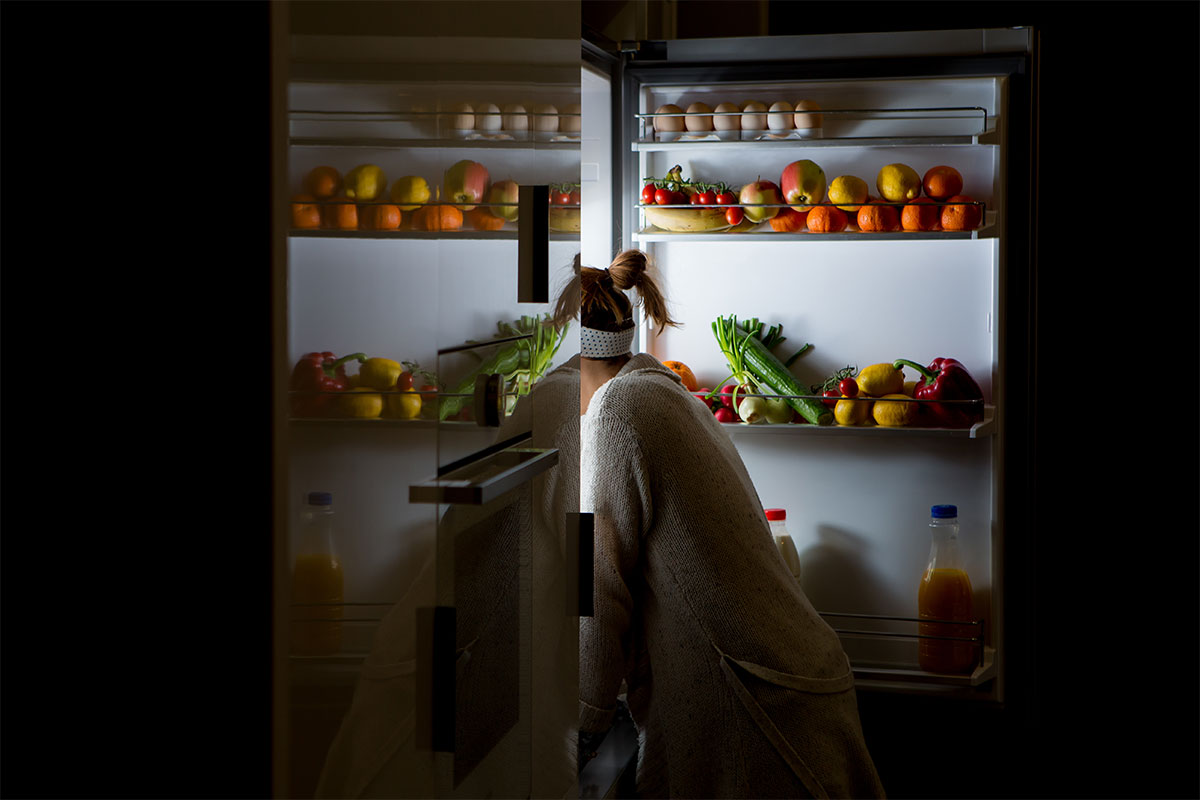

It is near midnight. The house is quiet, and it’s officially “lights out.” Then, suddenly you are alarmed by a loud and mysterious rumbling that begins to echo to every corner of your bedroom. You turn over and reposition your lethargic body on its side; hoping it was all just a part of a dream. A few minutes pass and the same resounding rumble begins to grow even more violent. You can no longer ignore the internal calling we all dread to acknowledge a quarter past midnight. No longer can its origins be disguised for anything other than the dark deep abyss of your hollow stomach.
Translation: You’ve got the serious case of the late-night munchies.
At this point, you have a decision to make. You try to talk yourself out of dragging your sluggish legs into the kitchen to satisfy your appetite, but the internal debate of “to eat or not to eat” is waking more neurons in your brain, making it nearly impossible to fall back asleep. Feeling restless and still hungry, you head to the kitchen and look for anything that doesn’t require any actual effort beyond pouring yourself a bowl of cereal.
Like many of us, we have all experienced a similar internal dialogue when deciding between making healthier choices over the not-so-healthy-ones. We are confronted daily with choosing between the salad or fast food, the workout before your 8 am meeting or hitting the snooze button for the fifth time. Unfortunately, we are often faced with the guilt and only momentary satisfaction when self-control is less effective on those days your supervisor decides to leave a free-for-all box of hot-and-ready-to-eat donuts in the conference room. Then there are those seasons of pure discipline when it’s strict dieting, no sugar, skip the happy hour, and the “I’ll just have a spinach kale salad with vinegar and oil on the side.” Unfortunately, we are often faced with short-lived results only to return to the same habits as before.
So, if we are what we eat, what’s the secret in actually doing it well?

Let’s put some things in perspective – our relationship with food has gotten a negative rap throughout the existence of American mass media. It is either introduced as being the enemy or the solution to our overall well-being. It is either quick-fast and not nutritionally dense “meals” we have easy access to at your nearest fast food chain, or it’s posed as an almost militarized form of consumption, aka steamed veggies and grilled chicken Monday through Friday.
This duality of “good and bad” types of eating sends many of us on an emotional roller-coaster when making day-to-day healthy choices. I carry the firm belief that our relationship to food is tarnished when used for reward or punishment. If we bring it back to basics, when we were first developing as a species, food was medicine, and a resource to aiding our bodies to function and fuel itself for our day-to-day activities. We have commercialized the food industry so much, that we as consumers feel trapped and often disempowered when making instinctual decisions about what our body’s actual need!
The fact that every single day we get to decide when and what we eat is nothing short of a privilege; especially when we consider people who geographically, socially, and economically don’t have the same luxury. So, when we take a step back and see the purpose behind why we eat, we might be able to lessen the pressure of making those healthier choices.
You might be thinking, does that mean I have to drop the cookies and grab the carrot sticks instead? Well…not exactly.
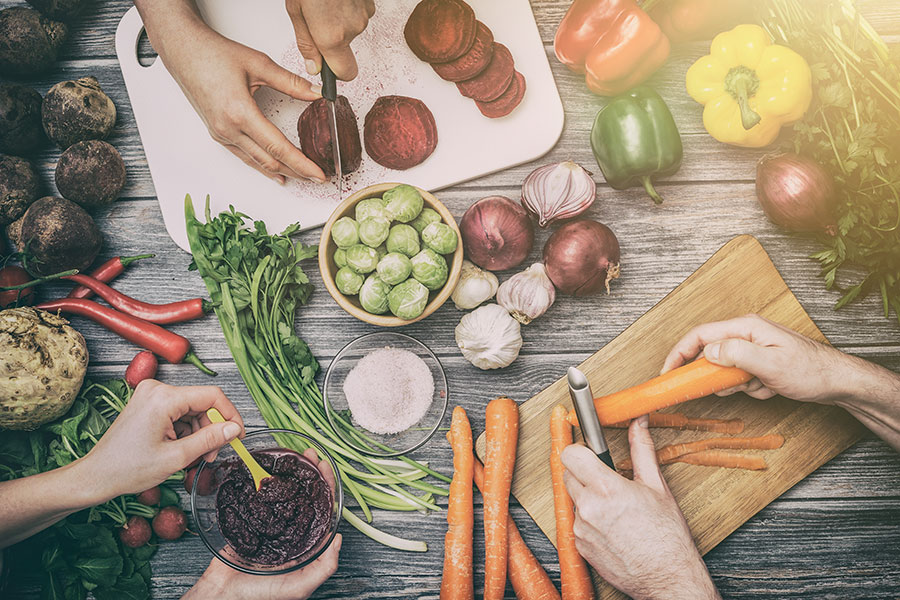
Looking back, I can attest that every great childhood memory, every birthday and celebration has good food somewhere in the picture. I’m talking about that feel-good-straight-out-of-Grandma’s-oven home cooking or recalling the greatly anticipated pizza parties when your class scored highest in the school’s spelling bee. There were no counting macros or guilt-tripping myself into burning extra calories on the treadmill at the gym the next day. Food was something to be enjoyed in those moments, and they still should be!
Navigating healthy-living through food shouldn’t feel like a death sentence to enjoying quality time with friends and family. Rather, it is acknowledging that food and these impressionable moments in life often go hand in hand, and we can find ways of empowering ourselves by setting ourselves up for success. For example, try introducing newer ways of enjoying more vegetable side dishes at the next family potluck, or adding more fruits and veggies in school lunches for the kids over fruit snacks.
When we surround ourselves with healthier options we are more likely to incorporate them in our lifestyle with greater ease than the polarizing feeling we often feel when we are under-prepared and just down-right hungry.
A person who knows a lot about eliminating the stress and pressure around food while still enjoying healthier choices is former White House Chef to the Obamas and Food Policy Advisor, Sam Kass.
Kass knows a thing or two about ways you and your family can feel more empowered on making better choices without the fuss! His newly released cookbook, Eat a Little Better: Great Flavor, Good Health, Better World, is based on the philosophy that there is no “right way” but there is always a better way we can approach diet and nutrition to support our households and the planet. His approach to changing our relationship with food is approachable for anyone wanting to take a more proactive step towards optimal health, minus the excess will-power. Think “small changes that collectively make a bigger impact in the long run!
“Eat one vegetable a day. Just one. Eat whole grains and beans once more a week. When this becomes your new normal–in two weeks, ten weeks, or a year–you raise the bar again.”
If there is one food trend I think we have all been neglecting it is that food is our friend when we allow it. It is the fuel and the fun in our lives that collectively make for a better, more enjoyable living. You were made to enjoy the fruit of your labor (literally!) So if that means working your butt off and enjoying that ice-cream with the kids on the weekend so be it. If it means learning new ways to cut out processed sugar and introduce fresh and dried fruits to curb an unhealthy habit, that’s great too.
Making better choices for you and your family ultimately comes down to meeting the needs that are going to support the lifestyle and results you envision having. For me, my “better” means throwing out fad-diets and picking up healthier ways to live for the long run. Call me crazy, but I’m a firm believer that you can live a healthy life and still have that cake and eat it too!
Sources:
The Holiday Season can get stressful, so we may stick to a routine for the sake of easy planning. Try any of these 10 simple ideas to bring new life to your Thanksgiving celebrations.

By now, you may have seen some donation boxes at your local LA Fitness. If you haven’t been entirely sure what those boxes are all about, you’re in the right place!
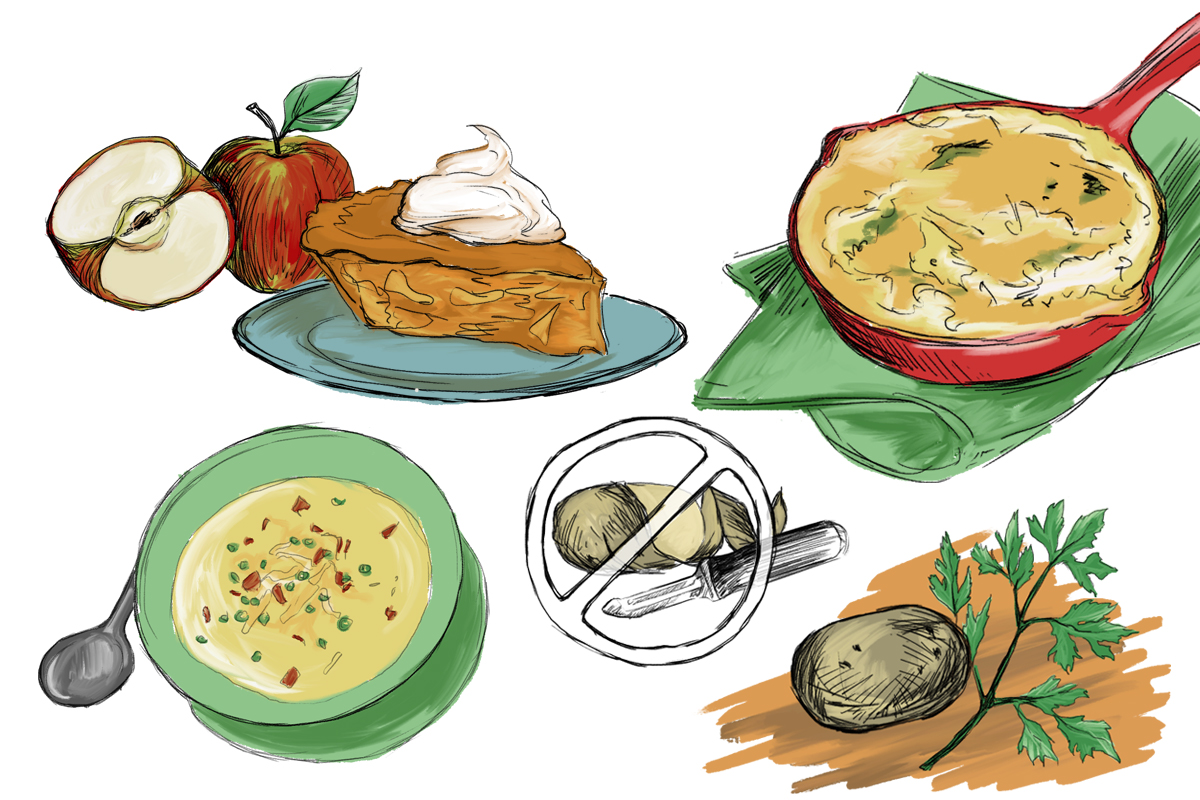
Most comfort foods we turn to are heavily laden with fat, starch and calories. There are healthier ways to enjoy down-home classics by making a few tweaks.
Welcome to the 23rd episode of the Living Healthy Podcast, presented by LA Fitness.
May marks the start of Mental Health Month, and so on today’s episode, we bring back Dr. Neel Doshi, to help us understand exactly what mental illness is, the effects of mental illness on the body, and how social media and technology play into these conditions.
We also discuss ways to reach out for treatment and the future of mental health in general. Dr. Doshi is double board certified in Adult Psychiatry and Child & Adolescent Psychiatry, with Kaiser Permanente of Orange County. He joined us about 6 months ago to discuss this topic, and we had yet another great conversation with him!
For more information on ways you can get involved for Mental Health Month, please visit http://lafitnesscares.com/.
How Are We Doing?
This podcast should not replace any exercise program or restrictions, any dietary supplements or restrictions, or any other medical recommendations from your primary care physician. Before starting any exercise program or diet, make sure it is approved by your doctor.
Introduction
Begins at 0:01
Dr. Neel Doshi, double board certified in Adult Psychiatry and Child & Adolescent Psychiatry, with Kaiser Permanente of Orange County, joins the show
Begins at 0:39
What is Mental Health?
0:48
Why is Mental Health Becoming So Mainstream?
2:48
How Can We Bridge the Empathy Gap?
4:20
What Are the Best Ways to Engage with Someone Struggling with a Mental Illness?
5:27
How Do Mood and Emotions Correlate with Mental Health?
7:42
How Much Does Your Environment Affect Your Mood?
9:09
Humor’s Impact on Mental Health
10:32
Natural Defense Mechanisms: How They Play a Part in Our Emotions
12:28
Social Media and Technology: How It Affects Mental Health
13:06
Mental Health Apps
14:25
Which is a Bigger Threat to Positive Mental Health: Social Media or Living a Sedentary Life?
17:35
Are There Certain Types of Exercise That Are Best for Improving Mental Health?
20:26
How Long Should You Exercise to Reap the Benefits?
21:52
Does Everyone with Mood Issues Need to Be in Therapy?
24:03
The Future of Mental Health
25:10
Actionable Advice
26:36
Outro
28:17
On this week's episode of the Living Healthy Podcast, we ask Registered Dietician Debbie James the question "Is sugar bad for you?"
WE’RE BACK!!! On today's episode of the Living Healthy Podcast, we're talking about Cancer Screening and Prevention with Dr. Rick Van Etten!

Debbie James, RDN, brings us her expert opinion on food safety and sanitation, along with information on how you can eat well if you have to shelter in place.
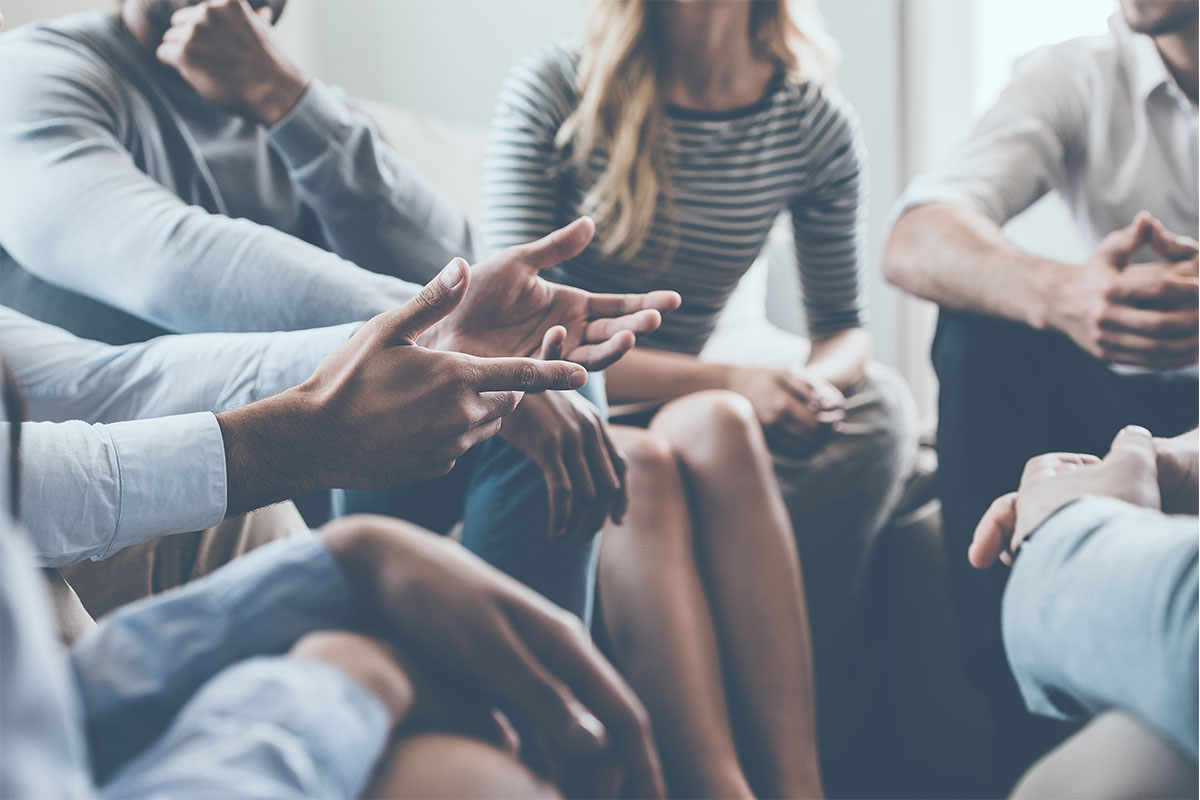
Mental health includes our emotional, psychological, and social health and well-being. It is important at every age. According to the WHO (World Health Organization), mental health is “… a state of well-being in which the individual realizes his or her own abilities can cope with the normal stresses of life can work productively and fruitfully, and is able to make a contribution to his or her community.” It is important to note that the WHO stresses that mental health “is not just the absence of a mental disorder.”
Mental Health is important because it affects us every day, in almost everything we do. It impacts how we function, interact with others, and how we feel about ourselves and our lives. Furthermore, it can have a profound impact on our bodies and physical health as well.
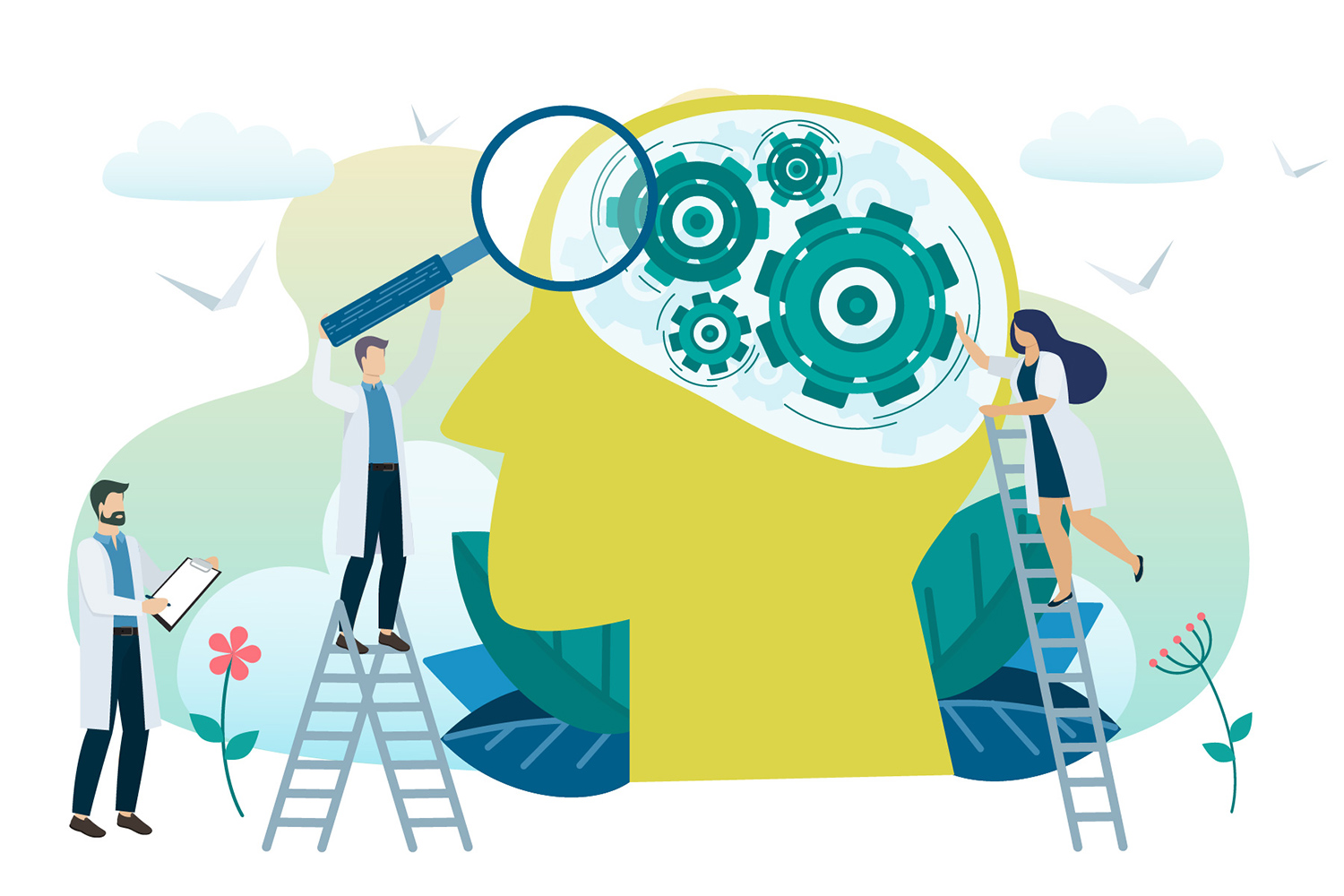
For children and adults, learning how to identify and understand our emotions is a vital component in improving mental health. Emotions are not bad – however, we need to better teach people to identify and understand their emotions and most importantly, what to do with them. We also must teach and develop personal coping skills so that one can process and use their emotions in a healthy and productive manner.
There are several key things we can all do to improve and maintain our mental health which includes keeping a regular schedule, especially ensuring adequate sleep. Getting regular exercise (even low intensity like walking counts) every day. Try to reduce the amount of time you sit for, as they say, “sitting is the new smoking”! Try and eat a healthy well-balanced diet with lots of fruits and vegetables. Connecting with others and helping others can also improve our mental health. Lastly, don’t be afraid to get professional help if you need it!
It doesn’t always feel like it, but there is help everywhere. A few national resources that are available to anyone are the National Suicide Hotline (1-800-273-8255), Textline (741741), and online chat. The National Alliance of Mental Illness (NAMI.org) is a great resource not just for those who are struggling with their mental health, but also for their families. For the LGBTQ+ population, Trevor Project has a hotline (1-866-488-7386), Textline (678678), online chat and multiple other online resources too.
Individuals should also contact their healthcare provider to learn more about the resources that they offer. At Kaiser Permanente, our mental health resources include a wide range of services for all ages from medication management, individual therapy, group therapy, wellness phone coaching and in-person classes through our Center for Healthy Living as well as numerous online services.
There are also people around you that are there to help, whether it’s a teacher, a coach, a religious leader or spiritual counselor, a supervisor at work or an Employee Assistance Program.
Kaiser Permanente also has a great website called FindYourWords.org which provides resources and help for those wanting to help someone else or those looking for help themselves.
One of my favorite exercises to recommend to patients is gratitude. Thinking of three things you are grateful for every night before you go to bed has been shown to significantly improve your mood. It doesn’t have to be anything outrageous, you can be grateful for having a bed to sleep in, or for your bad day being over, or for the amazing thing that happened to you that day. But, remember just three! No more, no less, even if every night it’s the same three and kids can do it too. Try it for a week, see how you feel!
Responses contributed by Ashley Zucker, MD, Chief of Psychiatry at Kaiser Permanente in San Bernardino.
The Holiday Season can get stressful, so we may stick to a routine for the sake of easy planning. Try any of these 10 simple ideas to bring new life to your Thanksgiving celebrations.
By now, you may have seen some donation boxes at your local LA Fitness. If you haven’t been entirely sure what those boxes are all about, you’re in the right place!
Most comfort foods we turn to are heavily laden with fat, starch and calories. There are healthier ways to enjoy down-home classics by making a few tweaks.
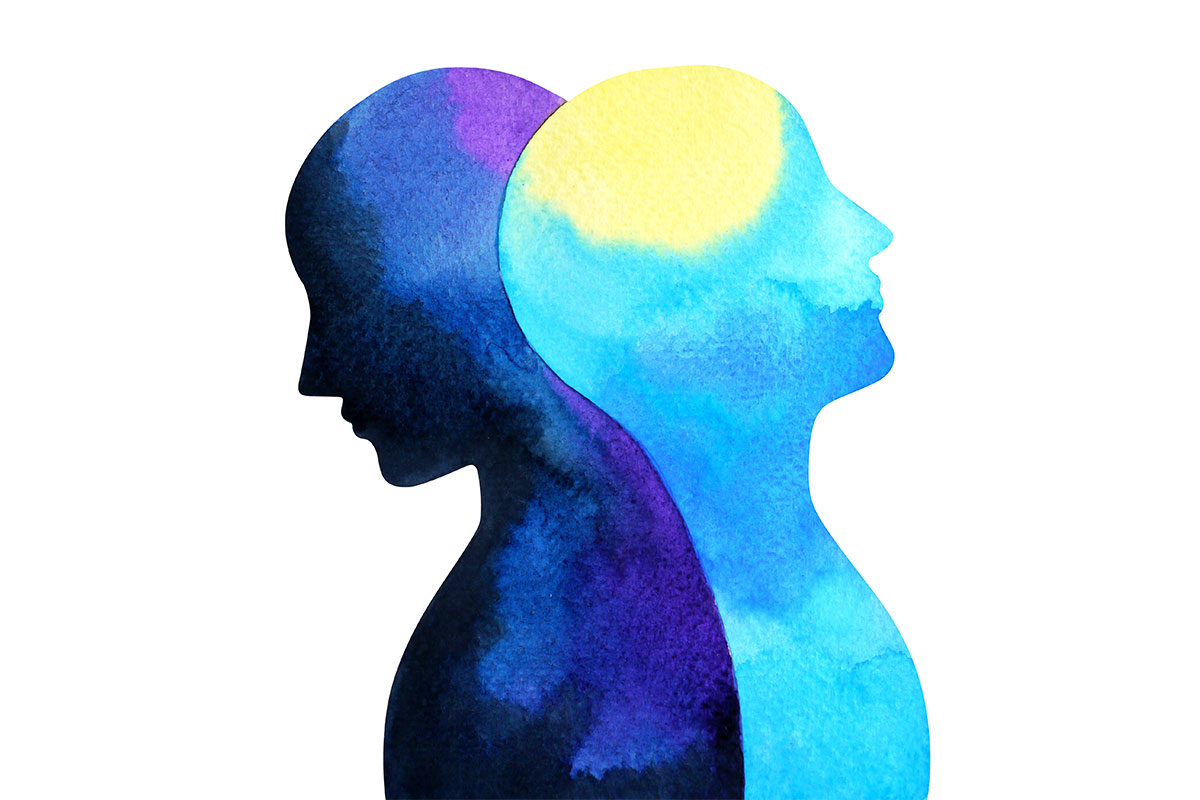
There is a well-known quote that has been credited to Chinese philosopher, Lao Tzu, that says:
If you are depressed you are living in the past.
If you are anxious you are living in the future.
If you are at peace you are living in the present.
Whether or not that is the direct translation of the quote or a slight modernization of it, the meaning behind what is being said is worth exploring further.
The art of being present is hard for many. Why else would there be novels and movies revolving around the idea of a character who yearns to have made a different choice, or self-help books that emphasize the importance of being in the now rather than worrying about the future or consumed by the past?
But it’s hard. It’s hard to just flip the switch in your brain that also allows us the ability to feel nostalgic over memories or the ability to daydream about the future. Hard, yes. But impossible? No.


There is a difference between remembering the past versus being consumed by it.
There is a difference between a nervous excitement over the future versus a feeling of terror or panic.
Being present is possible and it really just means training yourself to be in the now. The whole “take-things-one-day-at-a-time” is great advice because no day is guaranteed to anyone.
Why worry about the past? You can’t go back and change anything. The past is gone and the only thing you have is the now. Now flip it. Why worry about the future? It’s not promised to you. All anyone has is the now.
The would-ofs, could-ofs, should-ofs, and the what-ifs of life should not take precedence over this exact moment here and now. Mental health can be improved by a change in mindset. For some, that means meditation. Allowing yourself to slow down, practice controlled breathing, and take some time to be present.
For others, it means practicing more gratitude. By taking the time to acknowledge all that you’re grateful for and all that is going right in your life, you can start developing the habit of focusing on the good rather than the bad. This can be as simple as writing down three things you are grateful for each morning or every night before bed.
And because there is no one cure-all way to be more in the present, you may find the solution that works for you is speaking with a friend, a family member, or a healthcare professional that can help find a method that best fits you.
Mental health is just as important as physical health (if not more!), which is why we are happy to bring attention to it and partner with NAMI throughout the month of May. If you’d like to learn more about Mental Health Month, please visit https://www.nami.org/mentalhealthmonth.
And remember to fully live for today!
The Holiday Season can get stressful, so we may stick to a routine for the sake of easy planning. Try any of these 10 simple ideas to bring new life to your Thanksgiving celebrations.
By now, you may have seen some donation boxes at your local LA Fitness. If you haven’t been entirely sure what those boxes are all about, you’re in the right place!
Most comfort foods we turn to are heavily laden with fat, starch and calories. There are healthier ways to enjoy down-home classics by making a few tweaks.
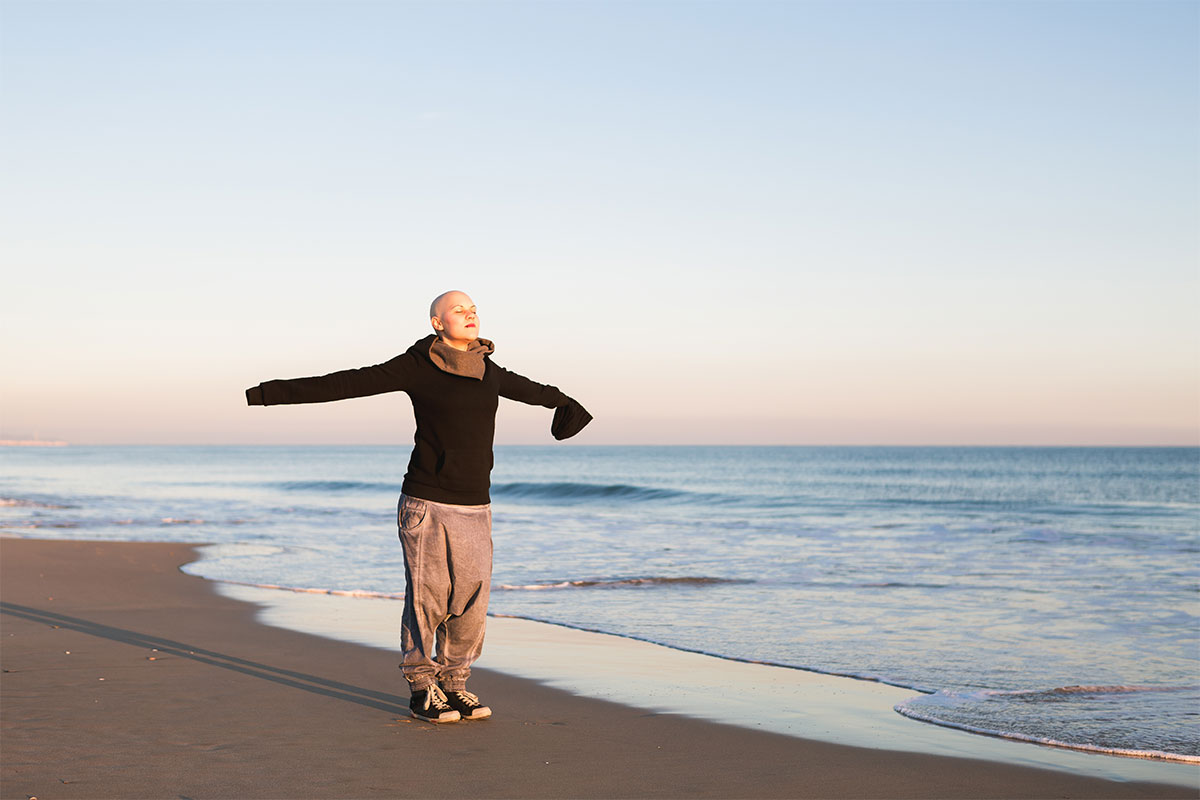
After finding out they have cancer, people want to know what’s happening to their body. They have questions about what their treatment options are, how likely those are to succeed, and what sort of side-effects they may encounter, to name a few. Many people are curious about exercise, and whether it can play a role in their cancer journey.
Physical activity and exercise can be a key part of someone’s cancer-control regimen. That’s one of the many answers that can be found in the NCCN Guidelines for Patients®—available for free at NCCN.org/patients—a series of understandable and informative books from the National Comprehensive Cancer Network® (NCCN®). That’s the same nonprofit organization responsible for the NCCN Clinical Practice Guidelines in Oncology (NCCN Guidelines®) which many doctors rely on for up-to-date, evidence- and expert consensus-based recommendations for high-quality cancer care.
According to Robert W. Carlson, MD, breast cancer oncologist and CEO of NCCN, “Studies have shown that staying physically active is one of the best ways for people who’ve been diagnosed with cancer to take special care of themselves before, during, and after treatment. However, it’s important that patients talk with their doctor or physical therapist about the type of exercise they’re considering, so they can make sure it will be safe for them. Physical activity and exercise recommendations should be tailored to individual abilities and preferences.”
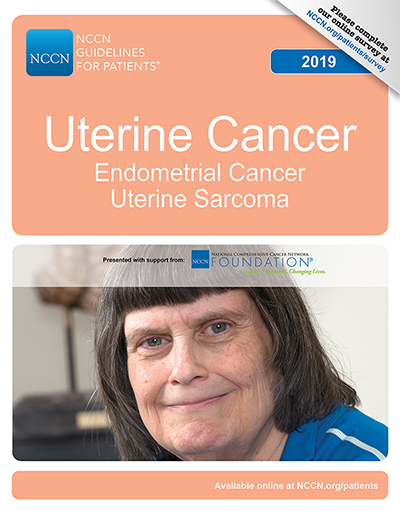
Uterine cancer survivor and advocate Colleen Johnson, PhD, knows a thing or two about individual abilities, and how to push herself beyond all limitations. When Colleen was first diagnosed with cancer at age 57, she was a self-described couch potato with an unhealthy BMI. Her first course of treatment involved major surgery, so she needed a few months of recovery before ultimately taking up running—a hobby that helped her to lose weight, get rid of diabetes, and take back control over her body. Colleen completed her first full marathon just 17 months after surgery. After that, she set her sights on ultra-marathons, and now runs at least one 100-miler every year to remain healthy while also raising awareness for uterine cancer.
“You have to find hope, somewhere,” Colleen said. “I found it in exercise and diet. In the beginning, I thought it was probably false hope, but I didn’t have anything to lose by trying it. I was amazed when it turned out to be true—exercise and weight loss really did help fight my cancer.”
Colleen is now featured on the cover of the NCCN Guidelines for Patients: Uterine Cancer, which can be read and downloaded for free at NCCN.org/patients. Her advocacy around this rarely discussed but increasingly common type of cancer—which is also known as endometrial cancer—inspired NCCN to include it in the growing library of patient guidelines, which also include Breast, Colon, Lung, Prostate, Stomach, and other cancer types accounting for approximately 88% of all cancer incidences in the United States.
Of course, running ultra-marathons isn’t for everyone. Swimming, jogging, biking, and even walking can get your heart rate pumping. Work with your doctor to customize your exercise routine to whatever fits best for your life. Some answers can only come from within, but free, reliable, and empowering information about cancer care is available—if you know where to look.
The Holiday Season can get stressful, so we may stick to a routine for the sake of easy planning. Try any of these 10 simple ideas to bring new life to your Thanksgiving celebrations.
By now, you may have seen some donation boxes at your local LA Fitness. If you haven’t been entirely sure what those boxes are all about, you’re in the right place!
Most comfort foods we turn to are heavily laden with fat, starch and calories. There are healthier ways to enjoy down-home classics by making a few tweaks.