10 Thanksgiving Ideas to Revive Your Celebrations
The Holiday Season can get stressful, so we may stick to a routine for the sake of easy planning. Try any of these 10 simple ideas to bring new life to your Thanksgiving celebrations.

Your bags are stuffed to the brim with all of your favorite travel essentials: extra sunscreen, that summer outfit you’ve been saving since last year, and beachwear you’ve spent all winter getting summer-body ready for. It’s safe to say that you’re mentally checked out from pressing work responsibilities and ready to soak up the sun on warm sandy beaches, drinking a surplus of tropical refreshments and putting away your micro scale for your summer adventure!
As a freelance writer and model, my work demands that I be on call and be very mobile. At any given moment I can be asked to pick up and go, and that can range from just about any location, with no guarantee that I will have access to a nearby LA Fitness.
The great news is that you don’t have to let your commuting or upcoming travel plans get in the way of your fitness goals and progress! You might actually see added benefits to working out while traveling because you are subconsciously telling your mind that fitness is everywhere I am, not solely in the confines of the gym! Remember, it’s all about integrating fitness as a lifestyle not solely a destination for producing results.
Granted, in comparison to a weekly regiment, these workouts are a bit more “relaxed” in intensity, but hopefully, with these easy tips, you too can maintain the progress you’ve worked so hard to reach pre-vacation season!

If conditions are safe and you have time to spare, save the cab fare and take a nice stroll in the area. Not only will you acquire major steps towards your daily step-goals, but you will simultaneously be able to take in and explore the city or perhaps coastal regions of your vacation time.
I have been able to experience far more on foot when traveling than relying on the convenience of public transportation. So, at any opportunity, plan ahead, wear your comfy shoes, and get those steps in!

Whether you are stuck inside your hotel room/Airbnb due to poor weather conditions or you aren’t familiar with the area, working from your “home-away-from-home” might be your only resort for added physical activity.
No worries here, a 15-30-minute full body HIIT blast can do just the trick!
Mini HIIT Blast Circuit:
(Repeat 2-5 times depending on your fitness level)

We get it, you’re on vacation. This is the time when you can completely sign-off from those at home responsibilities and break away from the mundane routine of every-day-life. The last thing you want to do is give yourself the chore of having to carve out time for a workout when truth be told, you would much rather sink your toes in the exfoliating warm sandy beaches.
Remind yourself that fitness can be experienced in many diverse and creative ways. You can swim, go horseback riding, hike, surf, go dancing, or boogie board and burn some calories while having fun. When we make fitness a part of the experience, it becomes more welcoming and less demanding to our physique!

What’s in my fitness travel bag:
Travel fitness essentials
•Tennis shoes
•Jump rope
•Resistance bands (1-3)
•Disks
Whether at home or island hopping, one thing you can always control is what you’re putting in your body as much as what you’re doing with your body on vacation. Enjoy what may seem like never-ending cheat meals and not counting calories or sticking to your macros. You’re on vacation—embrace it! While you’re enjoying the fruits of your labor, upping the hydration is the golden rule of all golden rules!
Consider that your body is probably working overtime in a week of relaxing and fun, so when you can— hydrate, hydrate, hydrate! If you have access to fresh citruses like lemon, limes, grapefruit or oranges, increased electrolytes and vitamin C will help replenish cells, relax muscles and keep that summer glow working from the inside out!
Wherever your travels take you, if you can’t find an LA Fitness nearby or much room in your suitcase for all your gym gear, know that your goals don’t have to start or stop solely on the convenience of your gym accessibility. Living well and doing well is based on intention and wherever you decide to take it!
To find an LA Fitness near you, click here.

The Holiday Season can get stressful, so we may stick to a routine for the sake of easy planning. Try any of these 10 simple ideas to bring new life to your Thanksgiving celebrations.

By now, you may have seen some donation boxes at your local LA Fitness. If you haven’t been entirely sure what those boxes are all about, you’re in the right place!

Most comfort foods we turn to are heavily laden with fat, starch and calories. There are healthier ways to enjoy down-home classics by making a few tweaks.
Welcome to the 24th episode of the Living Healthy Podcast, presented by LA Fitness.
On this episode of Living Healthy, we speak with Rachel Robins, Manager of PR and External Relations at NAMI (National Alliance on Mental Illness). LA Fitness has partnered for its second year with NAMI to help bring awareness to mental health throughout the month of May.
Please visit http://lafitnesscares.com/mental-health-awareness/ for more information.
You can also read more about Rachel Robins Mental Health Spotlight story by clicking here.
How Are We Doing?
This podcast should not replace any exercise program or restrictions, any dietary supplements or restrictions, or any other medical recommendations from your primary care physician. Before starting any exercise program or diet, make sure it is approved by your doctor.
Intro
Begins at 0:01
Rachel Robins, Manager of PR and External Relations at NAMI, joins the show
Begins at 0:30
How Fitness Has Impacted Rachel’s Life
0:43
A Background on NAMI (National Alliance of Mental Illness)
1:36
What Mental Health Means to NAMI
2:40
The Rise of Mental Health Awareness
3:50
The #WhyCare? Campaign
5:15
How Exercise Helps with Mental Health
5:46
Stigmatized Thoughts About Mental Illness – And How to Fix This
7:04
Using Inclusive Language
8:06
NAMI Walks
9:12
Where Can People Go for Help – NAMI Helpline (1-800-950-6264)
10:20
How You Help A Friend or Family Member with a Mental Health Condition
13:17
Mental Healthcare
15:20
How to Get Involved with NAMI – Donations and Where They Go
17:13
Actionable Advice
19:54
Outro
20:22

On this week's episode of the Living Healthy Podcast, we ask Registered Dietician Debbie James the question "Is sugar bad for you?"

WE’RE BACK!!! On today's episode of the Living Healthy Podcast, we're talking about Cancer Screening and Prevention with Dr. Rick Van Etten!

Debbie James, RDN, brings us her expert opinion on food safety and sanitation, along with information on how you can eat well if you have to shelter in place.

Nearly half of the adults in the U.S. have high blood pressure. This means that you or someone close to you has a blood pressure reading at 130/80 or higher.
It wasn’t always this way – just a couple of years ago 1 in 3 Americans had high blood pressure instead of nearly 1 in 2.
So why the change? Does this mean we’re getting less healthy?
It’s quite the opposite. Based on years of scientific study, the change means we’re actually more aware of the effects of elevated blood pressure.
Two years ago, the definition of high blood pressure changed from 140/90 to 130/80 (technically 130+ or 80+, but we’re keeping it simple here). The result is that more people became classified as having high blood pressure. It doesn’t mean that thousands of people became ill overnight, though. It means we want people to know that high blood pressure is serious, and that it can begin damaging your blood vessels and organs at lower levels than previously thought, particularly if you don’t act to keep your numbers from rising.
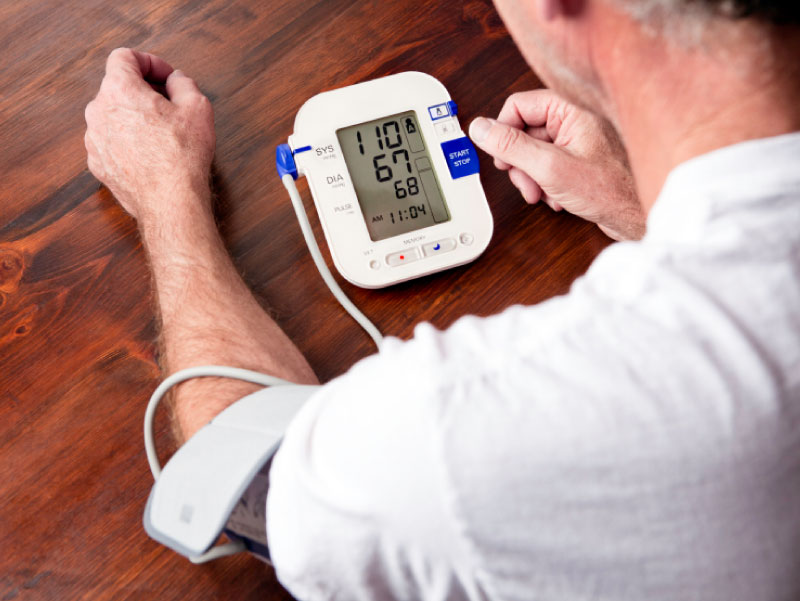
It’s worth noting that blood pressure tends to rise naturally as we age, so it typically hasn’t been on the health radar for people under age 45. However, with the new definition, an important health alert was sent to people in their 20s and 30s to pay attention to their blood pressure levels. Among men aged 20 -44, the rate of high blood pressure nearly tripled. Among women in that age range, it doubled.
The American Heart Association has created an interactive tool that can help you not only identify your health risk according to your blood pressure level, but also provide notes on what actions you can take to ensure it stays at, or gets to, a healthy level. You can check it out at www.heart.org/BPlevels.
Making changes that matter can have a significant impact on your blood pressure levels. In fact, most of those who suddenly find themselves with high blood pressure under the new definition will be given a “prescription” for lifestyle changes – not medicine – that can lower their pressure. Even for those who do require medication to control their levels, lifestyle changes help those meds work better and can even help you stay on lower doses. Some examples of a lifestyle change prescription include:
Physical activity:
A healthy diet:
Sodium (i.e. salt):
Weight loss:
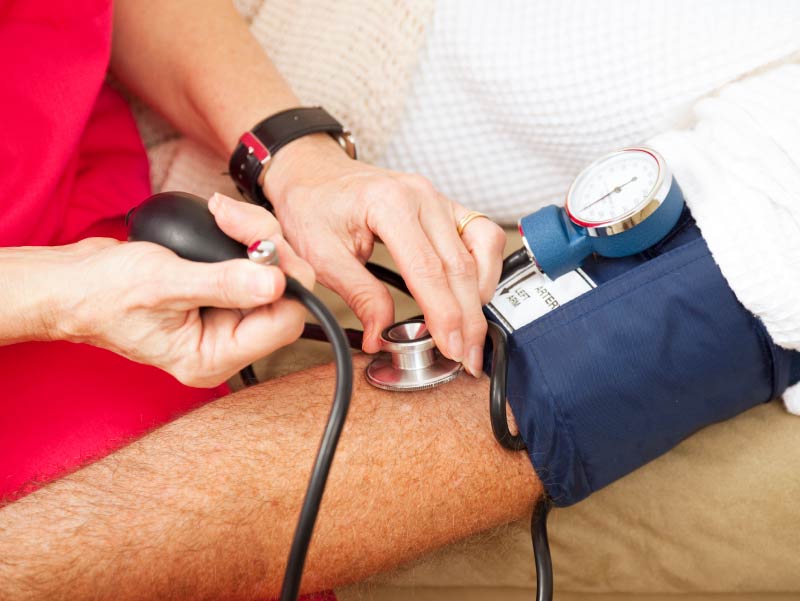
The benefits of lifestyle change can add up quickly. Many of the same lifestyle prescriptions that lower blood pressure also reduce the risk of other dangerous conditions such as diabetes, high cholesterol, and heart disease. Eating a healthy diet, maintaining a healthy weight, and getting regular physical activity can help you lead a healthier and longer life!
Article contributed by Sondra DePalma, DHSc, PA-C, Cardiology, PinnacleHealth Cardiovascular Institute, Harrisburg, PA
American Heart Association Volunteer
Disclaimer: Some slight edits may have been made to the article’s original copy for grammatical reasons and/or clarity.
The Holiday Season can get stressful, so we may stick to a routine for the sake of easy planning. Try any of these 10 simple ideas to bring new life to your Thanksgiving celebrations.
By now, you may have seen some donation boxes at your local LA Fitness. If you haven’t been entirely sure what those boxes are all about, you’re in the right place!
Most comfort foods we turn to are heavily laden with fat, starch and calories. There are healthier ways to enjoy down-home classics by making a few tweaks.

It takes more than regular walks and the daily crossword to keep your brain in top cognitive shape! What you eat plays a larger role in mental fitness and preventing age-related decline in brain function. Like the rest of your body, the brain needs to be properly nourished from the start for optimum performance. An overall healthy diet is great, in addition there are certain types of food that promote brain health. Here’s a rundown of these brain preservers:
Oily fish like wild salmon, albacore tuna and sardines provide docosahexaenoic acid (DHA), a type of omega-3 essential for brain development and function, helping neurons trigger and cells regenerate. Long-term intake of adequate DHA has been linked to improved memory and learning ability. People who regularly eat fish are less likely than their peers to have depression. In fact, the American Psychiatric Association has endorsed the fatty acids in fish as an effective part of depression treatment.1
You can’t start too early! The FDA and EPA agree eating fish is especially important for pregnant or nursing women because it helps with the growth and development of children’s brains and even helps boost IQ.
Vegans can get their omega-3s from flaxseed, walnuts, chia seeds, algae-like seaweed or supplements.

Green leafy vegetables like spinach, kale, and collard greens provide vitamin K, folate, beta carotene, and lutein – nutrients that may support brain function and cognitive health.2 Eat at least one-half cup serving of leafy greens daily to get enough of these neuroprotective compounds.
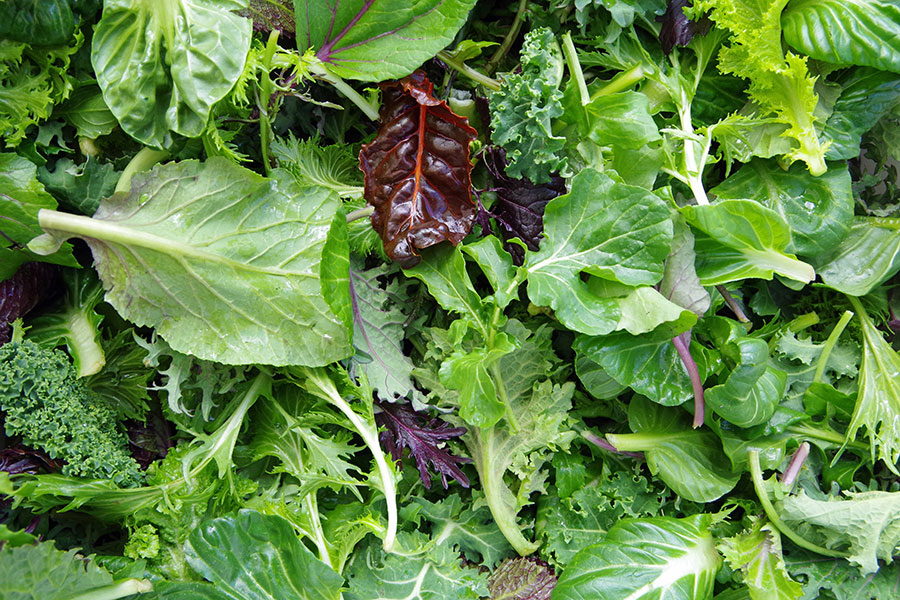
Powerful oxidation fighters that protect the brain3 are found in vegetables (broccoli, leafy greens), fruits (berries), nuts and the spice curcumin. Antioxidants’ positive effects on neural function are the reason why such foods are encouraged for younger people to slow age-related memory decline and prevent Alzheimer’s disease.

A cardiovascular protective diet is an important factor in battling age-related declines in brain function. Cerebrovascular disease, Alzheimer’s disease, and dementia are linked by the circulatory system; vascular cognitive impairment and vascular dementia stem from damage to the vessels leading to the brain.
Good nutrition in younger people is associated with better blood flow and increased brain size, thus protecting the brain from age-related volume decrease. Also, maintaining a healthy weight may preserve gray matter from dementia-related decline.4

Because they counteract the effects of sodium on fluid balance, potassium-rich foods are important to combat hypertension, a well-documented risk factor for dementia. Potassium-rich foods include potatoes, tomatoes, bananas, coconut water, avocado and winter squash.
The National Academy of Sciences even assigned “managing blood pressure for people with hypertension” as one of the three classes of interventions to prevent cognitive decline.5 And the MIND diet (a combination of DASH “Dietary Approaches to Stop Hypertension” with a Mediterranean diet) is associated with preservation of stroke survivors’ brain function.

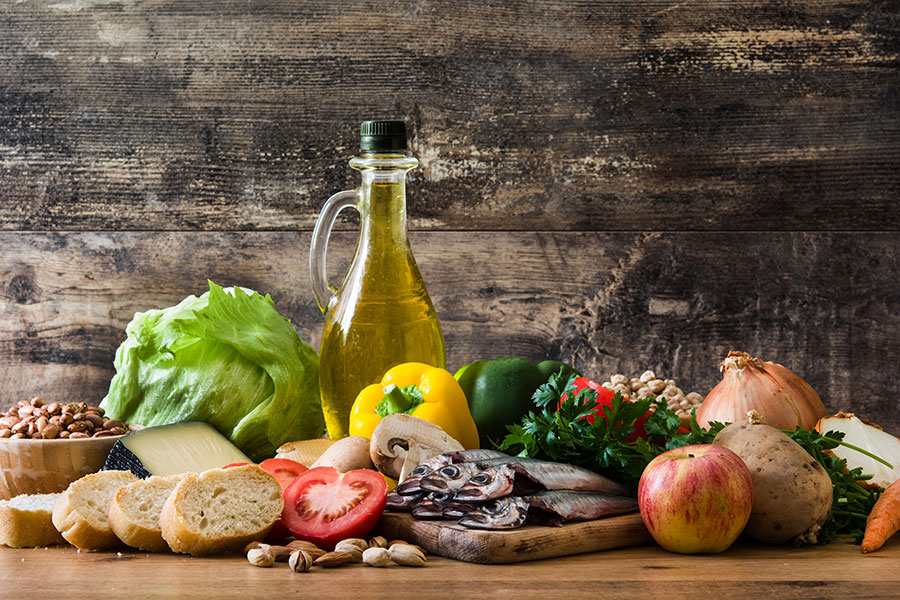
Following a Mediterranean diet might improve cognitive function in seniors and delay the onset of Alzheimer’s disease by a few years.6,7,8 A Mediterranean diet is characterized by high intake of vegetables, legumes, fruits, cereals, fish and unsaturated fatty acids (mostly as olive oil), low intake of saturated fatty acids, meat and poultry, low/moderate intake of dairy products and a regular but moderate amount of alcohol (mostly wine drank at meals).
Coffee consumption is correlated with a reduced risk of developing Alzheimer’s disease and Parkinson’s disease.9 This neuroprotective benefit is independent of caffeine but may be related to the roasting process due to one of coffee’s polyphenolic compounds.10

Whether you choose fish, potassium-rich fruits and vegetables, coffee or an array of heart-healthy powerhouse foods it’s possible to boost brain power, function, and mental wellness while forestalling degenerative brain disease through diet. Nutrition is often the best medicine – now that’s food for thought!
References:
The Holiday Season can get stressful, so we may stick to a routine for the sake of easy planning. Try any of these 10 simple ideas to bring new life to your Thanksgiving celebrations.
By now, you may have seen some donation boxes at your local LA Fitness. If you haven’t been entirely sure what those boxes are all about, you’re in the right place!
Most comfort foods we turn to are heavily laden with fat, starch and calories. There are healthier ways to enjoy down-home classics by making a few tweaks.

“If you have a mental health condition, you’re not alone. One in 5 American adults experiences some form of mental illness in any given year. Every year people overcome the challenges of mental illness to do the things they enjoy. Through developing and following a treatment plan, you can dramatically reduce many of your symptoms. People with mental health conditions can and do pursue higher education, succeed in their careers, make friends and have relationships. Mental illness can slow us down, but we don’t need to let it stop us.”
For as long as I can remember, I’ve struggled with two things in life: my weight and my mental health.
After moving from New Jersey to Florida at seven years old, I started seeing a mental health professional. I was labeled as the new girl, a title I’m not sure I’ve shed; always struggling to fit in and be accepted. That summer, my dad drove my brother and I to camp, and he had to drag me out of the car. Once I was out, I would throw myself on the ground stomping my feet on the pavement not caring who saw my temper tantrum. You could say I didn’t adjust well to the “Sunshine State.”
In third grade, I remember getting on the scale at school and seeing a three-digit number and then hearing that number repeated down the hall.
My pediatrician suggested attending his weekend fitness class. It was the exact opposite of what I wanted to do on a Saturday. I hated sweating. It was sticky, hot, smelly and uncomfortable. If working out equaled sweat, I wanted nothing to do with it. This is why physical education class and recess was a miserable experience for me. The Florida sun ensured I was always sweaty. And on top of it, I was the slowest runner and always got picked last. I become constantly worried that I would disappoint my team or the other kids would laugh at me.
At the time, I didn’t understand the pit in my stomach wasn’t just hunger—it was anxiety. I was afraid of being different. Anxious thoughts would flood my mind. “What would people say about my weight?” “How am I ever going to fit in?” “Why don’t I look more like everyone else?”
For the rest of my childhood and college years, I associated fitness with anxiety. I was also simultaneously struggling with obsessive compulsive disorder and depression. These factors led me to avoid exercise entirely. Little did I know how big of a role fitness was going to play in my battle against mental illness.
Fitness Helped Me Cope
When I was 29, I made a New Year’s resolution to lose weight and work out at least four to five times a week. For me to finally reach my weight goal, I had to squash my body insecurities and reverse how I felt towards fitness. I was doing quite well with both goals up until June. That’s when the depression crept in. I was still reeling from a breakup months past. I turned 30, an age I had been dreading for the past decade. I was unemployed. Curled up in a ball, I would cry and think it would be easier for everyone if I wasn’t there. I wanted the pain to stop.
I wanted more control over my own life. No matter how many positions I applied for, I couldn’t control which companies would interview me or offer me a job. Nor could I make my former boyfriend love and care about me. But I had the power to decide if I worked out that day. So, I made a promise with myself. “Rachel, if you leave your apartment and go to a fitness class, then you can mope and feel sorry about yourself the rest of the day.”
As much as I dislike the actual act of working out, I always left the gym in a better mood. I felt accomplished in that moment and not like the “loser” I had become in my mind. In the face of adversity, I was doing something, even if it took every ounce of energy to get myself there. The endorphins kept me going during those dark days.
Now, I have a job and am grateful to have somewhere to go every day. I’m still not over my breakup and there are days where I have no idea what my purpose in life is. I’m nowhere near where I expected to be at this stage of my life, but I’m finally willing to step out of my comfort zone and try new things.
My fitness renaissance has led to me rock climbing, surfing on the Atlantic Ocean, stand-up paddle boarding on the Hudson River and doing yoga in the middle of Times Square. I’m still insecure. I still battle my mental illnesses daily. But now the gym is my haven—a place where I am a superhero—a place that saved my life.
Visit nami.org for additional treatment options and to learn how to find support in your community. If you or someone you know is in crisis, please call the toll-free Lifeline at 800-273-TALK (8255) to speak with a trained crisis counselor 24/7 or text NAMI to 741-741.
Rachel Robins is the Manager of PR and External Relations at NAMI, the National Alliance on Mental Illness. A new resident of Washington D.C., but a Southerner at heart, you can probably find her at the local barre (class).
Disclaimer: Slight edits may have been made to original copy for grammatical corrections and/or clarity.

Surf Photo – October 2016

Hike Photo – November 2017

Infographic provided by NAMI.
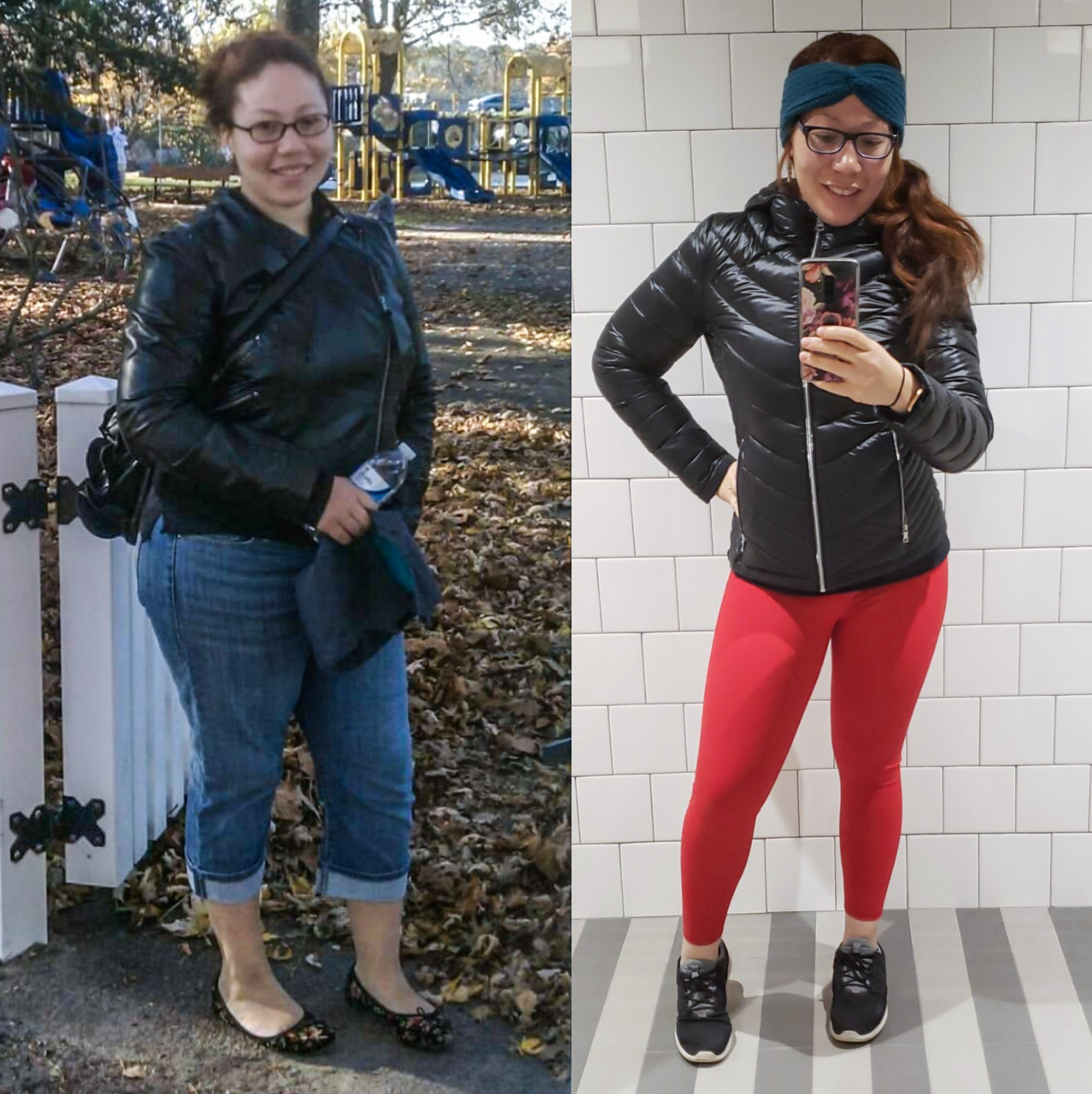
Waleska is a mom with 2 part-time jobs who had a love for chocolate. Despite the time constraints and sweet temptations, she lost over 60 pounds!
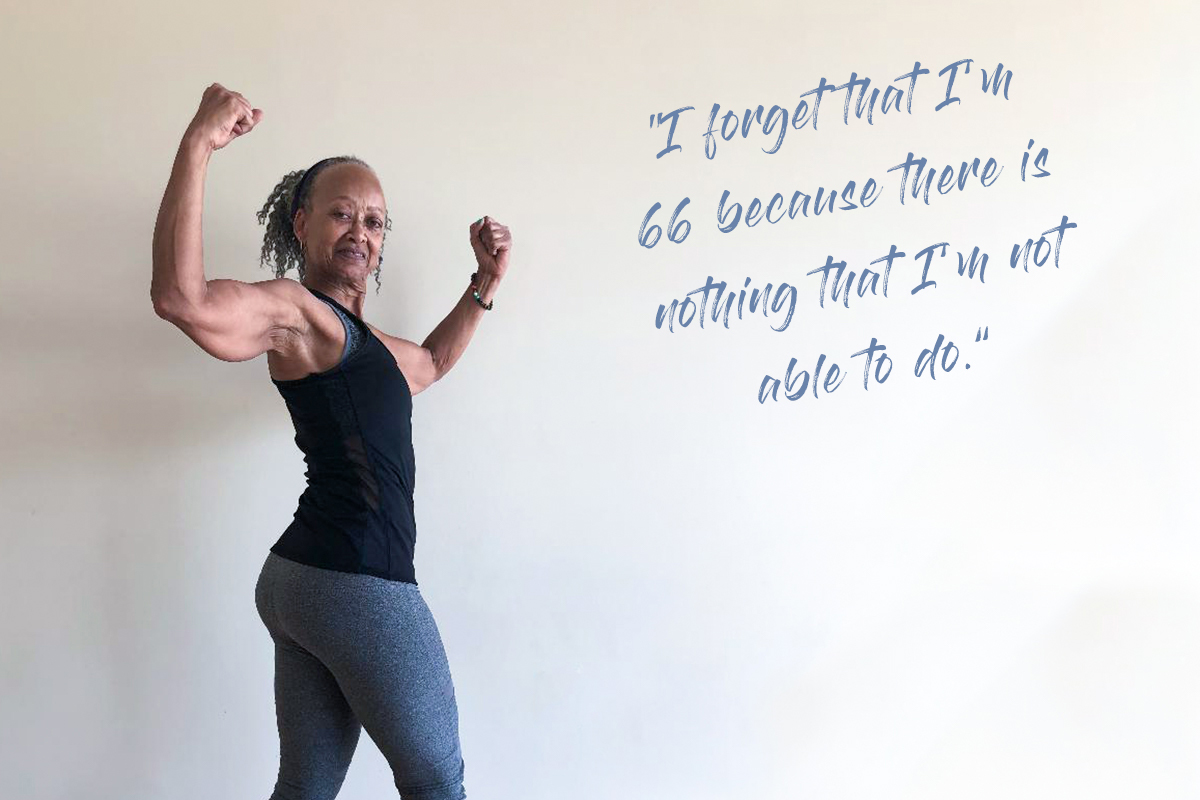
Many of us pair the idea of aging with decreased mobility and various aches. Yet, Patricia’s story shows us just how wrong that notion can be.
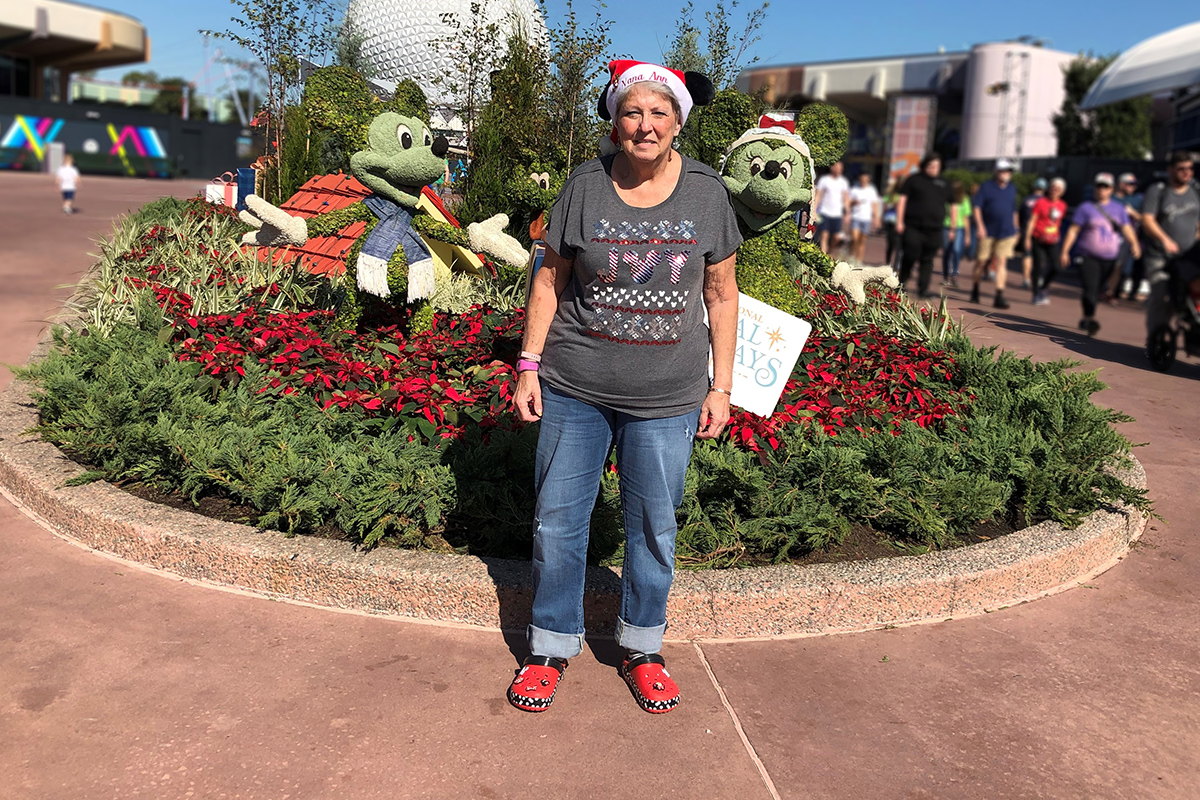
Ann shares how, despite back problems, strokes, and surgeries, she is well on her way to achieving her goal of losing 90 to 100 pounds!