10 Thanksgiving Ideas to Revive Your Celebrations
The Holiday Season can get stressful, so we may stick to a routine for the sake of easy planning. Try any of these 10 simple ideas to bring new life to your Thanksgiving celebrations.

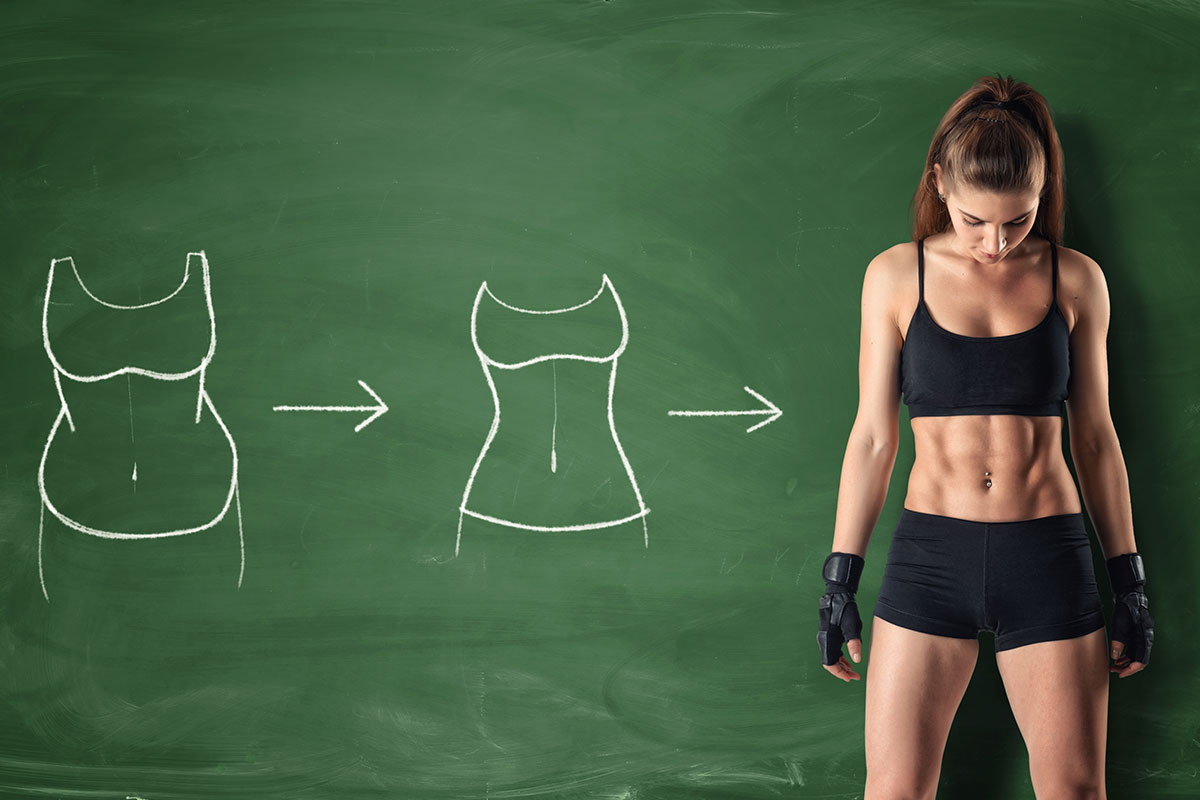
When that little extra cushioning suddenly turns into the spare tire you never wanted, chances are you’re starting to think about ways to quickly shed that excess fat and replace it with muscle.
To successfully make this happen, it’s important to first understand some facts about fat and muscle.

Most people know that obesity can lead to a laundry list of health concerns, including (but not limited to):
It’s not that all fat is bad for the body. In fact, our body needs fat to function. The idea instead is to get rid of excess fat that can cause damage to the body, create a sense of sluggishness, and lead to feelings of discontent.
Yes… and no. But, mainly yes!
Here’s why:
Cardio increases heart rate fast and typically burns more calories than weight lifting does. Because you’ll want to burn off the fat first, before focusing more on muscle building, cardio-forward workouts may be the most beneficial for those looking to lose fat – although, cardio should be combined with weight training for a balanced workout routine.
A few cardio exercises that are known for high levels of calorie burn include HIIT*, cycling, running, or use of the elliptical machine.
*Learn more about HIIT by LAF®.
Of course, there are other cardio options that may sound more appealing to some. These options include Group Fitness classes like Zumba® or sports leagues*.
*Check out LA Fitness Group Leagues here.
Check out this episode of Ask A Trainer with Master Trainer, Stone Thomas, who helps further answer if cardio or strength training is better for weight loss.
While it would be so much nicer if it were possible to just target a certain area of the body, it’s not realistic. That’s just not how fat loss works.
LA Fitness Pro Results® trainer, Kayla V., explains it more in the video below and gives tips on what can be done to increase weight loss overall.
http://bloglafitness.azurewebsites.net/2018/02/09/best-exercises-stomach-fat/
Consuming more calories than what your body is expending will, at the very least, lead to a weight loss plateau (if not weight gain).
In the beginning stages of weight loss, it’s so important to track your calories.
Once you have a better understanding of food proportions and how much you need to eat daily to lose weight, you can choose to stop tracking calories and just eat smaller, healthier options when your body signals that it’s hungry.
There are plenty of online options available to help better understand healthy eating and portion control.
And, if you’re an LA Fitness member, we have a special section called “Ask Our Dietitian” dedicated to answering your nutrition-related questions. Send them to us here.
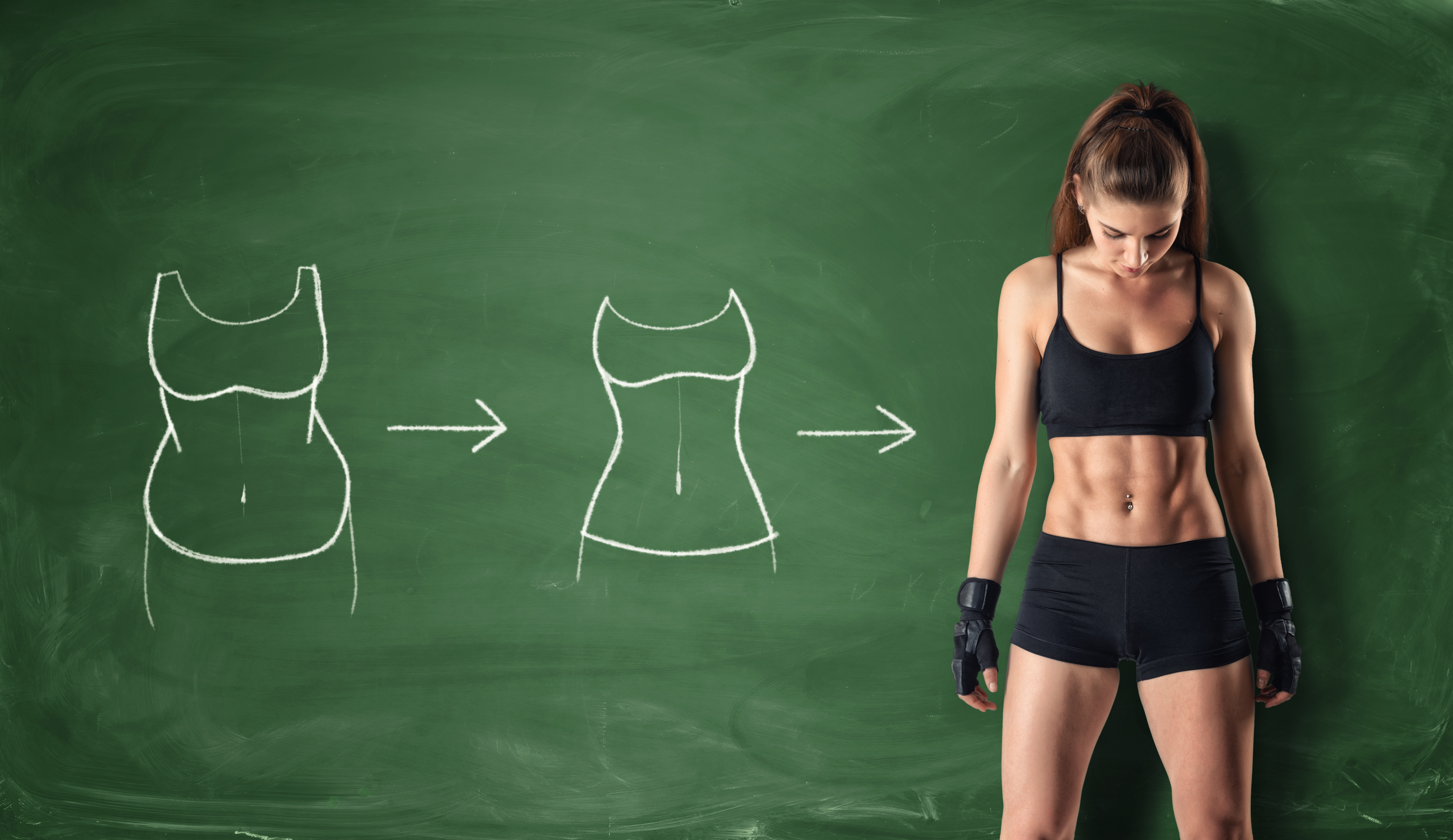
Perhaps you’ve already shed the excess body fat and now you’re looking to increase your muscle mass. This is where things get fun.
Building muscle means your workouts should now encompass more weight training. To build muscle, rather than simply retain what you already have, you should increase your weight and decrease the number of reps you’re doing.
When questioning why our bodies tend to become tired and sore after working out, LA Fitness registered dietitian Debbie James, RDN shared “Since your muscles are sore, their cellular metabolism needs to be restored to normal. You might need more sources of potassium and anti-inflammatory compounds.”
These include:

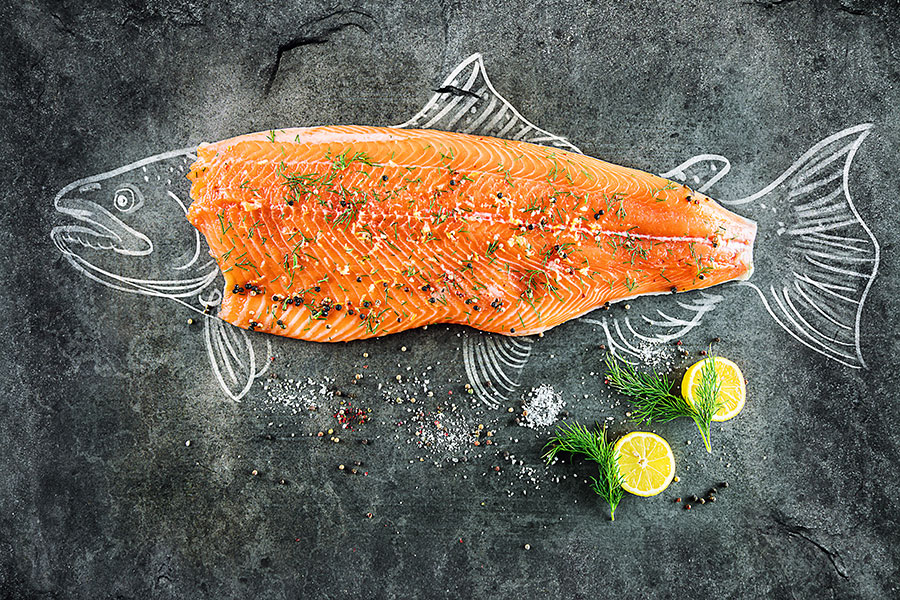

When you start training harder and more frequently, your body is going to need more calories because your body is going to be burning more energy.
This is where it might get tricky for someone who was formally at an unhealthy body weight.
You’ve heard it over and over again: “Cut calories and you’ll lose weight.”
So, you’ve become conditioned to eating less, but now your goal has changed. You’re no longer looking to drop fat; you’re looking to build muscle.
If you keep working out and not consuming enough calories the body begins breaking down the muscle you have, rather than repairing it or building it.
This is why protein should be your best friend when it comes to building muscle.
That lean-look, or definition of muscles, will come with time after body fat percentage is dropped and strength training has increased.
Understanding how to take your body from overweight to healthy and in shape sometimes takes the help of professionals. If you’ve found yourself struggling to make the transition on your own, it may be time to investigate personal training or dietic consulting.
Living a healthy lifestyle can be done by anyone, at any age, at any time.
All you have to do is get started.
Share what made you make the change in the comments below!
The Holiday Season can get stressful, so we may stick to a routine for the sake of easy planning. Try any of these 10 simple ideas to bring new life to your Thanksgiving celebrations.

By now, you may have seen some donation boxes at your local LA Fitness. If you haven’t been entirely sure what those boxes are all about, you’re in the right place!
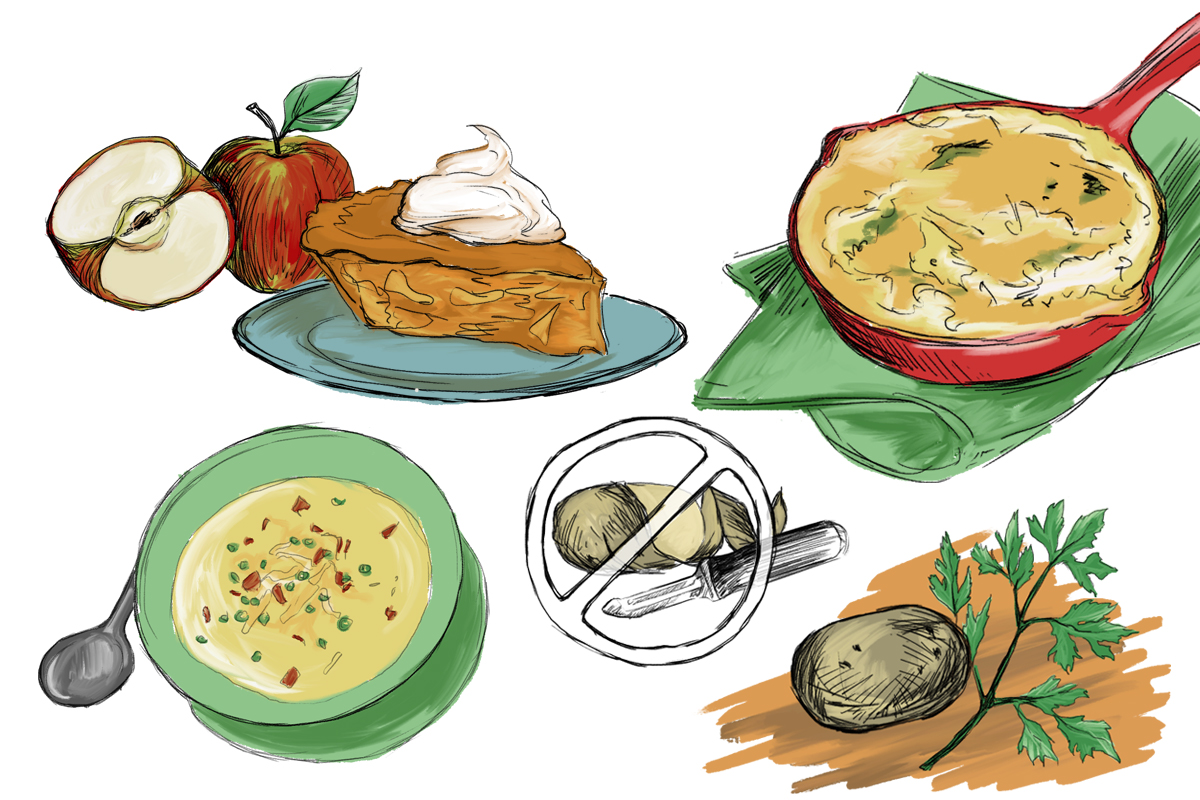
Most comfort foods we turn to are heavily laden with fat, starch and calories. There are healthier ways to enjoy down-home classics by making a few tweaks.
Welcome to the 26th episode of the Living Healthy Podcast, presented by LA Fitness.
On this **SPECIAL EDITION** of Living Healthy, it’s a fitness vs. nutrition showdown with guest experts Debbie James, RDN and LA Fitness Master Trainer, Geoff Fox. Who will be crowned the winner on this episode’s battle of the brains? Listen and find out!
And play along with us and let us know how you did! 🙂
How Are We Doing?
Special Shout-out
Thanks to our listeners who have sent in emails letting us know what you think of the show! Special shout out to Juliana M. who recently wrote in and said:
“I just wanted to say thank you because your podcasts are helping me transition into a healthier lifestyle especially after listening to episode 20 on fast food […] maybe one of your future podcast should be about vegetarian and vegan [options] talking about if it’s healthy or if we actually need meat. I’m on the crossroads.”
Well, Juliana, we heard you and we think that’s a great idea, so keep an eye out for our upcoming episode on The Plant-Based Diet: What You Need to Know.
This podcast should not replace any exercise program or restrictions, any dietary supplements or restrictions, or any other medical recommendations from your primary care physician. Before starting any exercise program or diet, make sure it is approved by your doctor.
Intro
Begins at 0:01
Introduction of LAF Registered Dietitian, Debbie James, and LA Fitness Master Trainer, Geoff Fox
0:52
Rules Announced
1:30
Round 1 – The Fitness Round – Begins!
2:26
Round 2 – The Nutrition Round – Begins!
7:50
Round 3 – The LA Fitness Trivia Round – Begins!
16:00
The Winner is Announced!
27:00
Special Member Shout-out
and Outro
27:39
On this week's episode of the Living Healthy Podcast, we ask Registered Dietician Debbie James the question "Is sugar bad for you?"

WE’RE BACK!!! On today's episode of the Living Healthy Podcast, we're talking about Cancer Screening and Prevention with Dr. Rick Van Etten!

Debbie James, RDN, brings us her expert opinion on food safety and sanitation, along with information on how you can eat well if you have to shelter in place.


Lying back on that beach towel feeling the sun’s warmth and seeing the pool or waves in the distance over your toes is one of the best feelings of the summer season. Don’t let your belly get in the way of that view! Of course, no food targets one specific body part, but these six types are helpful to combat the deposit of intra-abdominal visceral fat (see picture) that wreaks havoc on your ab definition.
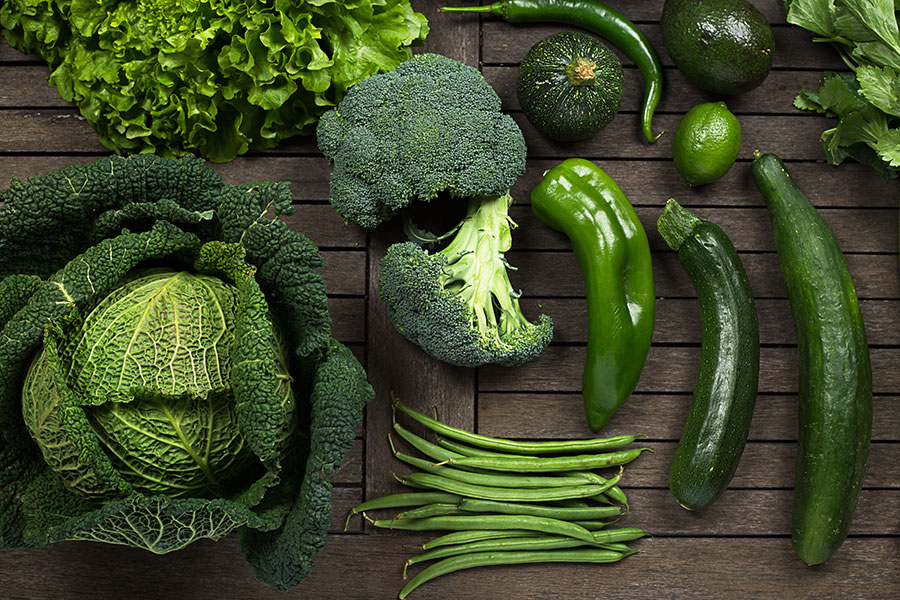
Broccoli and other nutrient-rich non-starchy vegetables like green beans, cabbage, and peppers.
Consuming more vegetables equates to having less belly fat and keeping it off. For a group of 175 overweight Latino youth, such vegetable consumption corresponded to 17% less visceral fatty tissue.(1) Danish women that consumed more vegetables and fruit had less gains in waist circumference over a 5-year period.(2)

Beans and other high soluble fiber foods like sweet potatoes, oats, apples, and carrots.
Over a five year period among over 300 African-American and Hispanic-American adults, greater intakes of dietary soluble fiber corresponded with less increase in visceral fatty tissue.(3) A smaller study showed that abdominal skinfold thickness was lower for men with higher fiber intakes.(4)
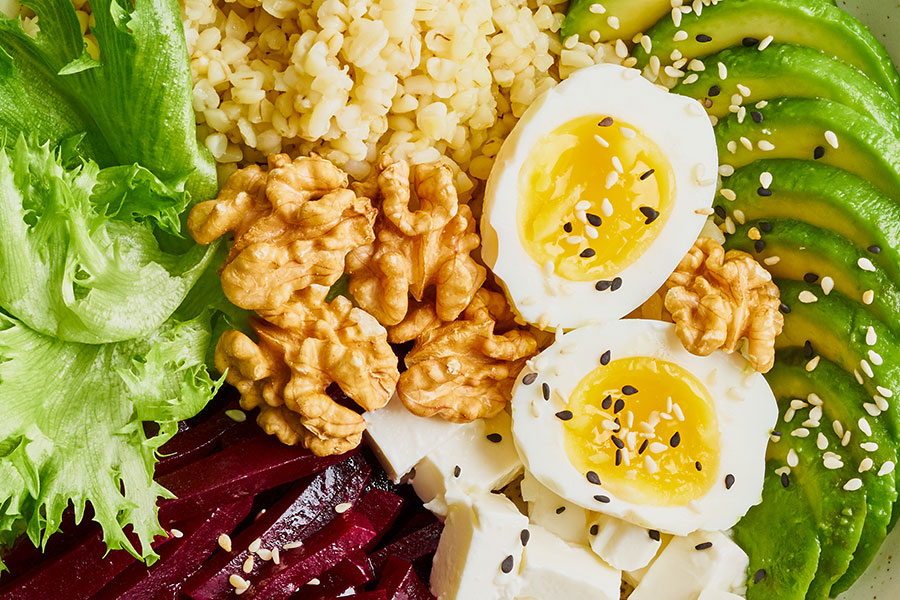
Lettuce and other lower carbohydrate/ketogenic-acceptable whole foods like nuts, avocado, and eggs.
In a small study over a two-year period, people who followed a very low-calorie ketogenic diet had a greater reduction in waist circumference and visceral fat compared with those on a low-calorie diet.(5) A more modest carbohydrate reduction (43% of calories vs. 55%) still proved effective to lose more intra-abdominal fat for 69 overweight American men & women over two months.(6)
Take heart if you don’t respond to a low carbohydrate diet! Whether low carb intake is beneficial for belly fat loss may depend on your genetics.(7) That’s right – your DNA could determine whether a high-carbohydrate diet (55-65% of calories) might suit you better.

Pork tenderloin and other unprocessed high protein foods such as eye-of-round beef, poultry breast, and fish fillets.
A small study of obese middle-aged Americans showed that a high protein diet (>30% calories) consumed over 6 meals per day resulted in lower abdominal fat after a full year, compared to a heart-healthy diet (15% protein; 3 meals).(8) For Danish adults, higher intakes of red meat were associated with a smaller increase in waist size over a five-year period.(2) However, higher consumption of processed meat and poultry in women was associated with larger increases in waist circumference.(2)

Sardines and other calcium & vitamin D rich foods such as cow’s milk, cheese, yogurt, tofu, and fortified juices and cereal.
Over a year-long period, the more calcium women consumed the less visceral fat they gained.(9) For Danish women, consumption of high-fat dairy related to smaller increases in waist circumference.(2) Among Canadian women, higher intakes of vitamin D were associated with lower abdominal fat.(10)
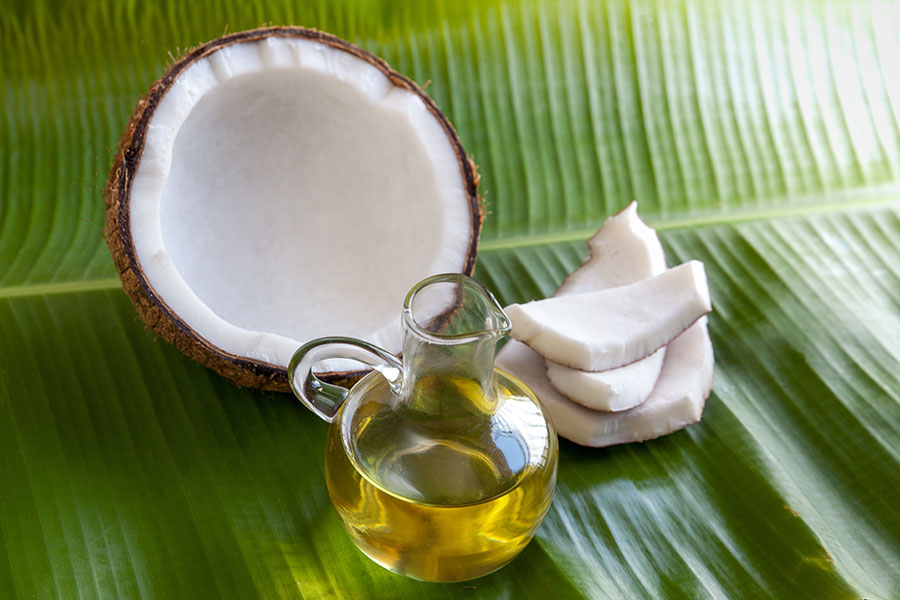
Coconut oil, and other sources of medium-chain triglycerides (MCT) such as palm kernel oil, dry coconut meat, and raw coconut meat.
MCTs may reduce visceral fat and waist circumference by increasing energy expenditure, satiety, and fat oxidation.(11) They are rapidly metabolized compared to long-chain fatty acids, having less chance to be stored as fat.(11) A review of six studies involving MCT that measured visceral fat showed that all six resulted in more abdominal fat loss than controls.(11)
Ready, set, go! Start NOW eating these six belly-flattening types of food to get your six pack abs in time for summer. Hit the gym, too — then you can feel comfortable kicking off your shoes and hitting the water (or lying next to it).
The Holiday Season can get stressful, so we may stick to a routine for the sake of easy planning. Try any of these 10 simple ideas to bring new life to your Thanksgiving celebrations.
By now, you may have seen some donation boxes at your local LA Fitness. If you haven’t been entirely sure what those boxes are all about, you’re in the right place!
Most comfort foods we turn to are heavily laden with fat, starch and calories. There are healthier ways to enjoy down-home classics by making a few tweaks.

Cue the Beach Boys music, grab your surfboard, and get ready for some sun-kissed skin and long summer nights!
Summer is just around the corner, and while most of us have been working hard to get beach body ready, it’s just as important to make sure our skin is summer sun-ready.
The sun’s ultraviolet (UV) rays can not only cause pain-inducing sunburns, but they can prematurely age the skin! This can leave behind wrinkles, a loss of skin elasticity, and reverse all the hard work you’ve put into maintaining a youthful appearance – but fear not. We have a solution.



Have fun this summer and use these tips to help protect you and your loved ones from unneeded sun damage.
How do you and your family and friends plan on spending your summer time? Share your comments with us in the section below!
References:
The Holiday Season can get stressful, so we may stick to a routine for the sake of easy planning. Try any of these 10 simple ideas to bring new life to your Thanksgiving celebrations.
By now, you may have seen some donation boxes at your local LA Fitness. If you haven’t been entirely sure what those boxes are all about, you’re in the right place!
Most comfort foods we turn to are heavily laden with fat, starch and calories. There are healthier ways to enjoy down-home classics by making a few tweaks.
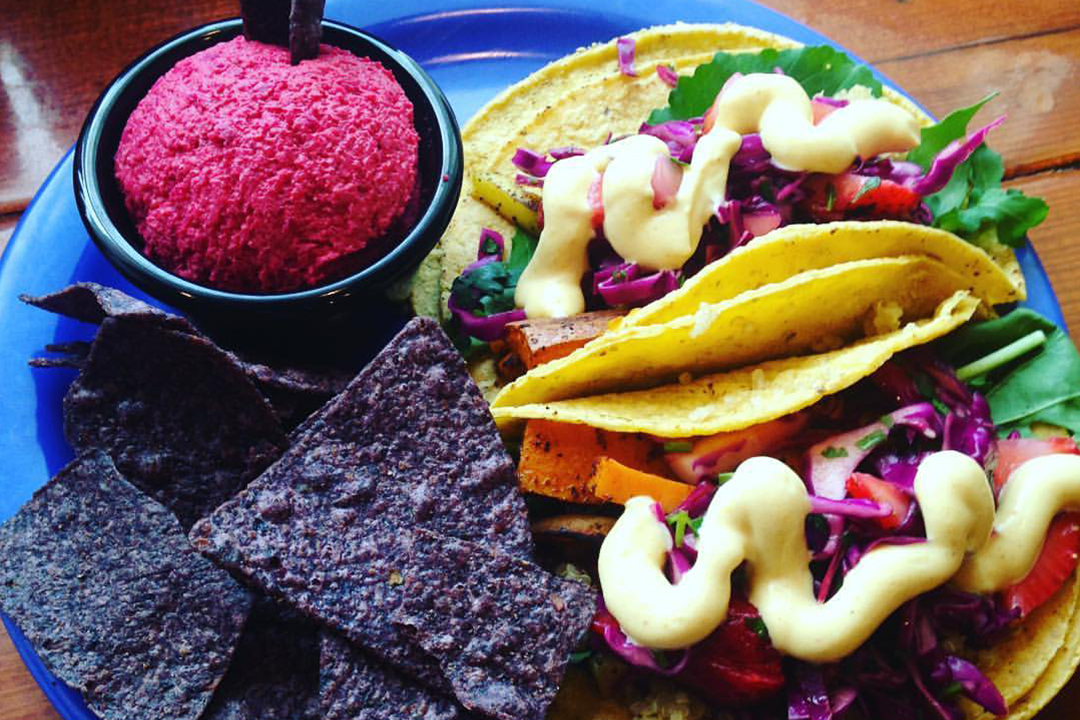
“It’s important for food to be satisfying as well as good for our health. This recipe features whole foods packed with essential vitamins, minerals and healthy fats, along with bold flavors and contrasting textures that make food exciting. Everyone loves tacos, and whether you’re an omnivore, a vegetarian, a vegan or anything in between, it’s clear that eating less meat in favor of more plant-based, locally sourced, and minimally processed foods [have] many health benefits and is more environmentally conscious. Plus, cooking more meals at home is a great way to make sure you’re eating quality ingredients, and it’s a great way to spend time with family and friends. Next time you’re in Nashville, come by The Wild Cow and try some more of our vegan food!”
The Wild Cow is located at 1896 Eastland Ave in Nashville, TN 37206. Open Sunday through Thursday from 11am to 9:00pm, excluding Tuesdays, and Friday and Saturday from 11am to 10pm. The Wild Cow is closed on Tuesdays. For the menu and additional details, please visit thewildcow.com.
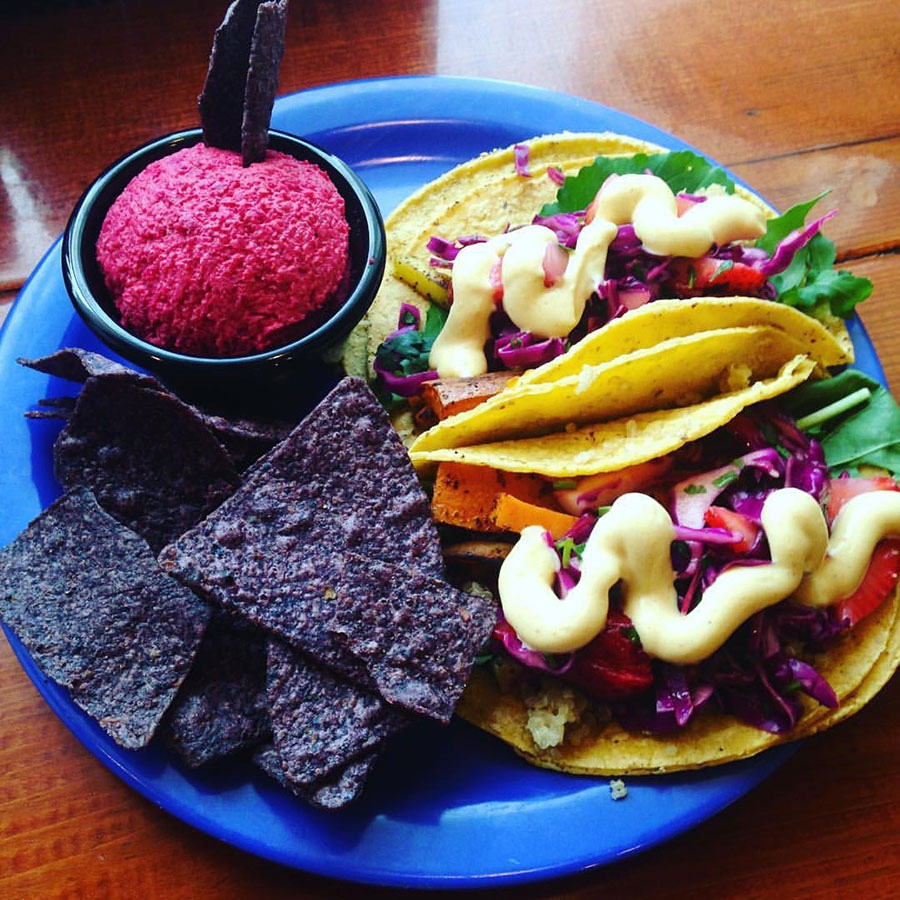


Photography provided by The Wild Cow
For the Dish
For the Mashed Sweet Potatoes
For the Black Beans
For the Lime Slaw
For the Jerk Sauce
Step 1:
Step 2:
Step 3:
Step 4:
Step 5:
Featured Recipes
Award-winning Chef, Danny Grant of Chicago’s etta, shares a light and healthy recipe you can easily whip up just in time for your next summer potluck!
Chef Ryan Toll, of The Wild Cow, shares his vegan-friendly recipe with us for Sweet Potato and Black Beans Tacos. Whip this up quickly for tonight!
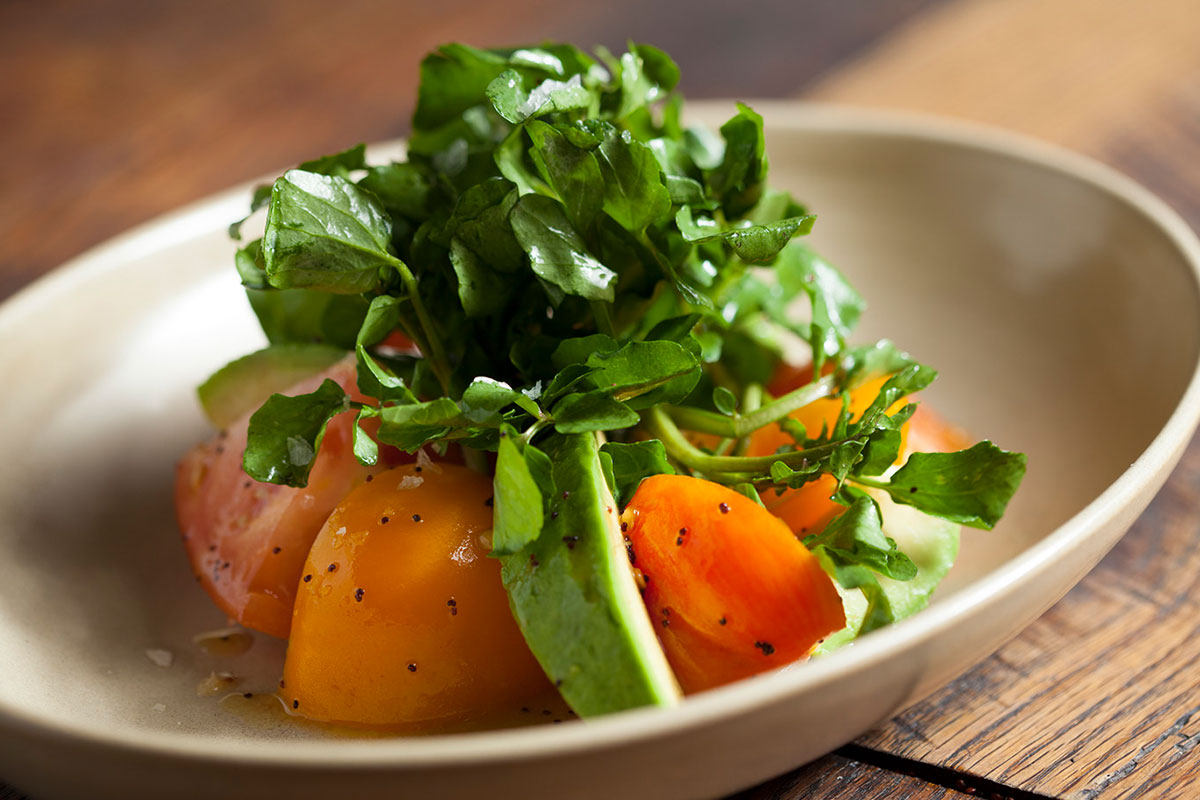
Chef Brian Okada of Water Grill shares his recipe for Tomato Avocado Salad with a light Poppy Seed Dressing. It's quick, it's easy, healthy and tasty!