10 Thanksgiving Ideas to Revive Your Celebrations
The Holiday Season can get stressful, so we may stick to a routine for the sake of easy planning. Try any of these 10 simple ideas to bring new life to your Thanksgiving celebrations.


The society we live in is seeing a reduction in sleep. Why? A possible factor is the endless amount of technological and digital content we’re consuming on a daily basis. There are quite a few ways to solve this problem, but we’re going to look at two of the most popular options, drinking caffeine or taking a nap.

Caffeine and naps are opposites of each other. One is a stimulant that revs the body up and the other allows us to rest in a state of unconsciousness. Caffeine is great for keeping you awake when you’re sleep-deprived, but naps can help your brain function better and reduce fatigue.

A study1 showed that while on caffeine, verbal and motor skills decreased but napping enhanced verbal, motor, and visual skills. And naps that involved rapid eye movement (REM) increased creativity by 40%.
It’s important to note, however, that REM sleep occurs 90 minutes after falling asleep, and the first period of REM is about 10 minutes. So, if you’re willing to nap for over an hour and a half, you could potentially wake up more creative.
These types of longer naps are not as healthy or beneficial as a 20-30-minute power nap. Michael Grandner, Ph.D., director of the Sleep and Health Research Program at the University of Arizona, stated that, “if you nap for over 60 minutes, it’s a sign that’s something’s wrong with your sleep or your health.”
If you’re willing to settle for less than 60-minute naps, you’ll benefit from it. But taking a 20-minute nap can be a better way to avoid the grogginess you can get after a long nap. Overall, naps are a much healthier alternative to an energy drink or a couple shots of espresso.
References
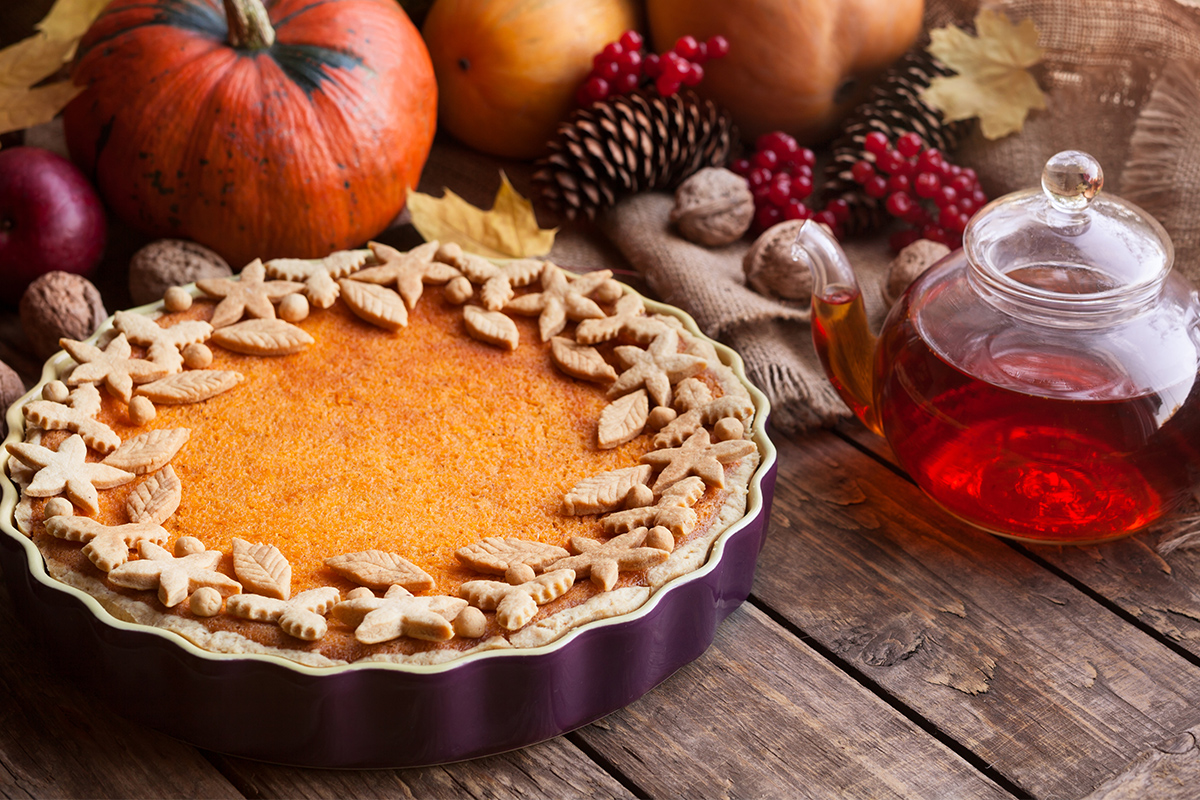
The Holiday Season can get stressful, so we may stick to a routine for the sake of easy planning. Try any of these 10 simple ideas to bring new life to your Thanksgiving celebrations.

By now, you may have seen some donation boxes at your local LA Fitness. If you haven’t been entirely sure what those boxes are all about, you’re in the right place!
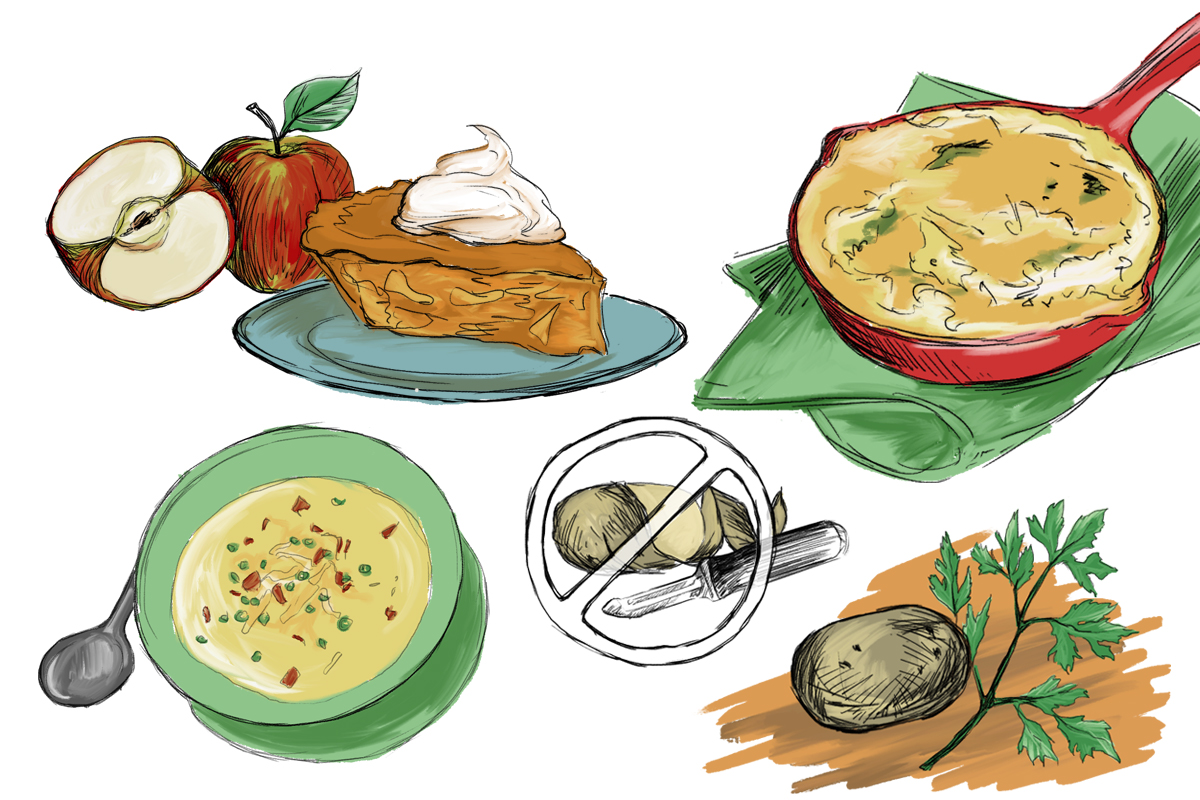
Most comfort foods we turn to are heavily laden with fat, starch and calories. There are healthier ways to enjoy down-home classics by making a few tweaks.
Welcome to the 29th episode of the Living Healthy Podcast, presented by LA Fitness.
On this episode of the Living Healthy Podcast, Debbie James, RDN, talks metabolism. Why does metabolism decrease as we age and how can we prevent or reverse this? All this and more on this week’s episode!
How Are We Doing?
This podcast should not replace any exercise program or restrictions, any dietary supplements or restrictions, or any other medical recommendations from your primary care physician. Before starting any exercise program or diet, make sure it is approved by your doctor.
Intro
Begins at 0:01
Introduction of LAF Registered Dietitian, Debbie James
0:38
What is Metabolism?
0:58
At What Age Does Metabolism Start Slowing Down?
3:24
Are There Ways to Help Stop Metabolism from Declining?
3:47
What Are Some Ways to Help Increase Your Metabolic Rate?
6:25
When Does Bone Mass Start Declining?
9:20
Is There a Way to Measure Your Metabolism? Should This Be Measured?
9:51
Are There Certain Foods That Help Increase/Speed Up Metabolism?
12:32
Are There Foods You Should Stay Away From?
14:20
Andrew’s Sidebar Side Salad Segment
15:10
What Outside Factors Affect Metabolism? How Does Stress Play a Role?
18:48
Does Someone with a High Metabolism Have More Energy?
20:10
Is There a Certain Type of Exercise That’s Best for Increasing Metabolism?
22:46
Green Tea and EGCG – Does This Really Help Increase Calorie Expenditure?
23:38
Actionable Advice
25:13
Outro
27:00
On this week's episode of the Living Healthy Podcast, we ask Registered Dietician Debbie James the question "Is sugar bad for you?"

WE’RE BACK!!! On today's episode of the Living Healthy Podcast, we're talking about Cancer Screening and Prevention with Dr. Rick Van Etten!

Debbie James, RDN, brings us her expert opinion on food safety and sanitation, along with information on how you can eat well if you have to shelter in place.


Sipping a cool glass of iced tea feels so refreshing and hydrating! Wouldn’t it be even better if you knew that doing so might also help your waistline? We wanted to find out if that was the case, so we explored which type of iced tea (black, green or white) has a waist-slimming effect.
True tea is brewed from the leaves of the camellia sinensis plant. The names of the tea colors have to do with leaf maturity and extent of oxidation. Oxidation is the process responsible for the browning of black tea leaves, as well as the development of new flavonoids. When the leaves are simply steamed and crushed manually without additional oxidation they retain a green color. White tea is the variant that undergoes the least processing and the leaves are harvested while the tea plant is still young.
Here’s how the three types fare in comparison to one another for belly fat reduction:
Black tea* is high in polyphenols called flavonoids. A predominant form of flavonoids are polyphenolic catechins. The process of oxidation browns the leaves and causes reduced catechin content – by around 85% compared to green tea – and less bitterness.1
One study on black tea consumption (3 cups/day) showed positive effects on weight and waist circumference at 3 months, but not at 6 months.2 Animal and small human studies suggest that the caffeine in black tea may increase basal metabolism by up to 6 percent.3 It’s proposed that caffeine encourages the body to breakdown stored fat and stimulate its metabolism. With caffeine, more is not better! Safety guidelines recommend you should only consume up to 400mg of caffeine per day (equal to 5-8 cups of black tea). Also, note that black tea is a rich source of oxalates which can cause kidney stones.
* Chinese black tea (called red tea in China since brewing causes a reddish color) is not the same: The leaves are aged for a very long time giving Chinese black tea a different flavor and flavonoid profile. Oolong tea is made from sun-dried tea leaves that are partially oxidized. Pu’er tea is made from leaves that have been oxidized then microbially fermented.
Green tea is characteristically bitter and astringent and has the most catechins compared to black tea. There are eight prominent catechins found in green tea including epigallocatechin gallate (EGCG) which is believed to be the most pharmacologically active and is the most extensively studied. Green tea catechins (predominantly EGCG) may influence fat distribution by preventing fat cell proliferation, reducing fat absorption, increasing energy expenditure and increasing fat burning.4
It appears that catechins’ ability to impact abdominal fat takes place at a certain threshold. It takes about 500mg catechins (equal to 5 cups of green tea)4,5 to modestly reduce abdominal fat or waist circumference, based on studies using catechin-enhanced beverages.6,7 Again, more is not better… consuming greater than 800mg of EGCG in one sitting would be like slamming a gallon of green tea all at once, and instead of acting as an antioxidant (as it does at lower levels), you’d get pro-oxidant effects!
Aside from sympathetic nervous system action, green tea catechins may also increase satiety. Green tea catechins increase the release of hormones that reduce our appetite and induce a satiating effect, telling our brain that we’ve eaten enough.8
The caffeine naturally present in green tea may increase energy expenditure on its own but it’s evident that caffeine works synergistically with the catechins. A meta-analysis of research4 and other long-term studies9 indicate that decaffeinated green tea extracts do not have an effect on body weight or abdominal fat.
White tea offers a sweeter and lighter taste than black or green teas although it still contains a variety of compounds including EGCG. One study showed that the range of its total catechin content can overlap the variance found in green tea, making the amount comparable.10 The authors concluded that the source, cultivation, and processing of a given tea may have more influence on catechin content than whether it is green or white.10 Another study demonstrated that the caffeine content between green and white tea is not appreciably different.11
Human studies investigating white tea’s effects on abdominal fat are rare. Results of an in vitro study indicated that white tea extract effectively reduced fat deposition and promoted the breakdown of fat.12
The winner… ICED GREEN TEA, if you drink enough – 5 cups! For higher effectiveness, consume green tea while fasted – making it your first food of the day to increase absorption of catechins4 – and spread remaining intake throughout the day rather than all at once.

The Holiday Season can get stressful, so we may stick to a routine for the sake of easy planning. Try any of these 10 simple ideas to bring new life to your Thanksgiving celebrations.
By now, you may have seen some donation boxes at your local LA Fitness. If you haven’t been entirely sure what those boxes are all about, you’re in the right place!
Most comfort foods we turn to are heavily laden with fat, starch and calories. There are healthier ways to enjoy down-home classics by making a few tweaks.
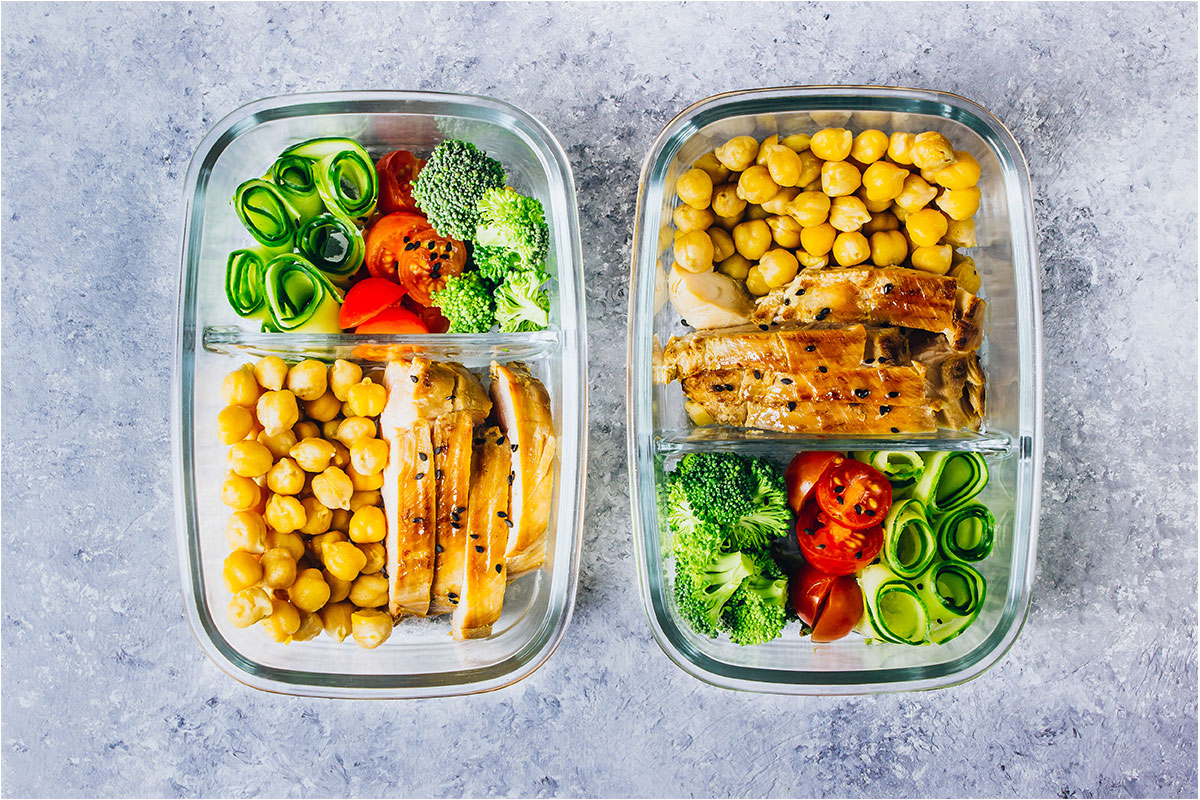
After successfully finishing the work day, picking up the dry cleaning, and picking up the kids from practice, you find yourself like many others–smack in the middle of a lava-flow of traffic desiring for nothing more than to kick-back and relax back in the comfort of your home. After the many stop-and-goes, you glance at what was quite possibly the fourth or fifth billboard showcasing yet another fast-food advertisement. Suddenly, half-way home you realize that you have yet to solve the dreaded-dilemma of figuring out what’s for dinner? In many cases, you are left with the undesirable options of Sunday night leftovers or some mystery frostbitten contents in the freezer from who knows when? On demanding days like these, convenience is often the motivating factor when making a decision on what to eat. But what if I told you these moments could be avoided?
Maintaining healthy habits when it comes to diet for you and your family is similar to creating unhealthy ones. Consider this: in the split moment when you’ve finished work and are scrambling to think of what to make for dinner, most decisions are made from a convenience-driven mentality, even if it results in compromising goals towards a healthier you. This isn’t to say you should completely override eating out. This is simply a gentle reminder that it is often easier to make better decisions for our health when we make efforts to prepare to have better options more accessible and convenient for us.
It is far more appealing to swing through your local drive-through than it is to think about hovering over a hot stove after a taxing day at work. As convenient as it is to make unhealthy food choices, meal-prepping offers that similar convenience when approached with the same goal in mind.
The goal in this case, is to maintain good eating habits without having to put too much thought behind it, right? What if I told you meal prepping could be more than just steamed veggies and roast chicken piled high in your refrigerator? With a few pointers, meal-prepping could be the easiest decision you could ever make.
Below are some benefits and tips for the beginners out there and a new perspective for others who have the meal-prepping habit already under their belt.

Eating out may be convenient, but it often includes excessive amounts of processed ingredients that include trans fats and higher amounts of sodium and/or processed sugar. Cooking from home allows you to see what and how much you’re putting on your plate.
Meal-prepping doesn’t all have to fall on one person. Getting the kids or your partner involved in washing or cutting produce for your meals can be both interactive and more time-efficient. Including other members in the household for what is on this week’s menu is another great way to get more people involved in the kitchen.
According to The Bureau of Labor Statistics reports, “as of 2018, the average household spends an average of $ 3,365 per year on dining out alone,” over time what you make up for convenience many households lose in long-term savings.
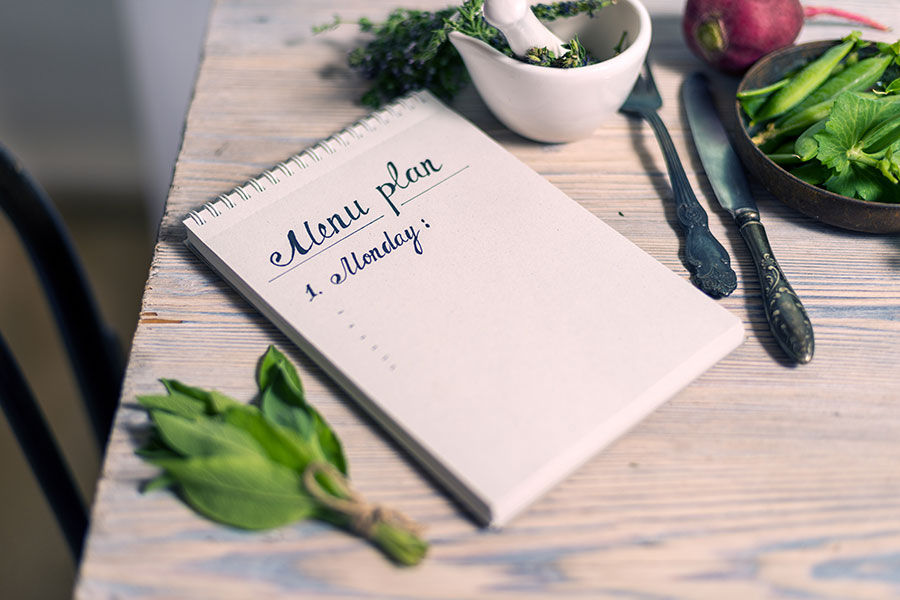
Determining how many meals you are going to prepare ahead of time ultimately comes down to the need at hand. I find it best to make this decision after asking myself what part of the day is the most demanding? If mornings are an impossible to time to cook, consider meal prepping with a couple of options you can grab and go before you start your day. If you can anticipate afternoons or evenings being more hectic, then do the same according to what your schedule demands.

Small steps to healthier living are more sustainable and also less intimidating when first beginning the meal-prepping process. Meal-prepping a whole week’s worth of breakfast, lunch, and dinner plus snacks is a bit of a daunting task for some, and quite honestly, maybe a bit excessive when you are just starting out. Commit to meal-prepping one meal based on your schedule and when you have become more accustomed to this new healthier habit, you can always add on an additional meal or snack to the mix. After a while, you’ll soon be able to conquer multiple meals or days if needed.

It’s completely understandable to have specific preferences in food choices and this might differ depending on what kind of diet you adhere to on a daily basis. Rule of thumb: for more cost-efficient shopping, purchase produce and other items that are within season. Doing so ensures the best quality of ingredients and more reasonable prices than say trying to stock on strawberries in the middle of December.
Although this is just some basic insight to meal prepping and its advantages, it is a great start towards a healthier more stress-free-you that can be something experienced and beneficial for you and the entire family! The goal couldn’t be more clear – experience living healthy together.
1United States, Congress, He Division of Consumer Expenditure Surveys. “Economic News Release; Bureau of Labor Statistics.” Economic News Release; Bureau of Labor Statistics, U.S. Government Publishing Office, 2018, p. 1.
The Holiday Season can get stressful, so we may stick to a routine for the sake of easy planning. Try any of these 10 simple ideas to bring new life to your Thanksgiving celebrations.
By now, you may have seen some donation boxes at your local LA Fitness. If you haven’t been entirely sure what those boxes are all about, you’re in the right place!
Most comfort foods we turn to are heavily laden with fat, starch and calories. There are healthier ways to enjoy down-home classics by making a few tweaks.
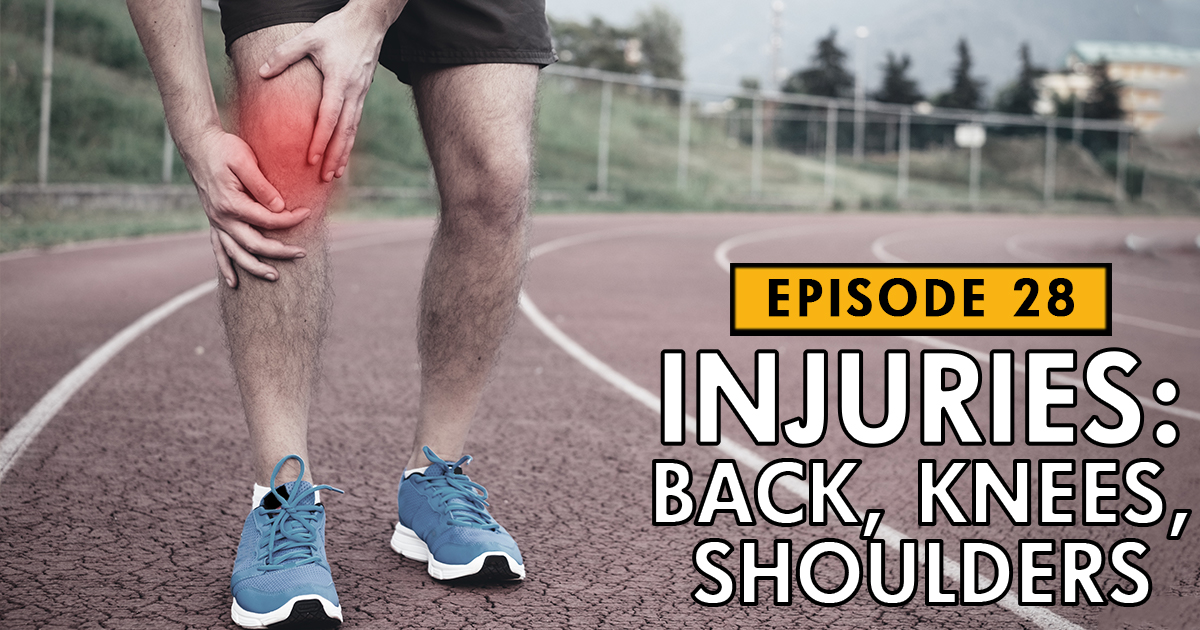
Welcome to the 28th episode of the Living Healthy Podcast, presented by LA Fitness.
On this episode of the Living Healthy Podcast, the one-and-only, LA Fitness Master Trainer, Geoff Fox, joins the show to discuss how to prevent and handle back, knee and shoulder injuries.
How Are We Doing?
This podcast should not replace any exercise program or restrictions, any dietary supplements or restrictions, or any other medical recommendations from your primary care physician. Before starting any exercise program or diet, make sure it is approved by your doctor.
Intro
Begins at 0:01
Introduction of LA Fitness Master Trainer, Geoff Fox
0:28
Keep in Touch with Us!
3:01
Part 1 – The Back
3:40
What Are Some of the Most Common Back Injuries?
3:52
Is There a Way to Help Prevent Back Injuries from Occurring?
4:20
Why Do Back Injuries Tend to Affect More Seasoned Adults?
5:20
What Are Some Go-To Machines or Exercises for Strengthening the Back?
6:10
What Products on the Market Help with Back Pain?
9:06
Is it Safe to Work Out with a Back Injury?
10:42
Part 2 – The Shoulders
How Important is it to Focus on Shoulder Strengthening Exercises?
11:30
What Are Some of the Best Exercises for the Shoulders?
13:36
What Should Someone with a Shoulder Injury Do to Recover?
16:05
Is There a Way to Prevent Shoulder Burnout?
17:23
What is More Important? Muscle Health or Bone Health?
18:35
Part 3 – The Knees
Is it OK to Work Out with a Knee Injury?
19:40
What Causes Knee Injuries to Happen?
21:46
What Are Some of the Best Knee Strengthening Exercises?
23:24
Are There Certain Injuries That Should Be Avoided by Those Susceptible to Knee Injuries?
24:32
Do Bodybuilders Experience Knee Issues A Lot Due to Increased Muscle Weight?
26:31
Actionable Advice
27:48
Outro
28:52
Goodbye to One-Half of Your Show Hosts, Candice Currie
29:00
On this week's episode of the Living Healthy Podcast, we ask Registered Dietician Debbie James the question "Is sugar bad for you?"
WE’RE BACK!!! On today's episode of the Living Healthy Podcast, we're talking about Cancer Screening and Prevention with Dr. Rick Van Etten!
Debbie James, RDN, brings us her expert opinion on food safety and sanitation, along with information on how you can eat well if you have to shelter in place.