What to Do When You Feel Like Quitting – Podcast Ep. 9
On this episode of the LHP, we speak with Master Trainer Geoff Fox and get his advice on persevering even when you feel like quitting.

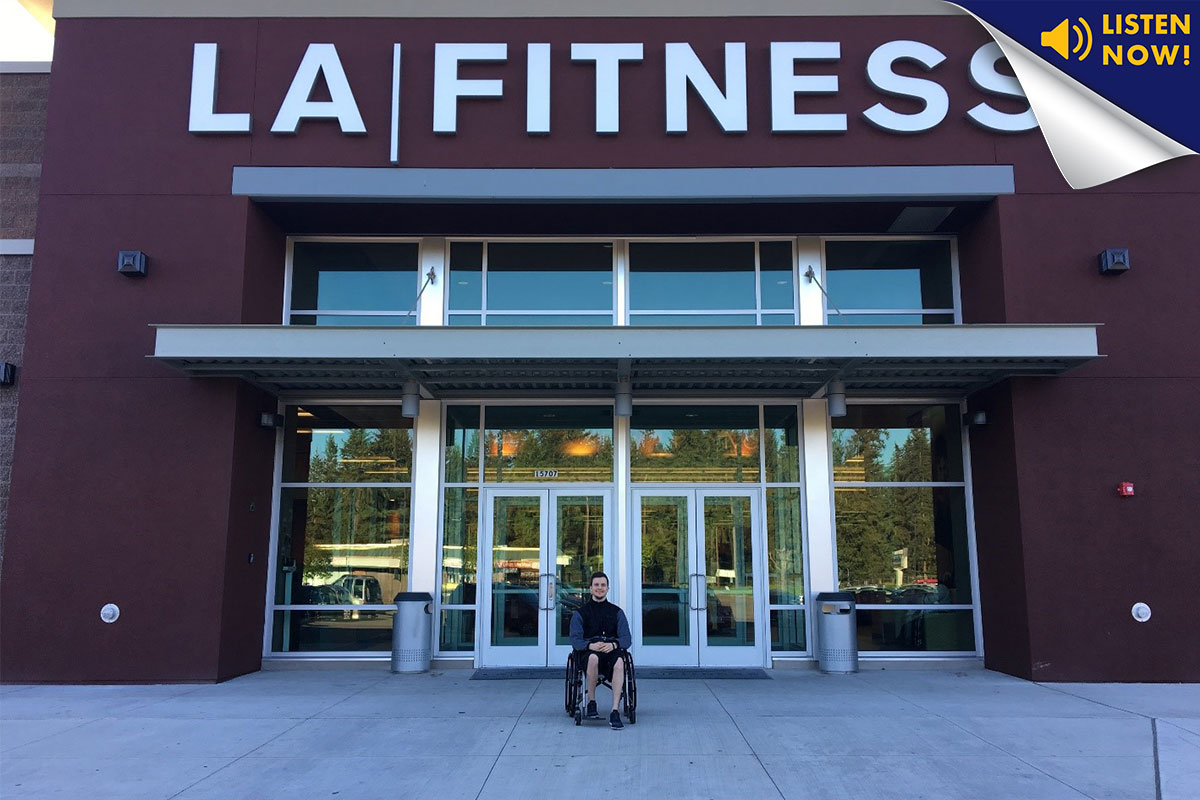
Welcome to the 3rd episode of the Living Healthy Podcast, presented by LA Fitness.
On this episode of Living Healthy, we speak with LA Fitness member, motivational speaker, author and all-around positive person, Logan Seelye. Logan shares his story and gives listeners advice on how they can move forward, even when life knocks them down.
How Are We Doing?
This podcast should not replace any exercise program or restrictions, any dietary supplements or restrictions, or any other medical recommendations from your primary care physician. Before starting any exercise program or diet, make sure it is approved by your doctor.

Introduction of Logan Seelye
Begins at 0:01
Logan Seelye joins the show
Begins at 1:20
Outlook on life
Begins at 1:41
The tackle, Logan takes us back
Begins at 2:37
The 10 and 90 quote
Begins at 6:07
The 10 and 90 Foundation
Begins at 7:53
Fitness after the injury
Begins at 9:25
Logan’s typical workout routine
Begins at 12:06
Logan’s mentor
Begins at 12:50
Logan’s Advice
Begins at 16:09

On this episode of the LHP, we speak with Master Trainer Geoff Fox and get his advice on persevering even when you feel like quitting.
On this episode of LHP, we speak with Logan Seelye, LAF member, motivational speaker, and author, who shares how to move on when life knocks you down.

Beat the Heat at LA Fitness
There are many reasons to love summer: the longer days, the sunshine, the warmer weather. Although, that summer heat can certainly leave our bodies feeling a bit sluggish. This is because when the weather starts to warm up our bodies go into what can be explained as a sort of hyper-drive cooling state. Internally, our bodies are working extra hard to maintain a consistent temperature and while that is happening, our heart rates and metabolic rates can increase too.1 The extra effort being exerted by your body can leave you feeling sleepy even if you’ve been doing something as simple as sitting in the sun.
So the question stands, how can you motivate yourself to get to the gym and work out when all your body seems to want to do is lay around? Well, it’s important to first note that it’s OK to let your body rest. In fact, our bodies need it! Especially in hot weather. Fatigue can be a cause of dehydration or exposure to too much sun. Make sure that you’re drinking plenty of water. The more our bodies sweat, the more they need rehydration. Your body also loses salts when you sweat too, so if you feel like your body needs a bit of extra replenishment, try rotating between water and a refreshing drink with electrolytes.
Tips to Beat the Summer Heat

1. Opt For Indoor Exercise
Yes, it’s safe to say that most people seem to enjoy spending extra time outdoors in the summer time. However, when it comes to working out, you may want to bring the exercise indoors. Try brining your run to the treadmill, cool off while swimming some laps at an indoor LA Fitness pool, or try cycling in a Group Fitness class instead of outdoors.* When your body gets too hot, it puts more of a strain on your workout routine. Maintain your normal workout pace by keeping cool.

2. Give Yoga A Try
Why yoga? Well, when the temperature gets hotter it can help the body to become more flexible.2 Not only may you have better luck engaging in yoga when your body temperature is higher, but yoga has been known to have relaxing effects on the body.3 If you’re feeling too tired for your typical workout routine, this may be a nice alternative. Find an LA Fitness club that offers yoga here.

3. Eat More of Nature’s Candy
Summer time treats can be amped up with the addition of healthy fruits. In fact, watermelon and strawberries contain about 92% water. Other high water volume fruits are cantaloupe, peaches, pineapple, raspberries and oranges, all ranking between 87-90% water. This helps replenish fluids in our bodies and can give our bodies a natural boost of energy post-workout.4

4. Chill Out
Taking a cold shower before your workout may “help reduce the risk of your body’s core temperature rising too quickly.”5 What does that mean for you? Well, it can help increase your body’s performance by allowing a greater possible increase in muscle temperature and heart rate before your body begins to overheat. Essentially, by allowing your body to experience the drop in temperature, you have given yourself more time to work out before your core temperature reaches peak levels.6 It’s important that you check with your physician before trying this technique, as a cooling pre-workout shower isn’t meant for everyone.

5. Take Exercise Along on the Vacation
Summer is a great time for vacations with family and friends! One of the best things about exercising is that it can be done almost anywhere. If you’re heading to the lake, splash around and burn some calories. Are you taking the vacation to the beach? Spend some time building sandcastles with the kids. Are you escaping to the mountains? Try hiking to get some cardio in. Just make sure no matter what you’re doing for exercise, you’re listening to your body and staying hydrated.

Why workout alone? Send a friend or family member a guest pass today!**
*Classes and amenities vary by location.
**Guest passes subject to additional terms and conditions. See website for details.
Sources:
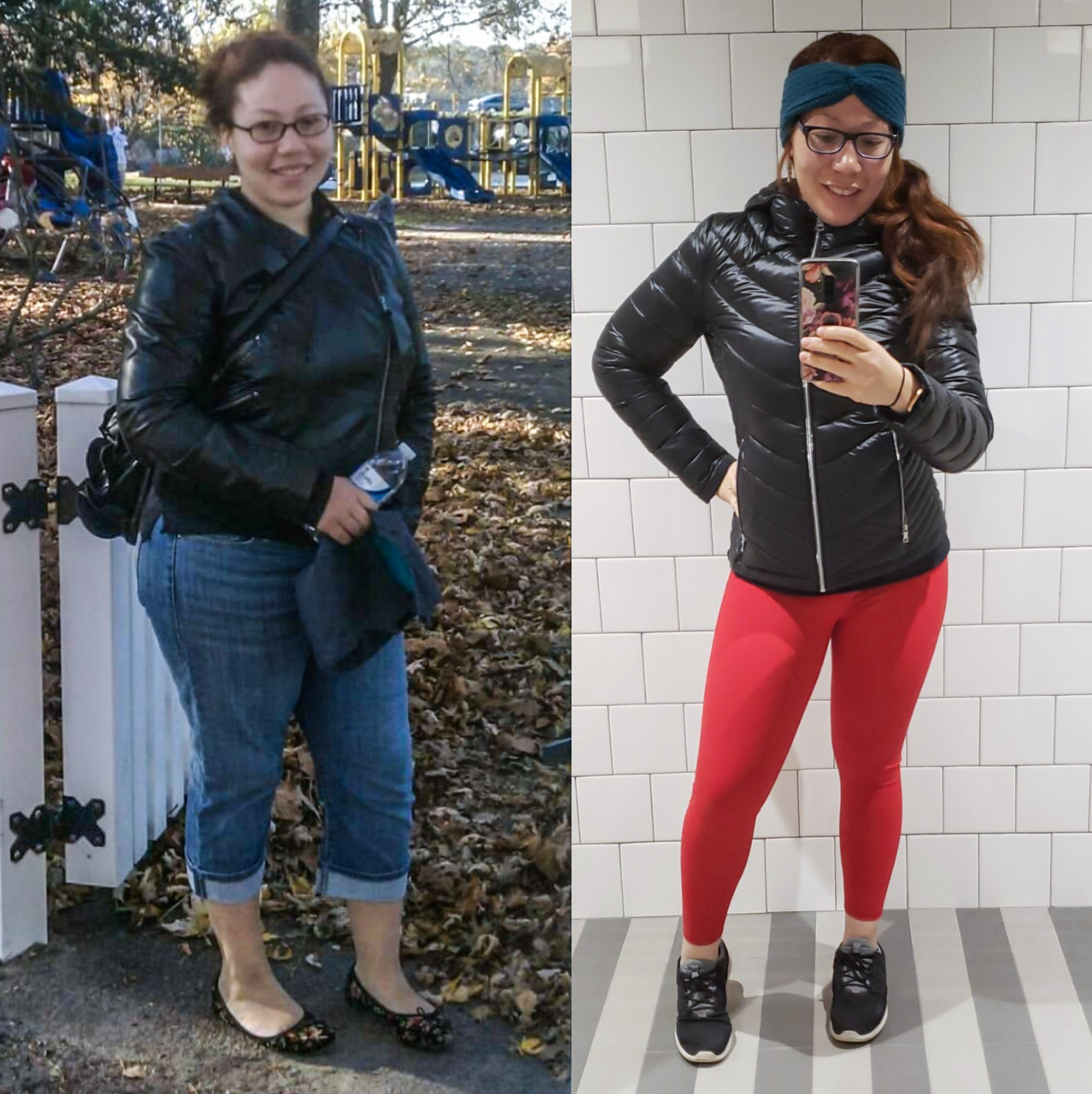
Waleska is a mom with 2 part-time jobs who had a love for chocolate. Despite the time constraints and sweet temptations, she lost over 60 pounds!

Valentine’s Day is the perfect reminder to love ourselves and the bodies we’re in. Refresh your motivation with these reminders of why you are worth it!

Today we speak with Triathlon Athlete, Dave Ruby, to learn the secrets behind his fitness-focused lifestyle.

Goals, Commitments, Community
Welcome to a very special edition of Commit to Fit – the Dad Edition! These incredible fathers are dedicated to maintaining a healthy lifestyle and reaching their fitness goals.
Father’s Day Club Hours will remain the same.
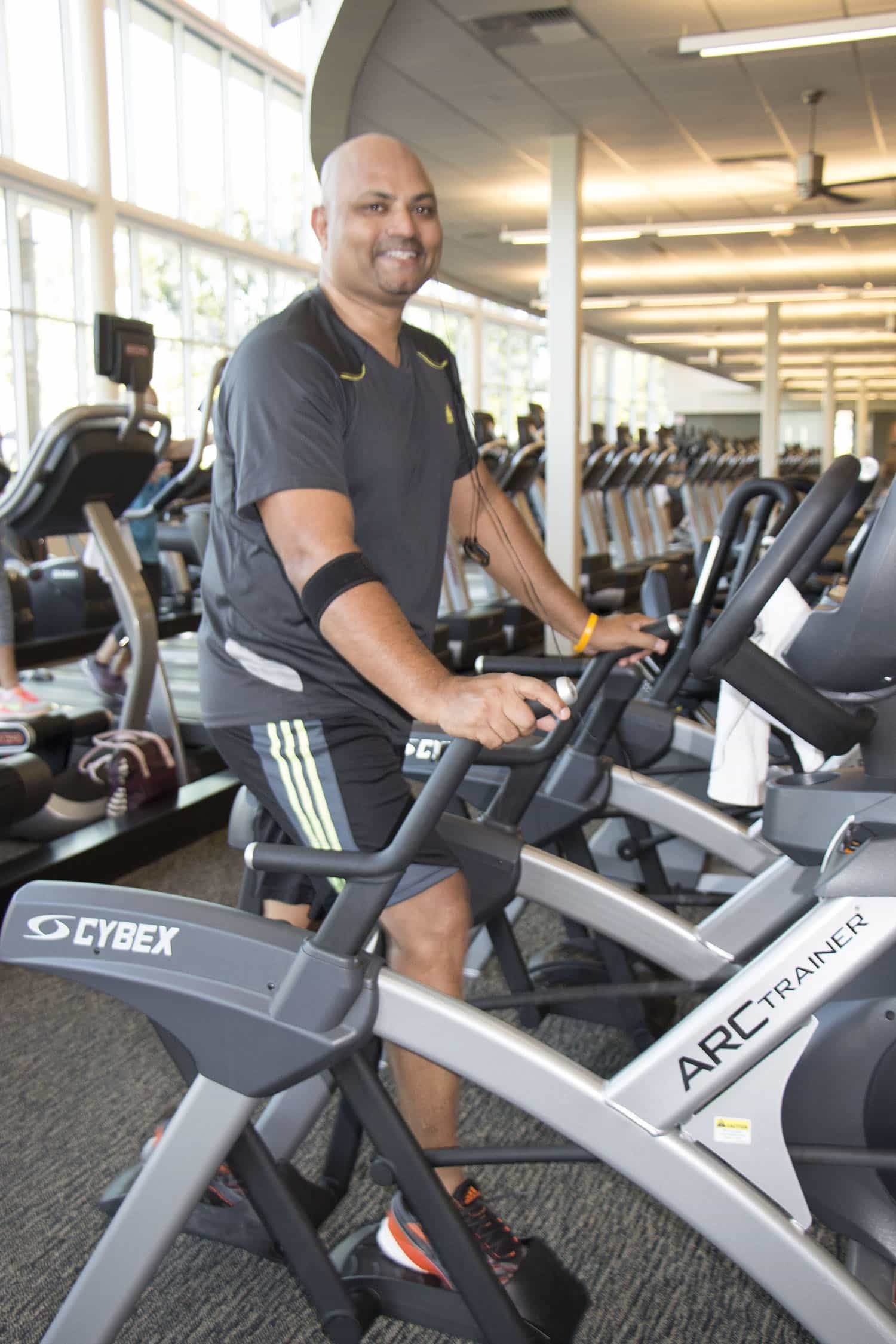
Satish C.
Satish hopes to have a six pack by the time his daughter goes to college (3 years). You’ve got this, Satish!


Jim S.
Jim’s goals are to keep his muscles toned, cardio strong, and to stay as active as possible as he ages. We know you can do it, Jim!

Ryan C.
Ryan’s fitness goals are to live healthy and lose weight so he can be around to see his grandkids. What a sweet goal. We believe in you, Ryan!
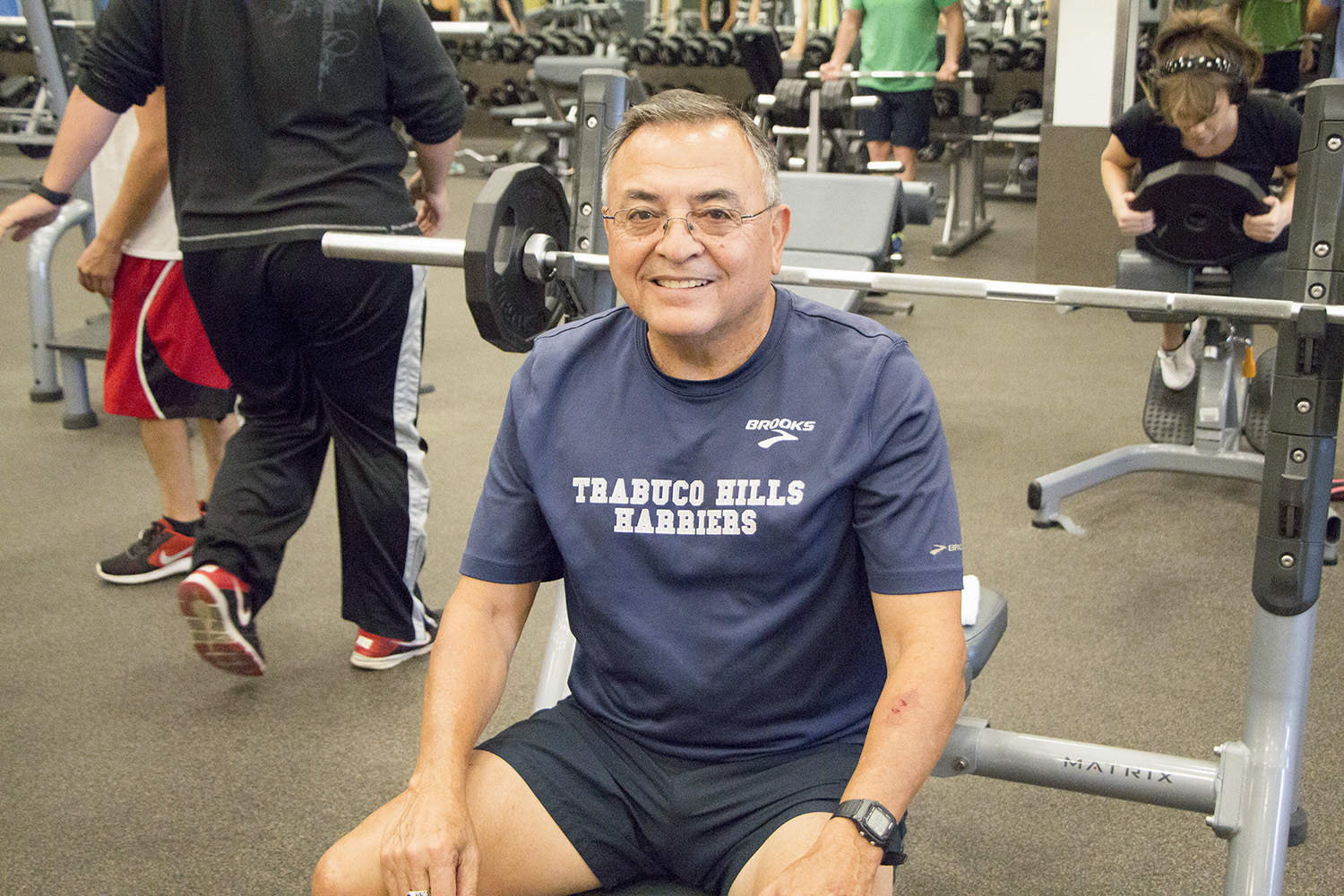
Hartzell A.
Hartzell has been an avid runner since the 1960’s and wants to be able to keep running well into his 80s!

Tony L.
Fitness is Tony L.’s life! He wants to maintain his overall health for his family, 9 children & future grandchildren!
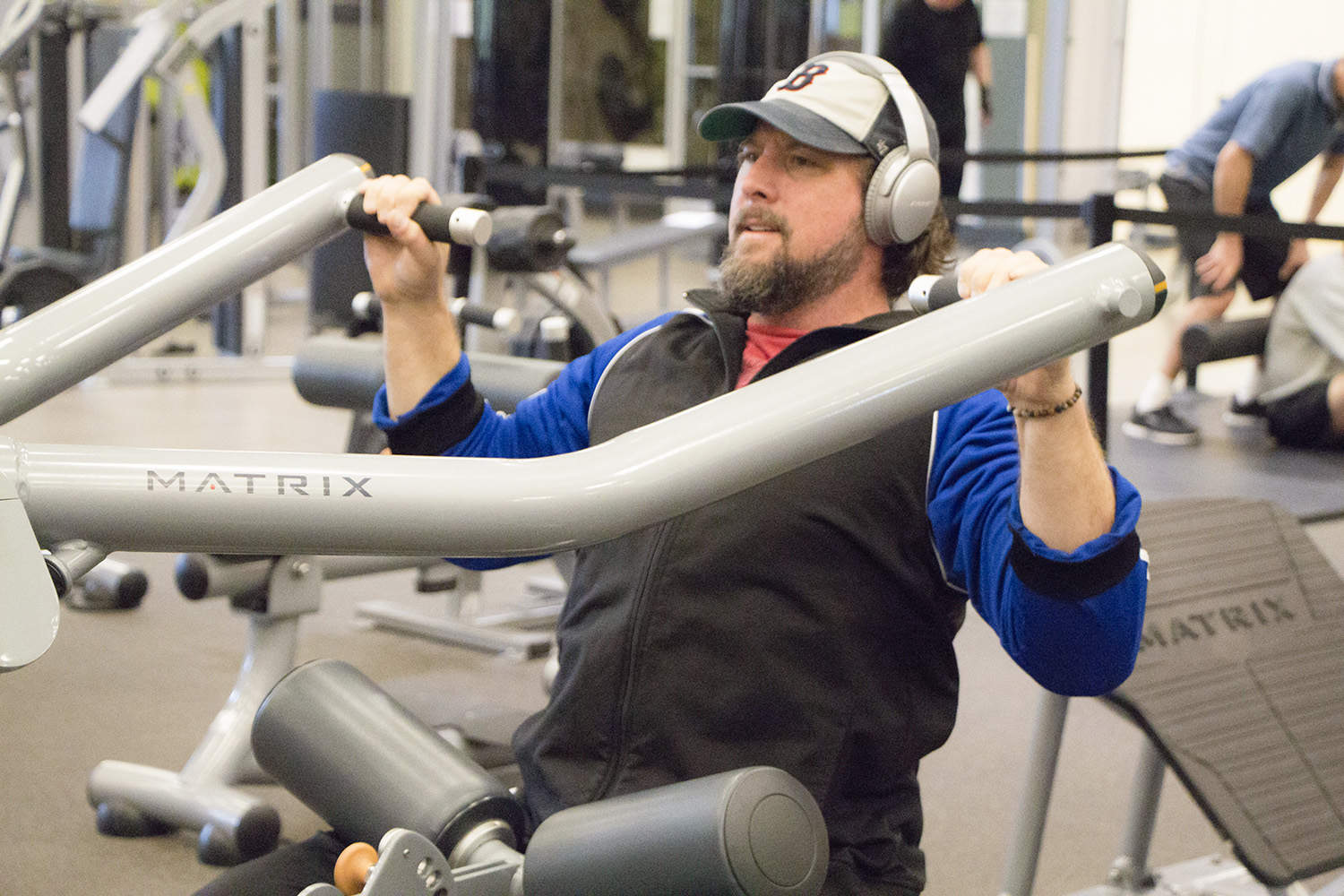
Joshua S.
Josh hopes to be 20 lbs. lighter by the end of summer! We believe in you. Keep up the hard work!

Kevin F.
Kevin wants to look younger & hopes to lessen his knee pain so he can enjoy riding the waves more often!

Waleska is a mom with 2 part-time jobs who had a love for chocolate. Despite the time constraints and sweet temptations, she lost over 60 pounds!
Valentine’s Day is the perfect reminder to love ourselves and the bodies we’re in. Refresh your motivation with these reminders of why you are worth it!
Today we speak with Triathlon Athlete, Dave Ruby, to learn the secrets behind his fitness-focused lifestyle.

Find out nutrition tips below about sugar intake and where to get the best sugars from.

What is the high and low for a healthy daily sugar consumption?
-Michael B.

“Sugar” includes small carbohydrate compounds, both natural and added. Let’s start with natural…
Natural sugars such as fructose and lactose comprise 50-100% of the calories from fruit and non-fat milk and 25% calories from some vegetables, so they make up a small base portion of the diet. There are minimal sugars in protein sources (egg, meat, fish, poultry) and most unprocessed starches (e.g. rice, oats), while none in pure fats. Natural sugars are not restricted – there are healthy fruitarians – although I will say that traditional strained juices are not recommended, and only endurance/pro athletes can probably balance out their diet while still eating 5+ servings of fruit.

Added sugars, either for flavor or structure, are what we are concerned with. Corn syrup, table sugar, beet or cane sugar, honey, molasses, agave syrup and concentrated fruit juice are from natural sources, but used as sweeteners in food products and recipes. There are many diets that may reflect the newest 2015 US Dietary Guidelines for sugar consumption, including vegetarian, Mediterranean, higher-protein/modest carbohydrate, and medically prescribed patterns. Each one can affect an energy balanced diet with no more than 10% of daily calories coming from added sugars. This would be the high that you refer to in your question.
The limit is not a free license to eat ‘clean’ for a week then splurge on a dessert buffet, sending your body into a blood sugar spike. We’re talking about daily balance. A teaspoon of jam on toast, a drizzle of caramel in coffee, a splash of honey mustard dressing on a salad, and a tablespoon of sweet Thai chili sauce on salmon could hit the 10% mark for added sugar in a smaller diet. The idea is to consume your needed amounts of healthy protein, carbohydrate and fats, then only add sugars to meet your remaining calorie goals if not already met.
On the low end, you can survive without any sugar whatsoever if you eat enough other carbohydrates, but you’d be missing all the benefits from fruits, milk products and several vegetables which would NOT be healthy. No added sugar is certainly possible, though! It just means avoiding most condiments (think ketchup, teriyaki, marinara, BBQ sauce, dressings), sport or soft drinks, and processed foods, while eating wholesome mostly home-prepared foods. The result would not necessarily be bland. For example, oatmeal could be sweetened with dried fruit and cinnamon, meats can be marinated in vinegar or dry-rubbed, plain yogurt can be jazzed up with berries and nuts, and pasta can be dressed with diced tomatoes, garlic and olive oil.
Let us know the successes you’ve had in reducing added sugars by commenting below!
– Debbie J., MS, RD
This article should not replace any exercise program or restrictions, any dietary supplements or restrictions, or any other medical recommendations from your primary care physician. Before starting any exercise program or diet, make sure it is approved by your doctor.

Want more? SUBSCRIBE to receive the latest Living Healthy articles right in your inbox!

With so many sources offering nutrition advice, it’s hard to know what’s true. Even factual information can become distorted by the time it reaches you. Like a game of telephone, the message often changes as it’s passed along. Here, we debunk 5 common diet myths to...

Labor Day is the perfect time to relax and recharge, but why not also take a moment to energize your body with a quick and effective workout? Here’s a simple routine you can do at home or in a park to make the most of your holiday. Warm-Up (5 minutes) Jumping Jacks: 2...

As we transition from the warmth of summer to the crispness of autumn, September offers a perfect opportunity to refocus on our health and mental well-being. Here’s a guide to help you embrace wellness this month. Physical Health: Building a Strong Foundation Stay...

Have a nutrition question? Our registered dietitian is ready to help!
Email nutrition@lafitness.com or submit your question below and it may be featured in an upcoming article!

How Does Working Out Correlate With Blood Sugar Management? | Diabetes
November is American Diabetes Month! Learn more about it below.
Did you know? Around 1.4 million people in the U.S. are diagnosed with either type 1 or type 2 diabetes each year. There are more than 29 million Americans living with diabetes and another 86 million with pre-diabetes.1
November is American Diabetes Month, and people around the country are putting in countless efforts to help raise money for, bring awareness to and ultimately find a cure for diabetes.
Typically diagnosed in children, type 1 diabetes is a chronic disease in which the body does not produce insulin. According to the American Diabetes Association, “the body breaks down the sugars and starches you eat into a simple sugar called glucose, which it uses for energy. Insulin is a hormone that the body needs to get glucose from the bloodstream into the cells of the body.”2
It is safe to say that insulin is a very vital part of our body’s functionality. Since the body is not producing insulin, type 1 diabetics have to somehow get insulin into their bodies. This is done by either an insulin pump, which is a portable device that directly pumps insulin into the body, or by injection. With technology advancing there are new and innovative ways to give the body insulin. To find out more about insulin intake visit the health.com insulin article here.
When people have type 2 diabetes, their body does not use insulin correctly, which is also known as insulin resistance. At first, their pancreas makes extra insulin to make up for it, but over time the pancreas isn’t able to keep up and can’t make enough insulin to keep the blood glucose levels normal.3
Luckily many type 2 diabetics can manage the disease with proper diet and exercise. But in some other cases, type 2 diabetics have to rely on taking insulin later in life due to the pancreas not being able to produce enough insulin.4
Both types can take a serious toll on the human body. This is why it is especially important for diabetics to take care of their overall health, which includes working out. So how does working out affect those with diabetes?
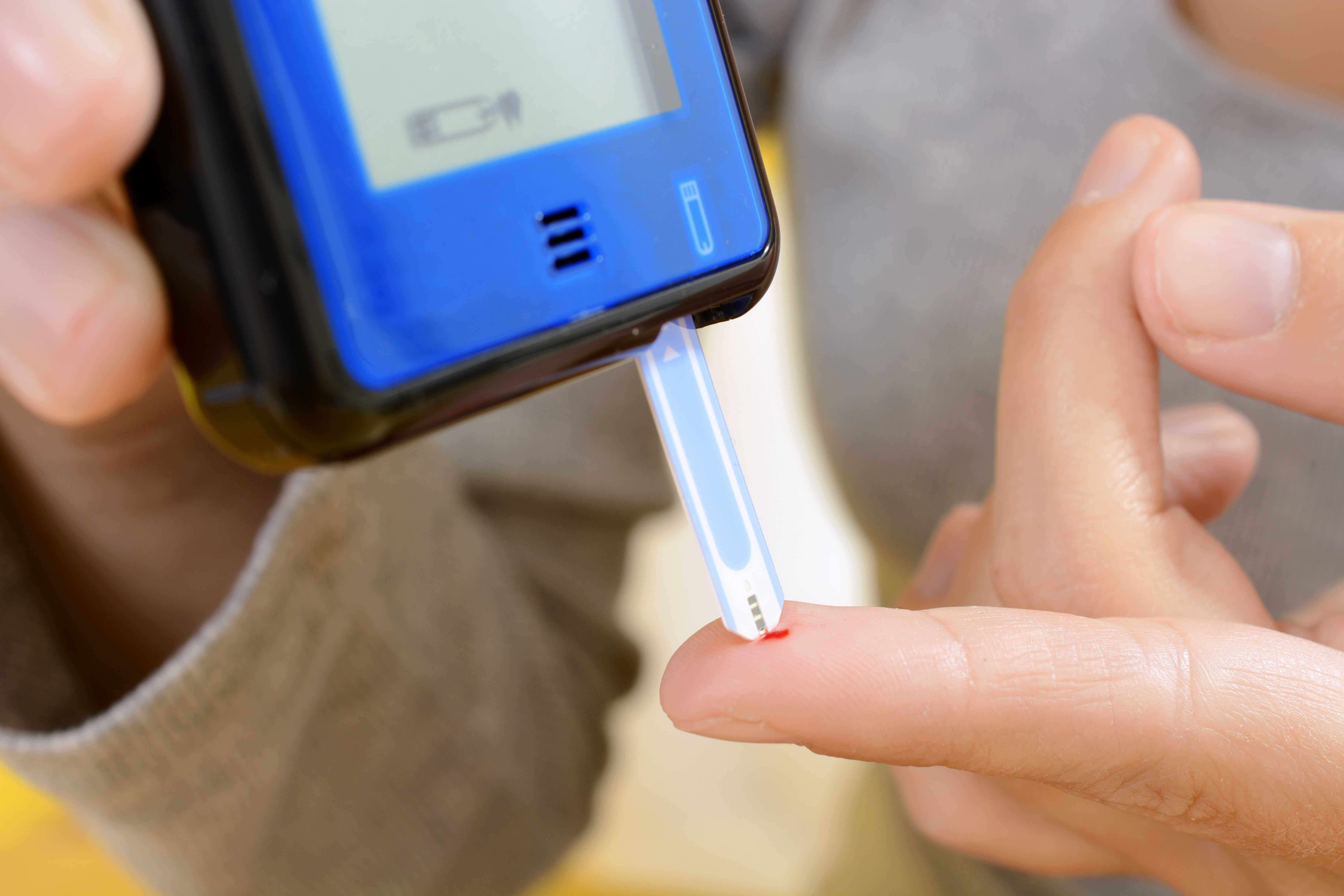
Since both type 1 and type 2 diabetes affect the body’s insulin levels, blood sugar management is important to watch and keep track of.
Studies show that exercise speeds up the metabolism in some diabetic cases, which helps keep blood sugar in control.5
For example, if you have type 1 diabetes and have high blood sugar levels, working out may help lower your blood sugar levels naturally. But it is important for type one diabetics to watch their levels because working out could make their blood sugar levels too low. A good blood sugar level is from 80 to 120, typically any higher or lower may have an effect on overall body function.6
Many type 1 and type 2 diabetics carry some sort of snack with them to help manage their levels. Plus, type 1 diabetics typically have insulin on hand for blood sugar management purposes.
If you have type 2 diabetes or are pre-diabetic, regular exercise may help reduce your body’s glucose levels, which can help make your symptoms less severe.7 With type 1 diabetics, a regular workout routine can help with overall health and blood sugar levels. But remember, if blood sugar levels are too high or too low before your workout, it is advised to wait until the levels get to normal before you start. Ways to get blood sugar levels normal vary, as some diabetics can grab a quick snack whereas others would need to adjust his/her insulin.

Working out is a great routine for anyone to get into, but for diabetics it is especially important due to the side effects of the disease. The month of November recognizes and brings awareness to diabetes and we are happy to provide a place for those who want/need to live a healthy lifestyle at LA Fitness.
If you know someone who has diabetes or if you have it yourself, let us know how exercise has helped you in your diabetic journey. For more information on the basics of diabetes from the American Diabetes Association please click here.
This article should not replace any exercise program or restrictions, any dietary supplements or restrictions, or any other medical recommendations from your primary care physician. Before starting any exercise program or diet, make sure it is approved by your doctor.

Want to hear more? Subscribe to get Living Healthy right to your inbox!
References