
Diabetes 101
How Does Working Out Correlate With Blood Sugar Management? | Diabetes
November is American Diabetes Month! Learn more about it below.
Around the World
Did you know? Around 1.4 million people in the U.S. are diagnosed with either type 1 or type 2 diabetes each year. There are more than 29 million Americans living with diabetes and another 86 million with pre-diabetes.1
November is American Diabetes Month, and people around the country are putting in countless efforts to help raise money for, bring awareness to and ultimately find a cure for diabetes.
Type 1 Diabetes
Typically diagnosed in children, type 1 diabetes is a chronic disease in which the body does not produce insulin. According to the American Diabetes Association, “the body breaks down the sugars and starches you eat into a simple sugar called glucose, which it uses for energy. Insulin is a hormone that the body needs to get glucose from the bloodstream into the cells of the body.”2
It is safe to say that insulin is a very vital part of our body’s functionality. Since the body is not producing insulin, type 1 diabetics have to somehow get insulin into their bodies. This is done by either an insulin pump, which is a portable device that directly pumps insulin into the body, or by injection. With technology advancing there are new and innovative ways to give the body insulin. To find out more about insulin intake visit the health.com insulin article here.
Type 2 Diabetes
When people have type 2 diabetes, their body does not use insulin correctly, which is also known as insulin resistance. At first, their pancreas makes extra insulin to make up for it, but over time the pancreas isn’t able to keep up and can’t make enough insulin to keep the blood glucose levels normal.3
Luckily many type 2 diabetics can manage the disease with proper diet and exercise. But in some other cases, type 2 diabetics have to rely on taking insulin later in life due to the pancreas not being able to produce enough insulin.4
Both types can take a serious toll on the human body. This is why it is especially important for diabetics to take care of their overall health, which includes working out. So how does working out affect those with diabetes?
Blood Sugar Management
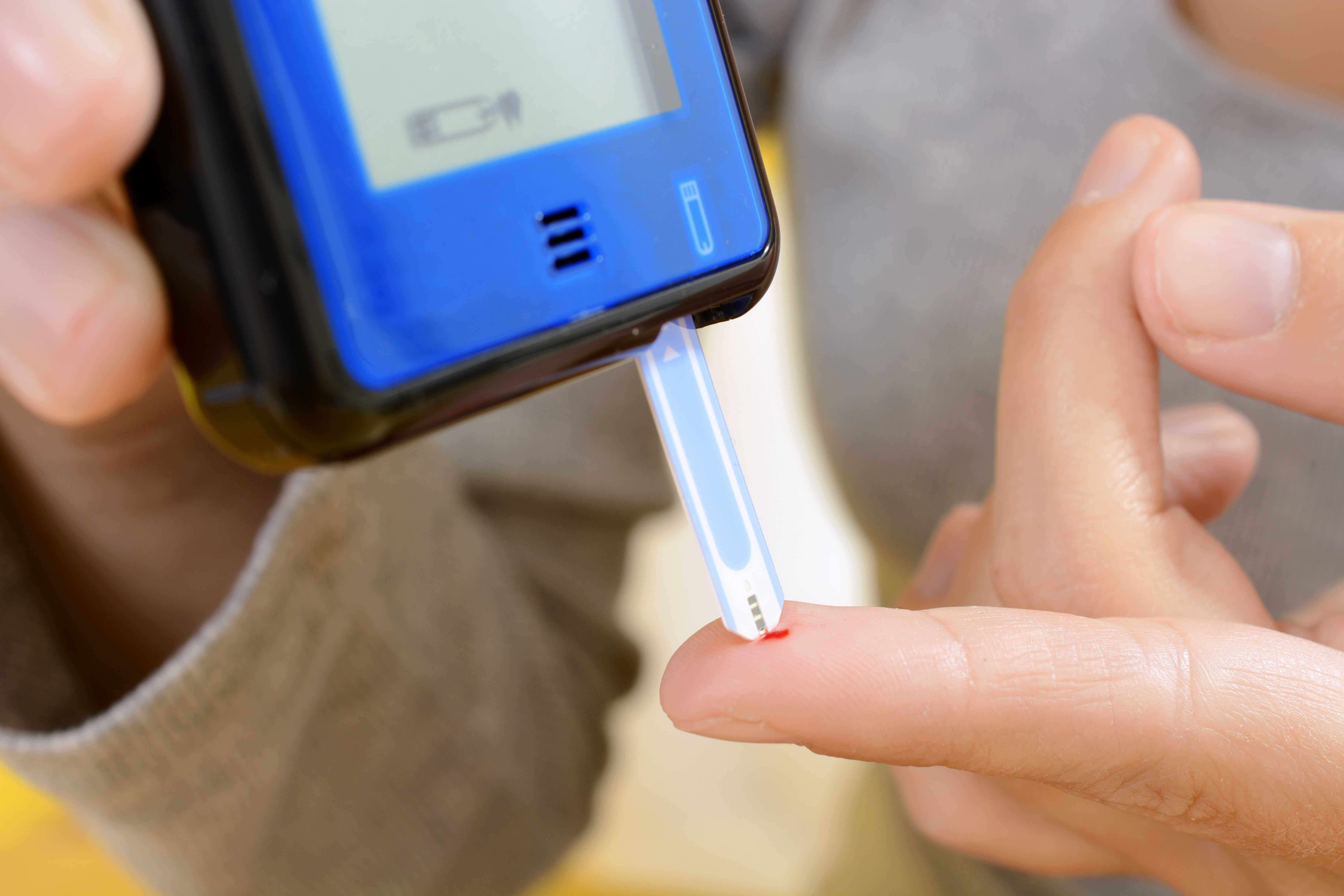
Since both type 1 and type 2 diabetes affect the body’s insulin levels, blood sugar management is important to watch and keep track of.
Studies show that exercise speeds up the metabolism in some diabetic cases, which helps keep blood sugar in control.5
For example, if you have type 1 diabetes and have high blood sugar levels, working out may help lower your blood sugar levels naturally. But it is important for type one diabetics to watch their levels because working out could make their blood sugar levels too low. A good blood sugar level is from 80 to 120, typically any higher or lower may have an effect on overall body function.6
Many type 1 and type 2 diabetics carry some sort of snack with them to help manage their levels. Plus, type 1 diabetics typically have insulin on hand for blood sugar management purposes.
Regular Exercise + Blood Sugar Levels
If you have type 2 diabetes or are pre-diabetic, regular exercise may help reduce your body’s glucose levels, which can help make your symptoms less severe.7 With type 1 diabetics, a regular workout routine can help with overall health and blood sugar levels. But remember, if blood sugar levels are too high or too low before your workout, it is advised to wait until the levels get to normal before you start. Ways to get blood sugar levels normal vary, as some diabetics can grab a quick snack whereas others would need to adjust his/her insulin.

Good for Everyone
Working out is a great routine for anyone to get into, but for diabetics it is especially important due to the side effects of the disease. The month of November recognizes and brings awareness to diabetes and we are happy to provide a place for those who want/need to live a healthy lifestyle at LA Fitness.
If you know someone who has diabetes or if you have it yourself, let us know how exercise has helped you in your diabetic journey. For more information on the basics of diabetes from the American Diabetes Association please click here.
This article should not replace any exercise program or restrictions, any dietary supplements or restrictions, or any other medical recommendations from your primary care physician. Before starting any exercise program or diet, make sure it is approved by your doctor.

Want to hear more? Subscribe to get Living Healthy right to your inbox!
References
- Association, A. D. (1995). Statistics about diabetes. Retrieved November 2, 2016, from http://www.diabetes.org/diabetes-basics/statistics/
- Association, A. D. (1995). Type 1 diabetes. Retrieved November 2, 2016, from http://www.diabetes.org/diabetes-basics/type-1/?loc=db-slabnav
- Association, A. D. (1995). Type 2 diabetes. Retrieved November 2, 2016, from http://www.diabetes.org/diabetes-basics/type-2/?referrer=https://www.google.com/
- Center, J. D. (2016, October 28). The truth about insulin and type 2 diabetes. Retrieved November 2, 2016, from http://www.joslin.org/info/the_truth_about_insulin_and_type_2_diabetes.html
- Association, A. D. (1995). Fitness. Retrieved October 24, 2016, from http://www.diabetes.org/food-and-fitness/fitness/?referrer=https://www.google.com/
- Association, A. D. (1995). Checking your blood glucose (blood sugar): American diabetes Association®. Retrieved November 2, 2016, from http://www.diabetes.org/living-with-diabetes/treatment-and-care/blood-glucose-control/checking-your-blood-glucose.html
- Association, A. D. (1995). Physical activity is important. Retrieved October 24, 2016, from http://www.diabetes.org/food-and-fitness/fitness/physical-activity-is-important.html