Why Fermented Foods Are Your Friend

Why Fermented Foods Are Your Friend

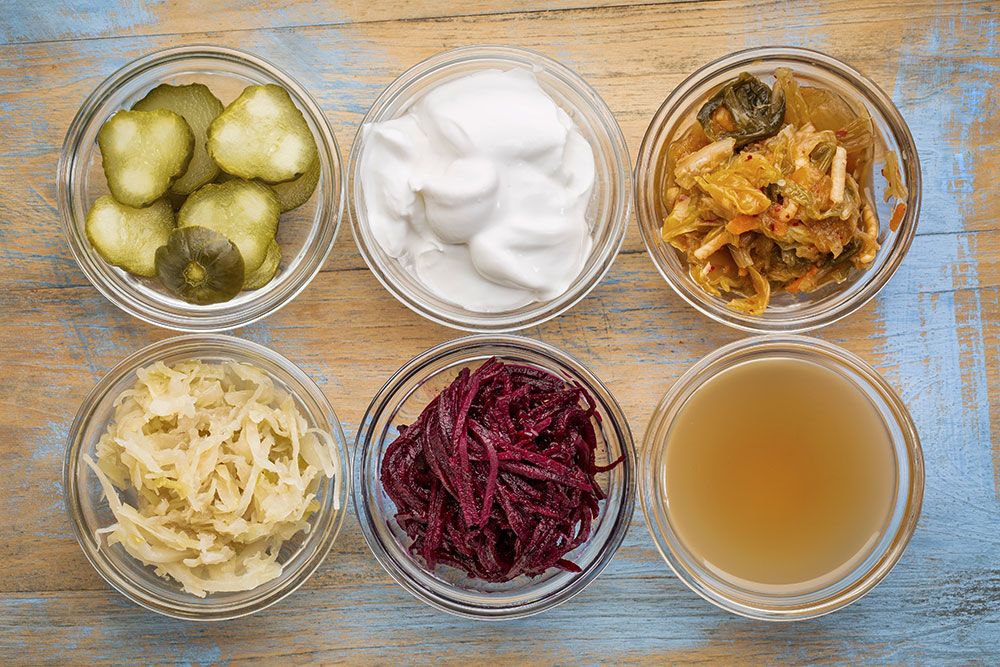
While yogurt has been at the forefront of US probiotic food sales, kombucha tea is gaining popularity. It can thank fermented foods like sauerkraut, kimchi and kefir for paving the way. For thousands of years, fermentation has been used across the globe to retain shelf-life, prevent food spoilage, and produce alcohol.

What is fermentation? It is the slow, primarily anaerobic oxidation of sugars [induced by microorganisms (probiotics) or by enzymes of plant or animal origin] to other compounds, which produces energy for the microorganism.

In addition to the aforementioned, the list of available fermented items includes foods such as sourdough bread, beer, wine, fermented soybeans, fava bean flour, fermented sausage, fermented rice vinegar, fermented malt-based beverages, and fermented noni juice. Besides being epicurean, these foods are also healthy. Consumption of fermented foods is associated with numerous health benefits1.

The underlying microbial functionality of fermented foods has been unfolding in the last decade. Take the case of yogurt and kefir, for example: Fermented dairy foods have long been known to benefit gut health by way of intestinal microbiota. It was found that lactobacilli, the bacteria present in fermented dairy, also reduced vaginal and bladder infections by competing with pathogens2. Presently, fermented dairy products are associated with a reduced risk of cardiovascular disease and certain cancers, and an improvement in immunity and metabolism, showing that the benefits of fermented dairy can go beyond the gut to other sites in the body as well.

From coffee’s suspected relation to improvements in mental health1 to fermented soy products’ connection with cardiovascular health1, these functional foods provide important enhancements to our overall health. Even glucose homeostasis (which is not isolated to a particular organ or body site) has been shown to be positively affected by fermented dairy products and kimchi. Now researchers are investigating whether fermented noni fruit juice has anti-diabetic effects. Where will we go next?  Current research is investigating the bioactive compounds in fermented foods to see their effect on inflammation, oxidative stress, blood pressure, and anti-radical capacity.

Did You Know??

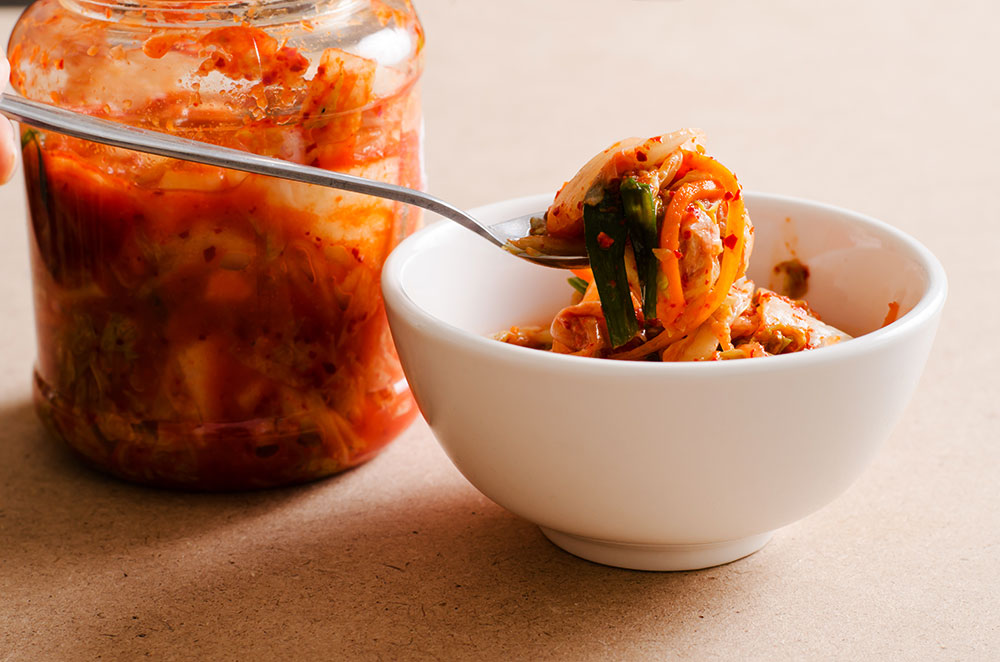
Speaking of blood pressure, here is a juxtaposition: While kimchi is salty, greater intakes of it are not associated with higher risk of hypertension*. Researchers speculate this is because of its function as a probiotic, preventing increases in blood pressure. They stated, “One of the beneficial effects of kimchi comes from the fermentation process by lactic acid bacteria, which leads to the eradication of pathogenic organisms and increases its health benefits and functionalities as a probiotic3.”

Fermentation, probiotics… getting confused? They are closely related, but not the same. Fermented foods contain living microorganisms of which some are genetically similar to strains used as probiotics1.  Microbes in fermented foods introduce new compounds to the foods that are delivered to the gut, in a manner similar to probiotics.

While there may be a higher price tag for currently trendy fermented beverages, you can always incorporate basic sourdough bread, beer, wine, and active-culture yogurt as part of your fermented food arsenal.

*These results do not apply to obese men consuming ‘watery’ kimchi which has fewer probiotic components than do other types of kimchi. 

LA Fitness Living Healthy subscribe button

Want more? SUBSCRIBE to receive the latest Living Healthy articles right in your inbox!

References

  1. Health benefits of fermented foods: microbiota and beyond. Current Opinion in Biotechnology. Marco ML, et al. 2017 Apr; 44:9 4-102.
  2. The development of probiotics for women’s health. Reid G. Canadian Journal of Microbiology2017 Apr; 63(4): 269-277
  3. High consumption of salt-fermented vegetables and hypertension risk in adults: a 12-year follow-up study. Song HJ, Park SJ, Jang DJ, Kwon DY, Lee HJ. Asia Pacific Journal of Clinical Nutrition2017; 26(4): 698-707.

Recommended Reading

What’s the DASH Diet?

What’s the DASH Diet?

LA Fitness, RDN, Debbie James, gives a reader advice on the best type of diet to keep health levels in check. Learn more about the DASH diet.
What to Eat for a 6-Pack

What to Eat for a 6-Pack

Meals and snacks should be based on vegetables, lean protein, and complex carbohydrates with fresh fruit and low-fat dairy to complement for 6-pack abs.

Vegans, Say Goodbye to Bloating | Q+A

Vegans, Say Goodbye to Bloating | Q+A

Question:

I am a vegan and was just wondering if you could give me some tips on my diet. I have been eating lots of beans, whole grains, fruits, and vegetables but I’ve noticed that I feel bloated. How many servings of proteins such as bean or lentils do you recommend daily? Are there any other sources of protein you recommend?

– Alyssa S

Answer:

Many plant foods contain fermentable components that cause gas and bloating. These compounds are known as FODMAPs (fermentable oligosaccharides, disaccharides, monosaccharides and polyols) and certain sources have more than others. Since the list of foods high in FODMAPs is quite extensive, I’ve referenced it here. Following a diet low in FODMAPs is usually to treat gastrointestinal disorders and is best done under the supervision of a Registered Dietitian Nutritionist or gastroenterologist familiar with a low FODMAPs diet.

As you’re probably aware, fruit and fats/oils have negligible protein. Beans, lentils and peas are the best source of vegan protein (by weight) and two half-cup servings are recommended daily. Nearly complete amino acid profiles are found in soybeans and soy products. Since they aren’t high in methionine, you’ll need other legumes and grains to meet your methionine need. These should be eaten nearly every meal. To round out your amino acid profile with grains and beans, you should consume about an equivalent of 2 ounces of nuts daily, such as ¼ cup almonds or ½ C pumpkin seeds.  This will help meet the remainder of your protein requirement.

– Debbie J., MS, RD

LA Fitness Living Healthy subscribe button

Want more? SUBSCRIBE to receive the latest Living Healthy articles right in your inbox!

This article should not replace any exercise program or restrictions, any dietary supplements or restrictions, or any other medical recommendations from your primary care physician. Before starting any exercise program or diet, make sure it is approved by your doctor.

Some questions have been edited for length and/or clarity.

Ask our Dietitian

Have a nutrition question? Our registered dietitian is ready to help!

Email nutrition@lafitness.com or submit your question below and it may be featured in an upcoming article!

13 + 11 =

Recommended Reading - Q+A

Beet Root and Muscle Gain

Beet Root and Muscle Gain

LA Fitness, registered dietitian, Debbie James, discusses recent evidence that suggests beetroot may help with muscle gain.

Recommended Nutrition Apps from an Expert

Recommended Nutrition Apps from an Expert

Nutrition tracking is a great way to monitor your progress and help keep you focused on reaching your nutritional goals. LA Fitness, RDN, Debbie J., offers some advice on her favs!

No Results Found

The page you requested could not be found. Try refining your search, or use the navigation above to locate the post.

Nutritional Advice for PEB Tests | Q+A

Nutritional Advice for PEB Tests | Q+A

Question:

I’m a heavy guy and I need to pass my Physical Efficiency Battery (PEB) test next month. I can run 1.5 miles in 15 minutes and 53 seconds. I’m nervous because I can only do very short bursts, for a short period of time. I need a better diet and workout plan. I need to lose body fat. I don’t eat sweets or drink soda. If I do have a soda, it’s Pepsi, caffeine-free, or diet, aspartame-free. I eat a lot of chicken breast, rice, eggs, fish, oatmeal, nuts, peanut butter, rice cakes, and protein.

– Justin D.

Answer:

Physical performance tests for public safety personnel such as your PEB test are tough to say the least! To increase your endurance and lose body fat, you’ll need to add a bit of vegetables, watch portions, and perhaps add a little fruit or dairy. Here’s a sample 2100 calorie day (32% fat, 43% carbohydrate, 25% protein) with your base diet in mind:

– Debbie J., MS, RD

Breakfast:    

1 C. cooked plain oatmeal, 2 Tbsp. nuts, 2 eggs in 1 tsp oil

Snack #1:    

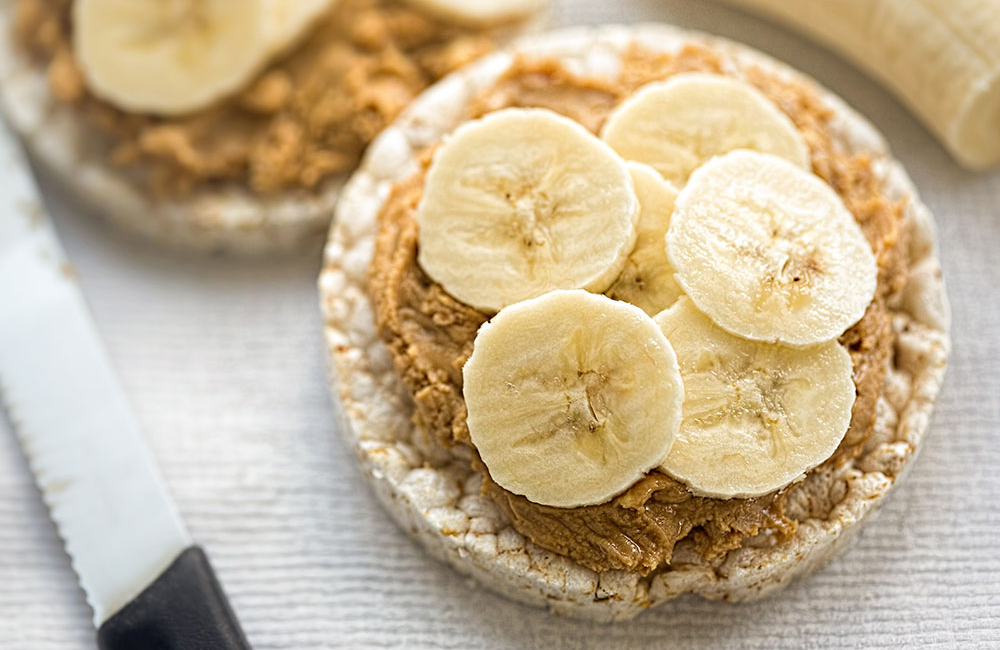
8 rice cakes, 1 Tbsp. peanut butter, ½ banana


Lunch:  

6 oz. chicken, ½ potato w/ 1 tsp margarine, 1 C. summer squash

Snack #2:    

6 oz. plain Greek yogurt, 1 C. berries


Dinner:      

Fish fillet in 1 tsp oil, 1 C. rice, 1 C. green beans

Post-workout:  

30 gm protein powder

LA Fitness Living Healthy subscribe button

Want more? SUBSCRIBE to receive the latest Living Healthy articles right in your inbox!

This article should not replace any exercise program or restrictions, any dietary supplements or restrictions, or any other medical recommendations from your primary care physician. Before starting any exercise program or diet, make sure it is approved by your doctor.

Some questions have been edited for length and/or clarity.

Ask our Dietitian

Have a nutrition question? Our registered dietitian is ready to help!
Email nutrition@lafitness.com or submit your question below and it may be featured in an upcoming article!

3 + 4 =

Recommended Reading - Q+A

Beet Root and Muscle Gain

Beet Root and Muscle Gain

LA Fitness, registered dietitian, Debbie James, discusses recent evidence that suggests beetroot may help with muscle gain.

Recommended Nutrition Apps from an Expert

Recommended Nutrition Apps from an Expert

Nutrition tracking is a great way to monitor your progress and help keep you focused on reaching your nutritional goals. LA Fitness, RDN, Debbie J., offers some advice on her favs!

No Results Found

The page you requested could not be found. Try refining your search, or use the navigation above to locate the post.

It’s LA Fitness’ 33rd Anniversary!

It’s LA Fitness’ 33rd Anniversary!

As LA Fitness celebrates its 33rd anniversary, we are sharing our top 33 articles for your enjoyment! Don’t forget to share your thoughts in the comment section below, we would love to hear from you!

Below are some of our favorite fitness articles, which range from top sport and fitness trends from around the world, to an interactive LA Fitness quiz, and even the first episode of our recently launched Ask A Trainer series! Check out the posts below for some helpful fitness tips and advice to keep your fitness game strong and your knowledge of fitness even stronger.

Who doesn’t love food? It’s tasty, it’s necessary, and we need it to sustain healthy lives. However, most of us lack a deeper understanding of how food actually affects our body. Our registered dietitian, along with a staff of knowledgeable writers, work on providing nutrition articles to help bridge the gap between food fact and fiction. Check out some of our top nutrition articles below, and if you’re still left with nutrition questions of your own, don’t hesitate to ask your own here!

Health and wellness directly correlate with fitness and nutrition, so what can you do to help promote a healthy body? Check out our wellness articles below for helpful tips on keeping your body at its best, both inside and out.

We all have our days where it seems like heading to the gym and eating healthy seems harder than others. Use the inspirational member spotlight stories below to help keep you feeling motivated to hit your fitness goals – we believe in you!


Recommended Reading

Nutritional Advice For Low-Energy Vegans | Q+A

Nutritional Advice For Low-Energy Vegans | Q+A

Question:

Just went vegan about a month ago and I have been feeling tired with low energy. I sleep 8 hours a day or more. I eat oatmeal with hemp and chia seeds and peanut butter for breakfast with almond milk. Lunch is brown rice or quinoa with veggies and beans. Dinner is similar to lunch. I drink 1/2 a gallon to a gallon of water a day. Thanks for reviewing this.

– Adrian

Answer:

Thanks for reaching out, Adrian. At first glance, your described diet seems to be lacking in nuts and greens which provide calcium, zinc, and omega-3 fats. Variety is essential to getting adequate nutrition. Perhaps switch up your peanut butter by including some walnuts during the week. If your calories are still up on your new vegan diet, then I’d consider micronutrient lows since you are feeling tired.

Although a month is a short amount of time, it’s possible you may be slightly anemic.

Iron and Vitamin B-12 are key micronutrients needed to keep red blood cells carrying oxygen. Vegetarian Resource Group of the Academy of Nutrition and Dietetics indicates that for Vitamin B-12, “Non-animal sources include cereals, soymilk, rice milk, and meat analogs that have been fortified with vitamin B12. Also, around two teaspoons of Red Star nutritional yeast T6635, often labeled as Vegetarian Support Formula, supplies the adult Recommended Dietary Allowance.”  Iron is a mineral found in dried beans (such as lentils, kidney beans, and black-eyed peas) and dark green leafy vegetables (such as Swiss chard, bok choy, and kale), as well as blackstrap molasses, tempeh, tahini, bulgur, millet, watermelon and raisins. To increase the absorption of iron from plant foods, consume sources of Vitamin C at the same time. For instance, add a tomato salsa to a bean burrito.

Source: http://www.vrg.org/nutshell/VeganDietsinaNutshellPoster.pdf

– Debbie J., MS, RD

LA Fitness Living Healthy subscribe button

Want more? SUBSCRIBE to receive the latest Living Healthy articles right in your inbox!

This article should not replace any exercise program or restrictions, any dietary supplements or restrictions, or any other medical recommendations from your primary care physician. Before starting any exercise program or diet, make sure it is approved by your doctor.

Some questions have been edited for length and/or clarity.

Ask our Dietitian

Have a nutrition question? Our registered dietitian is ready to help!
Email nutrition@lafitness.com or submit your question below and it may be featured in an upcoming article!

3 + 11 =

Recommended Reading - Q+A

Beet Root and Muscle Gain

Beet Root and Muscle Gain

LA Fitness, registered dietitian, Debbie James, discusses recent evidence that suggests beetroot may help with muscle gain.

Recommended Nutrition Apps from an Expert

Recommended Nutrition Apps from an Expert

Nutrition tracking is a great way to monitor your progress and help keep you focused on reaching your nutritional goals. LA Fitness, RDN, Debbie J., offers some advice on her favs!

No Results Found

The page you requested could not be found. Try refining your search, or use the navigation above to locate the post.