AAT: Ep. 38 – How Can I Maintain My Muscle?
On this episode of ‘Ask A Trainer’ we speak with LA Fitness Pro Results® trainer Morgan C., and get her expert advice on how to properly maintain muscle mass.


LA Fitness Pro Results® Master Trainer, Stone T., and get his expert insight on the stair climbing machine. Is this machine worth the sweat? We find out.

Do you have a fitness question? Ask one of our certified Pro Results® trainers here! Your question may be featured in an upcoming Ask Our Trainer video.**
**Selected submissions will be featured on the LA Fitness blog and possibly other LA Fitness digital media entities & websites. By making a submission, you hereby grant LA Fitness a non-exclusive, perpetual, worldwide, irrevocable license to use and make copies of the contents of such submission for any purpose and in any medium whatsoever, and you hereby waive and relinquish any copyright or other intellectual property right you may have in the contents of such submission and your right to pursue any claim for LA Fitness’s violation of those intellectual property rights.

On this episode of ‘Ask A Trainer’ we speak with LA Fitness Pro Results® trainer Morgan C., and get her expert advice on how to properly maintain muscle mass.
On this episode of ‘Ask A Trainer’ we speak with LA Fitness Pro Results® trainer Morgan C., and get her expert advice on which machines offer a full body workout.
On this episode of ‘Ask A Trainer’ we speak with LA Fitness Pro Results® trainer Morgan C., and get her expert advice on whether or not strength training or cardio should come first when it comes to weight loss.


How do I get rid of runny stools?
– Bjorn

What goes in must come out, so I consider what happens in the bathroom open for discussion here. If you suffer from persistent runny stool, there may be an underlying physical cause or infection and you should first consult a physician*. Aside from medication side effects, if your bowel movements are loose on occasion it could be stress or something you’re eating that ‘disagrees’ with you.
The gut can be affected by not only emotional stress or anxiety, but physical stress as well. (e.g., endurance runners often have colitis, resulting in bathroom issues when they run). A diet change or introduction of new/unusual foods, particularly spicy ones, may prompt your GI system to partially reject what it’s unfamiliar with. Another possibility is that you may have a reduced tolerance for lactose, fructose, gluten or sugar alcohols.
Here are some tips to deal with runny poop:
To help determine if particular foods may be bothering you:
*See a medical doctor if you have chronic diarrhea, defined by 3 or more watery stools per day lasting 4 weeks or more, or if you’ve lost weight unintentionally as you may be at risk for dehydration or malabsorption.
References:
– Debbie J., MS, RD
This article should not replace any exercise program or restrictions, any dietary supplements or restrictions, or any other medical recommendations from your primary care physician. Before starting any exercise program or diet, make sure it is approved by your doctor.
Some questions have been edited for length and/or clarity.
 Have a nutrition question? Our registered dietitian is ready to help!
Email nutrition@lafitness.com or submit your question below and it may be featured in an upcoming article!

Most comfort foods we turn to are heavily laden with fat, starch and calories. There are healthier ways to enjoy down-home classics by making a few tweaks.

Good nutrition is all about variety! Browse through our list of unusual fruits and veggies and give yourself a chance to try something new.

Does liberally salting your food help you pump more iron in the gym? Registered Dietitian, Debbie James, investigates the claims!

Summer and sweat seem to go hand-in-hand. Longer days mean more exposure to the sun and the hotter temps can lead to dehydrated bodies.
Luckily, there are plenty of ways to avoid this and keep your body properly hydrated this summer (and year around).
We spoke with Dr. Ronald Navarro, Orthopedic Surgeon and Sports Medicine Specialist at Kaiser Permanente South Bay Medical Center, and got his take on why staying hydrated is so important.
Q: How much water do people need each day?
Dr. Ronald Navarro: The most agreed upon recommendation is to drink six or eight 8-ounce glasses of water every day. However, some adults may need more or less, depending on their overall health (certain illnesses and/or medications may affect this need), how much they exercise and the level of intensity, and how hot and dry the weather is.
Q: How many people on average, are dehydrated?
Dr. R.N.: Some polls have reported that up to 75% of Americans suffer from chronic dehydration. Anecdotally, we see the rate of dehydration be higher in the summer and fall when temperatures are higher and perspiration or sweating is more pronounced.

Q: On a micro level, why is hydration important?
Dr. R.N.: Water is a basic need for cellular health. Cells contain water and are surrounded by water. In dehydration, cell membranes become less permeable, hampering the flow of hormones and nutrients into the cell and preventing waste products that cause cell damage from flowing out.
Q: On a macro level, why is hydration important?
Dr. R.N.: When we exercise, our bodies cool off by sweating. As we perspire, we lose necessary body fluids. If we do not replace these fluids, we become dehydrated. This makes it difficult to sweat and cool down, which can result in a heat injury.

Understandably, water plays a huge role in keeping our bodies hydrated, healthy, and better functioning when we add some extra H2O to our daily diet.
But if you’re not a fan of chugging water throughout the day, there are other options available to you. Here’s a list of seasonal fruits and vegetables that help hydrate our body provided by Nadia Borchardt, Registered Dietician at Kaiser Permanente South Bay Medical Center.
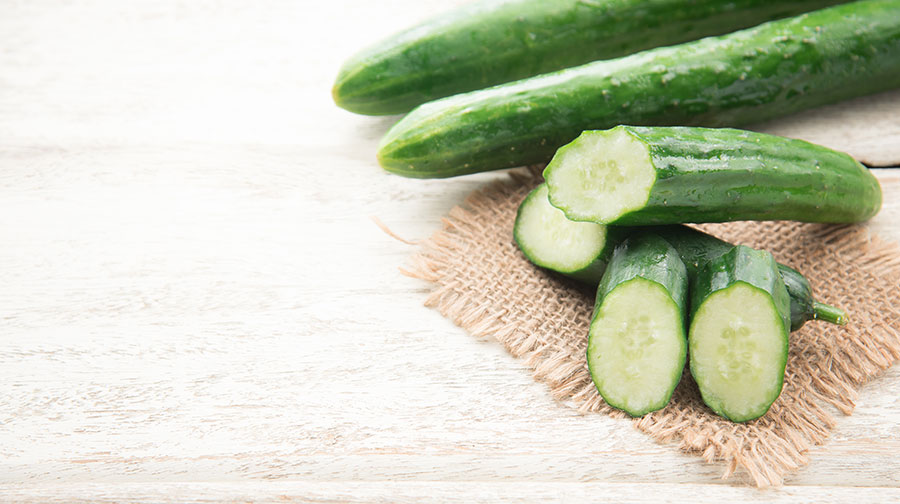
Cucumbers are about 97% water, making them the food with the highest water content. In addition to providing the body with hydration, they also aid in eliminating toxins from the body and are a great source of magnesium and potassium. You can enjoy them in salads or as a snack.
Watermelon is considered a food rich in nutrients and low in calories. About 95% of its content is water and it’s full of electrolytes, which helps prevent dehydration. In addition, watermelon contains a large amount of vitamins A, B6 and C, minerals and antioxidants. Watermelon contains the highest level of lycopene than any other fruit or vegetable. Lycopene is considered a powerful antioxidant that can help protect the body’s cells from harm.

Strawberries are made of 92% water. They are low in calories and like other berries, are rich in antioxidants, vitamins B and C, calcium and potassium.

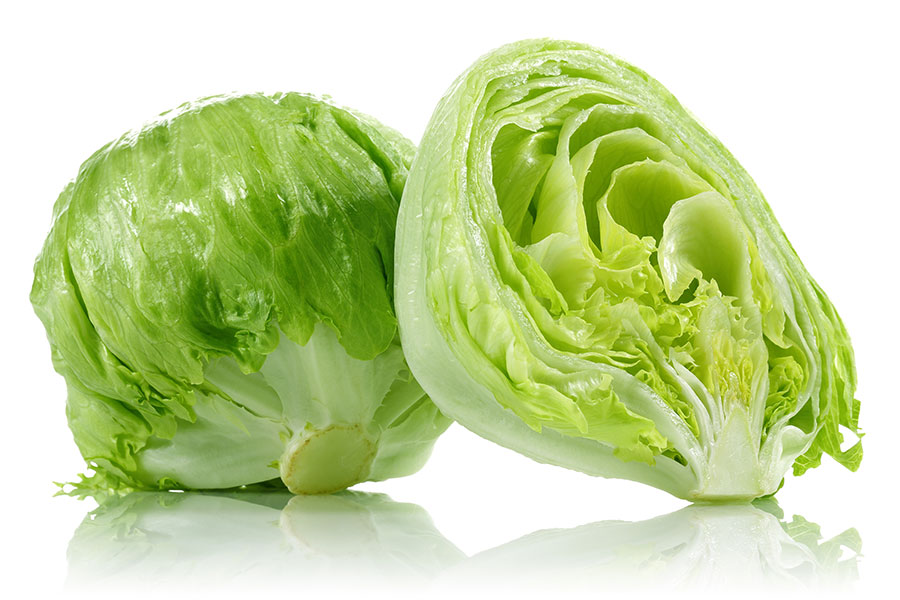
Iceberg lettuce is made of 96% water. Not only will it help quench our thirst, but it will also satiate our hunger.
Peaches contain approximately 88% water. They are rich in fiber, potassium, vitamin C and choline, all substances that support our heart health.

Spinach is about 92% water, making it especially beneficial in keeping you hydrated. Spinach is also rich in magnesium, potassium, and B-vitamins, all of which are known to increase energy.

Celery has a water content of about 95%. It also has natural salts that help to replenish levels of sodium, potassium, magnesium, calcium, phosphorus, iron and zinc in the body.

Questions provided by Mayra Suarez, Senior Media Relations Representative at Kaiser Permanente Southern California.

The Holiday Season can get stressful, so we may stick to a routine for the sake of easy planning. Try any of these 10 simple ideas to bring new life to your Thanksgiving celebrations.

By now, you may have seen some donation boxes at your local LA Fitness. If you haven’t been entirely sure what those boxes are all about, you’re in the right place!
Most comfort foods we turn to are heavily laden with fat, starch and calories. There are healthier ways to enjoy down-home classics by making a few tweaks.
Hi! I have read various articles about healthy salt. Some say Himalayan Pink Salt and another article talks about Celtic sea salt. I know it’s important to get iodine in our diet. Which salt is best?
– Mary F.
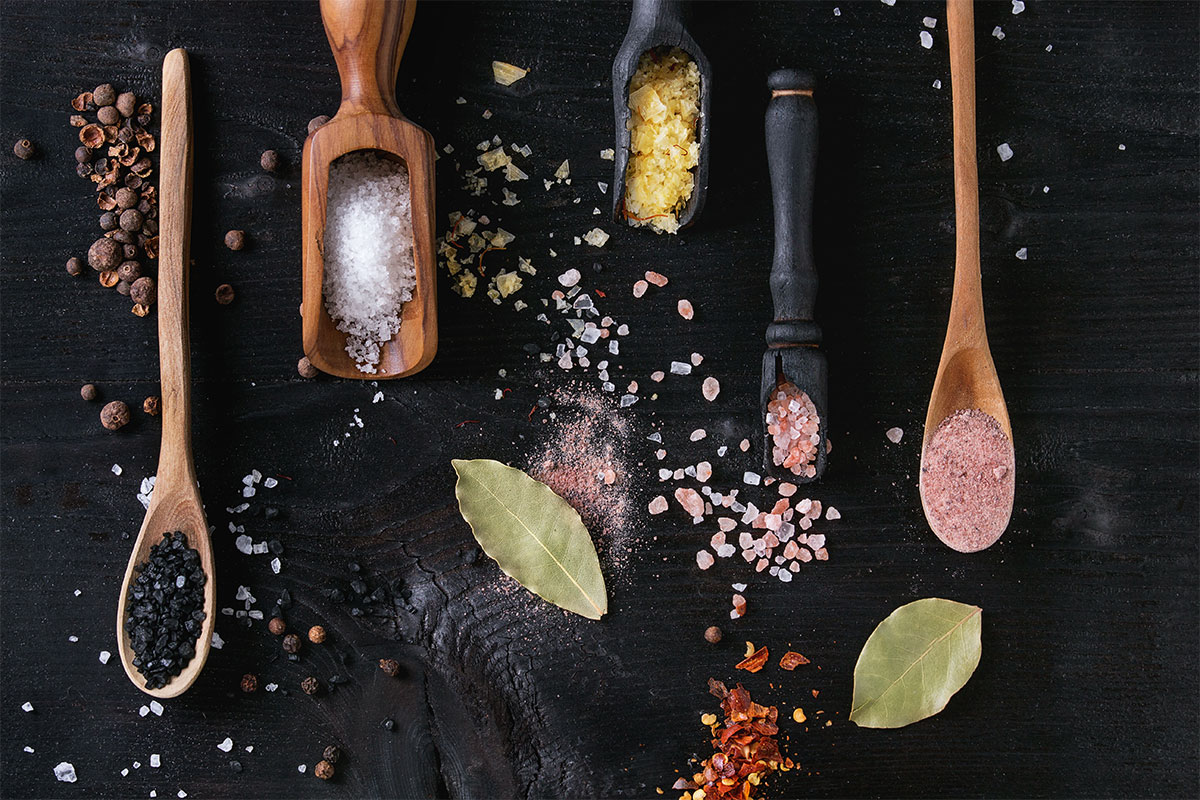
Besides the sodium-chloride compound we know as the base of our table salt, natural salts of the earth contain other elements and possibly some contaminants. In the case of Himalayan pink salt which is harvested from mountains in Pakistan and sun-dried, the mineral content varies by mine since the salt range is so expansive. Iron oxide is evident in the characteristic pink color, while potassium, magnesium and calcium are imperceptible. The content of these trace minerals is so low that it would take cups, if not pounds, of Himalayan salt to make a nutritional impact.
Similar to sea salt procured elsewhere around the globe, Celtic sea salt harvested in seaside fields contains minerals, sediment, and algae that affect its color and taste. It is sun-dried in solar evaporation ponds and contains small amounts of magnesium, potassium, calcium, and to a lesser extent, iodine. Contaminants like microplastics and heavy metals are possible, as there is global ocean pollution and open water circulates.
Granulated table salt is refined to remove such impurities, but other trace minerals are lost and chemical traces remain. Ferrocyanide, talc, and silica aluminate are commonly included in its processing. The addition of potassium-iodide to salt in the United States began as a public strategy for treating goiter and continued as a prevention, much like our fortification of folate in cereals for neural tube defects during pregnancy. About 70% of the table salts sold in the US are iodized and contain additional stabilizers.
Other notable food-grade salts include Kosher salt coarse grains usually processed without iodine, fleur del sel flakes collected from the top of seawater salt ponds, sel gris salt crystals from the bottom of those evaporated ponds, rock salt mined through brining, and those mixed with earthen compounds (such as kala namak, Hawaiian ‘alaea’, and black lava salt).
The best salt for you depends on your concern. If you need to limit sodium intake but want to use a naturally sourced salt, then consider a coarse or “rough” granule of any raw type as there is less packing of salt crystals in a measured volume. If your concern is getting enough iodine, then you can choose a Celtic sea salt and eat sea vegetables, potatoes, cranberries, strawberries, yogurt, navy beans, eggs and salmon for additional iodine.
Of course, if you rarely salt your food or only use small amounts like ¼ teaspoon in baking, the health difference is probably negligible and iodized table salt will work.
– Debbie J., MS, RD
This article should not replace any exercise program or restrictions, any dietary supplements or restrictions, or any other medical recommendations from your primary care physician. Before starting any exercise program or diet, make sure it is approved by your doctor.
Some questions have been edited for length and/or clarity.
Have a nutrition question? Our registered dietitian is ready to help!
Email nutrition@lafitness.com or submit your question below and it may be featured in an upcoming article!
Most comfort foods we turn to are heavily laden with fat, starch and calories. There are healthier ways to enjoy down-home classics by making a few tweaks.
Good nutrition is all about variety! Browse through our list of unusual fruits and veggies and give yourself a chance to try something new.
Does liberally salting your food help you pump more iron in the gym? Registered Dietitian, Debbie James, investigates the claims!
Which rice do you think is the best for all around nutrition, whether you are trying to gain mass or lose weight?
– Allen C.
A particular food’s nutritional value can be interpreted many ways. What you consider to be most nutritious might be the most nutrient dense, highest calorie or healthiest (preventing disease) food. With respect to your question regarding weight change, a single food item plays a small part in an overall varied diet.
See our answer to a similar question last year: Brown Rice vs. White Rice – Which is Healthier? | Q+A
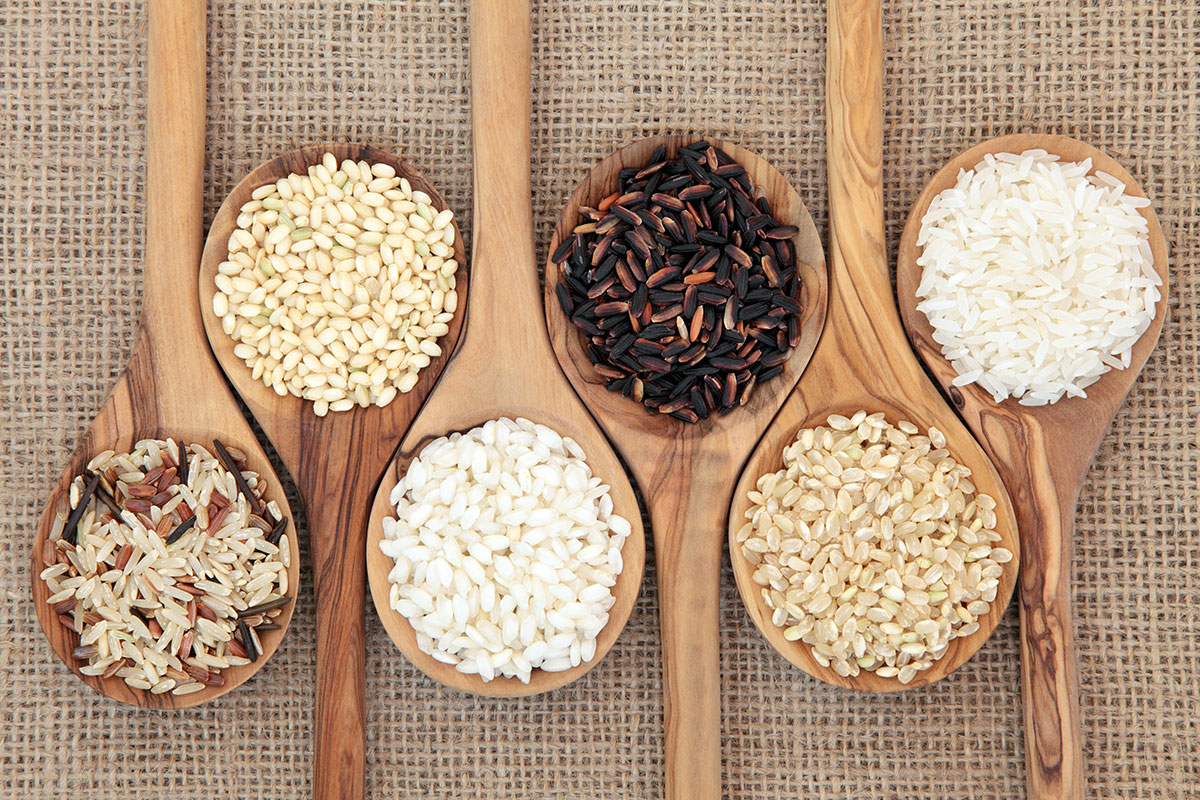
There are nearly 40,000 varieties of rice! My top picks for packing a nutrition punch are wild rice, brown rice, red rice and black rice. Their nutrient and phytochemical content varies as does their speed/completeness of digestion. Method of preparation can affect the starch breakdown and glycemic index, which play a role in satiety and therefore caloric intake. The less processed the better – I’d take fresh cooked white rice over a can of wild rice soup any day. Organically grown rice is less likely to have arsenic and would, therefore, be healthier, though it won’t affect weight directly.
Keep in mind the likelihood of cooking & incorporating these rice types into your preferred dishes and your willingness to try new recipes. If you don’t end up eating it, there is zero nutrition.
– Debbie J., MS, RD
This article should not replace any exercise program or restrictions, any dietary supplements or restrictions, or any other medical recommendations from your primary care physician. Before starting any exercise program or diet, make sure it is approved by your doctor.
Some questions have been edited for length and/or clarity.
Have a nutrition question? Our registered dietitian is ready to help!
Email nutrition@lafitness.com or submit your question below and it may be featured in an upcoming article!
Most comfort foods we turn to are heavily laden with fat, starch and calories. There are healthier ways to enjoy down-home classics by making a few tweaks.
Good nutrition is all about variety! Browse through our list of unusual fruits and veggies and give yourself a chance to try something new.
Does liberally salting your food help you pump more iron in the gym? Registered Dietitian, Debbie James, investigates the claims!