From Craving Chocolate to Paving New Roads
Waleska is a mom with 2 part-time jobs who had a love for chocolate. Despite the time constraints and sweet temptations, she lost over 60 pounds!


This article was originally posted on PR Newswire. All news and content provided by Anthony DeNito and Jon Gudmundsson of Wheel Heroes.
MIAMI, Aug. 15, 2018 /PRNewswire/ — Miami’s Jon Eggert Gudmundsson breaks the Guinness World Record for the longest triathlon to bring attention to Wheel Heroes, a charity which provides specialty bikes to children with disabilities.
WHAT: Jon Gudmundsson has crushed the Guinness World Record for the Longest Triathlon. The current record is 3,762 miles. Jon will complete 4,847 miles of Running, Cycling and Swimming.
WHO: Jon Eggert Gudmundsson is called “The Viking” by locals. In 2006, he became the only person to walk the circumference of Iceland – 2,300 miles in five months. In 2016, he became the only person to cycle the same route.
Several years ago, Jon’s car broke down and he decided that he didn’t really need to drive anymore. So he left the car and started cycling everywhere he went. He often participates in cycling events around Florida. He rides to the events, participates in the events, then he cycles home, often taking the scenic route.
Jon loves cycling and feels that all children, even those with disabilities, should experience that same joy. “It gives them independence, exercise and the therapy they need.” His mission during his record attempt is to draw attention to the Wheel Heroes charity which provides specialty bikes to children with disabilities. Donations to Wheel Heroes can be made at jonthewheelhero.com.
WHEN: Jon has already passed the Guinness World Record and will continue to add miles until his final date of Aug. 26, 2018, at the LA Fitness swimming pool at 20505 S Dixie Hwy., Cutler Bay, FL 33189 at 3 p.m.
WHERE: Jon will complete the last mile in the LA Fitness swimming pool at 20505 S Dixie Hwy., Cutler Bay, FL 33189 at Aug. 26, 2018, at 3 p.m.

Image provided by Wheel Heroes.
MEDIA CONTACT:
Anthony DeNito: 305-323-5195, news@anthonydenito.com, www.wheelheroes.co
Wheel Heroes Inc. is a Non-Profit charity 501(c)(3)
Anthony DeNito
305-323-5195
RE/MAX ADVANCE REALTY
myrealtor@anthonydenito.com
www.facebook.com/anthonydenito
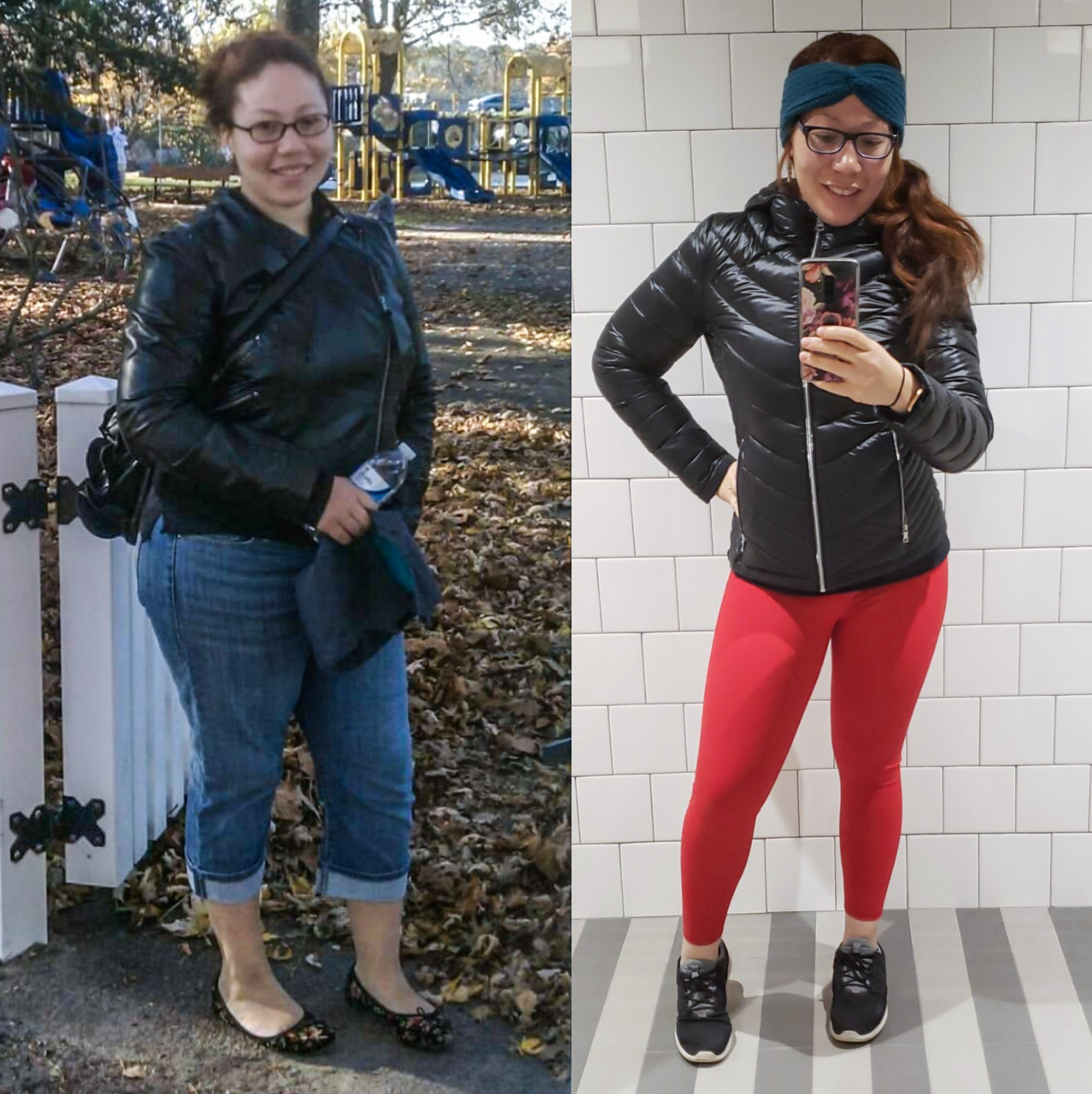
Waleska is a mom with 2 part-time jobs who had a love for chocolate. Despite the time constraints and sweet temptations, she lost over 60 pounds!
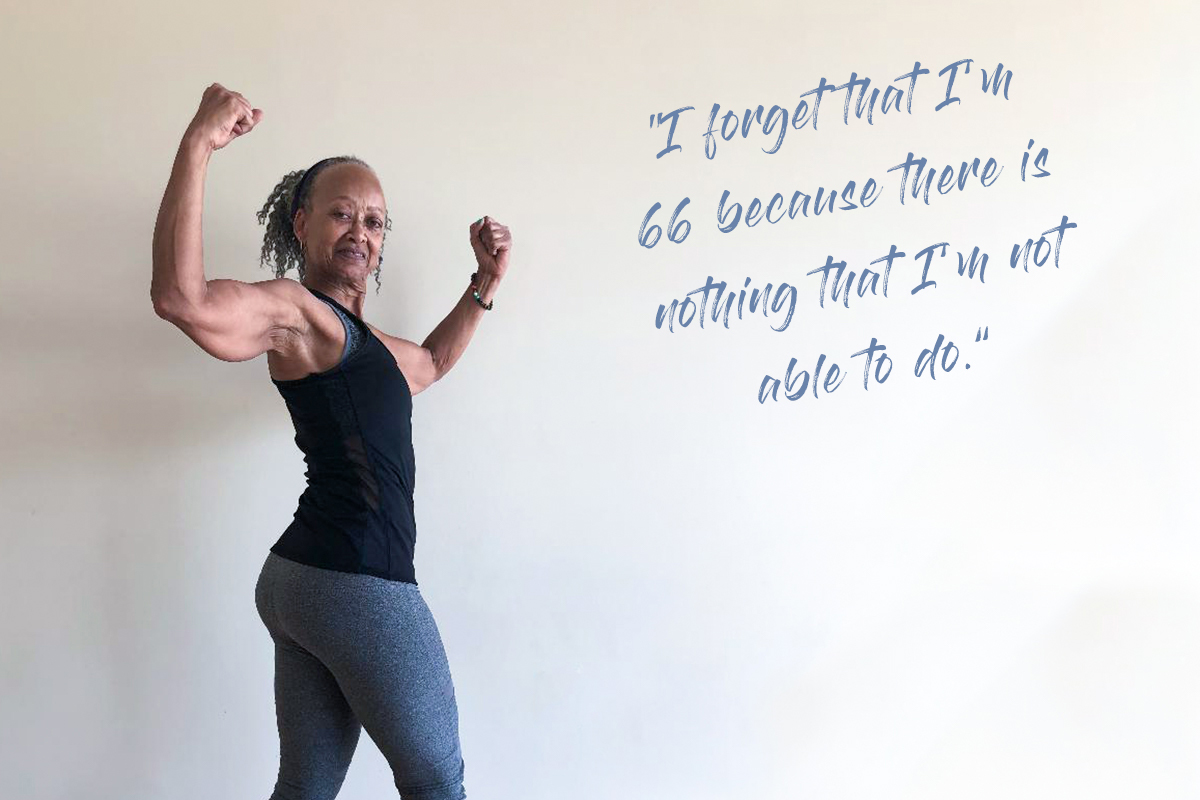
Many of us pair the idea of aging with decreased mobility and various aches. Yet, Patricia’s story shows us just how wrong that notion can be.

Ann shares how, despite back problems, strokes, and surgeries, she is well on her way to achieving her goal of losing 90 to 100 pounds!


I am a member of LA Fitness in Marietta, Georgia and I saw an advertisement about you accepting email questions. I was wondering what you think about 16-8 fasting diet. My doctor told me about it. I’ve read a lot about it but it appears it’s just for obese people which I’m not. I need to lose about 10 to 15 pounds. Any advice would be much appreciated.
– Donna G.

From what I know of this variation of increasingly popular intermittent fasting, the 16-8 approach is strictly time based, with eating condensed into 8 hours after a 16 hour fast. Periodic fasting (time restricted feeding) allows one to forgo traditional calorie-counting in an attempt to reduce overall caloric intake. Successful long-term weight loss methods also incorporate routine food intake recording, weight monitoring and 150 minutes per week of moderate intensity exercise.
Current articles show the following about intermittent fasting… In a small New Zealand study1 of 37 subjects with type 2 diabetes and obesity, 5:2 fasting over 12 weeks improved weight, HgA1C, fasting glucose, and reduced need for medication, though there were more hypoglycemic events. An even smaller pilot study2 on obese individuals following 16-8 fasting over 12 weeks resulted in lower systolic blood pressure, reduced daily intake by approximately 340 calories, and nearly 3% loss of body weight compared to controls. A Registered Dietitian’s review3 concluded that “There’s clear disagreement even among researchers on the benefits of fasting and which type of fasting would be best for which individuals,” yet “Fasting may be a viable weight loss option for obese individuals who can’t stick to a daily calorie restriction.”
The effect on normal-weight individuals is not known. See our previous answer to “Will intermittent fasting help me lose weight?” by clicking here.
References:
– Debbie J., MS, RD
This article should not replace any exercise program or restrictions, any dietary supplements or restrictions, or any other medical recommendations from your primary care physician. Before starting any exercise program or diet, make sure it is approved by your doctor.
Some questions have been edited for length and/or clarity.
 Have a nutrition question? Our registered dietitian is ready to help!
Email nutrition@lafitness.com or submit your question below and it may be featured in an upcoming article!

Most comfort foods we turn to are heavily laden with fat, starch and calories. There are healthier ways to enjoy down-home classics by making a few tweaks.

Good nutrition is all about variety! Browse through our list of unusual fruits and veggies and give yourself a chance to try something new.

Does liberally salting your food help you pump more iron in the gym? Registered Dietitian, Debbie James, investigates the claims!

What are the recommended daily allowances for the areas below? For reference, I’m an LA Fitness member, a female aged 50, 135 lbs., and 5’6”.
– Loretta H.
If I were to create a profile with your age, height, weight, and gender in a decent diet analysis program, it would compare your food record to the following US RDAs [or alternative value] for women age 31-50 years, given in amounts per day:
– Debbie J., MS, RD
This article should not replace any exercise program or restrictions, any dietary supplements or restrictions, or any other medical recommendations from your primary care physician. Before starting any exercise program or diet, make sure it is approved by your doctor.
Some questions have been edited for length and/or clarity.
Have a nutrition question? Our registered dietitian is ready to help!
Email nutrition@lafitness.com or submit your question below and it may be featured in an upcoming article!
Most comfort foods we turn to are heavily laden with fat, starch and calories. There are healthier ways to enjoy down-home classics by making a few tweaks.
Good nutrition is all about variety! Browse through our list of unusual fruits and veggies and give yourself a chance to try something new.
Does liberally salting your food help you pump more iron in the gym? Registered Dietitian, Debbie James, investigates the claims!

I try to gain muscle by eating a lot. Unfortunately, I have high blood pressure, high cholesterol, and diabetes. After joining LA Fitness, my weight has gone down and I’m still skinny. How can I grow some muscle so that I won’t scare people away due to looking like a skeleton? I appreciate you very much for your help!
– Kristine K.
Given your multiple conditions, you should consult with a Registered Dietitian Nutritionist for personalized advice according to your lab values and medications. If you choose to incorporate the following nutritional recommendations, do so only if you are under routine physician’s care for your blood pressure, cholesterol, and blood sugar. These suggestions focus on nutrient density for muscle growth.
Include 1-2 tablespoon of raw nuts daily. Full of heart-healthy fats and calories with a little fiber, these won’t raise blood sugar or blood pressure. One ounce of almonds provides 164 calories.
Use tortillas instead of bread. Increased density without the pockets of air from leavened bread means more energy per bite. By turning to burritos or wraps in place of toast and sandwiches, you could add 100 calories to each meal (10-12” flour tortilla = ~220-350 Cals vs. 2 slices regular bread = 150 Cals).
Focus on potassium and energy-rich produce. Bananas, sweet potatoes, peas, and avocados are notably high in potassium which is important for proper fluid balance and thus blood pressure. Winter squash and beans are also significant plant sources with notable calories.
Increase eating sessions instead of volume. More frequent servings allow your body to better process your food without overload. By giving yourself a bonus low-sodium snack before bedtime, you can add calories without spiking your blood pressure and blood sugar.
Maximize your workouts. You’re not going to grow muscle tissue by eating alone! Muscles need a greater stress than they currently experience in order to increase in size and strength. Meet with a Pro Results® personal trainer for the best instruction on specific exercises to grow muscle.
– Debbie J., MS, RD
This article should not replace any exercise program or restrictions, any dietary supplements or restrictions, or any other medical recommendations from your primary care physician. Before starting any exercise program or diet, make sure it is approved by your doctor.
Some questions have been edited for length and/or clarity.
Have a nutrition question? Our registered dietitian is ready to help!
Email nutrition@lafitness.com or submit your question below and it may be featured in an upcoming article!
Most comfort foods we turn to are heavily laden with fat, starch and calories. There are healthier ways to enjoy down-home classics by making a few tweaks.
Good nutrition is all about variety! Browse through our list of unusual fruits and veggies and give yourself a chance to try something new.
Does liberally salting your food help you pump more iron in the gym? Registered Dietitian, Debbie James, investigates the claims!

Let’s start with the facts.
Statistically speaking, you have a greater chance of getting struck by lightning than winning the lottery. (Almost 4 times more likely, actually).
Still, chances are you’ve tried your luck at it a time or two –
So, why not take a gamble on yourself? Whether it’s fear of failure, lack of motivation, or countless other reasons that have held you back from hitting the jackpot on your life, let’s make the conscious decision to cross that bridge together today.
Unlike the lottery, when it comes to fitness and nutrition the odds are in your favor.
I’m sure some would argue this point, but here’s why it’s true:
There could be a million reasons not to start something, but if you can find one reason to begin that’s all you need.
That small step in the right direction is your way of taking control of your life and getting one step closer to winning life’s jackpot.
If someone else could win the lottery, why can’t you? If someone else could turn their health and fitness around, why can’t you?
You can do it and if you feel like you can’t, LA Fitness will help you get there. Try us out and see what you think. And if you’re already a member who is struggling to stay on track, talk to a Pro Results® certified personal trainer for what the best option would be for you.
Taking chances can be scary, but taking a chance on yourself could be the greatest gamble you ever make.
Need a little extra motivation? Check out some of the additional articles below.

The Holiday Season can get stressful, so we may stick to a routine for the sake of easy planning. Try any of these 10 simple ideas to bring new life to your Thanksgiving celebrations.

By now, you may have seen some donation boxes at your local LA Fitness. If you haven’t been entirely sure what those boxes are all about, you’re in the right place!
Most comfort foods we turn to are heavily laden with fat, starch and calories. There are healthier ways to enjoy down-home classics by making a few tweaks.