These 7 Foods Help Promote Brain Health

These 7 Foods Help Promote Brain Health

It takes more than regular walks and the daily crossword to keep your brain in top cognitive shape! What you eat plays a larger role in mental fitness and preventing age-related decline in brain function. Like the rest of your body, the brain needs to be properly nourished from the start for optimum performance. An overall healthy diet is great, in addition there are certain types of food that promote brain health. Here’s a rundown of these brain preservers: 

1. Fish 

Oily fish like wild salmon, albacore tuna and sardines provide docosahexaenoic acid (DHA), a type of omega-3 essential for brain development and function, helping neurons trigger and cells regenerate. Long-term intake of adequate DHA has been linked to improved memory and learning ability. People who regularly eat fish are less likely than their peers to have depression. In fact, the American Psychiatric Association has endorsed the fatty acids in fish as an effective part of depression treatment.1  

You can’t start too early! The FDA and EPA agree eating fish is especially important for pregnant or nursing women because it helps with the growth and development of children’s brains and even helps boost IQ.  

Vegans can get their omega-3s from flaxseed, walnuts, chia seeds, algae-like seaweed or supplements.

2. Leafy greens  

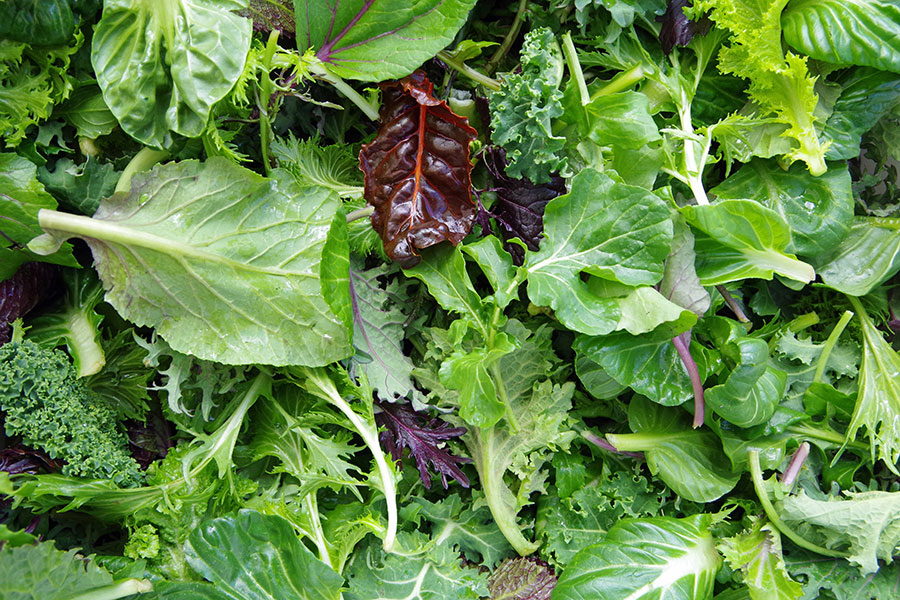
Green leafy vegetables like spinach, kale, and collard greens provide vitamin K, folate, beta carotene, and lutein – nutrients that may support brain function and cognitive health.2 Eat at least one-half cup serving of leafy greens daily to get enough of these neuroprotective compounds. 

3. High antioxidant foods  

Powerful oxidation fighters that protect the brain3 are found in vegetables (broccoli, leafy greens), fruits (berries), nuts and the spice curcumin. Antioxidants’ positive effects on neural function are the reason why such foods are encouraged for younger people to slow age-related memory decline and prevent Alzheimer’s disease.  

4. Heart-healthy diet 

A cardiovascular protective diet is an important factor in battling age-related declines in brain function. Cerebrovascular disease, Alzheimer’s disease, and dementia are linked by the circulatory system; vascular cognitive impairment and vascular dementia stem from damage to the vessels leading to the brain. 

Good nutrition in younger people is associated with better blood flow and increased brain size, thus protecting the brain from age-related volume decrease. Also, maintaining a healthy weight may preserve gray matter from dementia-related decline.4  

5. Potassium-rich foods 

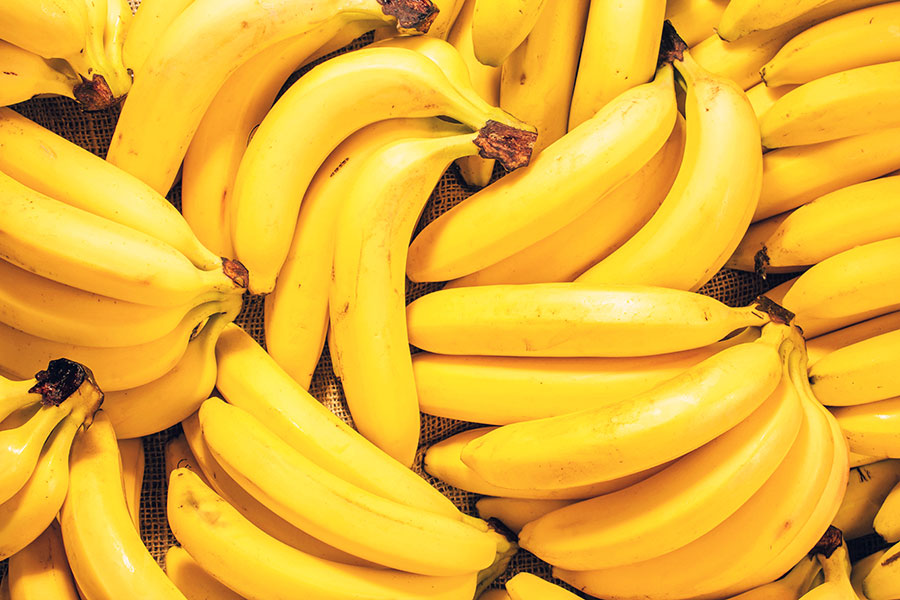
Because they counteract the effects of sodium on fluid balance, potassium-rich foods are important to combat hypertension, a well-documented risk factor for dementia. Potassium-rich foods include potatoes, tomatoes, bananas, coconut water, avocado and winter squash. 

The National Academy of Sciences even assigned “managing blood pressure for people with hypertension” as one of the three classes of interventions to prevent cognitive decline.5 And the MIND diet (a combination of DASH “Dietary Approaches to Stop Hypertension” with a Mediterranean diet) is associated with preservation of stroke survivors’ brain function. 

6. Mediterranean diet 

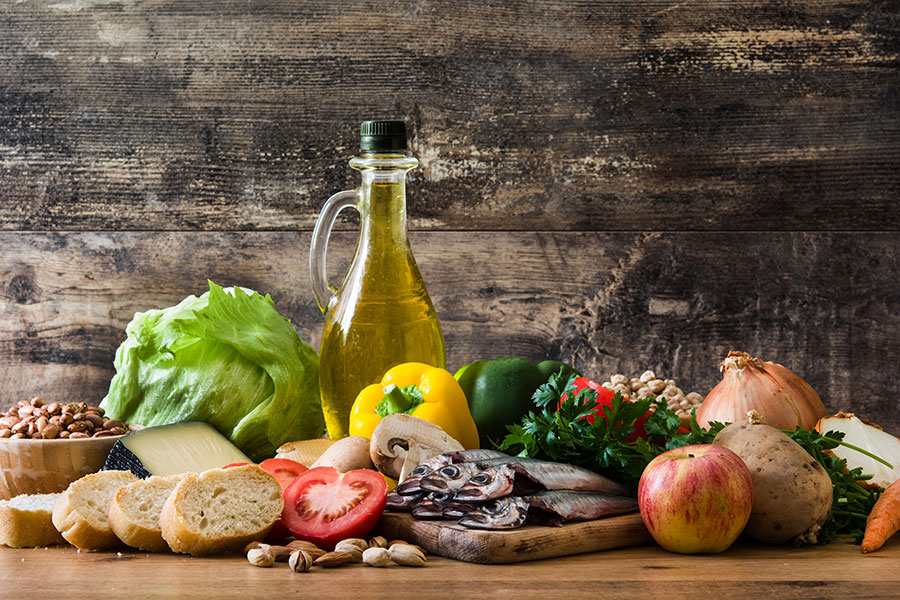
Following a Mediterranean diet might improve cognitive function in seniors and delay the onset of Alzheimer’s disease by a few years.6,7,8 A Mediterranean diet is characterized by high intake of vegetables, legumes, fruits, cereals, fish and unsaturated fatty acids (mostly as olive oil), low intake of saturated fatty acids, meat and poultry, low/moderate intake of dairy products and a regular but moderate amount of alcohol (mostly wine drank at meals). 

7. Coffee 

Coffee consumption is correlated with a reduced risk of developing Alzheimer’s disease and Parkinson’s disease.9 This neuroprotective benefit is independent of caffeine but may be related to the roasting process due to one of coffee’s polyphenolic compounds.10  

The Takeaway 

Whether you choose fish, potassium-rich fruits and vegetables, coffee or an array of heart-healthy powerhouse foods it’s possible to boost brain power, function, and mental wellness while forestalling degenerative brain disease through diet. Nutrition is often the best medicine – now that’s food for thought! 

References: 

  1. Complementary and Alternative Medicine in Major Depressive Disorder: The American Psychiatric Association Task Force Assessment of the Evidence, Challenges, and Recommendations. American Psychiatric Association, June 2009. file:///C:/Users/Lilde/Downloads/rd2009_CAM.pdf  Accessed 3/18/2019 
  2. Leafy Greens are Good for the Brain. Gina Shaw. American Academy of Neurology. Brain & Life, Oct/Nov 2018. https://www.brainandlife.org/the-magazine/article/app/14/5/14/leafy-greens-are-good-for-the-brain Accessed 3/18/19 
  3. Brain Foods: The Effects of Nutrients on Brain Function. F Gomez-Pinilla. Nature Reviews Neuroscience. 2008 Jul; 9(7): 568-578. 
  4. Obesity Linked to Dementia Risk– Gray matter atrophy tied to BMI and other obesity metrics. Judy George. 1/9/2019.  https://www.medpagetoday.com/neurology/dementia/77340  Accessed 3/1/2019 
  5. Preventing Cognitive Decline and Dementia: A Way Forward. National Academies of Sciences Engineering Medicine. 2017. ISBN 978-0-309-45959-4 
  6. Mediterranean diet and 3-year Alzheimer brain biomarker changes in middle-aged adults. V Berti, et al. Neurology. May 15, 2018; 90 (20). 
  7. Adherence to a Mediterranean diet and Alzheimer’s disease risk in an Australian population. S Gardener, et al. Translational Psychiatry. 2012 Oct; 2(10): e164. 
  8. Mediterranean diet nutrients tied with healthy brain aging. Catharine Paddock. 12/21/2018. https://www.medicalnewstoday.com/articles/324064 Accessed 3/1/2019 
  9. Coffee and its consumption: benefits and risks. MS Butt, MT Sultan. Critical Reviews in Food Science and Nutrition. 2011 Apr; 51(4): 363–373. 
  10. Phenylindanes in Brewed Coffee Inhibit Amyloid-Beta and Tau Aggregation. RS Mancini, Y Wang, DF Weaver. Frontiers in Neuroscience. 2018 Oct 12; 12:735. 

Recommended Reading

Good carbs vs bad carbs
Debunking Diet Myths

Debunking Diet Myths

With so many sources offering nutrition advice, it’s hard to know what’s true. Even factual information can become distorted by the time it reaches you. Like a game of telephone, the message often changes as it’s passed along. Here, we debunk 5 common diet myths to...

Are Sun-Dried Raisins Actually Healthy?

Are Sun-Dried Raisins Actually Healthy?

Question:

What are the good and bad points of sun-dried raisins?

– Anthony A.

Answer:

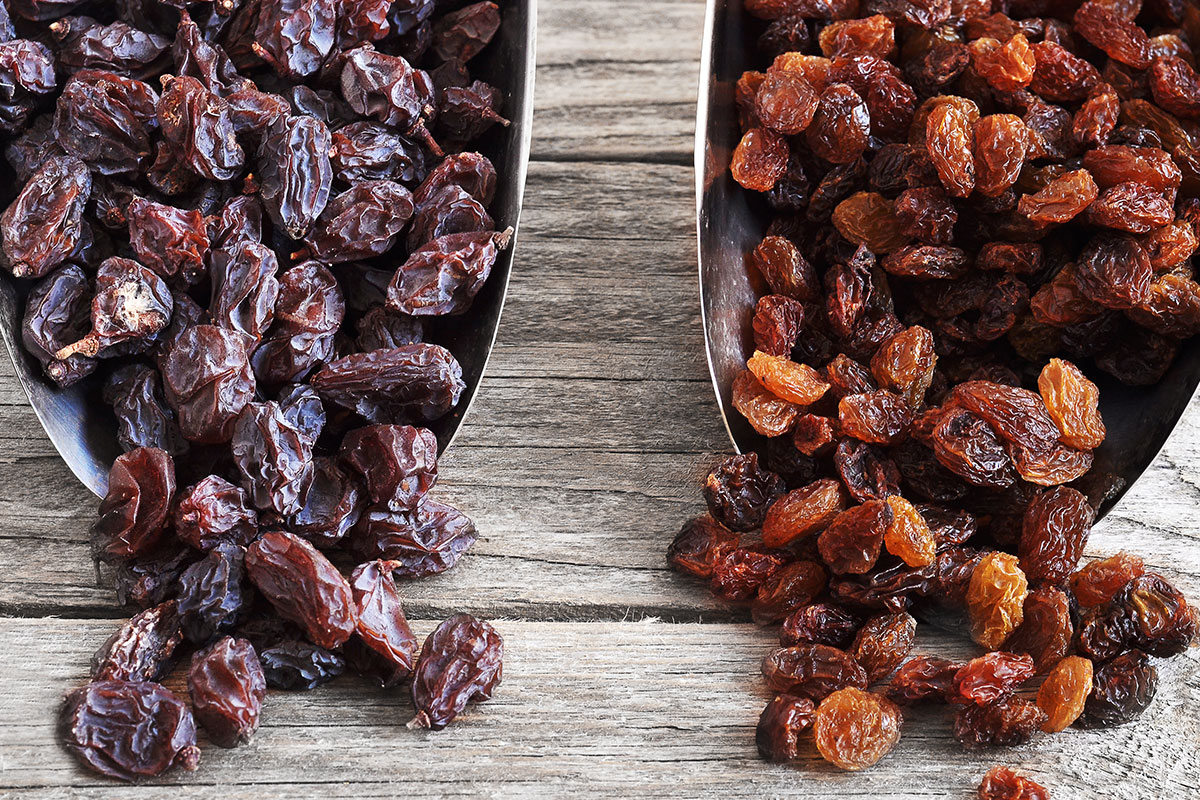
Raisins are typically from Thompson Seedless Grapes in California that have been sun-dried (on vine or on paper trays), shade-dried or mechanically dehydrated. Regardless of the drying method, raisins usually undergo additional processing such as rinsing, stem removal and in the case of golden raisins, the addition of sulfur dioxide (to retain color). The benefit of sun-drying to a dark brown color is that the raisins are not chemically treated.

A ¼ Cup serving of raisins provide approximately 120 calories, 2 gm fiber, 310 mg potassium, 6% DV iron, 2% DV calcium, and antioxidants known as catechins. Depending on your perspective or weight goals, the energy density of raisins could be a good or bad point. Though they are more sugar-rich (by weight) than grapes, their vitamins and minerals are more concentrated, too. This is true of all dried fruits versus fresh.

Resources:

  1. The California Raisin Industry. CalRaisins.org accessed 4/9/2019
  2. Raisin growers find their place in the sun. Ching Lee. California Country Magazine, Jan./Feb. 2010. http://www.californiabountiful.com/features/article.aspx?arID=651 accessed 4/9/2019

– Debbie J., MS, RD

This article should not replace any exercise program or restrictions, any dietary supplements or restrictions, or any other medical recommendations from your primary care physician. Before starting any exercise program or diet, make sure it is approved by your doctor.

Some questions have been edited for length and/or clarity.

Ask our Dietitian

Have a nutrition question? Our registered dietitian is ready to help!

Email nutrition@lafitness.com or submit your question below and it may be featured in an upcoming article!

10 + 6 =


Recommended Reading - Q+A

Good carbs vs bad carbs
Debunking Diet Myths

Debunking Diet Myths

With so many sources offering nutrition advice, it’s hard to know what’s true. Even factual information can become distorted by the time it reaches you. Like a game of telephone, the message often changes as it’s passed along. Here, we debunk 5 common diet myths to...

How to Read A Nutrition Label – Podcast Ep. 21

How to Read A Nutrition Label – Podcast Ep. 21


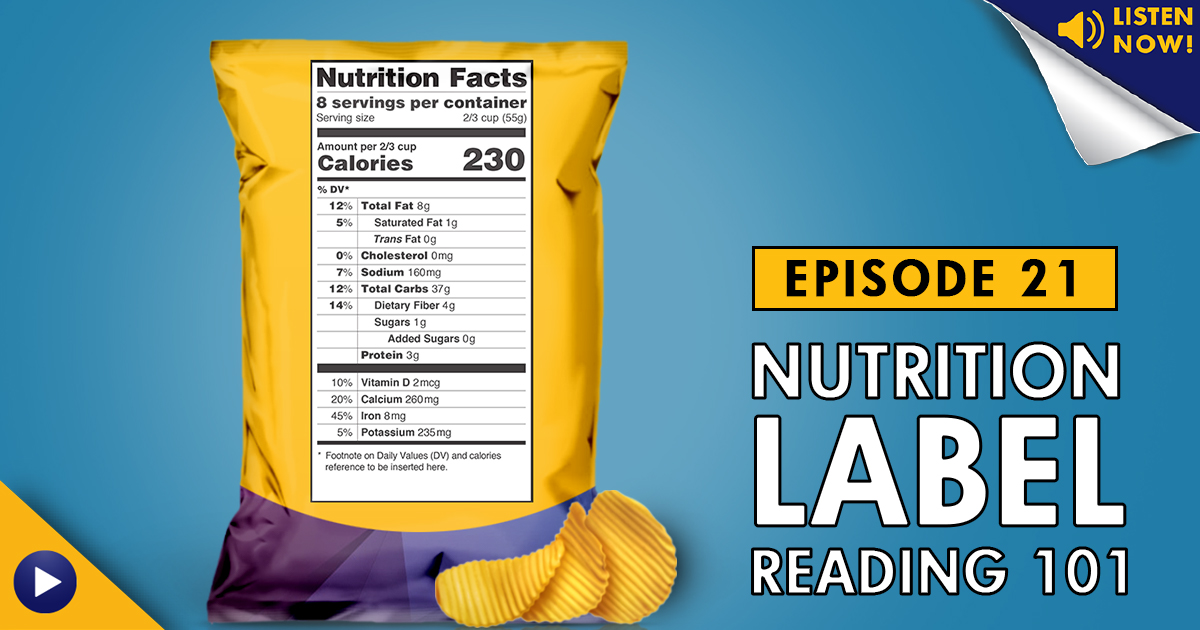
Welcome to the 21st episode of the Living Healthy Podcast, presented by LA Fitness.

On this episode of the Living Healthy Podcast, we have a listener favorite on the show, Dietitian Debbie, who helps us better understand nutrition labeling and we hear all about Andrew’s love for popcorn (and more importantly, his confusion about popcorn nutrition labels!) 

How Are We Doing? 


This podcast should not replace any exercise program or restrictions, any dietary supplements or restrictions, or any other medical recommendations from your primary care physician. Before starting any exercise program or diet, make sure it is approved by your doctor.


Timecard Markers – Nutrition Label Reading – Podcast Ep. 21

Intro     

Begins at 0:01     

“The History Lesson You Never Knew You Wanted” re: Nutrition Labels 

Begins at 1:07    

Dietitian Debbie Joins the Show 

4:47 

Why Are Nutrition Labels Important? 

5:00 

Nutrition Label – Serving Sizes 

6:00 

Caloric Food Tracking 

8:15 

Nutrition Label – Calories 

10:05 

Nutrition Label – Total Fat (Macronutrient #1) 

11:20 

Trans Fat and Saturated Fats – How Many Grams Are Too Much? 

12:34 

Why is Fat Known as a Macronutrient?  

13:52 

Nutrition Label – Cholesterol 

14:30 

Nutrition Label  Sodium (and Potassium) 

15:43 

Nutrition Label – Carbohydrates (Macronutrient #2) 

17:38 

Nutrient Label – Protein (Macronutrient #3) 

18:46 

Why is Protein So Important? 

20:21 

Nutrition Label – Vitamin and Mineral Section  

21:05 

Should Everyone Take a Daily Vitamin? 

21:57 

Nutrition Label – Footnote Disclaimer 

24:07 

Nutrition Label – Ingredients Section 

25:14 

Avoid These Unhealthy Ingredients  

29:12 

UH OH – Andrew’s Popcorn Rant  

30:42 

**MATT SAVES THE SHOW** 

31:37 

New Nutrition Labeling Laws Coming Soon 

32:57 

Show Wrap Up 

36:23 


Recommended Podcast Episodes 

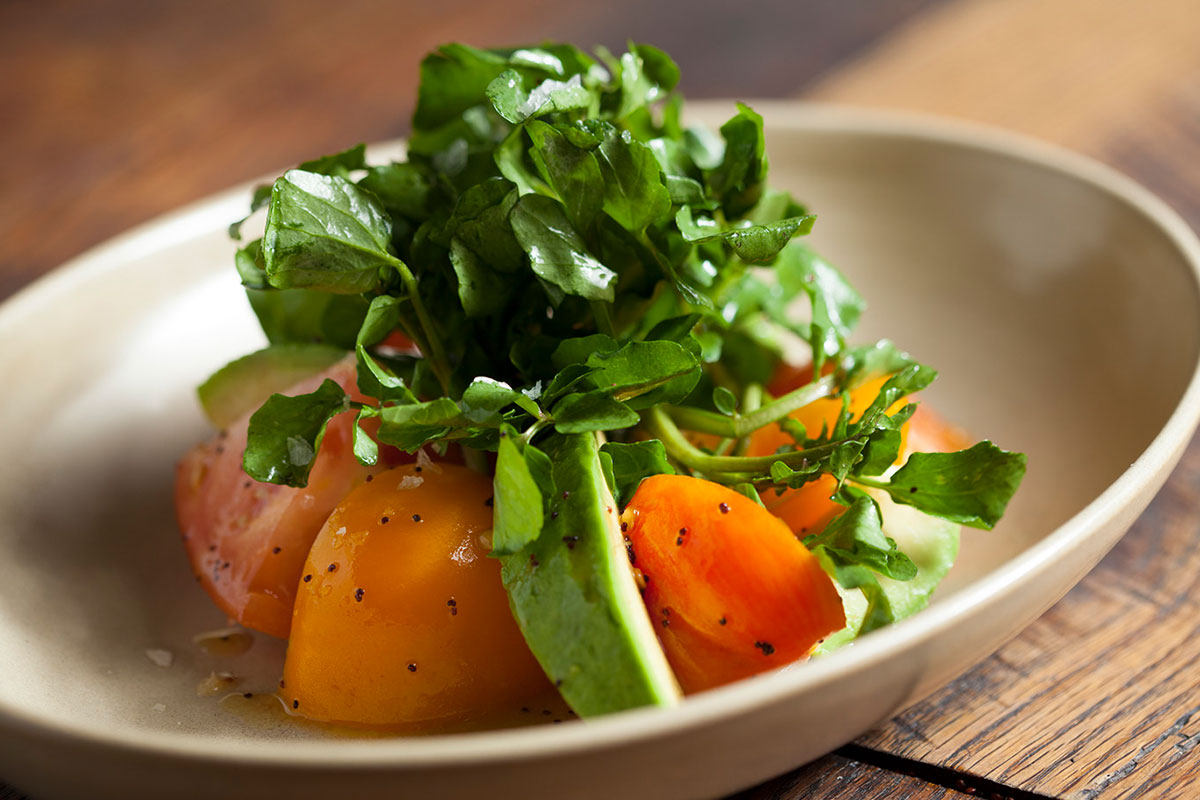
Tomato Avocado Salad with Poppy Seed Dressing from Water Grill

Tomato Avocado Salad with Poppy Seed Dressing from Water Grill

“Healthy and fresh food should be food that not only is good for your body, but it should also be flavorful. This salad is a great example of that. It’s made with seasonal tomatoes, field fresh watercress and ripe avocados. The dressing is light and fresh tasting and ties it all together.”

Chef Brian Okada

Culinary Director , Water Grill


Water Grill is located at 615 J Street, San Diego, CA 92101. Open Sunday-Thursday 11:30am-11pm, and Friday-Saturday 11:30am-Midnight. For the menu and additional details, please visit http://www.watergrill.com/.


Tomato Avocado Salad with Poppy Seed Dressing from Water Grill

Photo Credit: Courtesy of King’s Seafood Company

Ingredients

For the Tomato Avocado Salad

  • Heirloom Tomato – 7oz (approximately 1 each, cut into 6 wedges)
  • Avocado – ½ each (cut into 4 slices)
  • Poppyseed Dressing – 1 fl oz
  • Watercress – ½ oz (approximately ¼ bunch, tops only)
  • Black Pepper – pinch
  • Maldon Salt – pinch

For the Poppy Seed Dressing

  • White Wine Vinegar – 6 fl oz
  • Poppy Seeds – ½ oz
  • Extra Virgin Olive Oil – 6 fl oz

Method

Step 1:

  • Place the wedges of tomato around the center of a low profile bowl.
  • Add the avocado.
  • Top the tomato and avocado with the poppyseed dressing and sprinkle with Maldon salt and fresh ground black pepper.
  • Place the watercress over the center of the tomato and avocado salad.
  • The tomato and avocado should be visible below the watercress.

Step 2:

  • Enjoy!

Featured Recipes

Fast Food and Your Body – Podcast Ep. 20

Fast Food and Your Body – Podcast Ep. 20


Welcome to the 20th episode of the Living Healthy Podcast, presented by LA Fitness.

On this episode of Living Healthy, we bring back a favorite to the show, LA Fitness registered dietitian, Debbie James! We talk all about one of everyone’s guilty pleasures, fast food. It’s not a surprise to anyone that fast food is unhealthy, but yet so many still indulge in it! Why is this? What makes fast food so addictive? And is there a way to detox from it without putting your body into shock?

We answer all of these questions (and more), along with announcing the winner of our first-ever #LHP giveaway!

Stick around to the end of the episode for some truly horrible “whooshing” sound effects from Andrew and myself. We love making this content for you all and we hope you enjoy it!

Email us or hit us up on social media using the hashtag #LivingHealthyPodcast. Share what you love about us and you may get a shoutout on a future episode! 

How Are We Doing? 


This podcast should not replace any exercise program or restrictions, any dietary supplements or restrictions, or any other medical recommendations from your primary care physician. Before starting any exercise program or diet, make sure it is approved by your doctor.


Timecard Markers – Fast Food and Your Body – Podcast Ep. 20

Intro

Begins at 0:01

LA Fitness Registered Dietitian, Debbie James, joins the show

Begins at 0:36

What is Considered “Fast Food”? 

0:44

What is it Exactly About Fast Food That Makes It Unhealthy?

1:19

Why Are Fast Foods So Overly Processed?

2:14

Deli Meats vs. Packaged Meats vs. Fresh Carved – What’s Healthiest?

3:16

Flavor Enhancers and How They Influence Taste Buds

4:17

QUICK BREAK – LHP GIVEAWAY CONTEST WINNER ANNOUNCEMENT

6:22

Healthy Fast Food Options

7:01

How Does Fast Food Affect the Body and Internal Organs?

8:42

Can You Reverse the Damage Done to Your Body from Fast Food?

11:00

Can a Fast Food Detox Shock the Body?

12:13

Fast Food Fruit Smoothies – Healthy?

14:07

Is Fast Food Addictive?

16:30

Quick and Healthy Alternatives

19:44

Don’t Burst My Bubble, Debbie! Is Diet Soda Healthy?

20:37

Actionable Advice

22:20

Outro

23:40


Recommended Podcast Episodes