Healthy Lunch Suggestions For Work

Healthy Lunch Suggestions For Work

Question:

Two questions for you, actually! Hope you don’t mind!

1.) I’m struggling to think of easy, healthy options to take with me to work to eat for lunch. I’m not much of a meat eater, but I do like chicken. Any suggestions?

2.) I’m also struggling with the fact that it’s winter, and all my cravings seem to be the warm, unhealthy “comfort foods”. I’m lately craving mac and cheese, heavy soups, and things of that nature. Any suggestions for something that’s “warm and cuddly” without all the fat and calories? Thank you so much!

– Megan K.

Answer:

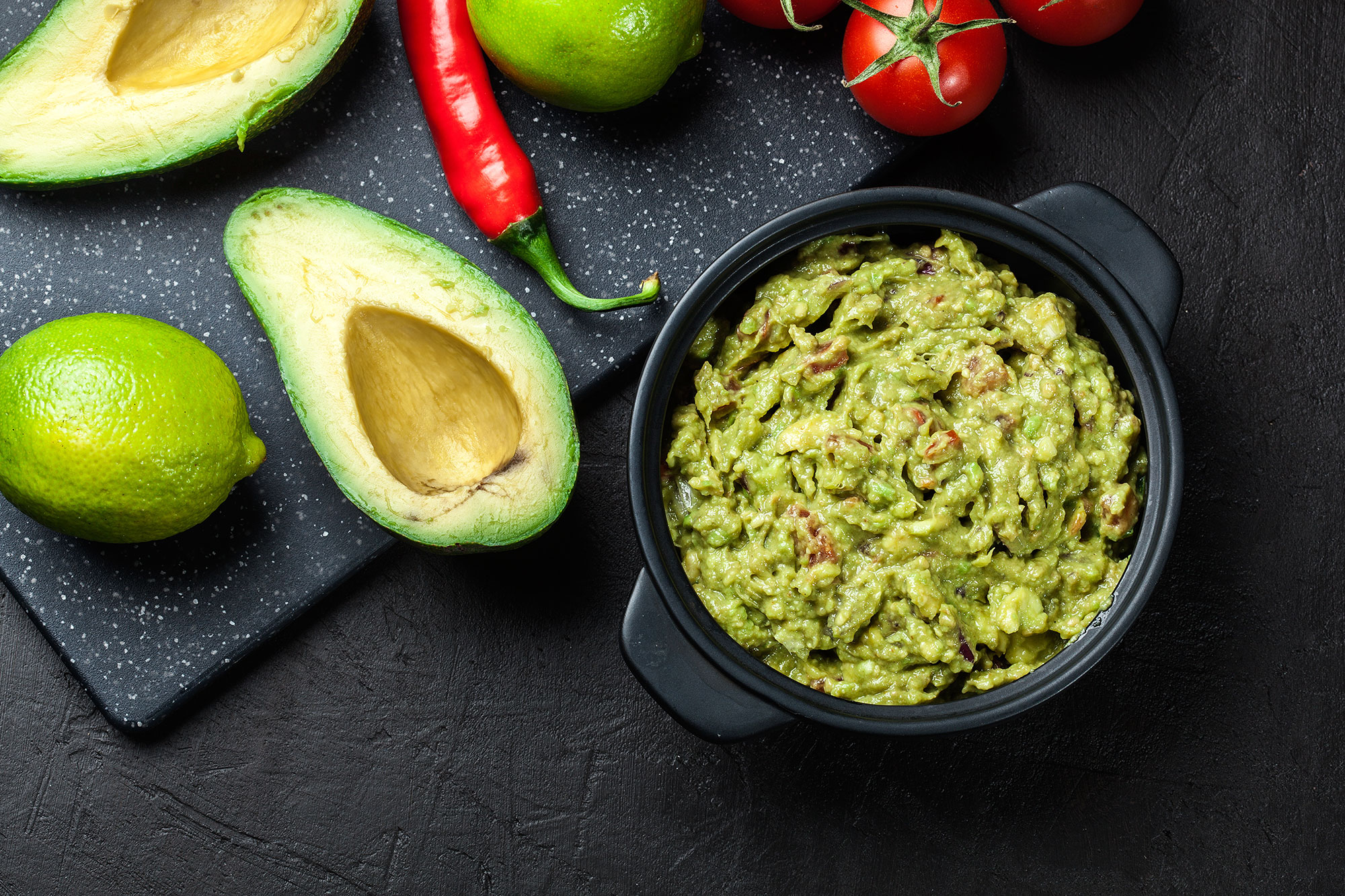
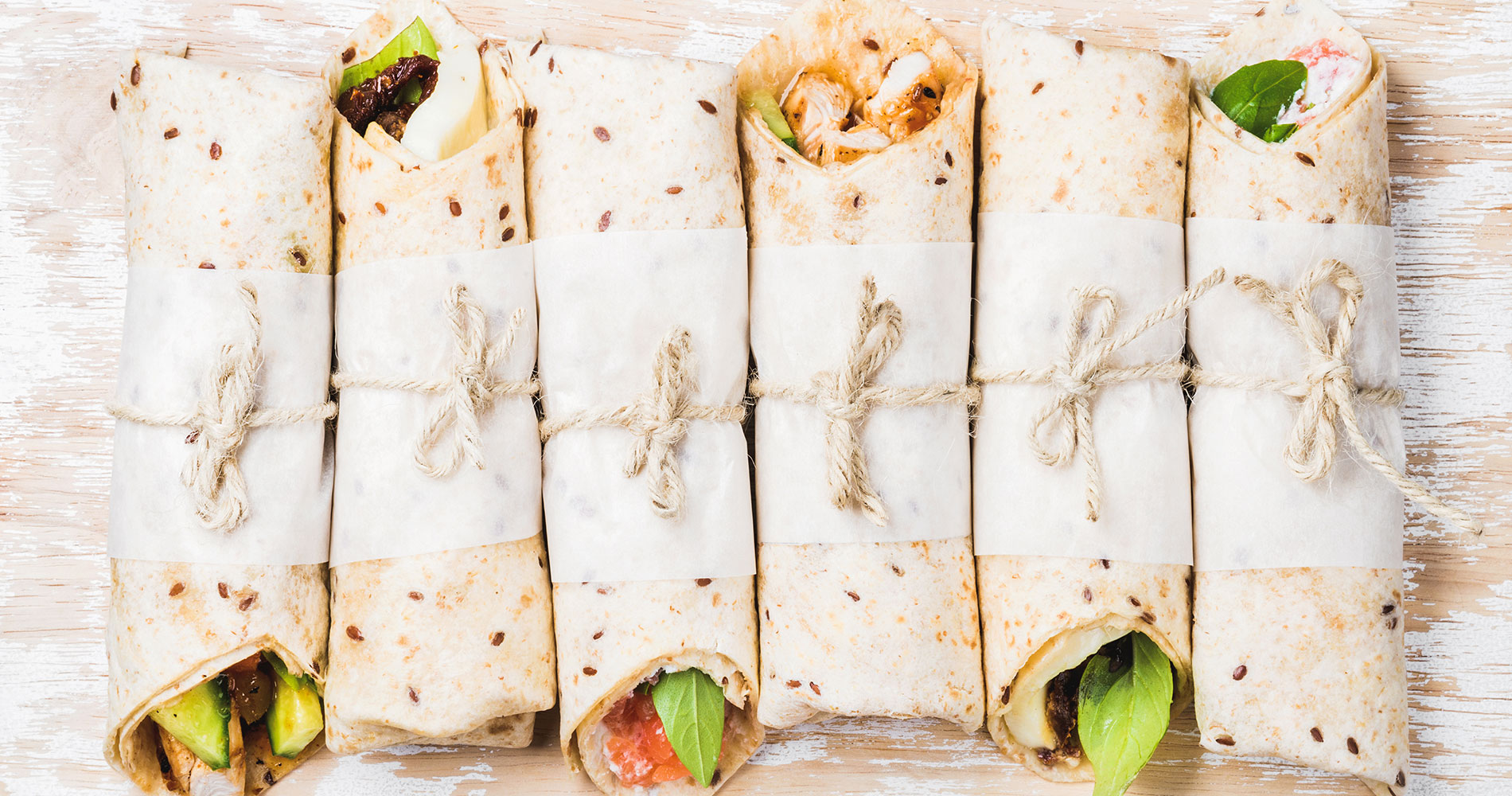
For easy, healthy lunch options my suggestion would be to assemble wraps and hearty salads/soups, or to use leftovers. Roll up some hummus, cucumber, tomato and feta in a spinach or sun-dried tomato tortilla. You can add a handful of beans and chicken breast strips to a pre-made salad in a bag. Since it takes a full can of soup (2 cups) to make a decent meal, pair the soup with raw produce so you don’t add sodium. Leftovers are quickest, of course – just place in the containers you’ll take to work when storing them.

Enjoy the comfort foods as a smaller side dishes instead of as a main entrée, or find ways to lighten the recipes. For instance, using low-fat cheese plus adding ham and peas in your mac & cheese, or having a scoop of the real thing accompanied by a grilled chicken breast and steamed broccoli. A bisque soup or chowder pairs with whole grain bread sticks and celery stalks. My all-time favorite warm treat is made by spreading almond butter on freshly made rye toast, topping with apple slices and a sprinkle of cinnamon, and placing back under the broiler. Using fresh ingredients from room temperature (except meats/dairy) enhances the flavors and makes heating quick.

– Debbie J., MS, RD


This article should not replace any exercise program or restrictions, any dietary supplements or restrictions, or any other medical recommendations from your primary care physician. Before starting any exercise program or diet, make sure it is approved by your doctor.

Some questions have been edited for length and/or clarity.


Ask our Dietitian

Have a nutrition question? Our registered dietitian is ready to help!

Email nutrition@lafitness.com or submit your question below and it may be featured in an upcoming article!

12 + 1 =


Recommended Reading - Q+A

Good carbs vs bad carbs
Debunking Diet Myths

Debunking Diet Myths

With so many sources offering nutrition advice, it’s hard to know what’s true. Even factual information can become distorted by the time it reaches you. Like a game of telephone, the message often changes as it’s passed along. Here, we debunk 5 common diet myths to...
Is Coffee OK Before A Workout? | Q+A

Is Coffee OK Before A Workout? | Q+A

Question:

Is it OK to eat/drink an apple/coffee 1 hour before working out?

– Pavan

Answer:

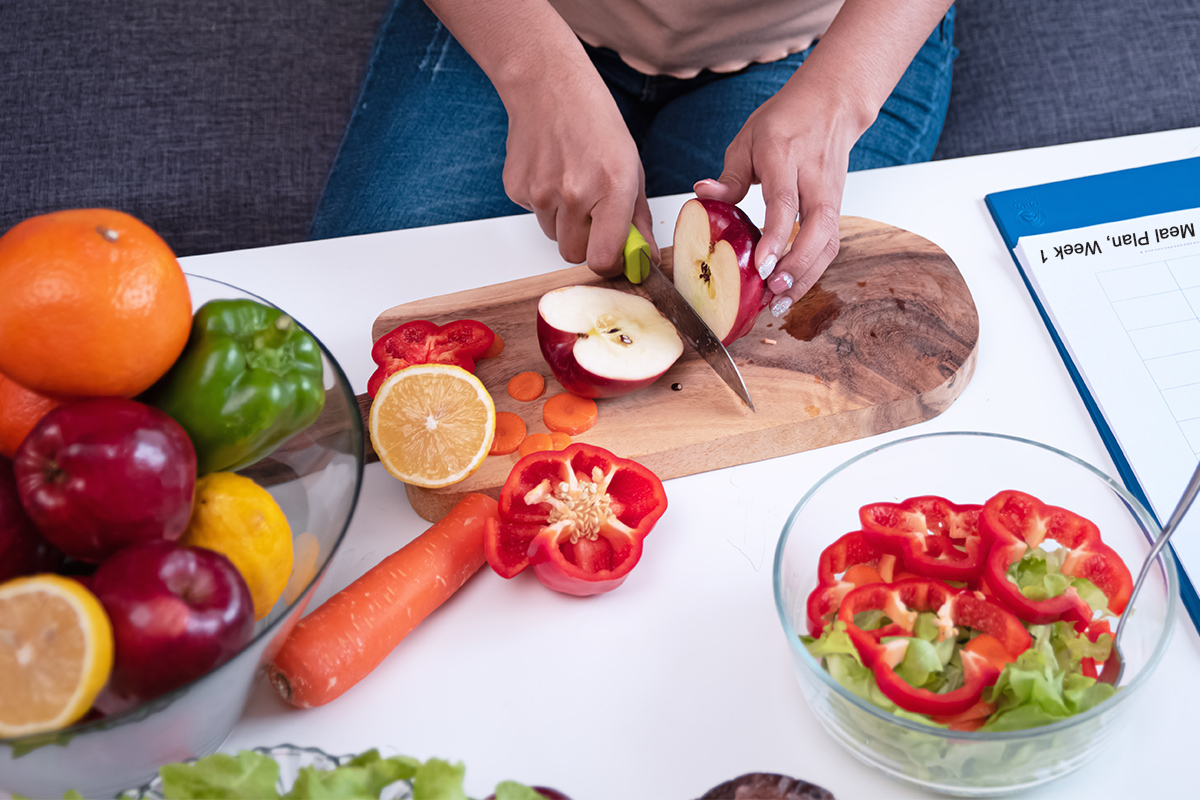
Yes, an apple and cup of coffee are okay to eat/drink an hour before working out.

If your workout is intense and prolonged, you may want to supplement a little protein with the apple or a light workout drink during exercise. Alternatively, if you’ve eaten a LARGE meal within 3 hours prior to your workout, you can skip your described snack.

– Debbie J., MS, RD

This article should not replace any exercise program or restrictions, any dietary supplements or restrictions, or any other medical recommendations from your primary care physician. Before starting any exercise program or diet, make sure it is approved by your doctor.

Some questions have been edited for length and/or clarity.


Ask our Dietitian

Have a nutrition question? Our registered dietitian is ready to help!

Email nutrition@lafitness.com or submit your question below and it may be featured in an upcoming article!

12 + 2 =


Recommended Reading - Q+A

Good carbs vs bad carbs
Debunking Diet Myths

Debunking Diet Myths

With so many sources offering nutrition advice, it’s hard to know what’s true. Even factual information can become distorted by the time it reaches you. Like a game of telephone, the message often changes as it’s passed along. Here, we debunk 5 common diet myths to...
What Is a Good Alternative to Grains? | Q+A

What Is a Good Alternative to Grains? | Q+A

Question:

What is a good alternative to grains as a way to complement the protein in legumes? Legumes are nutrient dense in many ways, including protein. But legume protein is low in methionine, an amino acid that our bodies cannot make.  For this reason legumes have traditionally been combined with grains, which are high in methionine.  Grains are low in another amino acid our bodies cannot make, lysine.  Legumes are high in lysine.  For this reason, legume and grain proteins are said to be complimentary. But if I am considering a long term dietary shift away from grains, I cannot be reassured by that. We still need to combine our proteins well over the course of several days. Unfortunately, grains are not a nutrient dense food. They are very high in starch and low in phytonutrients. So, what are some nutrient dense sources of methionine and cysteine?  Or, in simpler terms, what is a good alternative to grains as a way to compliment legume protein?

– Benjamin H.

Answer:

Vegan diets do tend to be low in methionine1, one of the essential amino acids. Interestingly enough, it’s actually proposed that a lower methionine intake is better for longevity1.

The World Health Organization recommends the adult dietary requirement is 10.4 mg of methionine per kg body weight per day to cover obligatory oxidative loses2. Whereas the US Recommended Dietary Allowances combine the methionine requirement with cysteine (a non-essential amino acid) for a total of 19 mg combined of methionine and cysteine/kg/day3. In plant foods, there are about equal amounts of methionine and cysteine.

“Wheat and rice proteins are comparatively low in lysine but better sources of methionine whereas beans and peas are relatively high in lysine yet in lower methionine.” — www.vegsoc.org/protein

Here are selected non-grain plant foods highest in methionine, given in common portions/(gram weight) with corresponding protein content4:


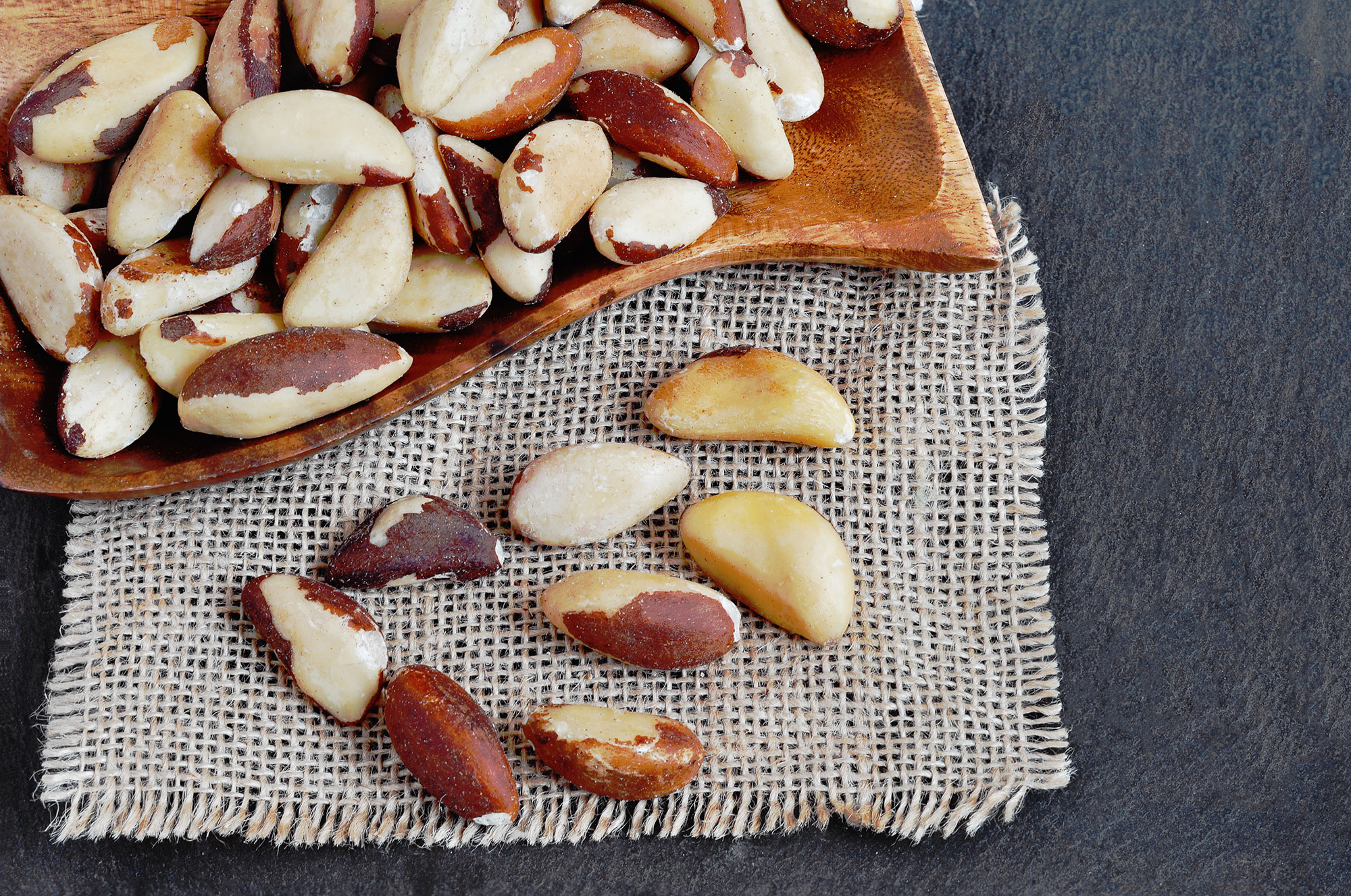
Brazil nuts, dried

Soybeans, boiled

Chia seeds, dried

White beans, canned

Sunflower seed kernels, dry roasted

Russet potato, baked w/ skin

Chickpeas/Garbanzo, canned

Peanuts, Spanish

Red potato, baked w/ skin

Spinach, cooked

Coconut milk, canned

Peaches, dried

Turnip greens, cooked from frozen

Corn kernels, cooked from frozen

Avocado, California

Spinach, boiled

Brown mushrooms, raw

Broccoli, cooked chopped

Raw seaweed spirulina

Asparagus, cooked

Zucchini

Cauliflower

Spinach, raw

373 mg in ¼ C (33g)

192 mg in ½ C (86g)

167 mg in 1 oz (28 g)

143 mg in ½ C (131g)

134 mg in ¼ C (32g)

123 mg in large 3-4” (299g)

118 mg in ½ C (127g)

117 mg in ¼ C (36g)

105 mg in large 3-4” (299g)

99 mg in 1 C (180g)

86 mg in 1 C (226g)

70 mg in ½ C (80g)

62 mg in ½ C (82g)

59 mg in ½ C (70g)

48 mg in 1 fruit (130g)

49 mg in ½ C (90g)

42mg in 1 C (87g)

34 mg in ½ C (78g)

33 mg in 1 oz (28 g)

31 mg in ½ C (90g)

18 mg in ½ C (116mg)

16 mg in ½ C (62g)

16 mg in 1 C (30g)

4.75 g protein

15.5 g protein

4.5 g protein

9.5 g protein

6 g protein

8 g protein

9 g protein

9.5 g protein

7 g protein

5 g protein

4.5 g protein

3 g protein

2.5 g protein

2.5 g protein

2.5 g protein

2.75 g protein

2 g protein

2 g protein

2 g protein

2 g protein

1 g protein

1 g protein

1 g protein

Our vegetarian audience may also be interested in a thorough discussion at  http://www.veganhealth.org/articles/protein and some of our previous articles below for protein information.

References:

  1. The low-methionine content of vegan diets may make methionine restriction feasible as a life extension strategy. McCarty MF, Barroso-Aranda J, Contreras F. Medical Hypotheses. 2009 Feb;72 (2):125-8.
  2. Protein and Amino Acid Requirements in Human Nutrition. United Nations University/World Health Organization. 2007 WHO technical report no. 935.
  3. Chapter E: DRI Values for Indispensable Amino Acids by LifeStage and Gender Group. The National Academies press. 2006 Dietary Reference Intakes: The Essential Guide to Nutrient Requirements.
  4. USDA National Nutrient Database for Standard Reference, Release 27.

– Debbie J., MS, RD

This article should not replace any exercise program or restrictions, any dietary supplements or restrictions, or any other medical recommendations from your primary care physician. Before starting any exercise program or diet, make sure it is approved by your doctor.

Some questions have been edited for length and/or clarity.


Ask our Dietitian

Have a nutrition question? Our registered dietitian is ready to help!

Email nutrition@lafitness.com or submit your question below and it may be featured in an upcoming article!

11 + 6 =


Recommended Reading - Q+A

Good carbs vs bad carbs
Debunking Diet Myths

Debunking Diet Myths

With so many sources offering nutrition advice, it’s hard to know what’s true. Even factual information can become distorted by the time it reaches you. Like a game of telephone, the message often changes as it’s passed along. Here, we debunk 5 common diet myths to...

Snacks to Keep You Feeling Full | Q+A

Snacks to Keep You Feeling Full | Q+A

Question:

Hello, I am a 25-year-old female who is a full-time student. I work out 3 times per week. I enjoy munching and crunching while I study, and always seem to be hungry. I was wondering what kinds of healthy snacks I can buy at the store? I must say that I have a hard time with portion control and am looking for something low in calories. I was eating a lot of nuts but seemed to gain weight with them.

– Tanya

Answer:

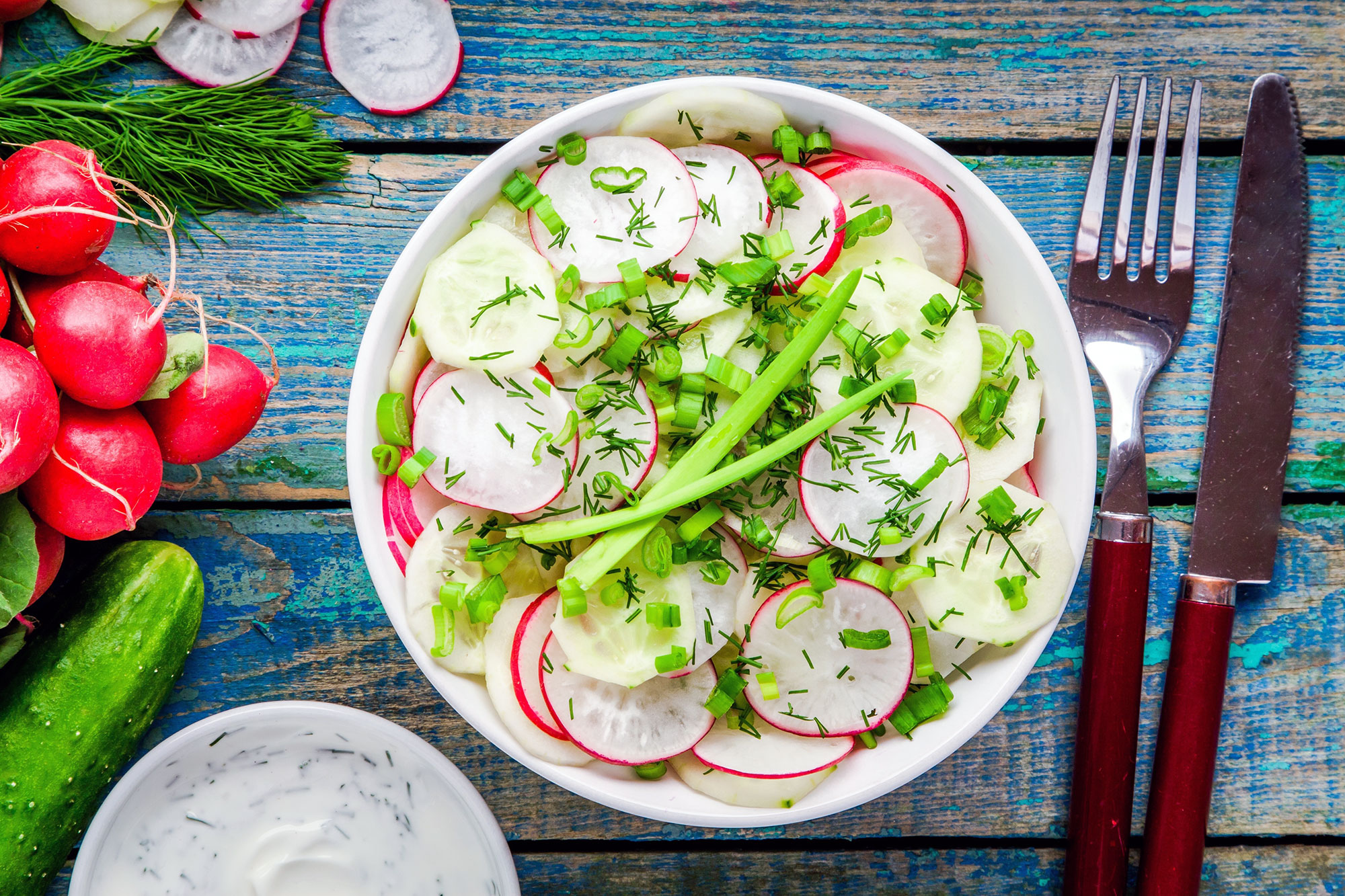
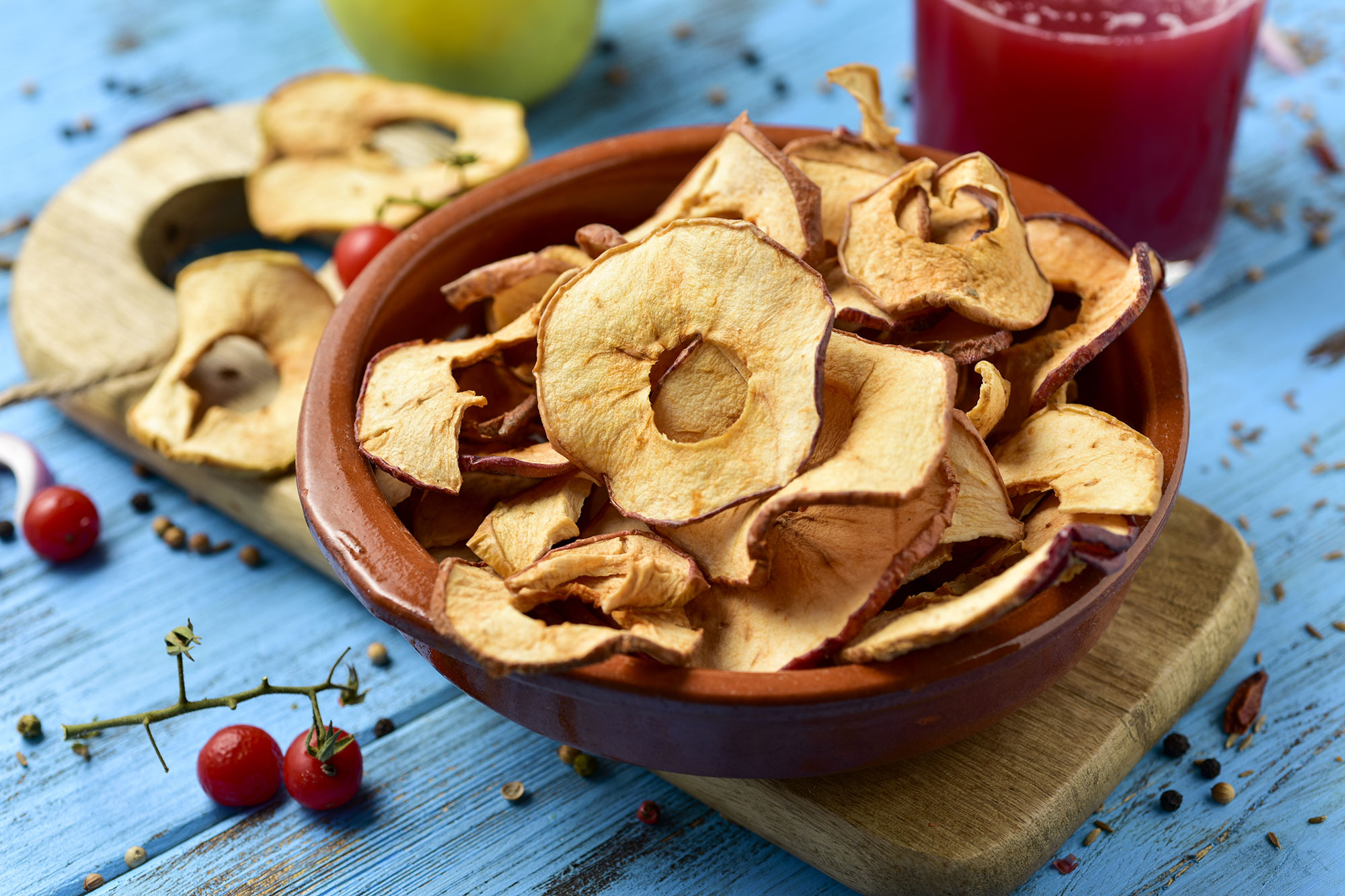
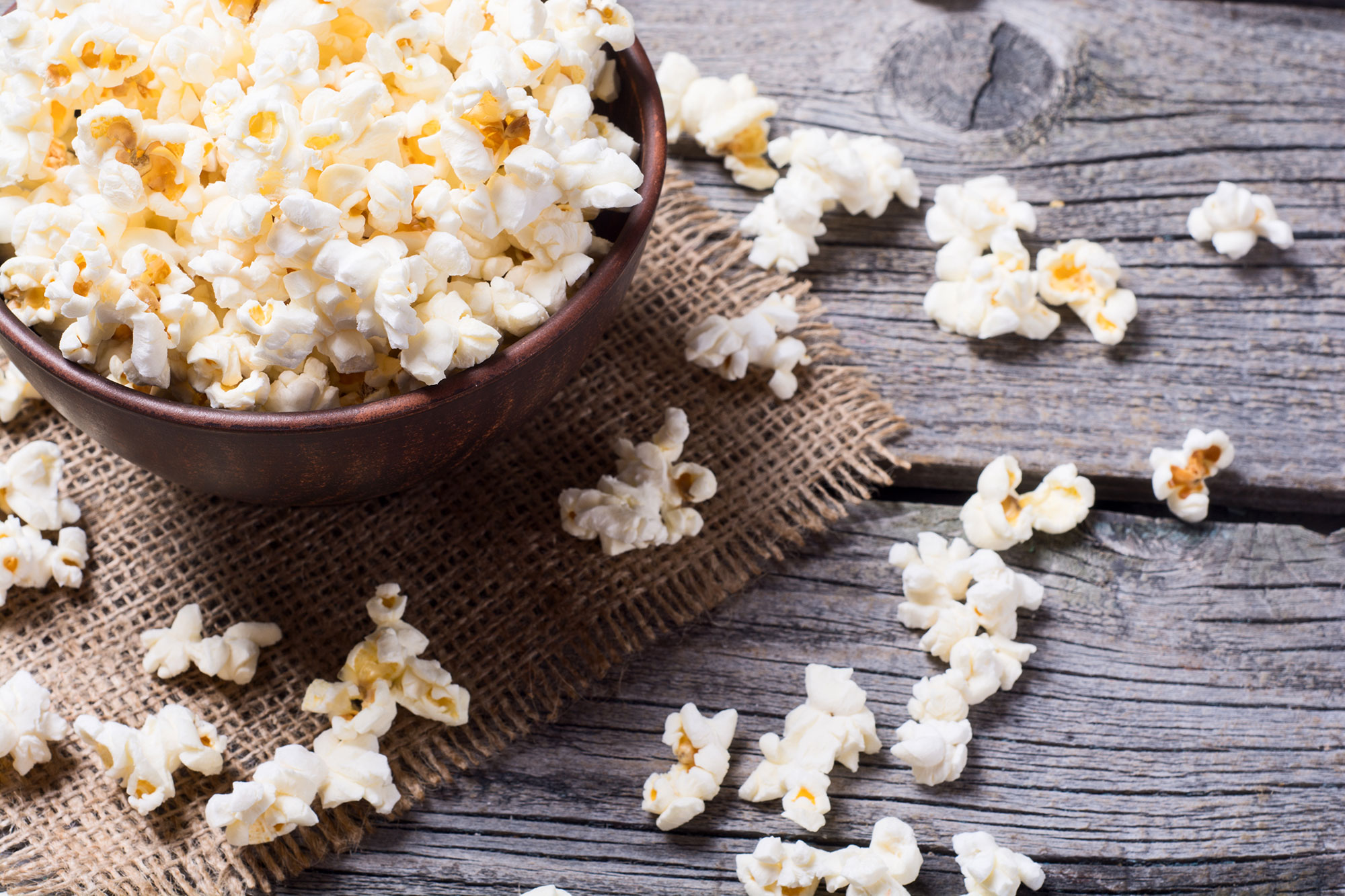
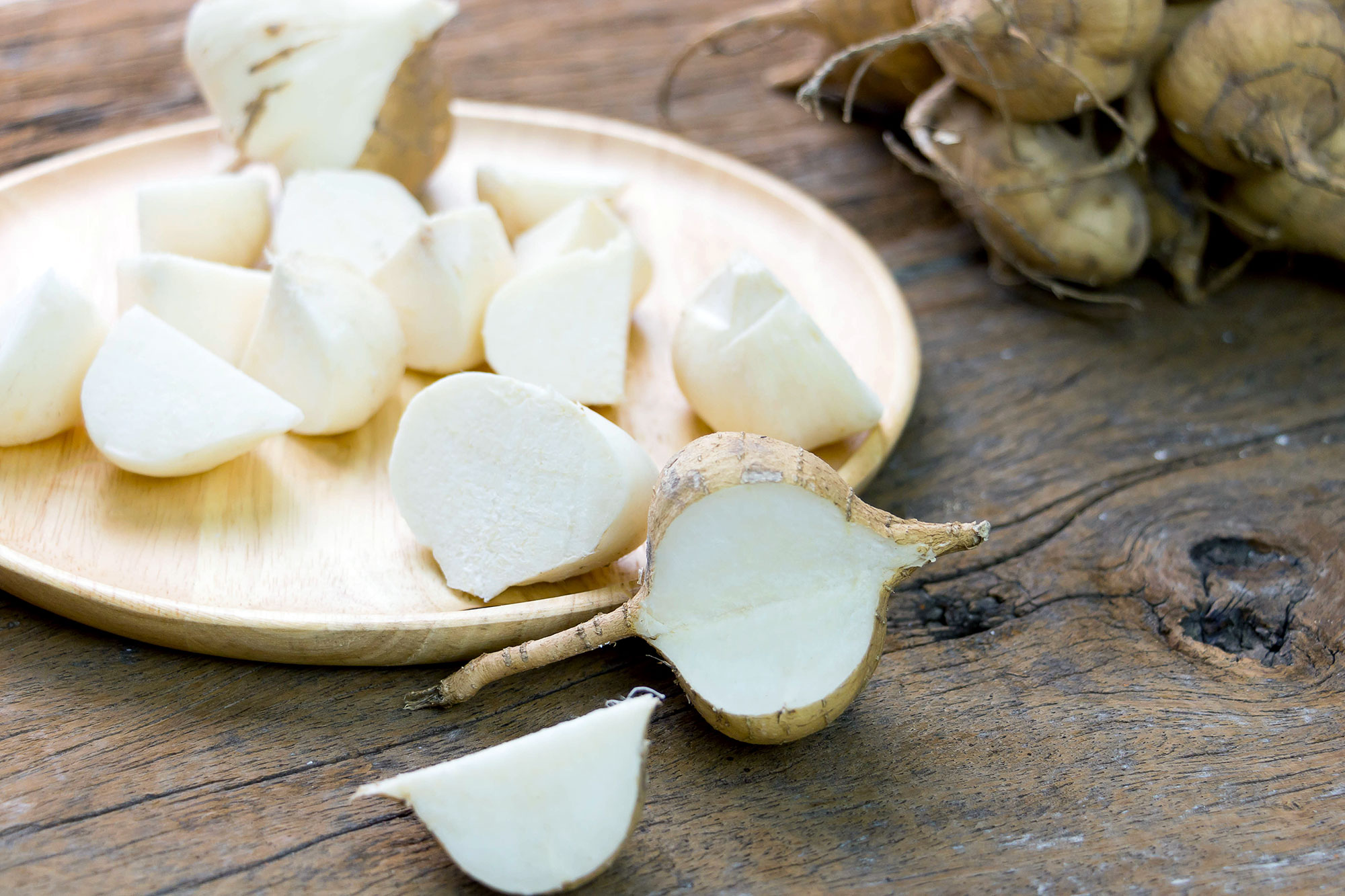
Frequent hunger may be a sign of either too few calories or, in your case, not enough volume. Filling the stomach triggers the vagus nerve that tells your brain you’ve eaten enough. A handful of nuts doesn’t provide the same amount of bulk that the following items do. Good low-calorie crunchy foods will fill you up better. Some examples include celery, carrots, jicama, radish, cucumber, sugar snap peas, bell pepper, apples, freeze dried fruit, air-popped popcorn, and rice cakes.  Adding a little dense energy (such as hummus, guacamole or cottage cheese) for satiety may be ideal. These combinations may provide a longer-lasting feeling of fullness.

– Debbie J., MS, RD

This article should not replace any exercise program or restrictions, any dietary supplements or restrictions, or any other medical recommendations from your primary care physician. Before starting any exercise program or diet, make sure it is approved by your doctor.

Some questions have been edited for length and/or clarity.


Ask our Dietitian

Have a nutrition question? Our registered dietitian is ready to help!

Email nutrition@lafitness.com or submit your question below and it may be featured in an upcoming article!

4 + 6 =


Recommended Reading - Q+A

Good carbs vs bad carbs
Debunking Diet Myths

Debunking Diet Myths

With so many sources offering nutrition advice, it’s hard to know what’s true. Even factual information can become distorted by the time it reaches you. Like a game of telephone, the message often changes as it’s passed along. Here, we debunk 5 common diet myths to...
Full, Healthy, Nutritious Meals | Q+A

Full, Healthy, Nutritious Meals | Q+A

Question:

So I just started working out again. I’ve struggled with anorexia for thirteen plus years, but been in a pretty solid recovery for about two. From listening to an eating disorder about food, to having to gain mass amounts of weight in treatment, to just trying to maintain where I am…it’s been a crazy road of trying to figure out how best to treat my body with food. I have maintained a weight of about 115-117 for a while now (I’m 5’6″ and 25 years old). I guess my question is…how do I do this? What are examples of full, healthy, nutritious meals? I’m not looking to bulk up, but looking to gain strength. I suppose I’m just hoping someone can point me in the right direction. Sorry this question was all over the place, and thank you for sticking through it!

– Carly T.

Answer:

Thank you for your question, Carly! You don’t have to search far for examples of balanced meals for a healthy diet. Any meal can be adapted to your food preferences or tailored up/down in energy depending on preparation and condiments. No rules just a guideline — for lunch and dinner, start with vegetables, protein and starch as the base, plus a spoonful of fat. Add dairy or fruit as desired.

Don’t worry about portions and calories, just what looks and tastes great together! Go for seasonal produce, a variety of foods and colorful choices.

Here are some top picks for full meals:

  • Roasted chicken, potatoes and green beans.
  • Vegetable and cheese lasagna with a side salad.
  • Curried tofu and vegetables with rice.
  • Pork loin chop, mashed potato and steamed veggies.
  • Teriyaki beef stir-fry.
  • Noodles, salmon and broccoli.
  • BBQ pork, corn on the cob and coleslaw.
  • Ham and bean soup with cornbread.
  • Mango shrimp avocado tostada, add black beans.

Roasted chicken, potatoes and green beans.

Vegetable and cheese lasagna with a side salad.


Curried tofu and vegetables with rice.


Pork loin chop, mashed potato and steamed veggies.


Teriyaki beef stir-fry.


Noodles, salmon and broccoli.


BBQ pork, corn on the cob and coleslaw.


Ham and bean soup with cornbread.

Mango shrimp avocado tostada, add black beans.

Don’t worry about portions and calories, just what looks and tastes great together! Go for seasonal produce, a variety of foods and colorful choices

– Debbie J., MS, RD.

Disclaimer: This post is provided as general information only, and is not meant to be used as a substitute for professional medical advice, diagnosis or treatment. If you suspect your eating may be disordered, consult with a physician.


Ask our Dietitian

Have a nutrition question? Our registered dietitian is ready to help!

Email nutrition@lafitness.com or submit your question below and it may be featured in an upcoming article!

4 + 12 =


Recommended Reading - Q+A

Good carbs vs bad carbs
Debunking Diet Myths

Debunking Diet Myths

With so many sources offering nutrition advice, it’s hard to know what’s true. Even factual information can become distorted by the time it reaches you. Like a game of telephone, the message often changes as it’s passed along. Here, we debunk 5 common diet myths to...