
Vegan Meal Planning Answered | Q+A

Vegan Meal Planning Answered | Q+A

Question:

Do you have any advice on vegan meal planning for someone trying to gain weight by working out and lifting, and no cardio?

– Dalila M.

Answer:

Vegan guidelines for athletes work for building mass, too. Be sure to keep your calories up and pay attention to your pre-workout snack and recovery nutrition. See our articles Fuel your Workouts to Maximize Your Results and  Eat Like This to Help Maximize your Recovery and Results for tips on eating to support your workouts.

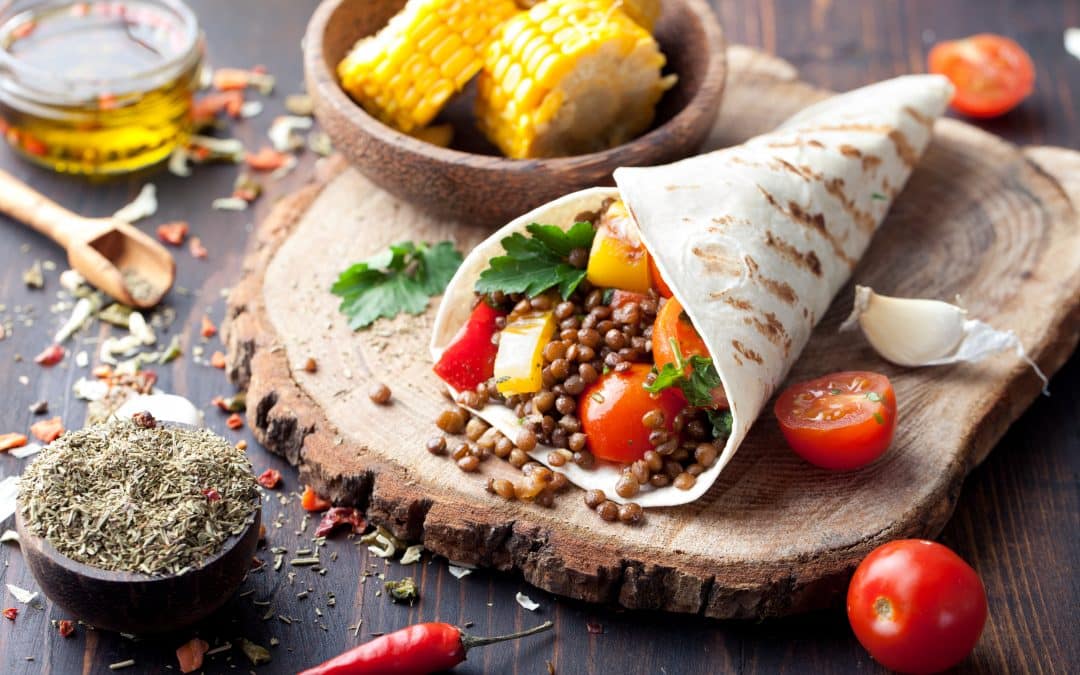
You can consume 1.4-2.0 gm protein per kilogram body weight (recommended by the International Society of Sports Nutrition) from a diet rich in soy, beans, lentils, grains, nuts, vegetables and complemented by vegan protein powders.

While hundreds of vegan meal planning websites exist, look for those with .edu or .org extensions for advice without product sales. I like the Physicians Committee for Responsible Medicine’s “21-Day Vegan Kickstart” with complete recipes and the Vegetarian Resource Group’s articles for athletes and teens on topics like vegan weightlifting and gaining weight.

For more personalized meal planning, consider seeking assistance from a registered dietitian nutritionist. You can find one at http://www.eatright.org/find-an-expert.

– Debbie J., MS, RD

This article should not replace any exercise program or restrictions, any dietary supplements or restrictions, or any other medical recommendations from your primary care physician. Before starting any exercise program or diet, make sure it is approved by your doctor.

Recommended Reading

Salt Grains for Muscle Gains?

Salt Grains for Muscle Gains?

Does liberally salting your food help you pump more iron in the gym? Registered Dietitian, Debbie James, investigates the claims!

Ask our Dietitian

QA_icon

Have a nutrition question? Our registered dietitian is ready to help!

Email nutrition@lafitness.com or submit your question below and it may be featured in an upcoming article!

2 + 9 =

LA Fitness Living Healthy subscribe button

Want more? SUBSCRIBE to receive the latest Living Healthy articles right in your inbox!
Testosterone & Diet: How Do They Relate? | Q+A

Testosterone & Diet: How Do They Relate? | Q+A

Question:

I just turned 65, no health issues at all. I read and hear a lot about ways to produce testosterone. What is truly the best way for a man my age to eat or drink the right stuff to produce testosterone so I can once again regain my physique?

– Butch

Answer:

You’re on the right track when you suggest that diet can affect declining testosterone levels as men age, but other factors have more effect. These factors include weight, activity, sleep, stress, and medications. If your doctor finds you to have low testosterone levels, he/she may prescribe drugs or prohormones (like DHEA).

For diet, the components to focus on are:

Limit added sugar from your diet. (High insulin levels are linked to low testosterone.) Eliminate obvious sources (desserts, syrup, sodas) and replace refined sugars with whole fruit for sweetening, such as raisins on oatmeal instead of brown sugar.

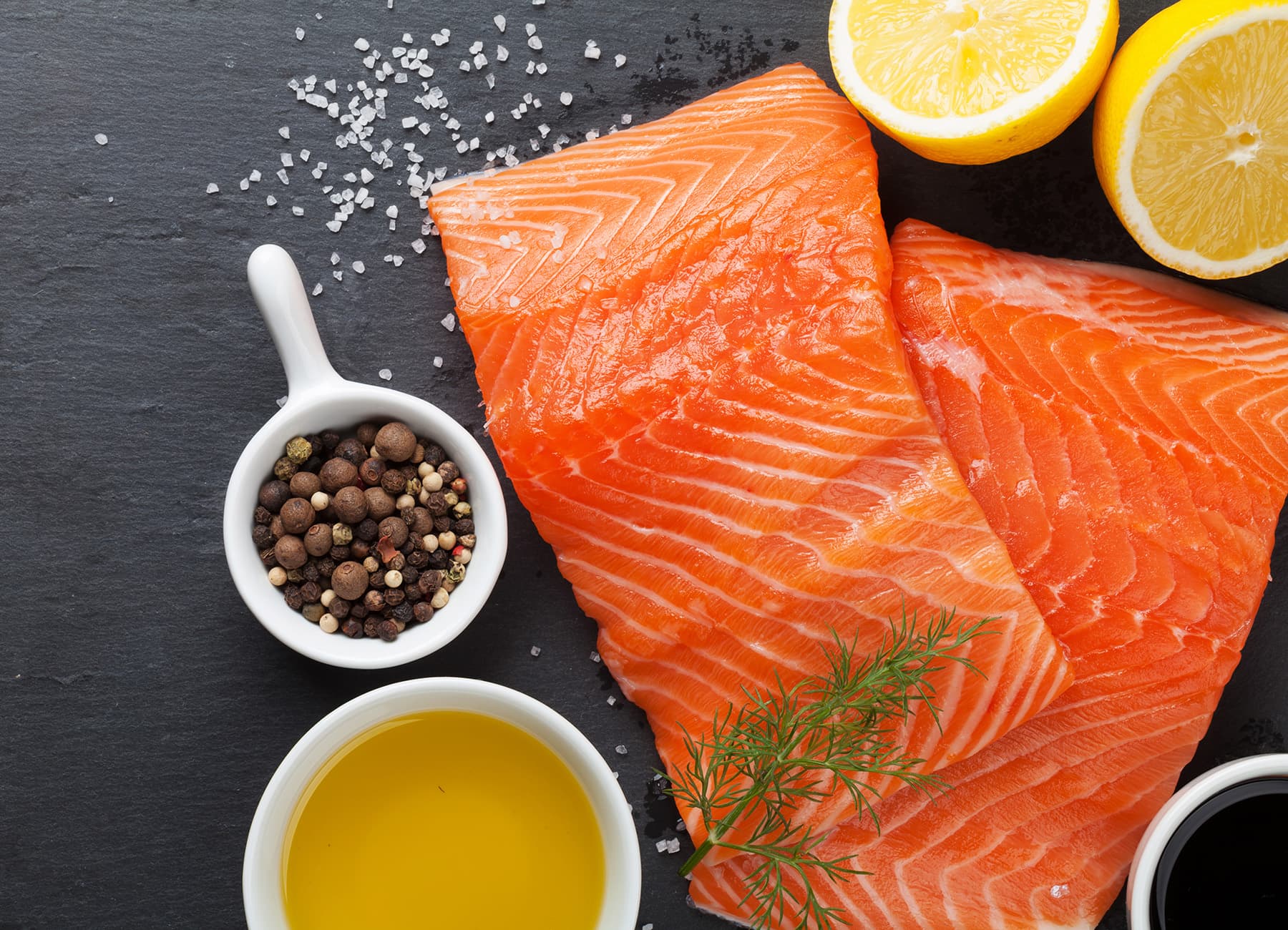
Eat healthy fats. Include olives and olive oil, avocados, nuts, seeds, coconut and coconut oil, palm oil, salmon and grass-fed beef in your diet.

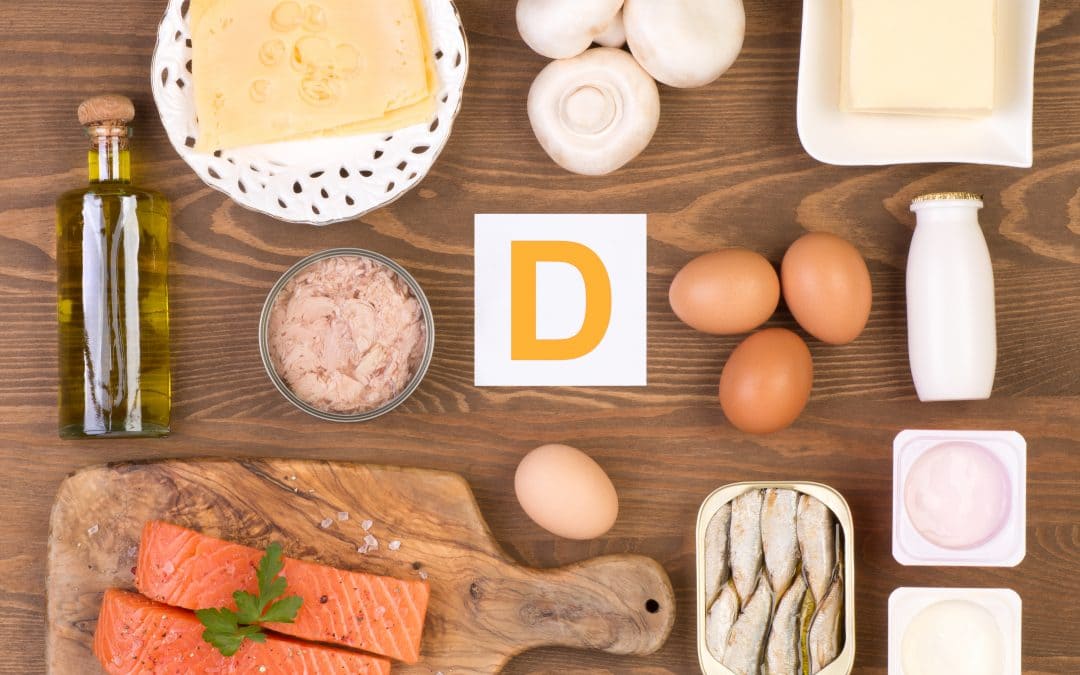
Supplement with Vitamin D if you are deficient.* Good food sources include tuna, salmon, Vitamin D-fortified milk, whole eggs, beef liver, and beans.

Supplement with Zinc if you are deficient.* Good food sources include oysters, crab, lobster, lean beef, beans, and yogurt or kefir made from raw milk.

* Your physician can test your Vitamin D (25-hydroxyvitamin D) and zinc levels.

– Debbie J., MS, RD

This article should not replace any exercise program or restrictions, any dietary supplements or restrictions, or any other medical recommendations from your primary care physician. Before starting any exercise program or diet, make sure it is approved by your doctor.

Recommended Reading

Salt Grains for Muscle Gains?

Salt Grains for Muscle Gains?

Does liberally salting your food help you pump more iron in the gym? Registered Dietitian, Debbie James, investigates the claims!

Ask our Dietitian

QA_icon

Have a nutrition question? Our registered dietitian is ready to help!

Email nutrition@lafitness.com or submit your question below and it may be featured in an upcoming article!

9 + 2 =

LA Fitness Living Healthy subscribe button

Want more? SUBSCRIBE to receive the latest Living Healthy articles right in your inbox!

Energy Drinks: Are They Really That Bad For You? | Q+A

Energy Drinks: Are They Really That Bad For You? | Q+A

Question:

I feel like I should probably ignore the calories in energy drinks and focus on all the chemicals in them that I can’t pronounce on the can. Are these drinks okay or should I avoid them? I feel like you’re going to say I should stick to water.

– Andrew G.

Answer:

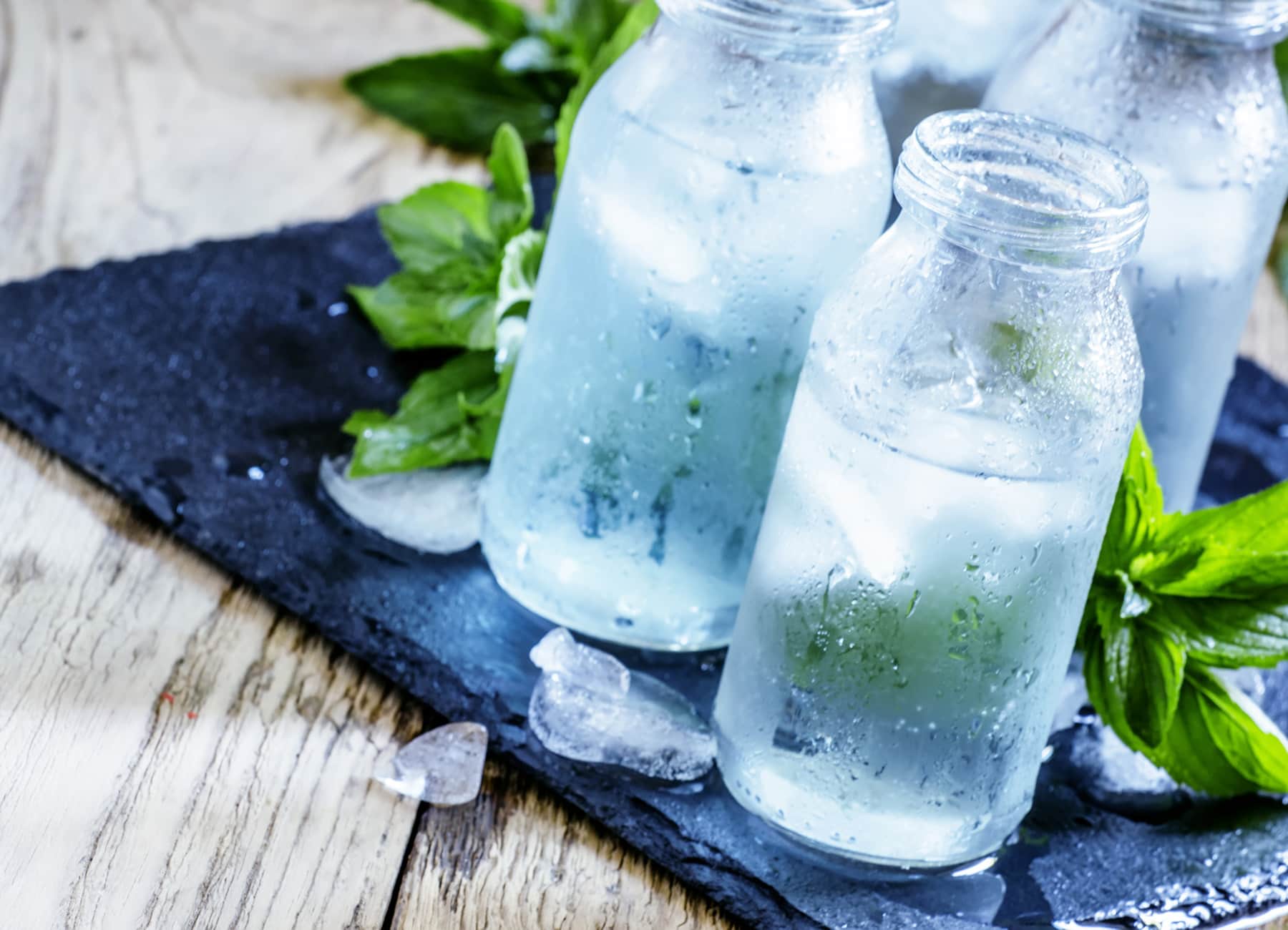
The calories from energy drinks almost always are from sugar, so you should be aware of that. The size of the drink matters greatly, as a 2 fl oz shot may have under 50 calories while a big 20 fl oz can may have 280 calories total (even though it says 120 calories per serving).

So on to the ingredients… The main stimulants are caffeine, guarana, and taurine. These serve to excite the central nervous system and have side effects including agitation, irritability, nervousness, restlessness, hyperactivity, insomnia, anxiety, increased blood pressure, increased heart rate and possible dehydration. Of course one’s response to these compounds depends on the dose and the person’s unique biochemistry. Another common ingredient is glucuronolactone which may have minimal effect on energy but is thought to fight fatigue and promote a sense of well-being. The typical dose of glucuronolactone in energy drinks is generally considered safe. Ginseng is often found in energy drinks and is also generally considered safe.

Nothing hydrates like water! But a cup or two of coffee is fine. If you feel that you need more “lift” from an energy drink – reader beware. Your tolerance of any particular energy drink can only be predicted by your body mass, previous experience and trial-and-error. Not the best way to go about it. Here are some guidelines to look for on energy drink labels.


  • Caffeine – limit daily consumption to 400 mg for healthy adults to avoid side effects, per U.S. FDA. For adolescents over 13 years, Health Canada advises that daily caffeine intake be no more than 2.5 mg per kg of body weight. The NCAA limits caffeine intake and tests caffeine levels in urine for collegiate athletes.
  • Guarana (contains caffeine & other stimulants) – up to 200 mg probably tolerated
  • Taurine – limit daily intake to 3000 mg to avoid cardiovascular effects

– Debbie J., MS, RD

This article should not replace any exercise program or restrictions, any dietary supplements or restrictions, or any other medical recommendations from your primary care physician. Before starting any exercise program or diet, make sure it is approved by your doctor.

Recommended Reading

Salt Grains for Muscle Gains?

Salt Grains for Muscle Gains?

Does liberally salting your food help you pump more iron in the gym? Registered Dietitian, Debbie James, investigates the claims!

Ask our Dietitian

QA_icon

Have a nutrition question? Our registered dietitian is ready to help!

Email nutrition@lafitness.com or submit your question below and it may be featured in an upcoming article!

3 + 11 =

LA Fitness Living Healthy subscribe button

Want more? SUBSCRIBE to receive the latest Living Healthy articles right in your inbox!

Natural Energy Foods to Help Replace Caffeine

Natural Energy Foods to Help Replace Caffeine

The caffeine in coffee, energy drinks* and energy shots is certainly a stimulant, but one that calls you back again to remedy a subsequent crash. It also acts as a diuretic and has other potential side effects including insomnia, headaches, irritability and nervousness.

* A word about “energy” drinks… Many contain B vitamins in addition to caffeine, which are really boosters for metabolic pathways to derive energy from food, as these micronutrients do not provide any calories directly and are not stimulants.

Consumers may not be aware that caffeine is being added to everything from jellybeans to beef jerky. Have you seen “wired” waffles? In response to this growing trend, the FDA announced in 2016 that it would investigate the safety of caffeine in food products. For our neighbors to the North, Health Canada institutes caffeine content limits in cola-type beverages and requires mandatory cautionary labelling.

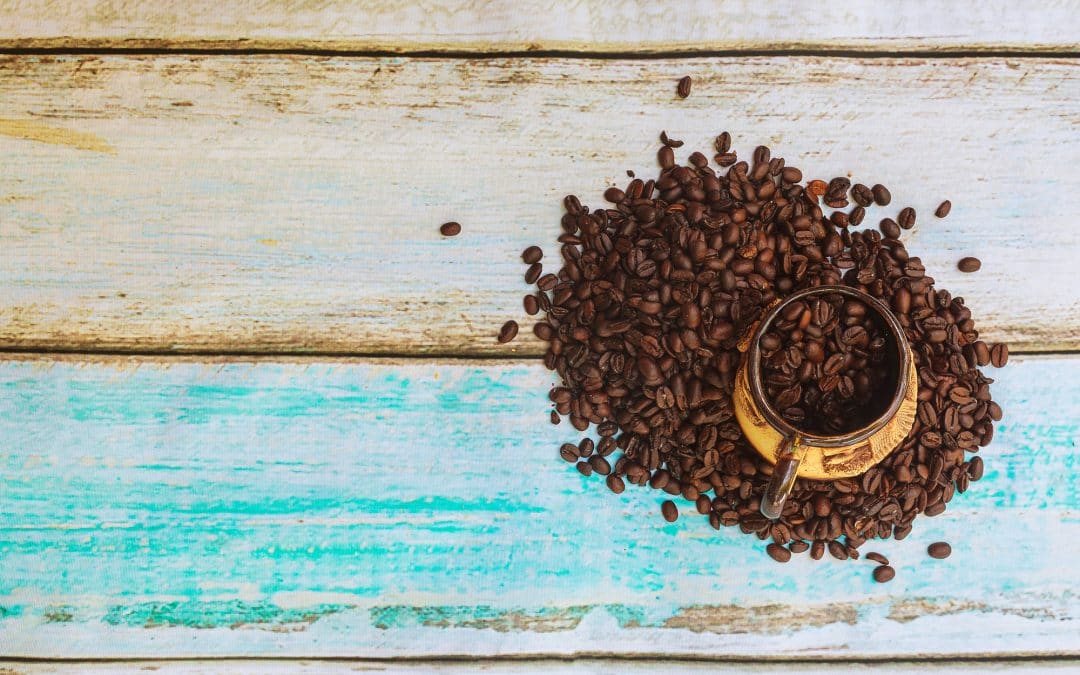
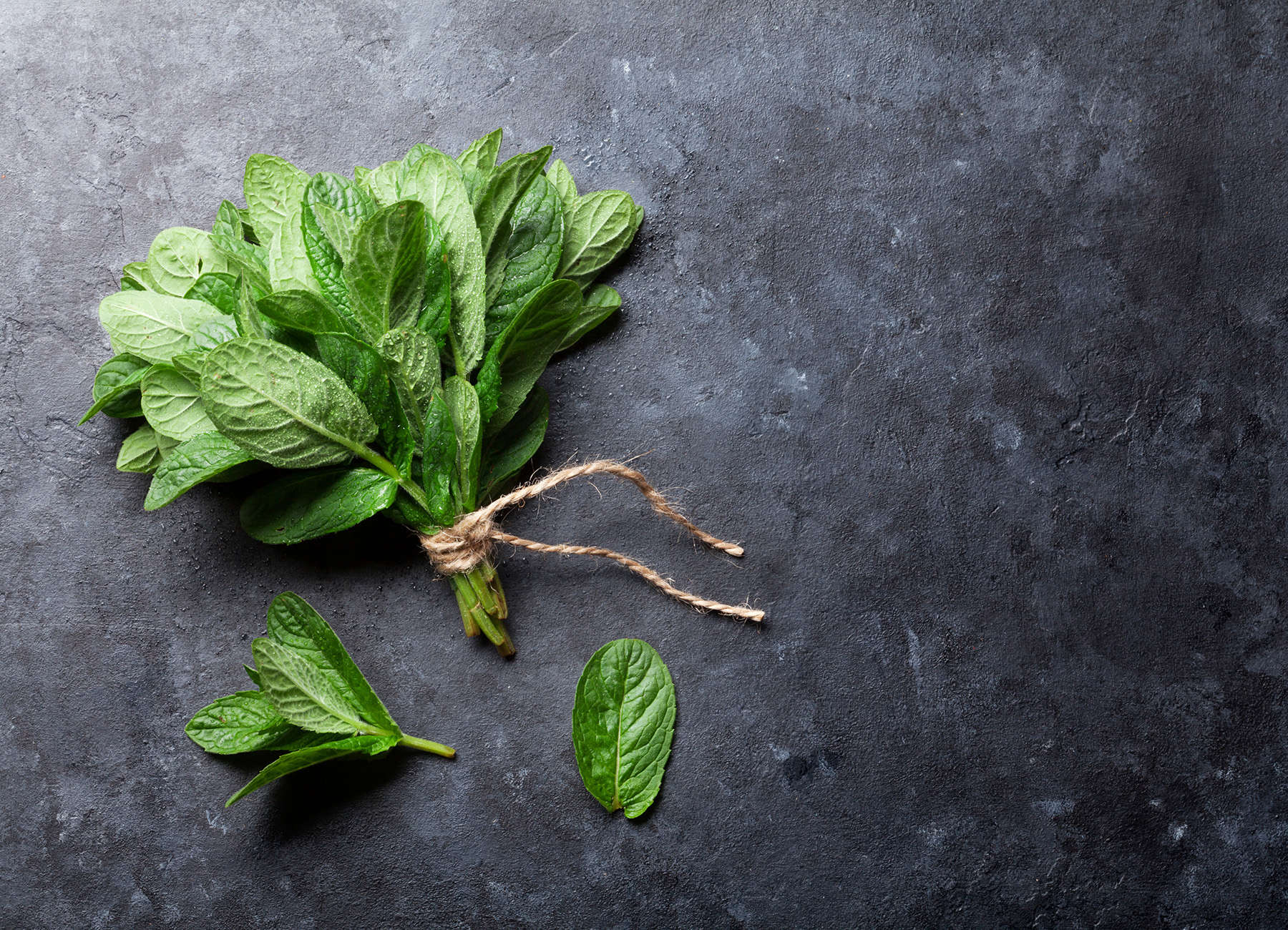
Some natural caffeine sources include guarana, yerba mate, chocolate and tea. The last two only have a quarter to half the caffeine content of prepared coffee. Chocolate also has theobromine, which has direct psychoactive effects like stimulating neurovascular activity and enhancing memory and alertness. As far as tea, green tea that contains catechins which impact energy, mood and cognition separate from the caffeine effect.1

Chocolate and tea may give you some verve but are hardly a recipe for a full breakfast. What the body needs is energy in the form of molecules called ATP to activate muscles. These are provided from the calories in food during metabolism, and carbohydrates are the body’s primary energy source.

Juice contains mostly fructose and water, and is rapidly absorbed requiring minimal digestion, thus providing quick energy for a perk. Both citrus juices and cocoa-based drinks are rich in flavonoids, which may increase cerebral blood flow and increase neural activity.2

So what’s wrong with a typical bowl of corn flakes to go with a cup of juice, cocoa or tea? Refined grains fall flat of providing sustained energy. For that you’ll need complex carbohydrates and a little protein and healthy (unsaturated) fat. One type of complex carbohydrate, known as fructo-oligosaccharides, may boost mood by way of its effect on gut bacteria which influences behavior via neurotransmitter systems. Another type, inulin, is similar to fructo-oligosaccharides and linked to improvements in learning and memory tasks, such as accuracy in recall.3 Some lean protein and healthy fat serve to prolong the energy from carbohydrates.

Some specific natural energy foods to work into your morning routine for more oomph:

Still a coffee addict? Try switching to half decaf coffee, an herbal coffee, or a tea (e.g. ginko biloba, ginseng, rooibos) to fill your mug. Don’t forget that getting those muscles moving will help circulate oxygen to the brain. See our article How Early Morning Workouts Can Impact Your Day | Fitness. If you’re slow to rise and an AM workout is out of the question, stretching is a great start.

– Debbie J., MS, RD

This article should not replace any exercise program or restrictions, any dietary supplements or restrictions, or any other medical recommendations from your primary care physician. Before starting any exercise program or diet, make sure it is approved by your doctor.

Sources:

  1. Effect of Green Tea Phytochemicals on Mood and Cognition. Dietz C, Dekker M. Current Pharmaceutical Design 2017 Jan 5. [Epub ahead of print]
  2. Flavonoid-rich orange juice is associated with acute improvements in cognitive function in healthy middle-aged males. Alharbi MH, Lamport DJ, Dodd GF, Saunders C, Harkness L, Butler LT, Spencer JP. Eur J Nutr. 2016 Sep;55(6):2021-9. doi: 10.1007/s00394-015-1016-9. Epub 2015 Aug 18.
  3. An Investigation of the Acute Effects of Oligofructose-Enriched Inulin on Subjective Wellbeing, Mood and Cognitive Performance. Smith AP, Sutherland D, Hewlett P. Nutrients. 2015 Oct 28;7(11):8887-96. doi: 10.3390/nu7115441.
  4. Chewing gum: cognitive performance, mood, well-being, and associated physiology. Allen AP, Smith AP. Biomed Res Int. 2015;2015:654806. doi: 10.1155/2015/654806. Epub 2015 May 17.

LA Fitness Living Healthy subscribe button

Want more? SUBSCRIBE to receive the latest Living Healthy articles right in your inbox!

What Are Good Substitutions for Sugary and Salty Snacks? | Q+A

What Are Good Substitutions for Sugary and Salty Snacks? | Q+A

Question:

Hi. I am a couch potato and I am starting to look like one too. Just joined the Frisco, TX location and will start taking group classes.  What are good substitutions for sugary and salty snacks? Looking for healthier alternatives to ice cream and chips and salsa.

– Rose P.

Answer:

So glad you are turning over a new leaf, Rose! Though nothing will be like the original, look for similar textures or flavors when making substitutions for the best satisfaction.

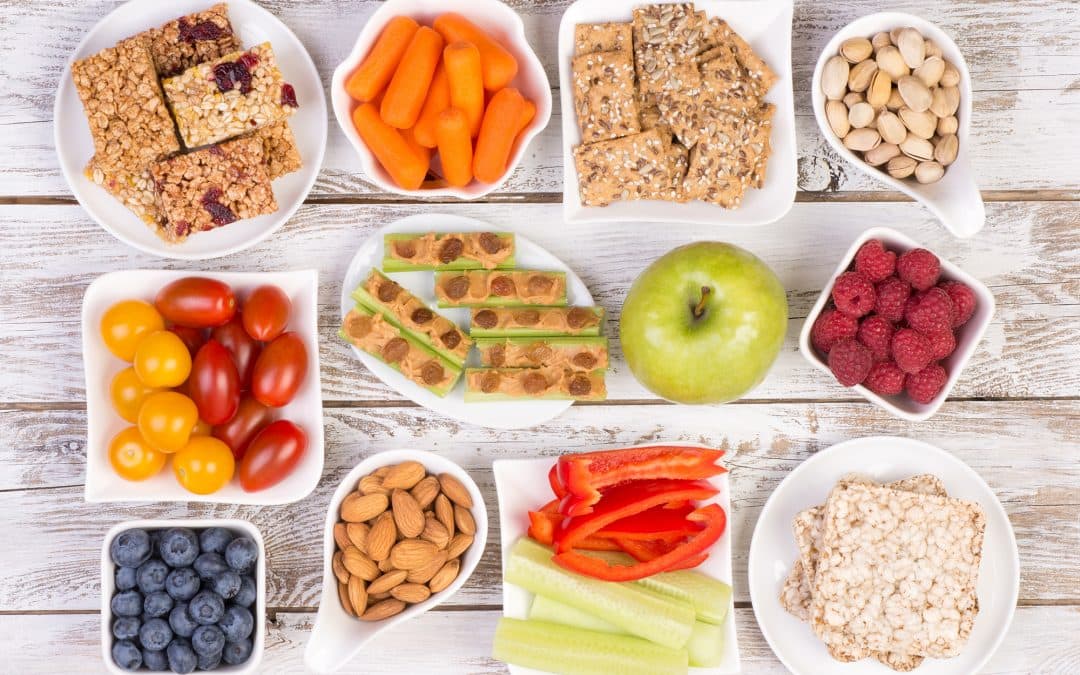
In place of ice cream, dairy-based snacks include yogurt, fruit/pudding parfait, and strawberry or chocolate/banana smoothies made with whole milk and frozen fruit. Get creative and make your own frozen yogurt pops.

For baked items like cookies and cupcakes, you could substitute bran muffins, granola bars, and graham crackers.

To get a salty crunchy flavor, instead of eating fried chips, try baked ones (fresh salsa is fine). Soy nuts and dried seaweed come in different flavors to nibble on. Low-fat microwave popcorn is another option.

Additional healthy snacks that have completely different flavors and textures include:

  • Cottage cheese and pineapple
  • Carrots or snap peas and hummus
  • Celery or apples and peanut butter
  • Pretzels and string cheese
  • Grapes and hard-cooked egg
  • Whole grain crackers and guacamole
  • Tuna salad on cucumber slices
  • Mini pizzas (English muffin half, spoonful marinara, sprinkle cheese)

It’s simple to have easy, ready-to-eat snacks on hand for when your appetite surges. Just remember to pare down your subsequent meal to balance out the calories.

– Debbie J., MS, RD

This article should not replace any exercise program or restrictions, any dietary supplements or restrictions, or any other medical recommendations from your primary care physician. Before starting any exercise program or diet, make sure it is approved by your doctor.


Ask our Dietitian

QA_icon

Have a nutrition question? Our registered dietitian is ready to help!

Email nutrition@lafitness.com or submit your question below and it may be featured in an upcoming article!

1 + 4 =

LA Fitness Living Healthy subscribe button

Want more? SUBSCRIBE to receive the latest Living Healthy articles right in your inbox!