From Craving Chocolate to Paving New Roads
Waleska is a mom with 2 part-time jobs who had a love for chocolate. Despite the time constraints and sweet temptations, she lost over 60 pounds!

“Consistency is key; Changes do not happen overnight so do not give up. Start with small changes outside the gym…little changes turn into big results.”
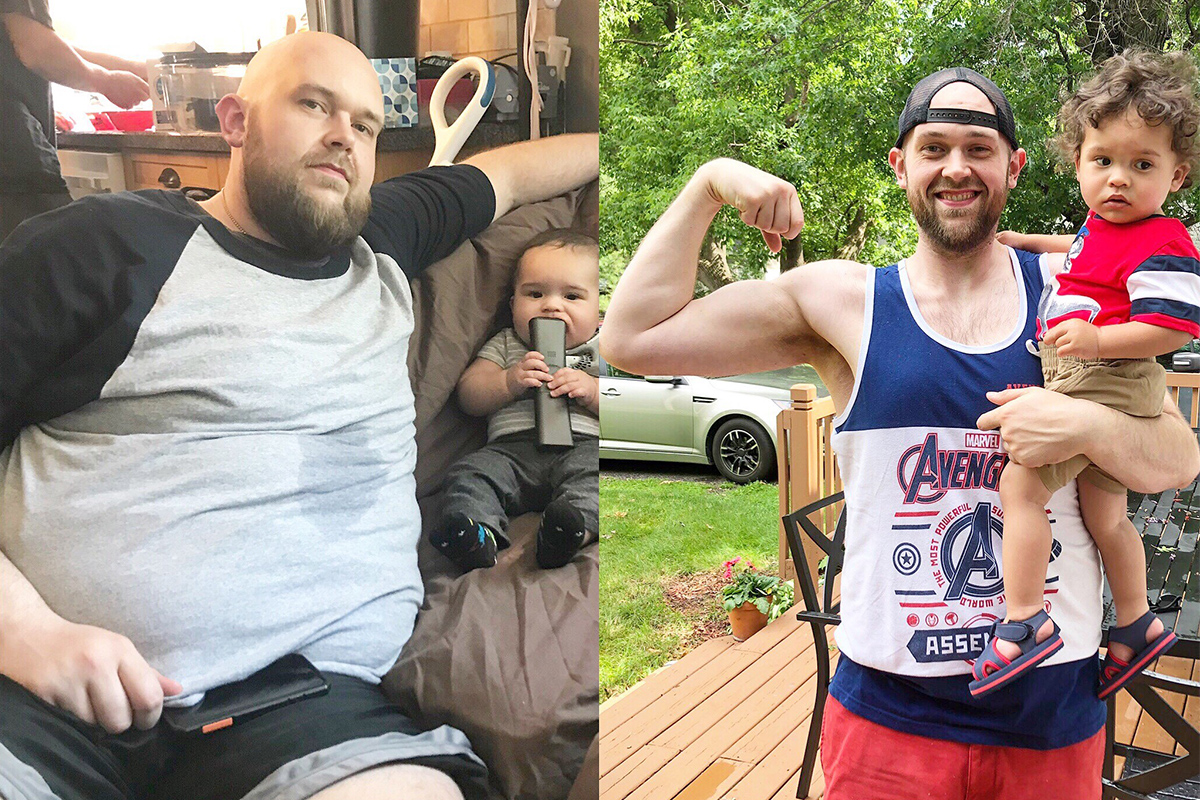
Nick’s weight loss journey began with the 8-month birthday of his son. He changed his workout and eating habits over the course of the last year and managed to lose over 100 pounds!
His motivation came partly from witnessing the success of others who have lost as much weight and more. So, if your goal seems too ambitious and you’re plagued with self-doubt, Nick’s story will show you that with consistency and commitment, big results are possible.
“I decided to make a healthy lifestyle a choice when my son became 8 months old and I was too tired to interact and play with him. I knew that if I wanted to be strong enough to provide for my wife and son, something needed to change.
At that same time, I found a channel on YouTube called BrixFitness where I saw that a man had lost 150 pounds. I thought to myself, if he can do it, I can too. The next day I went and got a membership at LA Fitness. A week later, I showed up to the gym at 5am and I have been going at 5am, 5 days a week for the last year.”
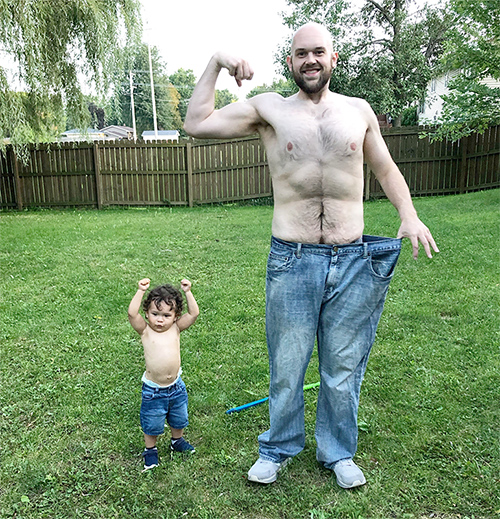
“I have made many eating and drinking changes which have helped drive my progress in the gym, and I am seeing major results. I am more conscious of the labels on the food I eat along with the portions. I even started measuring and weighing my food.”
If Nick could give others a piece of advice, he would tell them that “Consistency is key. Changes do not happen overnight so do not give up. Start with small changes outside the gym like drinking diet soda versus regular soda or eating a protein bar instead of a candy bar. Little changes turn into big results.”
Nick started this journey at 332 pounds and, as of today, he is currently 230 pounds. With his primary focus on weight training and diet over the course of the last year, his plan is to continue that and start integrating more Cardio and Core sessions to continue shaping his body.
He says that his “ultimate fitness goal is to do one pull up as [he has] never done one in [his] entire life.” We’re rooting for you Nick!
Do you have an inspirational story you’d like to share with us? Email us at blog@lafitness.com for a chance to be featured in an upcoming post!

For length and clarity, minor edits – none of which alter the original or intended meaning – have been made to the quotes provided.
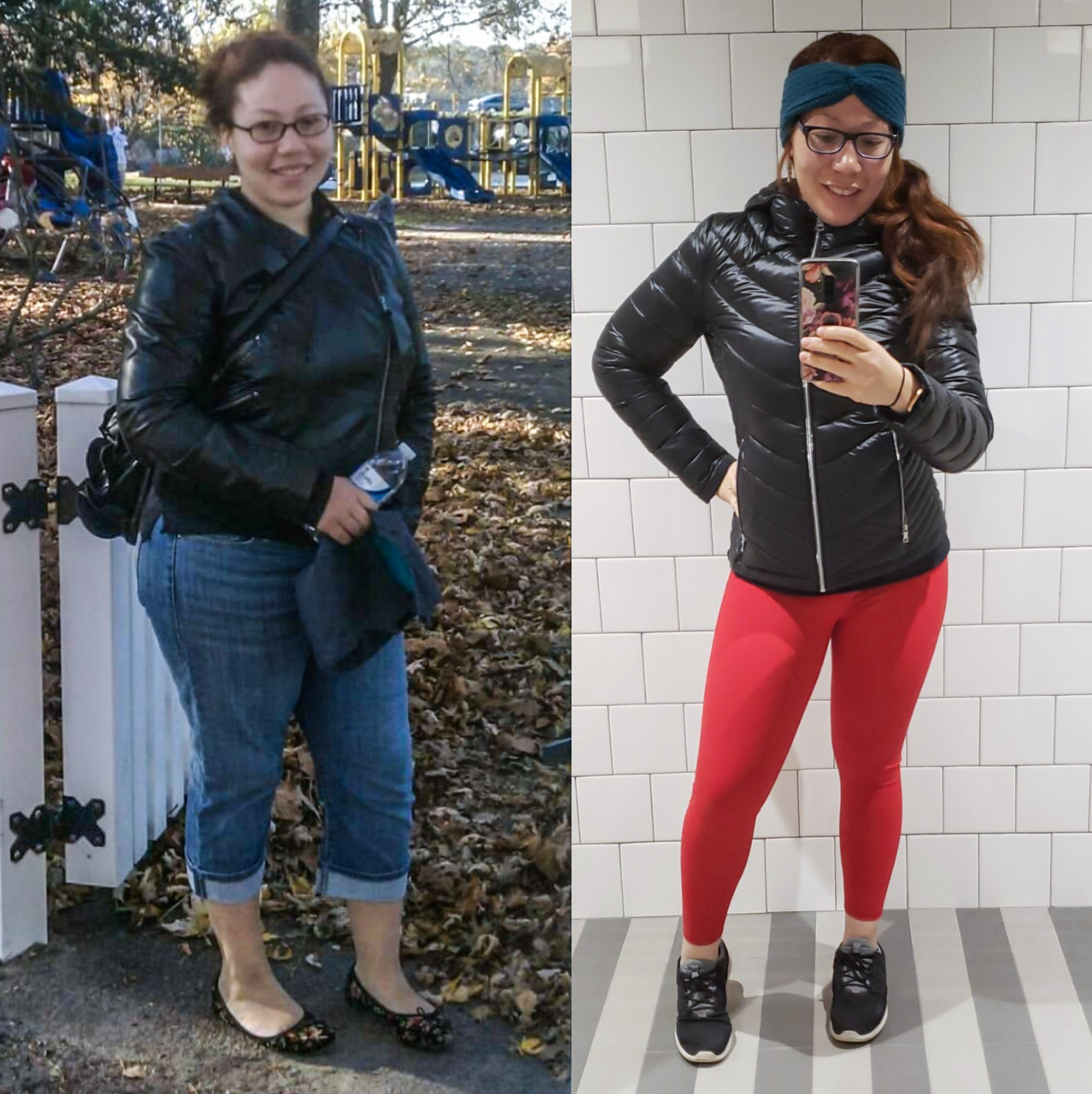
Waleska is a mom with 2 part-time jobs who had a love for chocolate. Despite the time constraints and sweet temptations, she lost over 60 pounds!
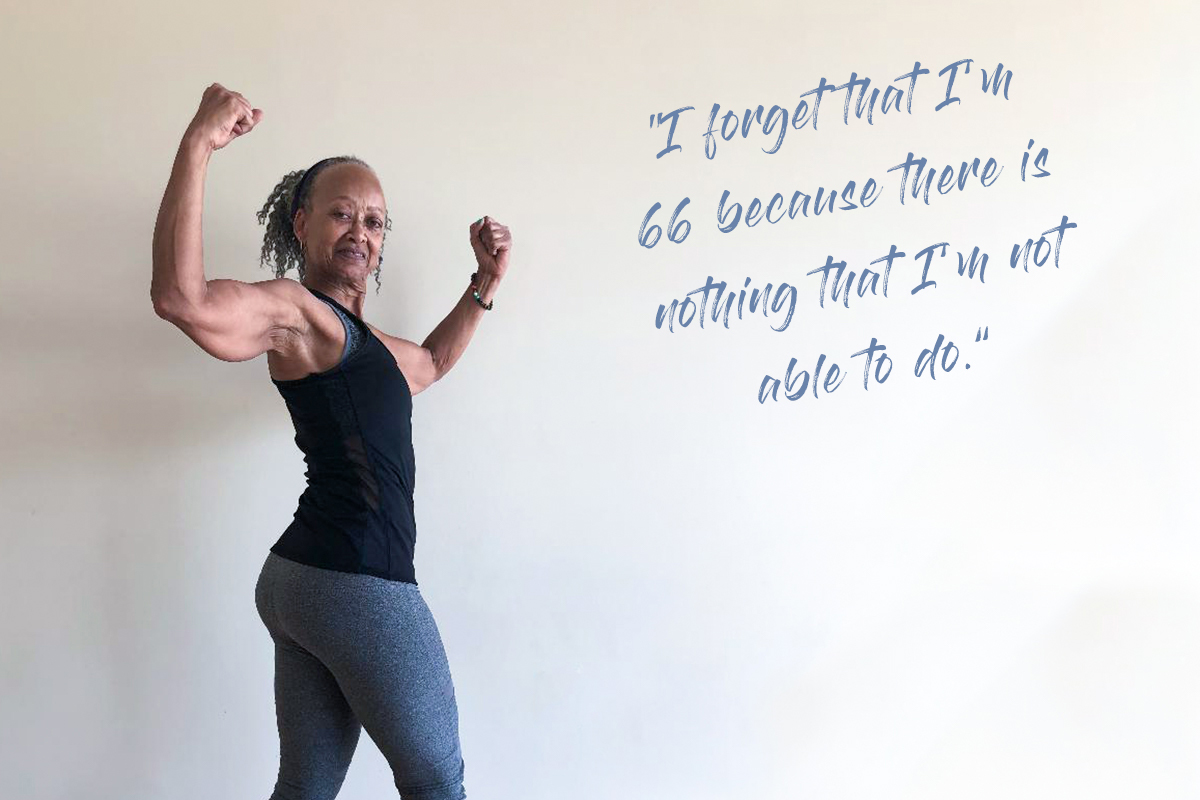
Many of us pair the idea of aging with decreased mobility and various aches. Yet, Patricia’s story shows us just how wrong that notion can be.

Ann shares how, despite back problems, strokes, and surgeries, she is well on her way to achieving her goal of losing 90 to 100 pounds!

We’ve all heard the outburst “I’m not hungry!” when a healthy meal is placed in front of an obviously low-fueled child. [And why, oh why, does this particularly happen after ordering an expensive dish or preparing a labor-intensive meal followed by said child eating half a loaf of bread?] Children certainly can be poor eaters, no doubt. With patience and creativity, parents can turn that into “Peas please, Mom!”
It all starts in infancy when the innate taste preference for sweet flavor (bitter foods were toxic in human history) is met with a bounty of fruity baby food; followed by edible treats from Grandma’s kitchen making their way into toddler hands. No wonder getting little ones to eat decent solid food can be challenging. It’s said that it may take 15 times of introducing a new food item before a child will eat it!
If your kiddo seems to eat the same thing day in and out, you may not need to worry. Food jags are generally okay lasting anywhere from a couple of weeks to a couple of months. Continue to offer nutritious choices and a child will eventually eat when they are hungry enough. Remember, feeding your child is about nourishment. If you engage in a battle of the wills, your child’s attitude toward food in general may lean toward the negative and his or her long-term nutrition may lose out.
Let’s talk about the elephant in the kitchen – vegetables. Children are known for eschewing them from their plates and failing to consume the recommended number of servings (see highlight/box below). Only a handful of veggies satisfy children’s preference for sweet, namely: carrot, corn, sweet potato/yam, tomato and acorn squash. We could write an entire blog just addressing ways to get your kid to eat more vegetables, but here we’ll name a few.
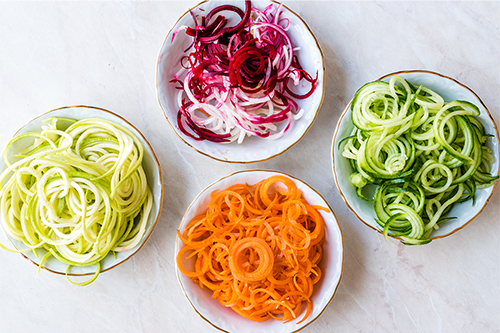
It may be the look. Who said they had to be served in leafy salad or in a naked cooked pile on the plate? Make it fun and appealing! Shred or spiralize vegetables to serve as a topping for sandwiches, burgers, pasta and more. Combine diced vegetables as ‘confetti’ with rice, quinoa or couscous.

Texture aversions present an opportunity to find ways of preparing foods in another manner with an acceptable mouthfeel. Slimy hot okra might be replaced by breaded okra bites. Stringy or leafy vegetables may be pureed into smoothies, soups or sauces. Freeze dried or lightly fried vegetable chips work well in lunch boxes.

Don’t forget about between meal eating. Snacks are necessary for continued energy and offer a valuable time for additional nutrients, especially for small bellies that can only get so much at mealtime. Serve beet-blended pink hummus with crackers or pita bread.

Involve Kids in Food Prep
To increase interest in food, try to get kids involved in cooking or at least preparing a few meals here and there. Children are more likely to try the fruits of their labor than if food is just presented to them. A four–year–old can scoop and stir, a six year old can pour and peel, an eight year old can measure and assemble, while a ten year old can cut and become more confident in advanced tasks. Children like to feed themselves, so finger-friendly foods assure independence at mealtime. To help promote a desire to eat, make sure kids aren’t full of empty calorie foods before meals — keep sweets and treats at a minimum.

Older children often make their own food decisions about what to buy from the school cafeteria or buy from vending machines and drive-through. There’s a reason why teens are stereotyped for their greasy fast food choices, soda and pizza consumption. In a way, adolescents are exerting their freedom from rules and parental control.
On the flip side, too much attention and focus on healthfulness of food can lead to dieting and an unhealthful preoccupation with nutrition among teenagers. Set clear expectations on how spending cash is to be used. It’s best to be a good role model, following habits and behaviors that demonstrate healthy choices, starting early when children are young.
At any stage of childhood, parents should consult with a healthcare professional if their child’s growth is no longer on trend for them individually. For specific eating behaviors and nutritional concerns, look for a Registered Dietitian who is a board–certified specialist in pediatric nutrition, designated by the CSP credential.
Recommended daily vegetable servings*
| Children | 2-3 years old | 1 cup |
| Children | 4-8 years old | 1-1.5 cups |
| Girls | 9-13 years old | 2 cups |
| Boys | 9-13 years old | 2.5 cups |
| Girls | 14-18 years old | 2.5 cups |
| Boys | 14-18 years old | 3 cups |
Cup vegetable equivalents (1 cup = 1 baseball or fist of an average adult)
| 1 cup | Tomato and other vegetable juices |
| 1 cup | Broccoli, Carrots, Green beans and other cooked chopped vegetables |
| 1 cup | Pumpkin and other winter squash |
| 1 cup | Peas, Corn and other starchy vegetables |
| 1 cup | Celery, Peppers, Cucumber and other raw crunchy vegetables |
| 2 cups | Spinach and other raw leafy greens |
*Reference: Daily Vegetable Table. USDA. www.choosemyplate.gov/vegetables July 18, 2019. Accessed 9.6.2019

To get stronger, you need to push your body to certain limits, but how can you know what those limits are? There’s no easy way to define it because everyone is different, and what you are capable of today may not be what you are capable of tomorrow.
There are some tell-tale signs that your workout is no longer benefiting your body. The farther you push past your limits, the longer your recovery will be, and the longer you’ll need to wait before you can train again.
Contrary to popular belief, muscle soreness is not required for muscle gain, and you don’t need to feel like a zombie to benefit from your gym session. So, let’s talk about the signs so you can better understand your limits and get the most out of your workouts.

Because they occur in the moment, these pain signals are easy to identify and are the more obvious warnings of over-exertion. Just a few examples include:
The more dangerous potential for injury is when we do not feel anything, so we continue to exercise. So, if you experience any of the above symptoms, or any other concerning pain or discomfort, that’s a good sign you should take a break or stop.
If you didn’t feel anything while working out, and then felt like a train-wreck in the days to follow, this is your body communicating its limits, just differently.
Take, for example, a person experiencing a sudden adrenaline rush. In fight-or-flight mode, the body is capable of incredible things. Only once the body has settled from the rush does a person finally begin to notice various aches, pains, and even more extreme damage like bone breaks or severed limbs.
It’s possible that while you’re in the zone, pumping iron to the right song, you may not notice that you’re pushing your body just a little too far.

Sometimes, you need to be your own critic. Try to carefully monitor the following things as you work out:
Closing Thoughts
Overdoing your workout doesn’t just mean going full beast-mode and overworking your body. If you’re fighting sickness, or your body is sleep-deprived and exhausted, you may be better off staying home and resting. It’s possible that while your body is trying to manage other ailments, you won’t get much out of your workout anyway. It’s the safer choice to take a break and come back when you’re feeling better.
Always pay attention to the signs and learn your body’s limitations so you can hit the gym with confidence and energy instead of with dread.
For some workout nutrition tips, read out article on Pre- and Post-Workout Foods, or our article on What BCAA’s Can Do for Your Workout. To access our monthly blog post highlights, subscribe to our newsletter today!

Welcome to the 32nd episode of the Living Healthy podcast, presented by LA Fitness.
On this episode of the Living Healthy Podcast, we continue our discussion with Debbie James, RDN, to dish out the details on super-fruits and veggies. We talk about how to incorporate more into your daily diet, whether they can help you bulk up or trim down, and how you can actually alter your taste buds so they taste better!
Listen in now!
How Are We Doing?
This podcast should not replace any exercise program or restrictions, any dietary supplements or restrictions, or any other medical recommendations from your primary care physician. Before starting any exercise program or diet, make sure it is approved by your doctor.
Intro
0:01
Brittany’s Story
0:34
Jumping into Part 2 with Debbie James, RDN
3:41
Are There Certain Fruits/Veggies That Help You Bulk Up or Lose Weight?
2:54
Is it Better to Eat Locally Sourced Fruits and Veggies?
4:38
Is There a Better Time of Day to Eat Fruits and Veggies to Bulk Up?
5:48
Which Ones Are the Super-Fruits and Super-Veggies?
8:03
Can You Change Your Taste buds to Like Veggies?
10:00
Are There Any Tips to Get Kids to Eat Veggies?
12:00
Cooking with Olive Oil versus Coconut Oil
15:11
Does Juicing Hold Long-Term Benefits?
17:05
Actionable Advice
18:20
Outro
19:24

On this week's episode of the Living Healthy Podcast, we ask Registered Dietician Debbie James the question "Is sugar bad for you?"

WE’RE BACK!!! On today's episode of the Living Healthy Podcast, we're talking about Cancer Screening and Prevention with Dr. Rick Van Etten!

Debbie James, RDN, brings us her expert opinion on food safety and sanitation, along with information on how you can eat well if you have to shelter in place.

There is no better time than now to talk about this disorder that affects approximately 764,000 children and adults in the U.S.1
Not only will we fill you in on what it is, we’ll also share some great workout information (like how to calculate your target heart rate for cardio) that individuals who are and who are not affected by CP can apply to their routine.
What is Cerebral Palsy?
The Centers for Disease Control and Prevention (CDC) defines Cerebral Palsy as “a group of disorders that affect a person’s ability to move and maintain balance and posture.”2 There are varying degrees of severity and some variants of the disorder itself. The CDC classifies them in 4 ways:
A person with Spastic Cerebral Palsy has muscle stiffness which may affect the legs, the legs and arms, one side of the body, or, in severe cases, the whole body. Movement appears rigid and can be labor intensive.
A person with Dyskinetic Cerebral Palsy has muscle tone that can fluctuate from being too tight and stiff, to too loose. Muscle movement is difficult to control which can make movements slower or faster than what is typical.
A person with Ataxic Cerebral Palsy has problems with coordination and balance. Quick or precise movements can be difficult to execute.
Mixed Cerebral Palsy occurs when a person experiences symptoms that come from more than one type of Cerebral Palsy.
Is it Possible to Both Be Active and Have Cerebral Palsy?

Physical activity is great for the body, the heart, and the mind. This is something most of us have learned and had ingrained in our memory since childhood. With so many obstacles to free movement, you might wonder how someone with CP can exercise.
The American Academy for Cerebral Palsy and Developmental Medicine (AACPDM) reminds us that the recommended amount of weekly cardio for adults is 150 minutes.3 They go on to say that “there is no evidence to suggest that these requirements should be any different for people with cerebral palsy.”3
How to Be Active When Living with Cerebral Palsy
The following tips are straight from the Fact Sheet provided by the AACPDM. You can view the full document here.
Remember that some exercises may not be safe or possible if you are experiencing certain limitations, so be sure to consult your doctor so you understand the right options for you.
Tip #1: Do Exercises That Build Strength and Endurance
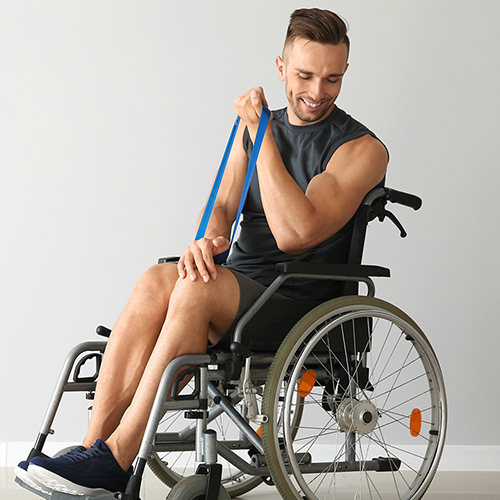
To build muscle, you’ll need to increase the resistance, or the weight your muscles have to move. To build endurance, you’ll need to increase the repetitions, or the number of times you complete a movement. 3 The AACPDM recommends that you should:
Tip #2: Exercise Your Heart

To exercise your heart, you’ll need to know what your maximum heart rate is and set a goal to exercise at 40 – 85% of that maximum. Your heart rate is the number of times your heart beats per minute.
To calculate your maximum heart rate, subtract your age from 220. 3 For example, if you are 20 years old, (220 – 20 = 200), your maximum heart rate is 200.
Now that you have your maximum, you can calculate the heart rate you should aim for when you do cardio. All you have to do is multiply your maximum heart rate by 40% (0.40) and then do a new calculation and multiply by 85% (0.85) instead. Don’t forget to convert the percentage into a decimal by dividing it by 100.
For example, if your maximum heart rate is 200, you would do the following calculation:
200 x 0.40 = 80 beats per minute
200 x 0.85 = 170 beats per minute
Now you know that, to effectively exercise your heart, you need to get your heart rate between 80 and 170 beats per minute.
The AACPDM recommends that you start at a rate of 40% and increase your target rate gradually. 3
Tip #3: Work on Improving Your Range of Motion

Improving your range of motion simply means that you are improving your flexibility. The more flexible you are, the easier it is to do common daily activities like sitting, reaching, and bending.
The AACPDM reminds us that yoga and stretching are not the only ways to improve flexibility. Using your full range of motion while doing your strength training exercises is also a way to improve the flexibility of your muscles. 3
They also talk about how dynamic stretches help improve the muscle’s functionality and strength.3 Dynamic stretches get your body moving and warmed-up, so they are often done before you start working out.4
The Takeaways
Living an active lifestyle is not necessarily exclusive to people of a certain level of ability. Even though Cerebral Palsy affects motor function, exercise is still possible if you respect the limitations in your movement and adhere to the guidance of your doctor.
However, depending on the exact nature of your condition, physical activity simply may not be for you. If this is the case, don’t lose hope! Talk to your doctor to find out what you can do to still care for your health without doing harm to your body.
For more ideas on how to move more and sit less, read our post, 6 Ways to Decrease the Time You Spend Sitting. If you’re not looking to lose weight and instead, you’re looking to put on some healthy pounds, listen to our podcast on How to Gain Healthy Weight.
To access our monthly blog post highlights, subscribe to our newsletter today!
SOURCES