Is Sugar Bad For You? – Podcast Ep. 43
On this week's episode of the Living Healthy Podcast, we ask Registered Dietician Debbie James the question "Is sugar bad for you?"


November 5th was American Football Day. This year, the regular football season runs from September 5th to December 29th. Your favorite players have been training hard, and whether you’re a die-hard fan or you watch only for the half-time show in February, it’s easy to appreciate the feats of athleticism that take place in every game.
Football players need an impressive amount of strength, cardiovascular endurance, stamina, speed, and agility. If you want the physique and athleticism of a football pro, you’ll need to train like one!
Here are 5 exercises that will work your muscles hard and test your physical limits.

5 Workouts That Test Your Limits
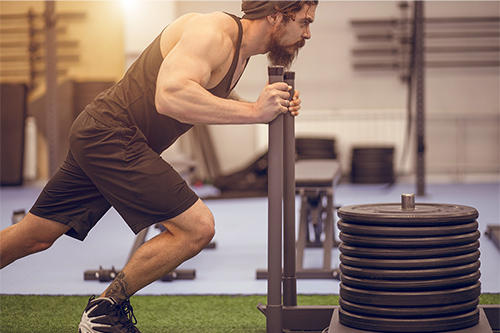
The most recognizable exercise we see football players do in training is the sled tackle. You may not need to be tackling anyone, but the principle of the movement is to learn how to dig deep and use your legs to drive your body forward. A Prowler Sled can be loaded up with weights to intensify your workout and focus your energy without the impact of a tackle.
Alternatively, you can pull the sled with a rope attachment, much like you would pull on a rope in tug-of-war. This flips the focus from your lower body to your upper body and helps you develop a killer grip-strength. For catching a football, rock climbing, scaling a ladder, or opening a jar, having a solid grip is an indicator of good, overall strength.
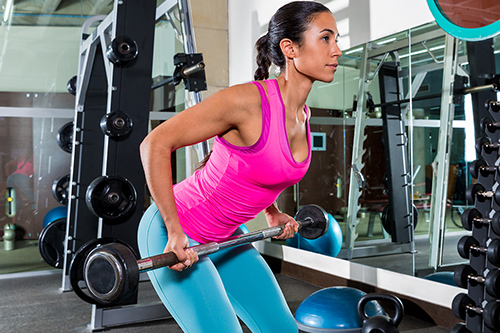
The Golden Rule of Equation Solving, and what should be the golden rule for exercise: What you do to one side, you must do to the other. Many people will focus only on ab workouts thinking that’s how they’ll get a shredded six-pack. Your back muscles, however, are very much a part of your core strength and stability. Having a strong back enables you to perform other exercises more safely and with more strength and power.
Rows are pretty versatile and can be done with a rowing machine for cardio, or with a barbell or TRX cables for strength building. For total-body fitness, make sure to focus on all the muscles in your body instead of just the ones that receive a lot of hype (like abs, biceps, and glutes). Football athletes don’t want to have any weak points so they can take a fall or a tackle and get back up to go again. Your weekly training regimen should aim for the same comprehensiveness.
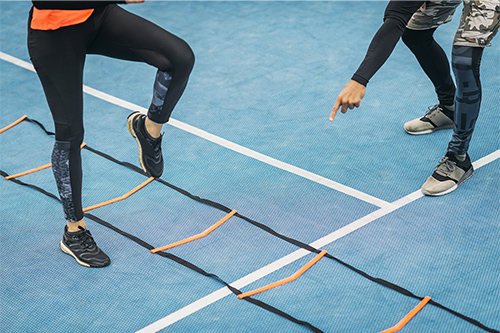
Put your speed and agility to the test with agility ladders and do a lot of great things for your ankle strength as well. This is another easily recognizable drill. You may have seen it in training sessions for football, soccer, rugby, and other sports that require quick and precise maneuvering.
An agility ladder is a flat ladder with evenly spaced rungs. You essentially use it to mark the space on the ground where you will step in, out, and around the lines as quickly and as accurately as possible.
To zero in on the agility component, you’ll need to make a point of targeting your ability to stop, start, and change direction with a high response time. This can make for an interesting and focused workout if you have someone calling out direction changes and various instructions to keep you literally “on your toes.”

If you can do a pull-up with added weight, doing a pull-up without it is a whole lot easier, right? Athletes practice under the same principle. In training, they put their bodies through the toughest conditions so that game day feels like child’s play.
One of their most important assets is their cardiovascular and respiratory endurance. The ability to run up and down that field with the added weight of all the padding and gear, takes a lot of serious conditioning!
Suicide Sprints involve sprinting to and from a series of spaced markers. The idea is to sprint to the first marker, touch it, and then sprint back to your starting point. You’ll immediately, sprint to touch the second marker, and then back again to your starting point. You continue doing this until you’ve run to and from all the markers. You can increase the difficulty by adding more markers or setting them farther apart. After giving this exercise a try, you’ll understand the reason for its grim naming.
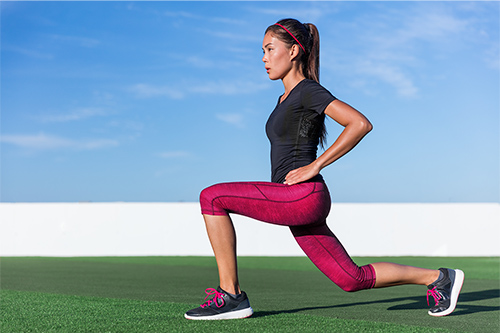
Another great cardio exercise is walking lunges. With your legs doing most of the work, the work of this large muscle group will have you sweating in no time. This exercise hones-in on your quads and glutes and will teach them to endure prolonged use.
To focus more on strengthening your leg muscles, you’ll need to progressively increase the amount of weight they need to move. You can do this by holding dumbbells or wearing a weighted vest as you go.
For tips on getting your mentality into gear for your workout, read about how you can Approach Your Workout Like an Athlete at Practice. Or, hear from Matt Harrison, LA Fitness member and an elite athlete, on Episode 12 of our Podcast. He shares what changes he made to his lifestyle to go from ordinary to extraordinary. To access our monthly blog post highlights, subscribe to our newsletter today!

Welcome to the 34th episode of the Living Healthy podcast, presented by LA Fitness.
On this episode of the Living Healthy Podcast, we speak with Greg McMillan, Founder and Head Coach at McMillan Running and former National Trail Marathon Master’s Champion.
Having trained everyone from new runners to Olympians, Greg understands what it takes to run for the first time and what training looks like for those looking to up their game. Listen in to learn some things you may not know about running, to bust some misconceptions about its effects on your joints, and to hear a gross bug story from Andrew.
How Are We Doing?
This podcast should not replace any exercise program or restrictions, any dietary supplements or restrictions, or any other medical recommendations from your primary care physician. Before starting any exercise program or diet, make sure it is approved by your doctor.
Intro
0:01
Introduction of Founder and Head Coach at McMillan Running, Greg McMillan, M.S
2:08
What Makes You So Passionate About Running?
2:34
What are Some Reasons to Add Running to Your Routine?
3:49
The Shared Experience Among Runners
6:07
What Would Help New Runners Get Started?
8:21
Is it Difficult to Get into Running in Baby Steps?
11:19
Is it Important to Find Out What Kind of Runner You Are?
13:42
Do You Need Special Shoes for Distance Running?
15:38
What is a Good Distance to Start with If You’re Training for a 5K?
16:33
Stride and Cadence to Increase Pace in Long Distance Running
17:35
Recommendations for Hydration Before and During a Run
19:02
If You’re Not Well Hydrated, Should You Avoid Running?
21:43
What are the Right Shoes for Sprinters?
22:30
Are Intervals the Right Way to Train for Sprinting?
23:19
What is a Good Starting Routine for Beginners?
24:17
What Is Running’s Physical Toll on Your Body?
25:09
Is Running Good for Losing Weight?
26:32
What is Good or Bad Running Form?
27:32
Can Music’s BPM Enhance Your Cadence?
30:58
Should You Stretch Before or After Running?
32:41
Myth Busting: Will Running Cause Your Skin to Sag Over Time?
36:36
Actionable Advice
39:00
Outro
41:19

On this week's episode of the Living Healthy Podcast, we ask Registered Dietician Debbie James the question "Is sugar bad for you?"

WE’RE BACK!!! On today's episode of the Living Healthy Podcast, we're talking about Cancer Screening and Prevention with Dr. Rick Van Etten!

Debbie James, RDN, brings us her expert opinion on food safety and sanitation, along with information on how you can eat well if you have to shelter in place.

Growing up, I looked forward to making our own Italian dressing with a packet of zesty herb mix, oil and vinegar and shaking it up in a plastic-lidded glass cruet from Good Seasons. Easy enough for a kindergartener to do! Now, I still prefer the taste of my own dressings to the store-bought ones, either refrigerated or on the shelf.
Fresh is also healthier, not to mention cheaper. No chemical preservatives, artificial colors or flavors, excessive sodium or sugar. Make your own salad dressing so tasty, you’ll want to take it everywhere! …okay, so maybe just to restaurants and potlucks. Still, a custom dressing that only has in it what you want sounds good enough for every salad venue.
Creating your own basic blend takes little time and effort, even for beginners. Moving on to crafting more unique flavored dressings means following established recipes rather than trial-and-error. Here, we give you the rundown of what it takes to make a simple vinaigrette, with two additional dressing styles, plus tips for the best results.
Base Ingredients:
oil – extra virgin olive, avocado, flaxseed, grapeseed, safflower, soybean, etc. (coconut oil solidifies)
acid – vinegar (apple cider, red wine, white wine, balsamic, etc.) or lemon juice
sweet – agave syrup or honey
savory – garlic, onion, mustard or Worcestershire
spice – salt & pepper
Optional Ingredients: sesame oil, lime, orange juice, ginger, dried herbs (basil, dill, tarragon), buttermilk, grated Parmesan cheese, horseradish, avocado, cilantro, parsley, and so much more…
Equipment needed: measuring cup, measuring spoons, bowl, whisk, wide-mouth cruet, or sealed jar/bottle. Optional ingredients may require knife & cutting board or food processor.
Time needed: Just 5 minutes for a basic recipe with dried herbs, 10-15 minutes for those with 10+ ingredients or fresh herbs to chop.
Awesome 8-ingredient DIY Dressings

Staple Vinaigrette – best with spinach, arugula, or mesclun
1/3 cup extra virgin olive oil
1/4 cup red wine vinegar
1 tablespoon lemon juice
1 tablespoon agave syrup
1 tablespoon Dijon mustard
1 tablespoon finely chopped fresh basil
1 teaspoon minced garlic
pinch of salt & pepper, to taste

Creamy Ranch – best with iceberg, romaine or radicchio lettuce
1/3 cup buttermilk
1/2 cup nonfat sour cream or plain yogurt
1 tablespoon white wine vinegar
1 tablespoon finely chopped fresh parsley
1 teaspoon dried dill weed
1 teaspoon onion powder
1/2 teaspoon garlic powder
pinch of salt & cracked pepper, to taste
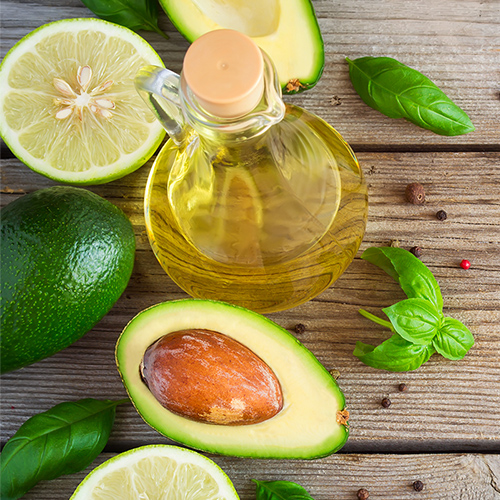
Vegan Green Goddess – best with leaf lettuce, endive or kale; also good on bowl meals
1 avocado
3 tablespoons extra virgin olive oil
3 tablespoons apple cider vinegar
1/4 cup water
3/4 cup packed fresh basil leaves
1/2 cup chopped green onion
1/4 cup chopped fresh parsley
2 garlic cloves
1 cup of dressing yields about eight 2-tablespoon servings.
For peak flavor, allow blends to sit at least 30 minutes for ingredients to meld.
Keep refrigerated in airtight container for up to 5 days.
Do’s and Don’ts
Don’t: Counteract tartness by adding more agave syrup or honey – it’s extra sugar.
Don’t: Over–season your dressing without tasting it first, as that could ruin the finished product.
Don’t: Pre-dress your leafy salad more than ½ hour before you’ll serve it or the oil (& vinegar) may wilt the delicate tender greens.
Don’t: Store mixed vinaigrette at room temperature as the oils can turn rancid over time.
Do: Enhance your salad with natural sweetness from cranberries, mandarin slices or strawberries.
Do: Add salt (up to 1/4 tsp.) and pepper (up to 1/8 tsp.) bit by bit until desired flavor is reached.
Do: Consider adding an emulsifier (like prepared mustard, honey, or tomato paste) to vinaigrettes, which helps keep oil from directly coating leaves.
Do: Refrigerate any unused dressing (all kinds) and allow to come to room temperature, then shake up before reuse.


What Happens in the Brain When You’re Afraid?
On a biological level, we know that, when you’re afraid, certain hormones are released in the body to prepare you for a fight–or–flight response. The primary hormones involved in this process include adrenaline (also known as epinephrine), norepinephrine, and cortisol.
These three hormones give your body a boost of energy, channel your focus, and divert blood flow to your major muscle groups. Once this happens, your body is primed to respond to the perceived danger.
If you don’t enjoy the heart-pounding startles, you might wonder why anyone in their right mind would put themselves through this experience on purpose. Yes, the body gets a surge of anxious energy, but you also experience the release of neurotransmitters like dopamine.
Dopamine is what is commonly associated with the brain’s “pleasure center.” It’s a source of the excitement and relief that comes after a scare and when your brain realizes you were never in any real danger. For spook-seekers, this is the experience that makes the scare worthwhile.
What Exactly are the Benefits?

Dr. Margee Kerr, the staff sociologist at ScareHouse, tells The Atlantic all about the reasons why some brains enjoy fear. In the interview, she reminds us that the enjoyment of scaring and being scared goes back to the telling of ghost stories around a campfire, gothic writings of the 19th century, and tales of creatures like the Chupacabra or the Loch Ness Monster. As human beings, we have had this interest for a long time.
Social connections, she explains, are part of the reason we love to be frightened. Happiness and fear both initiate the release of oxytocin (the love hormone), and help us bond with the people we are experiencing these emotions with. Kerr shares an article by Shelley Taylor, Tend and Befriend: Biobehavioral Bases of Affiliation Under Stress, that demonstrates how a special closeness is developed with those who are with us when we are in an excited state. More importantly, it stresses how this can be a very good thing!
When you tend to or receive care from someone in a moment of fear or anxiety, the chance that you will befriend them increases. According to Dr. Kerr, this is because human beings need each other during periods of stress, so the body responds chemically in ways that help form a bond with others who are in the experience with us. Of course, this is limited to the experience being a positive one that does not actually harm you in any way.
This is why you see people huddled together as they tread through a darkened maze or haunted exhibit, and why popcorn-flinging horror movie nights are also enjoyed worldwide.
The Best Place to Enjoy a Good Scare
The best place to get your chills and thrills is someplace that poses no real threat to your safety. You brain needs to know that your body is not in any real danger after your automatic fight-or-flight response kicks in. Dr. Kerr reflects on how many times she’s seen a person scream and jump at the ScareHouse and immediately after start smiling and laughing. It really is interesting to consider how quickly the brain can process our situation and let the rest of our body know if the fear was just a false alarm.
Are There Drawbacks?

As nearly every suspense movie has proven, anything can have a dark side. Maybe don’t drag your friends to a fright-filled attraction if they really don’t want to go. Sometimes the aversion has roots in trauma, PTSD, or phobia. Being conscious of what is age–appropriate is also important. This is because children are often unable to differentiate between feigned danger and what’s real. What you intended to be a fun experience may end up being traumatic for a child. Sometimes, you just have to make a judgment call, but doing so can help ensure that everyone has a good time and is able to enjoy the spooky excitement.
For some tips from our dietitian on how to treat yourself this Halloween without all the guilt, read her post on Tricks and Treats for Halloween Cheats. To access our monthly blog post highlights, subscribe to our newsletter today!
Sources:
Ringo, Allegra. “Why Do Some Brains Enjoy Fear?” The Atlantic, Atlantic Media Company, 31 Oct. 2013, www.theatlantic.com/health/archive/2013/10/why-do-some-brains-enjoy-fear/280938/.