ASK A TRAINER: Ep. 1 – What Are The Best Moves for Building Glute Muscles?

ASK A TRAINER: Ep. 1 – What Are The Best Moves for Building Glute Muscles?

Welcome to our first episode of Ask A Trainer!

LA Fitness Pro Results® Master Trainer, Geoff F., educates us on some of the best moves for building glute muscles. Watch below!

Do you have a fitness question? Ask one of our certified Pro Results® trainers here! Your question may be featured in an upcoming Ask Our Trainer video.**

6 + 2 =

**Selected submissions will be featured on the LA Fitness blog and possibly other LA Fitness digital media entities & websites. By making a submission, you hereby grant LA Fitness a non-exclusive, perpetual, worldwide, irrevocable license to use and make copies of the contents of such submission for any purpose and in any medium whatsoever, and you hereby waive and relinquish any copyright or other intellectual property right you may have in the contents of such submission and your right to pursue any claim for LA Fitness’s violation of those intellectual property rights.


Recommended 'Ask A Trainer' Videos

Carbs: The Good, The Bad, and The Ugly

Carbs: The Good, The Bad, and The Ugly

An Unrequited Love Story

Shakespeare may have once famously written, ”For never was a story of more woe than this of Juliet and her Romeo.” Clearly,he never knew of the tragic love story between carbs and the waistline.

Carbohydrates. What are they? Why are they so delicious? And why do they get a bad rap?

Let’s break it down. A carbohydrate is defined as “any large group of organic compounds occurring in foods and living tissues and including sugars, starch, and cellulose.”1 An easier way to explain this is that “carbohydrates are the sugars, starches and fibers found in fruits, grains, vegetables and milk products.”2  

These compounds can be grouped into two different categories: simple and complex. 

Simple Carbohydrates (a.k.a. The “Bad” Carbohydrates)

Simple carbohydrates, also known as refined carbs, can be found naturally in milk products, fruits and vegetables. However, they are also found in foods containing processed and refined sugars such as soft drinks, baked goods, and cereal. The latter is what gives carbs a bad reputation, as those type of foods can be unhealthy for your body and lead to disease if too many are consumed. This is because refined and processed sugars are considered “empty calories”, meaning they do not have vitamins, minerals or fiber, which can lead to weight gain.3

Complex Carbohydrates (a.k.a. The “Good” Carbohydrates) 

Complex carbohydrates, also known as polysaccharides, are known to digest slower than simple carbs and are packed full of nutrients for your body. That makes these foods more filling, which helps aid in weight control.4 It also helps in providing the body more energy over longer periods of time.5 A few examples of complex carbohydrates are broccoli, grains, and beans.

If you’re still unsure what makes certain carbs “good” versus “bad”, some helpful distinctions are as follows:6

Bad carbs are: 

  • High in calorie density
  • Full of refined sugars, like corn syrup, white sugar, honey and fruit juices
  • High in refined grains like white flour
  • Low in many nutrients
  • Low in fiber
  • High (often very high) in sodium
  • Sometimes high in saturated fat
  • Sometimes high in cholesterol and trans fats

Good carbs are:

  • Low or moderate in calorie density
  • High in nutrients
  • Devoid of refined sugars and refined grains
  • High in naturally occurring fiber
  • Low in sodium
  • Low in saturated fat
  • Very low (often zero) cholesterol, and no trans fats

The Benefits of Carbs on the Body

While not all carbs are created equal, our bodies do need them to function. In fact, the right type of carbs can help benefit our bodies in multiple ways.

1. Heart Health

Carbohydrates high in fiber help lower LDL-cholesterol (low-density lipoprotein) levels7, which  can contribute to a plaque-like deposit that clogs arteries and makes them less flexible.

2. Weight Loss

Again, the right type of carbohydrates can help with weight loss due to fiber. Dietary fiber helps the body feel full8. Therefore, you’re less likely to over eat.

3. Mental Health 

This is tricky because there have been studies showing both positive and negative effects of carbohydrates on the brain. It’s not exactly about carbs in general, but the type of carbs you’re consuming – do you see a trend here? Stick with complex carbohydrates over simple.

The Takeaway 

The important thing to keep in mind is that there are three different types of carbohydrates: starch, sugar and fiber. Furthermore, carbohydrates can be broken down into two categories known as simple and complex. Depending on your own unique body composition and health history, it may be best to consult your doctor before deciding what changes to make in your diet.

Interested in finding out more about carbohydrates and their effect on the body? Check out some other Living Healthy articles on the topic below!

When Cutting Carbs Becomes Extreme | Q+A

‘Healthy’ Carbohydrates for Weight Loss – fact or fiction?

Low Carb Food Choices | Q+A

No Carb Diet? Think Twice, You Need Carbohydrates to Survive!

Is it true that I need to limit my fruit consumption because fruits are high in sugar and carbohydrates?

Sources:

  1. https://en.oxforddictionaries.com/definition/carbohydrate
  2. Szalay, Jessie. “What Are Carbohydrates?” LiveScience. Purch, 25 Aug. 2015. Web. 21 June 2017.
  3. Ibid
  4. Cherney, Kristeen. “Simple Carbohydrates vs. Complex Carbohydrates.” Healthline. Healthline Media, 30 Mar. 2015. Web. 21 June 2017.
  5. Rodriguez, Diana. “Good vs. Bad Carbohydrates.” EverydayHealth.com. Everyday Health, 07 June 2017. Web. 21 June 2017.
  6. Killoran, Eugenia. “Good Carbs vs. Bad Carbs – What Are You Eating?” Pritikin.com. Web. 2017.
  7. Szalay, Jessie. “What Are Carbohydrates?” LiveScience. Purch, 25 Aug. 2015. Web. 21 June 2017.
  8. Ibid

Recommended Reading

How to Lose Fat as a Vegan | Q+A

How to Lose Fat as a Vegan | Q+A

Question:

I’d like to shed about 8 to 10 pounds of fat quickly. I’m about 5’9, 179lbs., 43 years old. I was told if I work out 3-5 times per week and eliminate all carbs and sugar for a month I should be okay. I’m vegan, so I’m guessing I should just eat vegetables, nuts and protein supplement?

– Antonio T.

Answer:

To have energy for your workouts, it may not be the best plan to forgo all carbs. Plus, so many vegan foods do have carbohydrates. Your estimated energy needs for losing 2 pounds per week quickly are about 1500-1800 calories daily with your current level of exercise. Dividing that up, you should eat 400-500 calories per meal x3 and 150 calories per snack x 2. Here are some possible meal and snack combinations for more variety than just veggies and nuts…

Breakfast options:

  • pecans, blueberries, veggie sausage patty and unsweetened soymilk
  • potatoes O’Brien and low sugar vegan yogurt

Lunch ideas:

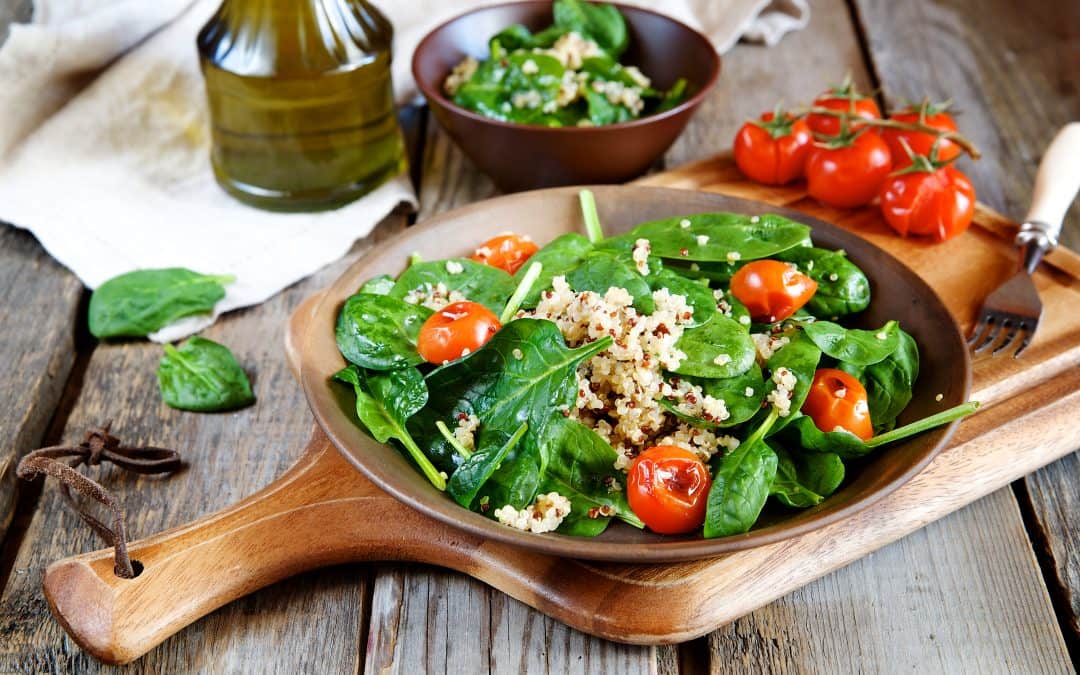
  • spinach salad with pine nuts, cherry tomatoes, red onion, olives (couscous opt.)
  • mushroom burger patty, arugula, sundried tomato, avocado (sandwich thins opt.)

Sample dinners:

  • pinto or black beans with sautéed peppers and onions, salsa (fresh corn opt.)
  • butter beans with asparagus, roma tomato, basil and garlic (orzo opt.)

Snack suggestions:

  • hummus with carrot and celery
  • small apple with peanut or almond butter
  • pea protein shake

– Debbie J., MS, RD

This article should not replace any exercise program or restrictions, any dietary supplements or restrictions, or any other medical recommendations from your primary care physician. Before starting any exercise program or diet, make sure it is approved by your doctor.

Some questions have been edited for length and/or clarity.

LA Fitness Living Healthy subscribe button

Want more? SUBSCRIBE to receive the latest Living Healthy articles right in your inbox!

Ask our Dietitian

Have a nutrition question? Our registered dietitian is ready to help!

Email nutrition@lafitness.com or submit your question below and it may be featured in an upcoming article!

9 + 8 =

Recommended Reading

Is Running Negatively Affecting Your Knees?

Is Running Negatively Affecting Your Knees?

Fun runs, 5ks, half marathons, and full marathons usually spark either excitement or dread into the hearts of those who love running or those who despise it. Whether you’re a seasoned runner, or you enjoy quick 30 minute jogs on the treadmill, the warning that running can be harmful or your knees is something most everyone has heard.

A Closer Look at Running Assumptions

1. Does running cause osteoporosis?

Osteoporosis occurs when your bones becomes brittle and frail, due to loss of tissue. While  some have argued that running increases the risk of developing osteoporosis further down the  line, it is not entirely true.  Many other outside factors like genetics, weight, diet & previous  injuries may all have an effect, and play into whether or not a runner will develop the disease.1

2. Is running unhealthy for pregnant women?

Not necessarily and here’s why: running “can help ease delivery and encourage the flow of blood, oxygen and nutrients to the developing fetus.”2 Most women can walk, jog, and run up until the third trimester; some can even run through it.3 However, since everyone’s body type is different, always consult your doctor before engaging in a new fitness routine, especially if you are pregnant.

3. Does running cause joint inflammation?

According to a study done by co-author Matt Seeley, an associate professor of exercise at  Brigham Young University, in Provo, Utah, he and fellow BYU colleagues, as well as Dr. Eric   Robinson of Intermountain Healthcare, measured the typical knee joint fluid found in selected  healthy men and women aged 18-35, both before running and after. They found that two  markers they were looking for,  two cytokines named GM-CSF and IL-15, actually decreased  in the subjects after 30 minutes of running.4 This study indicates that for young and healthy  individuals, running may help create an anti-inflammatory environment that may benefit joint health long-term. Of course, everyone’s body handles things differently. If you feel like running is  causing inflammation in your knees, speak with your physician.

Fun Fact!

Did you know? You don’t necessarily have to carb load before a race. Sorry to break the news to pasta lovers out there, but carb-loading really only helps if you’re running a half marathon or longer.5 This is because carbs are stored as glycogen in our muscles and liver, where they act as energy. Running a 5k or 10k will not cause your body to need the extra glycogen. For most of us, our bodies already have enough carbs stored up to get us through the smaller races.

!! Tips for Runners

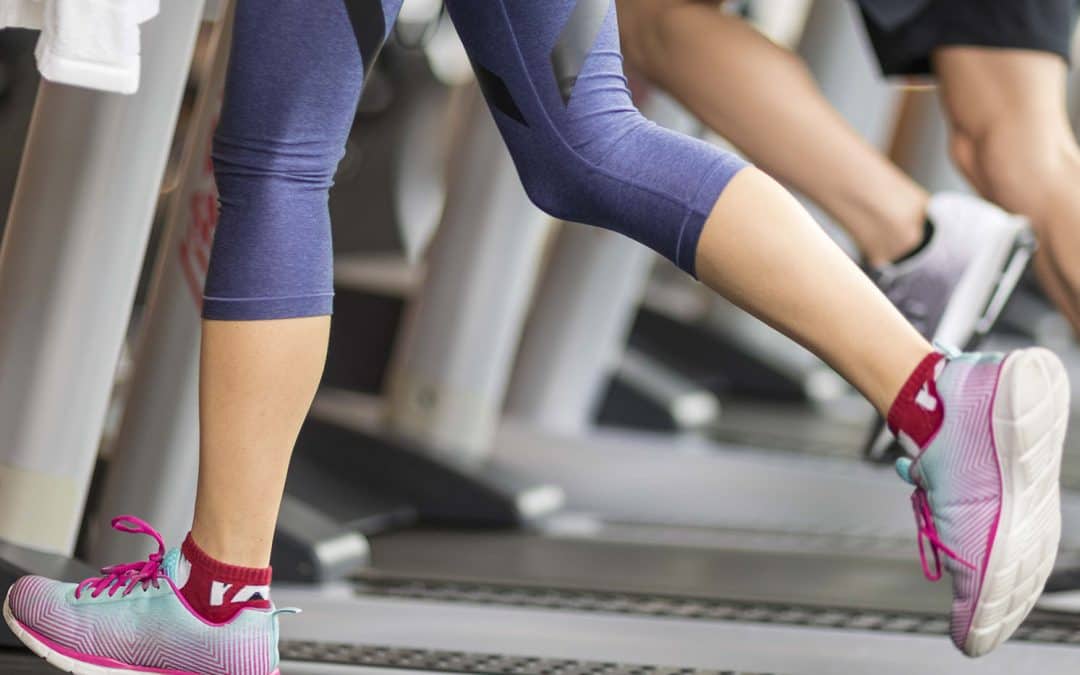
  • Concrete can be hard on the knees, try running on asphalt or a rubberized running track. Softer surfaces can help absorb a bit of the impact.6 An indoor treadmill may help too.
  • If you want to decrease your chances of hurting yourself from running, add strength training to your routine to help build up your muscles.7
  • Don’t push your body too hard too soon. Make sure you allow yourself enough time to build up strength and endurance before increasing your speed or distance to prevent injuries that may be avoided.

Sources:

  1. Karp, Ph.D. Jason R. “Running Is Bad for Your Knees and Other Top Running Myths.” ACTIVE.com. N.p., 05 Feb. 2016. Web. 15 June 2017.
  2. Ibid
  3. Ibid
  4. Hollingshead, Todd. “Study: Running Actually Lowers Inflammation in Knee Joints.” Brigham Young University. N.p., 09 May 2017. Web. 15 June 2017.
  5. Karp, Ph.D. Jason R. “Running Is Bad for Your Knees and Other Top Running Myths.” ACTIVE.com. N.p., 05 Feb. 2016. Web. 15 June 2017.
  6. Strong, Debbie. “What 6 Joint Docs Say About Running.” EverydayHealth.com. Everyday Health, 28 May 2015. Web. 15 June 2017.
  7. Keprotica. “Strength Training For Runners: How To Do It Right.” Bodybuilding.com. N.p., 05 Apr. 2016. Web. 15 June 2017.

This article should not replace any exercise program or restrictions, any dietary supplements or restrictions, or any other medical recommendations from your primary care physician. Before starting any exercise program or diet, make sure it is approved by your doctor.


Recommended Reading

What You Didn’t Know About Aqua Fit

What You Didn’t Know About Aqua Fit

Splish, splash, it’s time for an Aqua Fit class!

Aqua Fit is a Group Fitness class unlike any other. In case you didn’t know, the entire class takes place in the pool, which is a perfect way to get your workout in while keeping cool. While many might interpret Aqua Fit as an easy class, it may not be as simple as you think it is. Working out in the water does help put less of a strain on the muscles, which may help make it an easier work out on the body. However, weights are still used, and muscle is still built, but the weights you use are specially designed for the water. If you can imagine mini boat propellers, that may be the best way to describe water weights. These weights help add resistance to your workout as you move through that refreshing H20. As you push and pull the water dumbbells through the water, you strengthen your core and challenge hard to target muscles.

For those of you who are still skeptics on whether or not Aqua Fit would be the right fit for you, we interviewed Aqua Fit Group Fitness cycle instructor, Ilke E.W. Ilke is a Stage III breast cancer survivor and lacked the motivation to work out after her cancer treatments. The only way she could get a workout in without overexerting her joints was in the water. She started participating in aqua dance fitness. She lost over 50 lbs., adopted healthy habits, and became a certified Group Fitness instructor, which helped her continue to stay motivated with her healthy new life choices. Ilke shared with us her views on exactly what Aqua Fit is, who Aqua Fit benefits and why you should give it a try.

“[Aqua Fit is] a never-ending party while you get healthier and more fit without even knowing it.”

Ilke E.W.

Aqua Fit Group Fitness Instructor, LA Fitness

Q: What sets Aqua Fit apart from other fitness classes?

Ilke E.W.: In an Aqua Fit class, you perform large muscle movements by reaching your arms and lifting your legs in the water as well as circling your hips and shoulders with the resistance of water added.  Furthermore, water gives support in terms of balance, minimizing the potential for injury to the muscles and joints.  In a land-based exercise, you do not have that.

Q: Would you recommend aqua fit for all age groups? If so, what would you like our younger members to know about it?

I.E.W.: Unfortunately, there is a myth among young groups that Aqua Fit is only for “grandma” while she does her thing in the water wearing a flowered swim cap. I can convince any millennial if she/he did ten minutes of my class in the water. First off, the workout is intense, as intense as you would like to make it. It combines both cardio and resistance and can be even more challenging because you are doing jumping jacks, leg lifts, and arm movements with the added resistance of the water. With the added benefit of dance fitness, a young person can stay motivated doing challenging and greater motions with their bodies in the safety of the water dancing to the tunes they hear every day.

Q: Why chose Aqua Fit over other aerobic options?

I.E.W.: Working out in an Aqua Fit class during the week will add variety and minimize burn out for members. Adding more resistance into a workout with the safety of the water will encourage members to push themselves even harder when they know they probably will not get hurt doing challenging moves.

Q: What does Aqua Fit mean to you?

I.E.W.: Aqua Fit means a healthy choice while I have fun doing it in a party atmosphere, while it does not feel like a work out or a job.

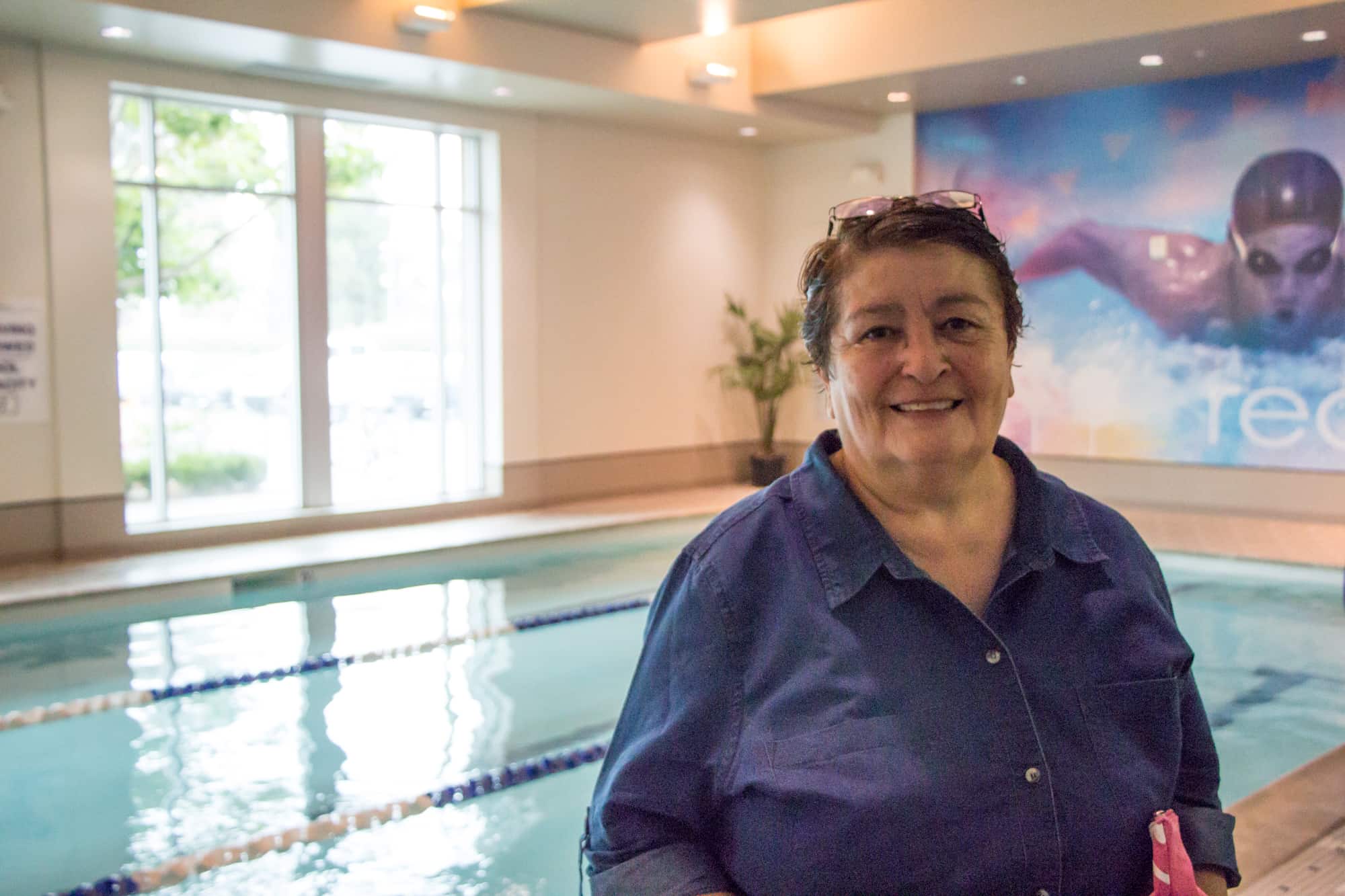
“Do not be afraid of trying Aqua Fit.  It is for everyone who can go in the water.  Furthermore, you will be less intimidated in the beginning, since nobody can see what you are doing under the water.”

Ilke E.W.

Aqua Fit Group Fitness Instructor, LA Fitness

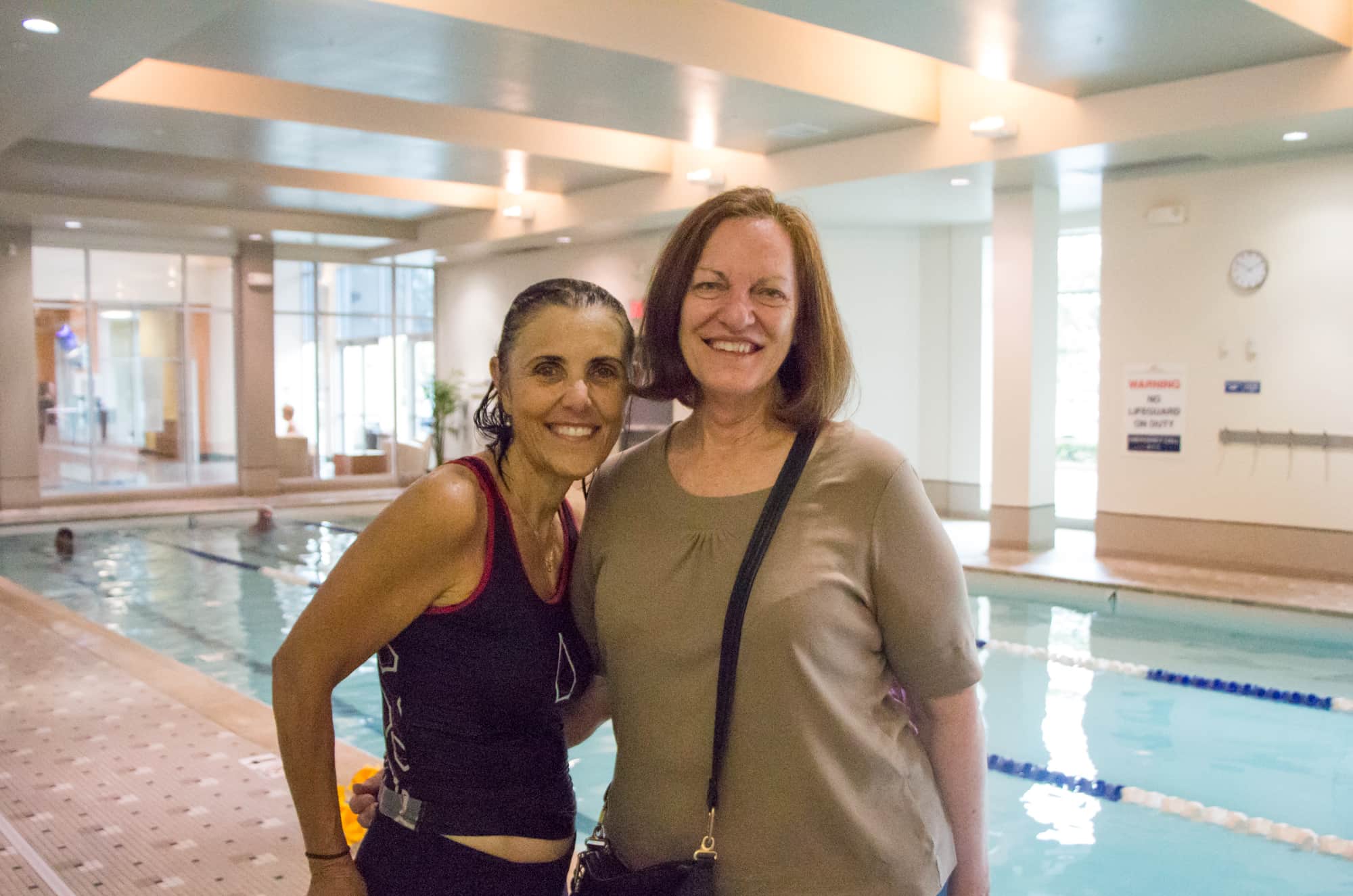
Ilke and LAF member, Joe G.

Q: Please expand briefly, on how those with breast cancer can benefit from an Aqua Fit class. What does it help with?

I.E.W.: After any surgery or injury, not limited to mastectomies, most people must go through physical therapy to gain back the mobility in their joints and muscles. Usually a physical therapist gives a patient homework to do at home in addition to going to a PT center. These exercises can be more easily done in the water, helping to minimize further injury and maximize the challenge with the resistance of the water.  Particularly with breast cancer patients who went through mastectomies or lumpectomies, the mobility of the arms is quite limited. They may also develop scar tissue in the breast area that cannot be freed up and further hinders mobility of the arms. One way to gain mobility can be with targeted Aqua Fit exercises in the water.

Member Testimonials: 

Ilke with friend, and LAF Member, Kathy K.

LAF Member & Aqua Fit Advocator, Luisa C.

Susan P. enjoys Ilke’s Aqua Fit class because of the “fun, socialization, [and] support.”

“Ilke’s classes are engaging, fun, and a terrific workout.”

Kathy K.

LA Fitness member

“I came to Aqua Fit after I broke my ankle and stayed for the fun and camaraderie and Ilke’s great personality and inspirational methods.”

Gloria C.

LA Fitness member

“If you want to have a good time come to Aqua Fit.”

Joe G.

LAF Member

“The place is clean and the Aqua Fit classes are wonderful in particular. Ilke […] motivates us with her contagious smile.”

Luisa C.

LAF Member

Joe G. also shared that the class is like a mini family and community. They sometimes get breakfast together after classes, and have holiday themed classes. It’s like being at a party with some of your closest friends.

If you want to check out an Aqua Fit class and see if it’s a good fit for you, find a location near you that offers the class here*! Don’t forget that Aqua Fit is a fun, yet challenging water aerobics workout that is offered for members of all ages. It’s a unique way to switch up your typical workout routine – so stop on by and give it a try!

*Classes and amenities vary by location.

This article is not meant to be construed as medical or nutritional advice. Consult with your physician before starting a new fitness routine.


Recommended Reading