10 Thanksgiving Ideas to Revive Your Celebrations
The Holiday Season can get stressful, so we may stick to a routine for the sake of easy planning. Try any of these 10 simple ideas to bring new life to your Thanksgiving celebrations.


Much like Goldilocks trying to find the perfect temperature of porridge, many of us struggle with finding just the right temperature of water to use. Those temperatures often vary from activity to activity. While some people enjoy hot showers, others prefer cold ones. Some wash their fruits and veggies in lukewarm water, while others use cold water. It bids the question – are there certain water temperatures we should be using for certain tasks? We did the research.
Never second-guess water temperatures again. Check out the following activities and corresponding recommended water temperatures.

Showering + Washing Your Hair
Who doesn’t love a nice hot shower, with the steamy warmth of water cascading over you and warming you up from head-to-toe? The trouble is that hot showers (anything above 99 degrees1) can dry out your skin and leave your hair feeling brittle! The hot water can also strip your skin of natural oils and may trigger inflammation2. The solution to this isn’t necessarily to opt for a cold shower either. In fact, anything below the average temperature of 96 degrees can harness negative effects of its own. This means that you’re left with a healthy, happy, medium – warm, with a cold rinse at the end of your shower3, which is what you should aim for.
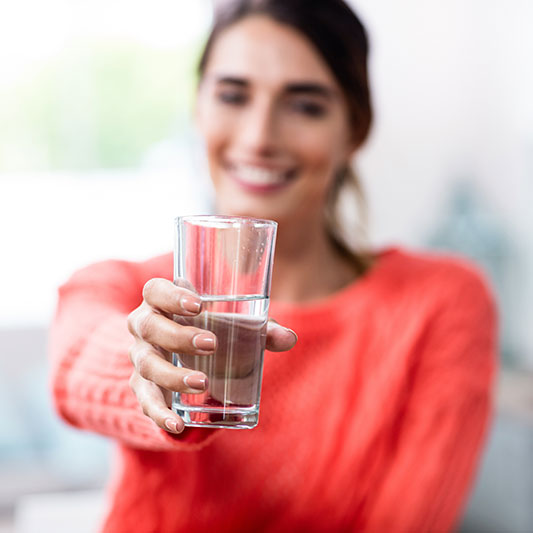
Drinking Water
Over the years, there has been quite a debate over whether it’s best to drink room temperature water or cold water. Well, the fact of the matter is, each side has its benefits. Here’s why:
Benefits of Drinking Warm Water
Benefits of Drinking Cold Water

Washing the Dishes
The hotter, the better! The water temperature should be uncomfortable for bare hands (invest in some rubber gloves to protect your hands when washing). Ideally, the water temperature should be at 110 degrees Fahrenheit11 to help kill bacteria and assist in cutting through tough built up grease.
Dishwasher Temperature
According to GE Appliances, “Water entering the dishwasher must be at least 120 degrees Fahrenheit and not more than 150 degrees Fahrenheit for the best cleaning and to prevent damage to the dishes.”12

Bathing Your Baby + Washing Your Dog
When you have something as precious as a newborn baby, you want to do everything in your power to take care of it. So, when it comes to bath time, what temperature is just right? According to an article put out by the Mayo Clinic, they suggest aiming for bath water around 100 F (38 C) and ensuring the room is comfortably warm too.13
Does this mean man’s best friend should be bathed in the same temperature water too? Pets are sensitive to hot and cold water, so to avoid the shock value, keep the water temperature at a lukewarm level.14 This will help ensure a comfortable experience for them and may even increase the effectiveness of the shampoo.15

Brushing Your Teeth
Cold water seems like the preferred way to go, but if you have sensitive teeth, lukewarm water may help with that. This one is really up to personal preference, so go for what feels most comfortable to you! However, Richard H. Price, a spokesman for the American Dental Association, did warn about water being too warm, potentially softening toothbrush bristles.16

Watering Plants
Have you ever thought the reason your outdoor and indoor houseplants kept dying was simply that you were born without a green thumb? Think again. Premature plant death is often caused by over-watering, but when you do need to water your plants, what temperature should the water be? Try allowing the water to reach room temperature before watering your greens.17
!! TIP: “Allowing tap water to warm up to room temperature also allows water additives to evaporate or settle out in the water. These additives can cause the browning of plant leaf tips. The prolonged use of water from a softener usually results in poor plant growth.”18
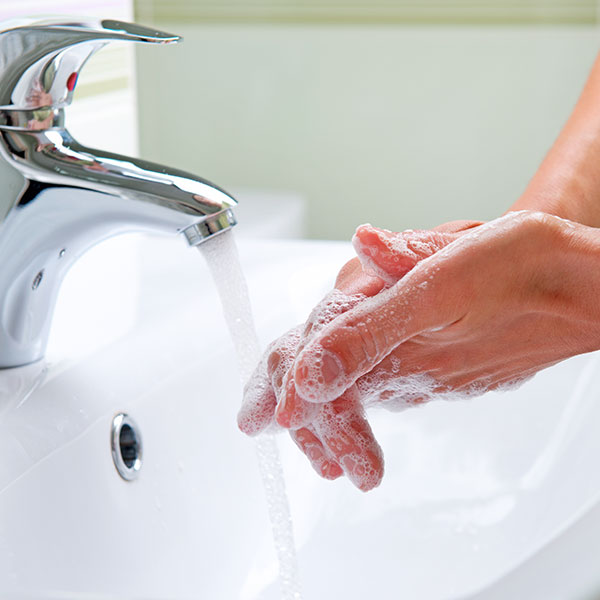
Washing Your Hands
Administration guidelines for food and restaurant establishments recommend that plumbing systems should deliver water at 100 degrees Fahrenheit. However, in a recent article published in Time Magazine, researchers at Rutgers University “found no significant difference in cleaning power between water that was 60, 79 or 100 degrees Fahrenheit.”19 The real takeaway here is to make sure to always wash your hands!

Washing Clothes
Hot water is best left for whites and heavily dirtied clothes, but a word for the wise: hot water may shrink, fade and even damage some fabrics.20 Make sure that you’re reading fabric labels to ensure you won’t be ruining the clothing.
Warm water is best when washing knits, jeans, and other man-made fibers.21 Most clothes can be washed in warm water (roughly 90 degrees Fahrenheit) without significant shrinking or fading occurring.
As for cold water washing, leave that for dark, bright colors, and delicates.22 However, when washing with cold water you may need to pre-treat or pre-soak clothes if they are heavily soiled.
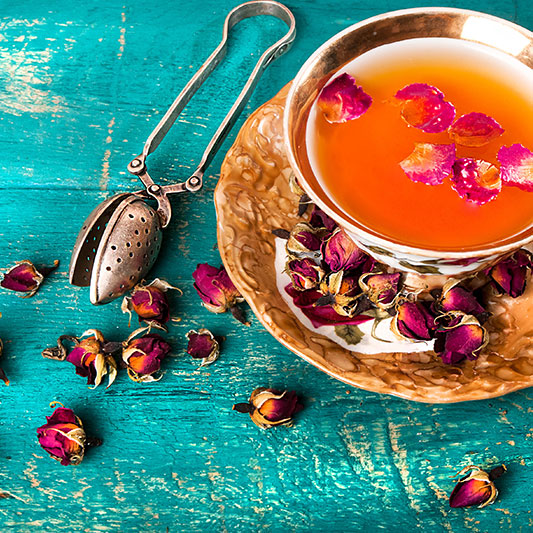
Brewing Teas
White Tea
White tea should be brewed at a low temperature, so as not to burn the tea leaves. A helpful tip would be to use water once tiny bubbles have formed on the bottom of the pan.23
Green Teas
Much like white tea, it’s best to brew green teas at a lower temperature as well. This can help prevent a bitter or grassy flavor from overpowering your tea.24 A tip offered by The Spruce online suggests waiting until tiny bubbles have formed on the bottom of the pot and begin rising to the surface of the pot.
Oolong Tea
Time to turn up the heat. For oolong tea, a higher temperature will not damage the tea. It’s suggested that brewing between 190 to 200 degrees Fahrenheit is the sweet spot.25 Bubbles should be slightly larger in size as opposed to brewing white or green tea, with a good amount of steam escaping the pot.
Black Tea
Depending on the type of black tea you are drinking, either moderate and high temperate water may be used. For more delicate black teas, brew as you would an oolong. For heavier black teas, it is fine to bring the temperature up to just under a boil.26 You will notice large bubbles and plenty of steam.
Pu-erh Tea
Boil, baby, boil! It’s suggested that pu-erh tea should be brewed with fully boiling water.
Herbal
Depending on the plants being used, the water temperature for brewing herbal tea varies widely.27 Check what’s best for your specific herbal tea in order to yield best results.

Brewing Coffee + Espresso
Straight from the National Coffee Association themselves, your brewer should maintain a water temperature between 195 to 205 degrees Fahrenheit for optimal extraction.” Cold water can result in under-extracted coffee, which may cause the coffee to taste flat. On the other hand, brewing too hot can impact the quality taste of the coffee.28
As for brewing that special shot of espresso, there are multiple claims that various temperatures are “best” for securing that perfect espresso shot. There doesn’t seem to be enough evidence to prove one temperature outshines another, so go rogue, espresso lovers of the world.
Cooking
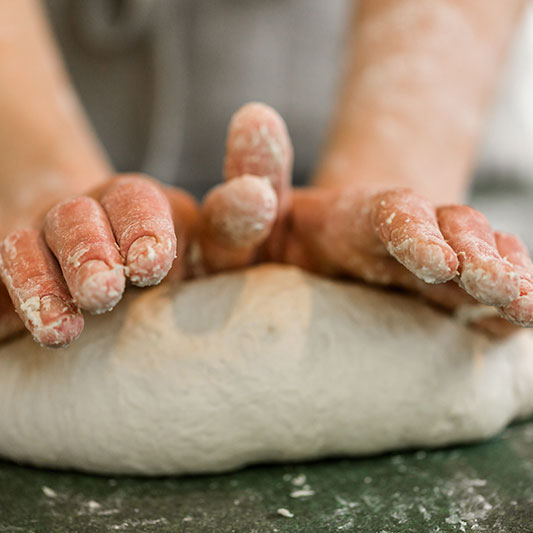
Baking Bread
Time to bake the bread before you start breaking it. When activating the yeast for the bread, make sure that it is done so in 120 to 130 degree Fahrenheit water. Anything over 130 degrees can kill the yeast, and anything lower than 120 degrees can make the dough hard to work with.28
Thawing Meats
According to the United States Department of Agriculture, cold water thawing is a completely acceptable way to thaw meat as long as you follow a few safety guidelines. Completely submerge the bag of meat in cold tap water, changing out the water every 30 minutes to keep it cold and allowing the meat to continually thaw.29
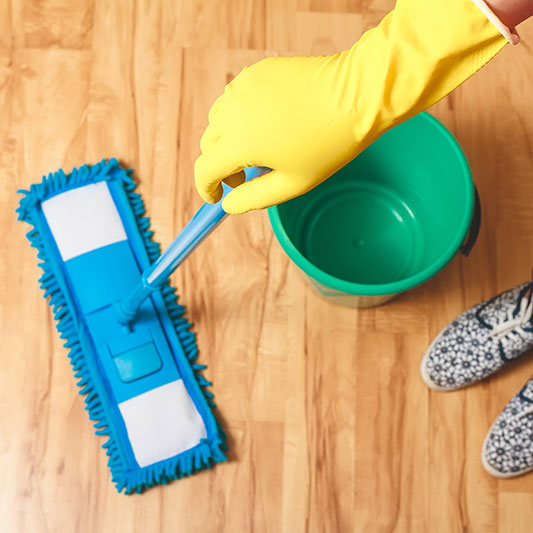
Mopping Floors
Cold water is said to work best for mopping floors, because cold water dries slower and evenly on the floor’s surface, which may help prevent smears and streaks from forming.30

Washing Produce
When washing fruits and veggies, the water should be no more than 10 degrees colder than the produce.31 As long as you make sure you’re scrubbing and sufficiently cleaning the produce in hand, tap water should be an efficient way to get produce clean and ready to prep/consume.
Sources:
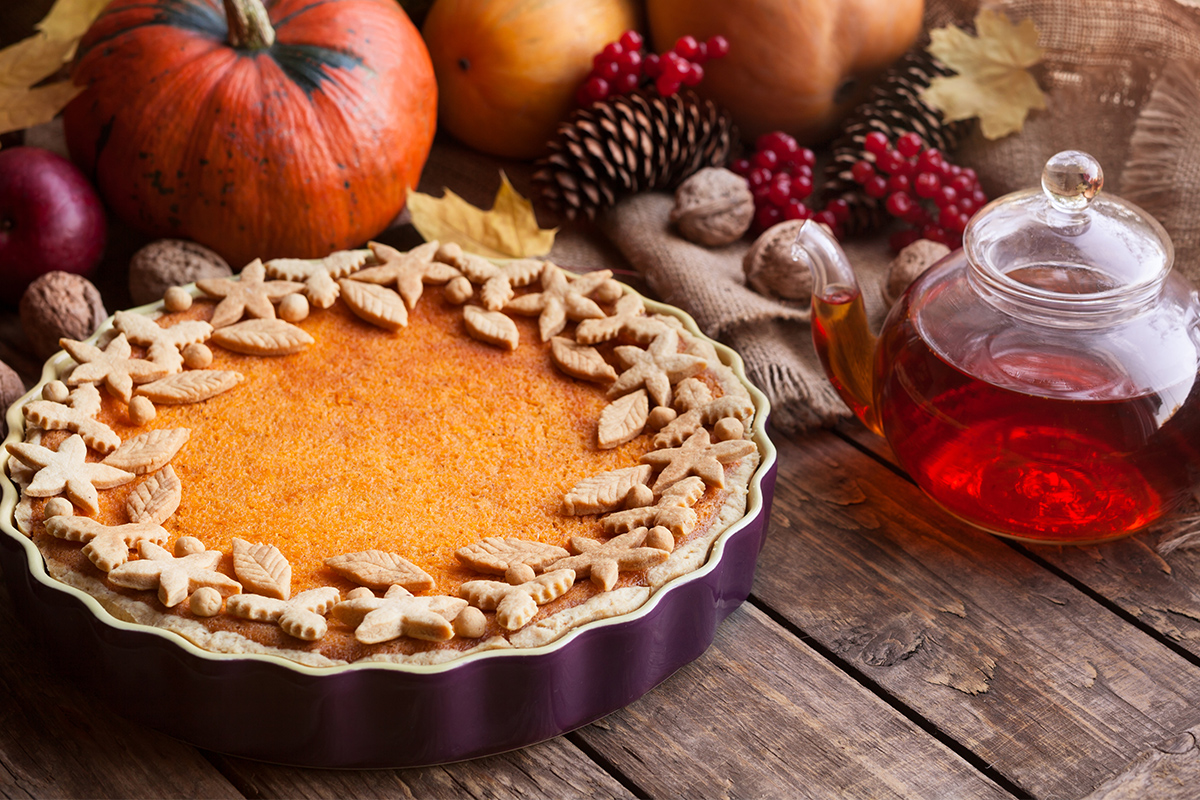
The Holiday Season can get stressful, so we may stick to a routine for the sake of easy planning. Try any of these 10 simple ideas to bring new life to your Thanksgiving celebrations.

By now, you may have seen some donation boxes at your local LA Fitness. If you haven’t been entirely sure what those boxes are all about, you’re in the right place!
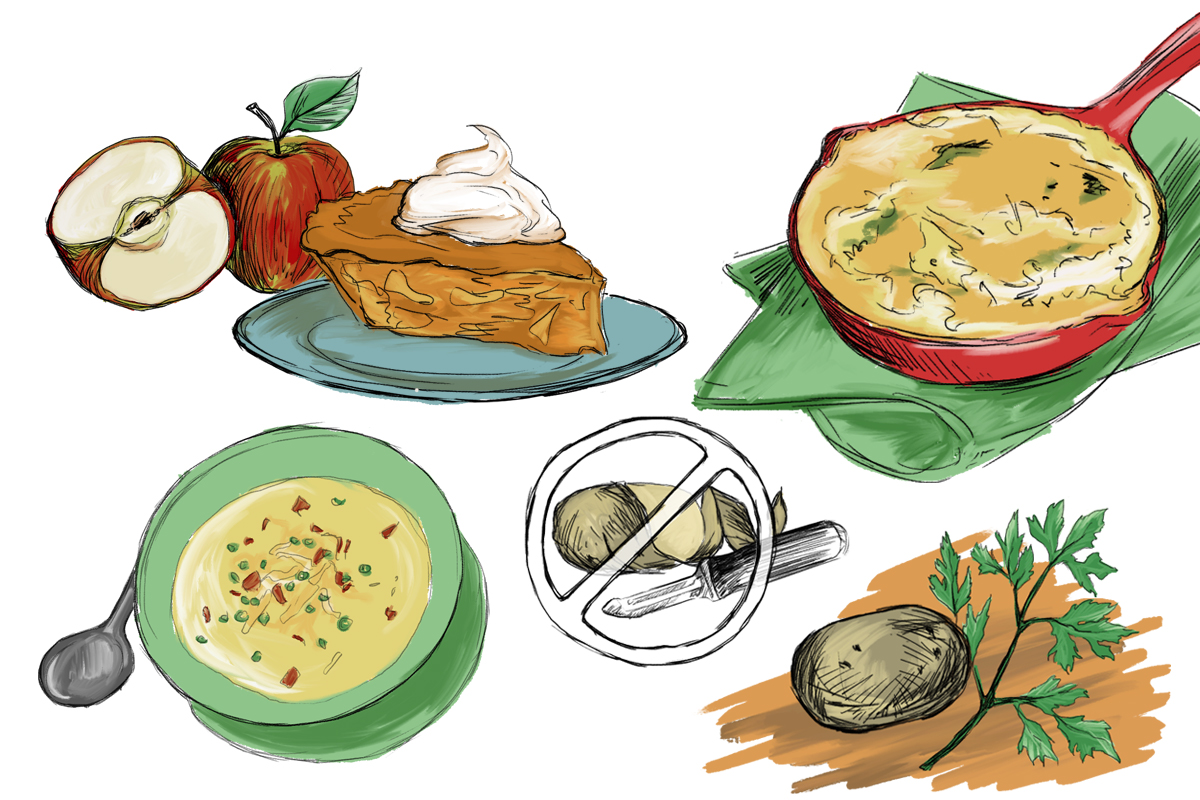
Most comfort foods we turn to are heavily laden with fat, starch and calories. There are healthier ways to enjoy down-home classics by making a few tweaks.


What are some snacks that I can eat throughout the day to keep my body from eating itself? I have a high metabolism and I get hungry very quickly
– Joseph E.

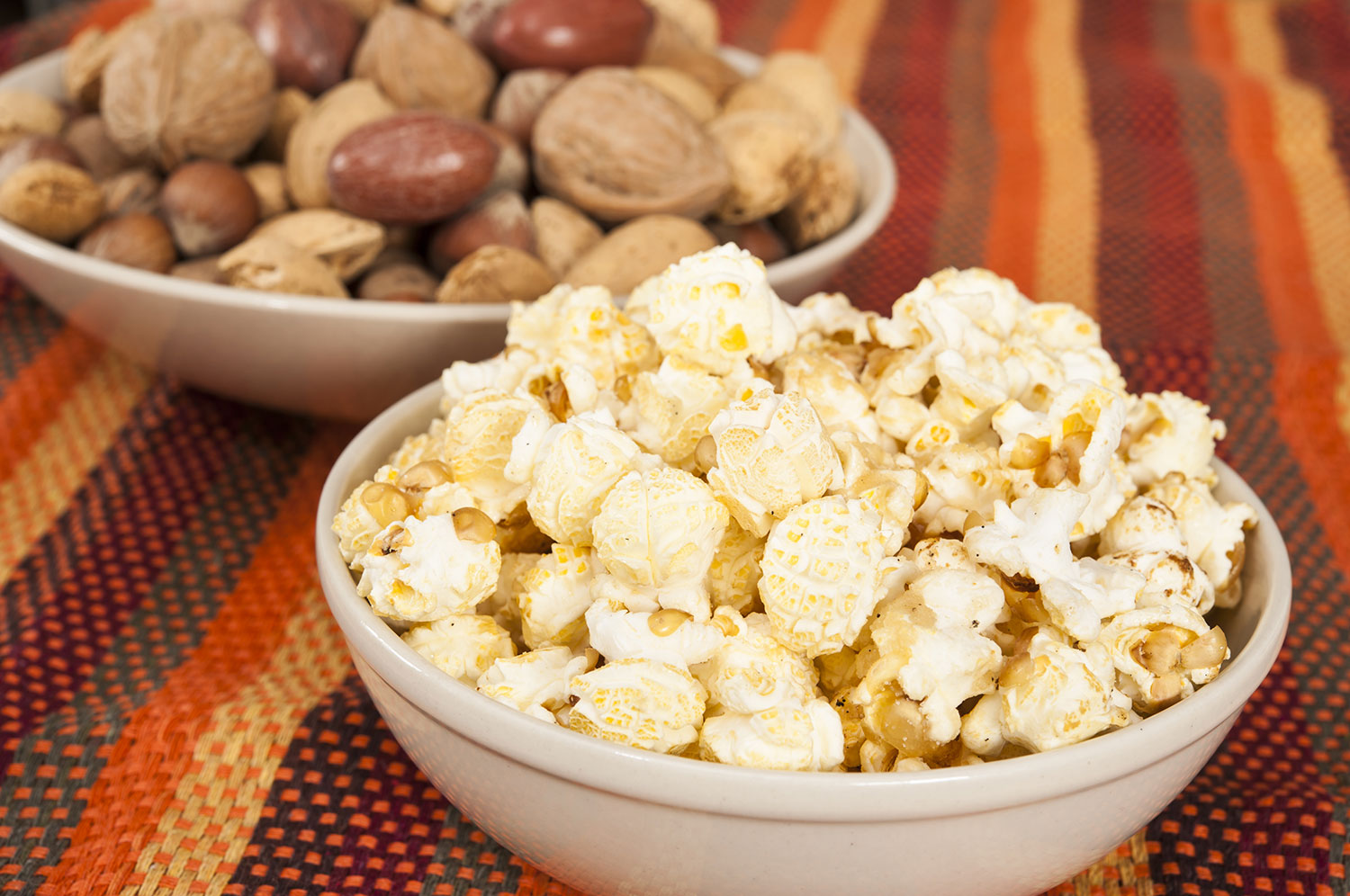
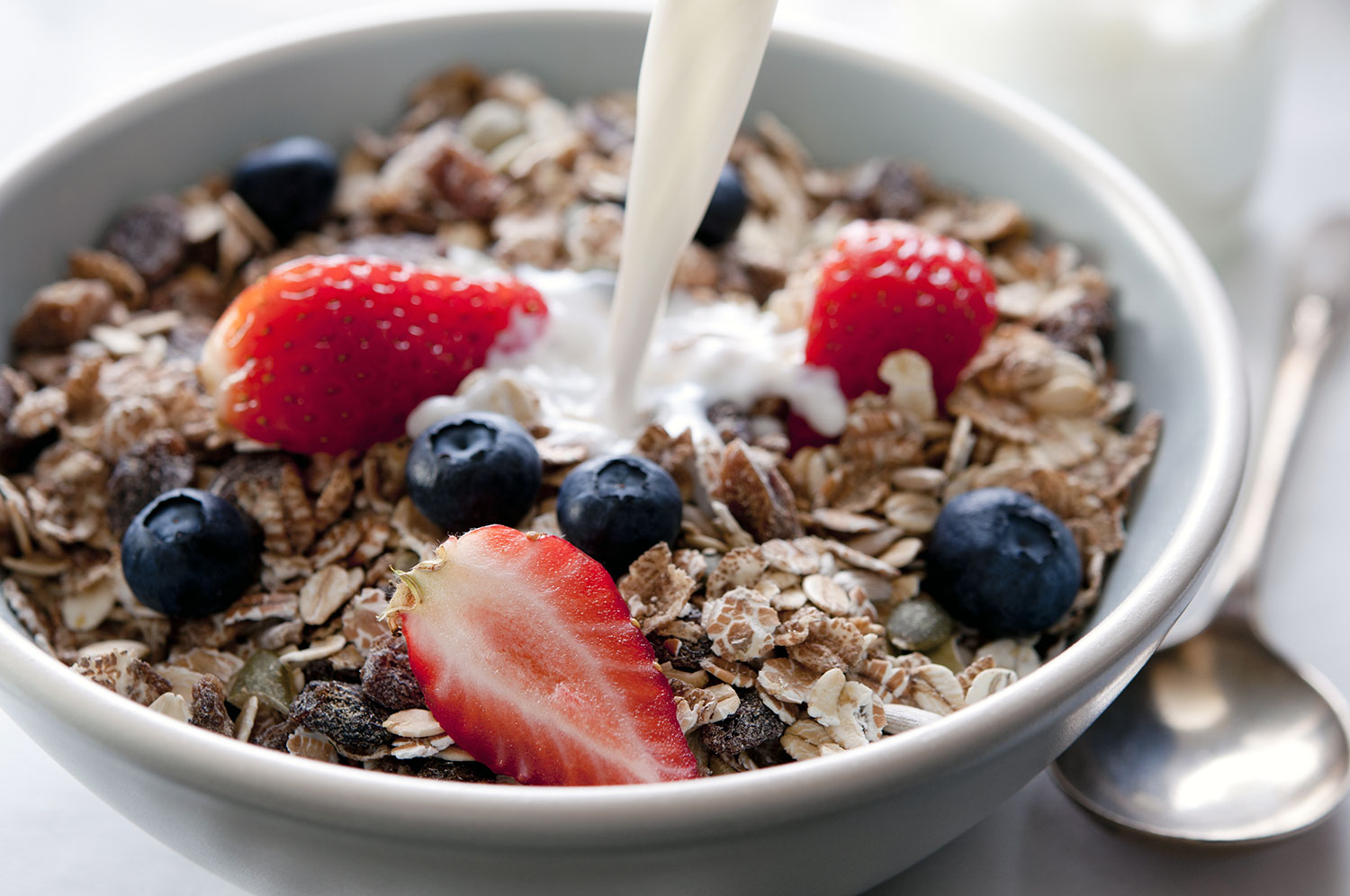
To really address recurring hunger, snacks will need to have both energy density and volume. This is sort of a contradiction unless you consider pairing foods. Protein and fiber are added bonuses for long-term satisfaction. Take nuts and popcorn for example; one has over 100 calories in an ounce with decent protein, while the other gives only 100 calories in 3 cups plus fiber. A perfect match. Consider a bowl of granola + milk, with a side of melon. Try other combos like cheese and rice crackers, peanut butter and celery, or hummus and carrots.
Another option are fatty vegetables. Soy nuts and fried snap peas are easy finger foods with a savory appeal like potato chips. Edamame can be prepared hot or cold, salted or not. Avocado as guacamole with bell pepper strips or baked whole-grain crackers is an appetizer turned snack for anytime.
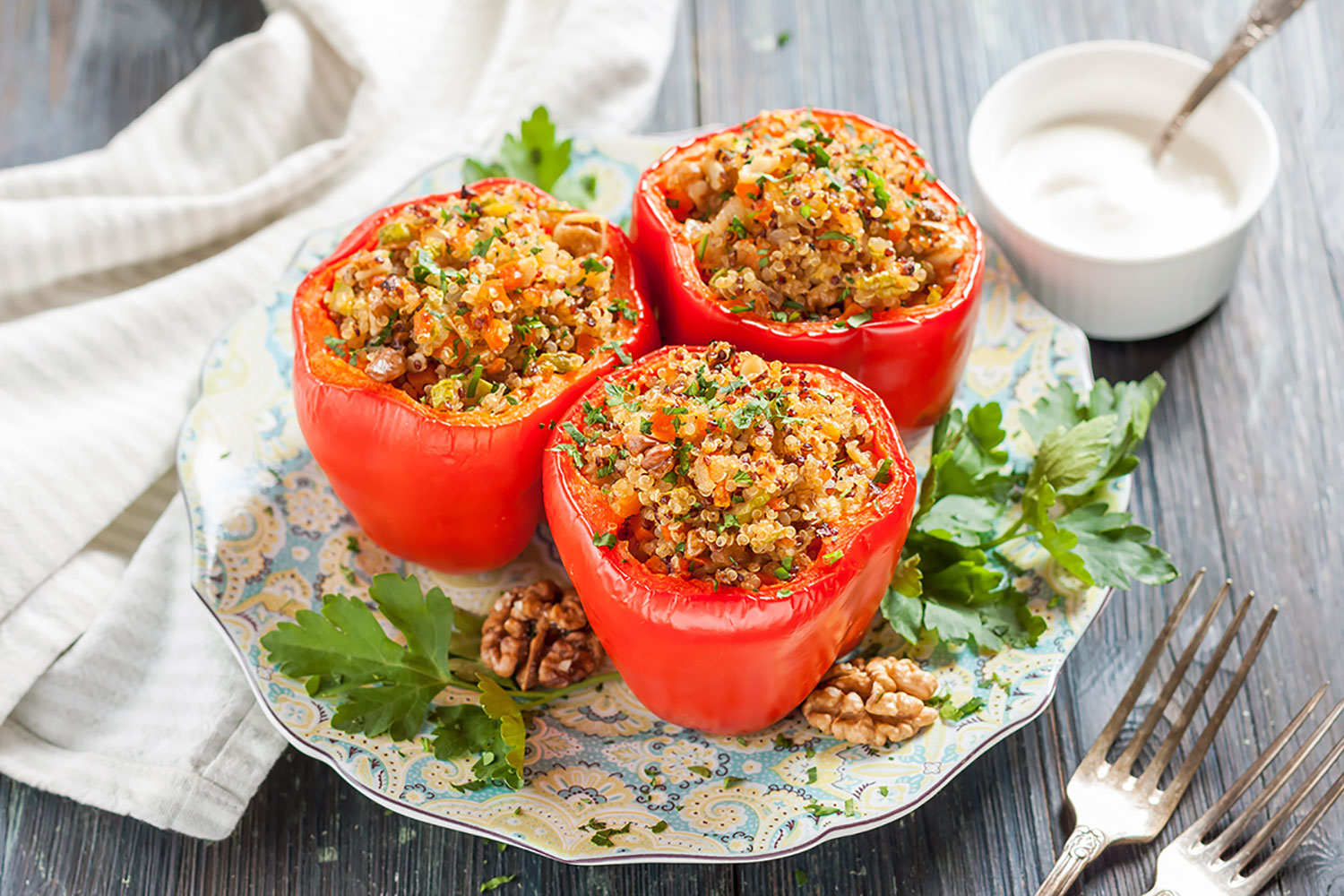
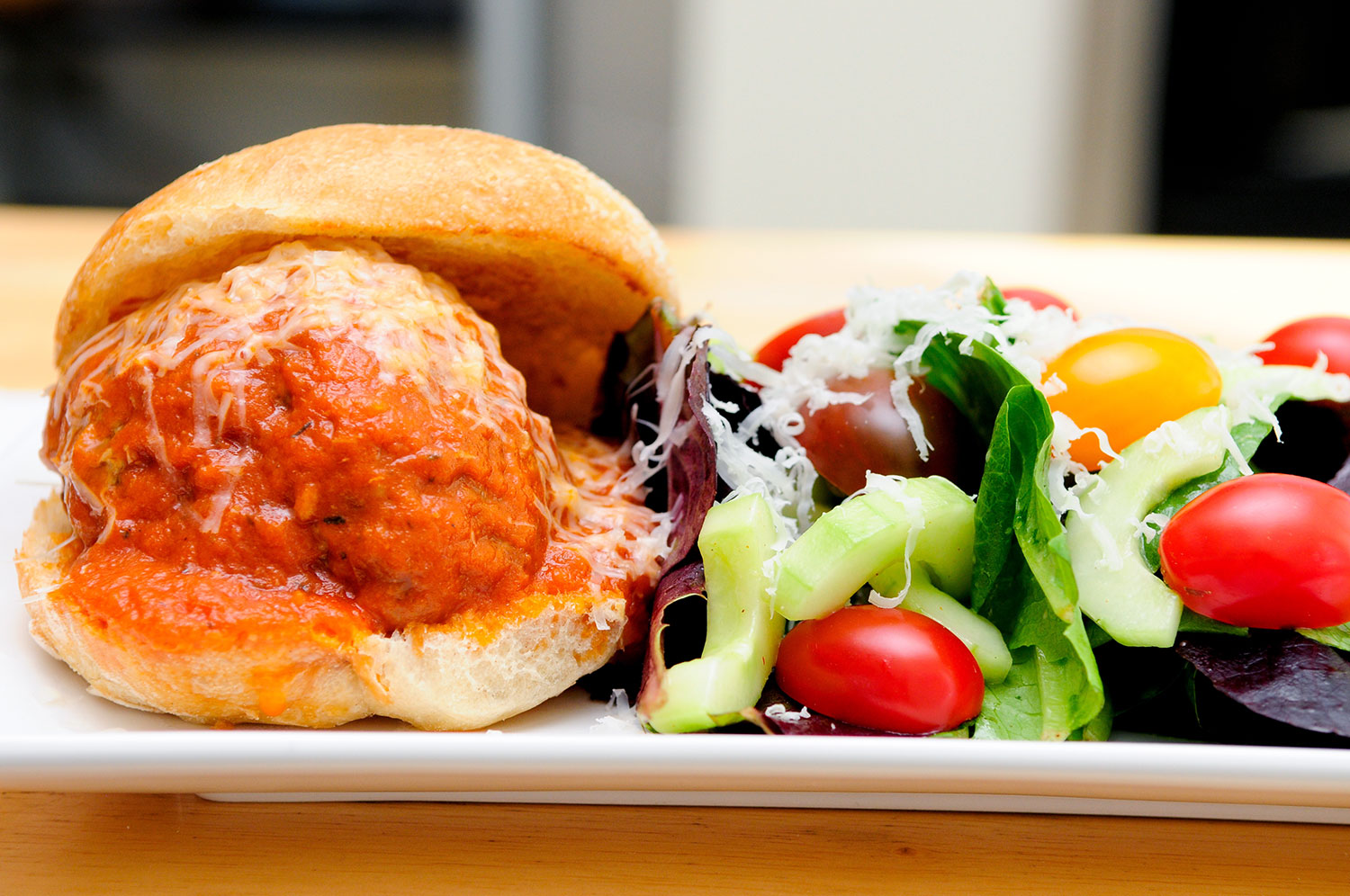
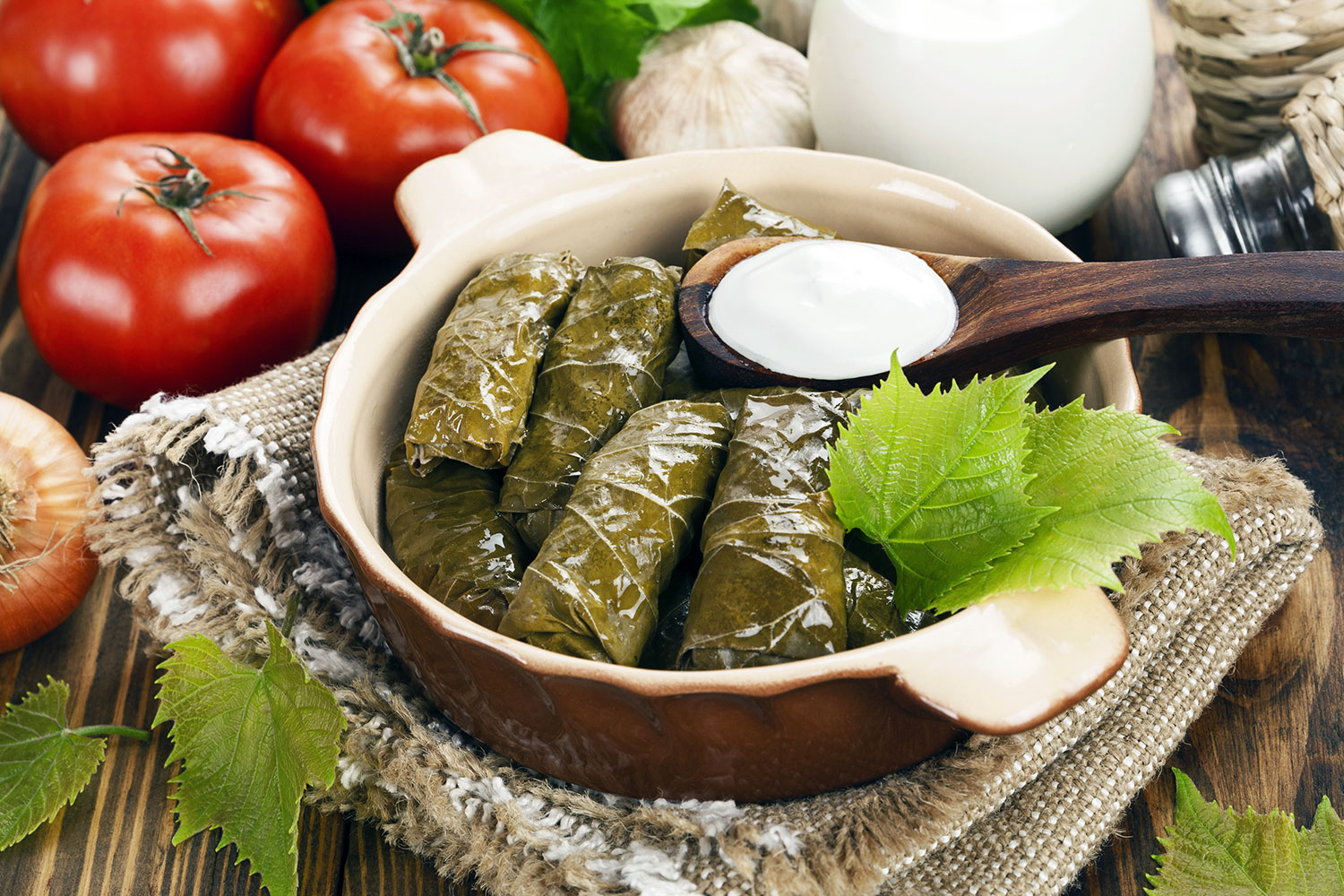
Think outside the box of traditional snacks. Leftovers and mini-meals make great snacks too! A stuffed pepper, a couple meatball sliders or a few dolmas might foot the bill.
– Debbie J., MS, RD


This article should not replace any exercise program or restrictions, any dietary supplements or restrictions, or any other medical recommendations from your primary care physician. Before starting any exercise program or diet, make sure it is approved by your doctor.
Some questions have been edited for length and/or clarity.
 Have a nutrition question? Our registered dietitian is ready to help!
Email nutrition@lafitness.com or submit your question below and it may be featured in an upcoming article!
Most comfort foods we turn to are heavily laden with fat, starch and calories. There are healthier ways to enjoy down-home classics by making a few tweaks.

Good nutrition is all about variety! Browse through our list of unusual fruits and veggies and give yourself a chance to try something new.
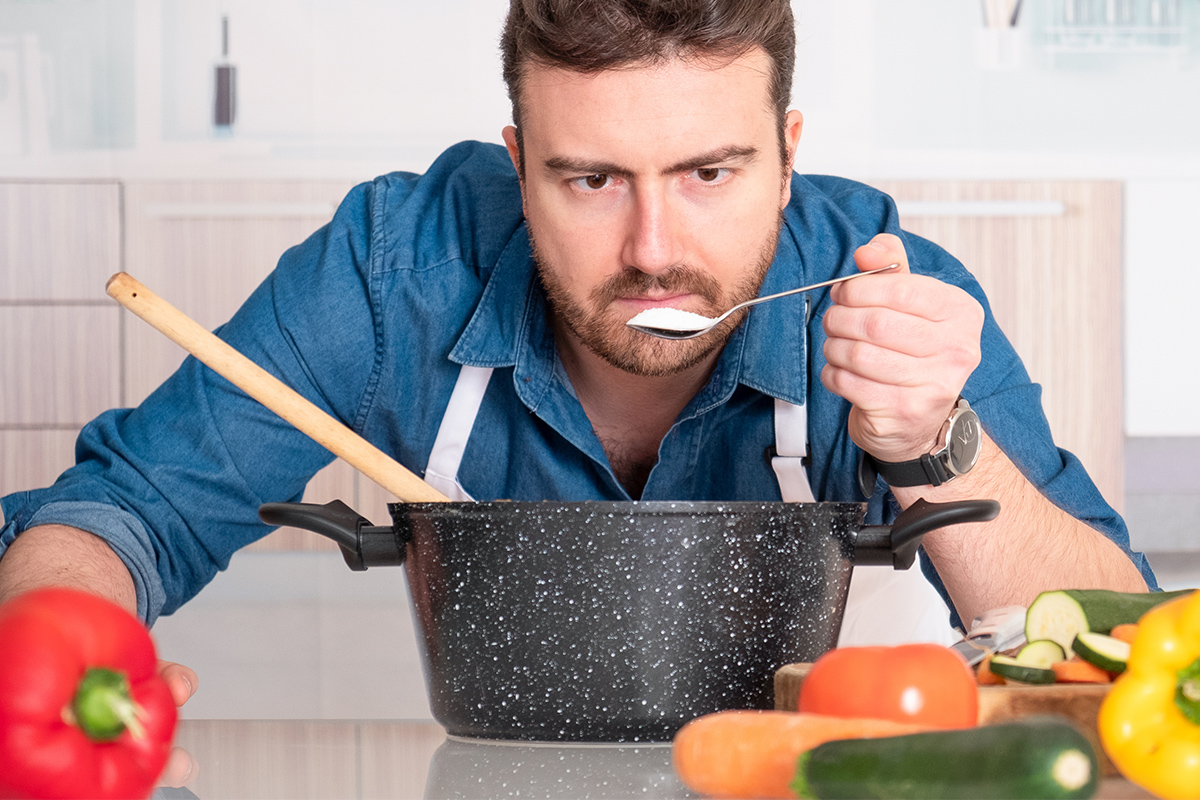
Does liberally salting your food help you pump more iron in the gym? Registered Dietitian, Debbie James, investigates the claims!
Do you have a fitness goal? Let us know here! To learn more about Commit to fit, click here.
Commit to Fit is a program designed to help members stick to their fitness goals. In fact, studies show, those who write down their goals accomplish significantly more than those who do not write their goals.* Share yours with us today in the Commit to Fit form below!** You may even be featured in a future Commit to Fit post. Shown below, are some of our most recent members who have committed to their fitness goals.
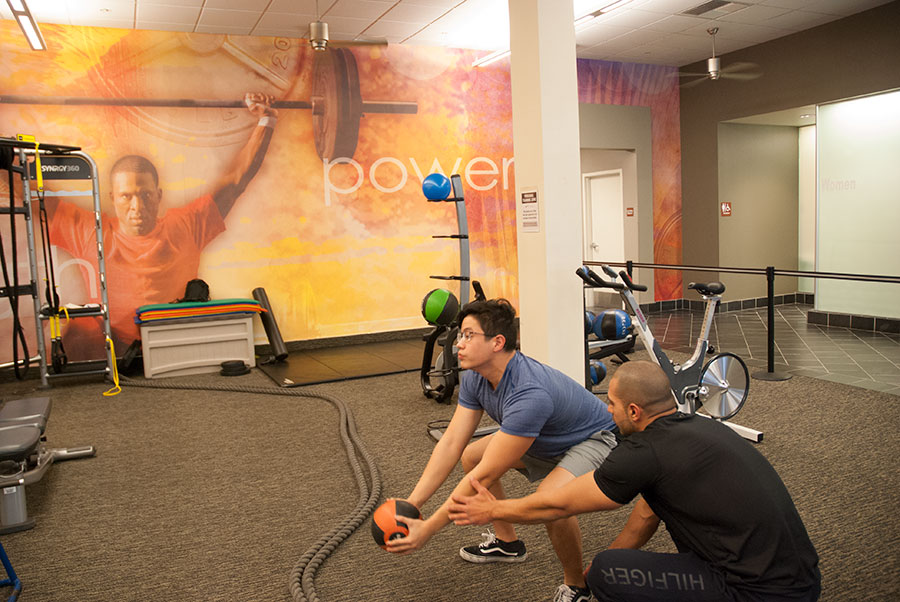
Derek W. (trainee) and Pro Results® trainer Mehdi E.
Paul W.
Derek is W. is committed to being healthy and fit. He is currently working out with Pro Results® personal trainer Mehdi E., who wants to help each of his clients reach the best shape of their lives. Keep it up guys!
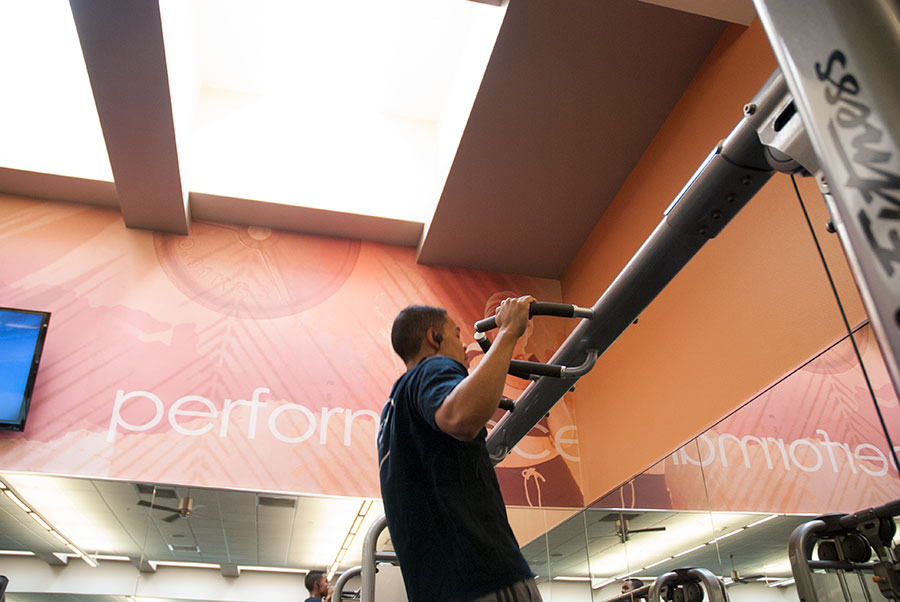
Paul W. is working towards getting stronger and eventually completing a marathon! Keep your goals in mind to help you progress!
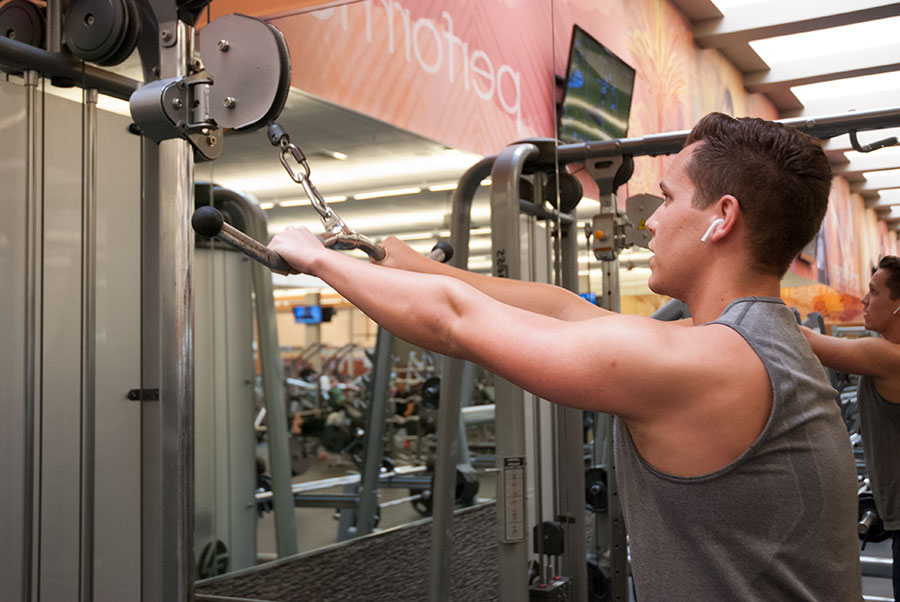
Tyler E.
Tyler E. is working towards gaining muscle, keeping lean and getting cut! We believe in you Tyler, keep going!

Q. N.
Sometimes a goal can be as simple as staying fit, and that’s exactly what keeps Q coming back to the gym!

*Goals Research Summary conducted by Dr. Gail Matthews of the Dominican University of California, statistics retrieved, September 9, 2016.
**Selected submissions will be featured on the LA Fitness blog and possibly other LA Fitness digital media entities & websites. By making a submission, you hereby grant LA Fitness a non-exclusive, perpetual, worldwide, irrevocable license to use and make copies of the contents of such submission for any purpose and in any medium whatsoever, and you hereby waive and relinquish any copyright or other intellectual property right you may have in the contents of such submission and your right to pursue any claim for LA Fitness’s violation of those intellectual property rights

What’s the best way to calculate calories?
– Jonatan A.
If you are strictly speaking of counting calories consumed, then the gold standard for calorie values is the USDA National Nutrient Database for Standard Reference. The most current is Release 28 from August 2017. Using this resource, calculating individual foods yourself is laborious. Meet diet analysis software! As long as the program or website you are using has a comprehensive database (over 20,000 foods) and common portions, you should be able to enter a day’s worth of intake in under an hour. The more detailed and specific you are in recording what you ate, the more accurate the report will be. There are several consumer-friendly versions of software used by dietary professionals. My favorite software for purchase is Nutribase Personal Plus or FoodWorks, and online www.Nutrihand.com or www.FitDay.com for free.
– Debbie J., MS, RD
This article should not replace any exercise program or restrictions, any dietary supplements or restrictions, or any other medical recommendations from your primary care physician. Before starting any exercise program or diet, make sure it is approved by your doctor.
Some questions have been edited for length and/or clarity.
Have a nutrition question? Our registered dietitian is ready to help!
Email nutrition@lafitness.com or submit your question below and it may be featured in an upcoming article!
Most comfort foods we turn to are heavily laden with fat, starch and calories. There are healthier ways to enjoy down-home classics by making a few tweaks.
Good nutrition is all about variety! Browse through our list of unusual fruits and veggies and give yourself a chance to try something new.
Does liberally salting your food help you pump more iron in the gym? Registered Dietitian, Debbie James, investigates the claims!

“Resolution” doesn’t mean change. It means a firm decision to do or not to do something. Hearing it makes me think of related words like: Resolute. Resolve. Stand your ground. Stanchion. Rock. Unwavering. Solid. Committed. Willpower. Sense of purpose. Driven.
Imagine yourself standing in front of a challenge with your fists on your hips. In charge, in command. Ready to take on the world! No temptations getting in your way. Feeling like you’re invincible.
Resolving to do something is action-based. You are the subject, the cause of action, the spark, the fire; not the receiver waiting for something to happen to you. Having this mindset means greater success in acting on your intentions instead of staying static.

First, start off right. Before you make a concrete goal, get to the heart of your true objective, tease out the “why,” your motivation behind it. Reflect on the past year and decide what you can make happen differently.
Limit your resolutions so you aren’t spread too thin. Having several goals is great, but not when they compete for priority. A short list is easier to tackle, and when one goal is accomplished you can move forward to the next.

Make choices that are consistent with your identity. “Whether you realize it or not, you make decisions based on staying true to your self-stories… You want to make decisions that match your idea of who you are,” explains Susan Weinschenk, PhD, a psychologist and author.
Set weekly or monthly reminders. Doing this is as easy as signing up for a recurring email prompt, or making a note on your wall or smartphone calendar.
Have visual cues. You may opt for obvious sticky notes or subtle well-placed postcard-sized images of things that relate to your resolution.
Share your resolutions. Verbalizing (or social media broadcasting) your resolutions to others increases your accountability. You are more likely to stay on course when others know your goals and might ask about your progress.
Ask for support when needed. Seeking and accepting help from those close to you may enable you to overcome challenges and deal with stress.
Display or showcase your successes. By highlighting the positives, you focus on what you can accomplish, which is motivating!

If you fall off course or realize it’s March before you’ve taken a step toward your goals, don’t worry. Treat setbacks like hiccups – expect them to occur, accept them, and then move on. Being resilient by bouncing back from difficulty allows you to get back on course. It’s never too late to change habits for the better.
Resources:
Psychology Today “The Science of Why New Year’s Resolutions Don’t Work” https://www.psychologytoday.com/blog/brain-wise/201612/the-science-why-new-years-resolutions-dont-work
American Psychological Association “Making Your New Year’s Resolution Stick” http://www.apa.org/helpcenter/resolution.aspx
The Holiday Season can get stressful, so we may stick to a routine for the sake of easy planning. Try any of these 10 simple ideas to bring new life to your Thanksgiving celebrations.
By now, you may have seen some donation boxes at your local LA Fitness. If you haven’t been entirely sure what those boxes are all about, you’re in the right place!
Most comfort foods we turn to are heavily laden with fat, starch and calories. There are healthier ways to enjoy down-home classics by making a few tweaks.