10 Thanksgiving Ideas to Revive Your Celebrations
The Holiday Season can get stressful, so we may stick to a routine for the sake of easy planning. Try any of these 10 simple ideas to bring new life to your Thanksgiving celebrations.

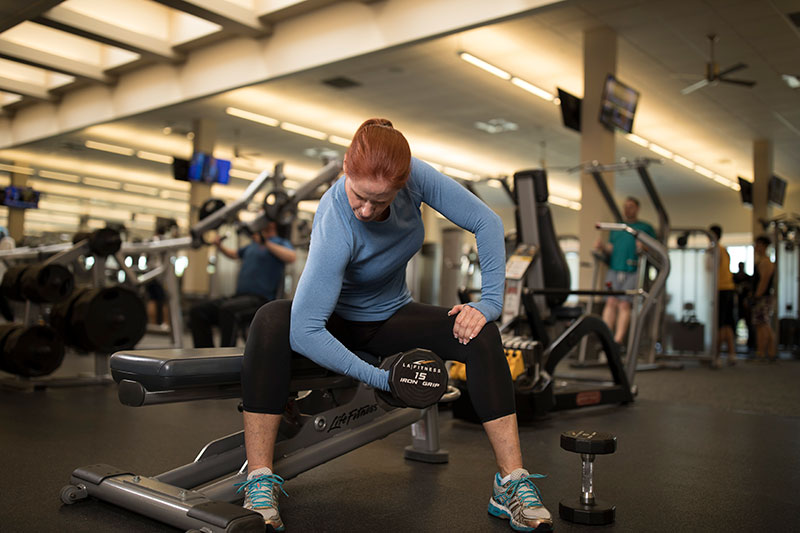
Well the weather outside is frightful… but don’t let that deter you from your winter workout routine! It’s important that when the weather gets cold and frosty you take the time to properly warm up your body before jumping into your training. Warm-ups can help improve performance and reduce risk of injury1, especially when the weather is cold and your muscles feel tighter than normal.


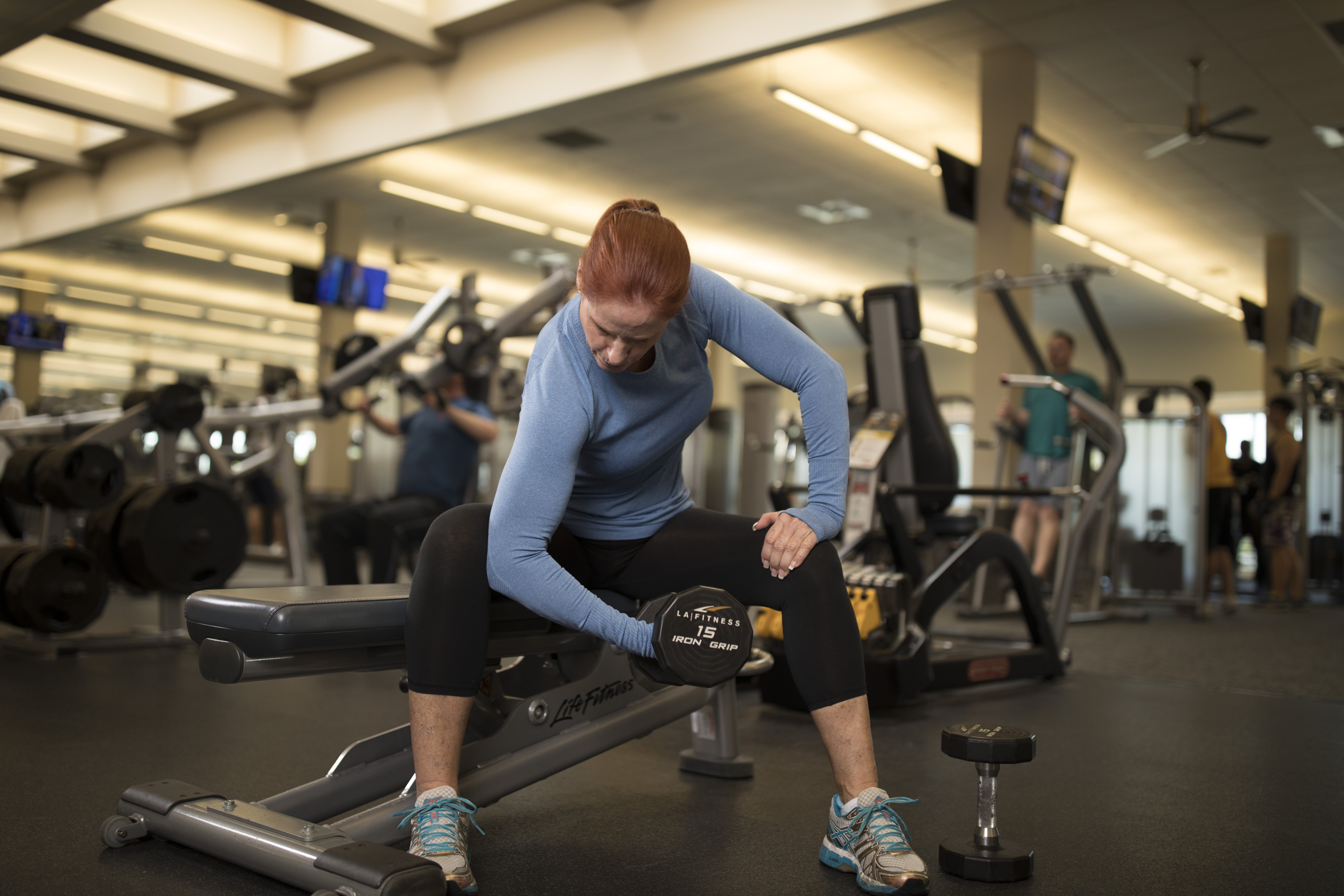
Andrea Fradkin, an associate professor of exercise science at Bloomsburg University in Pennsylvania, suggests that for every 10°F drop below 30°F you extend your pre-workout warmup by five minutes.2 While not all regions experience extreme drops in temperatures, it’s important to keep in mind that even a slight drop in temperature can still be a shock when your body isn’t used to it.
According to Gerald Endress, an exercise physiologist and fitness director at the Duke University Diet and Fitness Center, the ideal temperature for working out is between 68 and 72 degrees Fahrenheit.3 However, personal preferences may impact this.
How to Dress
It may go without being said that cold weather calls for warmer clothes. Even though you may be gearing up for a sweaty workout, be sure to dress in layers so you can remove the extra clothing when your temperature rises, and then add it back on when your core body temperature cools. If you’re opting for an outdoor workout, consider wearing protective gear for your face, ears, hands and feet. When dressing in layers, try wearing a synthetic material, something that will wick away moisture from your skin.4 The second layer should help insulate, think a fleece or wool layer, and the third layer should be a breathable/waterproof material (depending on outdoor conditions). Use your best judgment contingent on the weather, and take into account whether you are working out indoors or outdoors.
To find an LA Fitness near you, click here, and avoid the outdoor chill.
*Amenities vary by location.
Sources:

The Holiday Season can get stressful, so we may stick to a routine for the sake of easy planning. Try any of these 10 simple ideas to bring new life to your Thanksgiving celebrations.

By now, you may have seen some donation boxes at your local LA Fitness. If you haven’t been entirely sure what those boxes are all about, you’re in the right place!

Most comfort foods we turn to are heavily laden with fat, starch and calories. There are healthier ways to enjoy down-home classics by making a few tweaks.

I cannot lose fat despite exercising 4x a week which is cardio and lifting. I’m not sedentary either except at work sitting 8 hours. I overdose on veggies and eat very high fiber and lean. Hardly any bread/starch. I am 51, 6″2, somewhat muscular, but 225 lbs. I should be 210-215 as I was 5 years ago. I can’t get there.
– Gordon K.

My guess is that perhaps your body is adapted to maintaining at your current intake and exercise level. Often after increasing activity, people experience a subtle increase in appetite which causes compensatory intake. In other words, calories consumed go up. Usually in healthy vegetable-based diets this could be in nuts/seeds, pesto, avocado, dressings, dried fruits or beverages. It only takes about 100 calories per day to forestall a weight loss of 10 lbs. in a year.
Try altering your workouts by increasing time, duration or intensity. To find hidden calories, I’d suggest tracking your intake for a few days and using dietary software with a comprehensive database for analysis. It might reveal where you have room to improve. Don’t forget that proper hydration and adequate sleep are also key to successful weight loss.
– Debbie J., MS, RD
This article should not replace any exercise program or restrictions, any dietary supplements or restrictions, or any other medical recommendations from your primary care physician. Before starting any exercise program or diet, make sure it is approved by your doctor.
Some questions have been edited for length and/or clarity.
 Have a nutrition question? Our registered dietitian is ready to help!
Email nutrition@lafitness.com or submit your question below and it may be featured in an upcoming article!
Most comfort foods we turn to are heavily laden with fat, starch and calories. There are healthier ways to enjoy down-home classics by making a few tweaks.

Good nutrition is all about variety! Browse through our list of unusual fruits and veggies and give yourself a chance to try something new.

Does liberally salting your food help you pump more iron in the gym? Registered Dietitian, Debbie James, investigates the claims!

Do you recommend taking a protein drink after working out or before? I’m also taking creatine with my protein shake. Should I take creatine before work out or after? I am a woman body builder 62 years old.
– Yvonne B.

You are right to take your protein and creatine supplement in close timing of your workout for the most benefit. This is because of increased blood flow and therefore increased transport of amino acids and creatine to skeletal muscle1. There is a window of opportunity surrounding a workout for maximum impact of nutrients, but the overall intake during the day also matters.
The International Society of Sports Nutrition’s position stand on protein and exercise2 in 2007 mentions that the timing of protein ingestion should be before, during and after exercise. Their latest 2017 position stand on creatine did not mention timing of supplementation, only daily dose.
Protein consumed during recovery helps recovery. The Academy of Nutrition and Dietetics’ Evidence Analysis Library for Athletic Performance Nutrition3 from 2014 summarized that “Ingesting protein during the recovery period (post-exercise) led to accelerated recovery of static force and dynamic power production during the delayed onset muscle soreness (DOMS) period and more repetitions performed subsequent to intense resistance training.” The International Sports Sciences Association website’s article Nutrient Timing for Bigger Muscle4 indicates protein timing depends on previous meals. Protein shakes are suitable before training in lieu of a recent meal, and protein can be consumed right after a workout to boost gains within an anabolic window of 3-4 hours.
Specifically looking at creatine, a small 2013 study examining the timing of creatine use among recreational male bodybuilders over a month-long period suggested that creatine monohydrate is more effective immediately post-workout5.
As you have no doubt found, depending on the body building source, recommendations for protein and creatine timing vary. I’d say it depends on when you are exercising and when your meals are. Fill in the gaps so that you are consuming protein every 3-4 hours.
– Debbie J., MS, RD

Sources
This article should not replace any exercise program or restrictions, any dietary supplements or restrictions, or any other medical recommendations from your primary care physician. Before starting any exercise program or diet, make sure it is approved by your doctor.
Some questions have been edited for length and/or clarity.
Have a nutrition question? Our registered dietitian is ready to help!
Email nutrition@lafitness.com or submit your question below and it may be featured in an upcoming article!
Most comfort foods we turn to are heavily laden with fat, starch and calories. There are healthier ways to enjoy down-home classics by making a few tweaks.
Good nutrition is all about variety! Browse through our list of unusual fruits and veggies and give yourself a chance to try something new.
Does liberally salting your food help you pump more iron in the gym? Registered Dietitian, Debbie James, investigates the claims!

A round belly that shakes like jelly may be desirable for Old Saint Nick, but not the rest of us. Did you know that holiday weight gain may be slow and subtle, but it can take up to 5 months in the new year to lose those pounds? Any gain retained can contribute to “creeping obesity” that gradually accumulates over the years. Start making changes now to your normal festive food routines to avoid an extra “gift” in your midsection after the holidays. Here are our top tips to stay slim and trim this month:

Gifts to groups

Candy bowls

Bakery trays

Drinks

Celebration meals
Buffets

Other
Good intentions only go so far. Write out your action plan to stay on track and keep your waistline trim. What are your ways for preventing holiday weight gain? Share them in the comment section below!
Reference:
Weight Gain over the Holidays in Three Countries. Helander EE, Wansink B, Chieh A. The New England Journal of Medicine 2016 Sep 22; 375(12): 1200-1202.
The Holiday Season can get stressful, so we may stick to a routine for the sake of easy planning. Try any of these 10 simple ideas to bring new life to your Thanksgiving celebrations.
By now, you may have seen some donation boxes at your local LA Fitness. If you haven’t been entirely sure what those boxes are all about, you’re in the right place!
Most comfort foods we turn to are heavily laden with fat, starch and calories. There are healthier ways to enjoy down-home classics by making a few tweaks.
For as long as I can remember, I struggle with the food portion of getting low body fat. I feel like I have the workout part down but my problem is I always seem hungry. This isn’t a huge problem because if I’m constant with my workout I can usually overcome my calorie intake. Unfortunately, lately I seem to have less and less time and money. Any suggestions of things I could get that aren’t that expensive and or good recipes to meal prep for the week?
– Caleb Z.

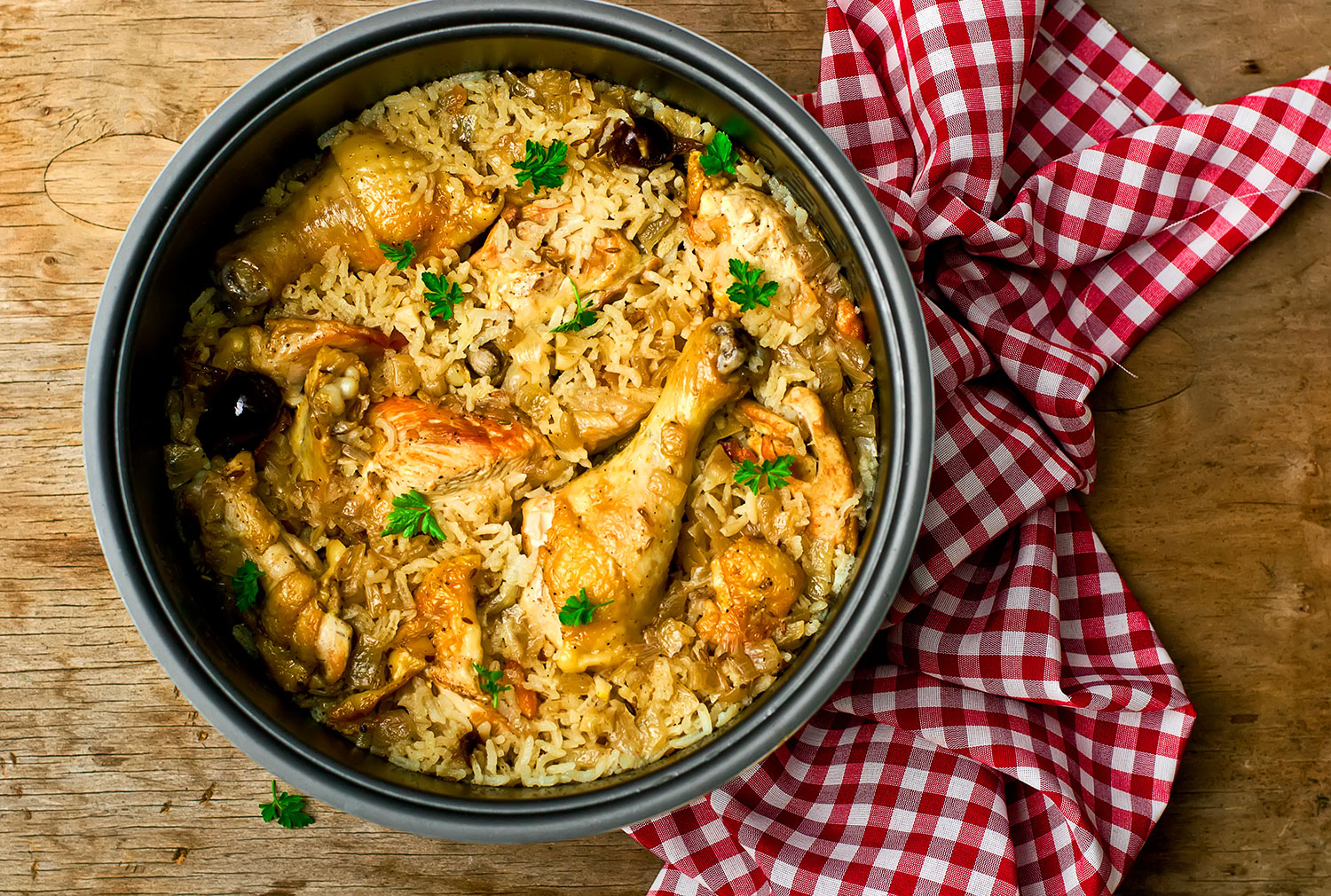
Hi Caleb, my advice is to think like a grandma – be resourceful and use a slow cooker! You can combine just about any land animal protein and vegetables with a starch in a Crock-Pot® to cook for the day, anywhere from 6-10 hours depending on the recipe. This is not only economical time-wise, but in reducing dishes to clean afterward as well. You can easily achieve high quality meals for less than $5 each by cooking in batches. Invest 30 bucks in a slow-cooker and it will pay for itself in under 5 uses.
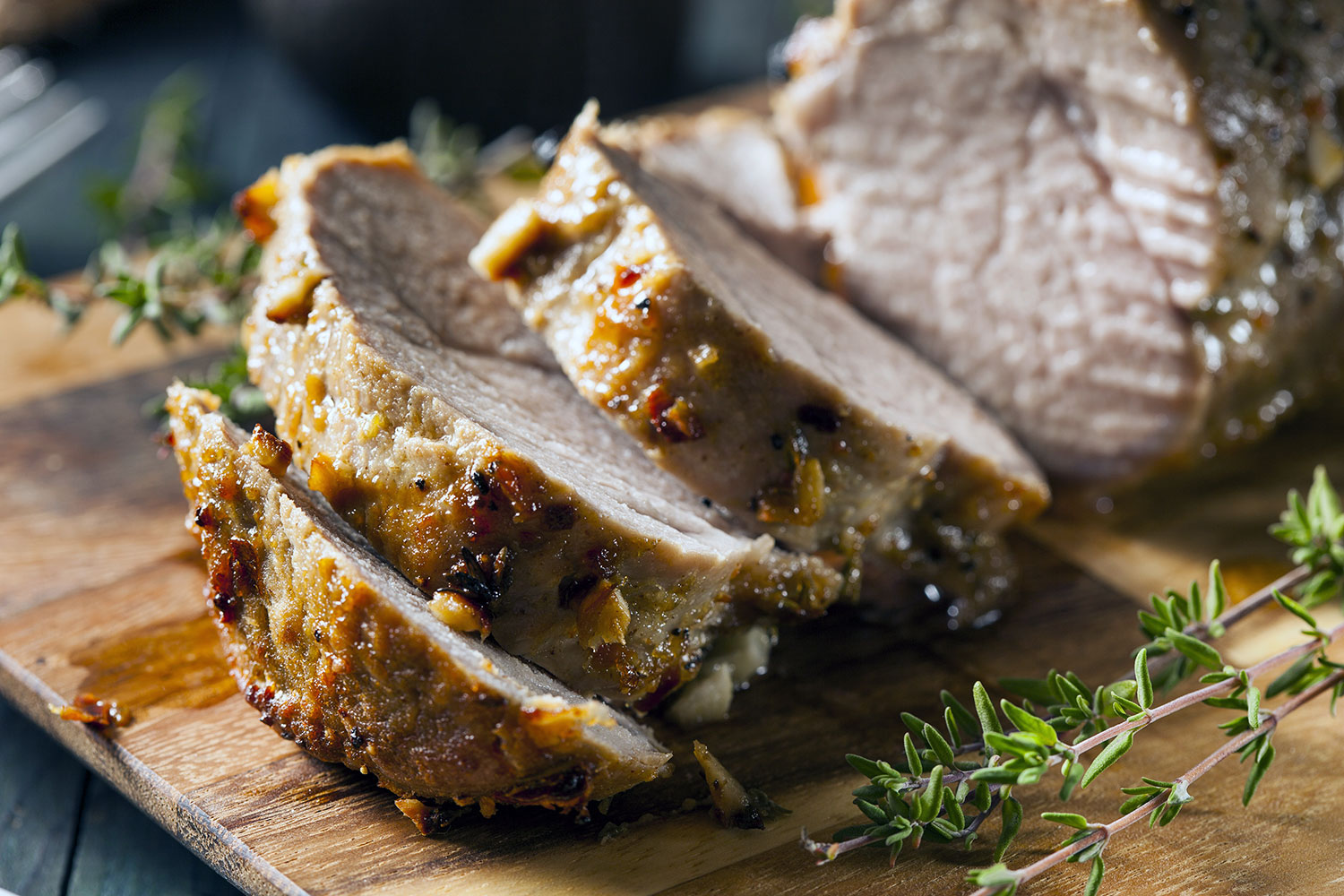
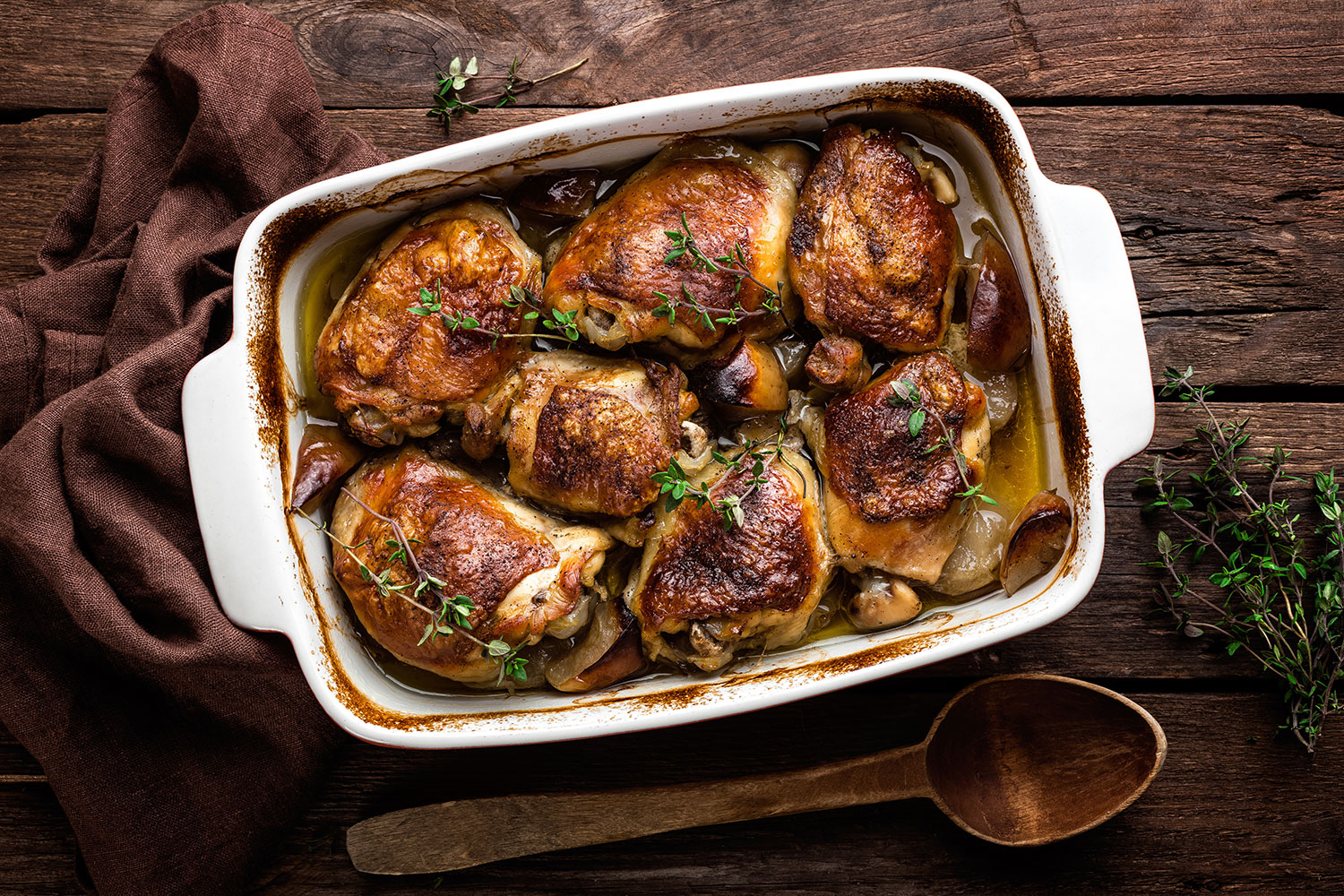
My personal healthy favorites are herb-rubbed pork tenderloin with root vegetables, chicken thighs in chile verde sauce (makes great pulled chicken), Thai tofu curry, and sweet potato black bean chili.
Consider cook time and liquid in your choice of protein source. Half-pound chicken breasts will take longer to cook than broken up ground beef. Leaner meats like flank steak need a little extra liquid, but only use enough to just cover the meat. If leaving everything all day, I’d suggest wild rice, corn or beans as your complex carbohydrate over pasta or white rice that will dissolve and turn your dish mushy.
Use whatever vegetables you have or like – just prepare/add them based on the type of vegetable. Starchy vegetables like carrots, baby potatoes, and cubed turnips can be added first at the bottom of the pot. Crisp watery vegetables like onion, celery and bell pepper have flavors that disperse, so chop or dice based on your texture preference. Watery and leafy vegetables like cherry tomatoes, zucchini and kale and should be added in the last hour or so. Everything in between like green beans, asparagus and mushrooms can go in whole at the start or diced toward the end of cooking.
Don’t be intimidated, Caleb! Anything new takes practice, just like with working out.
– Debbie J., MS, RD

This article should not replace any exercise program or restrictions, any dietary supplements or restrictions, or any other medical recommendations from your primary care physician. Before starting any exercise program or diet, make sure it is approved by your doctor.
Some questions have been edited for length and/or clarity.
Have a nutrition question? Our registered dietitian is ready to help!
Email nutrition@lafitness.com or submit your question below and it may be featured in an upcoming article!
Most comfort foods we turn to are heavily laden with fat, starch and calories. There are healthier ways to enjoy down-home classics by making a few tweaks.
Good nutrition is all about variety! Browse through our list of unusual fruits and veggies and give yourself a chance to try something new.
Does liberally salting your food help you pump more iron in the gym? Registered Dietitian, Debbie James, investigates the claims!