10 Thanksgiving Ideas to Revive Your Celebrations
The Holiday Season can get stressful, so we may stick to a routine for the sake of easy planning. Try any of these 10 simple ideas to bring new life to your Thanksgiving celebrations.

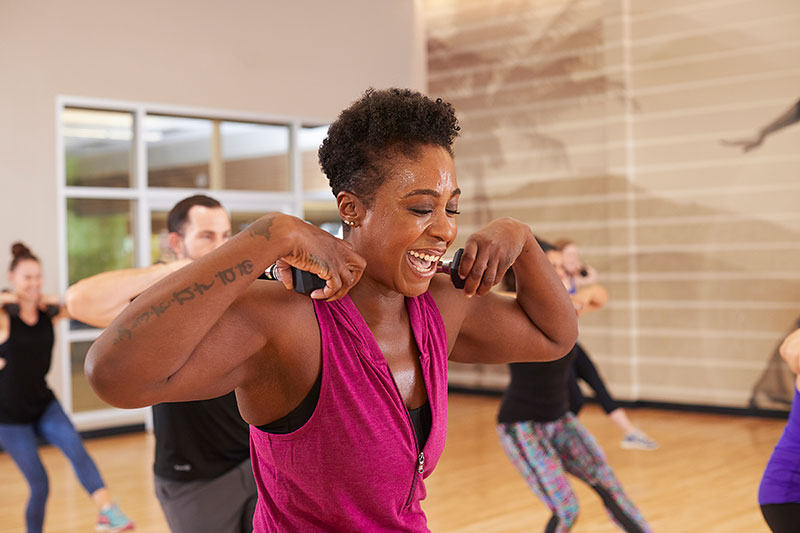
One of the great thing things about taking a Group Fitness class at LA Fitness is that all of the equipment is provided for you. You don’t have to worry about bringing your own weights or exercise equipment – all you have to focus on is showing up and giving it your best for (approximately) 55 minutes. It’s all about focusing on your own body. Group Fitness is a great way to push yourself with the helpful instruction of our certified instructors. Plus, you’re surrounded by other motivated individuals who are just as excited to focus on their health and fitness.
If you’re new to Group Fitness, don’t be intimidated! Everyone was new at some point. Group Fitness instructors will help teach you proper form and technique. Group Fitness is a great way to get fit with friends and family members while in an instructed, regimented environment. For those new to the gym, as well as those looking to switch up their typical exercise routine, Group Fitness classes are a great place to start.
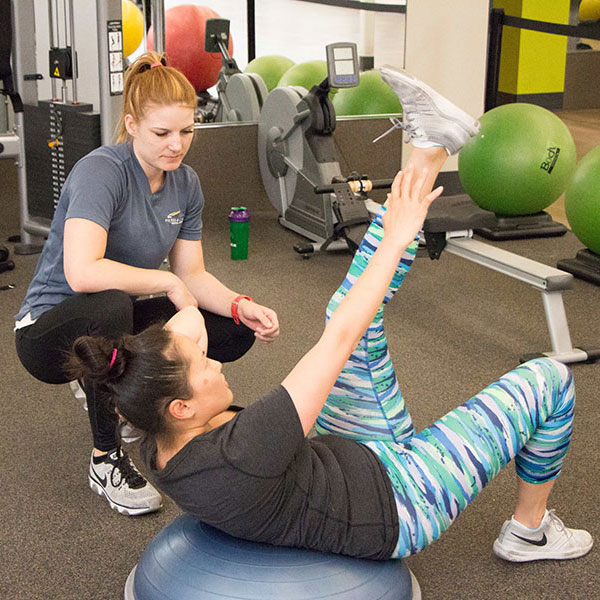
A popular LA Fitness class is Body Works Plus Abs – after all, who doesn’t want a more toned core? In this class, members can expect a lightweight dumbbell workout moving to the beat of the music. You’ll be burning calories as you flow through a variety of exercises to help sculpt and tone your body into shape! With continued attendance, members may notice improvements in muscle tone, posture, balance and strength. It’s a full-body workout that provides full-body results.
In order to get a deeper understanding of what to expect from a Body Works Plus Abs class, we interviewed LA Fitness Group Fitness instructor Kate N., who shared all you need to know before giving this class a go. Check out her interview below!
Q: Please give a brief description of your fitness background and what brought you to start teaching Body Works Plus Abs.
Kate N: I’m an AFAA certified personal trainer and group fitness instructor. I teach various Group Fitness classes from Aqua to Yoga, and even step! I fell in love with teaching Group Fitness classes at LA Fitness. I was once a loyal participant of cycle classes at LA Fitness, and later, I found myself in the instructor seat. It wasn’t long before I discovered Body Works Plus Abs and it quickly became my favorite Group Fitness class to teach.
Q: What is unique and special about Body Works Plus Abs over other Group Fitness classes?
KN: It’s a completely balanced workout that challenges you from head to toe! You target every muscle group while moving non-stop to the beat of the music. You learn technique while having a fun and energetic workout. Spectators of the class may not be able to see the challenge, but the participants can attest to its slow burn. It sneaks up on you throughout the class.

“…the participants can attest to its slow burn. It sneaks up on you throughout the class.”
Q: Would you recommend Body Works Plus Abs for all fitness levels?
KN: Most definitely! The beauty of Body Works Plus Abs is that we progress into each challenging exercise, which gives participants plenty of options to take it to their own personal best.
Shop the latest & greatest LA Fitness clothing by clicking the button below!
Q: What equipment can a member expect to use when attending a class? Is there a specific dress code?
KN: We use lightweight dumbbells and an exercise mat. Simple and effective! Participants should wear comfortable fitness attire to move and sweat in.
Q: If you could give one piece of advice to our readers, what would it be?
KN: Keep going to class! Consistency brings results!
Check out some of our Member Spotlight success stories by clicking below!

The Holiday Season can get stressful, so we may stick to a routine for the sake of easy planning. Try any of these 10 simple ideas to bring new life to your Thanksgiving celebrations.

By now, you may have seen some donation boxes at your local LA Fitness. If you haven’t been entirely sure what those boxes are all about, you’re in the right place!

Most comfort foods we turn to are heavily laden with fat, starch and calories. There are healthier ways to enjoy down-home classics by making a few tweaks.

What is a good alternative to grains as a way to complement the protein in legumes? Legumes are nutrient dense in many ways, including protein. But legume protein is low in methionine, an amino acid that our bodies cannot make. For this reason legumes have traditionally been combined with grains, which are high in methionine. Grains are low in another amino acid our bodies cannot make, lysine. Legumes are high in lysine. For this reason, legume and grain proteins are said to be complimentary. But if I am considering a long term dietary shift away from grains, I cannot be reassured by that. We still need to combine our proteins well over the course of several days. Unfortunately, grains are not a nutrient dense food. They are very high in starch and low in phytonutrients. So, what are some nutrient dense sources of methionine and cysteine? Or, in simpler terms, what is a good alternative to grains as a way to compliment legume protein?
– Benjamin H.

Vegan diets do tend to be low in methionine1, one of the essential amino acids. Interestingly enough, it’s actually proposed that a lower methionine intake is better for longevity1.
The World Health Organization recommends the adult dietary requirement is 10.4 mg of methionine per kg body weight per day to cover obligatory oxidative loses2. Whereas the US Recommended Dietary Allowances combine the methionine requirement with cysteine (a non-essential amino acid) for a total of 19 mg combined of methionine and cysteine/kg/day3. In plant foods, there are about equal amounts of methionine and cysteine.
“Wheat and rice proteins are comparatively low in lysine but better sources of methionine whereas beans and peas are relatively high in lysine yet in lower methionine.” — www.vegsoc.org/protein
Here are selected non-grain plant foods highest in methionine, given in common portions/(gram weight) with corresponding protein content4:
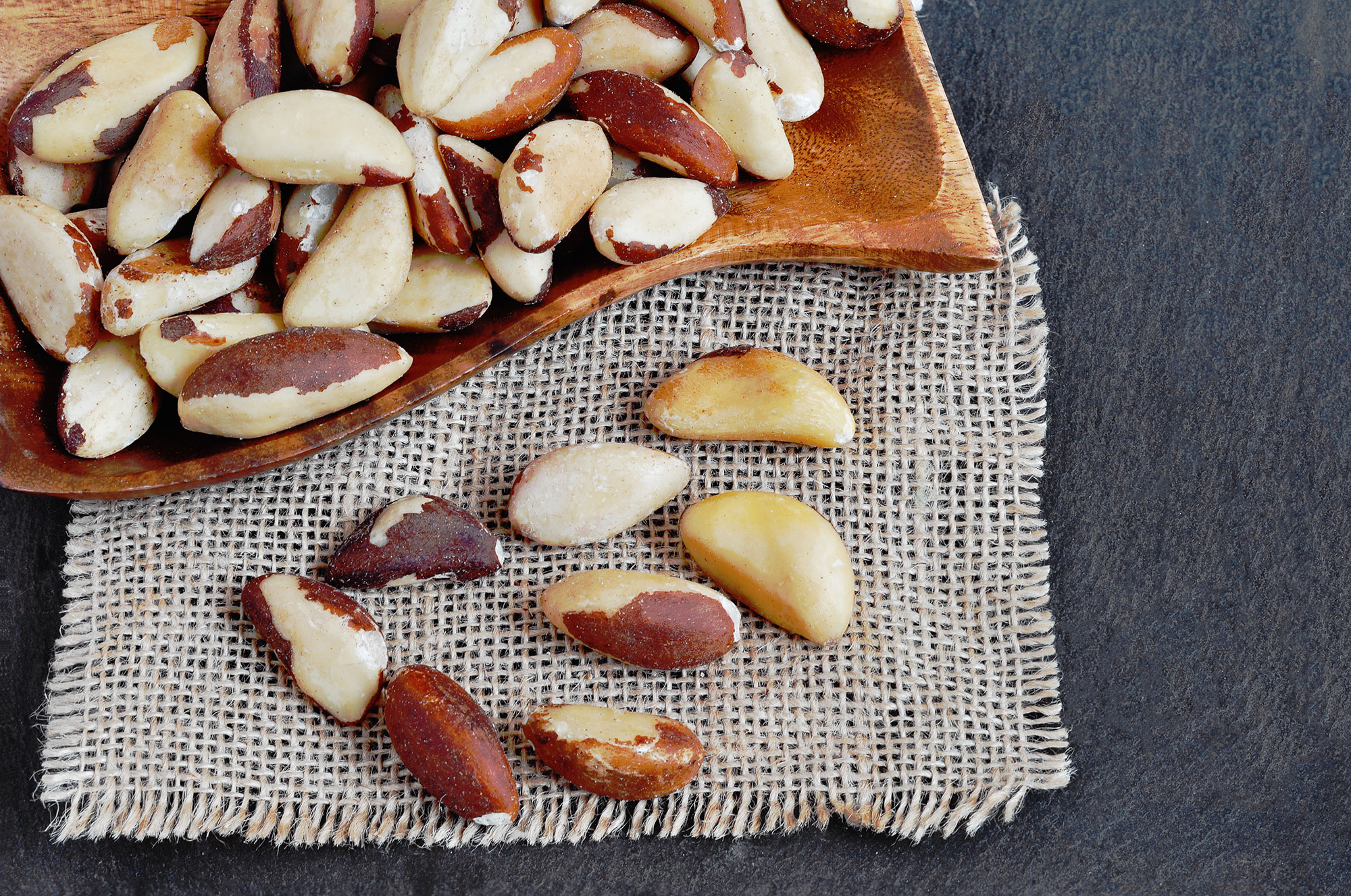
Brazil nuts, dried
Soybeans, boiled
Chia seeds, dried
White beans, canned
Sunflower seed kernels, dry roasted
Russet potato, baked w/ skin
Chickpeas/Garbanzo, canned
Peanuts, Spanish
Red potato, baked w/ skin
Spinach, cooked
Coconut milk, canned
Peaches, dried
Turnip greens, cooked from frozen
Corn kernels, cooked from frozen
Avocado, California
Spinach, boiled
Brown mushrooms, raw
Broccoli, cooked chopped
Raw seaweed spirulina
Asparagus, cooked
Zucchini
Cauliflower
Spinach, raw
373 mg in ¼ C (33g)
192 mg in ½ C (86g)
167 mg in 1 oz (28 g)
143 mg in ½ C (131g)
134 mg in ¼ C (32g)
123 mg in large 3-4” (299g)
118 mg in ½ C (127g)
117 mg in ¼ C (36g)
105 mg in large 3-4” (299g)
99 mg in 1 C (180g)
86 mg in 1 C (226g)
70 mg in ½ C (80g)
62 mg in ½ C (82g)
59 mg in ½ C (70g)
48 mg in 1 fruit (130g)
49 mg in ½ C (90g)
42mg in 1 C (87g)
34 mg in ½ C (78g)
33 mg in 1 oz (28 g)
31 mg in ½ C (90g)
18 mg in ½ C (116mg)
16 mg in ½ C (62g)
16 mg in 1 C (30g)
4.75 g protein
15.5 g protein
4.5 g protein
9.5 g protein
6 g protein
8 g protein
9 g protein
9.5 g protein
7 g protein
5 g protein
4.5 g protein
3 g protein
2.5 g protein
2.5 g protein
2.5 g protein
2.75 g protein
2 g protein
2 g protein
2 g protein
2 g protein
1 g protein
1 g protein
1 g protein
Our vegetarian audience may also be interested in a thorough discussion at http://www.veganhealth.org/articles/protein and some of our previous articles below for protein information.
References:
– Debbie J., MS, RD
This article should not replace any exercise program or restrictions, any dietary supplements or restrictions, or any other medical recommendations from your primary care physician. Before starting any exercise program or diet, make sure it is approved by your doctor.
Some questions have been edited for length and/or clarity.
 Have a nutrition question? Our registered dietitian is ready to help!
Email nutrition@lafitness.com or submit your question below and it may be featured in an upcoming article!
Most comfort foods we turn to are heavily laden with fat, starch and calories. There are healthier ways to enjoy down-home classics by making a few tweaks.

Good nutrition is all about variety! Browse through our list of unusual fruits and veggies and give yourself a chance to try something new.

Does liberally salting your food help you pump more iron in the gym? Registered Dietitian, Debbie James, investigates the claims!

I have heard much talk on the internet about the need for serious bodybuilders to take in nutrition steadily, especially protein. It is claimed that muscle growth slows and reverses at night after digestion completes and the body starts catabolizing for energy. Many suggest using a slow-digesting protein such as casein at night to feed muscles protein constantly and ward off catabolism. Is this shown to be effective? If so, are there any other ways to reduce catabolism at night?
– David G.
You posed a unique question, David! The body’s skeletal muscle not only dictates much of our circadian rhythm but also follows a day/night routine for repair and building. Research shows that muscle impacts the gene activity that regulates the utilization and storage of substrates (the macronutrients carbohydrate, fat, and protein)1. In other words, the skeletal muscle itself affects catabolic and anabolic processes over a 24-hour period, though this effect is not well understood.
Regardless of the time on the clock, you need to consume macronutrients post-exercise to promote positive muscle-protein balance. For evening exercisers, a recovery meal or shake becomes key before fasting overnight during sleep2. Over 6-8 hours, slower-digesting proteins have a similar effect on muscle protein synthesis as fast-digesting proteins do in the first 3 hours. So grandma was right about having a glass of warm milk before bed, as milk is 80% casein.
What about supplements/amino acids? Though certain essential amino acids stimulate muscle protein synthesis more than others, intact protein may result in a greater positive balance. This is partly because whole foods result in a greater insulin secretion. Muscles are highly insulin-sensitive for nutrient uptake and storage3. In summary, a meal containing protein is better than a straight supplement in the evening.
References
.
– Debbie J., MS, RD
This article should not replace any exercise program or restrictions, any dietary supplements or restrictions, or any other medical recommendations from your primary care physician. Before starting any exercise program or diet, make sure it is approved by your doctor.
Some questions have been edited for length and/or clarity.
Have a nutrition question? Our registered dietitian is ready to help!
Email nutrition@lafitness.com or submit your question below and it may be featured in an upcoming article!
Most comfort foods we turn to are heavily laden with fat, starch and calories. There are healthier ways to enjoy down-home classics by making a few tweaks.
Good nutrition is all about variety! Browse through our list of unusual fruits and veggies and give yourself a chance to try something new.
Does liberally salting your food help you pump more iron in the gym? Registered Dietitian, Debbie James, investigates the claims!

In today’s world we’re used to instant, unfortunately, that’s not how weight loss works. We sit down with Pro Results® trainer, Kayla V. who discusses what you should really be focusing on when looking for results.

Do you have a fitness question? Ask one of our certified Pro Results® trainers here! Your question may be featured in an upcoming Ask Our Trainer video.**
**Selected submissions will be featured on the LA Fitness blog and possibly other LA Fitness digital media entities & websites. By making a submission, you hereby grant LA Fitness a non-exclusive, perpetual, worldwide, irrevocable license to use and make copies of the contents of such submission for any purpose and in any medium whatsoever, and you hereby waive and relinquish any copyright or other intellectual property right you may have in the contents of such submission and your right to pursue any claim for LA Fitness’s violation of those intellectual property rights.
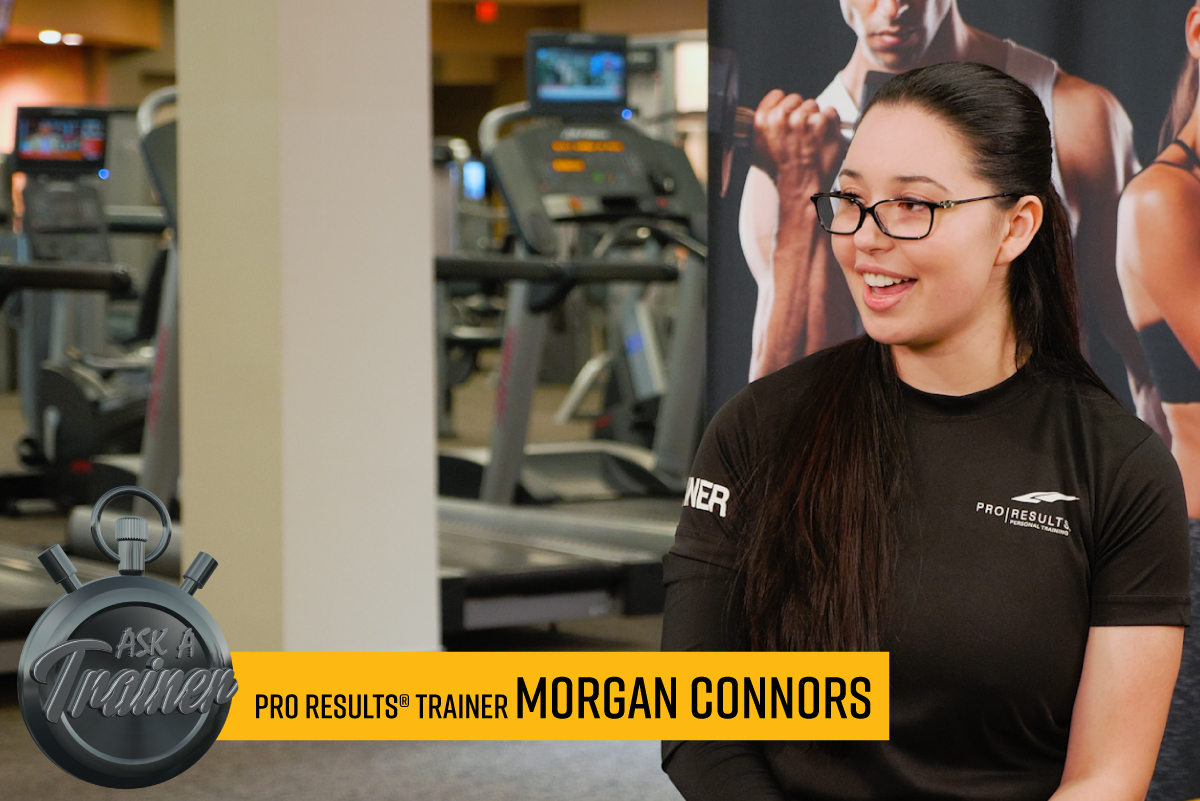
On this episode of ‘Ask A Trainer’ we speak with LA Fitness Pro Results® trainer Morgan C., and get her expert advice on how to properly maintain muscle mass.
On this episode of ‘Ask A Trainer’ we speak with LA Fitness Pro Results® trainer Morgan C., and get her expert advice on which machines offer a full body workout.
On this episode of ‘Ask A Trainer’ we speak with LA Fitness Pro Results® trainer Morgan C., and get her expert advice on whether or not strength training or cardio should come first when it comes to weight loss.
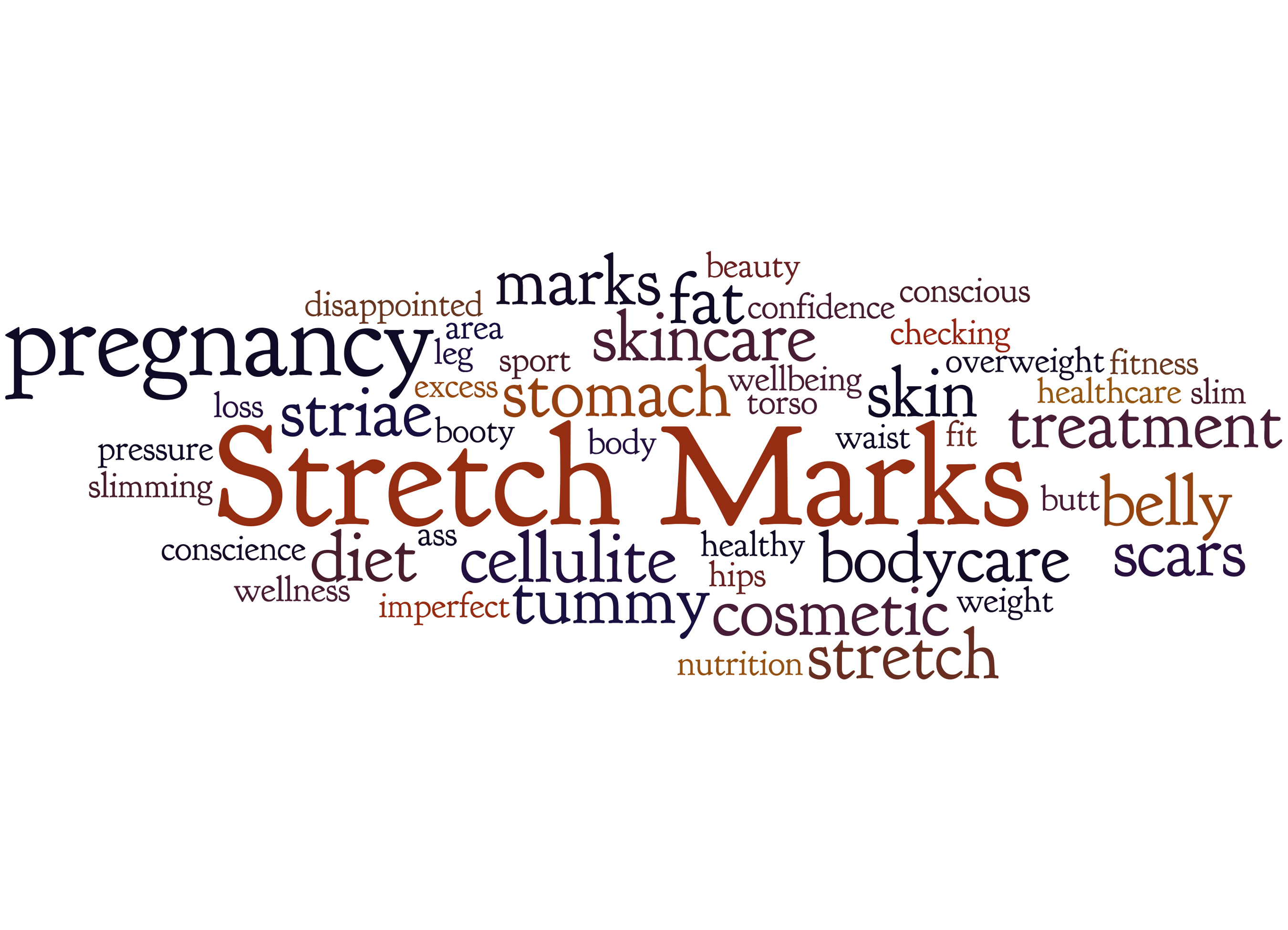

What is a stretch mark?
For those unaware, stretch marks are long, narrow stripes on the body, normally occurring as a result of overstretched skin. They are typically a lighter shade than your skin color and are extremely common – but for many, they are still extremely unpleasant.
While stretch marks don’t themselves pose a health risk, they can act as a source of cosmetic frustration for men and women alike.
Let’s discuss what causes these pesky little lines.

The Causes
Stretch marks are “more likely to develop and become more severe where there are high levels of circulating cortisone, or when cortisone is applied to the skin. Cortisol, the stress hormone produced by the adrenal glands, is converted into cortisone. This weakens elastic fibers in the skin.”1
The Solution
There have been some investigations into the benefits of certain creams, oils, and topical solutions. However, there is no high-quality5 evidence that they do much to treat or prevent stretch marks. There are a few natural things you could do that may help prevent the marks from occurring, but they are not guaranteed.
Try to maintain a healthy weight. This decreases your chance at rapid stretching of the skin, which may help prevent the marks from suddenly sneaking up on you.

According to Medical News Today, eating a balanced diet that’s rich in vitamins and minerals can help support the skin.6 Especially important are vitamins A and C, along with zinc and silicon minerals.

During pregnancy, aim for a slow and gradual weight gain over the 9-month period to avoid rapid stretching of the skin.

Try drinking six to eight glasses of water a day7 to keep the body well-hydrated.
!! FYI – Exercise and Stretch Marks
If you’re looking to bulk up, be careful not to do it too quickly. Try using lighter weights and higher reps to gradually build muscle without putting your skin at risk.8
What’s Really Important
Stretch marks are natural, and you shouldn’t feel ashamed of them. If they are bothersome, talk to your doctor and ask what he/she suggests.

This article should not replace any exercise program or restrictions, any dietary supplements or restrictions, or any other medical recommendations from your primary care physician. Before starting any exercise program or diet, make sure it is approved by your doctor.
The Holiday Season can get stressful, so we may stick to a routine for the sake of easy planning. Try any of these 10 simple ideas to bring new life to your Thanksgiving celebrations.
By now, you may have seen some donation boxes at your local LA Fitness. If you haven’t been entirely sure what those boxes are all about, you’re in the right place!
Most comfort foods we turn to are heavily laden with fat, starch and calories. There are healthier ways to enjoy down-home classics by making a few tweaks.