AAT: Ep. 38 – How Can I Maintain My Muscle?
On this episode of ‘Ask A Trainer’ we speak with LA Fitness Pro Results® trainer Morgan C., and get her expert advice on how to properly maintain muscle mass.


LA Fitness Pro Results® Master Trainer, Stone T., gives his expert advice on increasing stamina and improving leg and hip strength – it’s a double question, bringing double the amount of advice.

Do you have a fitness question? Ask one of our certified Pro Results® trainers here! Your question may be featured in an upcoming Ask Our Trainer video.**
**Selected submissions will be featured on the LA Fitness blog and possibly other LA Fitness digital media entities & websites. By making a submission, you hereby grant LA Fitness a non-exclusive, perpetual, worldwide, irrevocable license to use and make copies of the contents of such submission for any purpose and in any medium whatsoever, and you hereby waive and relinquish any copyright or other intellectual property right you may have in the contents of such submission and your right to pursue any claim for LA Fitness’s violation of those intellectual property rights.
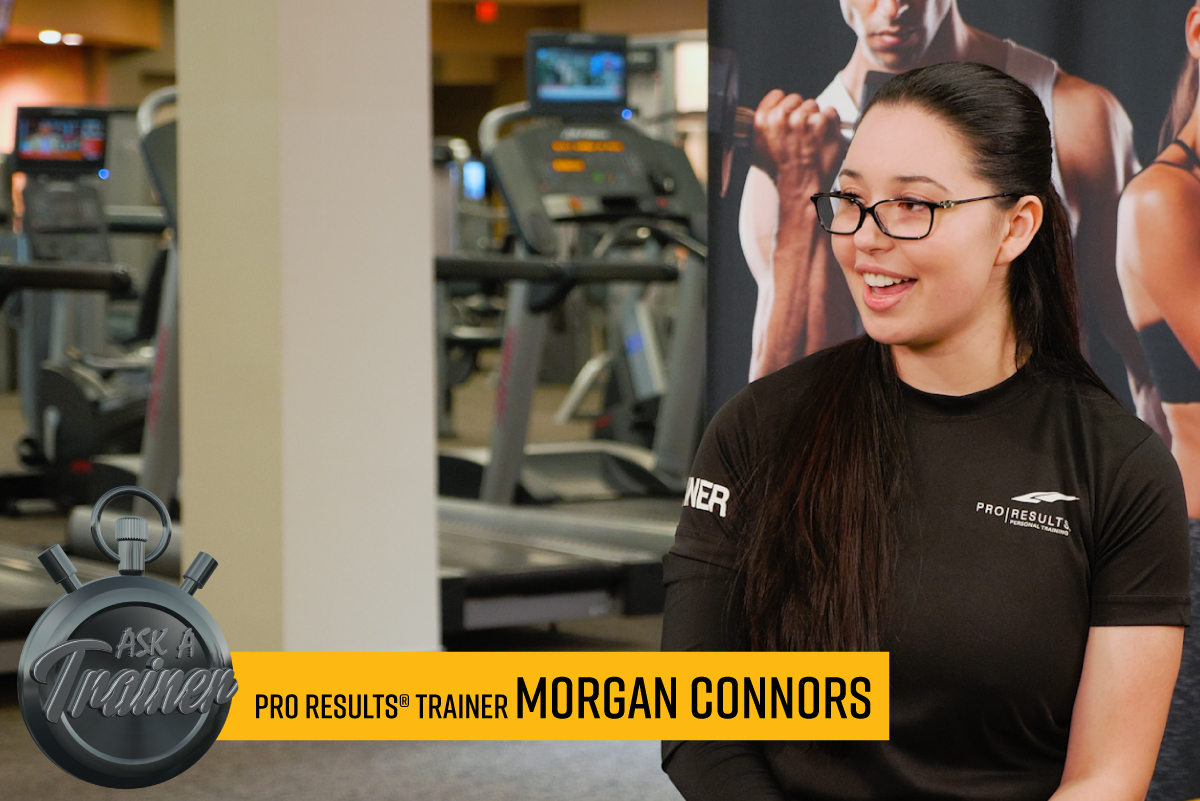
On this episode of ‘Ask A Trainer’ we speak with LA Fitness Pro Results® trainer Morgan C., and get her expert advice on how to properly maintain muscle mass.
On this episode of ‘Ask A Trainer’ we speak with LA Fitness Pro Results® trainer Morgan C., and get her expert advice on which machines offer a full body workout.
On this episode of ‘Ask A Trainer’ we speak with LA Fitness Pro Results® trainer Morgan C., and get her expert advice on whether or not strength training or cardio should come first when it comes to weight loss.
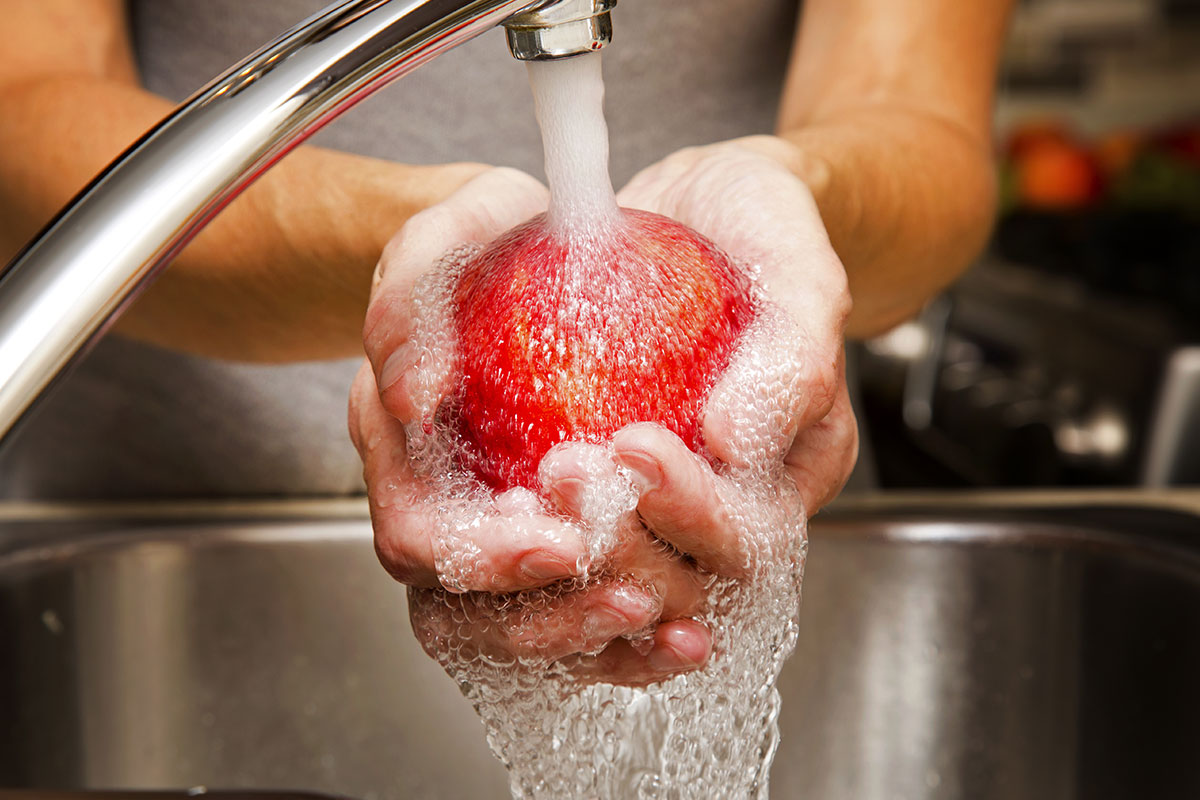

If you buy organic fruit, do you have to peel the skin (e.g., from apple)? Do you have to still wash the fruit thoroughly?
– Michael J.

Dashing out the door, I’ll admit that sometimes if my fruit is organic I won’t take time to wash it. But I should! Though organic produce is not treated with pesticides or herbicides, there is the chance for contamination from the spraying of nearby fields, handling, and processing. Cold germs can even get on your fruit at the grocery store from other shoppers. In a review of over 200 studies, researchers found that organic produce was equally likely to be infected with E. coli compared with conventional produce*. Yes, wash your fruit thoroughly! No need to peel it.
For further reading see our July 2018 article What No One Tells You About Organic Produce
* Are Organic Foods Safer or Healthier than Conventional Alternatives?: A Systematic Review. C Smith-Spangler, et al. Annual of Internal Medicine. Sept 2012; 157(5): 348-366.
– Debbie J., MS, RD
This article should not replace any exercise program or restrictions, any dietary supplements or restrictions, or any other medical recommendations from your primary care physician. Before starting any exercise program or diet, make sure it is approved by your doctor.
Some questions have been edited for length and/or clarity.
 Have a nutrition question? Our registered dietitian is ready to help!
Email nutrition@lafitness.com or submit your question below and it may be featured in an upcoming article!

Most comfort foods we turn to are heavily laden with fat, starch and calories. There are healthier ways to enjoy down-home classics by making a few tweaks.

Good nutrition is all about variety! Browse through our list of unusual fruits and veggies and give yourself a chance to try something new.

Does liberally salting your food help you pump more iron in the gym? Registered Dietitian, Debbie James, investigates the claims!


Nighttime approaches, but the Sandman does not. You lay in bed, eyes focused on the ceiling, or perhaps your phone. You set the phone down. Close your eyes. One sheep, two sheep, three sheep, four… no luck.
You’ve been feeling drained, stressed, and unhealthy – maybe your poor sleep habits are to blame.
We reached out to Babak Saedi, MD, and Director of Sleep Medicine at Kaiser Permanente in West Los Angeles, to help us better understand the connection between sleep and weight.
This is what he shared:
Sleep plays a critical role for our physical and emotional health. Without it, we lack the energy necessary to get through the day. Sleep deprivation impacts our immune system, making us more susceptible to illness; it affects our mood and stress levels; it also increases our risk for heart disease. Plus, not getting enough sleep is linked with a number of chronic diseases and conditions, including diabetes, obesity, and depression. While almost everyone feels sleepy in the daytime now and then, sleep debt can affect our concentration and reaction time, becoming the cause of serious problems like car crashes and work-related accidents. Poor sleep is also linked to increased pain perception and a degraded quality of life.
Adults need seven to eight hours of sleep and kids – depending on their age – need between eight to eleven hours.
In order for us to achieve any health or fitness goal, we must make sleep a priority. Whether we want to maintain or lose weight, gain muscle mass, perform better or simply feel better, getting enough high-quality sleep is key to reaching our weight and fitness goals.
If you’re tired, you have less energy. Even if you can get yourself to workout, the intensity of that workout isn’t the same as when you’re well rested, and as a result, you burn less calories.
You’re more likely to eat more and consume extra calories from high fat and high sugar foods to cover the energy cost of staying awake.
Lack of sleep impacts our hunger (ghrelin) and satiety (leptin) hormones. It also causes a spike in our cortisol levels, signaling our body to conserve energy to fuel our waking hours.
It affects our body’s ability to properly respond to insulin signals. Excess insulin increases the storage of fat in fat cells and prevents fat cells from releasing fat for energy.
Lack of sleep slows the production of growth hormone, which can make it more difficult for your body to build muscle mass.

1. Take a hot shower 1-2 hours before bedtime.
2. Make your sleeping environment comfortable. The temperature, along with light and noise should be controlled to make the bedroom conducive to sleeping. It’s also important to choose a comfortable and supportive mattress and pillow.
3. Go to bed only when sleepy. Once in bed, if you cannot fall asleep after 20 minutes, leave the bedroom for another room. After getting up, it’s important to remain calm, which means avoiding bright-lights or engaging in activities that will lead to more alertness (including chores or games on the computer, phone or tablet). Return to bed once you feel sleepy. Until then, stay out of the bedroom.
4. Limit bedroom activities to only sleeping and intimacy. Avoid watching television, using electronics, playing games or studying while in bed. Also, avoid clock watching. All of these activities increase alertness and make it difficult to fall asleep.
5. Avoid eating or drinking right before going to bed. Eating a late dinner or snacking before going to bed can activate the digestive system and keep you awake. Eating before bedtime can also worsen acid reflux or heartburn symptoms. Avoid drinking too much before bedtime because it can cause the need to urinate frequently throughout the night.
6. Avoid smoking, caffeinated beverages, alcohol and other stimulants. The effects of caffeine, alcohol, and nicotine can last several hours after use, which cuts into sleep time. Caffeine can cause difficulty falling asleep and frequent awakenings, while alcohol is known to create a non-restful night’s sleep and frequent urination.
7. Avoid daytime naps. It is important to establish and maintain a regular sleep and wake-up pattern. Napping during the day, especially after 2 p.m., makes it difficult to fall asleep at bedtime. If one must take a nap during the day, it should be early, around midday, and should only last about 20 minutes.
8. Exercise regularly. Regular exercise can improve sleep quality and duration. However, avoid exercising close to bedtime because it can have a stimulating effect on the body. Try to finish exercising at least three hours before it’s time to sleep.
9. Wake up the same time each day. Waking up the same time every day regardless of how much sleep you’ve had helps to regulate your internal clock (circadian rhythm) and predict your bedtime. Try to keep the same sleep and wake-up time on work/school and non-working/school days, especially if you are a shift-worker.
10. Set aside time to plan. If you find that you lay in bed thinking about tomorrow, consider setting aside a time at night to review the day and make plans for the next day. The goal is to avoid doing these things while trying to fall asleep. It may also be helpful to make a to-do list.
11. Reduce Stress. Aim for two hours of relaxation time before bedtime. There are a number of relaxation therapies and stress reduction methods to relax the mind and body before going to bed. You may want to take a warm bath, do some light reading, listen to white noise or relaxing audio tapes, do some deep breathing exercises or practice meditation.
Responses and tips above provided by Babak Saedi, MD, and Director of Sleep Medicine at Kaiser Permanente in West Los Angeles. Questions provided by Mayra Suarez, Senior Media Relations Representative at Kaiser Permanente Southern California.

The Holiday Season can get stressful, so we may stick to a routine for the sake of easy planning. Try any of these 10 simple ideas to bring new life to your Thanksgiving celebrations.

By now, you may have seen some donation boxes at your local LA Fitness. If you haven’t been entirely sure what those boxes are all about, you’re in the right place!
Most comfort foods we turn to are heavily laden with fat, starch and calories. There are healthier ways to enjoy down-home classics by making a few tweaks.

Could you recommend any best practices, storage methods, perishable and non-perishable food items, protein shakes, or other helpful tips for flight attendants or airline crew who desire to eat healthily but have limited access to refrigeration or healthy food options while on 3-5 day work trips?
– Ryjean R.
The two flight attendants I asked replied that they usually bring hard boiled eggs, avocados, salsa, sealed chicken apple sausages, green smoothie singles, lots of sturdy fruits like apples and oranges, nuts and seeds, carrots, jicama, and celery sticks with almond butter. For meals: vacuum-packed brown and white rice (can be served cold with cheese cubes and peas/corn), pasta salad with diced ham, or some frozen items like homemade casseroles or chicken curries – microwave required. Having a good cooler is essential!
Also see our previous answer to another flight question – What meals can I pack that will keep for up to 5 days, and that will help me lose weight?
– Debbie J., MS, RD
This article should not replace any exercise program or restrictions, any dietary supplements or restrictions, or any other medical recommendations from your primary care physician. Before starting any exercise program or diet, make sure it is approved by your doctor.
Some questions have been edited for length and/or clarity.
Have a nutrition question? Our registered dietitian is ready to help!
Email nutrition@lafitness.com or submit your question below and it may be featured in an upcoming article!
Most comfort foods we turn to are heavily laden with fat, starch and calories. There are healthier ways to enjoy down-home classics by making a few tweaks.
Good nutrition is all about variety! Browse through our list of unusual fruits and veggies and give yourself a chance to try something new.
Does liberally salting your food help you pump more iron in the gym? Registered Dietitian, Debbie James, investigates the claims!

Does camphorated oil burn fat?
– Margaret
Camphor is an insoluble, waxy, flammable, white or transparent solid with a strong aroma (typically from Asian evergreen trees or basil) that is used in skin balms and liniments.
You may get a different answer from a company or person promoting sales of it, but nutritionally camphor oil has NO proven effect on weight status, metabolism or body fat. Oral intake is not recommended as side effects include mouth and throat burning, nausea and vomiting. Ingestion of camphor can lead to coma and death.
Note that in the 1980s, “camphorated oil” (20% camphor in cottonseed oil) was removed from the US market because of safety concerns. Use of products containing more than 11% camphor is not recommended. Diluted camphorated oils are only for topical or aromatic use in the treatment of infections, cold/cough, and respiratory disorders, sleeplessness, skin conditions, pain and swelling.
Resources:
– Debbie J., MS, RD
This article should not replace any exercise program or restrictions, any dietary supplements or restrictions, or any other medical recommendations from your primary care physician. Before starting any exercise program or diet, make sure it is approved by your doctor.
Some questions have been edited for length and/or clarity.
Have a nutrition question? Our registered dietitian is ready to help!
Email nutrition@lafitness.com or submit your question below and it may be featured in an upcoming article!
Most comfort foods we turn to are heavily laden with fat, starch and calories. There are healthier ways to enjoy down-home classics by making a few tweaks.
Good nutrition is all about variety! Browse through our list of unusual fruits and veggies and give yourself a chance to try something new.
Does liberally salting your food help you pump more iron in the gym? Registered Dietitian, Debbie James, investigates the claims!