Is Sugar Bad For You? – Podcast Ep. 43
On this week's episode of the Living Healthy Podcast, we ask Registered Dietician Debbie James the question "Is sugar bad for you?"


Welcome to the 35th episode of the Living Healthy Podcast, presented by LA Fitness.
On this episode of the Living Healthy Podcast, we sit down with Triathlon Champion, Dave Ruby, to learn what it takes to compete among the best.
Having competed in Ironman and Xterra Triathlon Championship Competitions on 6 continents, earned World and National Champion titles, and taken home multiple first place wins, Dave Ruby is the man to ask about the sustainability of an active lifestyle at almost 60 years old.
His answers showcase the importance of training and dedication, but more importantly the enjoyment of what you’re doing and the experience of the moment. Listen in to hear Dave’s perspective and take some of his contagious motivation.
How Are We Doing?
This podcast should not replace any exercise program or restrictions, any dietary supplements or restrictions, or any other medical recommendations from your primary care physician. Before starting any exercise program or diet, make sure it is approved by your doctor.
Intro
0:01
Introduction of Triathlete, Dave Ruby
2:42
How Long Dave Has Been Competing
3:51
What is an Ironman Competition?
4:10
How Dave Got His Start
5:11
How Many Times a Year do You Race?
6:31
How Do You Train for an Ironman Competition?
7:23
How Does Your Mentality Work in Competition?
10:08
What Do You Do in the Gym to Prepare?
11:55
What Does Your Gym Routine Look Like?
13:05
How Do You Balance Training and Recovery?
15:12
What is it Like to Run Such Long Distances?
17:33
When the Race Gets Tough, How Do You Push Through?
19:10
Have You Ever Had to Stop During a Race?
21:12
What Do You Like the Most About Competing?
23:13
Racing in Alaska and Hawaii – Moose and Open Waters
25:06
What is Your Process for Setting a Goal for Yourself?
28:00
Do You Have a Favorite Place or Competition?
29:13
Do You Have to Train Differently for Different Climates?
31:52
Actionable Advice
34:49
Outro
36:44

On this week's episode of the Living Healthy Podcast, we ask Registered Dietician Debbie James the question "Is sugar bad for you?"

WE’RE BACK!!! On today's episode of the Living Healthy Podcast, we're talking about Cancer Screening and Prevention with Dr. Rick Van Etten!

Debbie James, RDN, brings us her expert opinion on food safety and sanitation, along with information on how you can eat well if you have to shelter in place.

Statistics show that “more than 60 million American adults experience heartburn at least once a month, and more than 15 million adults suffer daily from heartburn.”1
This month is GERD awareness month, and while it isn’t a fancy name for heartburn, heartburn is a major symptom of this disease. We’d like to explain what it is and share some ways to help treat and prevent its symptoms.

GERD, or Gastroesophageal Reflux Disease, is a digestive disorder that causes the contents of your stomach to move back into your esophagus.1
If you are familiar with acid reflux, another way to understand GERD is that it is a more severe and recurring form of acid reflux.
The most common symptom of GERD is heartburn. With acid reflux, the heartburn may be brought on by certain foods or beverages. With GERD, the triggers are similar, but you may experience heartburn 2 or more times a week!2
Some GERD triggers include:
According to the Mayo clinic, additional symptoms, aside from heartburn, include “regurgitation of food or sour liquid [vomiting], difficulty swallowing, coughing, wheezing, and chest pain — especially while lying down at night.”2


Anyone can develop GERD or experience varying degrees of its symptoms. The National Institute of Diabetes and Digestive and Kidney Diseases explains that you are more likely to experience GERD if:
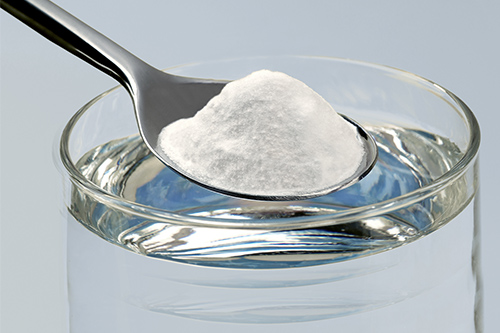

The Fisher-Titus Healthy Living Team, of the Fisher-Titus Medical Center, composed this list of 7 natural home remedies for GERD. You can view the full details about each remedy on their website here.


In addition to avoiding certain foods and beverages, lifestyle changes can help you mitigate the symptoms and avoid flareups.
The Mayo Clinic suggests that affected individuals try:
Many doctors will prescribe nutrition and lifestyle changes to treat GERD and that’s oftentimes enough for milder cases. Over-the-counter antacids are also commonly recommended.
For more severe cases, doctors may go a step further and recommend prescription medications to help manage symptoms, order an endoscopy to look for irritation or inflammation in the esophageal tissue, or they may order an upper gastrointestinal x-ray to rule out other potential conditions.1
If you have any concerns about your gastroesophageal health, talk to your doctor to get personalized information and the most accurate course of action for your unique situation.
For our registered dietitian’s insights on spicy foods and what they do to your insides, check out her answer to this reader’s question on Hot Peppers! Or, take a look at her answer to this question on Inflammatory Foods and their effects on your GI tract. To access our monthly blog post highlights, subscribe to our newsletter today!
Sources:
Making time to exercise can be a balancing act… work, kids, after school activities, family & friend obligations, just to name a few.
The most common excuse for not exercising: “No time,” says clinical psychologist Lavinia Rodriguez.1

How do you make the time for exercise when you have no time?

Morning Workout. Fitness experts will suggest a morning workout. Why? Because life gets crazier as the day goes on. By getting in a workout first thing in the morning, you have time for other day-to-day stuff without having to think about when you are going to fit in a workout.
Find a Friend. Grab, drag, or bribe a friend to come with you. Having your best bud or accountability partner come with you can make workouts so much fun! Keep one another accountable, set goals, or create challenges with one another. Having someone to go with you means you are less likely to make excuses not to go to the gym.

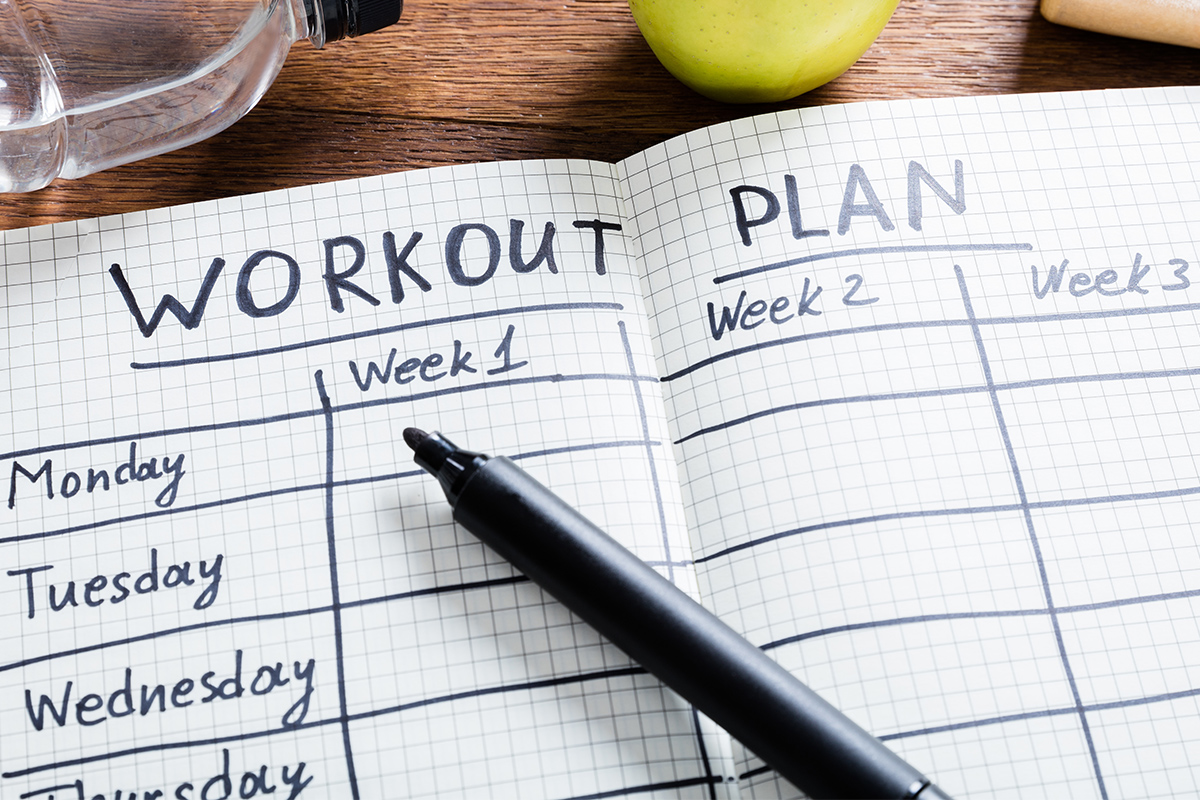
Write it down. Create a schedule for yourself. Take time on Sunday evening before you go to bed and write down your schedule for the week. Then find pockets of time where you can go to the gym and commit to your schedule. Once you’ve committed to your schedule, it’s less likely that you are going to break it and less likely to make excuses.
Set small goals. Small goals can be BIG wins! Start with working out one or two days per week. These small goals will turn into a routine and eventually become a habit.

Decide. You must decide that you are going to make time for exercise. Make the decision and follow through with it. There will be days when you don’t want to go to the gym, that’s when you need to prove your willpower.
Set your alarm. Set your alarm so you don’t forget. If you set your alarm for the morning, it’s not always easy waking up early. Challenge yourself not to hit snooze. Put your feet on the ground, get vertical, and start walking around. If you set your alarm for the afternoon, you may be hurting for time, but everyone needs to take a break. What you will soon realize is that working out helps improve productivity. So, hit the gym!
Don’t stress. Bottom line, any exercise is better than no exercise. Do what you can, when you can. Don’t stress out or put pressure on yourself because you didn’t make it to the gym.
For even more tips on how to add exercise to your schedule, check out these Workout Strategies for a Busy Lifestyle, or, read up on . For all our blog posts, and to get notified when we upload something new, subscribe today!
SOURCES

“Throughout our sessions [my trainer] was able to tailor specific routines for me and quickly adjust as required for my preferences and accommodate for chronic injuries.”
An Unexpected Turning Point
Martyn D. is an LA Fitness member who changed his lifestyle when he least expected. With a busy work schedule and a long-standing shoulder injury, Martyn found himself “in a slump, with little to no change in [his] routines and inspiration.”
One day, he won a few free training sessions at LA Fitness and was hooked ever since. “I enjoyed them so much I decided to continue for the 6-month program,” Martyn says.
If you’re hesitant to start a workout routine due to an injury, or if you’re in an emotional funk, Martyn’s story is the perfect example to showcase how proper guidance from a qualified instructor can help you move towards your goals.
Personal Training Made a Big Difference
The key to personal training is the fact that it is customized for you. It’s not just about having someone tell you what to do.
Martyn appreciated that his trainer, Patrick, “was approachable and easy to talk to” and that he took the time to really flesh out his personal fitness goals.

“Throughout our sessions he was able to tailor specific routines for me and quickly adjust as required for my preferences and accommodate for chronic injuries,” explains Martyn, “he was also flexible with my schedule when I had limited time with work.”
Overcoming Injuries
Injuries can pose a myriad of obstacles when it comes to working out. Some people will advise you to use the muscles lightly, others will advise you to avoid all activities that may strain the muscles further.
One advantage of having a qualified trainer is in your access to their knowledgebase on muscle recovery and on proper form. Martyn shares that despite a shoulder injury that had been bothering him for years, Patrick “has been able to significantly help by strengthening weak areas and improving [his] form, both of which allow [him] to lift more.”
What’s Next for Martyn?
“Exercising has always been a stress outlet for me with a sense of accomplishment afterwards” says Martyn. However, “the added improvement really boosts those feelings. Call me a glutton for punishment but I plan on staying active for as long as I can. I still browse online videos for different exercises to try out but having a knowledgeable pro on hand is invaluable. Plus, he would not let me slack–off, which I appreciate afterwards.”
Closing Thoughts
Having the help of a personal trainer can make a world of difference. Whether you’re a seasoned athlete who is looking for new ways to test your abilities, or just starting out, some knowledgeable guidance can go a long way. Martyn is living proof that personalized training, paired with a commitment to your goals, can produce real changes that you can be proud of.
Do you have an inspirational story you’d like to share with us? Email us at blog@lafitness.com for a chance to be featured in an upcoming post!
For length and clarity, minor edits – none of which alter the original or intended meaning – have been made to the quotes provided.
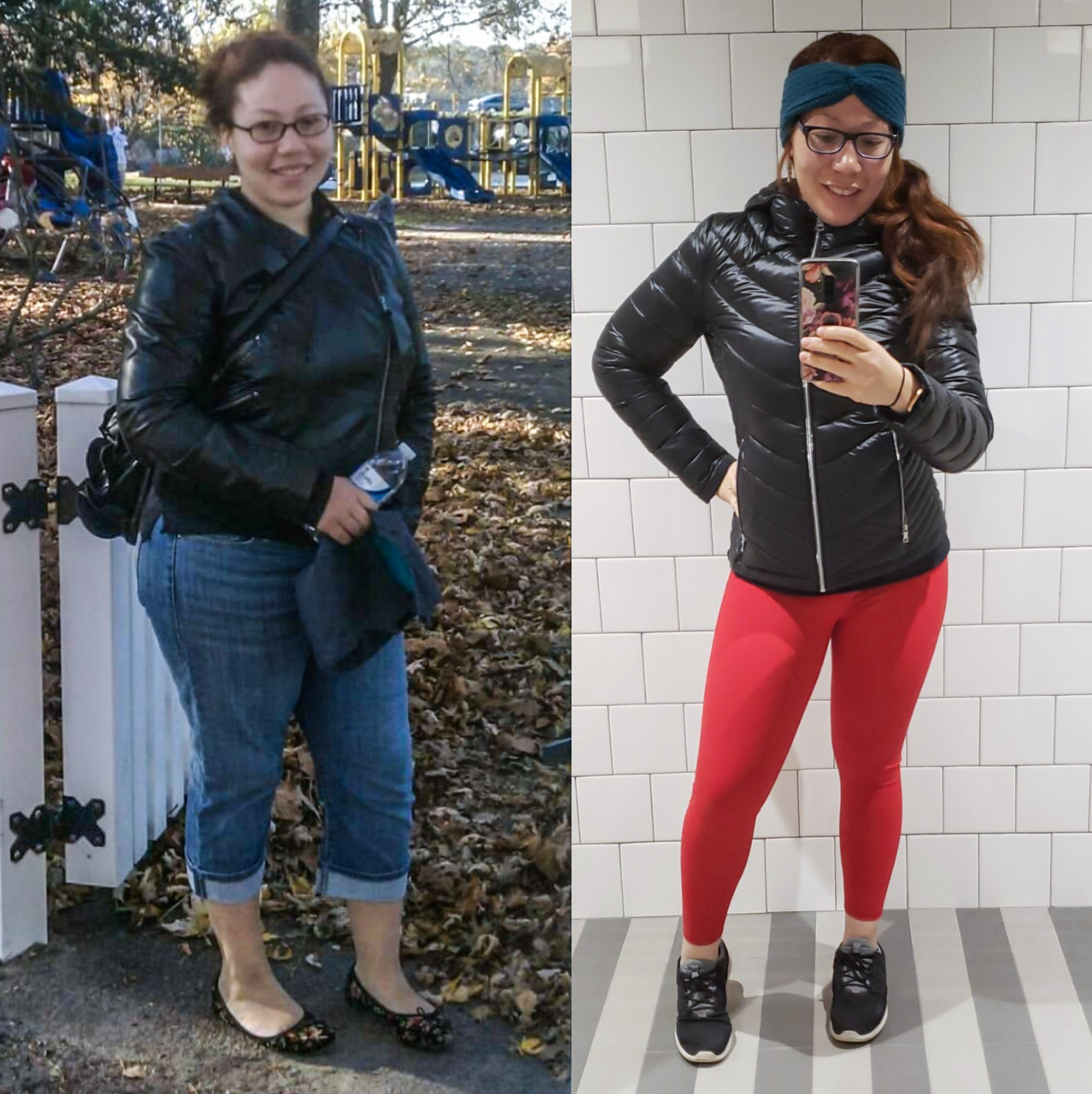
Waleska is a mom with 2 part-time jobs who had a love for chocolate. Despite the time constraints and sweet temptations, she lost over 60 pounds!

Many of us pair the idea of aging with decreased mobility and various aches. Yet, Patricia’s story shows us just how wrong that notion can be.

Ann shares how, despite back problems, strokes, and surgeries, she is well on her way to achieving her goal of losing 90 to 100 pounds!

November 7th was National Bittersweet Chocolate and Almonds Day! With this tasty treat still on everyone’s mind, let’s talk about what has been learned about the benefits of this bittersweet indulgence. Perhaps because researchers just wanted to prove that chocolate can be healthy, the work has been done to study its nutrients and their effects on the body.
By now, you may already know some of what they have unearthed. First and foremost, that bittersweet chocolate, that is at least 65% cacao, wins the nutrition battle over milk chocolate. In case you haven’t heard, or if you’d like to know more, allow us to give you a few reasons why you should add some dark chocolate (and almonds) to your snack drawer.

Antioxidants are those agents that help shield your body from free radicals. Free radicals are molecules that can cause cells to lose their ability to function normally.1
Essentially, free radicals hang out in your body with only one electron. Electrons like to be in pairs, so these free radicals seek out healthy atoms in your body to steal one of their electrons. When those healthy atoms lose an electron to a free radical, this causes damage to it.
Antioxidants help by giving free radicals the electron they need so they don’t steal it from other cells.
A study comparing cocoa powder and dark chocolate with super-fruit powders and juices found that the former had the same, or significantly larger, amounts of antioxidants and flavanols!2
The article explains that cacao powder successfully competes with or outperforms the antioxidant power of blueberry, cranberry, and pomegranate powders.2 It’s pretty nice to know that cacao seeds qualify as a super food!
We should back up a bit here, however, because you might be wondering what flavanols are and why you need them.
Flavanols are interesting because, according to a chocolate-making company called Ombar, they are actually very mildly toxic! This toxicity, however, prompts your body to produce more of its own antioxidants.3 This might be why chocolate is able to pack such a healthful punch. Not only does it contain antioxidants, it also stimulates your body’s natural production.
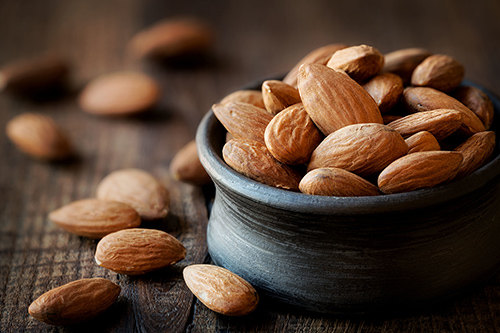
As for almonds, eating them with the skin will get you more antioxidants than eating almonds without the skin.4 You can enjoy them roasted or raw, but the key is in that outer protective layer. Next time you reach for a bar of dark chocolate, choose one that contains unskinned almonds.

The flavanols in dark chocolate are partly responsible for the lowering of your blood pressure,2 while magnesium is behind this benefit in almonds.5 Fortunately, almonds contain 20% of your recommended daily intake of magnesium.5
In dark chocolate, the antioxidants may help your body use its insulin more efficiently, and as a result, this can help lower your blood sugar.6 In almonds, magnesium comes back to play another role. It happens to help control your blood sugar by increasing your insulin sensitivity.5
A study on cocoa’s effects on platelet activation and function concluded that cocoa had “an Aspirin-like effect” on blood.7 Almonds, which are naturally high in Vitamin E, have a blood-thinning effect for this reason.8

A study was conducted to measure the brain’s responses to cognitive tasks after eating flavanol-rich cocoa. The most notable conclusion drawn from this study was that the cocoa significantly increased blood flow to gray matter in the brain.9 The study suggests that this means cocoa flavanols have the potential to aid in the treatment of strokes and dementia.9
Almonds, on the other hand, can help protect the brain from age-related memory problems and neurodegenerative diseases.10 This is because they contain nutrients like tocopherol, folate, mono- and poly-unsaturated fatty acids, and polyphenols. In separate studies, these nutrients have “shown promise as possible dietary supplements to prevent or delay the onset of age-associated cognitive dysfunction.”10
While technically these neurological effects have been observed by researchers, it’s still wise to take this information with a grain of salt. There is not enough information to prove that eating dark chocolate or almonds will improve your brain function by statistically significant numbers.
We think this information just goes to show that what your body needs can be found in an assortment of natural foods and ingredients, whereas highly processed foods strip most of those benefits away.

We’d like to say, after learning the many benefits, that we can eat as much dark chocolate and almonds as we’d like. Unfortunately, we’re too aware of the truth in the statement that “it’s possible to have too much of a good thing.”
Looking closer at what we’ve shared with you so far, you may notice that all the benefits of dark chocolate lie in the cocoa powder. The other ingredients in your chocolate bar, like sugar, sodium, and saturated fat, do more harm than good in large amounts.
The recommended portion of dark chocolate that allows you to reap the benefits and avoid too much of those other ingredients, is about an ounce and a half per day.11 That’s about half or 1/3 of a standard chocolate bar.
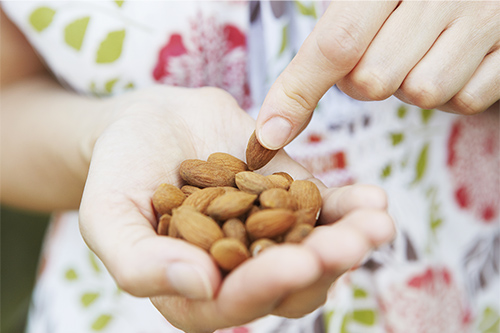
As for almonds, the recommended portion is about one ounce, or 23 kernels.12 Because almonds are high in calories, fat, and fiber, eating too many can lead to weight gain as well as gastrointestinal problems from the excess of fiber. So, make sure you’re drinking plenty of water if you’re planning on having more than a small handful.
For more healthy snacking ideas, read our Super Snacking Guide. Or, listen to our podcast on How to Read a Nutrition Label to prepare yourself for your next grocery trip. To access our monthly blog post highlights, subscribe to our newsletter today!
Sources: