10 Thanksgiving Ideas to Revive Your Celebrations
The Holiday Season can get stressful, so we may stick to a routine for the sake of easy planning. Try any of these 10 simple ideas to bring new life to your Thanksgiving celebrations.

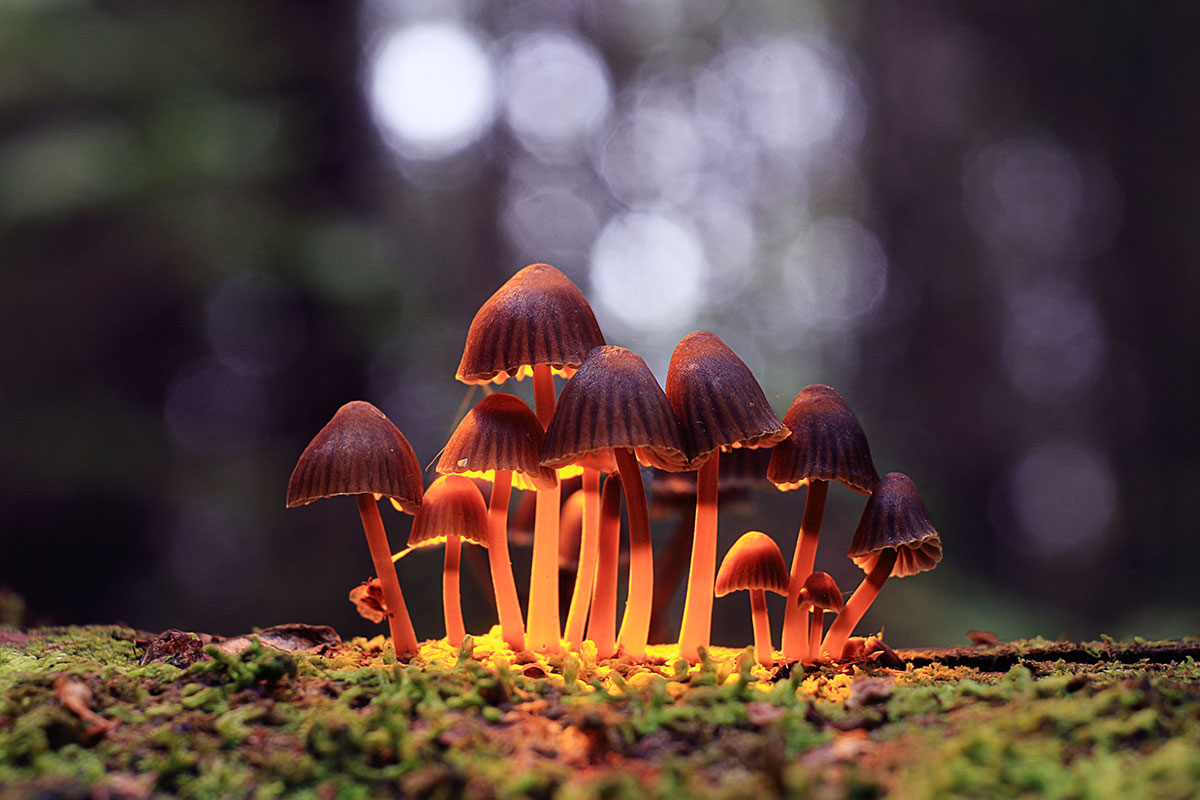

MUSHROOMS can be deadly! They have gills but aren’t fish (obviously), they aren’t vegetables and can hardly be considered “plants” – without roots, leaves, flowers or seeds. What are they, then? They’re part of the fungi kingdom. Don’t worry, culinary mushrooms from the produce aisle in grocery stores are cultivated and safe to consume1, unlike some of the wild mushrooms picked up during foraging. Here are three reasons why you shouldn’t avoid the mysterious living organisms known as mushrooms:
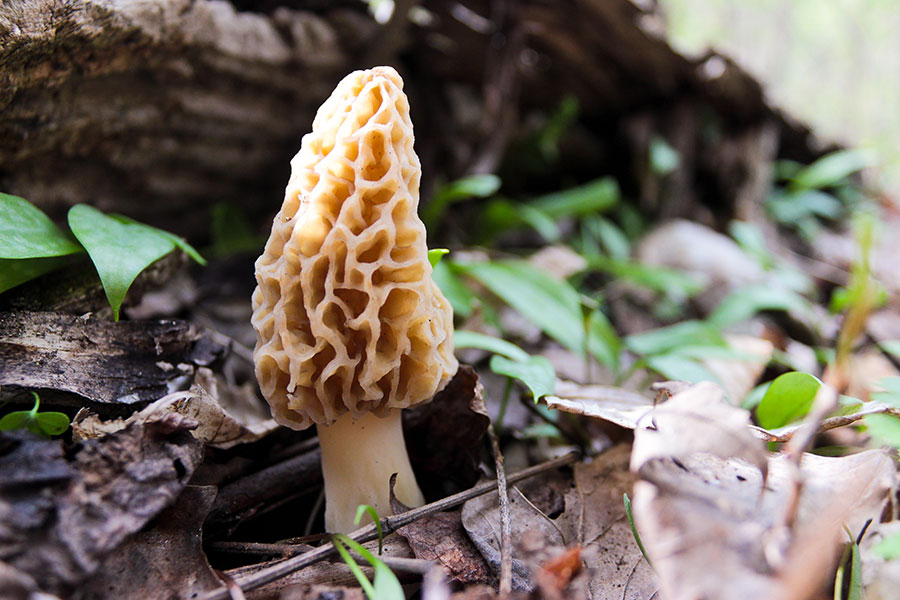
Mushrooms contribute to a plant-based diet high in nutrients2, though content varies based on mushroom variety. They are low in fat and calories, high in carbohydrates, fiber, protein3 (by calories), B vitamins, phosphorus, potassium, as well as magnesium, selenium, copper, and Vitamin D. Mushrooms are the only “plant” that provides a natural source of vitamin D, from the conversion of ergosterol to D2 or D4 when exposed to ultraviolet light (look for “UV-treated” on the label). Shiitake and morel varieties naturally contain more vitamin D than other mushrooms typically consumed by Americans4. To offer protein equal to that from an ounce of meat, it takes about two cups of white button mushrooms – a significant quantity that contributes to fullness and decreased hunger but provides only 42 calories.
Though hundreds of mushrooms have medicinal and disease-fighting properties1,3, Japanese varieties notably contain the most phytochemicals (naturally occurring plant chemicals)2. Oyster mushrooms contain antioxidants such as selenium and L-ergothioneine, which provide protection to cells against free radical damage2. These compounds are fortunately resistant to cooking2. King trumpet (aka. king oyster) also contains statins shown to reduce blood lipids2.
Additionally, white and brown beech, shiitake and maitake mushrooms contain beta-glucan fiber2 which may help lower insulin resistance, blood cholesterol, and risk of obesity5. Mushroom beta-glucans may not affect glucose absorption, but they could decrease the glycemic response by up to 25%5. Portobellos can lower glycemic responses when consumed with food1. Japanese studies of isolated beta-glucans from mushrooms show promise to boost the immune response to fight cancer cells3,5 and may help prevent the recurrence of hormone-dependent breast cancers1,3.

Mushrooms offer umami, the 5th basic taste after sweet, salty, bitter and sour. The darker the mushroom the more umami it contains, and cooking intensifies this flavor1,2. Mushrooms are known for their unique earthy flavor and chewy, meaty texture1. White button mushrooms are milder than their darker counterparts, crimini (aka “baby bellas”) which are immature portobello mushrooms3. Dried versions of most types have super-concentrated flavor and make great additions to soups, sauces, and stocks.
Mushrooms are great for trimming meat in dishes or used as a stand-out ingredient in stir-fries (shiitake best) or raw salads (enoki best)1. For those who have a palate issue with them on their own, finely dicing mushrooms to match the consistency of meat then blending into traditional recipes alongside ground meat, makes them more tolerable1. To cut back on meat you can use finely diced mushrooms as replacement for half the ground beef in tacos, lasagna, meatballs/loaves, burgers, and pasta sauce1.


MYCOPROTEIN is a mold member of the fungi family. Wait, what? We are told to avoid mold on foods because it is dangerous! Approved in 2001 by the FDA as a Generally Recognized As Safe (GRAS) food, mycoprotein is grown in large fermentation vats. Mycologists have studied the safety of the mold strain used and determined it produces an almost undetectable less than 0.5 parts per million mycotoxins in production6.
Mycoprotein is high in fiber and protein (12% protein by weight) and contains all essential amino acids in concentrations similar to egg6. Due to its stringy nature, it is predominantly used as a meat substitute, though modified mycoprotein can also be used as a fat replacer in dairy products or as a grain replacement in cereals.
As with all foods, some people may be intolerant or allergic (rare) to mycoprotein. Such cases have prompted the nonprofit Center for Science in the Public Interest to request that the FDA revoke mycoprotein’s GRAS status. If you are looking for a non-soy, non-dairy vegetarian protein source then you might consider mycoprotein. On the other hand, if you are looking for natural ‘clean’ foods, then these highly engineered mycoprotein products are not for you.
In summary, there are benefits to mushrooms including some that other plants can’t provide, while mycoprotein’s only value seems to be as a meat replacer. Now that you’re armed with details about each, don’t let edible fungi haunt you!
References:


The gills on the underside of portobello caps have an unpleasant chalkiness and, therefore, should be scraped away with a spoon before grilling. Olives and feta cheese tend to be salty so keep that in mind when seasoning to taste.
Serves 4 as a side dish
Nutrient Analysis per serving: Calories: 180; Total fat: 13 g; Sat fat: 3 g; Cholesterol: 5 mg; Sodium: 470 mg; Total carbohydrate: 11 g; Dietary fiber: 2 g; Sugars: 6 g; Protein: 7 g
Recipe Credit: Mushrooms — A Unique Ingredient Taken From Forest Floor to Kitchen Door. Bryan Roof. Today’s Dietitian, Aug 2012; 14(8); 74

The Holiday Season can get stressful, so we may stick to a routine for the sake of easy planning. Try any of these 10 simple ideas to bring new life to your Thanksgiving celebrations.

By now, you may have seen some donation boxes at your local LA Fitness. If you haven’t been entirely sure what those boxes are all about, you’re in the right place!
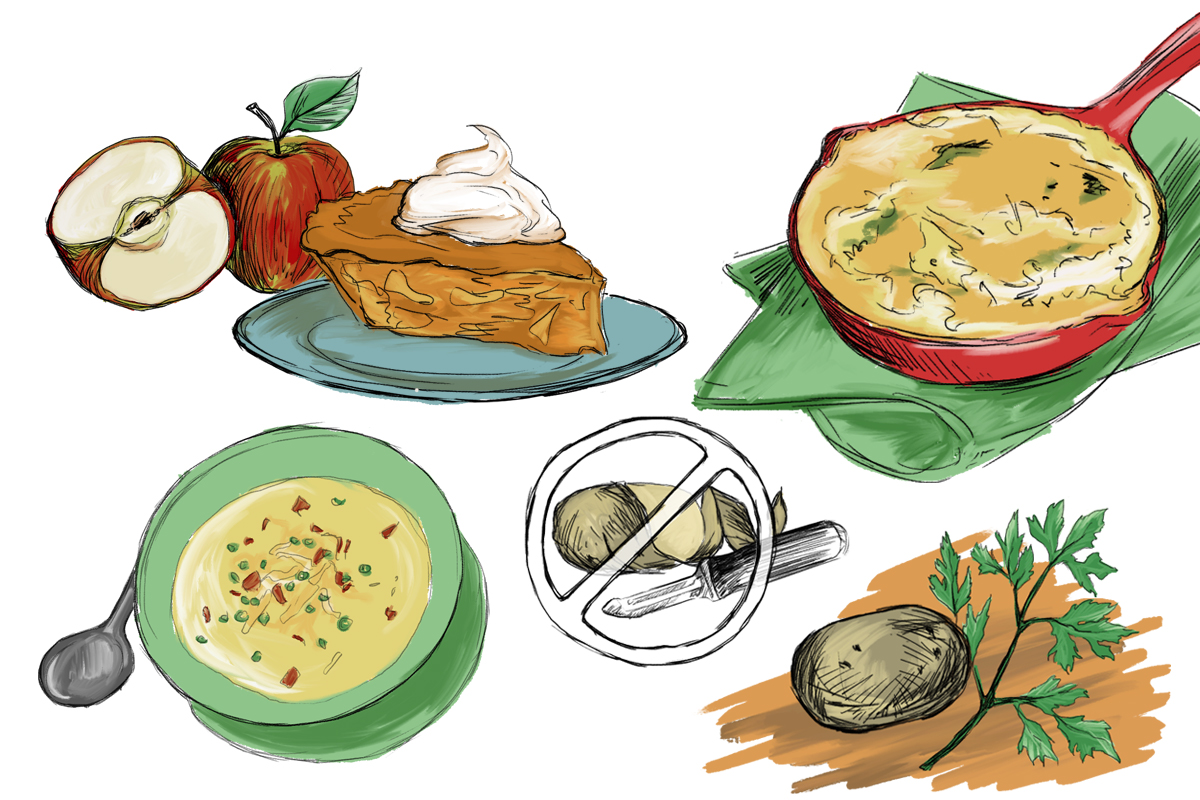
Most comfort foods we turn to are heavily laden with fat, starch and calories. There are healthier ways to enjoy down-home classics by making a few tweaks.
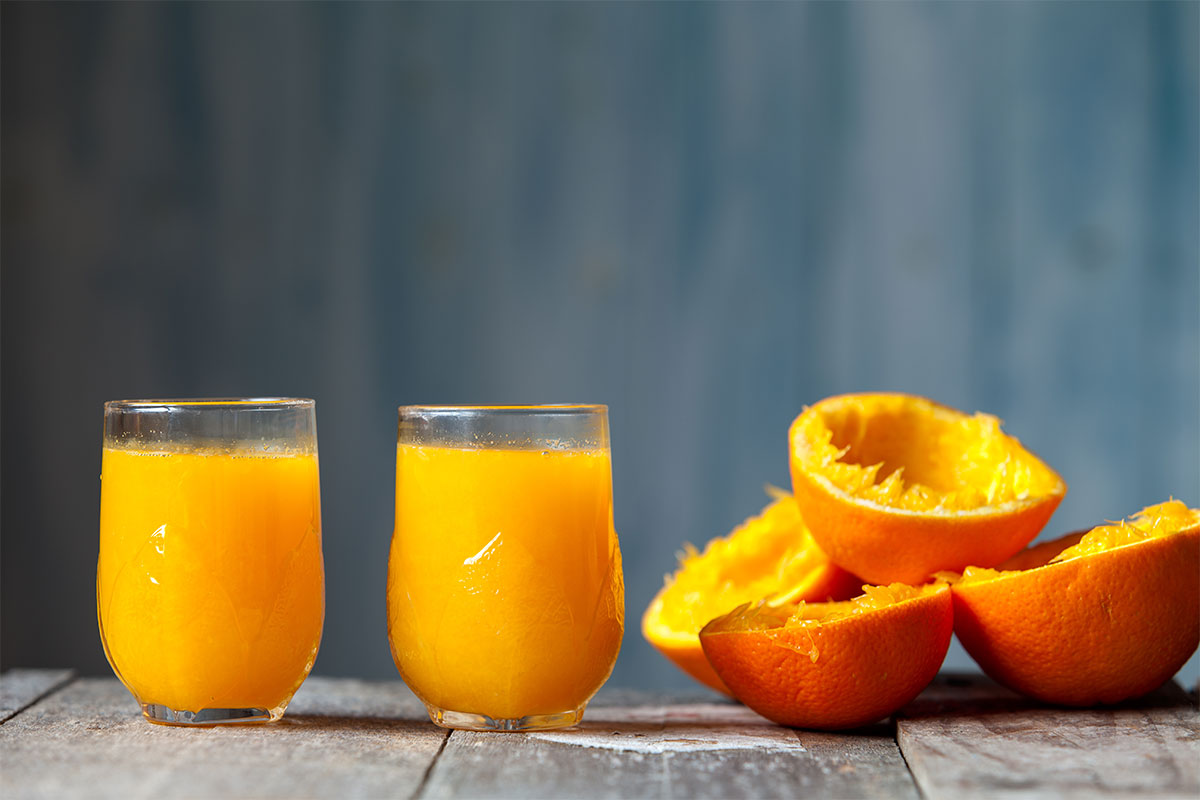

How healthy are fruit juices like orange juice with no pulp? Do fruits/vegetables from concentrate in smoothies typically only have the water removed with most of the fiber intact? Does it matter if the juice is from concentrate in terms of limiting sugar intake per day?
– Nick S.

We often think the pulp retains the fiber, while the expressed juice does not. Taking a look at the labels from three major bottled OJ brands, the nutritional information was nearly identical:
1 cup pulp-free had 110 calories, 22-23 grams sugar, 0 gram fiber
1 cup high pulp had 110 calories, 22-23 grams sugar, 0 gram fiber
But where’s the fiber? When fiber is less than 1 gram and no fiber claims are made, the Nutrition Facts panel may not even have Dietary Fiber listed. The type of fiber, called pectin, is a beneficial soluble fiber that helps lower blood cholesterol and slows the passage of food through the gut.
Citrus pulp is also promoted as containing nutrients such as vitamin C, beta-carotene and several minerals. But the evidence of such nutrition is a mystery to me. Not one online article about fruit pulp that I found had an original source citing micronutrient content. The USDA’s Food Composition Database’s ONLY standard reference pulp is that of Naranjilla (lulo), a South American fruit. Hardly something found in American grocery shelves. I found the Nutrition facts panel for a passion fruit pulp sold in the US and it has 1 gram fiber, 9 grams sugar, 2% DV calcium, and 2% DV iron per half-cup serving.
So… although I’ve always been taught (at home and professionally) that the pulp is nutritious, there appears to be a lack of resources to substantiate anything other than a small amount of fiber content. But I still promote consuming fruit skins, pulp, and pith. Here’s why – humans’ teeth and GI tracts were meant to consume as much of a plant as is edible, and to receive the full benefit of a fruit’s nutrients and phytochemicals we need to eat all of its components. Eating raw, whole foods is always better than a processed version.
Sources:
Fruit concentrate is basically fruit puree with the water removed, and usually the skin and membranes as well. Already the overall nutrition will differ from that of the raw fruit. Concentrates that are pasteurized will be lower in heat-sensitive vitamin C unless the product is fortified. On food labels, the sugar from concentrate is considered “added sugar.”
Fruit juice concentrate is made when water is extracted from the juice. This is beneficial for both preserving the juice and reducing shipping weight. Concentrates are higher in sugar and energy by weight and volume. If the concentrate is reconstituted, water is added back to form the liquid state and the result should be no different than the original juice. Reconstituted juice’s sugar and energy content would be restored to their initial levels.
Sources:
What Is ‘Fruit Concentrate,’ Anyway? And Is It Good For You? NPR 9.1.2017. https://www.npr.org/sections/thesalt/2017/09/01/545336956/what-is-fruit-concentrate-anyway-and-is-it-good-for-you
– Debbie J., MS, RD
This article should not replace any exercise program or restrictions, any dietary supplements or restrictions, or any other medical recommendations from your primary care physician. Before starting any exercise program or diet, make sure it is approved by your doctor.
Some questions have been edited for length and/or clarity.
 Have a nutrition question? Our registered dietitian is ready to help!
Email nutrition@lafitness.com or submit your question below and it may be featured in an upcoming article!
Most comfort foods we turn to are heavily laden with fat, starch and calories. There are healthier ways to enjoy down-home classics by making a few tweaks.
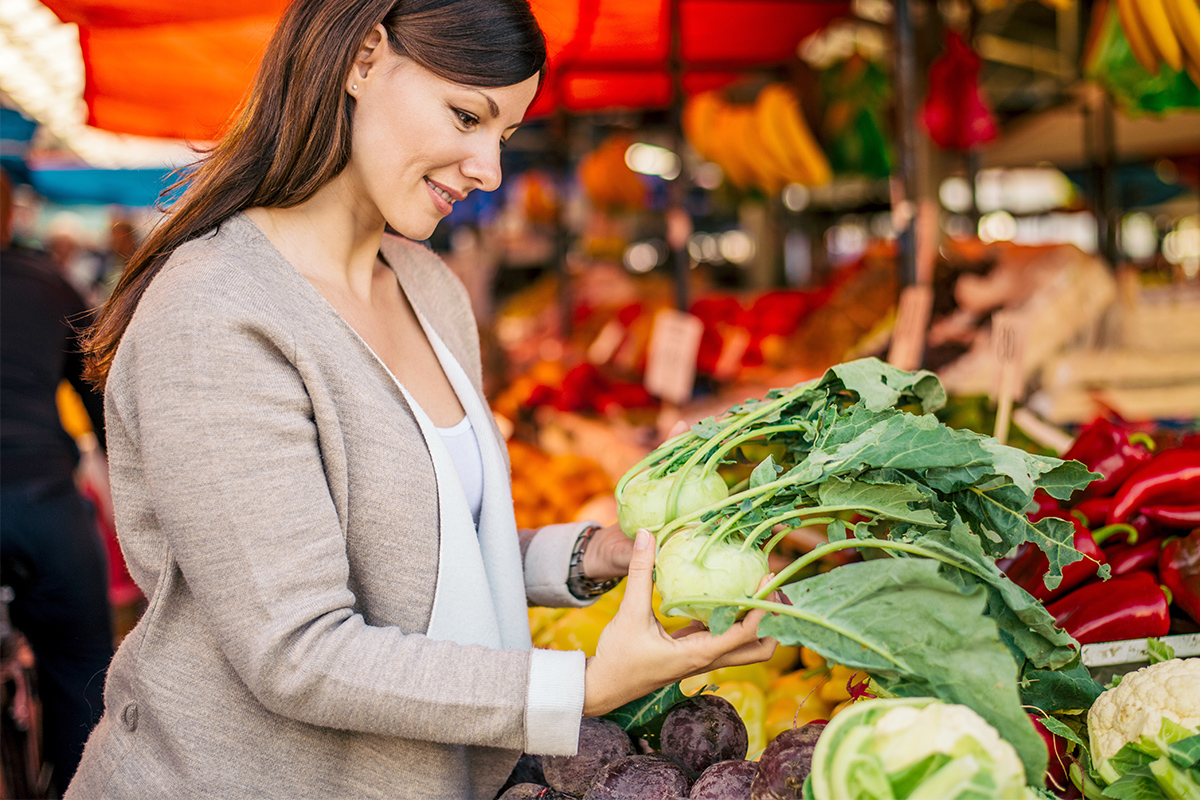
Good nutrition is all about variety! Browse through our list of unusual fruits and veggies and give yourself a chance to try something new.

Does liberally salting your food help you pump more iron in the gym? Registered Dietitian, Debbie James, investigates the claims!

I’ve always had a strong academic and metaphysical fascination with what makes us human. So much so that while studying digital video and audio production in college, I also majored in Anthropology- the study of human beings. Fast forward five or six years after graduation and I find myself sitting behind a desk well into the “cushy corporate gig” phase of my career, still making videos and producing a wide range of audio projects for LA Fitness; feeling like I’m only using half of my education; that question still relatively unanswered and still burning.
What makes us human?
If asking that question is ultimately asking, “What makes us unique from other mammals or creatures with whom we share the condition of possessing vertebrae?”, then the answer is simple: Bipedal ambulation (walking on two feet) and our brains ability to create and operate abstractions (imagine a cat composed of various citrus fruits with a baby shark for a tail. That thing you see in your head, that’s what I mean. So far as we know, only humans can conjure that up).
After a few existential breakdowns into my job here at LA Fitness, I had resigned myself to the reality that these partial answers to such a big question would have to suffice. There was no sense in pursuing them further. I worked for a gym. The place people go to get fit, not answer big questions. In my mind, those two things were forever incongruous.
Then a few important things happened that changed my mind quite profoundly:
I think the most magnificent abstraction we’ve created as humans is linear time. The idea of seconds begetting minutes begetting hours begetting days and so on as if a series of incremental points on a timeline. None of this existed until the 14th century, whence the clock prevailed as a timekeeper. It’s from the invention of the clock and the hours and seconds contained within it that we have this perception of time. What makes this seem like such grand ruse of an abstraction is that: it wasn’t until I fit into some jeans yesterday that I realized or felt like all these things happened FOR something. I mean, of course, I knew sequentially when I had read and finished the book; what made me fall in love with my girlfriend and when; why I had agreed to do the spotlight series; when I walked into the gym and started forming that habit; when I fit into the jeans; and in what order these all occurred. But some genie was released from the bottle when I clasped the top button and didn’t feel like I should face away from the mirror out of fear of that button bursting off and shattering my reflection. A genie that couldn’t be returned after I needed a belt to fasten those same jeans to my waist.
All at once past, present and future, happened to me; The book I read piqued my interest in long-distance running; it taught me about our adaptation to sweat and endure beyond that of any other vertebrate. I was standing at the finish line of her marathon, the first one I attended, filled with pride as she caught her breath. I was walking into the gym for the first time at 29 running a 5k on the treadmill to see if I could (I could). I was poised and excited to pounce on this opportunity at work to serve my (until now unadmitted) vanity. I was attaining the great sense of accomplishment after fitting into three older pairs of jeans. And I was standing there, at the end of my own first race, dead tired but proud beyond comprehension.
The last of these events hasn’t happened yet. But it will. Past, present, future: All at once. I intend to explore the depth of the answers to my initial question. Though, presently, I find myself in a familiar dilemma: exploring and challenging the nature of human abstraction is only one part of the answer. If I’m to truly dive into this journey, I must do one more thing. That thing will require me to not just push myself, but figure out how to push myself, and what it means to push myself to do it. It’s no big reveal, you see, I’ve already told you what it is. It all happened at once, remember?
I. Must. Run.
And I will. A half marathon at first, a full marathon at last, and I’ll tell you all about it.
*Matt is a current employee of LA Fitness. While the opinions herein are Matt’s own, Matt receives a free membership in connection with his employment.
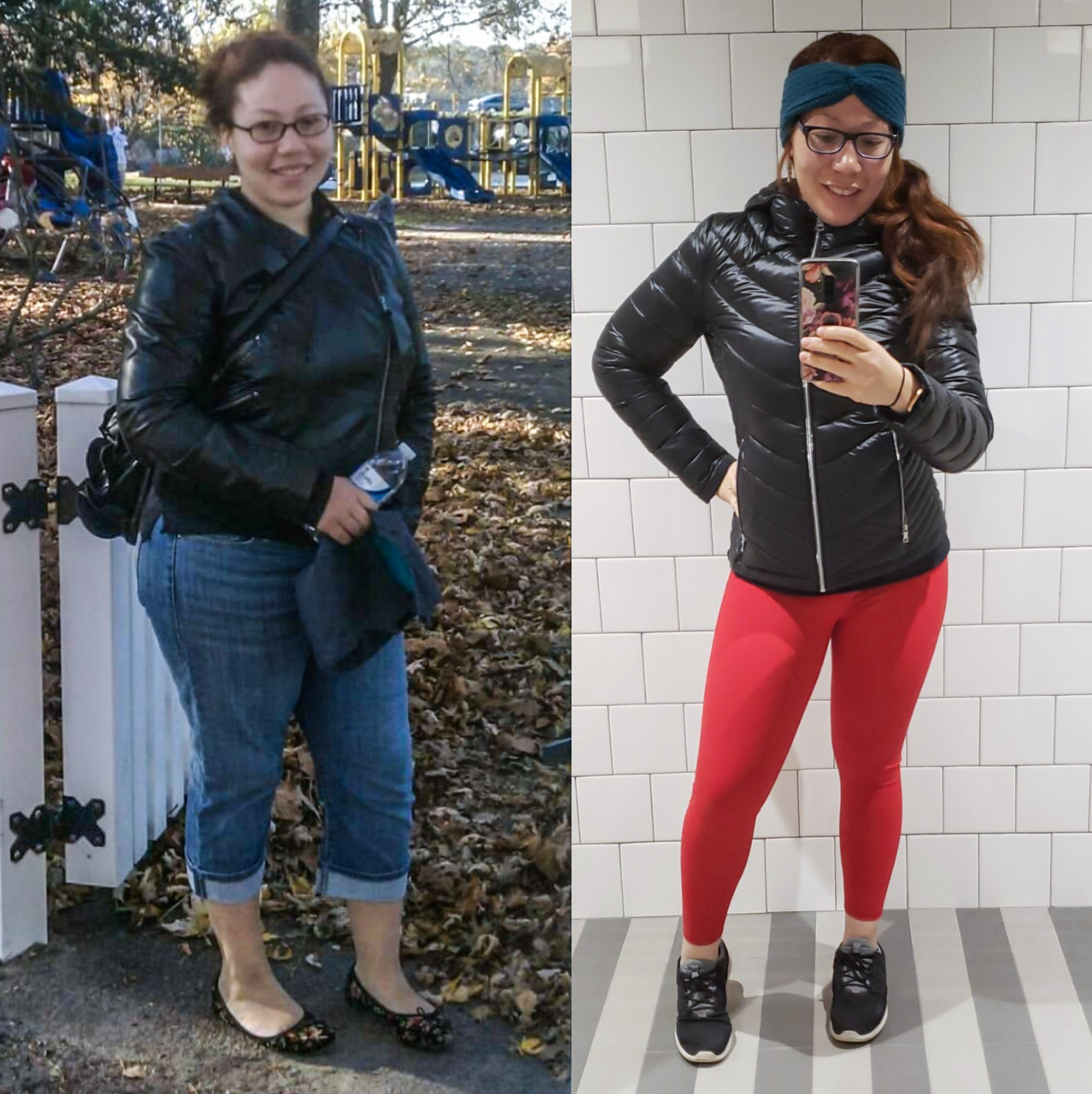
Waleska is a mom with 2 part-time jobs who had a love for chocolate. Despite the time constraints and sweet temptations, she lost over 60 pounds!
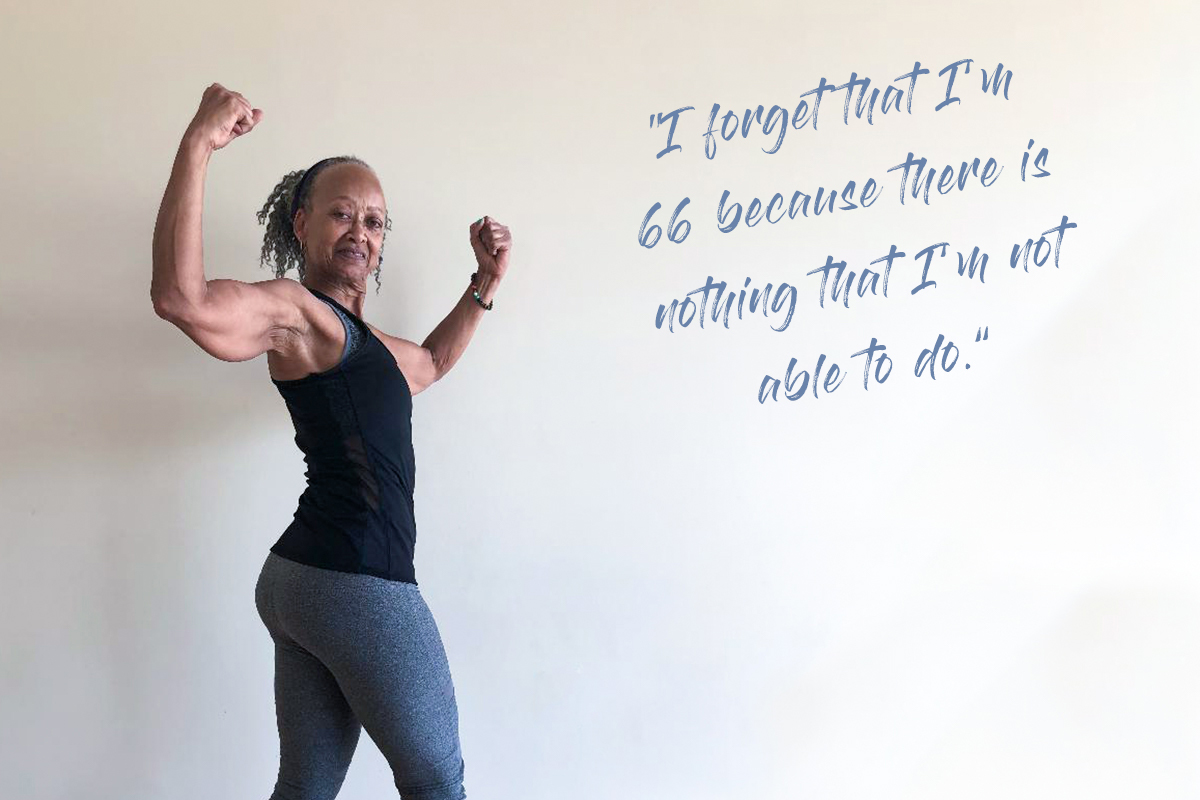
Many of us pair the idea of aging with decreased mobility and various aches. Yet, Patricia’s story shows us just how wrong that notion can be.

Ann shares how, despite back problems, strokes, and surgeries, she is well on her way to achieving her goal of losing 90 to 100 pounds!

I’m a 23-year-old, 150lb, male triathlete that trains pretty heavily, about 20 hours on a normal week, and when in Ironman training it’s around 25+. I’ve read several books that cite vegetarianism as a good move for distance athletes, and I want to give it a try for a couple of months after my next race. How much protein do I need daily? I read some sources that state 60 grams daily, others state 140+.
– Chis C.
I am glad you are doing your research before embarking on your endeavor! Vegetarian athletes can meet their protein needs exclusively with plant foods*. Estimated daily protein needs for a 150-pound male triathlete that trains four hours five times a week are 1.7-2.0 grams/kg body weight. This equates to 116-136 grams protein per day.
Although it’s possible, you shouldn’t get all of that from one source. Protein quality matters – it’s important to consume adequate essential amino acids. Since plant proteins may be limited in one of those amino acids, eat a variety of grains, beans, legumes, and vegetables. Here is a sample vegan day with approximately 120 grams of protein and 3500 calories, divided into 3 meals and 3 snacks:
* Lacto-ovo vegetarians may include some milk, yogurt, and eggs.
Sources:
– Debbie J., MS, RD
This article should not replace any exercise program or restrictions, any dietary supplements or restrictions, or any other medical recommendations from your primary care physician. Before starting any exercise program or diet, make sure it is approved by your doctor.
Some questions have been edited for length and/or clarity.
Have a nutrition question? Our registered dietitian is ready to help!
Email nutrition@lafitness.com or submit your question below and it may be featured in an upcoming article!
Most comfort foods we turn to are heavily laden with fat, starch and calories. There are healthier ways to enjoy down-home classics by making a few tweaks.
Good nutrition is all about variety! Browse through our list of unusual fruits and veggies and give yourself a chance to try something new.
Does liberally salting your food help you pump more iron in the gym? Registered Dietitian, Debbie James, investigates the claims!
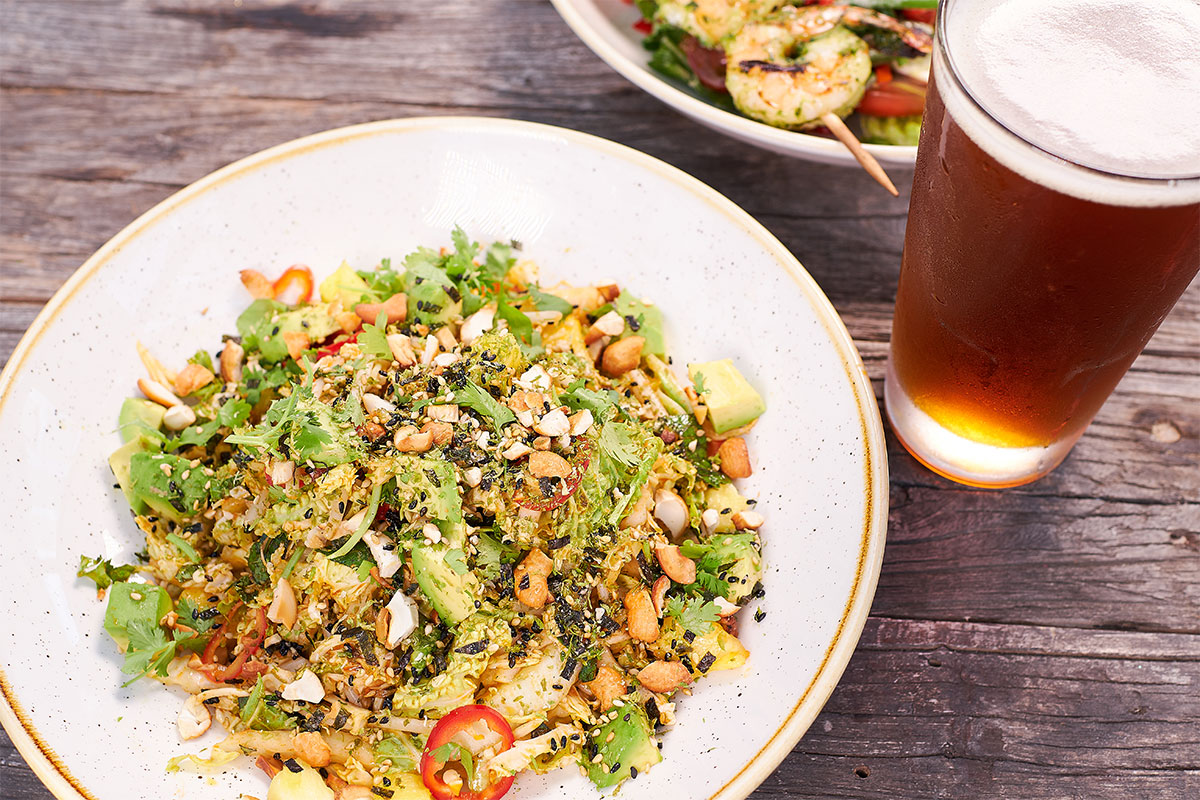
“Making everyday meals memorable is something that excites me, so at Green Acre being able to provide elevated farm-focused breakfast, lunch, and happy hour options provides our guests to have delicious, simple food. The menu makes it easy to come back each day for the favorite dishes they trust and love. We utilize ingredients from our onsite organic garden at the Campus Pointe location to create fresh, local food.”

Photography provided by: Katalyst PR

Brian Malarkey’s Green Acre (Campus Pointe) is located at the following location:
Distance to closest LA Fitness: 6.5 miles to 4984 Shawline St., SD, CA 92111 LA Fitness
Brian Malarkey’s Green Acre Campus Pointe is located at 10300 Campus Point Drive SD, CA 92121. Open Monday through Friday from 7am to 3pm. For the menu and additional details, please visit greenacresd.com/campus-pointe/.

Photography by: Katalyst PR

For the Salad
For the Dressing
For the BBQ Shrimp
Step 1:
For the Shrimp
Step 2: Toss in salad mixture and enjoy!
Featured Recipes
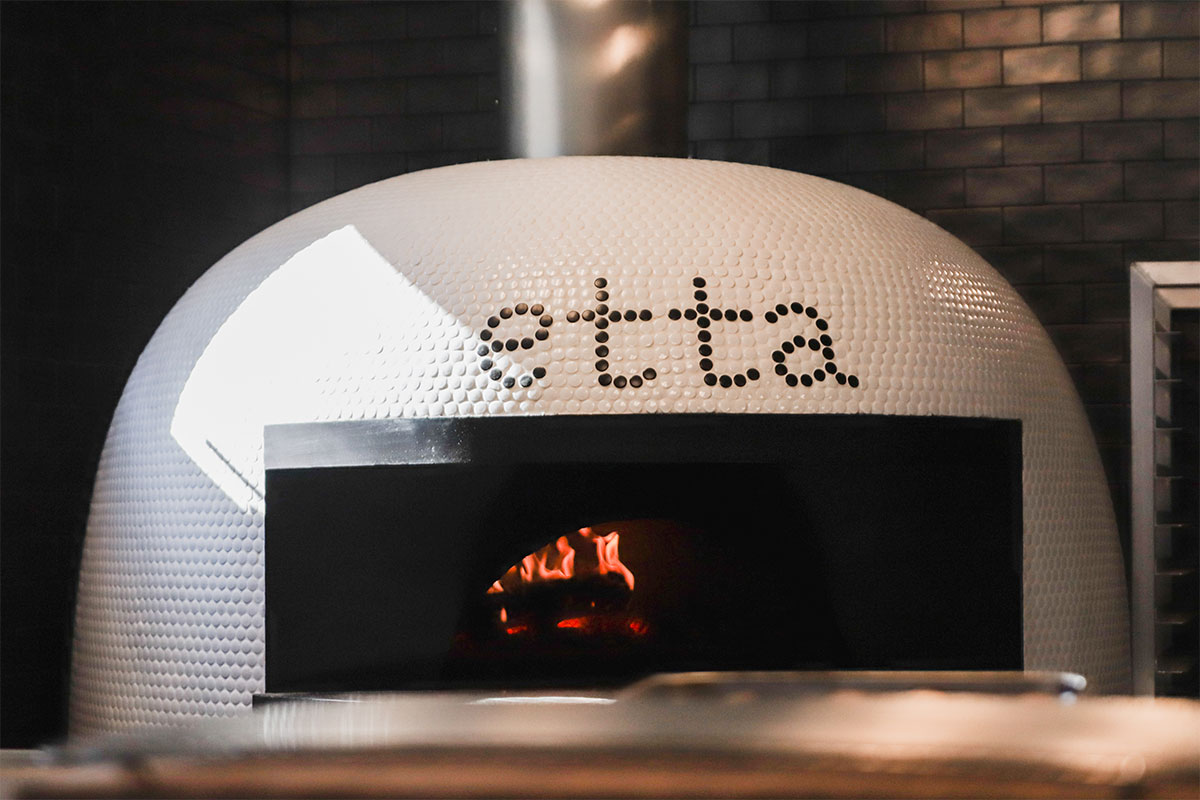
Award-winning Chef, Danny Grant of Chicago’s etta, shares a light and healthy recipe you can easily whip up just in time for your next summer potluck!
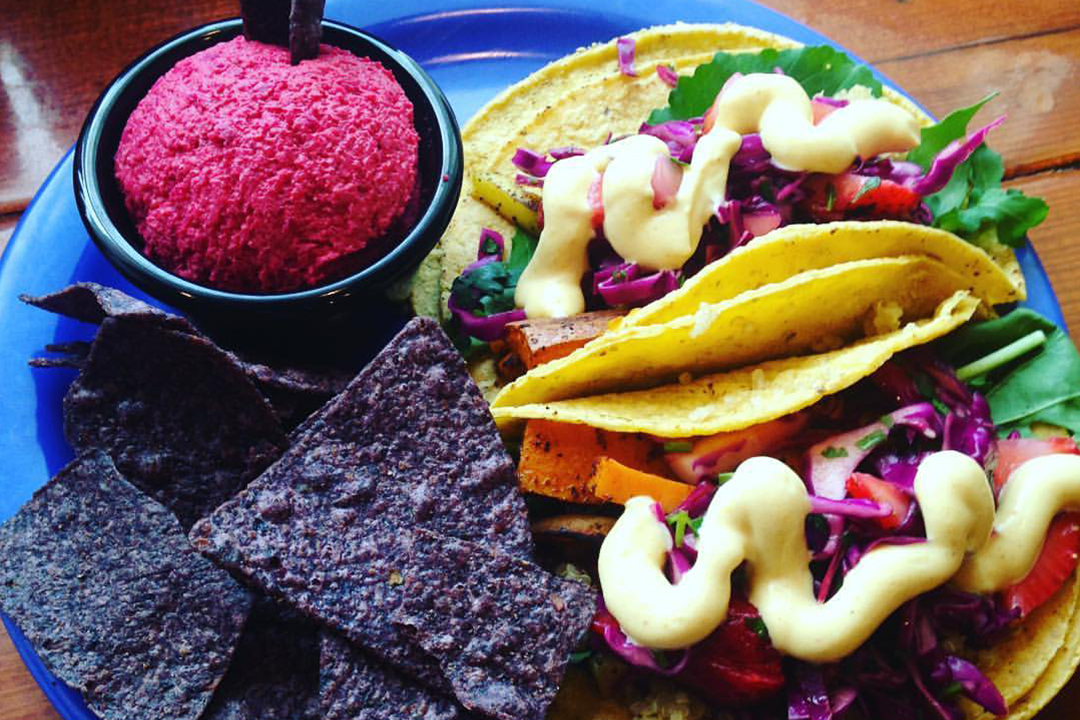
Chef Ryan Toll, of The Wild Cow, shares his vegan-friendly recipe with us for Sweet Potato and Black Beans Tacos. Whip this up quickly for tonight!
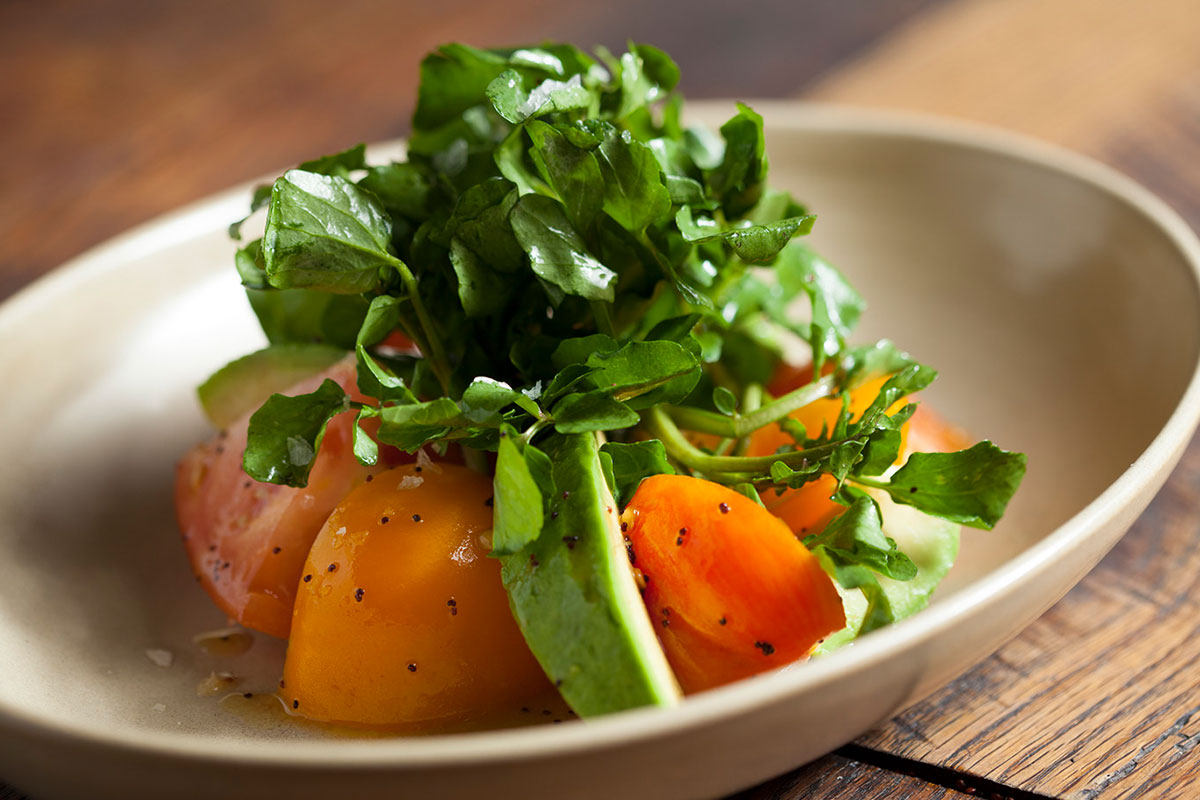
Chef Brian Okada of Water Grill shares his recipe for Tomato Avocado Salad with a light Poppy Seed Dressing. It's quick, it's easy, healthy and tasty!