Warm Comfort Foods Made Healthy(ish)
Most comfort foods we turn to are heavily laden with fat, starch and calories. There are healthier ways to enjoy down-home classics by making a few tweaks.
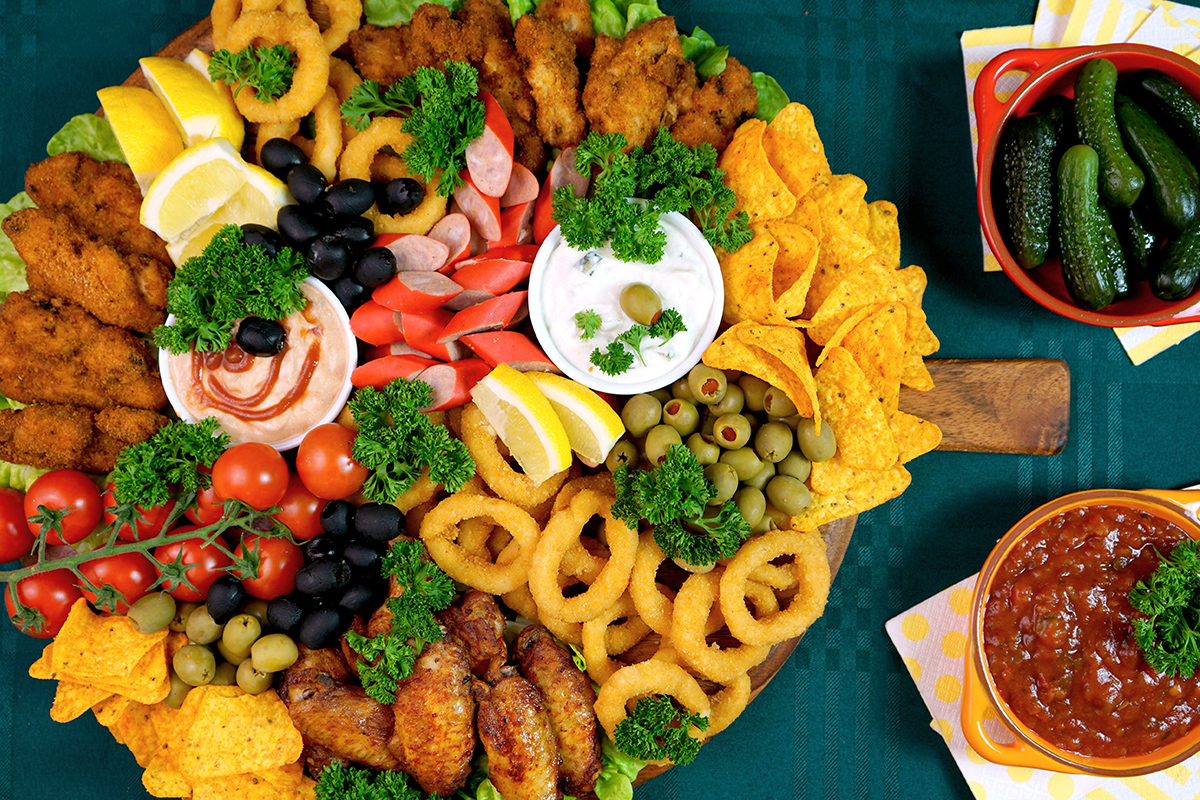
The big game calls for big snacks with some equally big numbers on their nutrition label. We all allow ourselves a little room for our favorite foods sometimes, and major events usually take credit for this. However, there’s no need to forfeit your goals if you’ve strayed from the path.
There is a way to recover from your splurge, and it’s not a crash diet. Here are 5 healthy ways to get yourself back on track:

Food cravings are natural and there are a lot of reasons for them. Often, they are linked to common physical and emotional triggers like a lack of sleep, PMS, stress, nutrient deficiencies, and more.1 So, even if your cheat day wasn’t game day, it’s good to understand that our bodies often fight with our brains when it comes to cravings.
The good news? There is evidence to indicate that the occasional cheat day can help you stay on track for long-term goals.1 True, the excess calories or getting kicked out of ketosis can make your progress slow-going, but, having an outlet to occasionally enjoy your guilty pleasures can make the mental battle a bit more bearable.
The other tips come in no particular order but it’s a good idea to check-in with yourself first to make sure you’re not beating yourself up for the cheat. It’s healthy to acknowledge that cheat days are a good thing in moderation, and if you really overdid it, that you are capable of making a comeback.
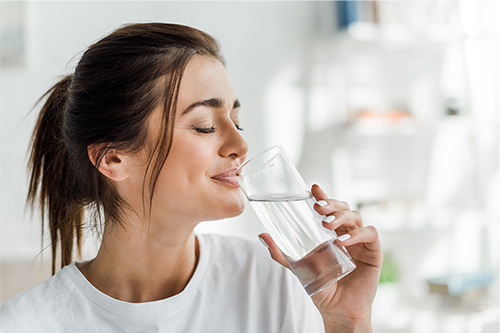
Water helps your body do what it’s already doing, better. Drink water to help your liver and kidneys do what they do best, which is to help process and flush out toxins.2 It’ll also benefit your digestive tract and help move things along. If you ate something your body was no longer accustomed to receiving, you may start to feel a little “backed up.” Water will help get things back to normal.
In addition to helping your bodily processes, drinking water can help you eat less. Cheat days usually involve sugar and carbs, the food items most people are cutting from their daily diets. Sugar and carbs do a great job of lighting up your craving for more! Chances are, the day after your cheat day, you’ll be craving just a few more nibbles. Drinking water can help you feel more satiated which helps fight additional cravings.
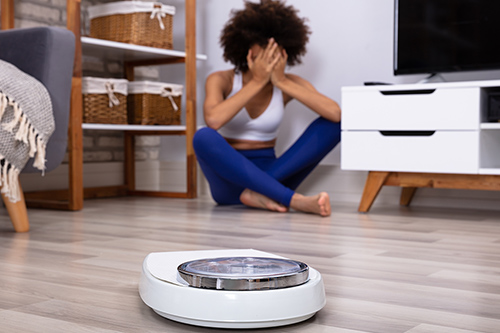
You might be tempted to weigh yourself to assess the damage but doing so will not help you at all. The scale will almost certainly tell you that you’ve gained weight. Seeing a higher-than-normal number can be really discouraging, but the good news is that the weight you gained is not fat. It takes much longer to gain fat than you might think. The extra weight is most likely water.3
Here’s the thing: carbohydrates are a good source of glycogen, an easy-to-process energy source. Glycogen happens to bond very well with water,3 a readily available molecule in your body. This is why the scale says you are heavier, because for every gram of carbohydrates, you have 3 or 4 molecules of water bonded to it.3 Your body retains this water and the scale reflects the added weight. Keep your sanity by staying off the scale and take comfort in the fact that you can still bounce back from water-weight.
You might think, “well, #2 was to drink water; won’t that add to water-weight?” It really won’t. Drinking water is actually cited as a method to help lose water weight.4 When your body feels dehydrated, it will cling to the water it has. Conversely, if you over-hydrate, your body will retain water as well. Just keep a balance.
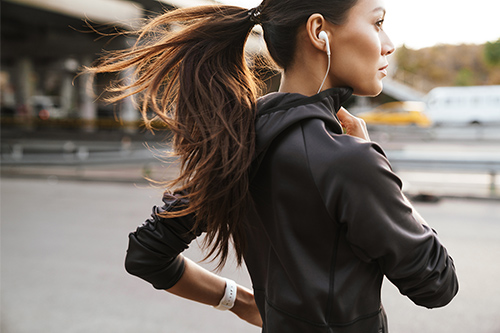
Speaking of glycogen, if your body has some fresh stores, use them! When you eat carbs, your body breaks them down into glucose. That glucose is either used up for immediate energy or converted into glycogen and saved for later.5 Your body has limited glycogen storage and unlimited fat storage, so if your glycogen stores get full, your body converts glycogen into triglycerides (a type of fat). Triglycerides can be used for energy or get stored in your body fat.5
Get a solid workout in to help use up the stored energy and limit your carb intake to help your body use what you put in on your cheat day.

Make sure your cheat day doesn’t turn into a cheat week. Remember that a single day or meal isn’t going to undo weeks or months of hard work, that the scale is most likely reflecting water-weight, and that you can help your body get back to healthy habits. Look back fondly on how delicious your cheat meal was and then zero back in on healthy eating.
For information on how train your taste buds to love the taste of health foods, read our article: It’s an Acquired Taste. If you’re still thinking about how the body uses glycogen and when it starts burning fat, read our article about Exercising on an Empty Stomach.
To stay informed with our fitness and nutrition articles, subscribe to our newsletter to receive monthly highlights from the LA Fitness blog!
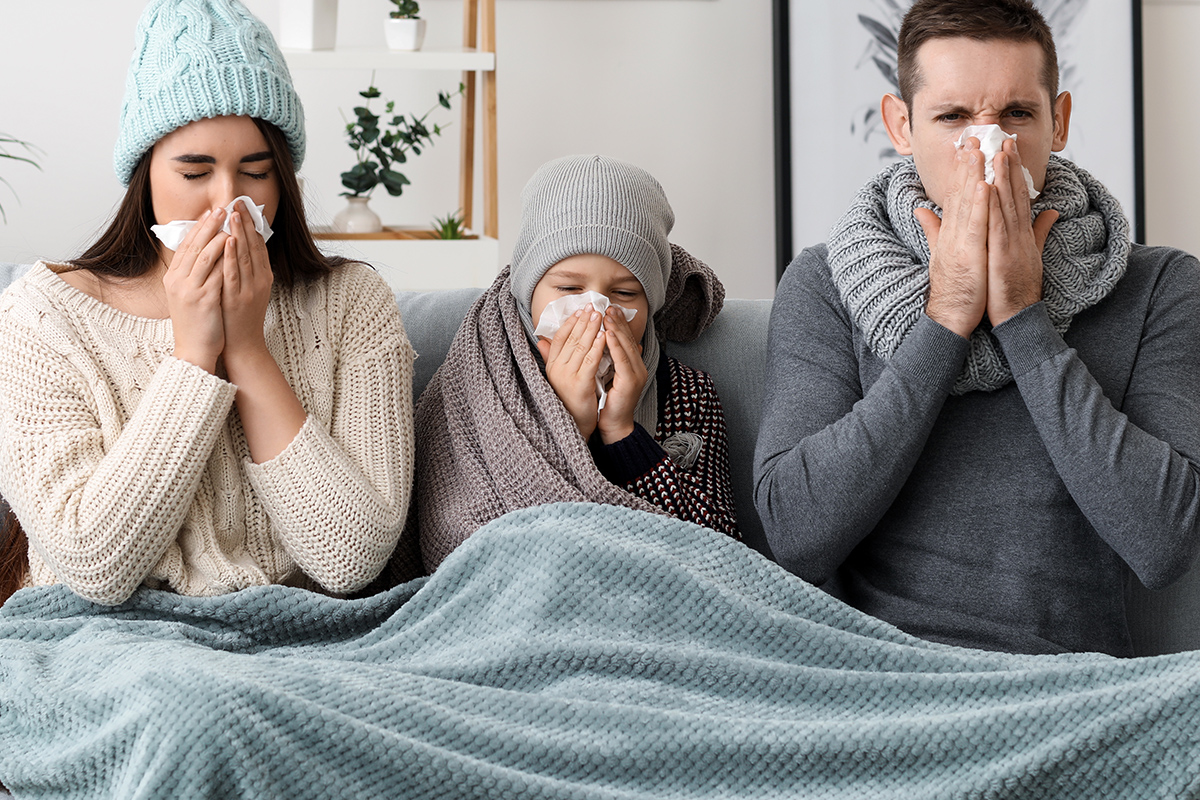
Flu season reaches its peak right around February,1 and February is almost here! Some of us have already fallen victim to the sneezing, the aching, and the overall misery of the flu. Before it strikes (or strikes again), you can prepare yourself for a good fight. First, let’s differentiate between some easily confusable symptoms so you know what you’re up against.
The Centers for Disease Control and Prevention (CDC) breaks it down quite simply. The flu is different from a cold because:
A cold typically won’t involve these four symptoms unless you have a rare case. Symptoms commonly shared between the cold and flu include:
Now that we know what we’re trying to protect ourselves from, let’s get into some prevention tips. Here are some measures you can take to help ward of the flu this February:

You don’t need to boycott your favorite theme parks or stay home from the store, hockey game, or the gym to protect yourself from the flu. You just need to be mindful of where your hands have been. If you’ve touched something contaminated with flu germs, you’re probably going to be okay unless you got those germs into an open wound. Avoid touching your eyes, nose, or mouth until you’ve washed your hands. If you don’t have access to water and soap, an alcohol-based hand sanitizer will do the trick until you can wash up.
| >> At the gym, wash your hands before and after your workout. Avoid touching your eyes, nose, or mouth during your workout. |

The kids are bringing home everything they touched while they were at school, and you’re bringing home everything you touched at work, at the grocery store, and everywhere else you’ve been. Encourage handwashing at home and keep commonly touched surfaces, like doorknobs, the television remote, game controllers, and refrigerator doors, clean and disinfected.
| >> At the gym, use the available sanitizing foam and paper towels to wipe down your equipment before and after use. |

Your nutrition, hydration, sleep, and exercise habits all factor into your immune system’s preparedness. Even your stress levels have a part to play. Fortunately, sleeping enough, exercising, and eating healthily all help reduce stress levels and keep your body strong against germy invaders. To help your system further, read our registered dietitian’s article on Spices That Boost Immunity and Fight Inflammation.
| >> At the gym, incorporate moderate exercise a few times a week to boost your immunity. Studies show that doing so can drastically reduce the number of colds you catch each year. |
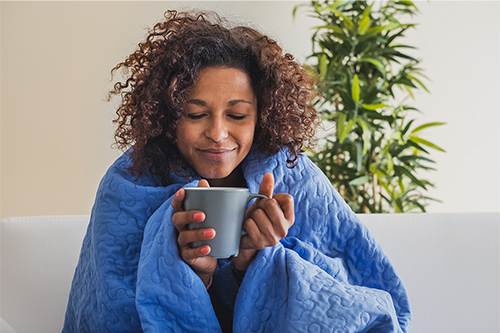
You may take every precaution and somehow still get sick, because life is unpredictable that way. If you catch the flu, the CDC recommends staying home for at least 24 hours after your fever has gone away. You can help stop the spread of the flu and take some much-needed rest and recovery time at home. Of course, if you need to see a doctor, you should go.
| >> At the gym, consider that your flu (or your child’s) can spread quickly in a public setting like the gym or Kids’ Club. |
For more immune boosting foods, check out this article on Fermented Foods. To stay in-the-loop about our fitness and nutrition articles, subscribe to our newsletter to receive monthly highlights from the LA Fitness blog!
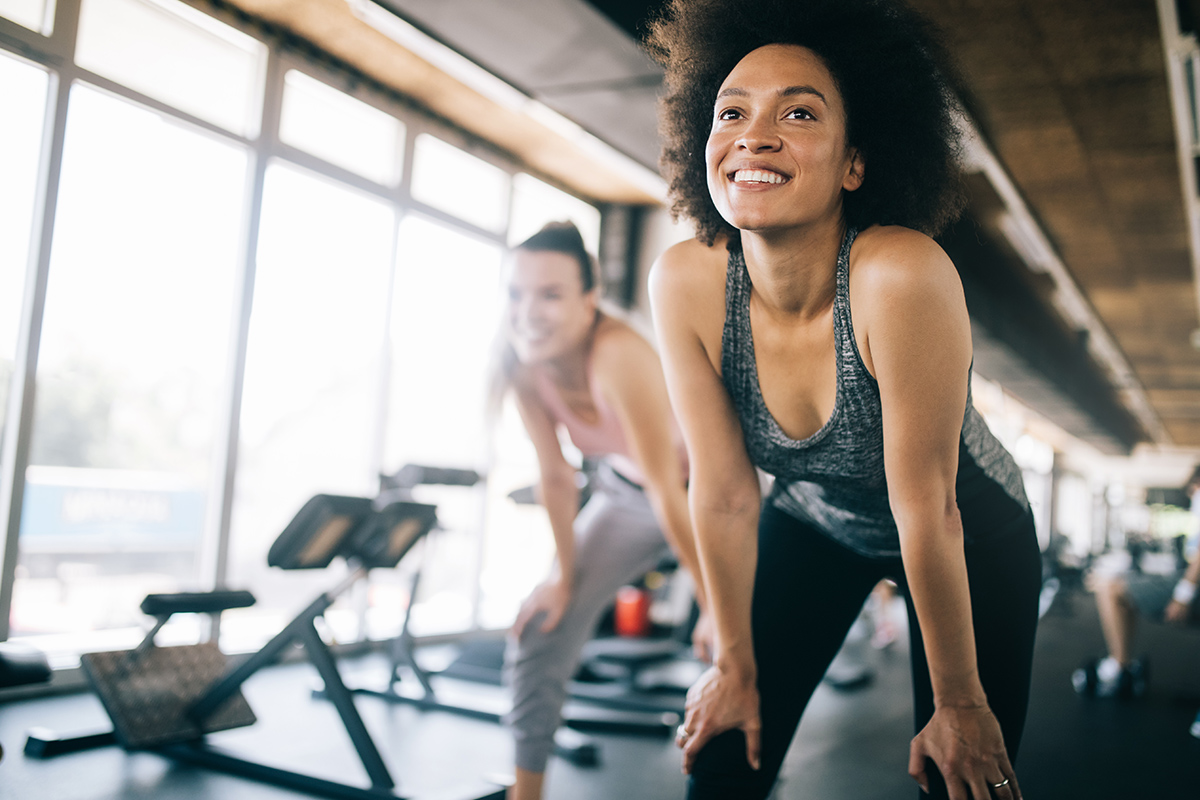
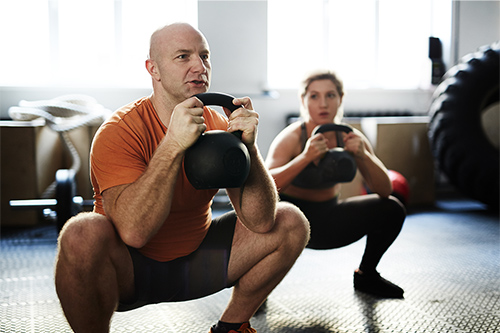
What if I told you that doing compound movements in the gym burned more calories during your workout; would you know which exercises to do?
What if I also told you that compound movements burn more calories post–workout than any other exercise, would you believe me?
Imagine learning that this type of movement maximizes your time in the gym, helps you lose weight, and helps you burn more fat; would you do more?
Compound Movements, also known as Compound Exercises, are multi-joint movements that work several muscle groups at one time, compared to isolation movements that work one muscle at a time.
An example of a compound movement would be a squat. A squat works your quadriceps, glutes, hamstrings and core. An example of an isolation movement is a bicep curl, which only works the bicep. See the difference? One muscle versus many muscles. The more muscles you are working at one time the more calories and fat you will burn. Cool, right?
Compound movements are not only for the gym but also can be a great home workout. You don’t necessarily need heavy weights. You just need a little bit of time and a little bit of space to get in some good compound exercises.
One of the biggest benefits of compound movements is that they make effective use of your time. When you are short on time but want to put in a quick weight–training workout, think compound movements. Other benefits include:
+ more calories burned
+ improved coordination
+ improved flexibility and range of motion
+ gaining more muscle
+ improved strength
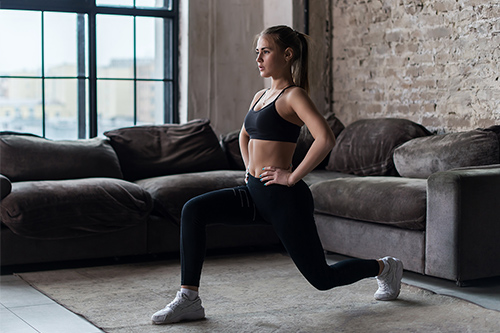
The following list is derived from an article by the American College of Sports Medicine. While these 7 items are personally my favorite, there are unquestionably other compound movements that might work better for you. It all depends on your level of fitness. Give them a try!
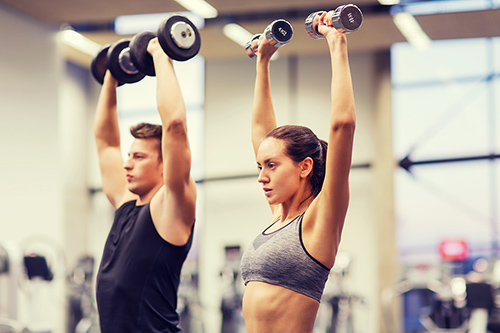
Combining both types of movement makes for a great workout. For example, a squat to a bicep curl or a squat to a bicep curl to a shoulder press.
It’s important to keep good form while performing exercises. Squatting may seem safe but when weights are added and the exercise is done improperly, it could result in injury.
Always consult your doctor before starting an exercise program. Have an LA Fitness Pro Results® trainer help you with the basic principles of weightlifting and proper form when exercising.
Next time you are in the gym or doing a home workout, incorporate a few compound movements. Get your heart–rate up and boost your metabolism. Since compound movements engage several muscles at one time, it requires more energy from you. In turn, you burn more calories by spiking your metabolism and increasing your heart rate, which make you stronger.
Check out this workout routine “The 2 Week Workout Finale for the Your Best Beach Body Ever!” This 2 week workout routine combines plyometrics, compound movements and integrated intervals so you can strut your stuff with confidence. For more articles like this one, subscribe to our newsletter to receive monthly highlights from the Living Healthy Blog.
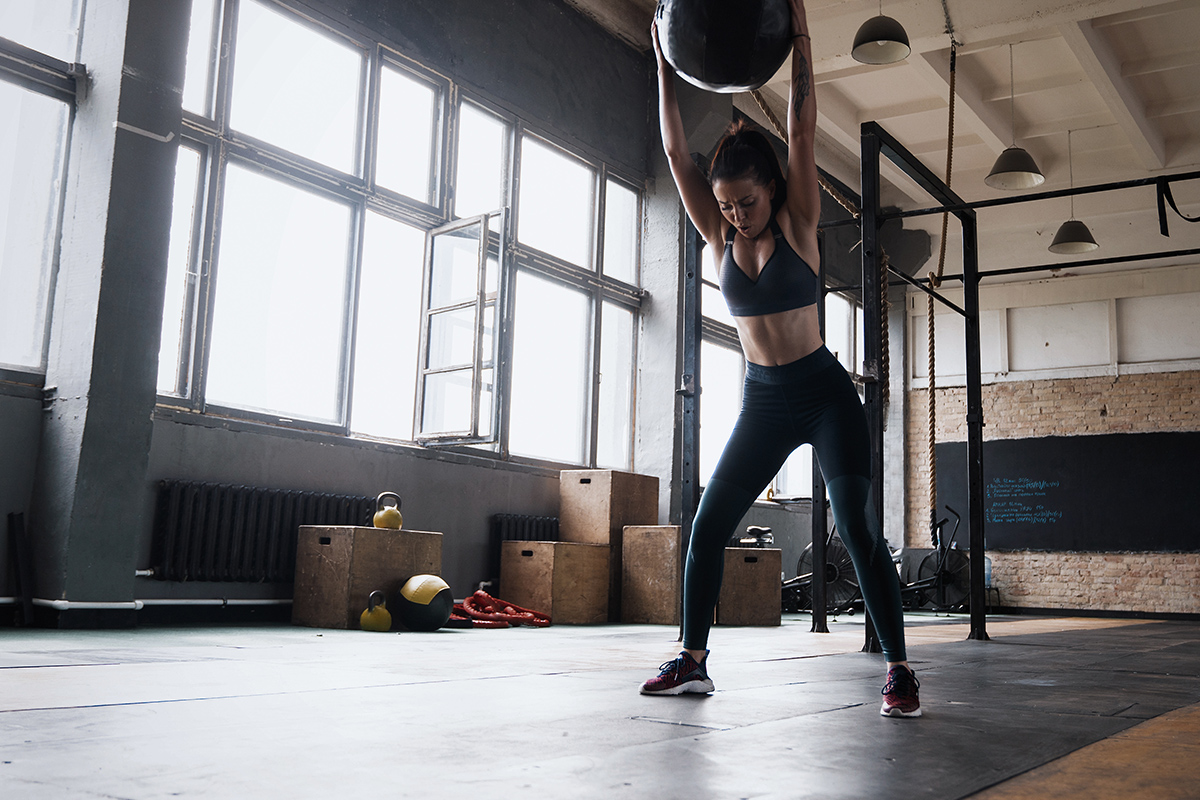
Health and fitness trends sweep the nation every year, and many of them are either a waste of time or, quite contradictory to their intention, are dangerous for your health. Not to be confused with fads, trends indicate a change in behavior that develops gradually among members of a population. Fads seem to crop up out of nowhere and are fueled with a lot of hype, but they don’t last as long.
We’re looking into the expected trends for 2020, based on a worldwide survey by the American College of Sports Medicine. Over 6,000 participants, 60% of whom have 10+ years of experience in the health and fitness industry, have identified these items as positive trends!
The survey did not make room for any of these items to be critically evaluated, so that’s up to you, but it does help recognize some new and emerging trends for the coming year.
That being said, this is what you can expect to be trending in 2020:

Wearable technology can mean a lot of things now. In the fitness industry, one of the first tracking kits came about in 2006 when Nike+ embedded a tracker inside a pair of shoes.1 It measured the things you would expect it to measure: time, distance, pace, and calories burned. You would see your stats on the, then popular, iPod Nano screen. Obviously, people loved the idea of seeing a representation of their hard work. So today, wearable tech continues to increase in popularity.
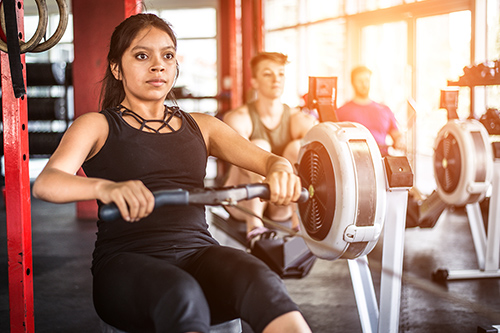
HIIT involves bursts of high intensity exercise mixed with brief periods of rest. Research has done a lot to prove the effectiveness of HIIT workouts, especially when it comes to improving cardiovascular health and even in its effectiveness in changing your body composition. In fact, in his research on the relationship between HIIT and fat loss, Stephen H. Boutcher explains that HIIT “may be more effective at reducing subcutaneous and abdominal body fat than other types of exercise.”2
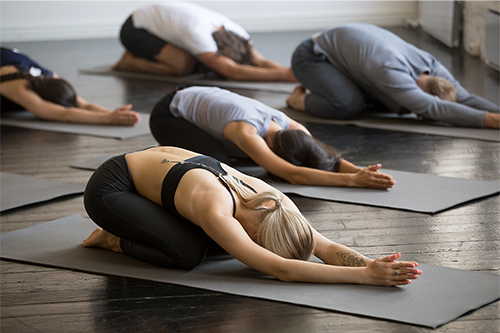
Your cycling, Pilates, yoga, swim, and dance classes (to name a few) may see a spike in attendance this year. More people are learning about the benefits of group training! Not only do class members have the advantage of group support, motivation, and accountability, they have the benefit of a certified instructor leading the way. Your group instructor can amp up the energy to help you push harder and knows when to scale things back to give you a chance to catch your breath. You may also get instruction on correct form, so you don’t have to guess whether you’re moving in ways that are safe for your body.
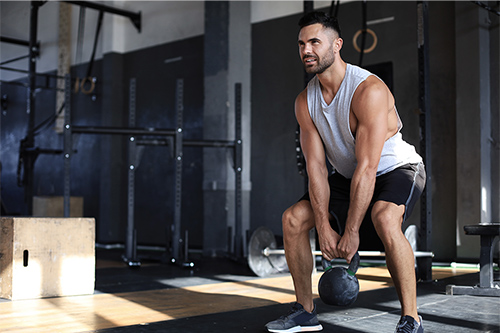
This method of training is picking up steam. Strength training and functional training have been in the top 10 fitness trends since 2007. Training specifically with free weights, however, now holds the 4th spot in the top 10.3 This includes working out with everything from dumbbells and barbells, to medicine balls and weight plates. Working out with free weights happens to have a lot of benefits. If you’re looking to make the switch, check out our article on how to transition from machines to free weights.

Because of the customization personal training provides, many people turn to it to reach their health and fitness goals. Clients get one-on-one attention, a personalized workout plan, progress tracking, and plenty of guidance and support as they move towards their goals. It’s no surprise that this one has been a top 10 trend for the last 14 years.3

This one is a global health initiative that encourages healthcare providers to assess a patient’s physical activity, recommend treatment, and refer patients to exercise professionals.3 As this becomes more commonplace, you may start to notice your provider taking more of an interest in your fitness regimen. This is an exciting development because it further acknowledges the importance of an active lifestyle and can help patients monitor their activity in more than one place.
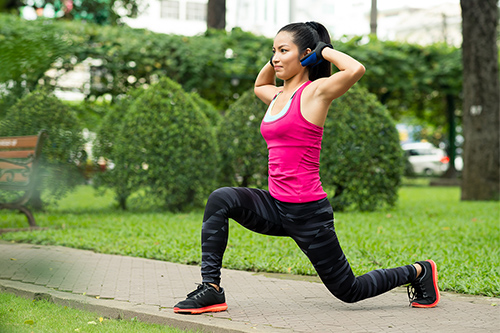
Training without (or with minimal) equipment started getting popular around 2013.3 This type of exercise focuses on what you can do using your own weight to train. This involves exercises like lunges, squats, push-ups, planks, crunches, and more. It’s inexpensive, easy on the body, and can be done almost anywhere. It’s a great segue to more involved types of exercise or to help you ease back into things if you’ve been away from the gym for a while. Body weight exercises are also a great way to warm up your muscles before you start doing your weighted reps.

This is an awesome trend to see taking a foothold in the top 10 this year. Coming in at #8 is fitness for older adults! The reason we’re excited is because this trend indicates that people are living longer and remaining healthy and active longer!3 Many healthcare providers now prescribe strength training to older adults as it helps them maintain their independence and more easily perform activities of daily living. Check out our article on Strength Training for Aging Bodies to learn more about how strength training helps older adults, and to view some helpful exercises.

Health and Wellness Coaching is a behavioral approach to achieving health and fitness goals. You can sit down with a coach (one-one-one or in a small group setting) to share your unique health goals. In return, you receive guidance with goal setting, support and encouragement,3 and if you’re in a small group, a sense of community with others who share similar goals or struggles. This is a nice one to see take a place in the top 10 as it focuses more on the mental and emotional process of tackling health-related change.

Last, but not least, a quickly growing trend is in the preference of certified fitness professionals. More and more people are trusting certified professionals over those who are not. We know it’s important to our members which is why our Pro Results® Personal Trainers are all certified! We also seek expert knowledge for our blog posts and podcasts, hosting guests like Registered Dietitian Debbie James, Family Physician Dr. Bob Davari, Master Trainer Geoff Fox, Certified Psychiatrist Dr. Neel Doshi, and more.
The following items made the top 20 and are still pretty awesome trends to see emerging (or sticking around) for 2020.
We hope you’ve enjoyed reading about all the up-and-coming trends! Do you plan to commit to anything on this list? Let us know in the comments below! To stay in-the-loop about our fitness and nutrition articles, subscribe to our newsletter to receive monthly highlights from the LA Fitness blog!

Are you able to help me with calorie recommendations? In the last 8 months I have lost almost 60 pounds through diet. I started going to the gym 4-5 days a week and seeing a trainer 1 day a week. My weight loss has virtually stalled in the past month. I don’t know if my calories are too high or too low.
I am a 57-year-old male and I currently weigh 254 pounds. I am eating between 1,400 and 1,800 calories a day. Based on the online diet calculations I should be eating 1,900 calories a day to lose 2 pounds a week. I use Apple Watch to track calories and usually burn between 400 and 800 calories a day more in exercise calories. I never eat back the exercise calories. Thanks for your thoughts.
– Doug S.

A brief month stall is a blink in your profound progress over the last year, Doug. It sounds like your metabolism has adapted to the diet and exercise routine you’ve set up. Time to shake things up!
What your calories are comprised of makes a big difference in whether you’ll store or burn fat. Since you’ve already done the math and determined your intake is lower than suggested, I’d say try adding a couple hundred calories in vegetables, legumes and pre-workout shakes or recovery drinks on exercise days. Don’t add more if you feel satisfied at your present intake.
Assuming your training workouts are progressing, focus on amping up your gym visits on the other days. You may benefit from a new exercise like a high intensity interval training (HIIT) class, harder weights/resistance, or increased cardio duration. Also look at your daily activity outside the gym and try to increase movement whenever possible.
Remember that weight loss and body composition change aren’t linear, but usually occur with ups and downs. The fact that you are consistent in your exercise routine and dietary tracking means you’re very likely to see results again soon. Read more about overcoming plateaus in the Living Healthy blog, here and here.
– Debbie J., MS, RD
This article should not replace any exercise program or restrictions, any dietary supplements or restrictions, or any other medical recommendations from your primary care physician. Before starting any exercise program or diet, make sure it is approved by your doctor.
Some questions have been edited for length and/or clarity.
 Have a nutrition question? Our registered dietitian is ready to help!
Email nutrition@lafitness.com or submit your question below and it may be featured in an upcoming article!

Most comfort foods we turn to are heavily laden with fat, starch and calories. There are healthier ways to enjoy down-home classics by making a few tweaks.

Good nutrition is all about variety! Browse through our list of unusual fruits and veggies and give yourself a chance to try something new.

Does liberally salting your food help you pump more iron in the gym? Registered Dietitian, Debbie James, investigates the claims!