Warm Comfort Foods Made Healthy(ish)
Most comfort foods we turn to are heavily laden with fat, starch and calories. There are healthier ways to enjoy down-home classics by making a few tweaks.


There are a lot of reasons for dry eyes at this time of year. Dry outside air, your heater at home or in your car, the dry circulated air in nearly every public building, and windy days kicking irritants into your eyes. Add to that the dry air of airplanes, trains, and other modes of transportation for your holiday travels, and your eyes will be screaming for moisture.
Our eyes are irreplaceable, so we should care for and protect them as best as we can. The same way you’d use lotion on your skin, conditioner on your hair, and Chapstick on your lips, you should give the same attention to the health of your eyes.
Here are some ways you can help care for your vision:

01. Adjust and Limit Screen Use
Have you ever noticed that we tend to blink less when watching T.V, when using a computer, and when using our phones? Blinking helps our eyes distribute their natural moisture. The less we blink, the dryer our eyes will feel.
The remedy we’ve heard that is our least favorite, is the suggestion to remind yourself to blink more. It feels so unnatural to consciously blink and it’s not likely to be the most effective solution if you can’t remember to do it.
A more reasonable option would be to instill one or two eye drops into your eyes on television commercial breaks, to wear blue light glasses to filter the emissions from your phone or computer screen, or to place a protective screen on your device that blocks harmful light from getting to your eyes.
You can also simply take more breaks from screen-time to limit the amount of eye strain and dryness you feel.

02. If Possible, Limit Antihistamines
While they combat allergy symptoms, they can actually cause additional dryness to your eyes. They work by blocking your body’s response to allergens. Unfortunately, a typical response to allergens is watery eyes, so antihistamines can cause more discomfort if you tend to suffer from eye dryness.
Other Medications Cause Dry Eyes
According to an article by WebMD, other medications, that you may not be able to limit, can also cause dry eyes. Some of these include:

03. Do Eye Exercises
How often do we use the full range of motion our eyes are capable of? Probably not as often as we should. You can increase your exposure to bad puns and dad jokes to get some eye rolling in, or you can do some intentional eye exercises.
Eye exercises can help comfort your eyes when they have been focused on a single object (like a computer) for a long time. Here are just a few simple ones that you can commit to memory for later use:
Exercise 1: Pick out the farthest object in the room (or out the window) that you can see. Focus on it briefly, then move your eyes to something about half as far away. Focus on that for a few seconds before you shift your focus to something close to you. Do this exercise a few times.
Exercise 2: Use the 20-20-20 rule. Every 20 minutes of eye-straining work should be paused for 20 seconds so you can look at something 20 feet away.
Exercise 3: Without turning your head, use only yours eyes to look to your far left, then look to your far right. Then look all the way up and then all the way down. Repeat this a few times. Follow this with rolling your eyes 3 times to the left then 3 times to right.
Some free smartphone apps can send you notifications after a certain amount of phone use, or according to a timer if you want to monitor your computer or television time. This will help remind you that it’s time to rest your eyes and do some exercises. Some will even walk you through various eye muscle movements.

04. Turn Off Your Heater & Bundle Up
Running the heater creates a toasty and comfortable space in these cooler months, but it can wreak havoc on your hair, skin, hydration, and of course your eyes! Save your body and save on your electric bill by bundling up in blankets or warmer clothes instead of running the heater.
Another option is to run the heater before going to bed to warm up your space, and then turning it off so it doesn’t run all night.
If it’s just too cold to do without your heater, or perhaps you’re a “fan” of running the fan year-round, consider investing in a humidifier. You can also wear an eye mask to bed to help keep air flow from making direct contact with your eyes and drying them out during the night.
05. Keep Eye Drops Handy
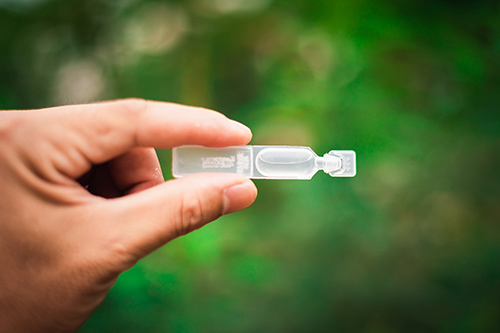
Artificial tears or lubricating eye drops are a life saver for people with dry eyes. You can choose between the individually packaged vials that are usually preservative-free and disposable, or you can buy small bottles for extended use. There are also gel-like drops that can provide longer-lasting relief, but because they’re thicker, they may blur your vision temporarily. It may be preferable to reserve these for nighttime before you go to sleep.
Pro Tip: Try refrigerating your eye drops for an extra refreshing burst of relief.

06. Eat a Balanced Diet
Nutrients in your food can help give your eyes what they need to create tears and keep your eyes feeling fresh.
Vitamin A, which is known for being good for your eyes, can be found in carrots, eggs, and dairy.
Vitamin C is great for the blood vessels in your eyes.1 Increase your intake by eating oranges, kale, lemons, and broccoli.2
Omega-3’s are fatty acids that aid in your visual development and support your retina health. They also combat dry eyes.1 Find Omega-3’s in fish, avocado, flax seeds, chia seeds, walnuts, and soybeans.3
Vitamin E is an antioxidant that can help protect your eyes by fighting off free radicals. You can find Vitamin E in almonds, sunflower seeds, hazelnuts, and peanuts.1

07. Avoid Rubbing Your Eyes
It can be tempting to rub your eyes when they feel itchy and dry, but the best thing you can do is to avoid doing exactly that. Try to find relief in some of these other ways and keep hydrated to give your body the moisture it needs from the inside out.
For information on how to care for your eyes and your sinuses this season, read our article on How to Manage Autumn Allergens at Home. To learn more about the nutrients in your produce and whether freezing them strips their nutritional value, listen to our Podcast on Fruits and Veggies. To access our monthly blog post highlights, subscribe to our newsletter today!
Sources:
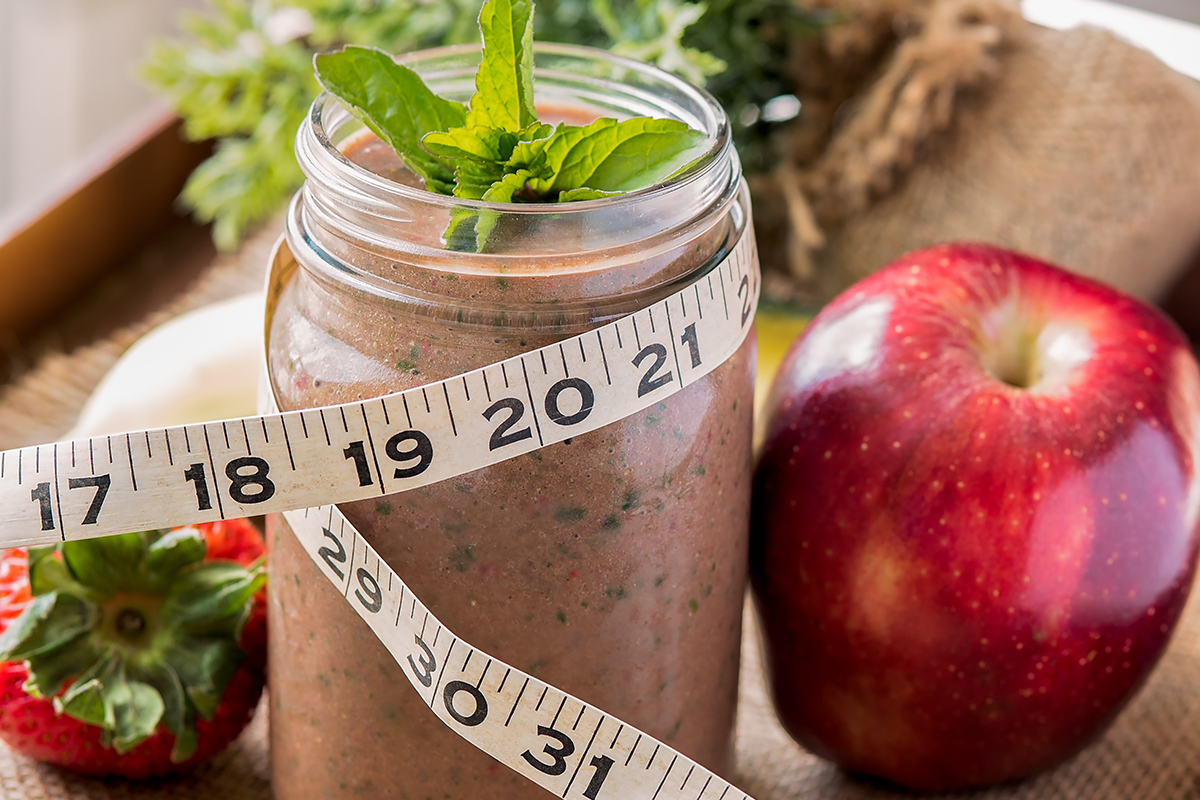

Hello, I have breakfast (almond milk, walnuts, pecans, almonds, banana and oats) and dinner (salad of tomato, onion, potatoes, pepper, cilantro, rice puffs). Can I replace my everyday lunch with meal replacement shakes? I work out in the gym 3 times a week and run twice a week. I have been in good shape but can’t get a 6-pack. I would like to get there in 3 months before my vacation. Thanks in advance for your help.
-Dean

You certainly can replace your lunch with a meal replacement shake, although I don’t know if that would help you with your goal. Dinner already sounds super light and you’ve not described your current lunch so it’s hard to tell what’s missing from your day. The items you described are all plant-based so I’ll stick with like foods in recommending quinoa, cabbage, broccoli, asparagus, berries, flax & chia seeds, spinach, lentils, and green tea for your mid-day meal. It’s best to chew your calories, allowing your digestive system to do its job over time, thus allowing a slower uptake of energy than from a shake.
Be sure your workouts include lots of ab-defining exercises as highlighted elsewhere on our Living Healthy Blog.
Resources:
– Debbie J., MS, RD
This article should not replace any exercise program or restrictions, any dietary supplements or restrictions, or any other medical recommendations from your primary care physician. Before starting any exercise program or diet, make sure it is approved by your doctor.
Some questions have been edited for length and/or clarity.
 Have a nutrition question? Our registered dietitian is ready to help!
Email nutrition@lafitness.com or submit your question below and it may be featured in an upcoming article!

Most comfort foods we turn to are heavily laden with fat, starch and calories. There are healthier ways to enjoy down-home classics by making a few tweaks.

Good nutrition is all about variety! Browse through our list of unusual fruits and veggies and give yourself a chance to try something new.

Does liberally salting your food help you pump more iron in the gym? Registered Dietitian, Debbie James, investigates the claims!

“There’s an entry level for everyone…Unless you’ve got doctor’s orders, you’ve got to start with something. Don’t let your head tell you, you can’t.”
Dave Ruby is a fierce athlete with an impressive drive and an even more impressive attitude. At age 59 and having competed in and conquered Triathlons all over the world, he is certainly a force to be reckoned with.
To give you some perspective, Dave Ruby has raced in Ironman and Xterra Triathlon Championship Competitions on 6 continents and has earned World and National Champion titles in addition to claiming multiple first place wins.
While his accomplishments are staggering, Ruby sets his focus on the enjoyment of his lifestyle and the benefits of cultivating a healthy body and mind. We interviewed him to find out how he manages his training and stays physically and mentally dialed in. After all, before he was Dave Ruby the Triathlete, he was a surfer, cyclist, and regular LA Fitness gym-goer.
To show you that the willingness to put in the work, and the enjoyment of that work, can take you from ordinary to extraordinary, allow us to take you into the life of Triathlete, Dave Ruby.

Where Ruby’s Fitness Journey Began
Before he started competing in Triathlons, Ruby enjoyed running, surfing, and cycling. One year, he decided he would enter his first Ironman run. As he ran, his body protested, and his mind told him this was something he should never do again. He has competed every year since.
We asked Ruby what many of you are probably thinking now. What got you back out there after that first punishing experience?
He responded that he learned to listen to the aches and pains in his body and take breaks to recover. Yes, that first experience was physically and mentally taxing, but caring for his body is what made the difference. It probably also helps that he is surrounded by others who also love the active lifestyle. In fact, his wife also happens to be a Triathlon champion!

The Transition to Competitive Training
Transitioning from training for the sake of living a healthy lifestyle, to competitive training for advanced challenges like Triathlons, was another turning point. Ruby reminds us that this isn’t an overnight change and that the body gets faster and more fit the more you continue to workoutwork out and test your limits.
There seems to be no active intention to give a little more to each training session because he genuinely enjoys the process. Race day is, in his mind, another (but more challenging) workout. We think this is likely the key to it all. The mindset doesn’t sit in the idea that this is just hard work; it revels in the process and enjoys the moment.
It’s true that for Ruby, sometimes it’s about setting a personal record and seeing himself outperform his prior abilities, but his favorite thing about competing is actually the travel and comradery! He enjoys the landscapes, the wildlife, and the people wherever he goes.
“I absolutely love traveling to far off places, seeing a new part of the world, [and experiencing] the heart of the area,” says Ruby. You are sure to find him “wandering like a local and experiencing the heart and soul of the cultures” when he’s not competing.

Preparing for Competition Day
All year long, Ruby keeps a base in terms of physical activity. “I put in 5 to 6-mile bike rides to train and do a lot of off-road bike rides,” he says. “While I’m out there, I look for wildlife, and enjoy it too. I enjoy the work. I strength train 3 to 4 times a week at the gym and swim,” he explains. Essentially, he strengthens the swimming, running, and cycling muscles so that they are conditioned for the type of work they need to do in competition.
His mental preparation looks a little different. There’s really no preparation beforehand because “running is a form of meditation” in and of itself, he says; “you get into a zone.” Perhaps the only thing he does differently, is the way he focuses his mental state before competition. He recognizes that “I’m out there to do the best I can for that day. A win isn’t a guarantee, anything can happen” (like a mechanical issue, an injury, etc.). He acknowledges the lack of control over certain environmental, mechanical, and chance-based circumstances and can simply focus on giving the best he has to offer.
It’s also important not to overdo your preparation before a big race, he notes. “You’re better off going into a race 10% undertrained than 1% over trained,” Ruby says, and we completely agree.

Ruby’s Advice
If you’re skeptical of your own ability to live an active lifestyle or accomplish a challenge you’ve set your eyes on, Ruby reminds us that “there’s an entry level for everyone.” Everyone’s starting point will be different and even the best athletes were beginners at some point.
“Unless you’ve got doctor’s orders, you’ve got to start with something,” says Ruby. “If you think you can’t do it, that’s an excuse. If it’s doctor’s orders that’s different, but don’t let your head tell you that you can’t.”

Closing Thoughts
In the end, whether you are a serious athlete, you exercise for your health, or you’ve struggled to get started, what you can take away from Ruby’s story is this:
To hear straight from the man himself, listen to Episode 35 of our Podcast and listen to our discussion with Dave Ruby. Do you have an inspirational story you’d like to share with us? Email us at blog@lafitness.com for a chance to be featured in an upcoming post!

For length, and clarity, minor edits – none of which alter the original or intended meaning – have been made to the quotes provided.
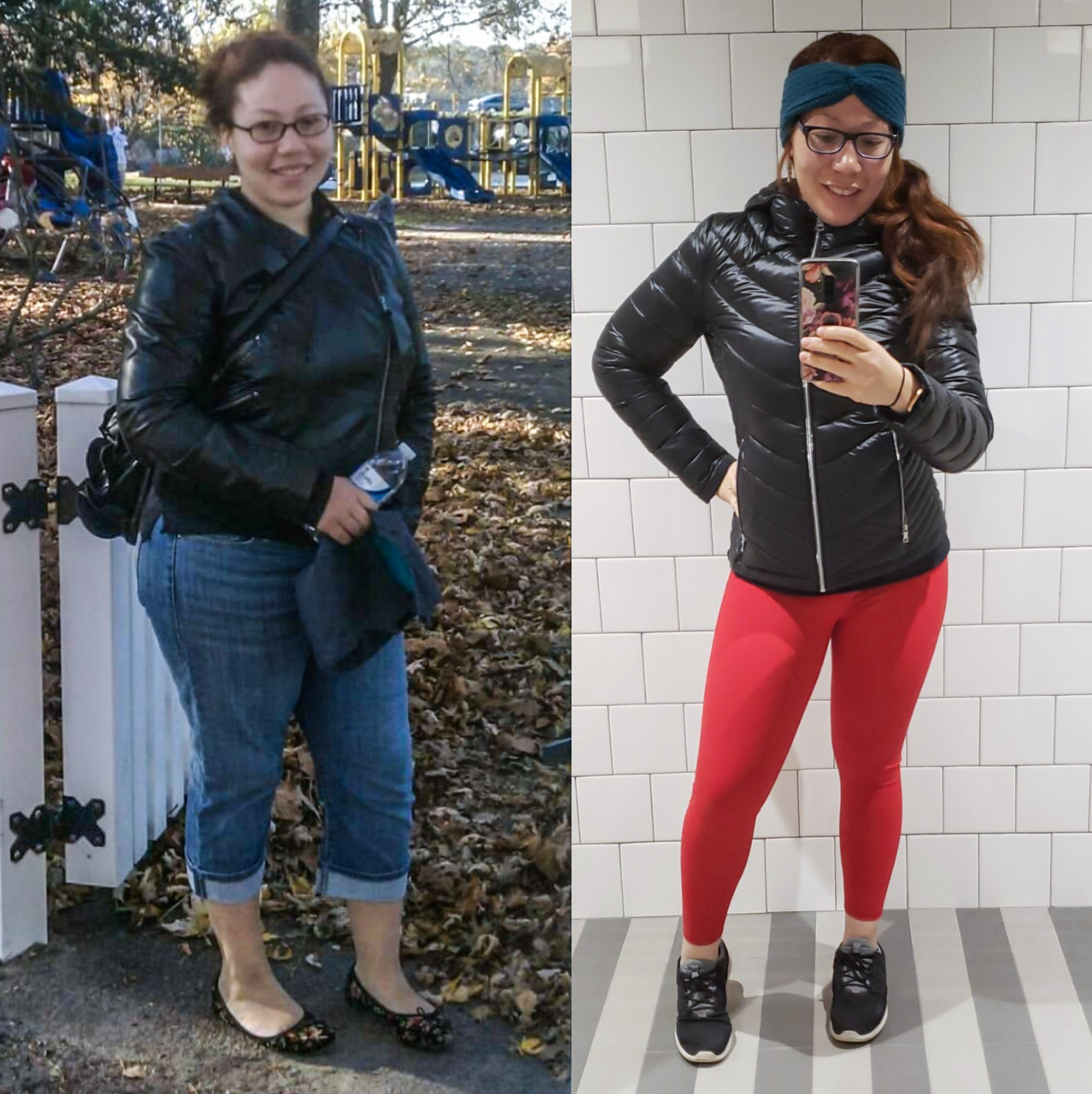
Waleska is a mom with 2 part-time jobs who had a love for chocolate. Despite the time constraints and sweet temptations, she lost over 60 pounds!
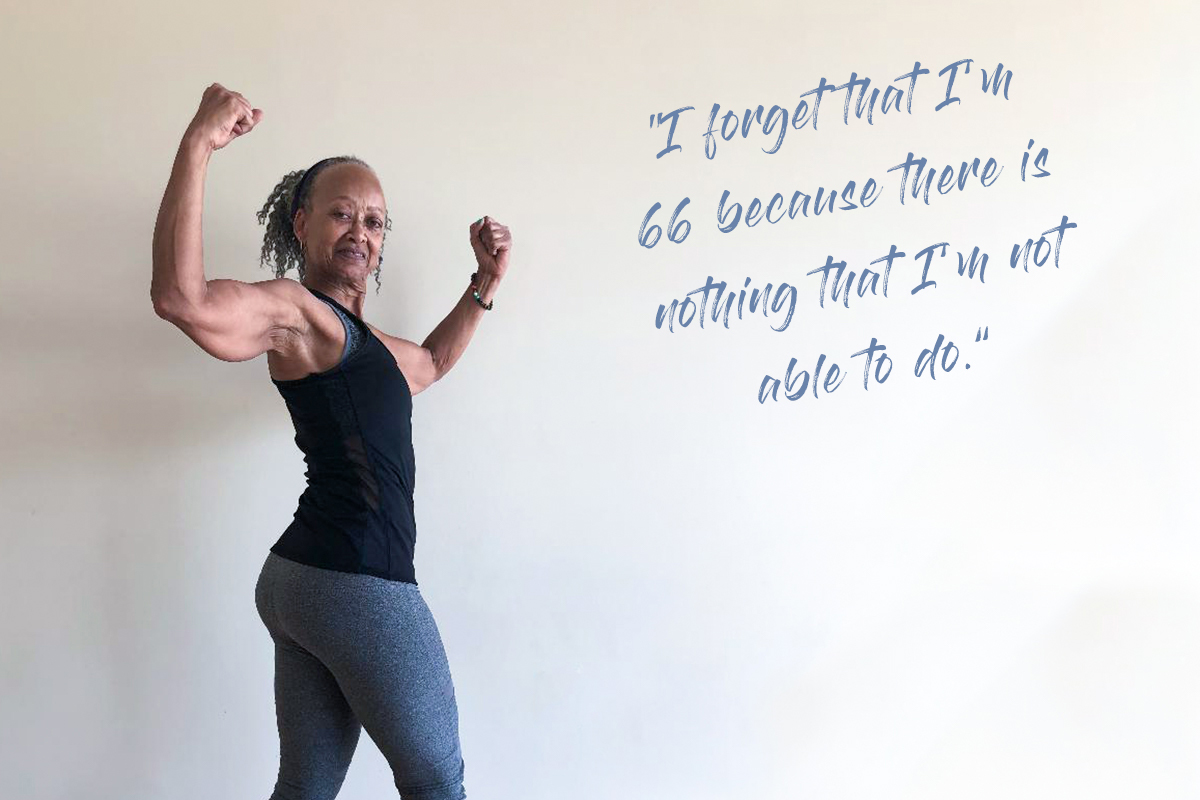
Many of us pair the idea of aging with decreased mobility and various aches. Yet, Patricia’s story shows us just how wrong that notion can be.

Ann shares how, despite back problems, strokes, and surgeries, she is well on her way to achieving her goal of losing 90 to 100 pounds!

Welcome to the 35th episode of the Living Healthy Podcast, presented by LA Fitness.
On this episode of the Living Healthy Podcast, we sit down with Triathlon Champion, Dave Ruby, to learn what it takes to compete among the best.
Having competed in Ironman and Xterra Triathlon Championship Competitions on 6 continents, earned World and National Champion titles, and taken home multiple first place wins, Dave Ruby is the man to ask about the sustainability of an active lifestyle at almost 60 years old.
His answers showcase the importance of training and dedication, but more importantly the enjoyment of what you’re doing and the experience of the moment. Listen in to hear Dave’s perspective and take some of his contagious motivation.
How Are We Doing?
This podcast should not replace any exercise program or restrictions, any dietary supplements or restrictions, or any other medical recommendations from your primary care physician. Before starting any exercise program or diet, make sure it is approved by your doctor.
Intro
0:01
Introduction of Triathlete, Dave Ruby
2:42
How Long Dave Has Been Competing
3:51
What is an Ironman Competition?
4:10
How Dave Got His Start
5:11
How Many Times a Year do You Race?
6:31
How Do You Train for an Ironman Competition?
7:23
How Does Your Mentality Work in Competition?
10:08
What Do You Do in the Gym to Prepare?
11:55
What Does Your Gym Routine Look Like?
13:05
How Do You Balance Training and Recovery?
15:12
What is it Like to Run Such Long Distances?
17:33
When the Race Gets Tough, How Do You Push Through?
19:10
Have You Ever Had to Stop During a Race?
21:12
What Do You Like the Most About Competing?
23:13
Racing in Alaska and Hawaii – Moose and Open Waters
25:06
What is Your Process for Setting a Goal for Yourself?
28:00
Do You Have a Favorite Place or Competition?
29:13
Do You Have to Train Differently for Different Climates?
31:52
Actionable Advice
34:49
Outro
36:44

The Down Syndrome Ironman Chris Nikic attempts to be the first to complete an Ironman event with Down Syndrome. Welcome back to the Living Healthy Podcast! Today we’re going to be talking to an inspirational young man named Chris Nikic - The Down Syndrome...

Welcome to today's episode about "Your Relationship to Food." It's the 46th episode of the Living Healthy Podcast. On today's episode, we are discussing how you can honestly assess your relationship to food and how you can create a positive relationship to food...

We're "Trimming the Fat and Keeping the Muscle" on today's episode of the Living Healthy Podcast! On this episode of the Living Healthy Podcast, just in time for Thanksgiving, we learn about trimming or "cutting" the fat after you finish the bulking phase. This is...

Statistics show that “more than 60 million American adults experience heartburn at least once a month, and more than 15 million adults suffer daily from heartburn.”1
This month is GERD awareness month, and while it isn’t a fancy name for heartburn, heartburn is a major symptom of this disease. We’d like to explain what it is and share some ways to help treat and prevent its symptoms.


GERD, or Gastroesophageal Reflux Disease, is a digestive disorder that causes the contents of your stomach to move back into your esophagus.1
If you are familiar with acid reflux, another way to understand GERD is that it is a more severe and recurring form of acid reflux.
The most common symptom of GERD is heartburn. With acid reflux, the heartburn may be brought on by certain foods or beverages. With GERD, the triggers are similar, but you may experience heartburn 2 or more times a week!2
Some GERD triggers include:
According to the Mayo clinic, additional symptoms, aside from heartburn, include “regurgitation of food or sour liquid [vomiting], difficulty swallowing, coughing, wheezing, and chest pain — especially while lying down at night.”2


Anyone can develop GERD or experience varying degrees of its symptoms. The National Institute of Diabetes and Digestive and Kidney Diseases explains that you are more likely to experience GERD if:
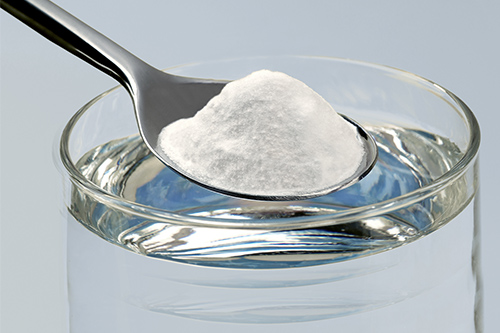

The Fisher-Titus Healthy Living Team, of the Fisher-Titus Medical Center, composed this list of 7 natural home remedies for GERD. You can view the full details about each remedy on their website here.
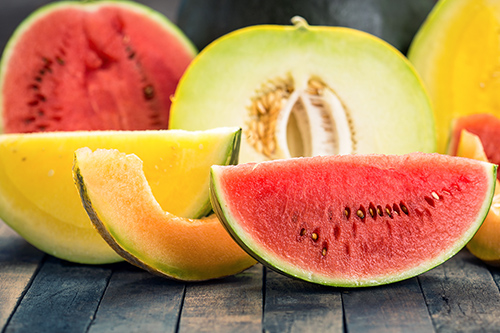

In addition to avoiding certain foods and beverages, lifestyle changes can help you mitigate the symptoms and avoid flareups.
The Mayo Clinic suggests that affected individuals try:
Many doctors will prescribe nutrition and lifestyle changes to treat GERD and that’s oftentimes enough for milder cases. Over-the-counter antacids are also commonly recommended.
For more severe cases, doctors may go a step further and recommend prescription medications to help manage symptoms, order an endoscopy to look for irritation or inflammation in the esophageal tissue, or they may order an upper gastrointestinal x-ray to rule out other potential conditions.1
If you have any concerns about your gastroesophageal health, talk to your doctor to get personalized information and the most accurate course of action for your unique situation.
For our registered dietitian’s insights on spicy foods and what they do to your insides, check out her answer to this reader’s question on Hot Peppers! Or, take a look at her answer to this question on Inflammatory Foods and their effects on your GI tract. To access our monthly blog post highlights, subscribe to our newsletter today!
Sources: