Nutritional Advice For Low-Energy Vegans | Q+A

Nutritional Advice For Low-Energy Vegans | Q+A

Question:

Just went vegan about a month ago and I have been feeling tired with low energy. I sleep 8 hours a day or more. I eat oatmeal with hemp and chia seeds and peanut butter for breakfast with almond milk. Lunch is brown rice or quinoa with veggies and beans. Dinner is similar to lunch. I drink 1/2 a gallon to a gallon of water a day. Thanks for reviewing this.

– Adrian

Answer:

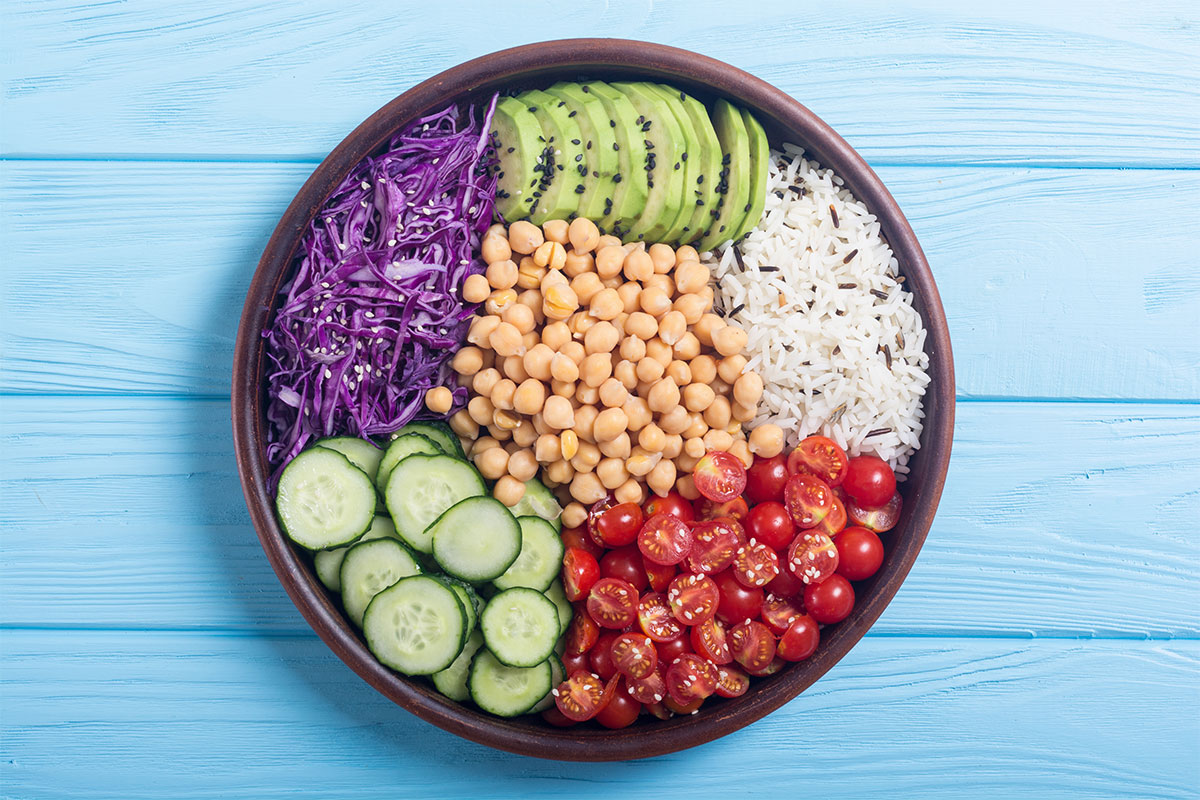
Thanks for reaching out, Adrian. At first glance, your described diet seems to be lacking in nuts and greens which provide calcium, zinc, and omega-3 fats. Variety is essential to getting adequate nutrition. Perhaps switch up your peanut butter by including some walnuts during the week. If your calories are still up on your new vegan diet, then I’d consider micronutrient lows since you are feeling tired.

Although a month is a short amount of time, it’s possible you may be slightly anemic.

Iron and Vitamin B-12 are key micronutrients needed to keep red blood cells carrying oxygen. Vegetarian Resource Group of the Academy of Nutrition and Dietetics indicates that for Vitamin B-12, “Non-animal sources include cereals, soymilk, rice milk, and meat analogs that have been fortified with vitamin B12. Also, around two teaspoons of Red Star nutritional yeast T6635, often labeled as Vegetarian Support Formula, supplies the adult Recommended Dietary Allowance.”  Iron is a mineral found in dried beans (such as lentils, kidney beans, and black-eyed peas) and dark green leafy vegetables (such as Swiss chard, bok choy, and kale), as well as blackstrap molasses, tempeh, tahini, bulgur, millet, watermelon and raisins. To increase the absorption of iron from plant foods, consume sources of Vitamin C at the same time. For instance, add a tomato salsa to a bean burrito.

Source: http://www.vrg.org/nutshell/VeganDietsinaNutshellPoster.pdf

– Debbie J., MS, RD

LA Fitness Living Healthy subscribe button

Want more? SUBSCRIBE to receive the latest Living Healthy articles right in your inbox!

This article should not replace any exercise program or restrictions, any dietary supplements or restrictions, or any other medical recommendations from your primary care physician. Before starting any exercise program or diet, make sure it is approved by your doctor.

Some questions have been edited for length and/or clarity.

Ask our Dietitian

Have a nutrition question? Our registered dietitian is ready to help!

Email nutrition@lafitness.com or submit your question below and it may be featured in an upcoming article!

13 + 7 =

Recommended Reading - Q+A

No Results Found

The page you requested could not be found. Try refining your search, or use the navigation above to locate the post.

Member Spotlight | Finding Your Inner Superhero

Member Spotlight | Finding Your Inner Superhero

My story begins a year before I actually joined LA Fitness. In 2016, I was diagnosed with Type 2 diabetes. After consulting at length with my doctor about how I could have contracted diabetes, we settled on two things: I was probably already pre-diabetic, and most importantly, the stress of my mother’s death probably led me there.

In February of 2016, my mother’s doctors informed her and our family that she had only 6 weeks to live and subsequently set us up with a home hospice care provider. As time progressed, she deteriorated and so as predicted, she passed in her sleep at home on April 11th 2017. In large part, it was due to a bad heart but she had diabetes as well.

It took a while to process all of that and then a couple of months later I found out about my own diabetes. Working with my doctor, I started a regimen of prescription medication to get my diabetes under control. I went to special classes that talked about diabetes and special diets. One thing that was stressed in the classes was that losing weight would aid in my treatment. I tried doing things at home for several months but I wasn’t all that successful. I finally broke down and decided to visit my local LA Fitness in La Habra, CA.

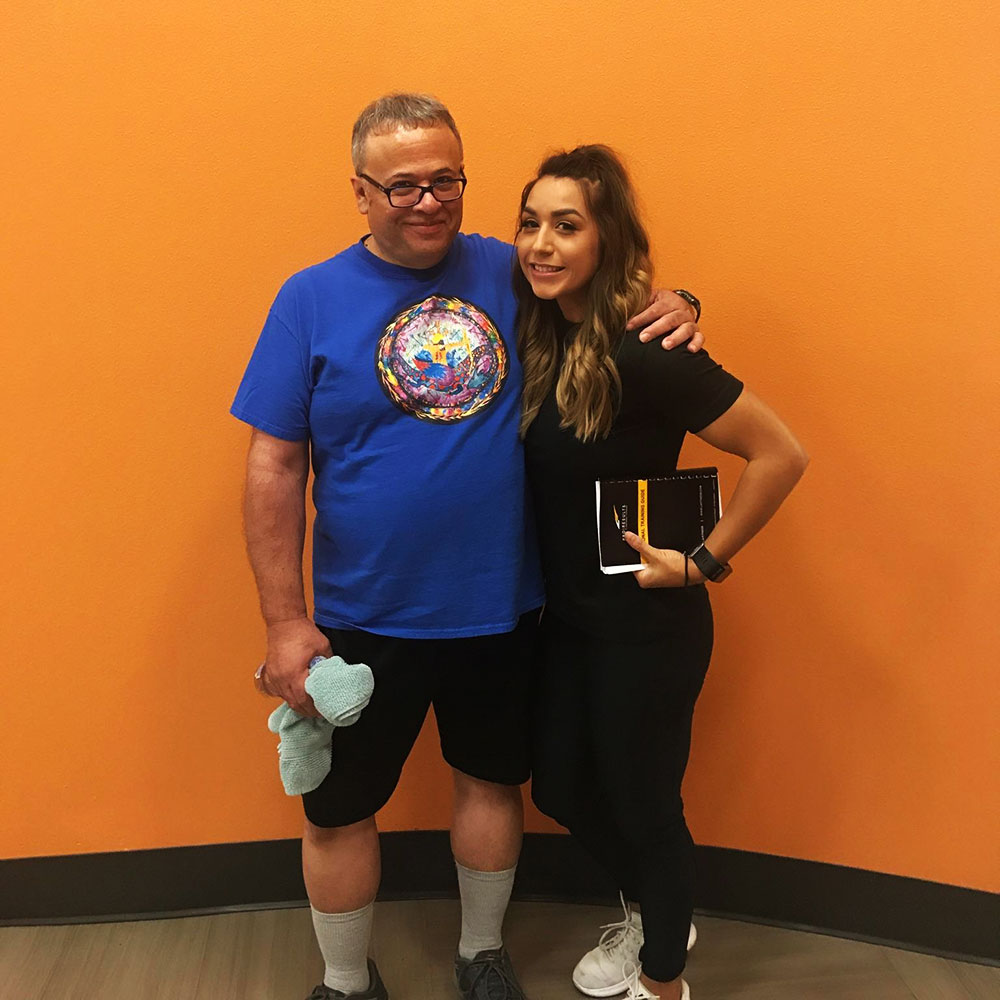
I meet with one of their representatives, and we settled on a membership with the addition of a trainer as well. There must have been an angel looking out for me when I got assigned my trainer. Her name is Brianna H., or Bree as she likes to be called. I cannot tell you have happy I am to have Bree as my trainer. She is a huge reason that since I have started I have lost 10 lbs. as well as 3 inches from my waist. I have also gained muscle mass and have become toned – I love to flex my biceps now!

Bree is completely invested in my success. She’s my drill sergeant and cheerleader combined. She has me working hard and I like that because I know she wants me to succeed. I will work out at times by myself as well and I can see the difference. I’m just not as determined without her constant encouragement urging me on. She corrects my posture and reinforces my positive outlook and is always checking in to make I can handle the weight. She knows that I am sixty years old and that I hadn’t worked out literally for decades, so while she pushes me onward she’s also sensitive to where I’m at as I progress in my workouts. I consider her to be not just my personal trainer but also more like my personal superhero.

Through her strong suggestions, I have even begun to change my eating habits. I’ve added salads to my diet and I try to manage portion controls better. I still need to get better but with Bree’s input I hope to make more strides and improvements in my overall health. I will forever be grateful to Bree and LA Fitness for the help that I have received and will continue to receive as time goes on. If I were to offer anyone advice, I would say that it’s never too late to reinvent yourself and it’s okay to ask for help. Get a trainer and trust that they really want to help you succeed. It’s hard at times but anything that’s worth it is. I know that I’m worth the effort that I put into my workouts and I know that my Mom is smiling down on me on my journey.

Disclaimer: Some slight adjustments have been made to the member’s story for grammatical reasons, length, and/or clarity.

LA Fitness Living Healthy subscribe button

Want more? SUBSCRIBE to receive the latest Living Healthy articles right in your inbox!

Recommended Reading

ASK A TRAINER: Ep. 12 – How Often Should I Incorporate A Rest Day In My Routine?

ASK A TRAINER: Ep. 12 – How Often Should I Incorporate A Rest Day In My Routine?

Ask A Trainer: Featured Question of the Week

LA Fitness Pro Results® Master Trainer, Geoff F., explains the importance of rest days and how often you should be taking them a week. Find out the answer in the video below!

Do you have a fitness question? Ask one of our certified Pro Results® trainers here! Your question may be featured in an upcoming Ask Our Trainer video.**

3 + 6 =

**Selected submissions will be featured on the LA Fitness blog and possibly other LA Fitness digital media entities & websites. By making a submission, you hereby grant LA Fitness a non-exclusive, perpetual, worldwide, irrevocable license to use and make copies of the contents of such submission for any purpose and in any medium whatsoever, and you hereby waive and relinquish any copyright or other intellectual property right you may have in the contents of such submission and your right to pursue any claim for LA Fitness’s violation of those intellectual property rights.


Recommended 'Ask A Trainer' Videos

If Foods Were Superheroes

If Foods Were Superheroes

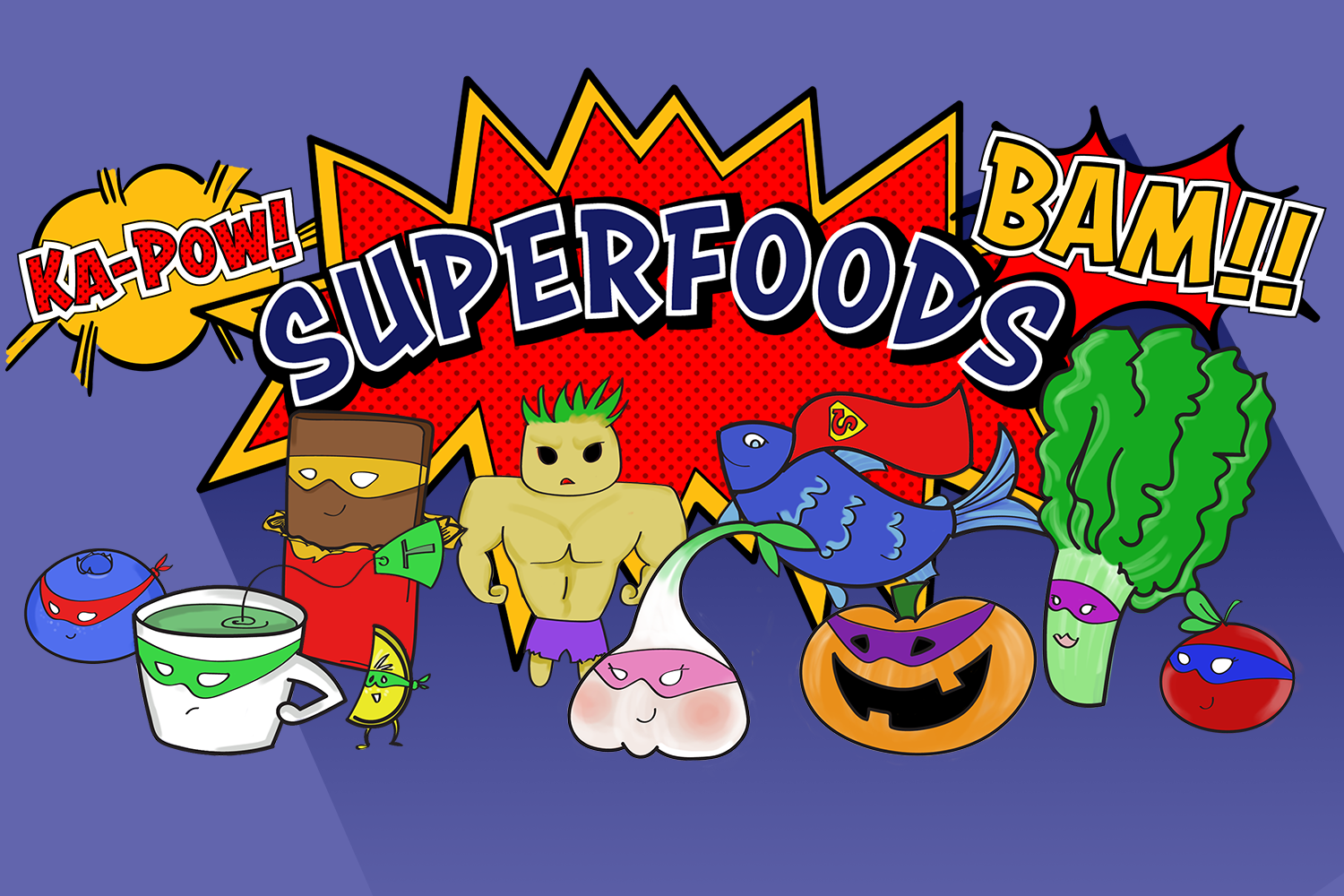
Keep your body at its strongest by teaming up with these food superheroes and fight your way to feeling stronger and healthier than ever before.

Blueberries – Bursting with fiber, vitamin C, and cancer-fighting compounds, these powerful little berries can do a whole lot to help the body, and may help improve memory.1

Kale –Kale can be prepared in a variety of ways: boiled, steamed, roasted, and stewed – eat it the way that works best for you. It is a great source of fiber, calcium, and iron, and contains more antioxidants than most other fruits and veggies.2 Talk about food that packs a punch!

Green Tea – While green tea isn’t a food, it still makes our list thanks to the presence of EGCG (epigallocatechin gallate), which has been shown to slow irregular cell growth, which could help aid in cancer prevention.3

Lemon (+green tea) – In a study put out by Purdue University, research found that the addition of squeezed lemon juice to green tea “caused 80 percent of tea’s catechins to remain”4, and catechins display health promoting qualities. The only problem is that catechins are rather unstable in non-acidic environments, but citrus acids help remedy this. Talk about a health-promoting duo!

Salmon –Full of omega-3 fatty acids, this healthy choice may help reduce the risk of cardiovascular disease.5

Ginger – This all-natural remedy helps calm an upset stomach and aid in inflammation.6

Pumpkin – Pumpkin spice is twice as nice when you learn that this festive gourd is full of beta-carotene, which helps aid in immune boosting and strengthening eye health.7

Cranberries – The berry that does it all, including acting as an overall health booster, fighting against inflammation, the risk of heart disease, oral health, prevention of ulcers, yeast infections and even some cancers!8 Boom, that’s a food superhero we can get behind!

Garlic – Vampires beware, but humans take note. This powerful clove can help treat high blood pressure, heart disease and even help prevent certain types of cancer.9

Dark Chocolate – Probably the most decadent superfood on our list. Just one-fourth of an ounce daily can help reduce blood pressure.10 So go ahead, treat yourself.

Interested to learn more about which foods do the body good? Check out our article Food Options to Drop Weight & Tone, and ask us your nutrition-related questions here!

Sources:

  1. LD, Megan Ware RDN. “Blueberries: Health Benefits, Facts, and Research.” Medical News Today, MediLexicon International, 5 Sept. 2017, medicalnewstoday.com/articles/287710.php.
  2. Morin, Kate. “25 Greatist Superfoods and Why They’re Super.” Greatist, Greatist, 29 Dec. 2016.
  3. Ibid
  4. Main, Douglas M. “Citrus Juice, Vitamin C Give Staying Power to Green Tea Antioxidants.” Citrus Juice, Vitamin C Give Staying Power to Green Tea Antioxidants, Purdue University News, 13 Nov. 2007.
  5. “Fish and Omega-3 Fatty Acids.” Fish and Omega-3 Fatty Acids, American Heart Association.
  6. Morin, Kate. “25 Greatist Superfoods and Why They’re Super.” Greatist, Greatist, 29 Dec. 2016.
  7. Ibid
  8. Ibid
  9. Ibid
  10. Sagon, Candy. “Dark Chocolate Helps Lower Blood Pressure, Heart Disease Risk – AARP Bulletin.” AARP, aarp.org/health/medical-research/info-03-2011/dark-chocolate-can-help-lower-your-blood-pressure.html.

Recommended Reading

What Exactly Is Diabetes?

What Exactly Is Diabetes?

November 1st marks the start of American Diabetes Month, which draws nationwide attention to a disease that affects far too many. According to the Centers for Disease Control (the CDC), “more than 29 million people in the United States have diabetes.”1 What may even be more alarming is the fact that “one in four people with diabetes [doesn’t even] know he or she has it.” 2 This opens the door to many questions: Why is this? What is diabetes? What can we do to help prevent it?

Diabetes: A Deeper Look

If you feel like diabetes isn’t a health issue you have to worry about, you may be incorrect. More than 1 in 3 U.S. adults are considered prediabetic.3 That equates to roughly 86 million American adults. When you consider the fact that 29 million have already been diagnosed, and 86 million are on the borderline, that’s about 115 million Americans that are struggling with blood sugar levels. However, the diabetes epidemic isn’t just confined to the U.S. About 11 million Canadians are living with the disease or are considered pre-diabetic.4


The American Diabetes Association shares some common diabetes symptoms5:

  • Urinating often
  • Feeling very thirsty
  • Feeling very hungry – even though you are eating
  • Extreme fatigue
  • Blurry vision
  • Cuts/bruises that are slow to heal
  • Weight loss – even though you are eating more (type 1)
  • Tingling, pain, or numbness in the hands/feet (type 2)


If you notice yourself experiencing any of these symptoms, or you have an increased risk of diabetes due to family history, consult your doctor or local physician. It never hurts to be proactive and get tested. In fact, the earlier you recognize the signs, the sooner you can begin making healthy changes, which may help save your life.

Type 1 vs. Type 2 Diabetes

Type 1 diabetes, previously known as juvenile diabetes, typically affects children and young adults and continues into adulthood. This type of diabetes affects the body’s ability to produce insulin, and insulin is necessary to help get glucose from the bloodstream into the cells of the body. Insulin therapy can help with this.

Type 2 diabetes is when the body causes blood sugar levels to rise higher than normal. This is also known as hyperglycemia. This is the most common form of diabetes. If you are diagnosed with type 2 diabetes, the body struggles with insulin resistance. While the pancreas attempts to make extra insulin to make up for it, over time it is unable to keep up, and the body’s insulin levels can’t keep the blood glucose at normal levels.

It’s Not Too Late

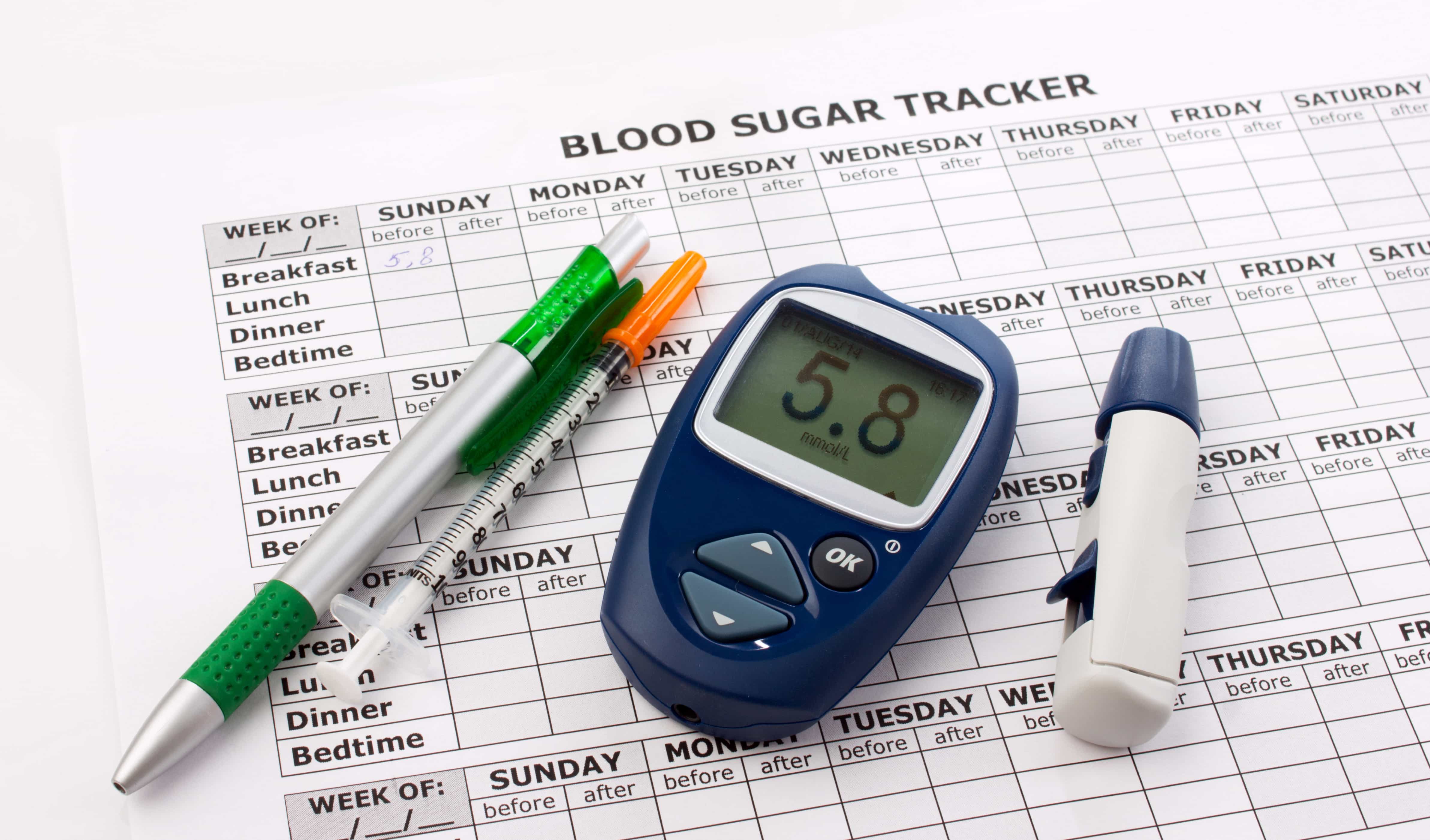
The good news is diabetes is not the end all – though that’s not to say it shouldn’t be taken seriously. Diabetes can be managed through a healthy change in diet, physical activity, and the use of medications that help regulate and lower blood sugar levels. If you are diabetic or were recently diagnosed with diabetes and want more information after consulting with your physician, check out the extremely helpful Food & Fitness tips shared by the American Diabetes Association. You may also want to look into investing into a CGM (continuous glucose monitor), FDA approved, which tracks your blood sugar levels both day and night. Readings are collected every 5 to 15 minutes and the device helps you stay up-to-date on your blood sugar levels. The data collected can better help its users manage their condition. Some monitors still require a finger stick to help the monitor stay accurate. The best way to find what’s right for you is to consult your doctor or physician.

How Physical Activity Helps

Exercise of any form helps reduce your risk for diabetes, and can help reduce symptoms in those who already have it. That’s right, exercise of any form! The key is movement. Keep your body moving. Staying active helps burn calories and keeps the body feeling good. No, you don’t have to run a marathon, or climb to the top of Mount Hood in Oregon (but hey, those could be future goals) — start with little exercises you enjoy. Do you not really enjoy the thought of exercising? Well, did you know that taking the dog for a walk counts? Walking through the mall counts, pushing your child on the swing counts, and even household chores like painting a room, or raking the leaves counts!

If you feel like stepping up your physical fitness game, try an aerobics class.* LA Fitness offers plenty of Group Fitness classes, all varying in exercises types, some of which cover cardio, while others work on strength training – some even cover both! Find a class that fits you and your personality here. A quick reminder you may find helpful is this: You’re not in this alone. Have friends and family join you at the gym. Establish a network that is going to help positively influence your life. Fitness starts with you, but can spread like wildfire among those you associate with.

You can take steps to take control of your health. Never forget that.

Feel like committing today to a new and healthy life? Share it with our community, here! Who knows, you could be the next LA Fitness Member Spotlight success story. We believe in you, now are you ready to believe in yourself?

*Class offerings vary by facility.


Sources:

  1. “Diabetes Latest.” Centers for Disease Control and Prevention, Centers for Disease Control and Prevention, 17 June 2014, www.cdc.gov/features/diabetesfactsheet/.
  2. Ibid
  3. Ibid
  4. “About Diabetes.” Canadian Diabetes Association, www.diabetes.ca/about-diabetes.
  5. “Diabetes Symptoms.” American Diabetes Association, www.diabetes.org/diabetes-basics/symptoms/?loc=db-slabnav.

Recommended Reading