All About That Cardio – Podcast Ep. 22

All About That Cardio – Podcast Ep. 22


Welcome to the 22nd episode of the Living Healthy Podcast, presented by LA Fitness.

On this episode of Living Healthy, we bring back to the show LA Fitness, Personal Training Director, Tristen Alleman and, as always, listener favorite Dietitian Debbie James! They help explain the importance of establishing and maintaining a balanced workout routine and how nutrition plays an important part in this. 

How Are We Doing? 


This podcast should not replace any exercise program or restrictions, any dietary supplements or restrictions, or any other medical recommendations from your primary care physician. Before starting any exercise program or diet, make sure it is approved by your doctor.


Timecard Markers – All About That Cardio – Podcast Ep. 22 

Introduction

Begins at 0:01   

Cardio Bunny Song 

Begins at 0:42 

What is a Cardio Bunny? 

0:57 

LAF Personal Training Director, Tristen Allemanand LAF Registered Dietitian, Debbie James, Join the Show  

1:23 

Why is Cardio So Important? 

1:43 

What Exercises Are Considered Cardio? 

2:51 

What About Cardio Affects the Heart? 

3:33 

What Foods Are Good to Eat on Cardio-Focused Work Out Days? 

4:16 

Are Protein Shakes Needed on Cardio Days? Or Should They Be Saved for Strength Training Days? 

6:00 

Why Do Cardio Workouts Tend to Burn More Calories in Shorter Amounts of Time? 

8:36 

How Often Should You Include Cardio Workouts into Your Routine?  

10:23 

What’s Better: Cardio Before or After a Workout?  

12:01 

Is One Type of Cardio Better Than Another? HIIT? Cycle? Treadmill? Zumba®?  

12:41 

Is Caffeine Before an Aerobic Workout a Good Thing? What About Fruit Juice? 

13:32 

Can Too Much Cardio Damage Your Body? 

15:16 

NEW SEGMENT: Rapid Fire Social Media Questions from Our Listeners! 

18:04 

Actionable Advice 

23:02 

Outro 

24:37 


Recommended Podcast Episodes 

Have You Heard of HIIT by LAF?

Have You Heard of HIIT by LAF?

Short on time but still looking to get a solid workout in? Then it’s time to turn to HIIT by LAF®. If you aren’t sure what HIIT stands for, it’s short for high-intensity interval training – and it’s definitely something you should be adding to your workout routine.

If you’ve never heard of HIIT training, or you’re looking for a group setting to help give you that extra encouragement and push, then HIIT by LAF® is the right thing for you.

What is HIIT by LAF?

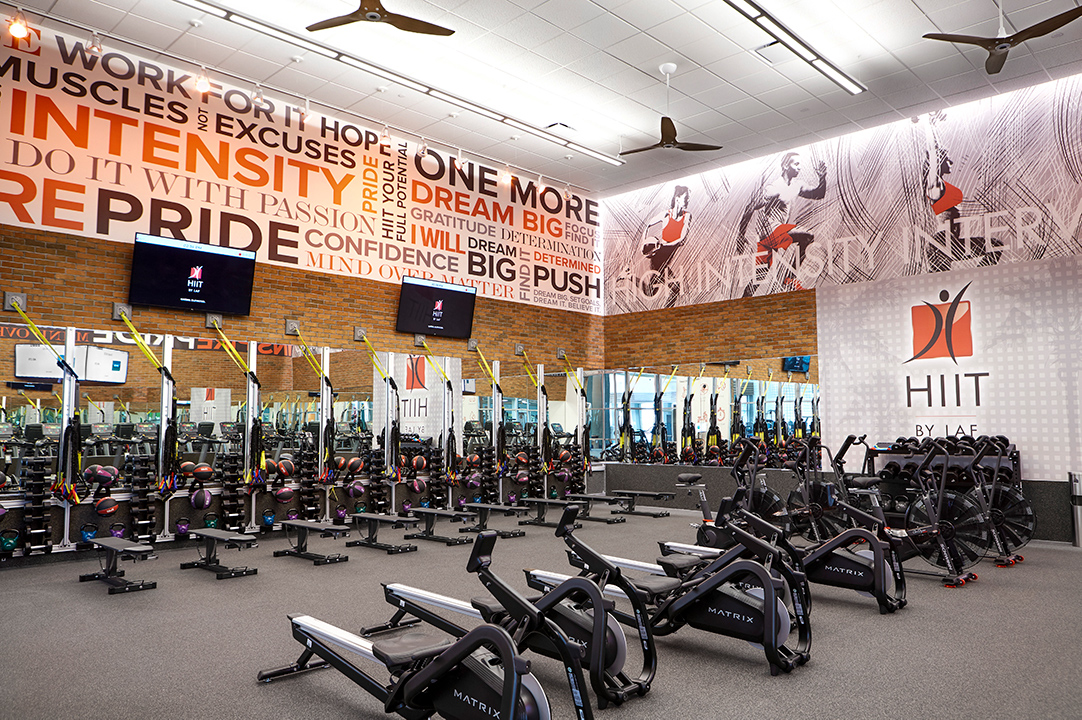
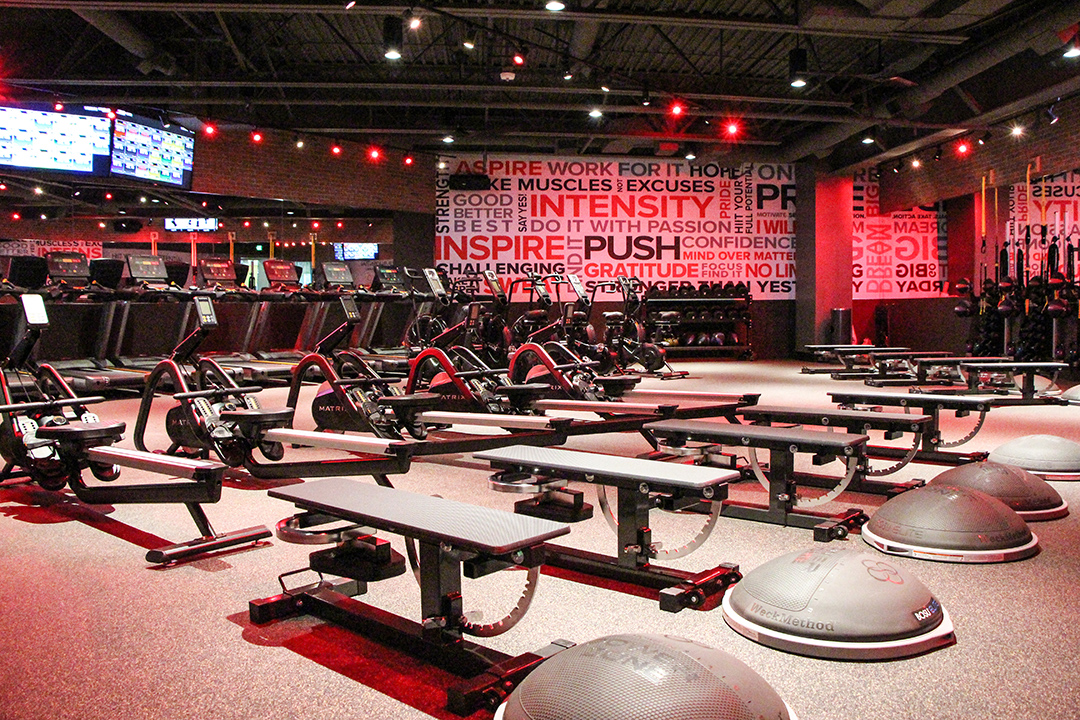
HIIT by LAF is a workout that is designed for almost every level of fitness, age, and goal type. These high-tech and high-energy workouts are led by motivating, certified fitness coaches who set the pace and vibe of the room. Each workout is 50-minutes long and comprised of a variety of functional exercises, core training, cardio interval training, and strength training.  Wearing optional heart rate monitors, participants are led through five heart rate training zones, with each zone representing variations in levels of intensity that may result in participants burning up to 1,000 calories per workout, including calories that may burn even after the workout ends (results may vary).

Intense? Yes, but don’t let that word scare you away.

HIIT helps burn more calories in a shorter amount of time and if you manage to stay within the “fat-burning” zone during your workout, it can leave the body burning more calories even after the workout is over. This special “fat-burning” zone varies from individual to individual, so it’s important to know your resting heartrate and your max heartrate in order to gauge your different zones.

Different Zones?

This is where MYZONE comes into play. A heart rate monitor that takes your workout to the next level.

MYZONE uses wireless and cloud technology to accurately and conveniently monitor physical activity. It monitors heart rate, calories and time exercising that converts into MYZONE Effort Points (MEPs*), with a focus on rewarding effort.

Heart rate training zones are a range of values expressed as percentages of maximum heart rate (HR max). The HIIT by LAF workout incorporates 5 heart rate training zones. If you’re interested in signing up for HIIT by LAF® classes on a regular basis, the MYZONE heart rate monitor is available for purchase at an additional cost.

Each zone is identified by zone color, heart rate percentage range, zone description, and the target amount of time that should be maintained in each zone to achieve the greatest benefits of a HIIT workout. Utilizing these zones in relation to the exercise benefits of each one aids in the development of the best programming to maximize endurance, calorie burn, and fat loss.

* MEPs (MYZONE Effort Points) are earned based on the effort exerted by the participant. Time spent in each Heart Rate Zone earns different numbers of MEPS:

  • Grey = 50-59% – Earns 1 MEP/minute
  • Blue = 60-69% – Earns 2 MEPS/minute
  • Green = 70-79% – Earns 3 MEPs/minute
  • Yellow = 80-89% – Earns 4 MEPs/minute
  • Red = 90-100% – Earns 4 MEPs/minute

Who is HIIT for?

HIIT is for anyone and everyone looking to take their fitness to the next level. HIIT is for moms, runners, professionals, athletes, and beginners. For moms, it’s a great escape. For runners, it’s the motivation and methodology necessary to prepare for the next run or race. For professionals, it’s the time-efficient workout when health and well-being are important, but time is tight. For athletes, it is the real-time feedback, ability to track progress and interval training necessary to improve performance. For beginners, it’s the push—the education and encouragement—necessary to reach an entirely new level of fitness.

Is HIIT Safe?

It depends on the underlying condition of the patient/client and their baseline fitness level or physical activity status. HIIT is not for someone with a prior heart condition, who is sedentary and has not gone through proper supervised exercise testing first.

Anyone who has been very active has no cardiac risk factors, and has been screened by his M.D. about his cardiovascular fitness can definitely try HIIT and enjoy the benefits in our time-crunched environment.

The response above provided by Dr. Myla Subbarao, MD, FACC, and volunteer with the American Heart Association.

Check out our Living Healthy podcast episode on HIIT training by clicking here!

If you’re interested in learning more about HIIT by LAF®, visit welcome.lafitness.com/hiit-by-laf/.


Recommended Reading

10 Spring Cleaning Tips to Help Make Your Life More Joyful

10 Spring Cleaning Tips to Help Make Your Life More Joyful

Spring cleaning is all about getting rid of the old and making room for the new! It’s a season for change. A time to make things fresh again. But, how did spring cleaning become such a tradition?

The History of Spring Cleaning

According to an article published by Country Living1 referencing an article that was published by the Washington Post, the annual tradition of spring-cleaning dates back to the 1800s when housekeepers would have to clean the dirt that had collected in the home from the cold winter months.

Soot and grime would collect, lamps were lit with whale oil or kerosene, and needless to say, things got messy. In order to clean the mess up, windows would be opened to let in the fresh air and let out the dirt and soot. Of course, opening up the windows meant the weather had to be nicer.

However, there are also religious origins associated with spring cleaning in Jewish, Christian and Iranian customs. Each consist of a special type of cleaning that takes place in honor of a religious holiday.

And probably the most obvious of all reasons is that in the winter the weather is colder and the sky is murkier, which makes us sleepier – not to mention that the days are shorter! Energy is hard to be found during the winter months, so once the sun starts showing itself again and our bodies begin feeling recharged, it’s easier to wake up and feel an urge to start wiping away all that extra dust you may start noticing around the house.

Spring Cleaning Tips

Whatever your reason for spring cleaning is, it’s always good to try switching things up, whether that’s spring cleaning your home, your fitness routine, or your nutritional habits! (Did those warm winter comfort foods add on a few extra pounds?)

Check out our list of some helpful ways you can spring clean your health and fitness routines!

Spring Clean Your Fitness Routine Tip #1

Here comes the sun, do doo do do.

Staying active doesn’t have to just mean staying active in the gym! Living a healthy lifestyle means staying active indoors and outdoors! When the weather starts looking nice, head outside for some fresh air and to try a new exercise – switching up your fitness routine can help prevent your body from hitting a weight loss plateau.

Spring Clean Your Fitness Routine Tip #2

Out with the old, in with the new!

Are you a cardio person or more of a weightlifter? Chances are you probably prefer one over the other, but both are needed for a balanced fitness routine! Try switching it up and add some more weight training to your routine or cardio if that’s where you normally struggle. Change can do the body good, and there’s no better time than spring cleaning to get started with something new!

Spring Clean Your Fitness Routine Tip #3

HIIT the Ground Running

Spring cleaning your fitness routine doesn’t necessarily mean trying an entirely new activity. It could be something as simple as switching up your interval training. Perhaps try shorter, high-intensity workouts a couple times a week and combine those with longer, steadier workouts throughout the week.

Find a HIIT by LAF® studio near you.

Spring Clean Your Fitness Routine Tip #4

The Early Bird Gets the Gains?

A workout is a workout no matter the time of day, but if you’re used to going to the gym after work, try going first thing in the morning – dare we suggest even before your morning cup of coffee? Or if you’re used to mornings, try going after work and sweating off some of that post work stress. Changing up the time you go to the gym helps keep things fresh and can help break you out of your normal routine.

Spring Clean Your Fitness Routine Tip #5

Spring into Sports!

Are you a fan of sports? Try joining a recreational sports league to help keep yourself active while also trying something new! Sometimes, participating in sports is a great way to forget you’re working out while also having fun. LA Fitness offers a variety of club leagues – ask the front desk about it today!

Join a league.

Spring Clean Your Fitness Routine Tip #6

Group Fitness Fun

If you haven’t tried a Group Fitness class yet, now is the time! There are countless options available at various times throughout the day. Try an activity you’ve never done before and give it a chance – it could become one of your new favorite exercises. Plus, having a class support group and trained instructors cheering you on can help keep you motivated on days that you’re losing steam.

Find a group fitness class for you, here!

Spring Clean Your Fitness Routine Tip #7

We. Dare. You.

Are you up for a challenge? Sign up for a race! It’s a great way to train for an event and embrace your competitive side. Plus, cardio is great for the heart and building endurance. Even if you’re not a fan of long distance running, there are plenty of 5ks available year around. Check out what’s local to you!

Spring Clean Your Fitness Routine Tip #8

Grab a Moving Buddy.

Friends who train together make waves together. Swap out after work happy hour for flex hour at the gym. Not only does having a gym buddy help keep you accountable, but it can be a lot more encouraging than working out solo. Try inviting a friend to join you for a sweat sesh and set mini challenges for each other for some friendly fun.

Invite a friend.

Spring Clean Your Fitness Routine Tip #9

Train. Harder.

Do you feel like you have a pretty good grasp on fitness by now? Try elevating your fitness routine by working with a personal trainer. Adding a trainer to your routine can help you train harder, add variety to your workouts, and push you to step outside your comfort zone.

Sources:

  1. Carter, Maria. “How Spring Cleaning Became an Annual Tradition.” Country Living, Country Living, 24 Jan. 2018, www.countryliving.com/home-maintenance/a38381/how-spring-cleaning-became-a-tradition/.

Recommended Reading

 Give Me Strength Training – Podcast Ep. 19

 Give Me Strength Training – Podcast Ep. 19


Welcome to the 19th episode of the Living Healthy Podcast, presented by LA Fitness.

On this episode of Living Healthy, we speak with LA Fitness, Personal Training Director, Mark Joseph de Guzman, who educates us on the importance of strength training.

How Are We Doing? 


This podcast should not replace any exercise program or restrictions, any dietary supplements or restrictions, or any other medical recommendations from your primary care physician. Before starting any exercise program or diet, make sure it is approved by your doctor.


Timecard Markers – Give Me Strength Training – Podcast Ep. 19

Intro

Begins at 0:01

Personal Training Director, Mark Joseph de Guzman joins the show

Begins at 0:33

Let’s Define Strength Training – Do Bodyweight Exercises Count?

0:52

How Does Strength Training Build the Muscle?

1:41

Can Strength Training Improve Metabolism?

2:45

What Type of Protein is Best for Building Muscle?

4:41

How Much Protein Should Be Consumed Per Day?

5:26

FACT or FICTION: Will Girls Get Bulky from Strength Training?

6:58

What Should Bodybuilders Do to Bulk?

8:01

What is the Average PT Client Looking to Accomplish?

9:46

Different Types of Strength Training: Does One Work Better Than Another?

10:31

What Is Muscle Confusion?

11:10

Rest Days and Strength Training

13:22

What is the Best Thing to Do for Your Muscles After Strength Training?

15:24

How Does Strength Training Affect the Blood? 

17:05

How Important is it to Train the Entire Body? 

18:07

Why Do Bodybuilders Oil Themselves Up So Much?

19:25

Actionable Advice

20:50

Outro

22:00


Recommended Podcast Episodes 

Celebrating International Women’s Day: What Women Need to Know About Their Health

Celebrating International Women’s Day: What Women Need to Know About Their Health

“Take control of your health. How you or your body responds to something may be very different from your friend, neighbor or the gal standing in front of you at the coffee shop, so try not to worry or compare yourself to others. You have only one life to live, make it your own and make it your best!”

Kimberly P., MD

Family Medicine Physician , Kaiser Permanente Santa Monica Office

What do women commonly overlook when it comes to paying attention to their health?

KP: Women often care for others’ health care needs before tending to their own. We are great at taking family members to the doctor and we call a friend when they’re sick. However, if it’s us getting sick, we call a friend or research “Dr. Google” and get scared when we read something on the Internet.

Going to the doctor is sometimes last on our list. Some of us are too embarrassed or too busy, and others of us are too afraid to hear what the doctor has to say. But regular checkups are so important as are regular physicals to prevent disease. What’s most important is to listen to your body and seek medical care when you think it may be trying to tell you something. But also, lean on your doctor to guide you through your health concerns.

Are there certain diseases that women are more susceptible to that women should be screened for on a regular basis? How often should those checkups be?

KP: I generally encourage all patients to come in every year for at least a checkup. Discussing your diet, exercise, lifestyle, checking to make sure your vaccinations are up-to-date, and having a blood pressure check can prompt conversation for continued health maintenance and surveillance. Tests such as diabetes screening, cholesterol, liver, kidneys, thyroid, and others may be discussed with your primary care physician as well as the interval they are recommended, curtailed individually for you. Blood tests are not necessarily required annually unless there is a medical reason, concern or symptom your doctor wants to check.

There are some screenings that are designed specifically for women.  For example, while both men and women can acquire the HPV virus through sexual intercourse, the HPV virus can also make women susceptible to cervical cancer. For this reason, women are encouraged to undergo regular cervical cancer screenings called pap smears. It is now recommended to start after the age of 21 and to have a pap smear every 3 years between the ages of 21-29 and every 5 years between the ages of 30 to 65, unless instructed otherwise by your doctor or with a history of abnormal prior test results.

Breast cancer screening is also important and I recommend annual breast exams with most of my patients who are in their mid-20s and older. The USPTF advises starting mammograms at age 50 and every 2 years after that.  Some women may choose to start this screening at age 40 or possibly even younger (if needed) because of personal or family history but this should be discussed with your doctor.

Lastly, we recommend all female patients of child-bearing age to have STD screenings when sexually active, especially when unprotected. Exposure to chlamydia and/or gonorrhea can lead to scarring and fertility concerns for women if left untreated.

When it comes to improving mental health, what are some tips that women (and men) can do to improve their mental well-being?

Good mental health is essential for all people, men and women alike. Our mental health affects more than just our mood. It also affects our energy, sleep, concentration, productivity, relationships, work, weight, eating habits, and so many more things in our daily lives.  Depression and anxiety are experienced by most women at least once in their lives and 1 in 5 will have experienced it within the past 12 months. My recommendations are to stay active and try to exercise regularly. Starting with something easy and not overly daunting such as 30 minutes, 3-5 times per week is a great starting place. If you can’t make it to a gym, get out of the house for some fresh air, take a walk and stretch! This will help open up your chest and your heart. Find what works best for you whether its yoga, or for me, boxing. There are so many options to explore, see if anything can strike your fancy and help protect your mental wellbeing. Exercise helps promote endorphins- the brain’s natural pain killer- enhancing mood and sleep – and it can show you great results that can, with time, improve the way you feel.

Meditation is also a wonderful practice for mental wellbeing. It can help gain perspective, reflection, and mindfulness. Lastly, don’t be afraid to talk to someone! Whether it’s a friend, religious figure or getting professional counseling, there are people who care and resources to help, especially in time of crisis.

Everyone’s body is different, but when it comes to the general health for women, are there certain foods they should be eating? Increase in their diet?

KP: First and foremost, try to avoid fad diets. Life is about moderation. It’s OK to treat yourself every once in a while, but find a meal plan that works right for you; something you can sustain and is easy to follow for you. Be mindful of portion size and ingredients that are on the labels. Read the whole label!  When possible try to stick to foods that are low in inflammation. Chose nutrition dense foods such as green veggies. Reduce your intake of sugars and processed foods, and opt for whole grains, lean proteins, and leafy greens. Here are some other tips:

  • Eat Fiber
    • Beans, peas, lentils, and peanuts are great examples. These foods are a great source of fiber and protein and high-fiber diets have been linked with good intestinal health and bowel regularity, decreased cardiovascular disease, are high in isoflavone (soybeans are the highest), and can help reduce PMS and menopausal symptoms.
  • Eat Yogurt
    • Low-fat yogurt can be beneficial to the intestines as a probiotic to help reduce inflammation in the digestive tract.
  • Protect your heart
    • 2-3 servings per week of fatty fish (Omega 3 fatty acids: DHA and EPA) such as salmon, sardines, and mackerel can help as an anti-inflammatory for many disease processes including heart disease and stroke.
  • Get Vitamin D
    • This includes low-fat milk, fish (as listed above) and certain juices. You want to be taking in at least 800 iu daily. For those of us who do not have the time spend basking in the sunlight and naturally building or vitamin D levels (sunscreen also reduces natural vitamin D absorption), a diet rich in vitamin D can help with fatigue, calcium absorption and reduce the risk of various disease processes in our body.
  • The Power of Berries
    • Eat fruits such as blueberries, strawberries, raspberries, and cranberries. They have a high level of vitamin C and folic acid, but also offer a powerful source of antioxidant (protecting the heart and skin, for example) and an anticancer nutrient called Anthocyanin which helps in cell repair.
  • Eat Red Fruits
    • Tomatoes, watermelon, red grapefruit, and navel oranges provide lycopene, which is a powerful antioxidant.

What vitamins are essential for women? Is it better to consume these in daily supplements or in day-to-day foods?

KP: It is best to get your vitamins and micronutrients in your diet rather than chasing after supplements.  Your body is an amazing tool and can more effectively extract the nutrients it needs from the foods you consume than by getting it thru a supplement. However, there are a few diagnoses that may require vitamins:

For example, if you have a diagnosis of osteoporosis, then Calcium and Vitamin D are helpful in bone health. Also, vitamins are essential for women when they are planning to conceive or are pregnant. Taking a daily prenatal vitamin to ensure adequate folic acid and B vitamins are essential.

If my patients really want to take any supplements I encourage Vitamin D, Omega 3 and fiber.  These are the most common things lacking in normal American diets, and even a multivitamin does not provide this for you. A daily multivitamin is generally not necessary.

If you are still not convinced please consult your doctor but always be careful when taking over the counter supplements. Sometimes, taking too much can lead to complications such as liver, kidney or heart disorders that you would have never otherwise known or expected.

Responses provided by Kimberly Petrick, MD, Family Medicine Physician at the Kaiser Permanente Santa Monica Office. Some slight grammatical adjustments were made. 


Recommended Reading