Are Supplements Really Necessary to Be Successful in the Gym?

Are Supplements Really Necessary to Be Successful in the Gym?

During my time as a writer for LA Fitness, my knowledge of nutrition, fitness, and health topics has grown considerably. As a certified personal trainer, I usually feel comfortable sharing my insights on fitness topics. Yet, there are still questions that I need help answering. My latest query is this:

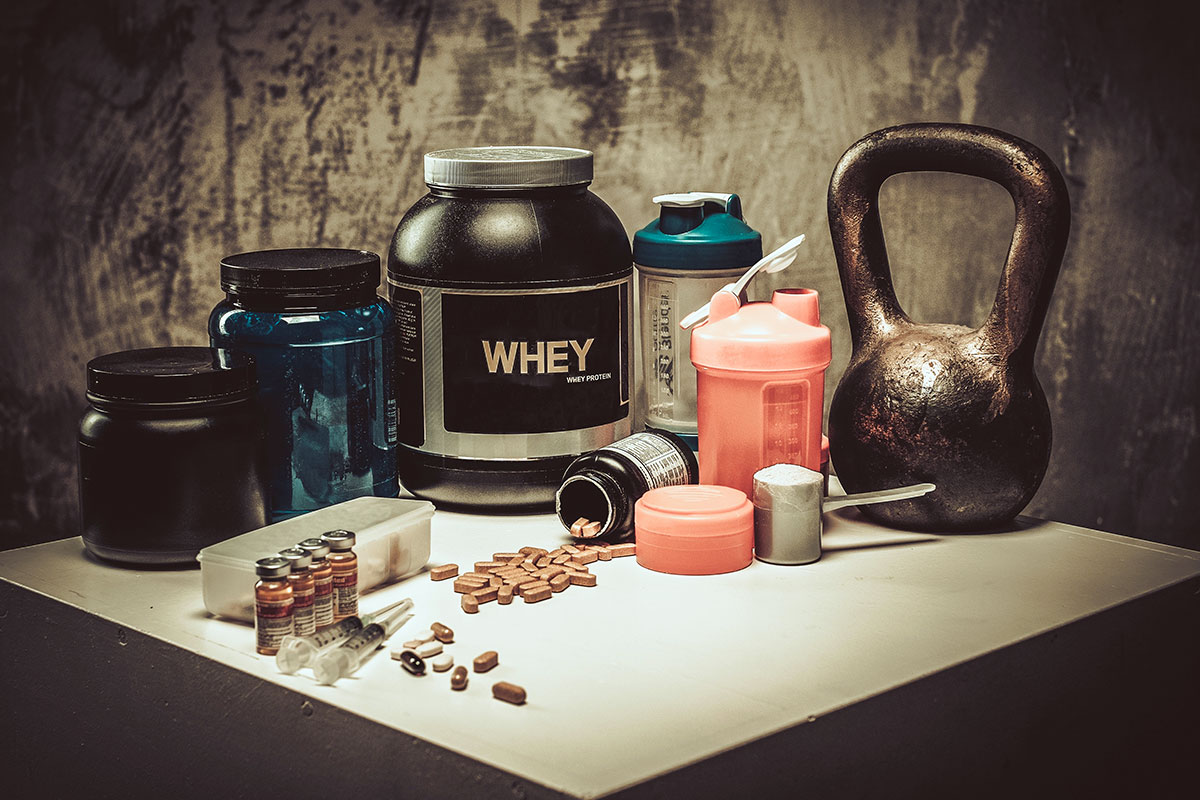
Are supplements really necessary in order to be successful in the gym?

Personally, I do not take any supplements, and I live a very active lifestyle both inside and outside of the gym. Instead, I choose to focus on maintaining a fairly balanced diet. I choose to eat foods that help fuel me while also allowing myself some “cheat days” – which I know some people disagree with – however, that’s what works best for me.

Because everyone is wired differently, my approach may not be what works for you. When it comes to creating a personalized fitness or nutrition plan, it’s best to speak with a personal trainer or registered dietitian. However, supplements are one of those things that I have found very confusing to educate myself on, mainly because I think of them like vitamins and I get my vitamins naturally, rather than taking a vitamin supplement.

Needless to say, I wanted to reach out to a few experts on the matter.

The Trainer


“Supplements are the elephant in the room when it comes to the gym scene. The first thing you should always do is to check with your physician and have them do the proper testing to see if you have any deficiencies. Depending on those results or documented family history, you may need to add certain vitamins or mineral supplements to your daily caloric intake. A common example would be pregnant women, who typically get put on prenatal vitamins along with additional iron supplements as they go through their pregnancy. However, if your diet consists of the proper amount of lean meats, fruits, and vegetables, most people should be in a position where additional supplements are not needed to keep up with the individual’s active lifestyle.

The more commonly thought of supplements in our gym world are the performance-enhancing types, such as steroids, creatine, and other performance-enhancing drinks, pills, or injections. While these supplements have been documented to show immediate improvements in one’s overall strength and performance gains, they traditionally result in long term negative effects such as hormonal deficiencies. I never recommend any member or client take these types of supplements unless they have been prescribed by their doctor. For instance, these supplements are sometimes prescribed by surgeons as part of the rehabilitation program after undergoing some kind of major surgery where the supplement will aid in the rapid growth and strength of muscles, which aids in the healing process. Again, these supplements should be avoided as much as possible, generally speaking. You can get all the ‘amp’ and ‘steam’ you need from a proper diet.” – LA Fitness Master Trainer, Geoff Fox

The Dietitian 


“Just as you can get in a good workout without ever lifting up a free weight or stepping on a treadmill, you can get good exercise performance without having to take supplements. A sound diet balanced in nutrients with good hydration supports general exercise goals for non-athletes just fine. Now, healthy adults that are already fit and toned, who fuel right and would like to take it to the next level may benefit from that extra push a sports supplement can provide. They might utilize creatine, glutamine or a protein powder high in branched-chain amino acids to start. Also, caffeine can be a boost to those training for endurance.” – Debbie James, RDN

The Doctor 


“Supplements are a highly unregulated area with few randomized, placebo-controlled trials to warrant their effectiveness. For supplements in which we do have good quality data, they have been found to rarely live up to the hype. Furthermore, we want to be cautious and consider what medications one is taking because supplements can sometimes interact and change the effectiveness of medication. Always follow the directions of your doctor, particularly when it comes to taking supplements when you’re also taking medications. The big concern around supplements is that the label may not always reflect what is in the product.  When it comes to “being successful at the gym”, everyone is looking for the edge. The thought is that supplements may help in getting to the goal faster. However, healthy eating and exercise should not be a goal but a lifestyle. Habits are what create lasting change and success. Unfortunately, there are no shortcuts in this journey. At Kaiser Permanente, we believe the key to healthy living is to sleep more, move more, stress less and consider increasing how many greens you eat, such as a plant-based diet. That’s it. This is what research has repeatedly shown to optimize our health.”  – Sean Hashmi, M.D., nephrologist and adult weight management lead, Kaiser Permanente Woodland Hills Medical Center

The Results


From our three experts, it looks like the overall answer is that supplements are not necessary in order to be successful in the gym, but they could be helpful for certain people, depending on your fitness lifestyle and goals.

However, supplements can be dangerous if you’re taking the wrong type. So, before you choose to take any supplement, be sure to fully understand what’s in it and how it affects your body.

A healthy diet combined with a balanced nutrition plan should give you the nutrients and energy you need to build a healthy body for yourself. However, this generalized advice may not apply to those with certain medical conditions, so always follow the recommendations of your doctor.


Recommended Reading

Does Love Really Affect the Heart?

Does Love Really Affect the Heart?

Ah, love. Is there anything more freeing than the feeling of being completely, utterly, and hopelessly in love? When suddenly, the world seems calmer, colors seem brighter, and you just can’t hide the smile that stays stuck to your face. True love is pretty wonderful because it makes us the best version of ourselves – and often, the best version of ourselves makes others want to be the best version of themselves. It’s an ooey-gooey cheesy feeling that is truly amazing.

Reflecting upon how good love makes us feel inside, we reached out to American Heart Association volunteer John A. Osborne, MD, PhD, the director of Preventive Cardiology at State of The Heart Cardiology in Dallas, TX to understand if these feel-good feelings actually affect the heart.

Dr. Osborne, is this true, does love really have an effect on the heart?

Absolutely!  As anyone who has ever been in love (or read about it) knows!  It not only makes one’s heart “pitter-patter” and makes us feel wondrous, it may actually be good for your heart health!  When you are in love (and feel loved), one’s blood pressure responds to that peace and calm and may translate to lower blood pressure.  High Blood Pressure is the most common form of cardiovascular disease and affects about one-half of US adults.  If this “silent killer” is not identified, treated, and controlled, it could take between 5 to 7 years off the average lifespan!  In fact, those who are married or in long -term supportive relationships live longer and have better recoveries if they do encounter heart problems.  Patients who have a good social support system had better recoveries and survival rates after bypass surgery than those who did not.  This survival benefit also extends to our four-legged friends as well!  Don’t forget about them on Valentine’s Day either!

What about the opposite – can you really die of a broken heart?

The short answer is yes!  Only in the 1980s was this described in the medical literature, although for centuries that concept of “dying from a broken heart” has been well described in literature, operas, plays, and, most recently, movies!  It is called “Takotsubo Cardiomyopathy” and is more common in women and looks like a typical heart attack, but in this case, there are no blockages in the blood vessels unlike how the vast majority of heart attacks occur.  It is felt that a sudden, massive release of catecholamines (the stress hormones such as epinephrine, norepinephrine, and other stress hormones) can cause severe vasoconstriction of the blood vessels to the heart and cause a heart attack, heart damage, heart failure, and even sudden death!   Fortunately, if diagnosed properly and with appropriate medical care, the damage can be prevented, and our heart can heal itself with time and medications.

What are some ways you can make your heart feel happier and stronger?

A good diet (the Mediterranean Diet was voted, yet again, the best overall diet in 2019) and regular exercise along with a no tobacco lifestyle are the foundations for excellent cardiovascular and all-around health.  A small amount of dark chocolate – with its blood pressure lowering anti-oxidants, flavonols, and catechins, and best of all shared with your loved one(s) – can’t hurt!  The AHA has a great app to help with this called “My Cardiac Coach” that is available for your smartphone and large number of resources on the web at www.heart.org.

Responses above provided by American Heart Association volunteer, John A. Osborne, MD, Ph.D., the director of Preventive Cardiology at State of The Heart Cardiology in Dallas, TX. 


Recommended Reading

Personal Training: Finding the Right Trainer for You

Personal Training: Finding the Right Trainer for You

Whether committing to new fitness goals or finding new ways of sustaining them, Pro Results® personal training may be the key to unlocking your potential and getting the results you’ve always wanted. Many wellness enthusiasts have no problem with living an active lifestyle. Some can credit their childhood with seeing examples of healthy living or competing in sports during their adolescence.  However, others are not as adept in motivating themselves to work out or eat healthier.  No matter where you fall on this spectrum, everyone can benefit from some expert guidance to improve, motivate, or encourage your fitness journey.
So, if you are ready to make that jump into the uncharted abyss of personal training, here are some key points you may want to include when choosing who can best assist you on ensuring that your goals are met.

1. Identify your personal fitness goals.

This step is vital in getting the most out of your personal training. If you don’t identify what you want to achieve or why you run the risk of investing time and money with someone who isn’t able to effectively guide you toward achieving your fitness goals. In a way, a personal trainer’s assessment is similar to a physician’s approach when you’re feeling under the weather.

A physician recommends appropriate tests or remedies for helping you feel better after assessing how you’re feeling. This comes with the right amount of honest conversation, in order for you to be on your way toward the best version of you. Before consulting with any fitness guru or expert, know your needs first, as they will be an internal guide when gaging if personal training is working for you. Remember, you’re the client and you set the precedence for how your trainer distinguishes a proper plan of action for you.

2. Consulting with a Personal Trainer.

Once you identify what you want to achieve, you’re ready to do a little window-shopping. This part of the process doesn’t have to be as intimidating as it sounds. The ball is essentially in your court – you are “hiring” this person to be your guide on your fitness journey. Once a reputable LA Fitness Pro Results® employee assesses your goals, they will partner you up with a trainer whom they feel will best be able to facilitate your fitness concerns. If for some reason the fit doesn’t feel right for you, you can always re-approach the Personal Training Director and ask for an alternative trainer.

Finding out if they are a good match comes down to two essential things: 1) do they fully understand your needs and 2) are you two compatible. LA Fitness has a selection of certified personal trainers for you to choose from.  (*Disclaimer: Each club has a different selection of training staff available. Be sure to check in with the personal training department of your home club to see what is available to you.) No matter how credible or how many years of experience your trainer has under their belt, selecting the right trainer for you comes down to whether you two work well together.

The trainer and client relationship is just that, a relationship. Therefore, enjoying the trainer’s company and his or her approach to fitness and health is key.

3. Seek recommendations.

Perhaps the easiest way to make your decision of who to commit to on your fitness journey is hearing from people who have trained with the trainer you potentially want to work with or asking a club manager. Getting some else’s insight on a personal trainer can better assist you when making your final decision. LA Fitness club managers are great resources to utilize. Most gyms also include a short bio on the trainer, which is very helpful in getting an insight into the trainer’s experience.

4. Uphold your end of the bargain.

No matter how wonderful or credible your personal trainer may be, they are simply guides and an added source of accountability for you. It is important to own your contribution to this new level of commitment. Applying what your personal trainer suggests to your life in and outside of the gym is going to be worth more of your time and money spent in between your training sessions.

5. Progress check.

It is absolutely okay to take a step back during these sessions and assess how you are feeling. As you progress in your fitness journey, your needs may evolve as well. Check in with yourself and reflect on how your training is or isn’t going with the goals you initially set. Ask yourself questions like, “Have my goals changed? Am I being challenged enough? Are my needs being properly addressed?” Continue having open lines of communication with your trainer to see to it that you are getting the most out of your time together.

Like anything else, personal training is what you make it, and what you want to get out of it. Starting there, at the goals you wish to achieve, and finding someone who will guide you in reaching those goals can make for a fulfilling experience along your fitness journey.

Personal training can be that extra boost you need to switch out of your mundane gym visits or be the foundational basis for your fitness regimen. No matter where you find yourself on the journey, approach this aspect of wellness with purpose and with the added knowledge that you don’t have to reach your goals on your own.

Schedule a personal fitness assessment today! Not a member yet? Try us out for 3-days free.


Recommended Reading

AAT: Ep. 38 – How Can I Maintain My Muscle?

AAT: Ep. 38 – How Can I Maintain My Muscle?

Ask A Trainer: Featured Question of the Week

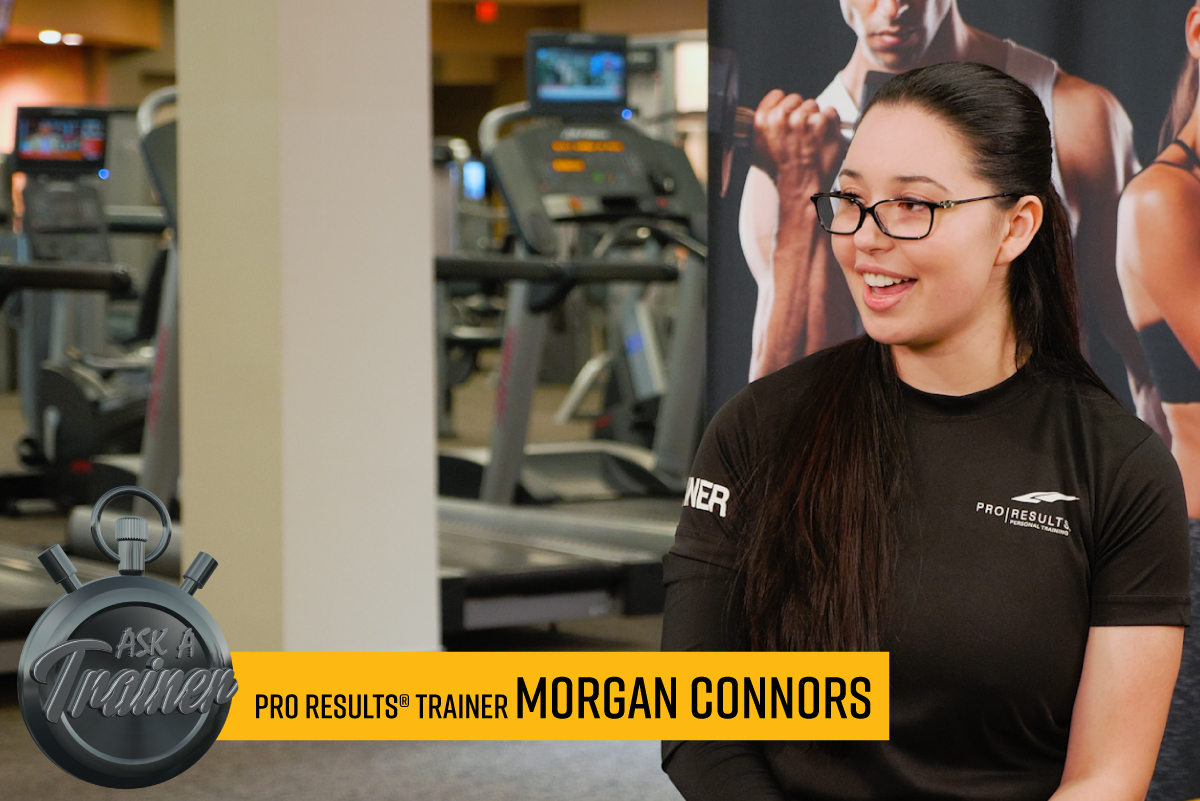
LA Fitness Pro Results® Master Trainer, Morgan C., gives her expert advice on how to properly maintain muscle mass.


Do you have a fitness question? Ask one of our certified Pro Results® trainers here! Your question may be featured in an upcoming Ask Our Trainer video.**

12 + 9 =

**Selected submissions will be featured on the LA Fitness blog and possibly other LA Fitness digital media entities & websites. By making a submission, you hereby grant LA Fitness a non-exclusive, perpetual, worldwide, irrevocable license to use and make copies of the contents of such submission for any purpose and in any medium whatsoever, and you hereby waive and relinquish any copyright or other intellectual property right you may have in the contents of such submission and your right to pursue any claim for LA Fitness’s violation of those intellectual property rights.


Recommended 'Ask A Trainer' Videos

The Top 10 Most Popular Exercises and How to Perform Them Properly

The Top 10 Most Popular Exercises and How to Perform Them Properly

Instead of thinking of this as your one-stop-shop gym guide, think of it as an intro to some of the top most popular exercises, and how to perform them properly. Once you have a handle on the basic exercises below, try out some of the advanced alternatives to step up your exercise game!

#1 Burpee

  • Muscles Targeted: Arms, chest, quads, glutes, hamstrings, and abs.
  • The How-to:
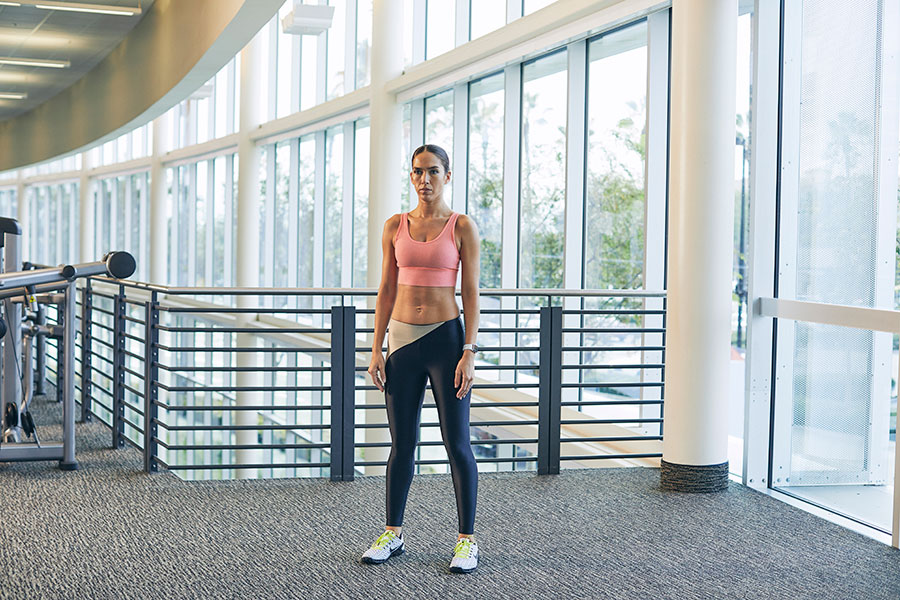
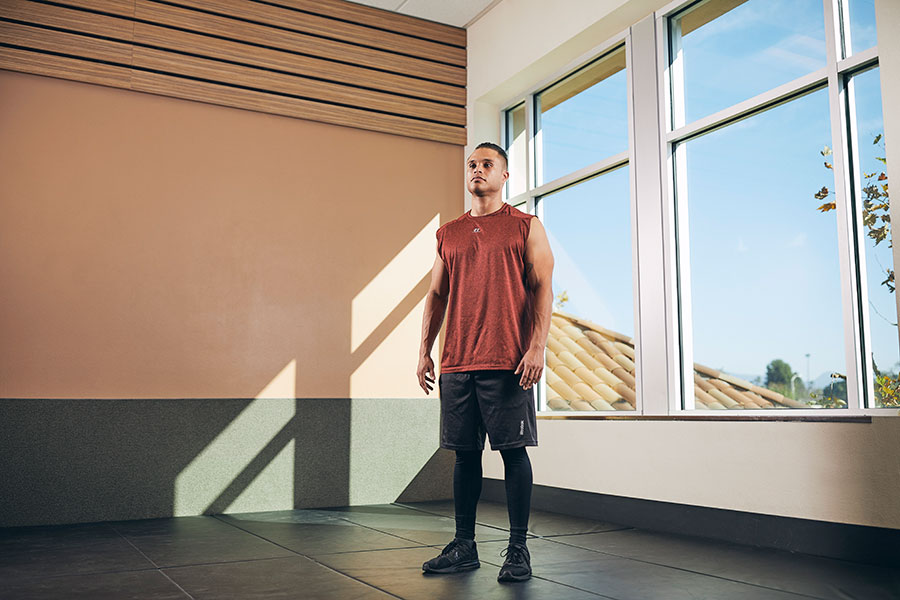
    • Begin in your basic neutral standing position.
    • Bring your palms to the floor while simultaneously squatting down.
    • Kick your legs back to a plank position.
    • Immediately bring feet back to squat position.
    • Push yourself upward into a jump and repeat.
  • Advanced Movement: Once you’ve mastered the basic burpee, you can increase the level of difficulty by trying a burpee with a pushup. Perform the same moves as a basic burpee but add a pushup before bringing your feet back into the starting squat position and jumping upward.

#2 Bodyweight Squat

  • Muscles Targeted: Quadriceps, glutes, adductors, calves, hamstrings, hip flexors, and abs.
  • The How-to:3
    • Begin with your feet slightly wider than your hips. Your feet should be slightly turned outward, only about 5 to 20 degrees.
    • Keep your head facing forward, don’t tilt it back or tilt it forward.
    • Push your hips backward and bend your knees. Keep your weight in the back of your heels. You can test this by wiggling your toes. If you can, you are balanced correctly.
    • Keep your spine in a neutral position and make sure your knees don’t go past your feet.
    • Once your hip joint is lower than your knees, push yourself back up to your original standing position. Squeeze your glutes at the top for some extra muscle building.
  • Advanced Movement: Once you’ve mastered the basic bodyweight squat, you can increase the level of difficulty by trying a weighted squat or barbell squat. Your form should remain the same, but now you’ll have the weight of a barbell resting on your shoulders. It might be best to start off on an assisted squat machine, if not, and you’re a beginner, try having a friend or fellow gym-goer spot you.

#3 Lunges

  • Muscles Targeted: Glutes, hamstrings, and quadriceps.
  • The How-to:
    • Begin in a neutral standing position. Bring one leg forward, about 2 to 3 feet, and bend both knees.
    • Your forward leg should not bend past your knee. Keep at a 90-degree angle.
    • Push off with forwarding leg to return to neutral standing position. Switch legs and repeat.
  • Advanced Movement: Once you’ve mastered the basic lunge, you can increase the level of difficulty by trying a weighted side lunge. Grab a set of dumbbells and lunge to the side of your body. This helps work the inner thighs too!

#4 Plank

  • Muscles Targeted: Abdominals and back muscles.
  • The How-to:
    • Lie on the floor or an exercise mat with your stomach facing down and elbows tucked under your shoulders. You should be resting on your forearms with your arms facing down.
    • Tighten your abdominal muscles. Push your heels out. Your feet should be balanced by your tiptoes.
    • Push yourself up onto your forearms, much like you would in a push-up position.
    • Keep your neck in neutral alignment with your spine.
    • Hold for as long as possible before lowering yourself back onto the floor.
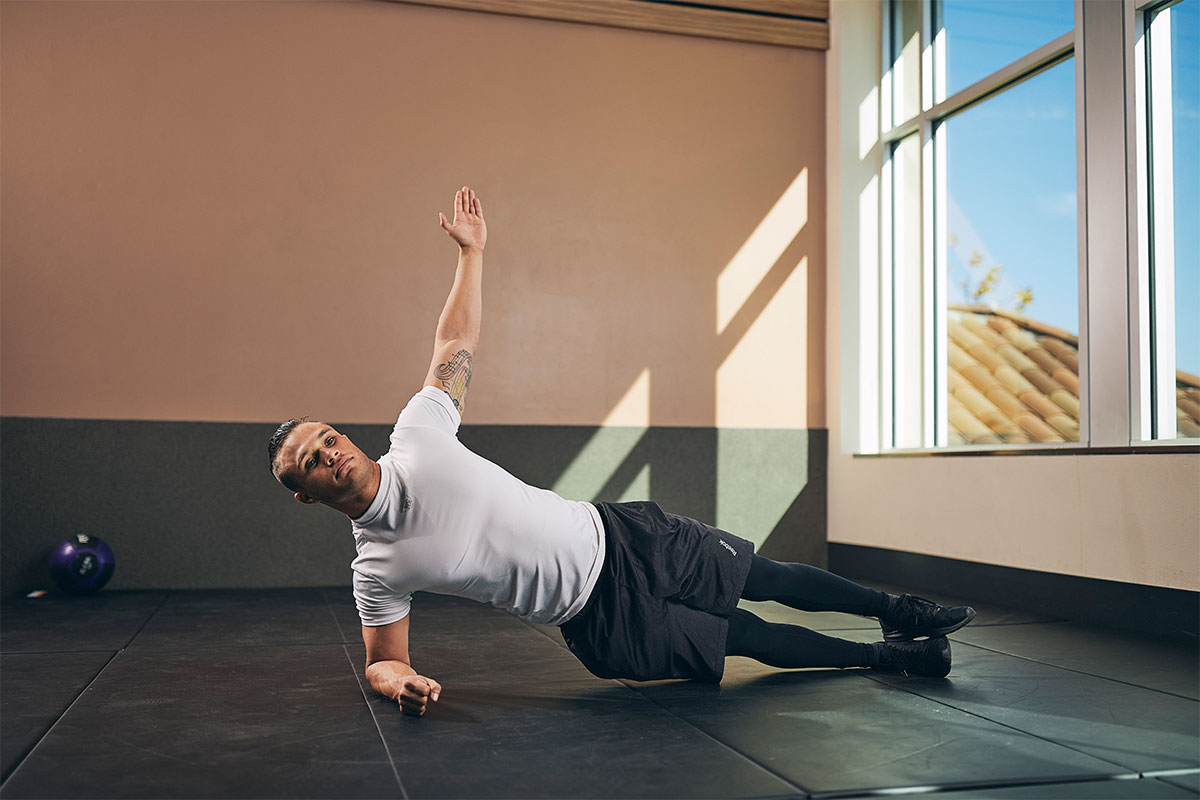
  • Advanced Movement: Once you’ve mastered the plank, you can increase the level of difficulty by trying a side plank. Instead of assuming a pushup position, lay on your side and push yourself up off the ground, balancing on your forearm and the side of your foot. Hold for as long as possible. Once finished, switch sides.

Shown: Advanced movement. Side plank. 

#5 Bench Press

  • Muscles Targeted: Chest, front shoulders, triceps brachii, and back.
  • The How-to:
    • Begin by lying on the bench with your eyes directly underneath the bar.
    • Grab the bar with a medium grip, include your thumbs around it.
    • Straighten your arms upward, un-racking the bar.
    • Bring the bar to your mid-chest and press back up to the beginning position with straight arms.
    • Safety tip: It’s always smart to have a spotter when performing a bench press. In case the weight gets too heavy, you have someone who can help safely return the bar to the rack.
  • Advanced Movement: Once you’ve mastered the basic bench press, increase the level of difficulty by increasing your weight. Always make sure you’re not pushing yourself past your fitness level, to prevent potential injury.

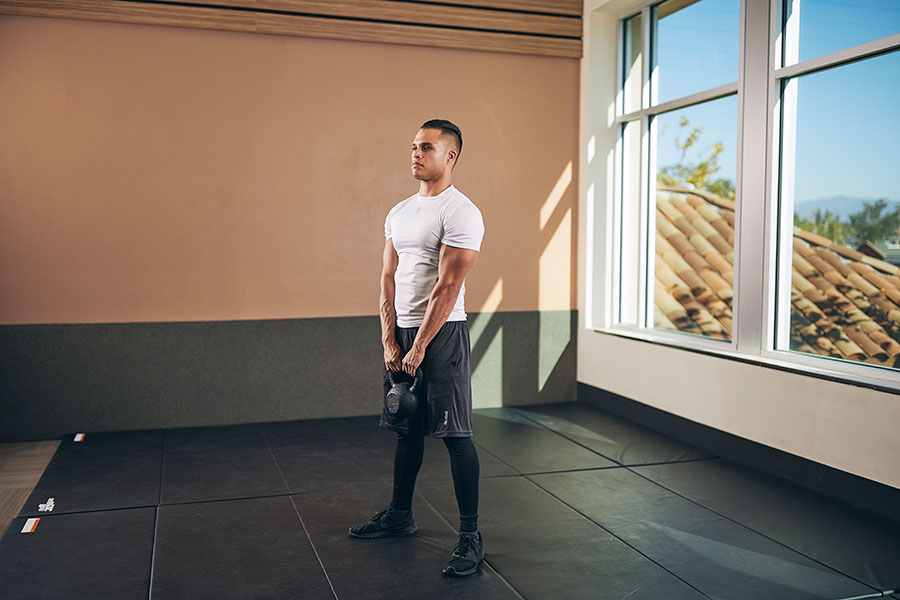
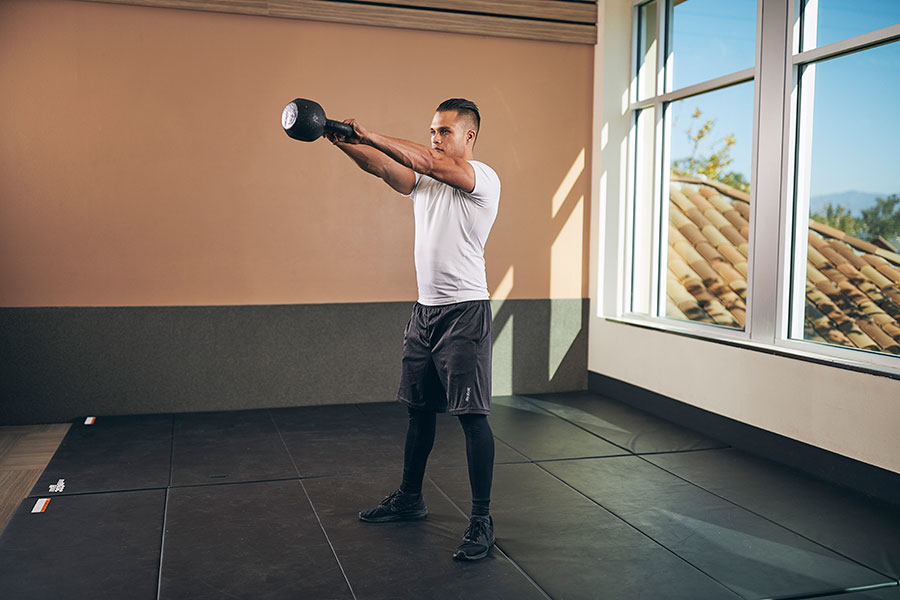
#6 Kettlebell Swing*

  • Muscles Targeted: Hips, glutes, hamstrings, lats, abs, shoulders, pecs, and grip.
  • The How-to:7
    • Stand tall with feet shoulder-width apart holding the kettlebell in a firm grip.
    • Squat down while simultaneously swinging the kettlebell through your legs.
    • Stand up and swing the kettlebell forward, making sure you keep your grip firm.
    • The kettlebell should not come higher than the face/chin level for a basic kettlebell swing.
  • Advanced Movement: This exercise is pretty great as is. Trying variations of this move could potentially do damage to your shoulders, so for safety reasons, we recommend sticking to the basics on this one.
  • Disclaimer: *Not all LAF clubs have kettlebells.

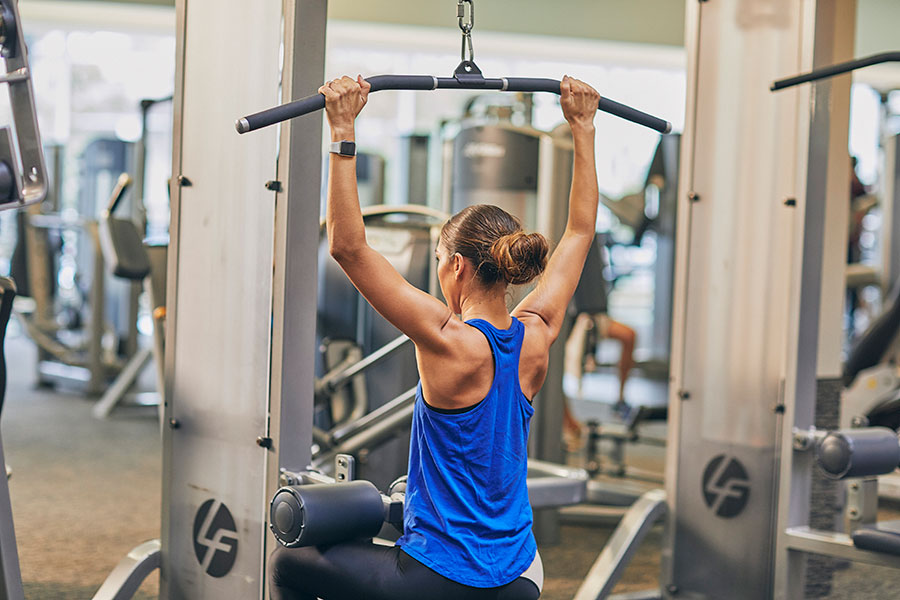
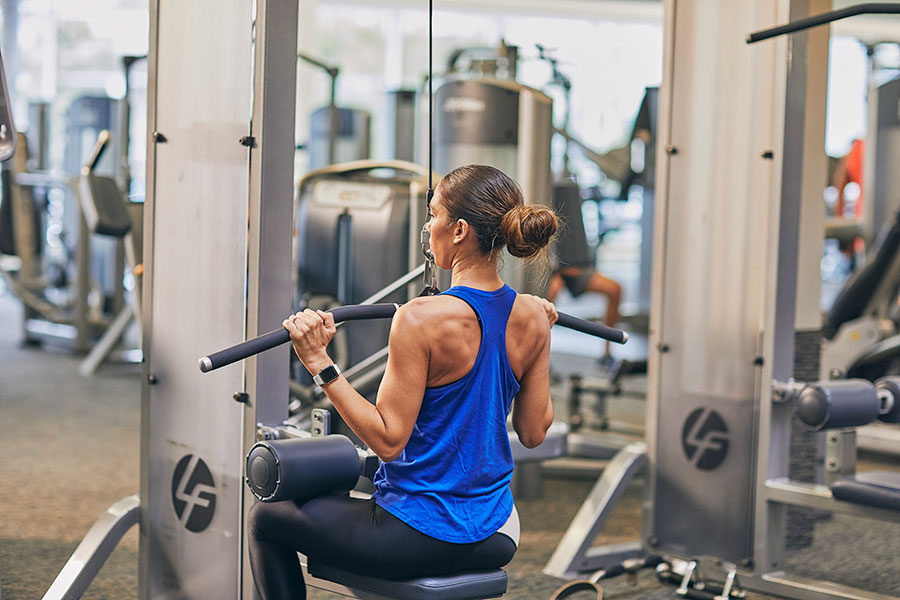
#7 Lat Pulldown

  • Muscles Targeted: Latissimus dorsi (back), biceps and forearm.
  • The How-to:
    • Stand tall and grab the bar while simultaneously sitting down on the bench. Your arms should be in a “V”-shape.
    • Keep elbows pointed down. Pull the bar down towards your chest, squeezing your lats (back muscles).
    • Lower the bar to your chin or slightly below.
  • Advanced Movement: Once you’ve mastered the basic lat pulldown, increase the level of difficulty by increasing your weight. Always make sure you’re not pushing yourself past your fitness level, to prevent potential injury.

#8 Russian Twist

  • Muscles Targeted: Abdominals/obliques.
  • The How-to:
    • Sit on the floor and place your feet under something weighted or use a workout partner to help hold your feet in place.
    • Bend your body back slightly and twist/rotate from side to side.
  • Advanced Movement: Once you’ve mastered the basic Russian twist, you can increase the level of difficulty by balancing your feet off the ground or holding weights when you twist.

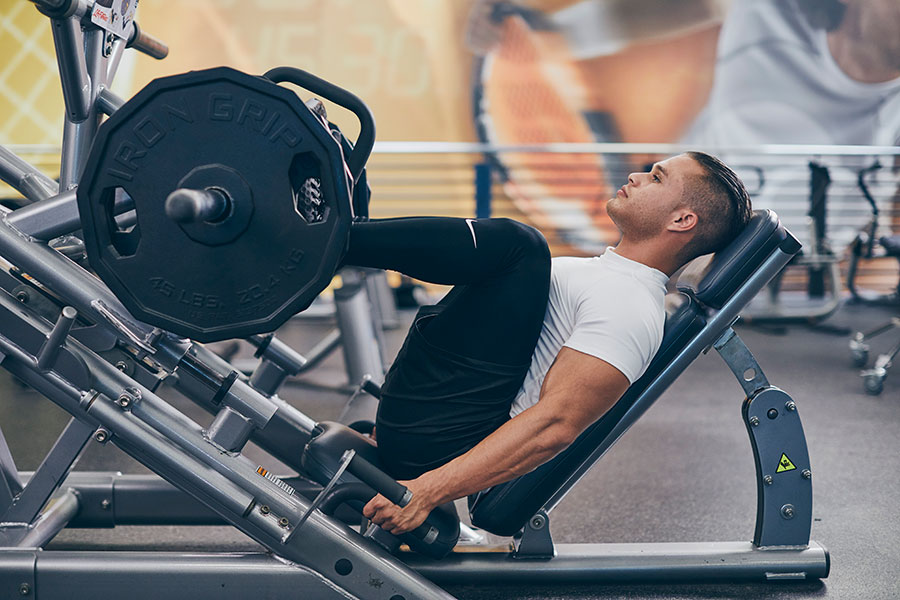
#9 Leg Press

  • Muscles Targeted: Quadriceps, calves, glutes, hamstrings and hip adductors.
  • The How-to:
    • Sit on machine with head and back on padded bench.
    • Please your heels flat against the footplate. Your feet should be about hip-width apart. Make sure your knees aren’t inward or outward. They should align with your feet.
    • Carefully release the assist handle, making sure you have the appropriate weight on the machine beforehand and bend your knees towards your body.
    • Push away, back to starting position. Repeat.

#10 Curl

  • Muscles Targeted: Biceps.
  • The How-to:
    • Stand tall with a dumbbell in each hand.
    • Keep elbows close to your body with your palms facing outward.
    • Curl weights upwards towards your shoulders while contracting your biceps.
    • Lower back to starting position. Repeat.
  • Advanced Movement: Once you’ve mastered the basic bicep curl, increase weight for a more enhanced burn.

Sources:

  1. Dima, et al. “Five Reasons Why Burpees Should Be Your Favorite Exercise.” 12 Minute Athlete, 27 Nov. 2012, 12minuteathlete.com/burpees-are-awesome/.
  2. Rail, Kevin. “Muscles Targeted While Performing Squats.” COM, Leaf Group, www.livestrong.com/article/328228-target-muscle-area-for-squats/.
  3. Ardison, Staci. “How to Squat Properly – A Step-By-Step Guide.” Nerd Fitness, 7 Dec. 2018, nerdfitness.com/blog/strength-training-101-how-to-squat-properly/.
  4. Farley, Ashley. “What Muscles Do Lunges Target?” COM, Leaf Group, www.livestrong.com/article/439335-what-muscles-do-lunges-work-out/.
  5. Lowis, Steven. “Muscles Contraction During Plank Exercise.” COM, Leaf Group, www.livestrong.com/article/520533-muscles-contraction-during-plank-exercise/.
  6. Reifkind, Tracy. “Swing For The Fences: Kettlebell Training-Burn Fat And Build Muscles!” com, Bodybuilding.com, 27 July 2018, www.bodybuilding.com/content/swing-for-the-fences-kettlebell-training-burn-fat-and-build-muscle.html.
  7. Vennare, Jen. “How to Do the Perfect Kettlebell Swing.” Greatist, Greatist, 10 July 2017, greatist.com/move/how-to-do-the-perfect-kettlebell-swing.
  8. Cespedes, Andrea. “What Muscle Does the Lateral Pulldown Work?” com, 21 Nov. 2017, livehealthy.chron.com/muscle-lateral-pulldown-work-8582.html.

Recommended Reading