How to Gain Healthy Weight – Podcast Ep. 25

How to Gain Healthy Weight – Podcast Ep. 25


Welcome to the 25th episode of the Living Healthy Podcast, presented by LA Fitness.

On this episode of the Living Healthy Podcast, we speak with LAF Personal Training Director, Tristen Alleman, and LAF Registered Dietitian, Debbie James, as they share their expert advice on how to gain weight the healthy way. This episode is for anyone that’s ever been curious about how they can add lean muscle, and increase body mass, without adding the unhealthy type of body weight. We approach this from both the fitness side of things and nutritional side, to help those struggling with weight gain, find a healthy and balanced way to do so with their training and nutritional routines.

How Are We Doing? 


This podcast should not replace any exercise program or restrictions, any dietary supplements or restrictions, or any other medical recommendations from your primary care physician. Before starting any exercise program or diet, make sure it is approved by your doctor.


Timecard Markers – How to Gain Healthy Weight – Podcast Ep. 25

Introduction 

Begins at 0:01    

Introduction of LAF Personal Training Director, Tristen Alleman, and LAF Registered Dietitian, Debbie James 

0:22 

What Would Someone Want to Add on Weight or Muscle? 

0:32 

Do You Have to Increase Your Caloric Intake to Gain Weight? 

2:36 

How Does Strength Training Help Build Muscles? 

4:50 

What Foods Are Good to Eat on Cardio-Focused Work Out Days? 

4:16  

How Many Days Per Week Should You Strength Train? 

7:02 

Austin, Our Skinny Colleague, Joins the Show (and Talks Food and Lack of Weight Gain) 

8:43 

Can Everyone Benefit from Adding Muscle onto Their Body? Or Only Bodybuilders? 

14:42 

Are Supplements Good or Bad When It Comes to Bulking? 

16:36 

How Much Protein is Too Much Protein? 

19:00 

Can You Gain Weight and Bulk as a Vegetarian or Vegan?  

20:01 

Are Full-Fat Products Always the Best Option for Weight Gain and Bulking? 

20:40 

Why Are Women Afraid of Gaining Muscle? 

22:23 

Actionable Advice   

24:38 

Outro 

26:06 


Recommended Podcast Episodes 

Fitness and Travel: How to Stay Healthy While Vacationing

Fitness and Travel: How to Stay Healthy While Vacationing

Your bags are stuffed to the brim with all of your favorite travel essentials: extra sunscreen, that summer outfit you’ve been saving since last year, and beachwear you’ve spent all winter getting summer-body ready for. It’s safe to say that you’re mentally checked out from pressing work responsibilities and ready to soak up the sun on warm sandy beaches, drinking a surplus of tropical refreshments and putting away your micro scale for your summer adventure!

As a freelance writer and model, my work demands that I be on call and be very mobile. At any given moment I can be asked to pick up and go, and that can range from just about any location, with no guarantee that I will have access to a nearby LA Fitness.

The great news is that you don’t have to let your commuting or upcoming travel plans get in the way of your fitness goals and progress! You might actually see added benefits to working out while traveling because you are subconsciously telling your mind that fitness is everywhere I am, not solely in the confines of the gym! Remember, it’s all about integrating fitness as a lifestyle not solely a destination for producing results.

Granted, in comparison to a weekly regiment, these workouts are a bit more “relaxed” in intensity, but hopefully, with these easy tips, you too can maintain the progress you’ve worked so hard to reach pre-vacation season!

Tips for increasing fitness during travel:

1. Skip the Uber.

If conditions are safe and you have time to spare, save the cab fare and take a nice stroll in the area. Not only will you acquire major steps towards your daily step-goals, but you will simultaneously be able to take in and explore the city or perhaps coastal regions of your vacation time.

I have been able to experience far more on foot when traveling than relying on the convenience of public transportation. So, at any opportunity, plan ahead, wear your comfy shoes, and get those steps in!

2. Indoor Workouts

Whether you are stuck inside your hotel room/Airbnb due to poor weather conditions or you aren’t familiar with the area, working from your “home-away-from-home” might be your only resort for added physical activity.

No worries here, a 15-30-minute full body HIIT blast can do just the trick!

Mini HIIT Blast Circuit:
(Repeat 2-5 times depending on your fitness level)

  • 25 squats
  • 20 reverse lunges
  • 15 triceps dips
  • 10 burpees
  • 5 pushups
  • *1-minute plank
  • 5 pushups
  • 10 burpees
  • 15 side lunges
  • 20 mountain climbers
  • 25 squats
  • *1-minute plank*Use resistance bands to give your body an extra challenge.

3. Working out under the radar.        

We get it, you’re on vacation. This is the time when you can completely sign-off from those at home responsibilities and break away from the mundane routine of every-day-life. The last thing you want to do is give yourself the chore of having to carve out time for a workout when truth be told, you would much rather sink your toes in the exfoliating warm sandy beaches.

Remind yourself that fitness can be experienced in many diverse and creative ways. You can swim, go horseback riding, hike, surf, go dancing, or boogie board and burn some calories while having fun. When we make fitness a part of the experience, it becomes more welcoming and less demanding to our physique!

4. Pack with intention.

What’s in my fitness travel bag:
Travel fitness essentials
•Tennis shoes
•Jump rope
•Resistance bands (1-3)
•Disks

Whether at home or island hopping, one thing you can always control is what you’re putting in your body as much as what you’re doing with your body on vacation. Enjoy what may seem like never-ending cheat meals and not counting calories or sticking to your macros. You’re on vacation—embrace it! While you’re enjoying the fruits of your labor, upping the hydration is the golden rule of all golden rules!

Consider that your body is probably working overtime in a week of relaxing and fun, so when you can— hydrate, hydrate, hydrate! If you have access to fresh citruses like lemon, limes, grapefruit or oranges, increased electrolytes and vitamin C will help replenish cells, relax muscles and keep that summer glow working from the inside out!

Wherever your travels take you, if you can’t find an LA Fitness nearby or much room in your suitcase for all your gym gear, know that your goals don’t have to start or stop solely on the convenience of your gym accessibility. Living well and doing well is based on intention and wherever you decide to take it!

To find an LA Fitness near you, click here.


Recommended Reading

Do You Have High Blood Pressure? Find Out with This New Online Interactive Tool

Do You Have High Blood Pressure? Find Out with This New Online Interactive Tool

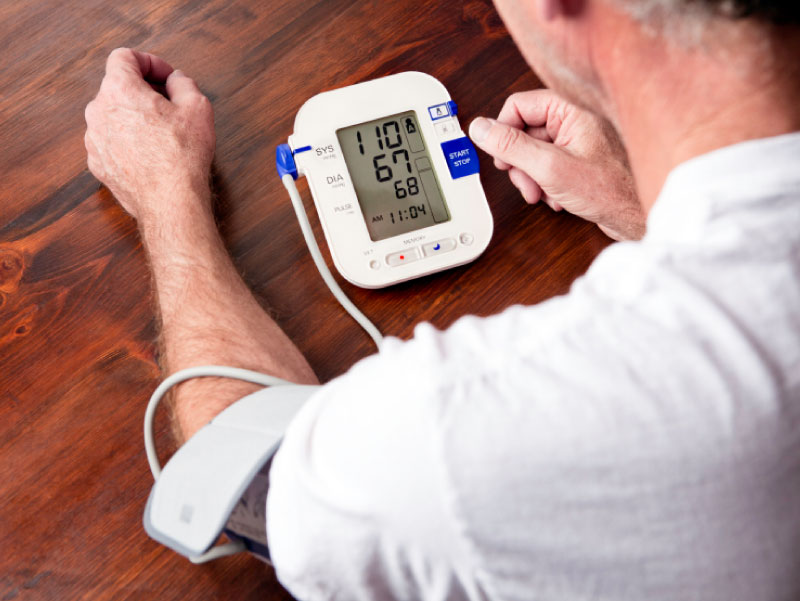
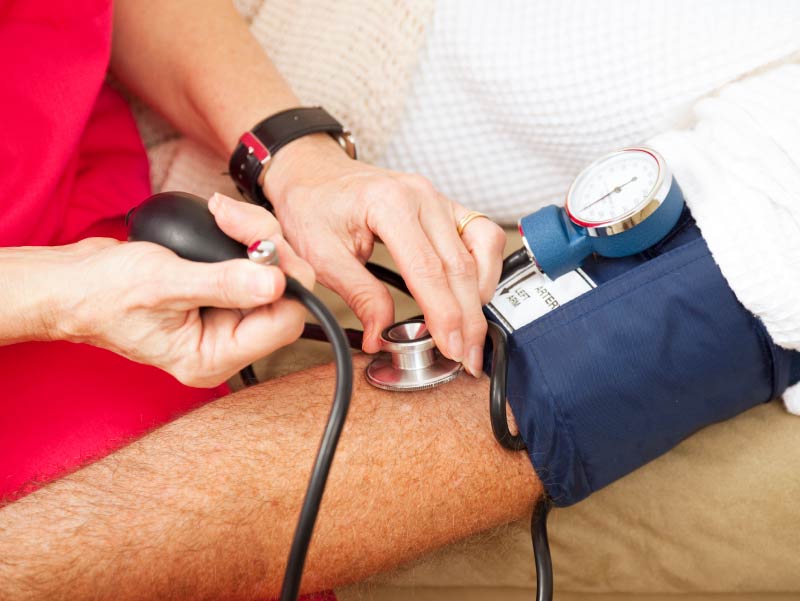
Nearly half of the adults in the U.S. have high blood pressure. This means that you or someone close to you has a blood pressure reading at 130/80 or higher.

It wasn’t always this way – just a couple of years ago 1 in 3 Americans had high blood pressure instead of nearly 1 in 2.

So why the change? Does this mean we’re getting less healthy?

It’s quite the opposite. Based on years of scientific study, the change means we’re actually more aware of the effects of elevated blood pressure.

Two years ago, the definition of high blood pressure changed from 140/90 to 130/80 (technically 130+ or 80+, but we’re keeping it simple here). The result is that more people became classified as having high blood pressure. It doesn’t mean that thousands of people became ill overnight, though. It means we want people to know that high blood pressure is serious, and that it can begin damaging your blood vessels and organs at lower levels than previously thought, particularly if you don’t act to keep your numbers from rising.

It’s worth noting that blood pressure tends to rise naturally as we age, so it typically hasn’t been on the health radar for people under age 45. However, with the new definition, an important health alert was sent to people in their 20s and 30s to pay attention to their blood pressure levels. Among men aged 20 -44, the rate of high blood pressure nearly tripled. Among women in that age range, it doubled.

The American Heart Association has created an interactive tool that can help you not only identify your health risk according to your blood pressure level, but also provide notes on what actions you can take to ensure it stays at, or gets to, a healthy level. You can check it out at www.heart.org/BPlevels.

Making changes that matter can have a significant impact on your blood pressure levels. In fact, most of those who suddenly find themselves with high blood pressure under the new definition will be given a “prescription” for lifestyle changes – not medicine – that can lower their pressure.  Even for those who do require medication to control their levels, lifestyle changes help those meds work better and can even help you stay on lower doses. Some examples of a lifestyle change prescription include:

Physical activity:

  • 90 – 150 minutes per week of aerobic activity can drop your top blood pressure number (called systolic pressure) by 5-8 mmHg.
  • 90 – 150 minutes per week of dynamic resistance exercise can drop your systolic blood pressure 4 mmHg

 A healthy diet:

  • Eating a diet rich in fruits and vegetables, whole grains, and low-fat dairy, such as the DASH eating plan can drop your systolic pressure up to 11 mmHg.

 Sodium (i.e. salt):

  • Reducing your salt intake by about 1000 mg per day has a similar effect on systolic pressure as increasing aerobic activity – dropping it about 5 mmHg.

 Weight loss:

  • For about every 2 pounds lost, your systolic pressure could drop 1 mmHg.

The benefits of lifestyle change can add up quickly. Many of the same lifestyle prescriptions that lower blood pressure also reduce the risk of other dangerous conditions such as diabetes, high cholesterol, and heart disease. Eating a healthy diet, maintaining a healthy weight, and getting regular physical activity can help you lead a healthier and longer life!

Article contributed by Sondra DePalma, DHSc, PA-C, Cardiology, PinnacleHealth Cardiovascular Institute, Harrisburg, PA

American Heart Association Volunteer

Disclaimer: Some slight edits may have been made to the article’s original copy for grammatical reasons and/or clarity. 


Recommended Reading

Mental Health Month – Podcast Ep. 23

Mental Health Month – Podcast Ep. 23


Welcome to the 23rd episode of the Living Healthy Podcast, presented by LA Fitness.

May marks the start of Mental Health Month, and so on today’s episode, we bring back Dr. Neel Doshi, to help us understand exactly what mental illness is, the effects of mental illness on the body, and how social media and technology play into these conditions.  

We also discuss ways to reach out for treatment and the future of mental health in general. Dr. Doshi is double board certified in Adult Psychiatry and Child & Adolescent Psychiatry, with Kaiser Permanente of Orange County. He joined us about 6 months ago to discuss this topic, and we had yet another great conversation with him!   

For more information on ways you can get involved for Mental Health Month, please visit http://lafitnesscares.com/

How Are We Doing? 


This podcast should not replace any exercise program or restrictions, any dietary supplements or restrictions, or any other medical recommendations from your primary care physician. Before starting any exercise program or diet, make sure it is approved by your doctor.


Timecard Markers – Mental Health Month – Podcast Ep. 23

Introduction    

Begins at 0:01    

Dr. Neel Doshi, double board certified in Adult Psychiatry and Child & Adolescent Psychiatry, with Kaiser Permanente of Orange County, joins the show    

Begins at 0:39 

What is Mental Health? 

0:48 

Why is Mental Health Becoming So Mainstream?  

2:48 

How Can We Bridge the Empathy Gap? 

4:20 

What Are the Best Ways to Engage with Someone Struggling with a Mental Illness?  

5:27 

How Do Mood and Emotions Correlate with Mental Health?  

7:42 

How Much Does Your Environment Affect Your Mood?  

9:09 

Humor’s Impact on Mental Health 

10:32 

Natural Defense Mechanisms: How They Play a Part in Our Emotions  

12:28 

Social Media and Technology: How It Affects Mental Health  

13:06 

Mental Health Apps  

14:25 

Which is a Bigger Threat to Positive Mental Health: Social Media or Living a Sedentary Life? 

17:35 

Are There Certain Types of Exercise That Are Best for Improving Mental Health?  

20:26 

How Long Should You Exercise to Reap the Benefits?  

21:52 

Does Everyone with Mood Issues Need to Be in Therapy?  

24:03 

The Future of Mental Health 

25:10 

Actionable Advice 

26:36 

Outro 

28:17 


Recommended Podcast Episodes 

What is Considered Being “Mentally Healthy”?

What is Considered Being “Mentally Healthy”?

What is mental health?

Mental health includes our emotional, psychological, and social health and well-being. It is important at every age. According to the WHO (World Health Organization), mental health is “… a state of well-being in which the individual realizes his or her own abilities can cope with the normal stresses of life can work productively and fruitfully, and is able to make a contribution to his or her community.” It is important to note that the WHO stresses that mental health “is not just the absence of a mental disorder.”

Why is it important?

Mental Health is important because it affects us every day, in almost everything we do. It impacts how we function, interact with others, and how we feel about ourselves and our lives.  Furthermore, it can have a profound impact on our bodies and physical health as well.

What can be done to improve mental health?

For children and adults, learning how to identify and understand our emotions is a vital component in improving mental health. Emotions are not bad – however, we need to better teach people to identify and understand their emotions and most importantly, what to do with them.  We also must teach and develop personal coping skills so that one can process and use their emotions in a healthy and productive manner.

There are several key things we can all do to improve and maintain our mental health which includes keeping a regular schedule, especially ensuring adequate sleep. Getting regular exercise (even low intensity like walking counts) every day. Try to reduce the amount of time you sit for, as they say, “sitting is the new smoking”! Try and eat a healthy well-balanced diet with lots of fruits and vegetables. Connecting with others and helping others can also improve our mental health. Lastly, don’t be afraid to get professional help if you need it!

How someone can get help if they need it?

It doesn’t always feel like it, but there is help everywhere.  A few national resources that are available to anyone are the National Suicide Hotline (1-800-273-8255), Textline (741741), and online chat. The National Alliance of Mental Illness (NAMI.org) is a great resource not just for those who are struggling with their mental health, but also for their families.  For the LGBTQ+ population, Trevor Project has a hotline (1-866-488-7386), Textline (678678), online chat and multiple other online resources too.

Individuals should also contact their healthcare provider to learn more about the resources that they offer.  At Kaiser Permanente, our mental health resources include a wide range of services for all ages from medication management, individual therapy, group therapy, wellness phone coaching and in-person classes through our Center for Healthy Living as well as numerous online services. 

There are also people around you that are there to help, whether it’s a teacher, a coach, a religious leader or spiritual counselor, a supervisor at work or an Employee Assistance Program.

Kaiser Permanente also has a great website called FindYourWords.org which provides resources and help for those wanting to help someone else or those looking for help themselves. 

Mental Health Tip!

One of my favorite exercises to recommend to patients is gratitude. Thinking of three things you are grateful for every night before you go to bed has been shown to significantly improve your mood. It doesn’t have to be anything outrageous, you can be grateful for having a bed to sleep in, or for your bad day being over, or for the amazing thing that happened to you that day. But, remember just three! No more, no less, even if every night it’s the same three and kids can do it too. Try it for a week, see how you feel!

Ashley Zucker

MD, Chief of Psychiatry , Kaiser Permanente, San Bernardino

Responses contributed by Ashley Zucker, MD, Chief of Psychiatry at Kaiser Permanente in San Bernardino.


Recommended Reading