Bulking During High-Intensity Bike Training
Your goal is to build muscle and preventing any catabolism will contribute to your net positive. Fuel up beforehand with a small snack.



How do I build bulk while maintaining high-intensity biking exercise? Can this goal of mine be assisted with better nutrition/eating habits on my part?
– Bowie B.

Building bulk will largely come from resistance training to promote muscle adaptation (growth) to meet a higher workload. Interval sessions are great to boost power and promote weight loss. The two are not mutually exclusive. Speak with a Pro Results® trainer for how to incorporate strength training around your cycling.
Better nutrition can only help! Support your exercise of either type with adequate pre-workout snacks and recovery nutrition. Your goal is to build muscle and preventing any catabolism will contribute to your net positive. Fuel up beforehand with a small snack (e.g. a piece of fruit or handful of crackers) if your meal was recent, and larger snack (e.g. yogurt/granola plus berries, or ½ sandwich) if it’s been a couple of hours since your last meal. Replace depleted energy stores within 30 minutes following an hour-long workout by consuming about 30-50 grams of carbohydrates. Add protein (about 10-20 grams) to prevent breakdown and enhance muscle repair.
Practice good eating habits the rest of your day to keep your metabolism ready for your next cycling or bulk-building workout.
– Debbie J., MS, RD
This article should not replace any exercise program or restrictions, any dietary supplements or restrictions, or any other medical recommendations from your primary care physician. Before starting any exercise program or diet, make sure it is approved by your doctor.
Some questions have been edited for length and/or clarity.
 Have a nutrition question? Our registered dietitian is ready to help!
Email nutrition@lafitness.com or submit your question below and it may be featured in an upcoming article!
Your goal is to build muscle and preventing any catabolism will contribute to your net positive. Fuel up beforehand with a small snack.
Is sagging skin bumming you out? We discuss some underlying causes, what you can do to help prevent this, & some helpful tips to help reverse the damage.
Whether you're a muscle bound fitness fanatic or someone who simply wants to live an active and healthy lifestyle, building muscle can help you! Taking the time focus on building muscle during your gym routine is something everyone can benefit from. This is...
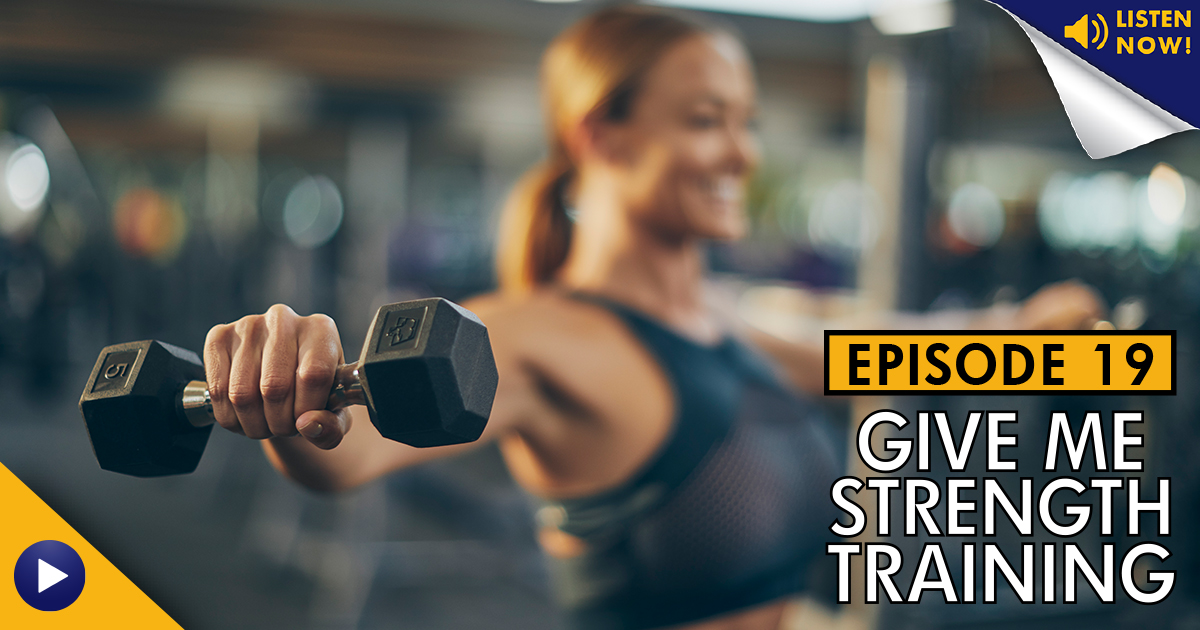
Welcome to the 19th episode of the Living Healthy Podcast, presented by LA Fitness.
On this episode of Living Healthy, we speak with LA Fitness, Personal Training Director, Mark Joseph de Guzman, who educates us on the importance of strength training.
How Are We Doing?
This podcast should not replace any exercise program or restrictions, any dietary supplements or restrictions, or any other medical recommendations from your primary care physician. Before starting any exercise program or diet, make sure it is approved by your doctor.
Intro
Begins at 0:01
Personal Training Director, Mark Joseph de Guzman joins the show
Begins at 0:33
Let’s Define Strength Training – Do Bodyweight Exercises Count?
0:52
How Does Strength Training Build the Muscle?
1:41
Can Strength Training Improve Metabolism?
2:45
What Type of Protein is Best for Building Muscle?
4:41
How Much Protein Should Be Consumed Per Day?
5:26
FACT or FICTION: Will Girls Get Bulky from Strength Training?
6:58
What Should Bodybuilders Do to Bulk?
8:01
What is the Average PT Client Looking to Accomplish?
9:46
Different Types of Strength Training: Does One Work Better Than Another?
10:31
What Is Muscle Confusion?
11:10
Rest Days and Strength Training
13:22
What is the Best Thing to Do for Your Muscles After Strength Training?
15:24
How Does Strength Training Affect the Blood?
17:05
How Important is it to Train the Entire Body?
18:07
Why Do Bodybuilders Oil Themselves Up So Much?
19:25
Actionable Advice
20:50
Outro
22:00
On this episode of the LHP, we speak with LAF, Personal Training Director, Mark Joseph de Guzman, who educates us on the importance of strength training.
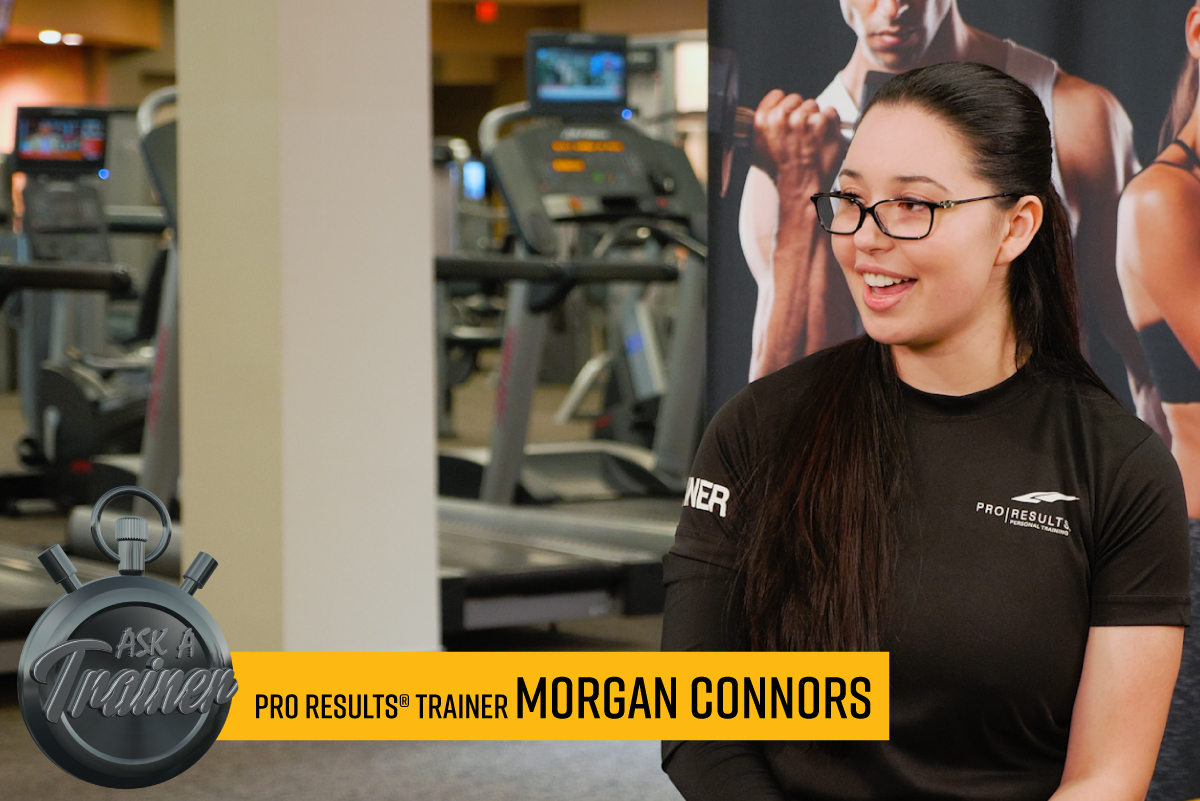
LA Fitness Pro Results® Master Trainer, Morgan C., gives her expert advice on how to properly maintain muscle mass.

Do you have a fitness question? Ask one of our certified Pro Results® trainers here! Your question may be featured in an upcoming Ask Our Trainer video.**
**Selected submissions will be featured on the LA Fitness blog and possibly other LA Fitness digital media entities & websites. By making a submission, you hereby grant LA Fitness a non-exclusive, perpetual, worldwide, irrevocable license to use and make copies of the contents of such submission for any purpose and in any medium whatsoever, and you hereby waive and relinquish any copyright or other intellectual property right you may have in the contents of such submission and your right to pursue any claim for LA Fitness’s violation of those intellectual property rights.
On this episode of ‘Ask A Trainer’ we speak with LA Fitness Pro Results® trainer Morgan C., and get her expert advice on how to properly maintain muscle mass.
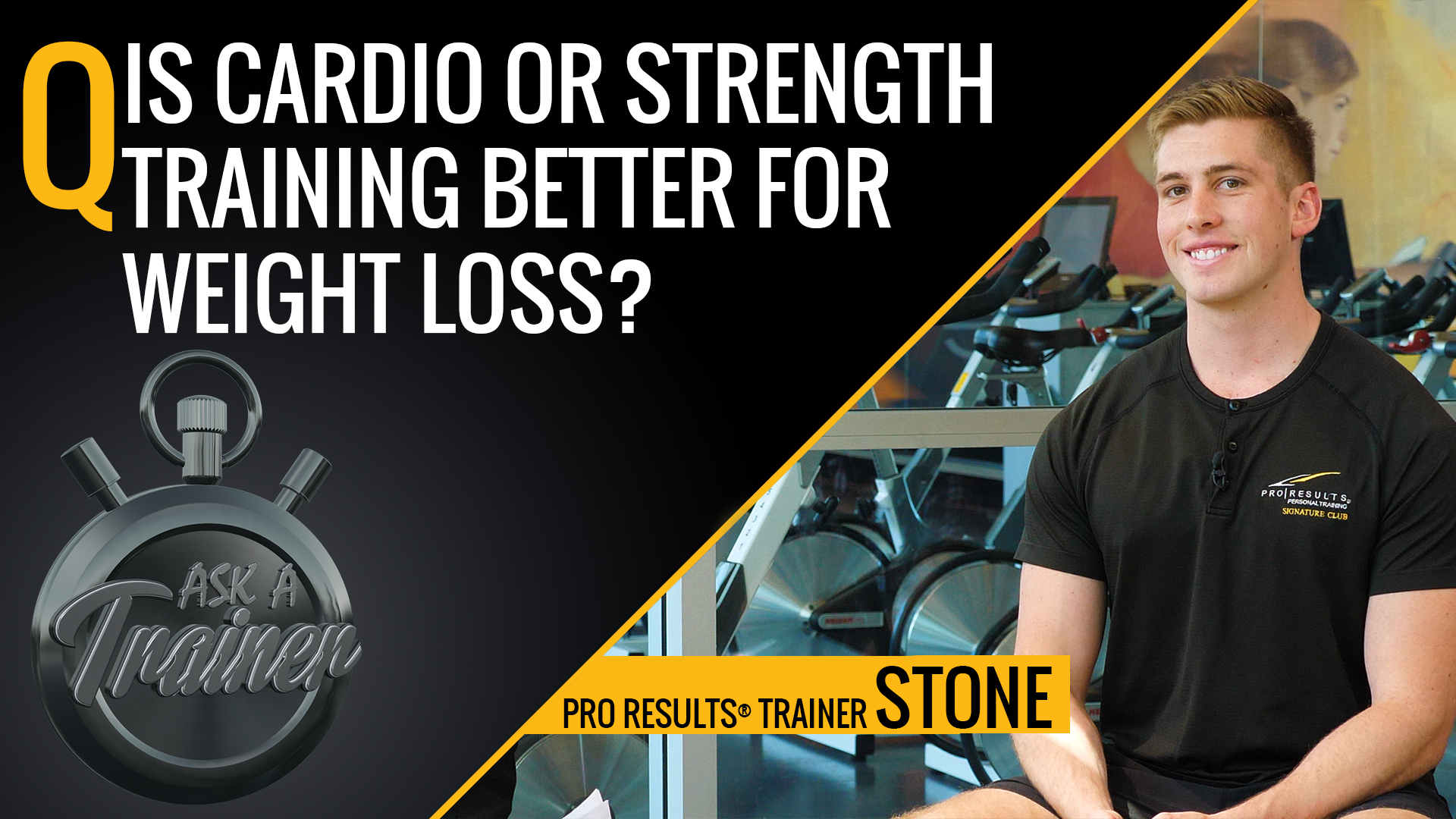
On this episode of ‘Ask A Trainer’ we speak with LA Fitness Pro Results® trainer Stone T. and get his expert advice on whether or not cardio or strength training is best for weight loss.
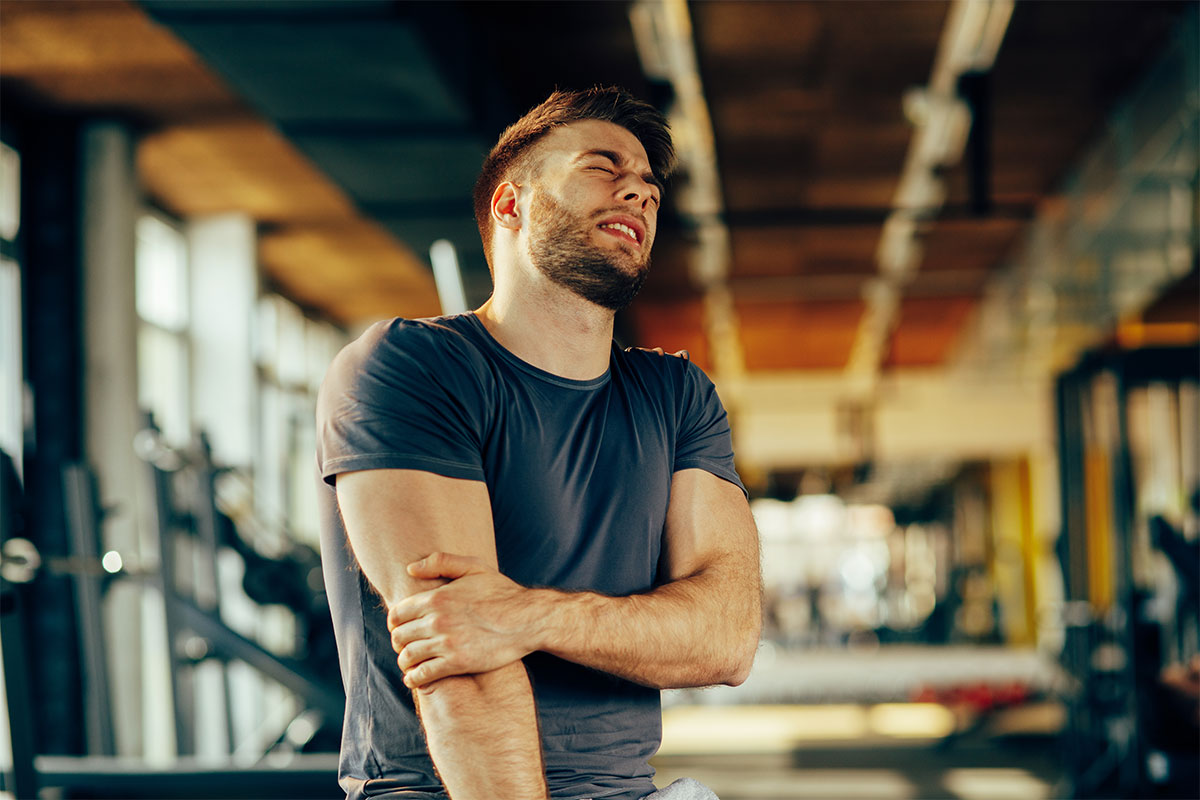

While no one likes to be in pain, the slight aches are a good indication that your body is benefiting from the new workout routine. When your body adjusts to the exercise, you’ll experience less pain, but this may be a sign it’s time to switch to a new exercise routine in order to keep your muscles guessing and not getting used to doing the same movements. A shock to the system will help increase muscle awareness and help contribute to continued muscle growth.
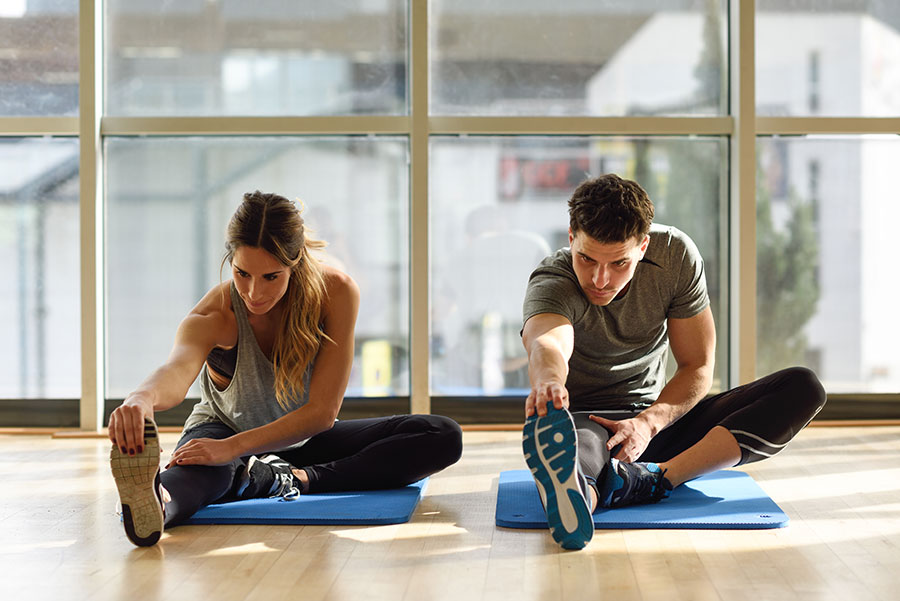
Minor discomfort is considered normal, but if your aches and pains are preventing you from doing everyday tasks, this could be an indicator that you’ve strained a muscle too far. In that case, focus on another muscle group in order to give your sore muscles enough time to heal. A good way to help prevent muscle soreness (or at least minimize it) is to properly stretch after each workout session. Some articles on the benefits of stretching can be found here and here.
Additional ways to help the body recover from DOMS is ice, rest, pain medication, massage, heat, and of course, stretching.1 Some people may even benefit from a post-workout cooldown, which would be about 10 minutes of light cardio, followed by stretching. This works because “when muscle temperature is increased, blood flow increases, bringing fresh oxygen and healing nutrients to the injured site.”2 It’s also important that you switch up the muscle groups you’re targeting at the gym, in order to build overall muscle and avoid over trained muscles. This is where injury can occur.
What if you don’t experience soreness after a workout? Well, that doesn’t necessarily mean that you’re not working out hard enough. Different body types handle pain and exercise differently. It could just mean that you’re one of the lucky ones not experiencing as much inflammation as others might. Another way to help decrease DOMS is staying properly hydrated.3 Drinking enough water helps prevent dehydration and assists with circulation.
Sources:
Some exercises make more efficient use of your workout time. Click to learn how you can burn more calories in less time with compound exercises.

Debbie James, RDN, helps answer a reader’s question about safe supplements for diabetics that still support weight training.
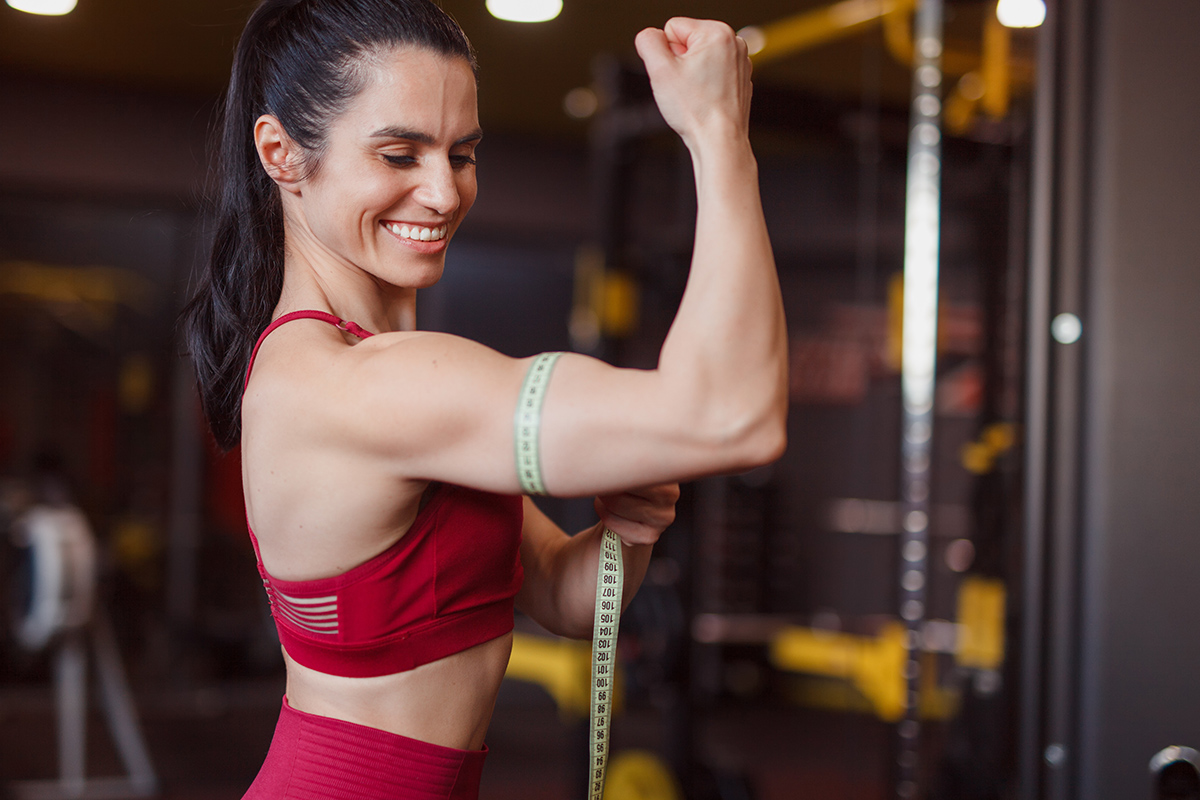
Learn the basic differences between fat mass and fat-free mass and why each is an important part of your body composition.

If you had asked me a year ago if I knew what a Body Works Plus Abs class was, I would have told you it sounds like something to avoid at all costs. Now, I’m a moderate gym user who goes a few times a week. But I’ve had a lot of non-starters when it came to regular exercise; canceled gym memberships, workout clothes gathering dust in my dresser, yoga mat stashed in the back of the closet. I had to literally drag myself to the gym and I would go alone, put my headphones in, and chug dully along on the elliptical.
It was a sad sight.
Then, I discovered group workout classes, and I finally found a fun and challenging exercise experience that I actually felt motivated to do. Whether it’s Yoga, Zumba®, or Pilates, Group Fitness classes are mini-communities that are forces of positivity and personal growth.
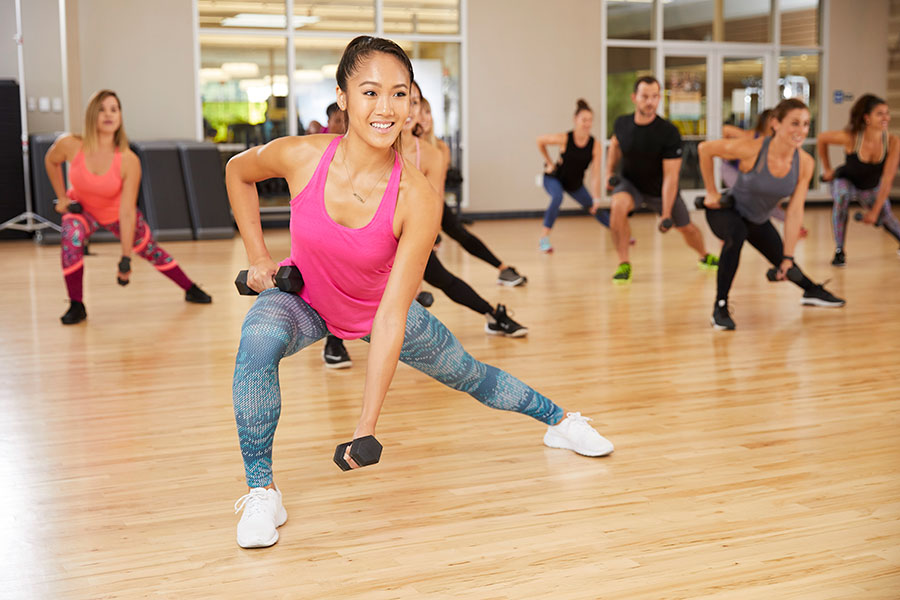
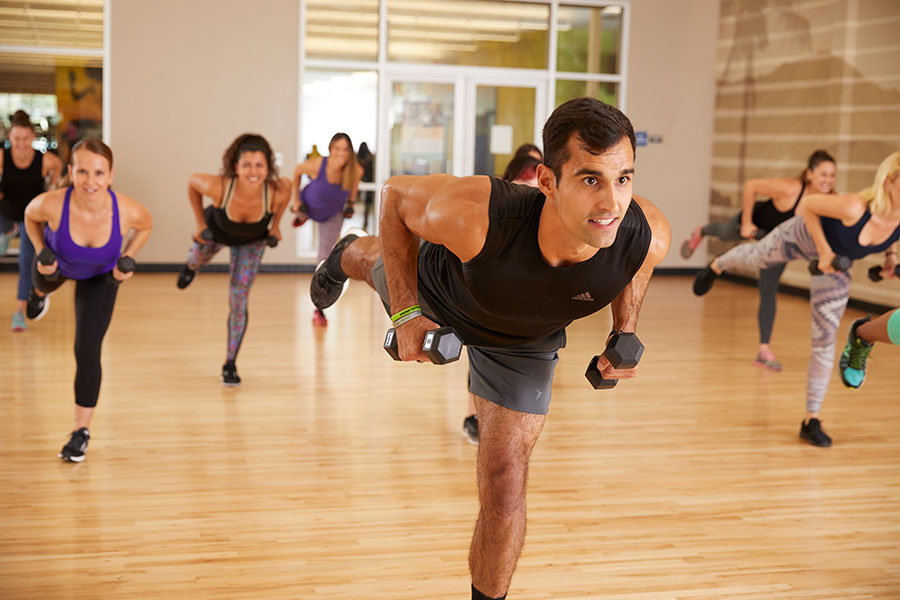
That’s what led me to the Body Works Plus Abs class at my local LA Fitness one Tuesday night. I had skipped a few sessions, so I was ready to work hard and push myself. The class opened with some light stretching, followed by digging in with everyone’s favorite – squats. Upbeat tunes blasted through the speakers as we moved up and down, followed by lightly jogging around the room to stretch our legs; our sneakers pounding against the floor to the beat of the music.
Then, our instructor broke us into pairs and had us work out together. My partner and I high-fived our way through a series of exercises: planks, sit-ups, lunges, and everyone’s second favorite – burpees. Fully feeling the effects of the high-energy leg workout, we had just conquered, we sat down on our mats and moved onto the second part of the class, the abs. For this section, our instructor took us through 10 ab exercises in 10 minutes, one minute per exercise.
This section of the class is the true test of how much you push yourself. We grinded through the fifth exercise, working to maintain the same amount of energy we had in the first exercise. It was exhilarating and hard, yet I felt empowered. What makes Group Fitness classes so appealing is that you have the energy of the rest of the room working with you to push yourself towards the finish line.
And by the finish line, I mean a good long stretch as soon as the last crunch is done. We laid on our stomachs and arched our backs into Cobra pose; slower, more relaxing music played above us then.
There is truly no greater satisfaction than the feeling after an intense workout; I now understand why cats and dogs love doing it so much.
What I love most about group workout classes is the camaraderie that comes with them and the LA Fitness experience is no exception. The instructors are energetic and supportive, you get to meet more of the LA Fitness community, and it’s a solid workout whether you’re looking to relax with some Yoga or shake it out with Zumba®.
So, what are you waiting for? Check out the schedule here.

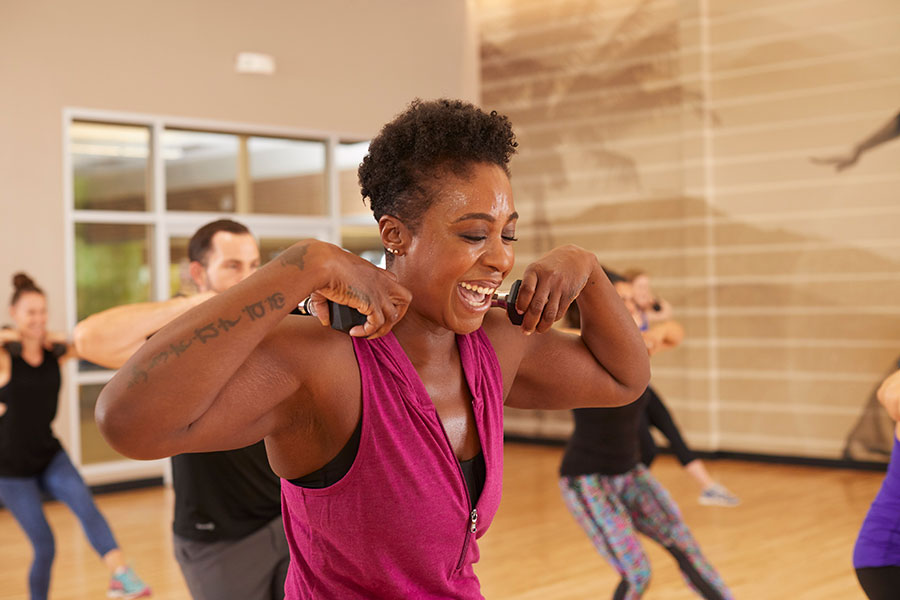
Some exercises make more efficient use of your workout time. Click to learn how you can burn more calories in less time with compound exercises.
Debbie James, RDN, helps answer a reader’s question about safe supplements for diabetics that still support weight training.
Learn the basic differences between fat mass and fat-free mass and why each is an important part of your body composition.