

While no one likes to be in pain, the slight aches are a good indication that your body is benefiting from the new workout routine. When your body adjusts to the exercise, you’ll experience less pain, but this may be a sign it’s time to switch to a new exercise routine in order to keep your muscles guessing and not getting used to doing the same movements. A shock to the system will help increase muscle awareness and help contribute to continued muscle growth.
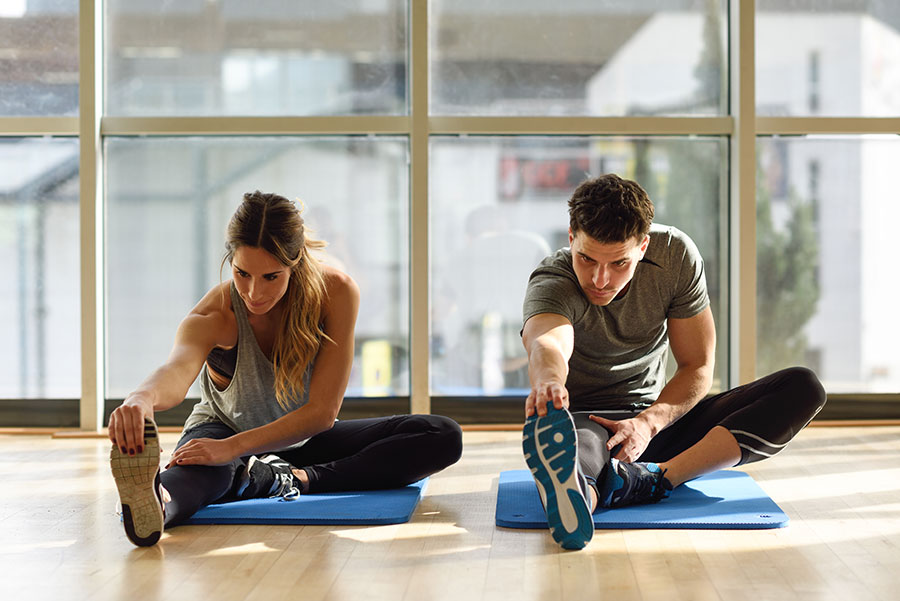
Minor discomfort is considered normal, but if your aches and pains are preventing you from doing everyday tasks, this could be an indicator that you’ve strained a muscle too far. In that case, focus on another muscle group in order to give your sore muscles enough time to heal. A good way to help prevent muscle soreness (or at least minimize it) is to properly stretch after each workout session. Some articles on the benefits of stretching can be found here and here.
Additional ways to help the body recover from DOMS is ice, rest, pain medication, massage, heat, and of course, stretching.1 Some people may even benefit from a post-workout cooldown, which would be about 10 minutes of light cardio, followed by stretching. This works because “when muscle temperature is increased, blood flow increases, bringing fresh oxygen and healing nutrients to the injured site.”2 It’s also important that you switch up the muscle groups you’re targeting at the gym, in order to build overall muscle and avoid over trained muscles. This is where injury can occur.
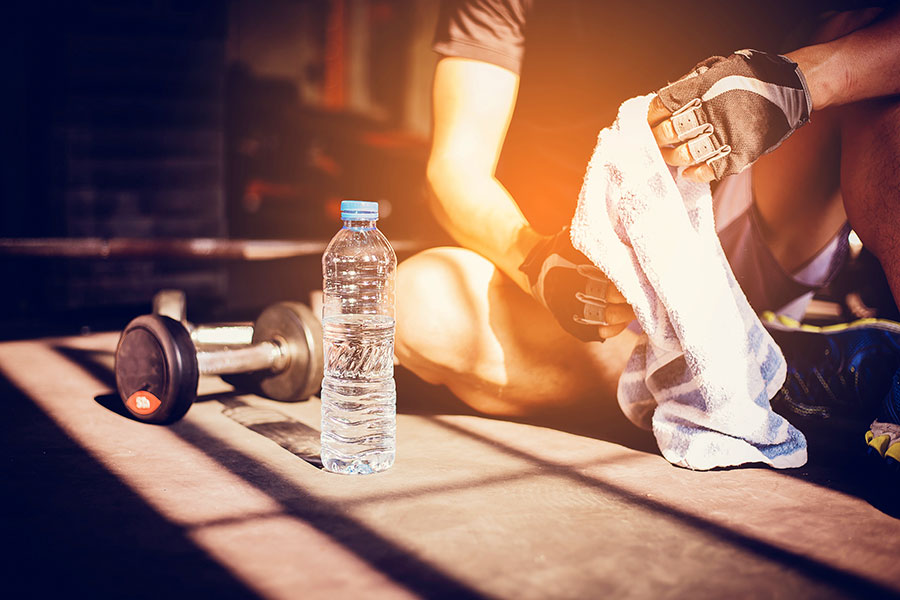
What if you don’t experience soreness after a workout? Well, that doesn’t necessarily mean that you’re not working out hard enough. Different body types handle pain and exercise differently. It could just mean that you’re one of the lucky ones not experiencing as much inflammation as others might. Another way to help decrease DOMS is staying properly hydrated.3 Drinking enough water helps prevent dehydration and assists with circulation.
What are your tips for helping combat DOMS? Leave your suggestions in the comments below.
Sources:
- Sarnataro, Barbara Russi. “Sore Muscles? Don’t Stop Exercising.” WebMD, WebMD, www.webmd.com/fitness-exercise/features/sore-muscles-dont-stop-exercising.
- Ibid
- Zickl, Danielle. “Is Muscle Soreness Really a Sign Of an Effective Workout?” Men’s Health, Men’s Health, 30 July 2018, www.menshealth.com/fitness/a19542200/what-is-delayed-onset-muscle-soreness/.
Recommended Reading
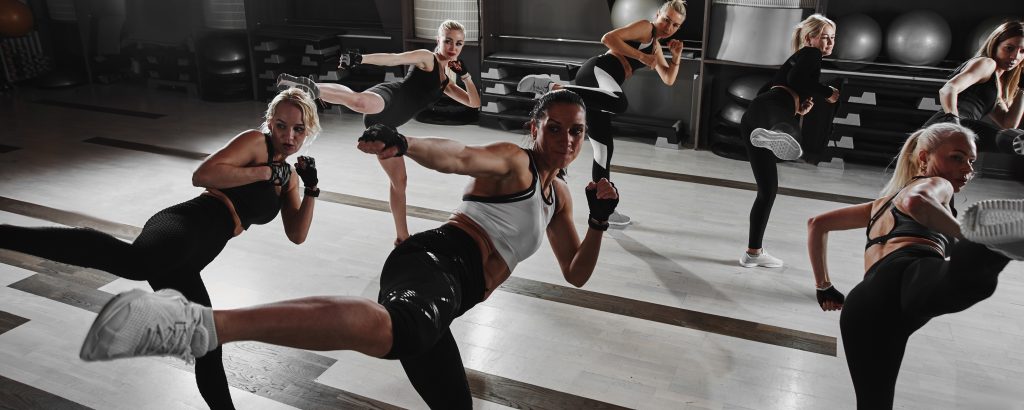
Kick into High Gear: Kickboxing Classes at LA Fitness
Are you searching for “kickboxing near me”? Stop the search party because you’ve struck fitness gold with Kickbox Cardio classes at LA Fitness. These classes aren’t just a workout, but an experience. With classes designed to kick, punch, bob, and weave your way to...

10 Thanksgiving Ideas to Revive Your Celebrations
The Holiday Season can get stressful, so we may stick to a routine for the sake of easy planning. Try any of these 10 simple ideas to bring new life to your Thanksgiving celebrations.

What is “Toys for Tots” and How Can I Participate?
By now, you may have seen some donation boxes at your local LA Fitness. If you haven’t been entirely sure what those boxes are all about, you’re in the right place!