Bulking During High-Intensity Bike Training
Your goal is to build muscle and preventing any catabolism will contribute to your net positive. Fuel up beforehand with a small snack.

What if I told you that doing compound movements in the gym burned more calories during your workout; would you know which exercises to do?
What if I also told you that compound movements burn more calories post–workout than any other exercise, would you believe me?
Imagine learning that this type of movement maximizes your time in the gym, helps you lose weight, and helps you burn more fat; would you do more?
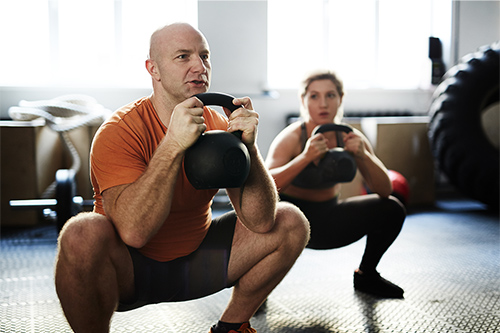
Compound Movements, also known as Compound Exercises, are multi-joint movements that work several muscle groups at one time, compared to isolation movements that work one muscle at a time.
An example of a compound movement would be a squat. A squat works your quadriceps, glutes, hamstrings and core. An example of an isolation movement is a bicep curl, which only works the bicep. See the difference? One muscle versus many muscles. The more muscles you are working at one time the more calories and fat you will burn. Cool, right?
Compound movements are not only for the gym but also can be a great home workout. You don’t necessarily need heavy weights. You just need a little bit of time and a little bit of space to get in some good compound exercises.
One of the biggest benefits of compound movements is that they make effective use of your time. When you are short on time but want to put in a quick weight–training workout, think compound movements. Other benefits include:
+ more calories burned
+ improved coordination
+ improved flexibility and range of motion
+ gaining more muscle
+ improved strength
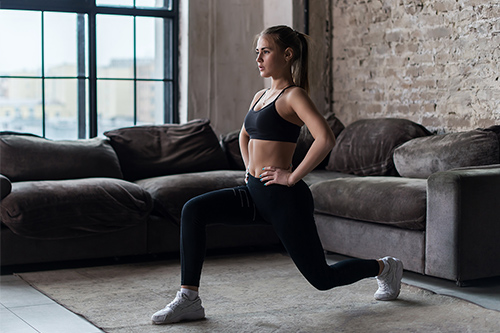
The following list is derived from an article by the American College of Sports Medicine. While these 7 items are personally my favorite, there are unquestionably other compound movements that might work better for you. It all depends on your level of fitness. Give them a try!
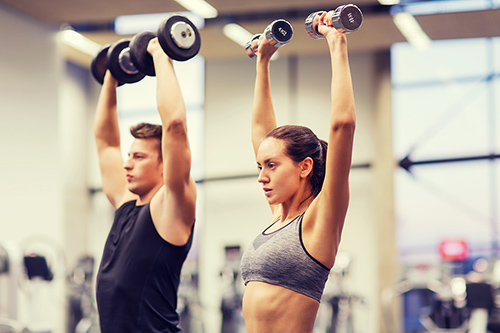
Combining both types of movement makes for a great workout. For example, a squat to a bicep curl or a squat to a bicep curl to a shoulder press.
It’s important to keep good form while performing exercises. Squatting may seem safe but when weights are added and the exercise is done improperly, it could result in injury.
Always consult your doctor before starting an exercise program. Have an LA Fitness Pro Results® trainer help you with the basic principles of weightlifting and proper form when exercising.
Next time you are in the gym or doing a home workout, incorporate a few compound movements. Get your heart–rate up and boost your metabolism. Since compound movements engage several muscles at one time, it requires more energy from you. In turn, you burn more calories by spiking your metabolism and increasing your heart rate, which make you stronger.
Check out this workout routine “The 2 Week Workout Finale for the Your Best Beach Body Ever!” This 2 week workout routine combines plyometrics, compound movements and integrated intervals so you can strut your stuff with confidence. For more articles like this one, subscribe to our newsletter to receive monthly highlights from the Living Healthy Blog.
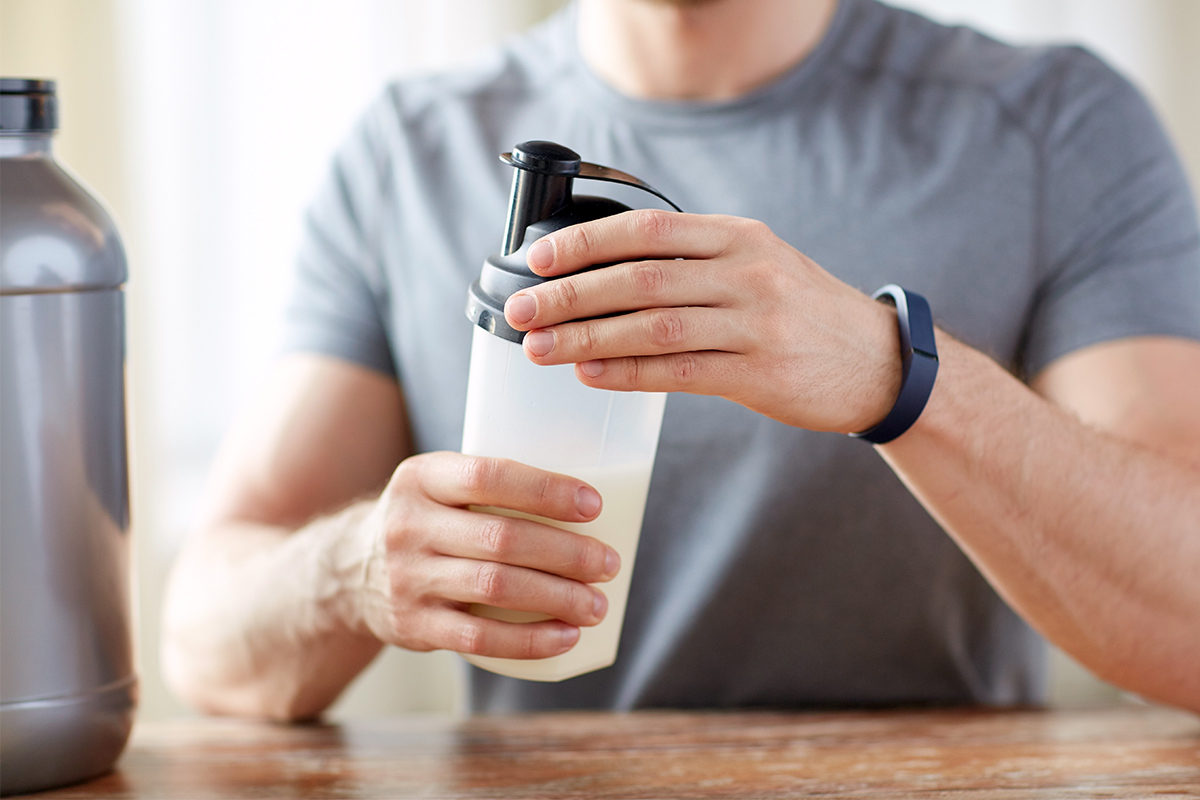

As a newly diagnosed diabetic, what supplements can I take that will not spike my blood sugar? 2 months ago, I started a cardio program at home, but I want to start weight training.
-Jose

Kudos to rounding out your exercise routine!
To narrow down an answer, I’ll have to assume you are asking about pre-workout powders, meal replacement bars, recovery shakes and other sports/body-building supplements with macronutrients (carbohydrate, fat, and protein) not individual compounds, like stimulants. Caffeine may reduce sensitivity of insulin and raise blood sugar levels.
Generally, single servings of products with only protein and fat shouldn’t raise blood sugar levels. Many “keto-safe” protein shakes, powders and bars fall into this category. Still, they are designed for fast digestion and absorption, making a quicker impact on insulin levels than whole foods which take longer to consume and digest. Consider making your own protein beverages to drink pre and post workout.
Products with any sugar present should also have fiber plus a balance of protein and fat, to prevent blood sugar spikes. Check the nutrition facts panel for gram levels of these. There are no magic numbers, but I would recommend avoiding products with half of total carbohydrates from sugar and those with more than 10 grams of sugar per serving. You should look at what you’re eating between meals, too. Several snack bars are promoted for those with diabetes.
Unfortunately, there are no guarantees how your blood sugar will respond to even the most low-risk caloric supplement. No matter what supplements you take, always follow the usage directions on the product package.
– Debbie J., MS, RD
This article should not replace any exercise program or restrictions, any dietary supplements or restrictions, or any other medical recommendations from your primary care physician. Before starting any exercise program or diet, make sure it is approved by your doctor.
Some questions have been edited for length and/or clarity.
 Have a nutrition question? Our registered dietitian is ready to help!
Email nutrition@lafitness.com or submit your question below and it may be featured in an upcoming article!

Your goal is to build muscle and preventing any catabolism will contribute to your net positive. Fuel up beforehand with a small snack.
Is sagging skin bumming you out? We discuss some underlying causes, what you can do to help prevent this, & some helpful tips to help reverse the damage.
Whether you're a muscle bound fitness fanatic or someone who simply wants to live an active and healthy lifestyle, building muscle can help you! Taking the time focus on building muscle during your gym routine is something everyone can benefit from. This is...
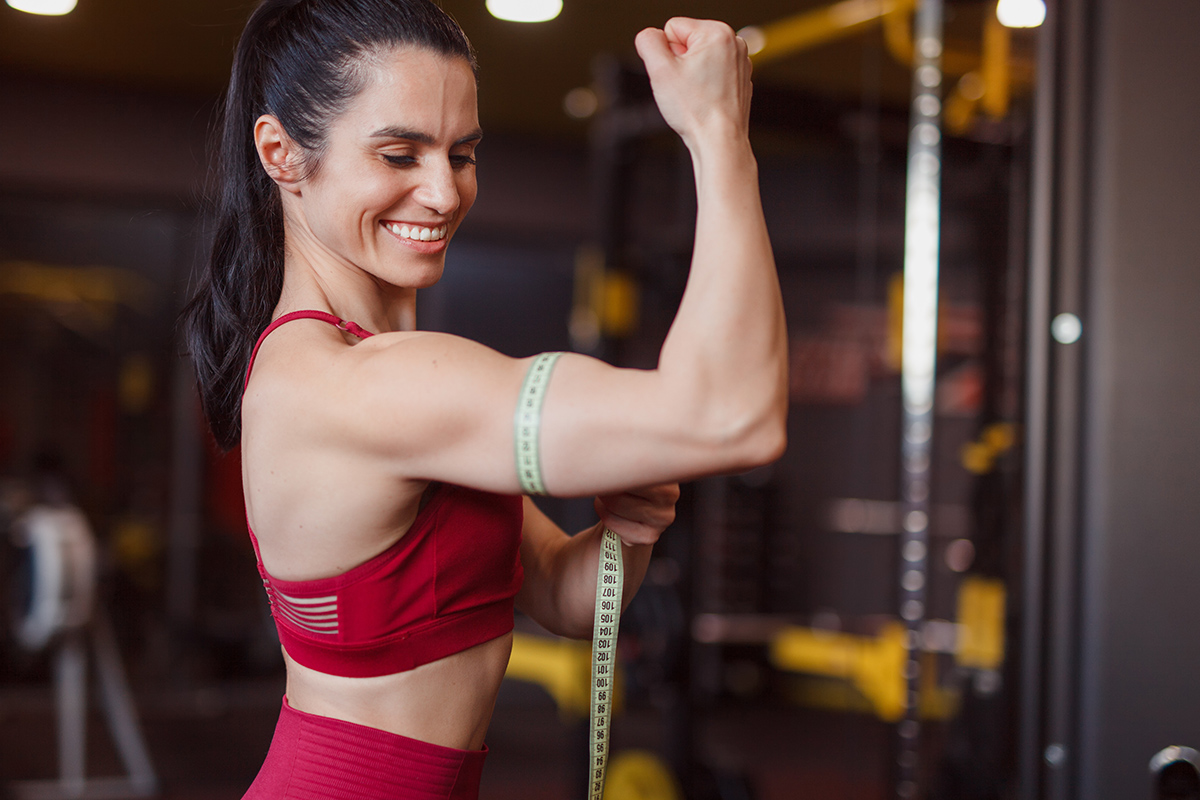
Have you ever compared your body to your best friend’s body? You may wonder how your best friend is tall and thin and you are short and round, but you weigh the exact same. How can that be? How can two people, same gender, look completely different but weigh the same? That’s because humans all have different body compositions.
It’s best described as what bodies are made of. Human bodies are made up of varying percentages of water, fat, bone and muscle. Don’t let body composition be confused with body mass index (BMI). Body mass index is a measurement of weight-for-height.
When you step on a scale, the number tells you how much you weigh, but it doesn’t tell you what your body is made up of. Body composition refers to everything in your body and how much you have of each component. For example, a person’s body could be composed of 36% muscle, 12% essential fat, 15% non-essential fat, 12% bone and 25% other (organs, etc.) Let’s take this breakdown and work our way up to make it easier to understand, taking the five example percentages and putting them into two groups; fat mass and fat-free mass1.
|
>> Fat mass refers to fat tissue in your body and fat-free mass includes everything else (like muscle, bone, fluid and organs). |
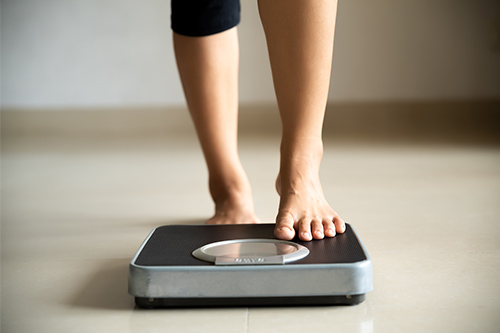
Stepping on the scale will show you one number, your weight. What you don’t see are the other numbers in your body and how they affect your body composition.
For example, if you start an exercise program you may gain one pound of muscle and lose one pound of fat. Since your fat mass decreased and your fat-free mass increased at the same time, your body weight won’t change. See how frustrating this can be for someone who thinks they are putting in a lot of effort at the gym and eating healthy but not seeing the weight change on the scale? This is why the scale is misleading and that’s why knowing your body composition is much more useful than knowing your body weight.

So, what can you use to measure your body composition? The first way would be to track and measure different body parts2. Purchase a flexible tape measure and track the circumference of your waist, hips, arms, legs and chest.
If you track your measurements for a period of six months, for example, and your waist circumference decreases, it’s a sign that you are probably losing belly fat. Here’s another example: if your exercise program involves weights and your arm circumference is increasing, it’s a sign that you are probably gaining muscle in your arms. The second way to track your body composition would be to take pictures.
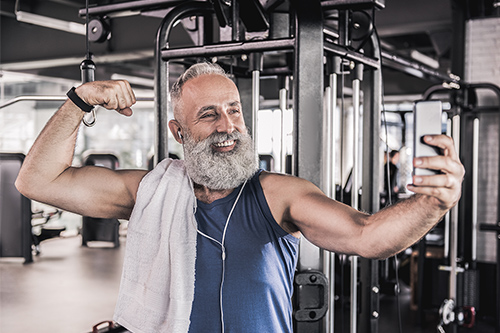
Progress pictures are a very popular way to physically see the changes in your body over time. These pictures are typically known as ‘transformation pictures’ and can be very helpful when looking at your body composition. We often do not notice changes in our body from day to day, but we do notice changes in our body when looking at progress pictures.
There are devices that measure body composition, like a bioelectrical impedance analysis (BIA). BIA sends small electrical currents through your body to see how much the body resists the current. This information is used to predict your body fat percentage3 but these devices are not always accurate.
If you’re interested in knowing your body fat mass percentage, have an LA Fitness ProResults® Trainer help you. A ProResults® trainer can help you with basic principles of physical activity and nutrition to help you improve your body composition.
It’s nothing new; exercise and good nutrition are critical for improving body composition. Exercise and weight training help with fat loss and increased muscle mass. Stepping on the scale will only tell you how much you weigh but there are other factors that need to be considered, like age and genetics. Before you start an exercise and nutrition program, please consult your doctor.
What’s the bottom line? We are all different. No two people are the same, therefore, we all lose and gain (fat, muscle or both) differently. Don’t just step on the scale. The best ways to track body composition is by measuring the circumference of different body parts and taking progress pictures. Grab a notebook and write down your measurements and take your pictures at regular intervals. Give yourself patience and time to see changes.
If you would like to learn more about Body Mass Index (BMI) and the difference between BMI and Body Composition, you can read about it here.
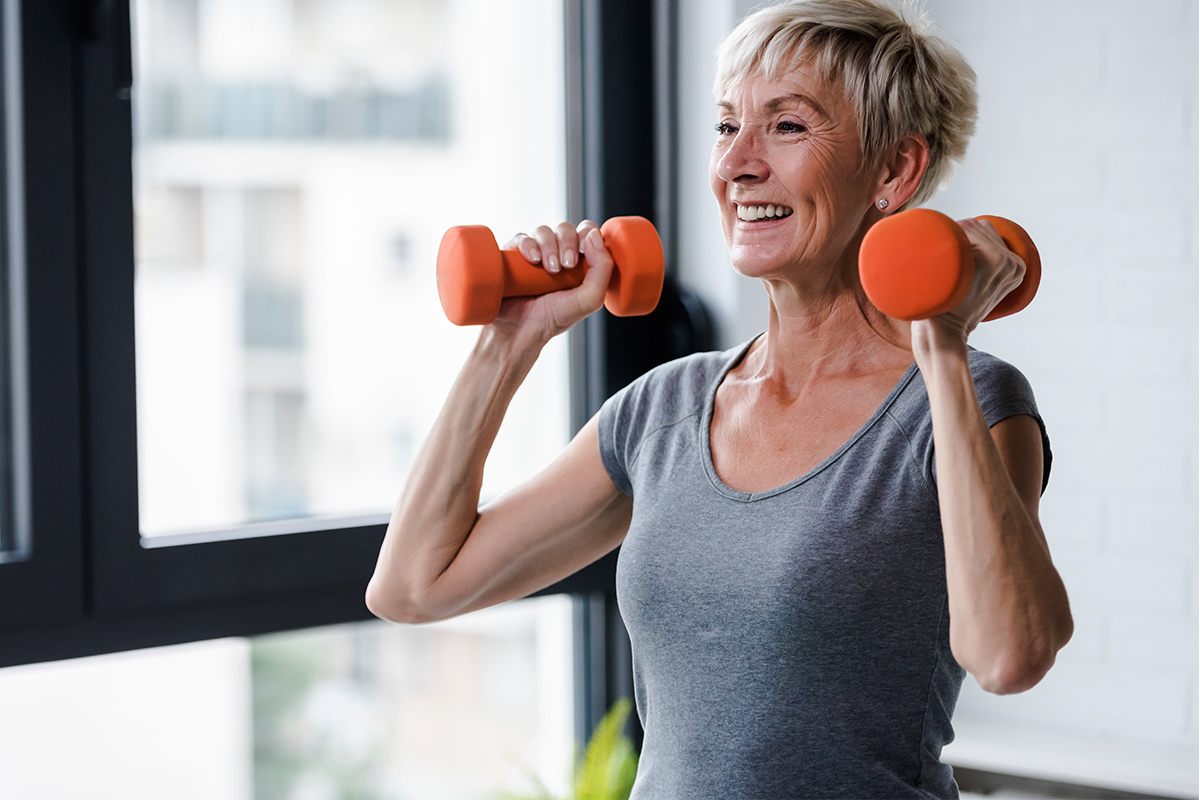
There seems to be this idea that, as we age, frailty and loss of energy are inevitable. However, these can be symptoms of something that is highly preventable: muscle loss.1 What is the primary cause of muscle loss? Inactivity!
Everyday activities like climbing the stairs, carrying groceries, playing with the kids or grandkids, or cleaning the house don’t have to become more difficult! Strength training is the answer to this common problem, and no, it’s not just for the gym buffs.
We’ll be taking you through the many benefits and some sample exercises with the help of Tufts University’s book on the Growing Stronger exercise program. The book is a completely free, accessible, and research-driven guide that can help you regain your strength and your independence.
Because the exercise program offered in Growing Stronger has been tested in its entirety, this article should not serve as a replacement. It simply highlights many key components of the program to showcase how fitness can be an easy and progressive addition to your lifestyle regardless of age.
Strength training can help alleviate the symptoms of many chronic conditions and diseases.1 Seguin and colleagues identify the following benefits for several common conditions:
Arthritis: Reduces pain and stiffness, and increases strength and flexibility
Diabetes: Greater control of your blood sugar levels
Osteoporosis: Builds bone density and reduces the risk of falls
Heart Disease: Reduces cardiovascular risk by improving lipid profile and overall fitness.
Obesity: Increases metabolism, which, in turn, burns more calories and aids long-term weight control.
Back Pain: Strengthens back and abdominal muscles. As a result, stress on the spine is reduced.
As with any new exercise program, it is important to consult with your doctor to make sure that your exercise plan is safe for you and that it aligns with your other health goals. Once you are sure you can proceed, there are still some safety recommendations the Growing Stronger authors would like you to consider:
|
Women |
Men |
|
2 pounds |
3 pounds |
|
3 pounds |
5 pounds |
|
5 pounds |
8 pounds |
They also advise that you choose adjustable ankle weights because you will be able to more freely alter what you’re working with.
3. Store your weights on the ground or at ground-level storage. This eliminates the possibility of the weights falling on you if you are attempting to reach them from a high storage location. You can even leave them in a wheeled cart for easier access.
4. A commonly cited piece of advice (but one still worth mentioning) is that you should aim to exercise every other day to allow your muscles to rest. You can also alternate muscle groups (legs one day, upper body the following day) to avoid overworking a single muscle group.
5. Perhaps the best thing you can do is to be attentive to the aches and pains in your body. Don’t work out if your muscles feel strained or if you feel unable to safely exercise.
The book offers a detailed breakdown of multiple exercises and even plans them in stages. Once you have completed the first stage (about 2 weeks), you will be able to move on to a more difficult set of exercises. Here are just a few of their recommended exercises divided by difficulty level.
Stage 1 exercises should be performed for 2 to 3 weeks before moving on to Stage 2. For each exercise, perform 2 sets of 10 repetitions with a 1-minute rest period in between sets.

You may already know how to do a basic squat; it is essentially the act of sitting down, without actually sitting down. This exercise is great for strengthening the hips, thighs, and glutes.
Placing your body weight into your heels (as opposed to you leaning into your toes), lower into a seated position and rise back up to your standing position. Be careful not to let your knees come forward past your toes. You can choose to actually sit on a sturdy chair as you perform this exercise and to use your hands to guide your motion until you get stronger.

These are just like regular push-ups except your feet are planted on the ground and you are pushing off the wall. This is still a great way to strengthen your arms, chest, and shoulders, without having to get down on the ground.
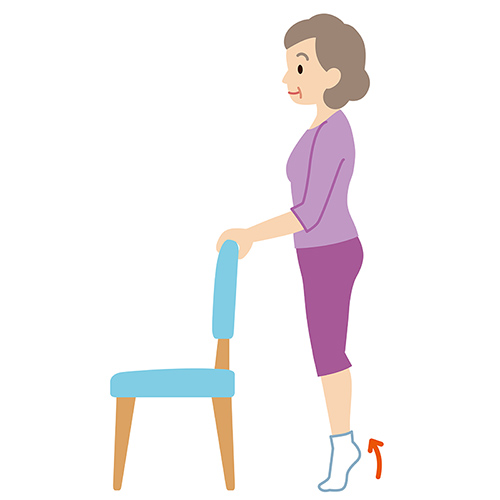
Also known as calf raises, this exercise strengthens your calves and restores your balance. Stand tall and with your feet flat on the ground. Using the back of a chair (or another stable surface) for balance, rise onto your toes and settle back down.
Stage 2 exercises should be performed for 2 to 3 weeks before moving on to Stage 3. For each exercise, perform 2 sets of 10 repetitions with a 1-minute rest period in between sets. If you find yourself able to complete 10 repetitions easily, and with proper form, consider increasing the weight of the dumbbells or ankle weights for your next set.

The biceps curl is a great strengthening exercise that also helps improve your grip strength. Using your lightest set of dumbbells, lift the weights by bending at the elbow and bring the dumbbells towards your shoulders. Your palms should be facing you. You may do this from a seated or standing position.
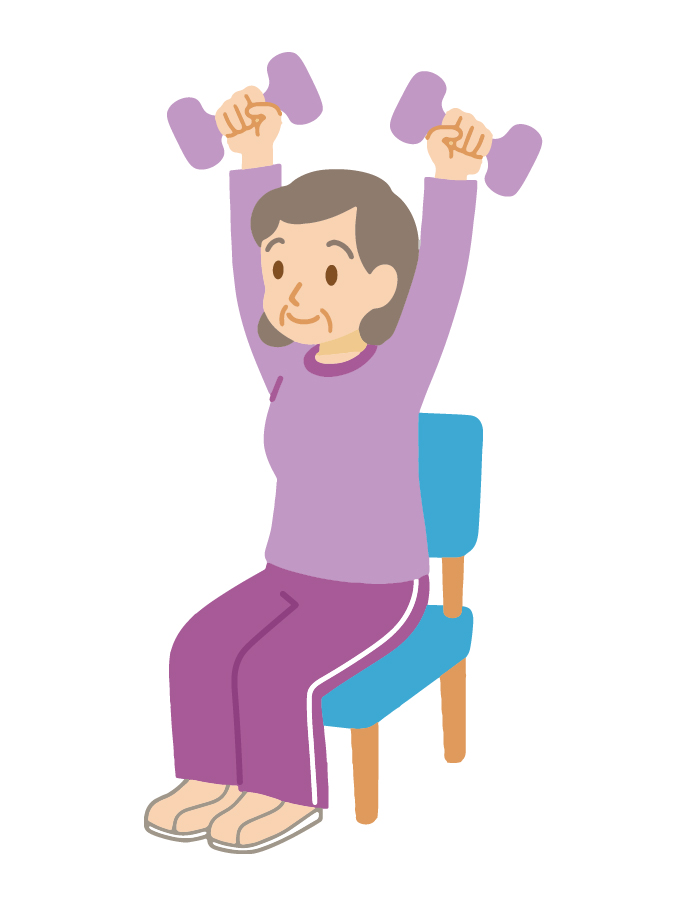
This exercise works the muscles in your arms, upper back, and shoulders. It simplifies tasks like reaching for items in high locations. From a standing or seated position, hold a dumbbell in each hand and bring the weight up towards your shoulders (as though you just did a bicep curl). Rotate your wrists so that your palms face away from you. This is your starting position for the Overheard Press.
With controlled movement, push the dumbbells up above your head until your arms reach full extension. Then return the dumbbells to your shoulders. Do not actually rest the weights on your shoulders.

The muscles in your hips, thighs, and glutes are putting in the work with this exercise. Not only can the Side Hip Raise shape your lower body, it can also strengthen your hip bones which are more vulnerable as you age.
Using a stable surface for balance, stand with your feet slightly apart and your toes facing forward. You may have ankle weights added to increase the difficulty. Without locking your knees, lift your leg out to the side, pause for a moment, and lower your leg back to the floor.
For each exercise, perform 2 sets of 10 repetitions with a 1 to 2-minute rest period in between sets. Again, if you find yourself able to easily and properly complete 10 repetitions, consider increasing the weight of the ankle weights.
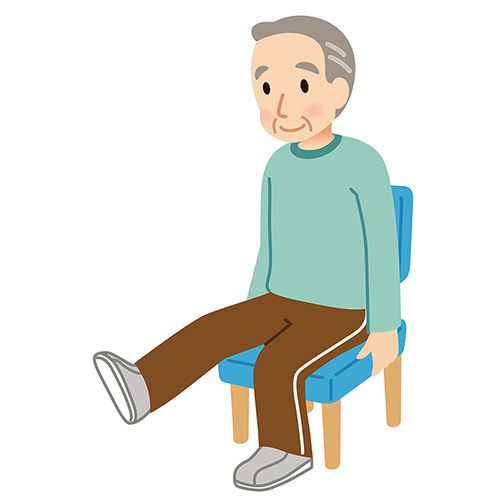

The muscles along the front of your thigh are the target of this exercise. It helps strengthen weak knees.
With your ankle weights fastened, sit all the way back in a sturdy chair with your toes pointing forward. Your feet should barely touch the ground. Flex one foot and extend your leg until your knee is straight. Then, lower your foot back to the ground. After you complete 1 set of 10, do a set with the other leg. Then start over to complete a second set for each leg.

If you strengthen the front of the muscle you should really strengthen the back as well. This exercise targets the hamstrings (the back of the upper leg) and pairing it with the knee extension can make walking and climbing stairs easier.
With your ankle weights fastened, stand behind a stable surface for balance with your feet just less than shoulder–width apart. Keep your foot flexed as you bring your heel towards your butt and pause for a moment before lowering it back to the ground. Do 1 set of 10 with each leg before starting on your second set.
If these exercises were exactly what you’ve been needing, the complete Growing Stronger guide contains even more. Let us know in the comments below if you try it out! If you’re ready to step things up, come check out our Silver Sneakers program. In this group class, you’ll work on total-body conditioning in an instructor-guided setting where you can still go at your own pace.
For more information on healthy living in older adulthood, read our registered dietitian’s answer to this question on Protein Advice for Seniors. Or, for a boost of motivation, read Paul and Karen’s success story who say the gym is like their fountain of youth! To access our monthly blog post highlights, subscribe to our newsletter, today!
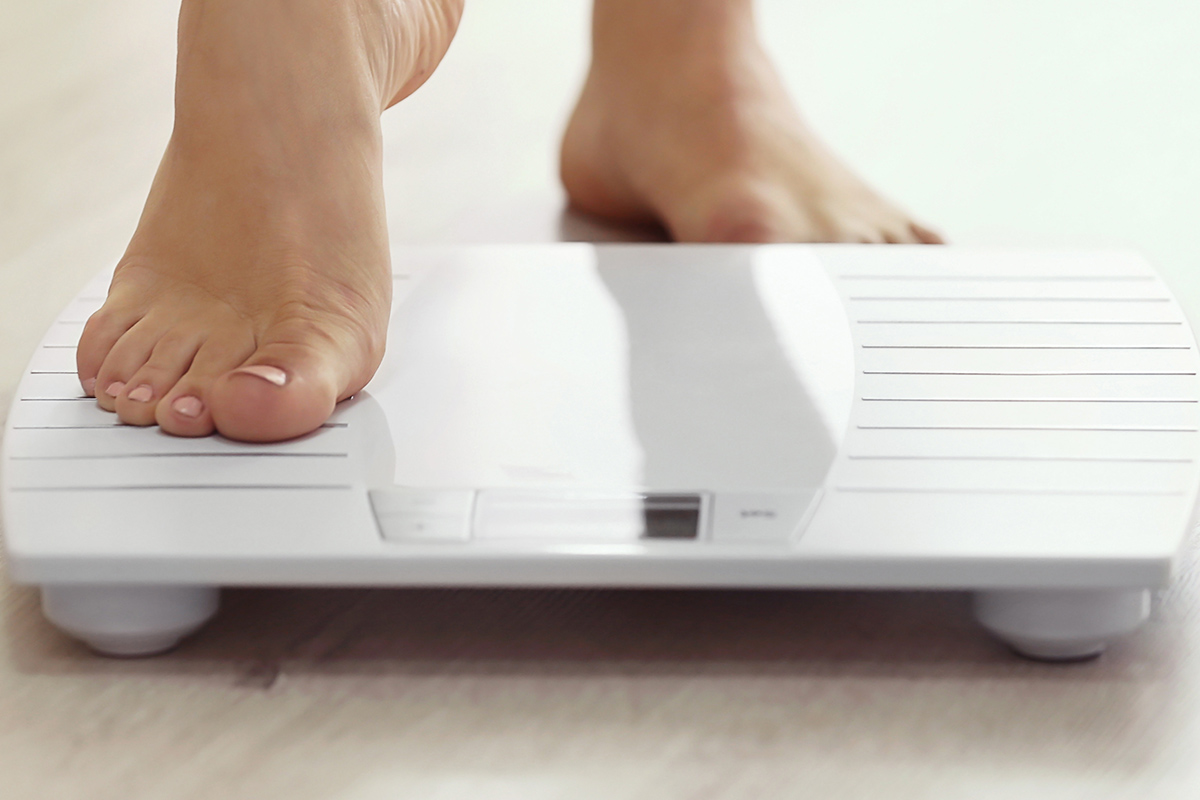
Hi. I’m a member at LA Fitness. I started this weight loss journey 6 months ago. I weighed 287 pounds. I’m currently 210 pounds. I have been eating under 20 grams carbs per day and 1-3 grams of sugar per day. It’s like a version of keto. But I don’t do high fat. No cheat days. I work out daily. I’ve hit a plateau with my weight. What can I do?
– Stephanie S.
My question is: How has your body composition changed during your journey the last 6 months? Have you kept track of your measurements in addition to the scale? With a significant weight loss of 27% either you’ve lost some lean body mass (reduces metabolism), retained it, or have gained lean mass (hides fat loss on scale).
Strength training is a critical component of your exercise routine. You say you work out daily. Remember that the workload must be progressive – your body is stronger now than last year, so more resistance is needed for the same effect. The idea is called the overload principle. When you continue the same routine for your workouts after your body has adapted, you fail to make further progress.
Stress and lack of sleep can also contribute to rising cortisol levels which may impact metabolism and weight.
With very low carbohydrate, high protein and moderate fat intake it’s just as likely that you’re under-consuming calories now as it is you are overconsuming calories. Eating too little suppresses metabolism while eating more than you need prevents fat burning. Seemingly healthy keto foods like bone broth are higher in sodium which may cause you to retain water weight. Remember to focus on real, whole foods and avoid processed food products.
Breaking through a plateau may take a few weeks and everybody is different, so you will experience a shorter or longer duration of plateau than another person. If you still don’t see a change in body composition after a month of progressive exercise and fine-tuning your diet, consider starting over from where you are at now using the Body Weight Planner to determine calorie needs. Plan for only a 1-2 pound loss per week to avoid rapid weight loss (greater than 2 lbs./week) which contributes to muscle, water, and bone density loss.
– Debbie J., MS, RD
This article should not replace any exercise program or restrictions, any dietary supplements or restrictions, or any other medical recommendations from your primary care physician. Before starting any exercise program or diet, make sure it is approved by your doctor.
Some questions have been edited for length and/or clarity.
Have a nutrition question? Our registered dietitian is ready to help!
Email nutrition@lafitness.com or submit your question below and it may be featured in an upcoming article!
Your goal is to build muscle and preventing any catabolism will contribute to your net positive. Fuel up beforehand with a small snack.
Is sagging skin bumming you out? We discuss some underlying causes, what you can do to help prevent this, & some helpful tips to help reverse the damage.
Whether you're a muscle bound fitness fanatic or someone who simply wants to live an active and healthy lifestyle, building muscle can help you! Taking the time focus on building muscle during your gym routine is something everyone can benefit from. This is...