Warm Comfort Foods Made Healthy(ish)
Most comfort foods we turn to are heavily laden with fat, starch and calories. There are healthier ways to enjoy down-home classics by making a few tweaks.



I have done body building in the past and know that the perfect combination of protein/carbs/fats produce results with respect to giving the body what it needs to develop lean muscle and lose fat. This is done in part by measuring body fat and weight. How would you calculate this because I had someone do it for me in the past and don’t know how to do it myself. It was broken down into total protein, carbs and fats for the whole day and further broken down per meal. Can you duplicate this process?
– Alisa O.

I will admit that I am not sure what “perfect combination” of macro-nutrients you are referring to. One’s individual body composition can be used to help create personal nutritional goals. Actual nutrient needs are much more complex and depend on protein turnover, nitrogen loss and metabolism. Also, nutrient quality, timing and frequency have an impact on developing lean muscle and losing fat.
That said, I like the summary bodybuilding recommendations from an article in the Journal of the International Society of Sports Nutrition*:
Diet component Recommendation
Protein (g/kg of lean body mass) 2.3-3.1
Fat (% of total calories) 15-30%
Carbohydrate (% of total calories) remaining
Let’s work through these with a sample 2,000 calorie diet for a 160-pound person with 15% body fat.
Apply the recommendations to your own anthropometrics and total energy need to get a possible ideal combination of macro-nutrients for your goals.
*Evidence-based recommendations for natural bodybuilding contest preparation: nutrition and supplementation. Helms, ER, Aragon AA, Fitschen PJ. Journal of the International Society of Sports Nutrition 201411:20
– Debbie J., MS, RD
This article should not replace any exercise program or restrictions, any dietary supplements or restrictions, or any other medical recommendations from your primary care physician. Before starting any exercise program or diet, make sure it is approved by your doctor.
Some questions have been edited for length and/or clarity.
 Have a nutrition question? Our registered dietitian is ready to help!
Email nutrition@lafitness.com or submit your question below and it may be featured in an upcoming article!

Most comfort foods we turn to are heavily laden with fat, starch and calories. There are healthier ways to enjoy down-home classics by making a few tweaks.

Good nutrition is all about variety! Browse through our list of unusual fruits and veggies and give yourself a chance to try something new.

Does liberally salting your food help you pump more iron in the gym? Registered Dietitian, Debbie James, investigates the claims!

Aristotle questioned human behavior, Einstein questioned the rules of relativity, and Edison questioned electricity. Today, we are questioning nutrition – fruit, to be specific. Are red or green apples healthier for you? Is there a difference? Does having an apple a day really keep the doctor away? We dive headfirst into this important debate.
The apple is a fruit that is often taken for granted. Offered in almost all grocery stores and farmers’ markets year-round, these tasty nutritious treats provide a host of health benefits. Let’s take a closer look.

The fact is both red and green apples are a good nutritious option. The differences are very slight, so red apple fans and green apple fans rejoice! The overall health benefits of apples, regardless of color, are many. The age-old saying, “an apple a day,” really may keep the doctor away.
What are your nutrition-related questions? Submit your best by clicking here!
Leave us a comment in the box below with your apple preference! Which will come out on top – red or green?

This article should not replace any exercise program or restrictions, any dietary supplements or restrictions, or any other medical recommendations from your primary care physician. Before starting any exercise program or diet, make sure it is approved by your doctor.
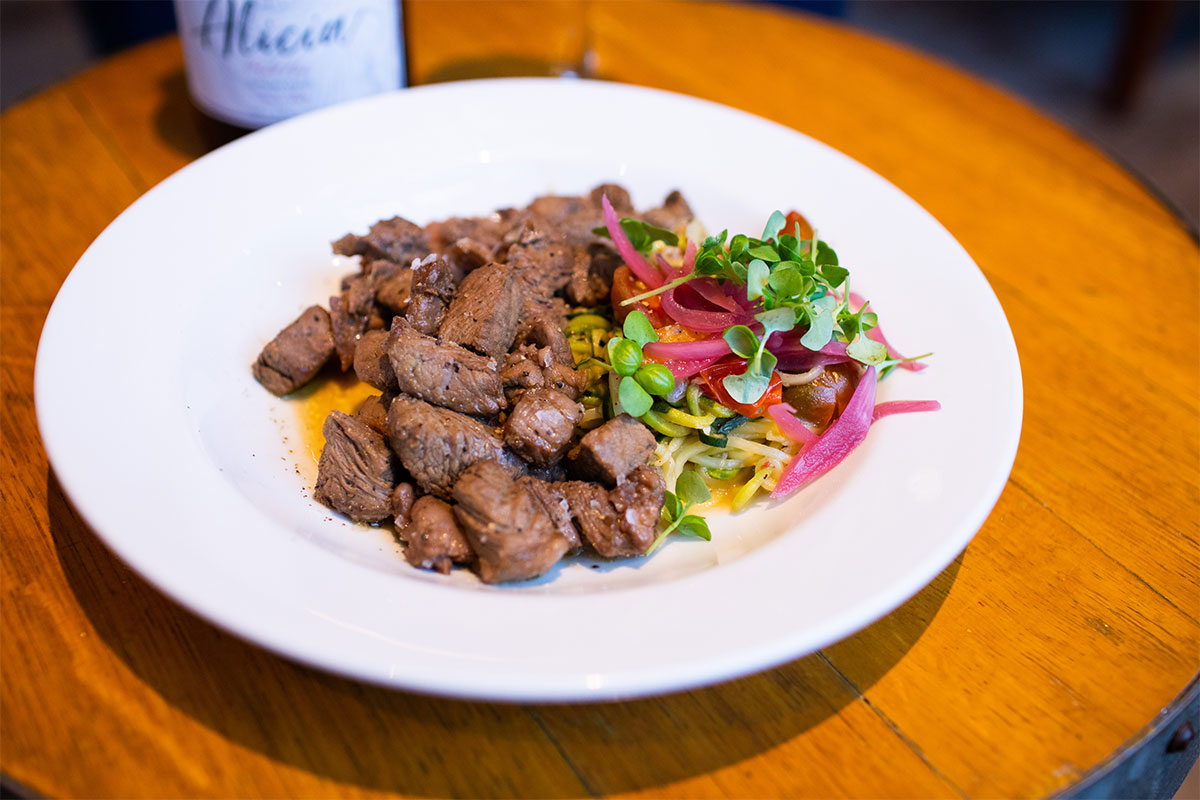
Chef Paul Vazquez, Executive Chef, of SeaLegs Wine Bar shares his healthy recipe for Rib Eye Steak and Zoodles that you can make at home tonight.
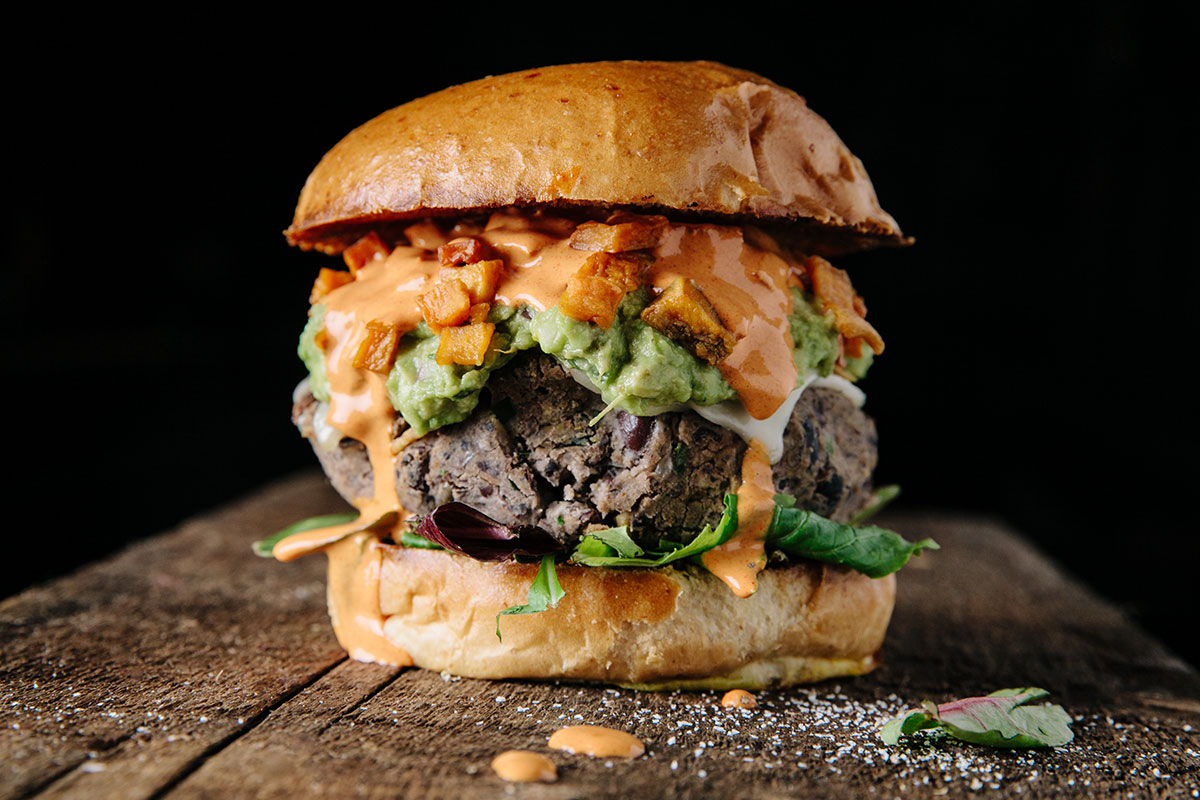
Go lean with protein choices and bulk up sandwiches and burgers with avocado or grilled onions/mushrooms. Athletes need to focus on fueling performance during the competitive season.

Peanut butter is richer in fat than it is protein, by two-fold! It’s comparable to other nut spreads like almond paste, cashew butter and sesame butter.
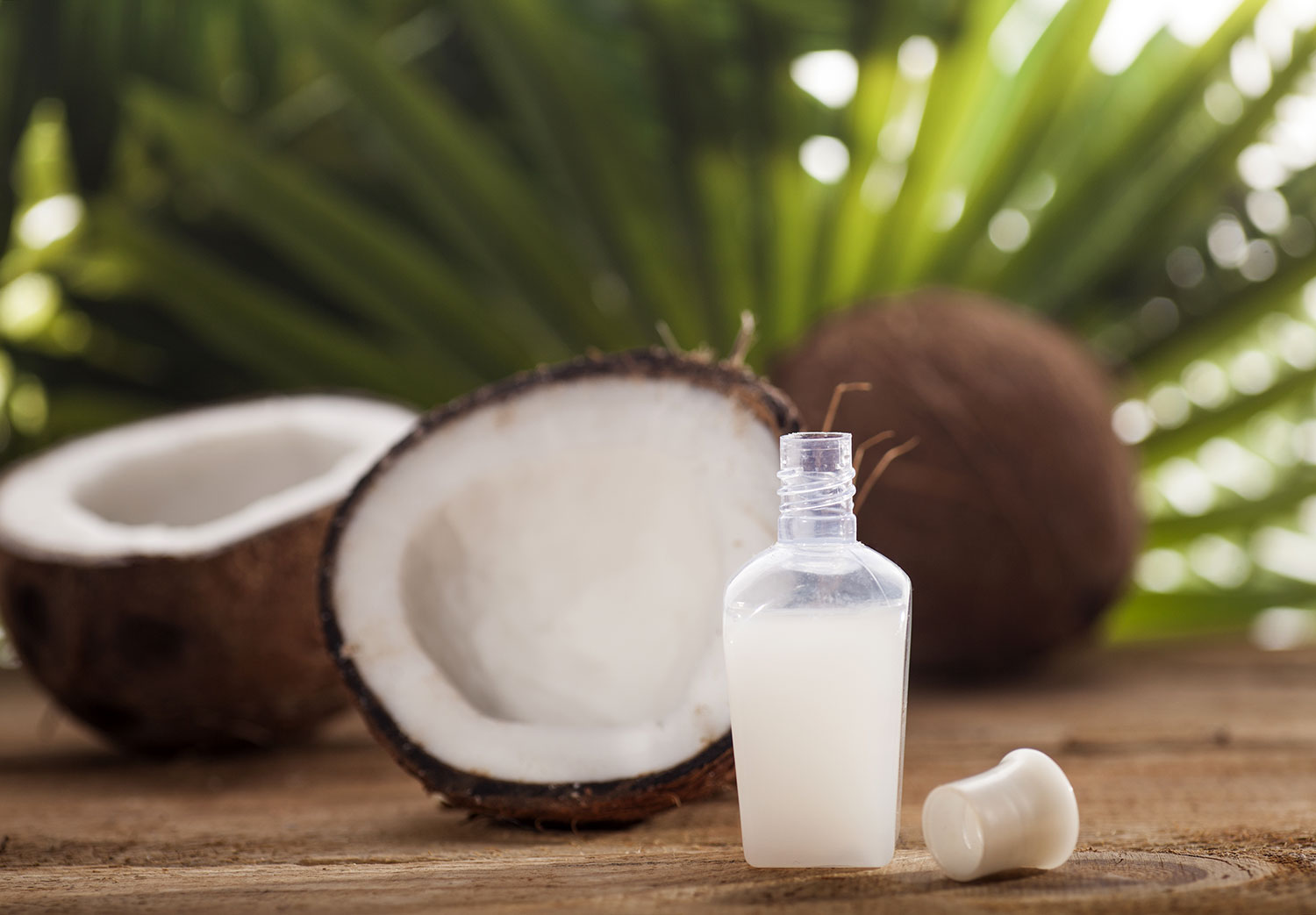
Does coconut oil harm endothelial cells?
– James B.
What a curious question!
The endothelial cells lining your blood vessels work to relax and contract the diameter in response to stimuli. They produce nitric oxide, a vasodilator. Stiff or narrow arteries are risk factors for cardiovascular events because they don’t allow the blood to flow through adequately. When the endothelium isn’t working properly, it’s called dysfunction. This can lead to the development of atherosclerosis (plaque deposition).
Coconut oil is 100% cholesterol-free (as are all plant oils), but contains mostly saturated fatty acids. These differ chemically from, and are not as harmful to the vascular system as, animal saturated fats.
In searching the US National Library of Medicine’s database of published research for “coconut” and “endothelial” in human subjects, the search results showed only 3 related articles. One suggested that saturated fats did not affect endothelial function as compared with trans fats1. Another showed no difference between coconut oil and sunflower oil (high in polyunsaturated fatty acids) in cardiovascular risk2. The third showed similar impairment in endothelium-dependent artery dilation from both coconut milk and a Western high-fat meal3.
Leaving no stone unturned, I looked for other studies not in this database. One that compared coconut oil to safflower oil (high in polyunsaturated fatty acids) in a single high fat meal found a “non-significant trend toward impairment of endothelium-dependent vascular reactivity in conduit arteries… after the saturated fat meal.4”
All together, the body of research shows that there is not enough evidence to say there is a definitive correlation between consumption of coconut oil and epithelium health. So James, I would say to keep your fat intake at a low to moderate level and from primarily plant sources of unsaturated fat.
– Debbie J., MS, RD
Sources:
Journal of the American College of Cardiology
Volume 48, Issue 4, August 2006
This article should not replace any exercise program or restrictions, any dietary supplements or restrictions, or any other medical recommendations from your primary care physician. Before starting any exercise program or diet, make sure it is approved by your doctor.
Some questions have been edited for length and/or clarity.
Have a nutrition question? Our registered dietitian is ready to help!
Email nutrition@lafitness.com or submit your question below and it may be featured in an upcoming article!
Most comfort foods we turn to are heavily laden with fat, starch and calories. There are healthier ways to enjoy down-home classics by making a few tweaks.
Good nutrition is all about variety! Browse through our list of unusual fruits and veggies and give yourself a chance to try something new.
Does liberally salting your food help you pump more iron in the gym? Registered Dietitian, Debbie James, investigates the claims!

Have you ever suffered from a heartbreak? Meet Tyler G. of Dallas, TX, who found himself at an all-time low after his 7-year relationship came to a brutal end. He felt completely lost and suffered from overwhelming depression and anxiety. Tyler became so insecure with himself, that he didn’t know what to do – until he came to the point where he knew he had to change, take action, and gain control of his life again. That’s what brought him through the doors of LA Fitness back in December of 2016.
From Negative to Positive
At the start of Tyler’s fitness journey, he weighed in at 250 lbs. with a size 40 waist. Performing everyday tasks started to become challenging, and he was ready to change that. Tyler noticed that the more he stepped into the gym and trained, the more he started to see his body change, and not only that, but his mind started to transform too. He began eating healthier foods and substituted all the negatives he faced with positives. He fell in love with the process and soon found himself going to the store and checking the nutrition facts on everything he was buying. His diet started consisting of high protein, healthy carbs, and plenty of veggies. Not only that, but Tyler cut out all fried foods, fast food, sodas and sugar that he was used to. He had become determined to change the way he looked and felt, and he wasn’t about to give up

“The body is a very fascinating being, and you can literally transform the way you look, by exercising and eating healthy […] once the process starts to unfold you will fall in love with the lifestyle.”


A Whole New Life
Tyler trains every day now, sometimes even twice a day. He has learned that taking control of his own health and exercising regularly can help benefit so much, both mentally and physically. Since beginning his fitness journey with LA Fitness, Tyler has gained a passion for fitness and healthy living. He hopes to take what he’s learned and use it to help inspire and motivate others to do the same. Every time Tyler steps into the gym, he sees it as a battle he holds against himself. He put it as, “it’s me vs. me and I’m never going to lose, and after my workout I just feel so satisfied.” Tyler now weighs 180 lbs. and says that his size 32 shorts are now a little loose!

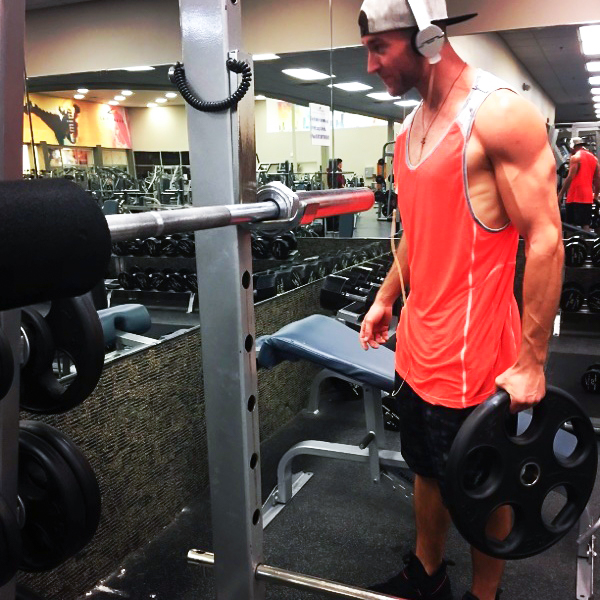
“It has totally changed my whole life. I have gained self-confidence in myself to believe I can do anything I set my mind to. The gym has allowed me to overcome so much adversity in my life, and I am so thankful for that. It has given me peace in my life, and for me that is the ultimate achievement.”
The Future
Tyler plans to keep pushing himself and learning more about himself through a consistent training regimen. He hopes to soon enter a physique competition and perhaps one day become a sponsored athlete. Tyler also hopes to one day become a trainer and use his own personal success story to inspire and help change others for the better.
This article is not meant to be construed as medical or nutritional advice. Consult with your physician before beginning a new fitness or dietary regimen.
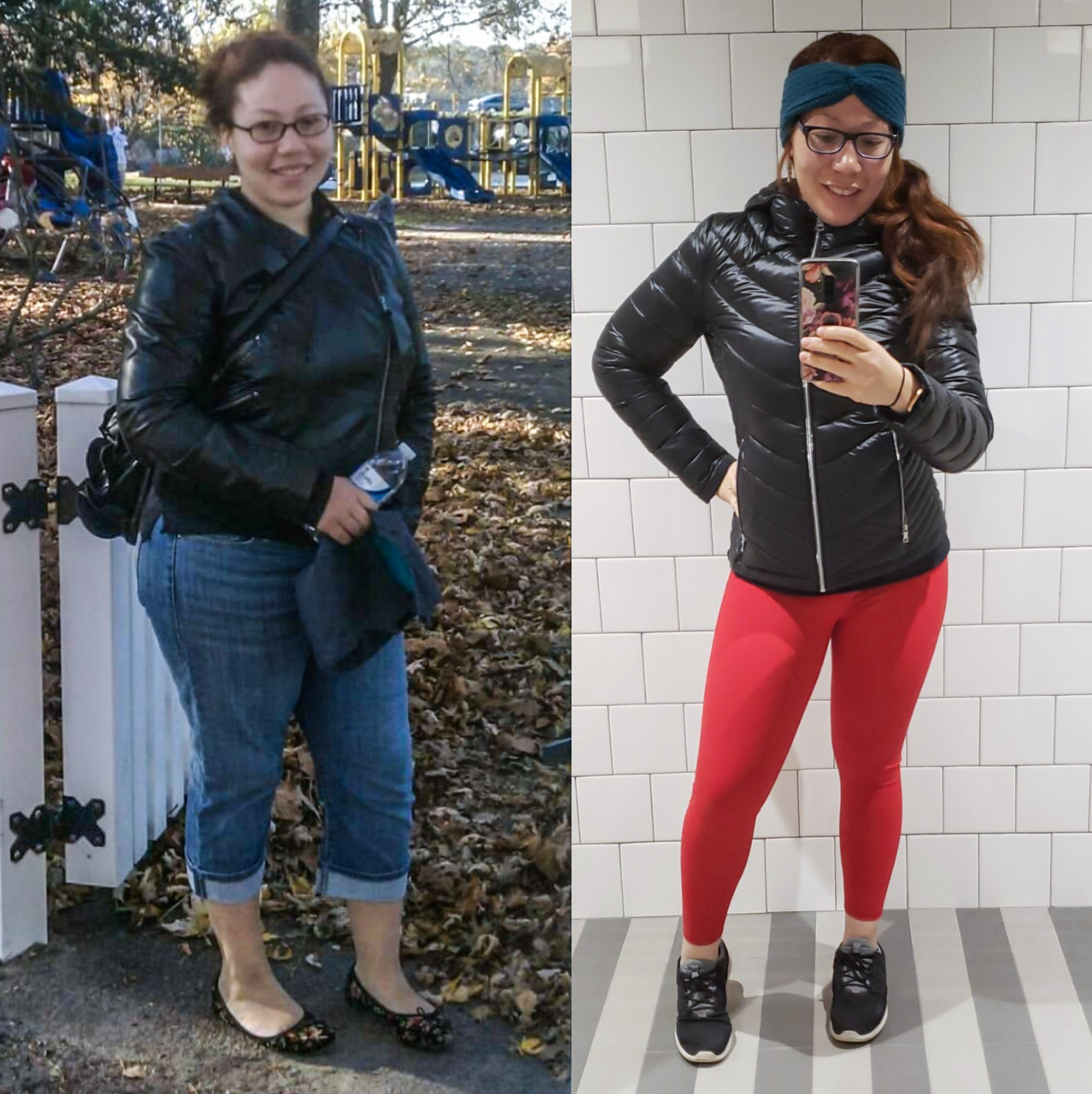
Waleska is a mom with 2 part-time jobs who had a love for chocolate. Despite the time constraints and sweet temptations, she lost over 60 pounds!

Many of us pair the idea of aging with decreased mobility and various aches. Yet, Patricia’s story shows us just how wrong that notion can be.

Ann shares how, despite back problems, strokes, and surgeries, she is well on her way to achieving her goal of losing 90 to 100 pounds!
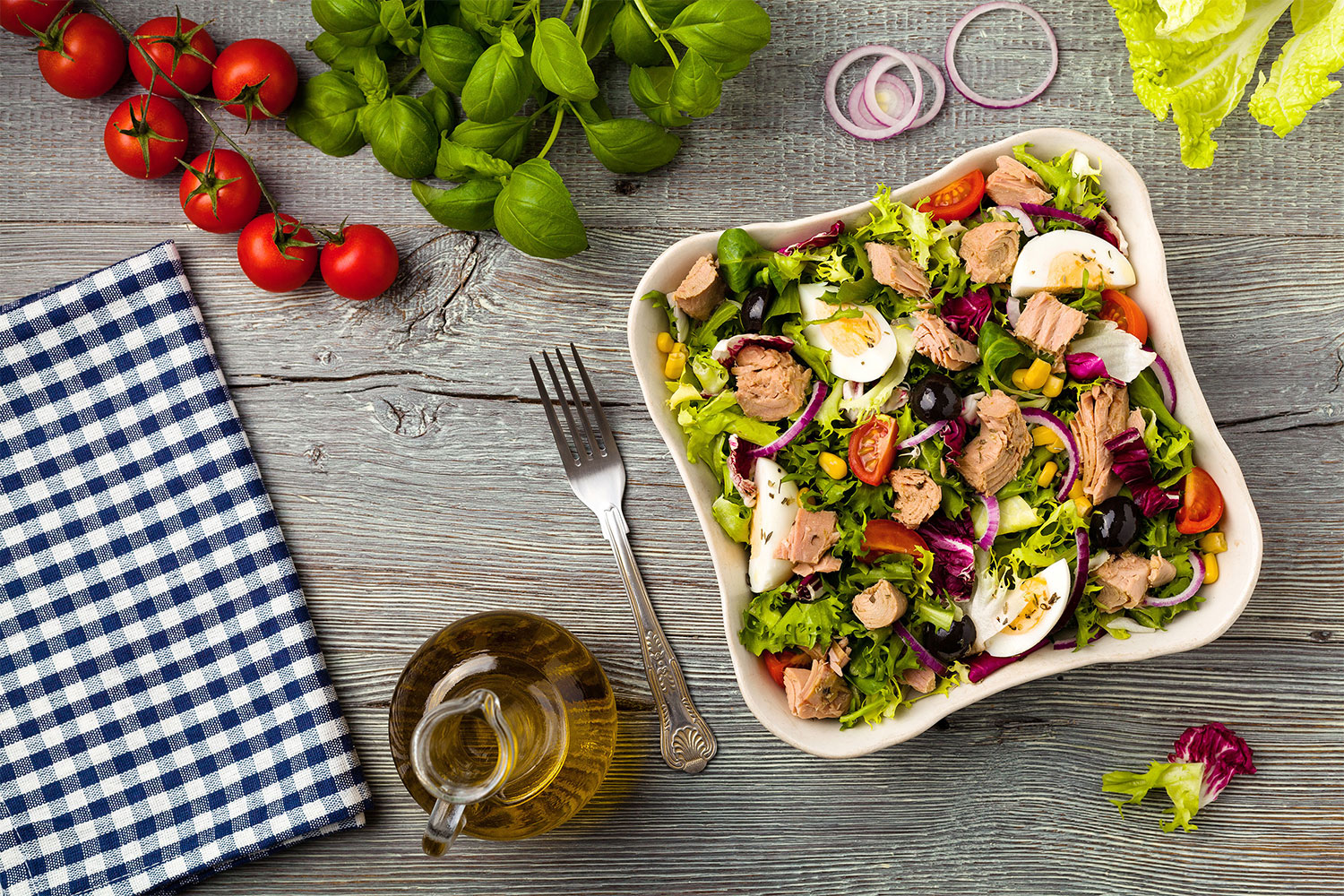
What are some good foods to eat to help with the recovery after I work out? I seem to be unusually sore and tired.
– Stephanie E.
The goal of recovery nutrition is two-fold. First, to restore balance by eliminating deficits of glycogen and buildup of toxins. Second, to infuse the muscles with building blocks to repair and form new cell structure. Your concern definitely points to the first goal. With that in mind, you will need to look at timing and composition of your recovery meal/snack.
Since your muscles are sore, their cellular metabolism needs to be restored to normal. You might need more sources of potassium and anti-inflammatory compounds. These include tomatoes, bananas, potatoes, kale, cabbage, berries, cherries, lentils, salmon, tuna, nuts, garlic, curcumin, and olive oil. One possible recovery meal is tuna salad with tomatoes, olives and pine nuts on spinach. A tasty snack option is cherries and almonds.
Please note that muscle soreness is no longer thought to be caused by a buildup of lactic acid. More often it’s caused by microscopic damage to the muscle fibers from intense work. Pacing yourself during your workout with adequate breaks between sets may help.
Resources:
American Council on Exercise “What causes muscle soreness and how is it best relieved?” 9/4/09
Harvard Health Publications “Foods that fight inflammation” 8/13/17
Sports Illustrated “Debunking the myths about lactic acid, fatigue and recovery” 7/21/16
– Debbie J., MS, RD
This article should not replace any exercise program or restrictions, any dietary supplements or restrictions, or any other medical recommendations from your primary care physician. Before starting any exercise program or diet, make sure it is approved by your doctor.
Some questions have been edited for length and/or clarity.

Want more? SUBSCRIBE to receive the latest Living Healthy articles right in your inbox!
Have a nutrition question? Our registered dietitian is ready to help!
Email nutrition@lafitness.com or submit your question below and it may be featured in an upcoming article!
Most comfort foods we turn to are heavily laden with fat, starch and calories. There are healthier ways to enjoy down-home classics by making a few tweaks.
Good nutrition is all about variety! Browse through our list of unusual fruits and veggies and give yourself a chance to try something new.
Does liberally salting your food help you pump more iron in the gym? Registered Dietitian, Debbie James, investigates the claims!