From Craving Chocolate to Paving New Roads
Waleska is a mom with 2 part-time jobs who had a love for chocolate. Despite the time constraints and sweet temptations, she lost over 60 pounds!



Julie W., of Phoenix, AZ, shared that in her “former” life she was a juvenile detention officer, PE teacher, and trainer/fitness instructor. Self-described as “being stronger than the average ‘joe’-sephine”, an aggressive Breast Cancer diagnosis threw this typically tough power woman into a spiral of depression and despair. Julie’s diagnosis couldn’t have come at a worse time, as she was already struggling with the recent loss of her two sisters, and now she was struggling for her own life.
Thankfully, the combination of surgery, chemotherapy and radiation worked. Unfortunately, it also resulted in a blood clot in Julie’s jugular, Chronic Obstructive Pulmonary Disease (COPD), and Neuropathy. Separately, Julie was also struggling with Degenerative Disc Disease (DDD), arthritic joints, and anxiety and depression. Still, Julie was determined to not give up. In her words, “death is an obvious eventuality, but healthily growing older is a better prognosis.”
Before Julie’s diagnosis she was a heavy lifter who spent most of her spare time in the gym, staying active. Since then she has turned into a different type of gym-goer, knowing that movement and exercise are now mandatory for healthy living, and not just a fun pastime. Julie was almost forced into changing her fitness routine once she started undergoing treatments. While she was no longer able to focus on heavy weights, she turned her attention to enhanced cardio and increasing her flexibility.
LA Fitness group fitness classes became the perfect fit for what Julie needed. She shared that the classes offered her “cardio-vascular improvement, coordination and control, brain and muscle memory, musicality and performance artistry, emotional outlet, camaraderie and so much more.” She enjoys classes like Body Works classes and Yoga, but one class stood apart from the rest – Zumba®. Julie shared that Zumba® is one of the primary reasons why she’s made LA Fitness her second home.
In fact, Julie enjoys the classes so much that she travels to various LA Fitness clubs within the Phoenix area to follow some of her favorite instructors! She’s even enjoyed participating in LA Fitness Zumba® classes while on vacation in other states! Julie shared that trainers like Justin, Natalie, Briana and Treena, should be applauded for their personable demeanors, motivating attitudes and caring mindsets. Each of the Zumba® instructors she admires has their own unique flavor and talent that they bring to their classes.

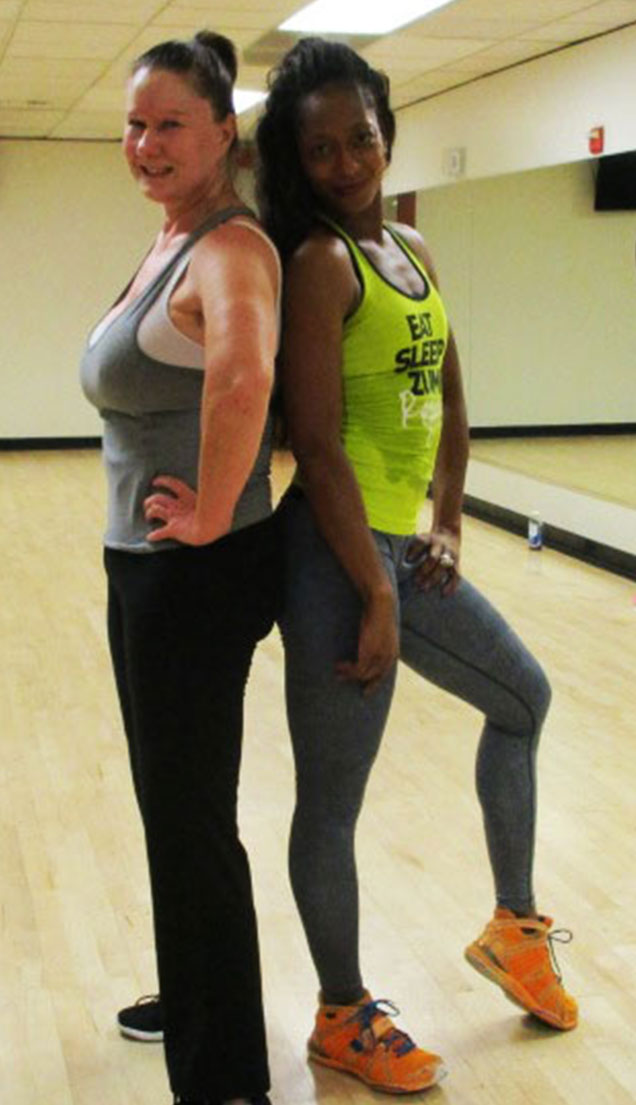


“Come dance with me, what do you have to lose besides the weight?”
“Zumba® allows me to bring a little bit of joy into someone’s life, one dance step, one song, one class at a time.”
“Don’t work out to escape your life, work out to embrace your life.”
“Music is the heartbeat to the soul.”
Julie found strength and fun in Zumba® group fitness classes. She found friends in some of the talented Zumba® instructors she’s met along the way, and she encourages everyone to try out a class near them. If Zumba® isn’t your cup of tea, there are plenty of other group fitness options to keep you active and feeling motivated. It’s a great way to keep in shape, have fun, and be encouraged from group fitness instructors. Find a class near you by clicking here!
Group fitness class schedules and offerings vary by location.
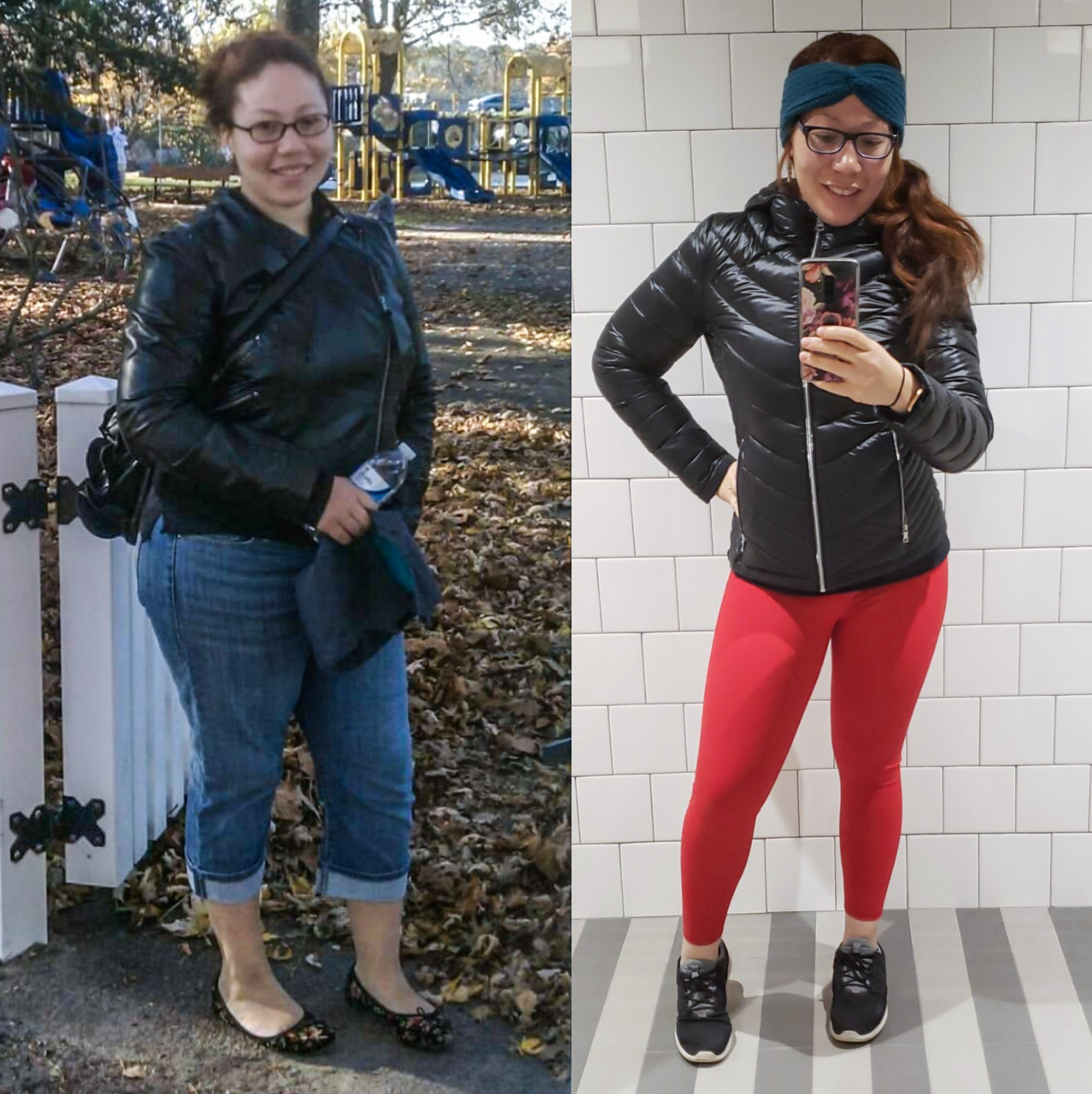
Waleska is a mom with 2 part-time jobs who had a love for chocolate. Despite the time constraints and sweet temptations, she lost over 60 pounds!
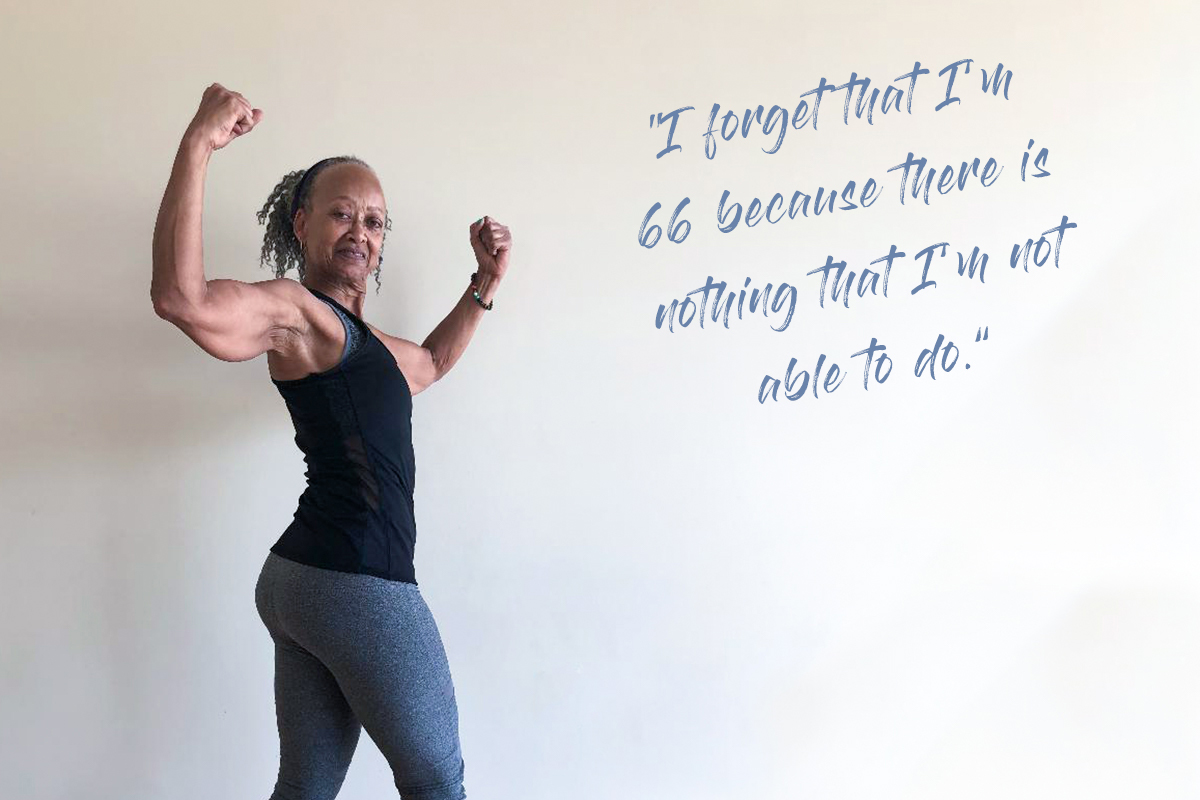
Many of us pair the idea of aging with decreased mobility and various aches. Yet, Patricia’s story shows us just how wrong that notion can be.

Ann shares how, despite back problems, strokes, and surgeries, she is well on her way to achieving her goal of losing 90 to 100 pounds!

Are you in the danger zone? Nearly half of all U.S. adults are identified as having high blood pressure, or hypertension, but what does this mean exactly? Imagine it like this, hypertension can easily be compared to having a piping system where the pressure is slowly increasing. Over time, this pressure wears on the machinery (“your heart”) and affects the overall system of equipment (“your body”). When blood pushes too hard against the blood vessels of the body, it damages the tissues of the arteries over time, weakening the heart and overall circulatory system. The good news is, there are ways to manage, and even prevent, this from occurring.
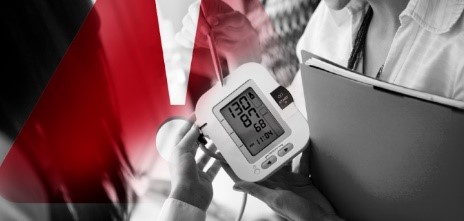

The American Heart Association (AHA) sets guidelines of what a healthy blood pressure should be. The new guidelines lower the blood pressure at which a person is considered to have high blood pressure. Under the previous definition, 32% of American adults were considered to have high blood pressure. The change to the guidelines changes the definition, with the result that 46% of U.S. adults are now identified as having high blood pressure. According to the AHA, “a blood pressure of less than 120/80 still will be considered normal, but levels at or above that, to 129, will be called ‘elevated’.”1 Having these new guidelines in place will allow doctors to better detect, treat and prevent hypertension in their patients.
The new guidelines can be thought of as a preventive measure. By monitoring and recognizing moderate to high blood pressure sooner, individuals will be able to take steps to control their blood pressure earlier. With implementation of healthy lifestyle changes, the risk of heart disease and stroke diminishes, giving those with hypertension a chance to get a better hold on their health. In fact, not only can early detection possibly help prevent stroke and cardiovascular issues, but it may also help prevent kidney failure. The new guidelines can help doctors detect, treat and prevent the results of hypertension.
The AHA’s journal, Hypertension emphasizes, “that doctors need to focus on a whole framework of healthier lifestyle changes for [their] patients,”2 which may be easier to do if they are able to start educating their patients earlier on. Paul Whelton, M.D., who chaired the guideline writing committee said, “I’m not saying it’s easy to change our lifestyles, but that should be first and foremost.”3
Paul Whelton, M.D., chaired the committee that wrote the new high blood pressure guidelines.
Oftentimes, people with high blood pressure may not even realize they have it, and because of this it has become known as the “silent killer.” There are usually no obvious symptoms, making hypertension the main culprit for “more heart disease and stroke deaths than almost all other preventable causes,”4 falling second only to smoking. Check out the guide below to see where you fall on the scale, and make it a priority to live a healthy life to help build a healthy future.
If you think you may be at risk of high blood pressure or hypertension, consult with your doctor. This article should not replace any exercise program or restrictions, any dietary supplements or restrictions, or any other medical recommendations from your primary care physician. Before starting any exercise program or diet, make sure it is approved by your doctor.
Sources:
Referenced:
http://hyper.ahajournals.org/content/early/2017/11/10/HYP.000000000000006

The Holiday Season can get stressful, so we may stick to a routine for the sake of easy planning. Try any of these 10 simple ideas to bring new life to your Thanksgiving celebrations.

By now, you may have seen some donation boxes at your local LA Fitness. If you haven’t been entirely sure what those boxes are all about, you’re in the right place!

Most comfort foods we turn to are heavily laden with fat, starch and calories. There are healthier ways to enjoy down-home classics by making a few tweaks.


I am trying to slim down for my wedding next June. I am 5′ 3″ and woke up at 129 pounds this morning but fluctuate a few pounds regularly. I work out for the most part 5 days a week switching each day a different aspect of weight lifting for different body parts (chest, legs, arms, etc.). I do not do a lot of cardio, maybe 5-10 minutes after a non-leg day work out – usually treadmill. I know my lack of continued weight loss is partially due to my diet but would love some advice on what I should try to eat more of. I do try to eat salads and chicken and such. Sorry if this is too generic. Let me know if you need more info to properly answer. Thank you in advance.
– Danielle S.

Dear bride-to-be, I’m so glad you’re addressing your shape now and not at the last minute! Your desire to focus on what to eat more of shows your positive attitude. You can’t go wrong with more vegetables and water. Try to get at least 3 cups of veggies and 6 glasses of straight water daily. More calories in the morning versus late afternoon/evening can be key to burning off what you do eat. If your diet is relatively fat-free, it could leave you hungry. A spoonful of healthy fat at each meal can help keep you satisfied and may actually prevent greater calories later. As the American Council on Exercise* puts it, “Including fat at each meal will help you to feel fuller for longer, balance blood sugar level, and increase your satisfaction with each meal.” Of course you can’t add things to your diet without reducing calories elsewhere.
For stress-free dieting, consider eating your meals with a FIRST, THEN approach:
FIRST plan your meals, THEN shop for what you need. FIRST pack your lunch, THEN you can supplement if plans change. FIRST have a glass of water, THEN eat your meal. FIRST eat your vegetables, THEN your other meal components. FIRST eat fresh fruit, THEN if still hungry have a teacup size of dessert.
Be sure to stay tuned and keep reading our Living Healthy blog for more weight loss articles, menu suggestions and healthy recipe ideas.
– Debbie J., MS, RD

Want more? SUBSCRIBE to receive the latest Living Healthy articles right in your inbox!
This article should not replace any exercise program or restrictions, any dietary supplements or restrictions, or any other medical recommendations from your primary care physician. Before starting any exercise program or diet, make sure it is approved by your doctor.
Some questions have been edited for length and/or clarity.
 Have a nutrition question? Our registered dietitian is ready to help!
Email nutrition@lafitness.com or submit your question below and it may be featured in an upcoming article!
Most comfort foods we turn to are heavily laden with fat, starch and calories. There are healthier ways to enjoy down-home classics by making a few tweaks.

Good nutrition is all about variety! Browse through our list of unusual fruits and veggies and give yourself a chance to try something new.

Does liberally salting your food help you pump more iron in the gym? Registered Dietitian, Debbie James, investigates the claims!
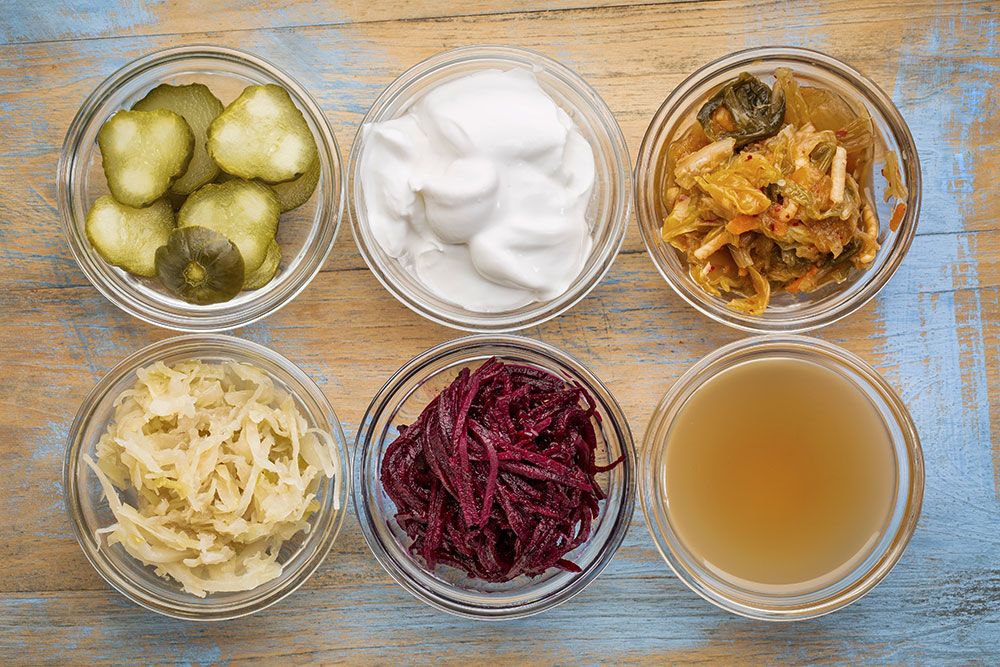

While yogurt has been at the forefront of US probiotic food sales, kombucha tea is gaining popularity. It can thank fermented foods like sauerkraut, kimchi and kefir for paving the way. For thousands of years, fermentation has been used across the globe to retain shelf-life, prevent food spoilage, and produce alcohol.
What is fermentation? It is the slow, primarily anaerobic oxidation of sugars [induced by microorganisms (probiotics) or by enzymes of plant or animal origin] to other compounds, which produces energy for the microorganism.
In addition to the aforementioned, the list of available fermented items includes foods such as sourdough bread, beer, wine, fermented soybeans, fava bean flour, fermented sausage, fermented rice vinegar, fermented malt-based beverages, and fermented noni juice. Besides being epicurean, these foods are also healthy. Consumption of fermented foods is associated with numerous health benefits1.
The underlying microbial functionality of fermented foods has been unfolding in the last decade. Take the case of yogurt and kefir, for example: Fermented dairy foods have long been known to benefit gut health by way of intestinal microbiota. It was found that lactobacilli, the bacteria present in fermented dairy, also reduced vaginal and bladder infections by competing with pathogens2. Presently, fermented dairy products are associated with a reduced risk of cardiovascular disease and certain cancers, and an improvement in immunity and metabolism, showing that the benefits of fermented dairy can go beyond the gut to other sites in the body as well.
From coffee’s suspected relation to improvements in mental health1 to fermented soy products’ connection with cardiovascular health1, these functional foods provide important enhancements to our overall health. Even glucose homeostasis (which is not isolated to a particular organ or body site) has been shown to be positively affected by fermented dairy products and kimchi. Now researchers are investigating whether fermented noni fruit juice has anti-diabetic effects. Where will we go next? Current research is investigating the bioactive compounds in fermented foods to see their effect on inflammation, oxidative stress, blood pressure, and anti-radical capacity.

Speaking of blood pressure, here is a juxtaposition: While kimchi is salty, greater intakes of it are not associated with higher risk of hypertension*. Researchers speculate this is because of its function as a probiotic, preventing increases in blood pressure. They stated, “One of the beneficial effects of kimchi comes from the fermentation process by lactic acid bacteria, which leads to the eradication of pathogenic organisms and increases its health benefits and functionalities as a probiotic3.”
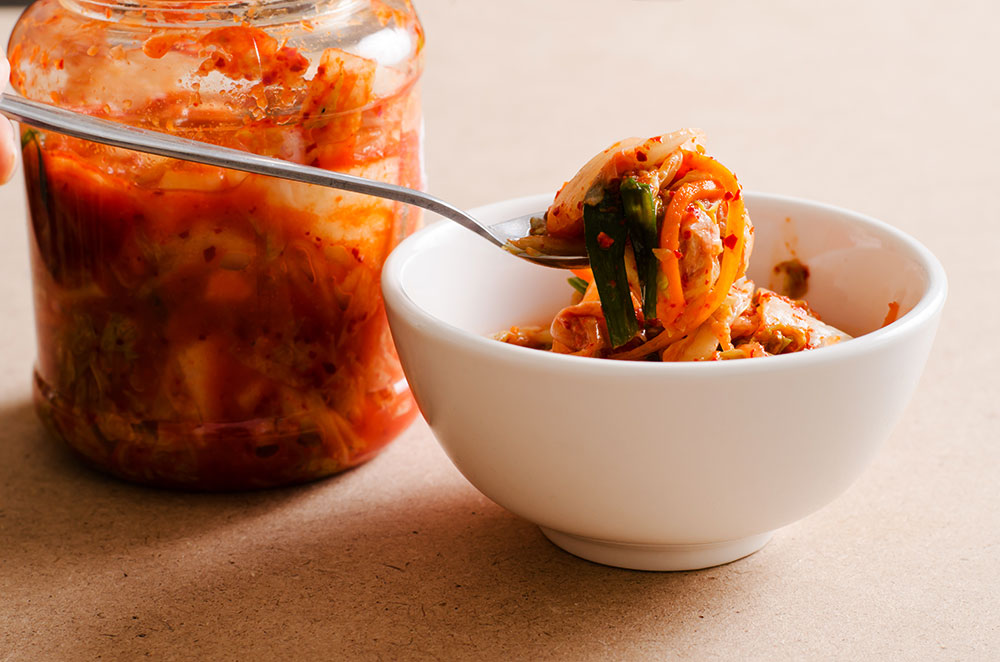
Fermentation, probiotics… getting confused? They are closely related, but not the same. Fermented foods contain living microorganisms of which some are genetically similar to strains used as probiotics1. Microbes in fermented foods introduce new compounds to the foods that are delivered to the gut, in a manner similar to probiotics.
While there may be a higher price tag for currently trendy fermented beverages, you can always incorporate basic sourdough bread, beer, wine, and active-culture yogurt as part of your fermented food arsenal.
*These results do not apply to obese men consuming ‘watery’ kimchi which has fewer probiotic components than do other types of kimchi.
Want more? SUBSCRIBE to receive the latest Living Healthy articles right in your inbox!
References

Peanut butter is richer in fat than it is protein, by two-fold! It’s comparable to other nut spreads like almond paste, cashew butter and sesame butter.
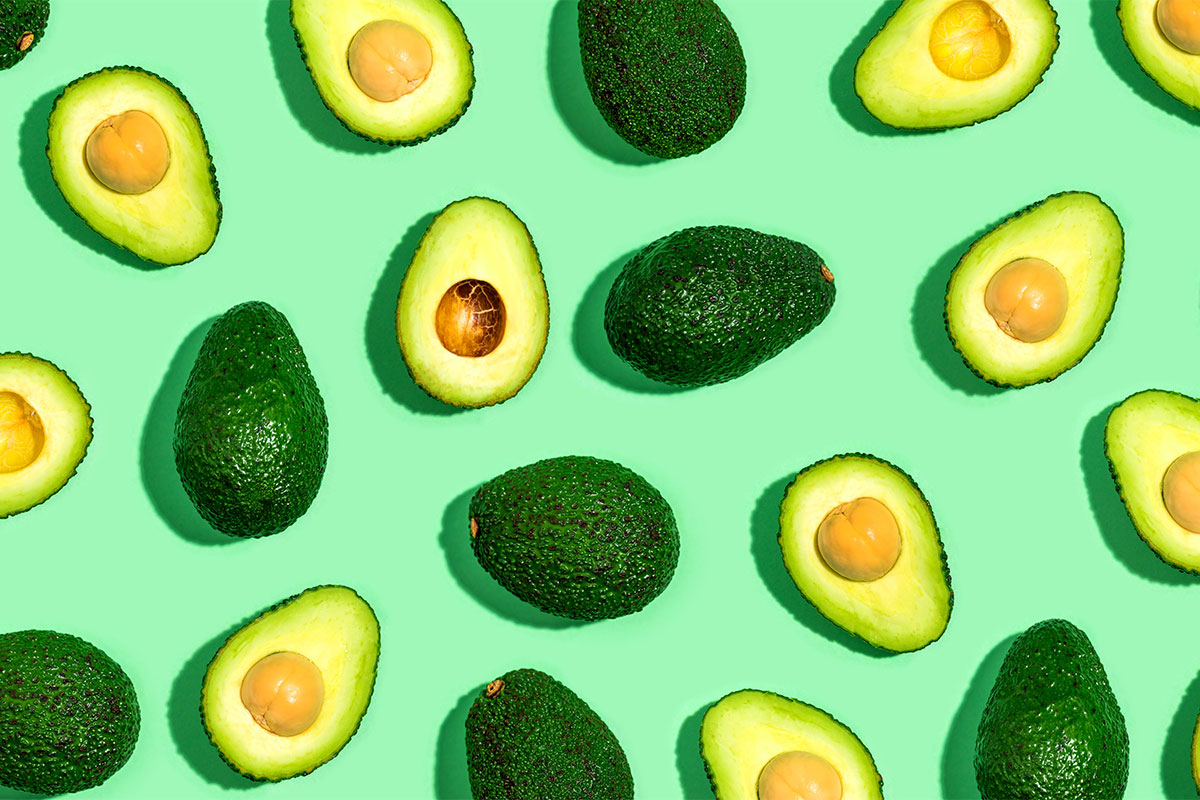
When your belly is sending messages you can hear, it’s time to listen up! Check out our list of seven foods that help quiet the hunger growls.
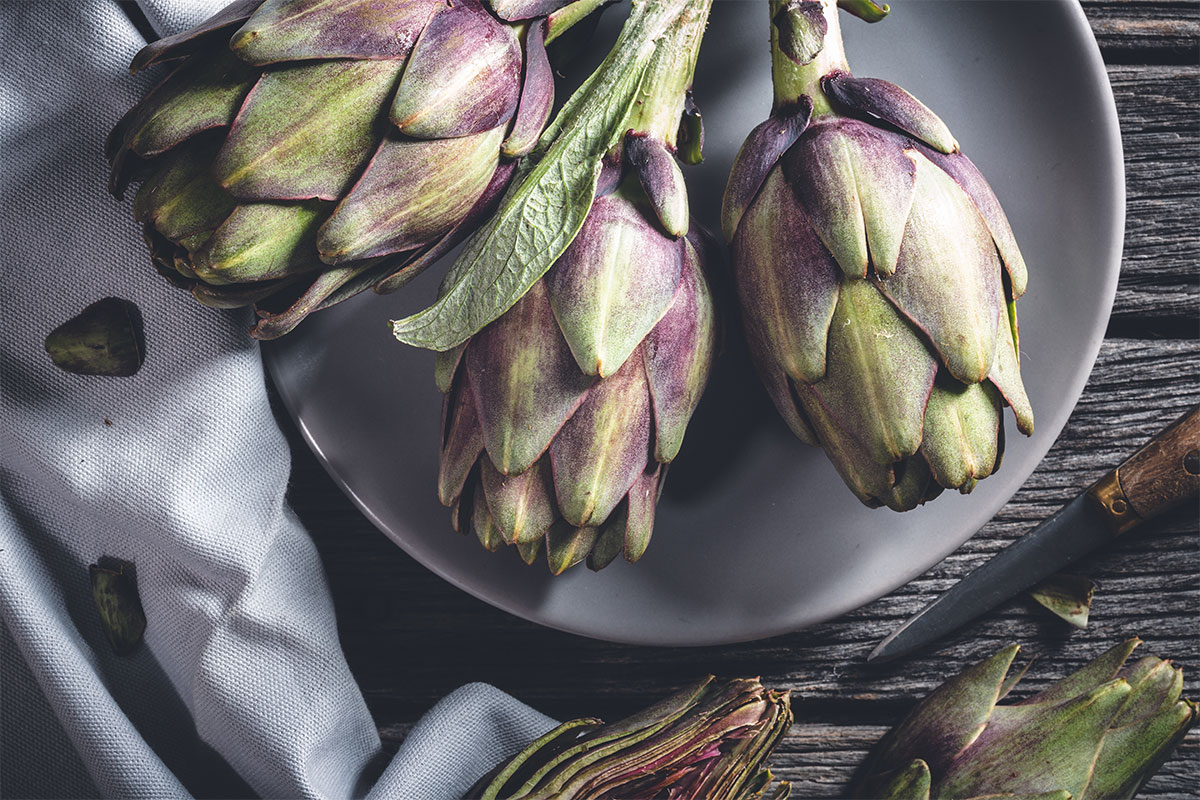
Depending on the amount of carbohydrate you allow, you should be able to work in legumes daily, though not necessarily for pre/post workout.

I am a vegan and was just wondering if you could give me some tips on my diet. I have been eating lots of beans, whole grains, fruits, and vegetables but I’ve noticed that I feel bloated. How many servings of proteins such as bean or lentils do you recommend daily? Are there any other sources of protein you recommend?
– Alyssa S
Many plant foods contain fermentable components that cause gas and bloating. These compounds are known as FODMAPs (fermentable oligosaccharides, disaccharides, monosaccharides and polyols) and certain sources have more than others. Since the list of foods high in FODMAPs is quite extensive, I’ve referenced it here. Following a diet low in FODMAPs is usually to treat gastrointestinal disorders and is best done under the supervision of a Registered Dietitian Nutritionist or gastroenterologist familiar with a low FODMAPs diet.
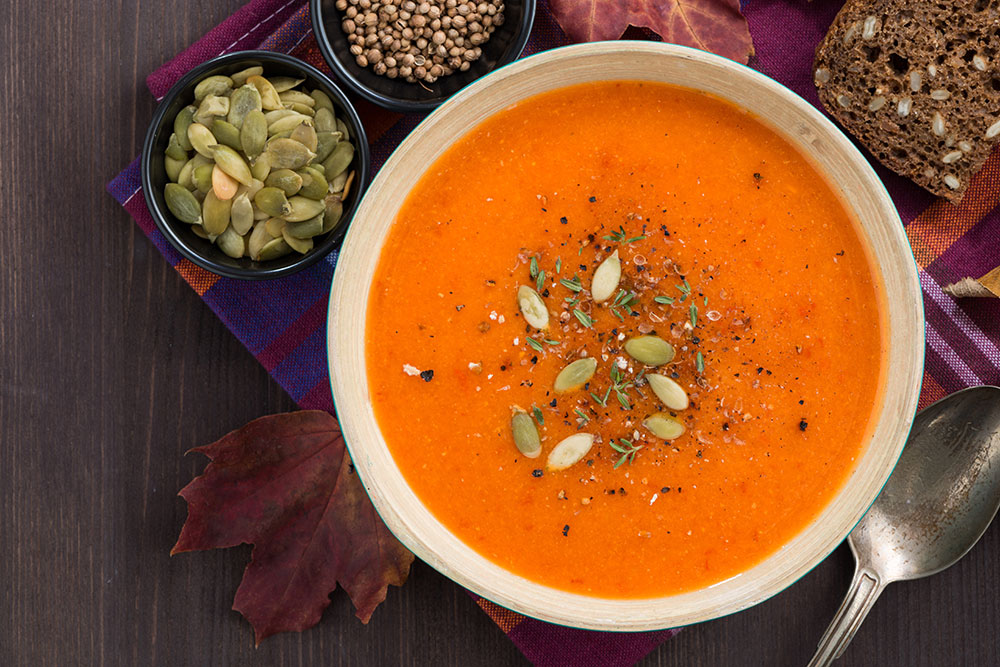
As you’re probably aware, fruit and fats/oils have negligible protein. Beans, lentils and peas are the best source of vegan protein (by weight) and two half-cup servings are recommended daily. Nearly complete amino acid profiles are found in soybeans and soy products. Since they aren’t high in methionine, you’ll need other legumes and grains to meet your methionine need. These should be eaten nearly every meal. To round out your amino acid profile with grains and beans, you should consume about an equivalent of 2 ounces of nuts daily, such as ¼ cup almonds or ½ C pumpkin seeds. This will help meet the remainder of your protein requirement.
– Debbie J., MS, RD


Want more? SUBSCRIBE to receive the latest Living Healthy articles right in your inbox!
This article should not replace any exercise program or restrictions, any dietary supplements or restrictions, or any other medical recommendations from your primary care physician. Before starting any exercise program or diet, make sure it is approved by your doctor.
Some questions have been edited for length and/or clarity.
Have a nutrition question? Our registered dietitian is ready to help!
Email nutrition@lafitness.com or submit your question below and it may be featured in an upcoming article!
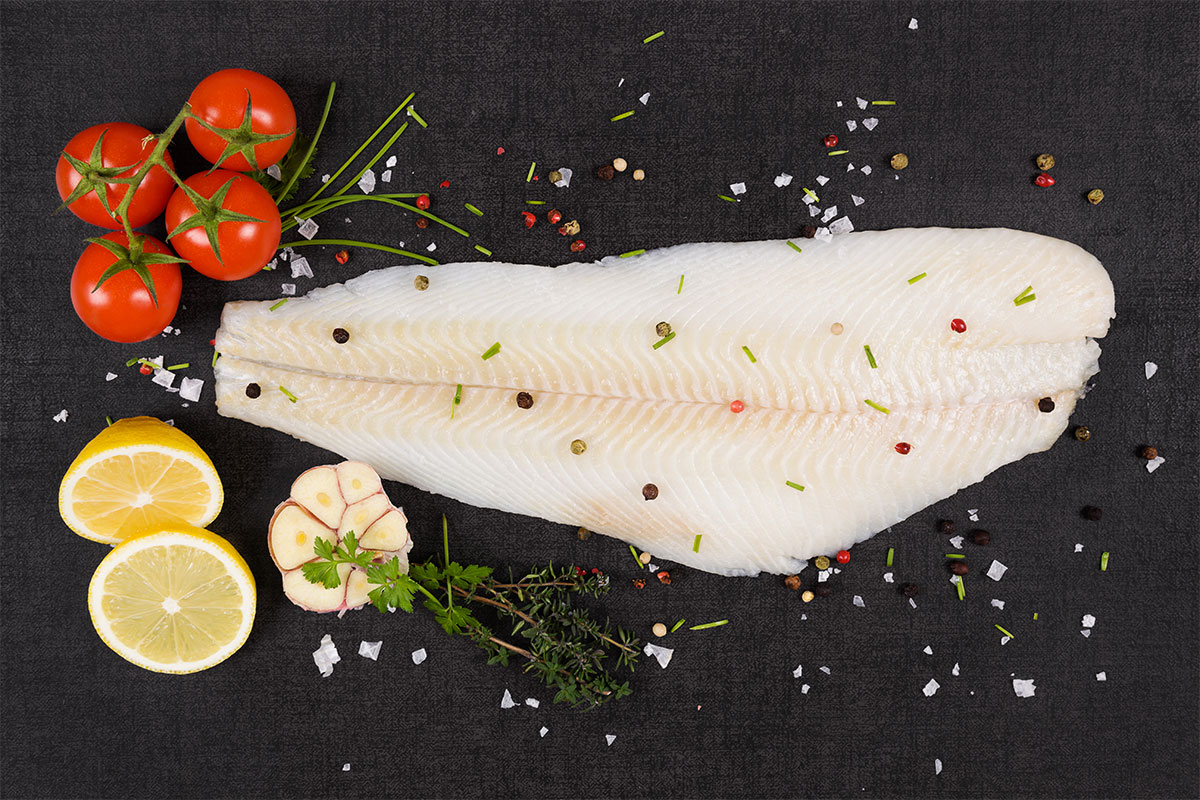
For structure, you could follow a moderate diet plan providing no fewer than 1500 calories a day. We offer a sample daily diet plan.
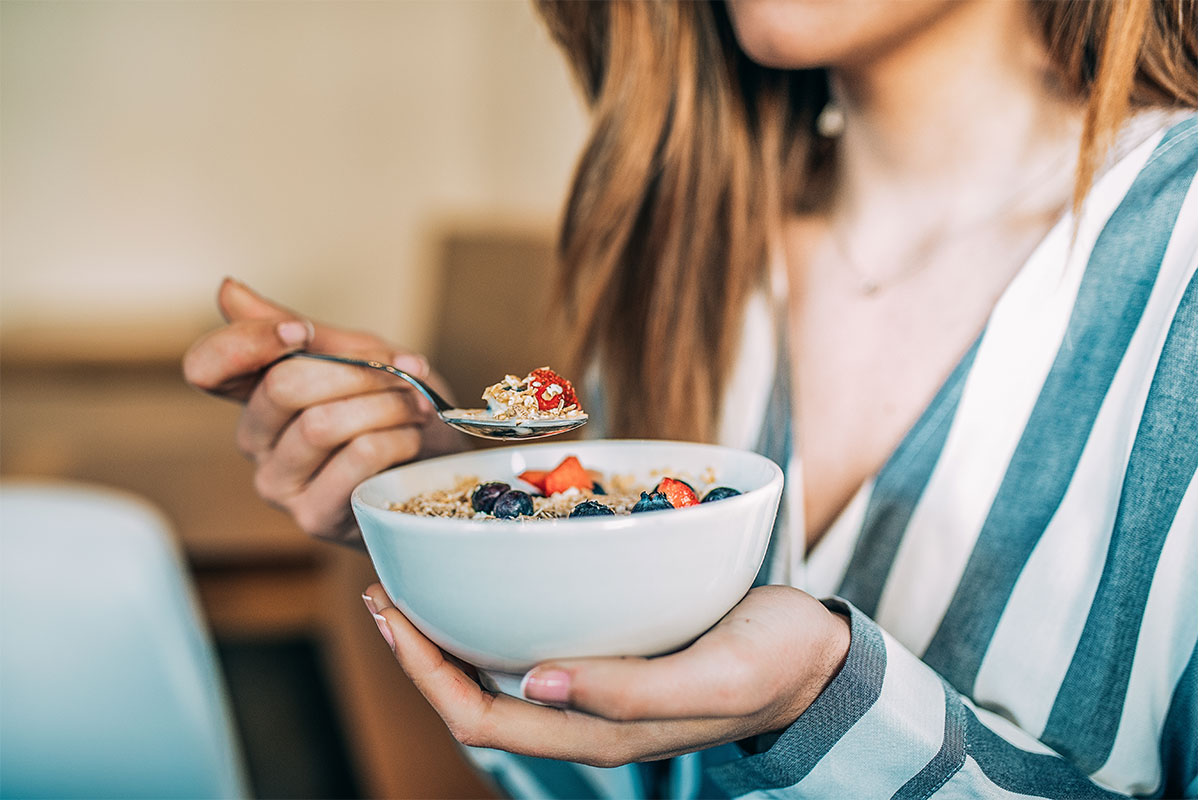
If your schedule and environment don’t allow you to plan or prepare for a balanced lunch or to prevent mindless snacking, that is something you need to address first.
The page you requested could not be found. Try refining your search, or use the navigation above to locate the post.