10 Thanksgiving Ideas to Revive Your Celebrations
The Holiday Season can get stressful, so we may stick to a routine for the sake of easy planning. Try any of these 10 simple ideas to bring new life to your Thanksgiving celebrations.

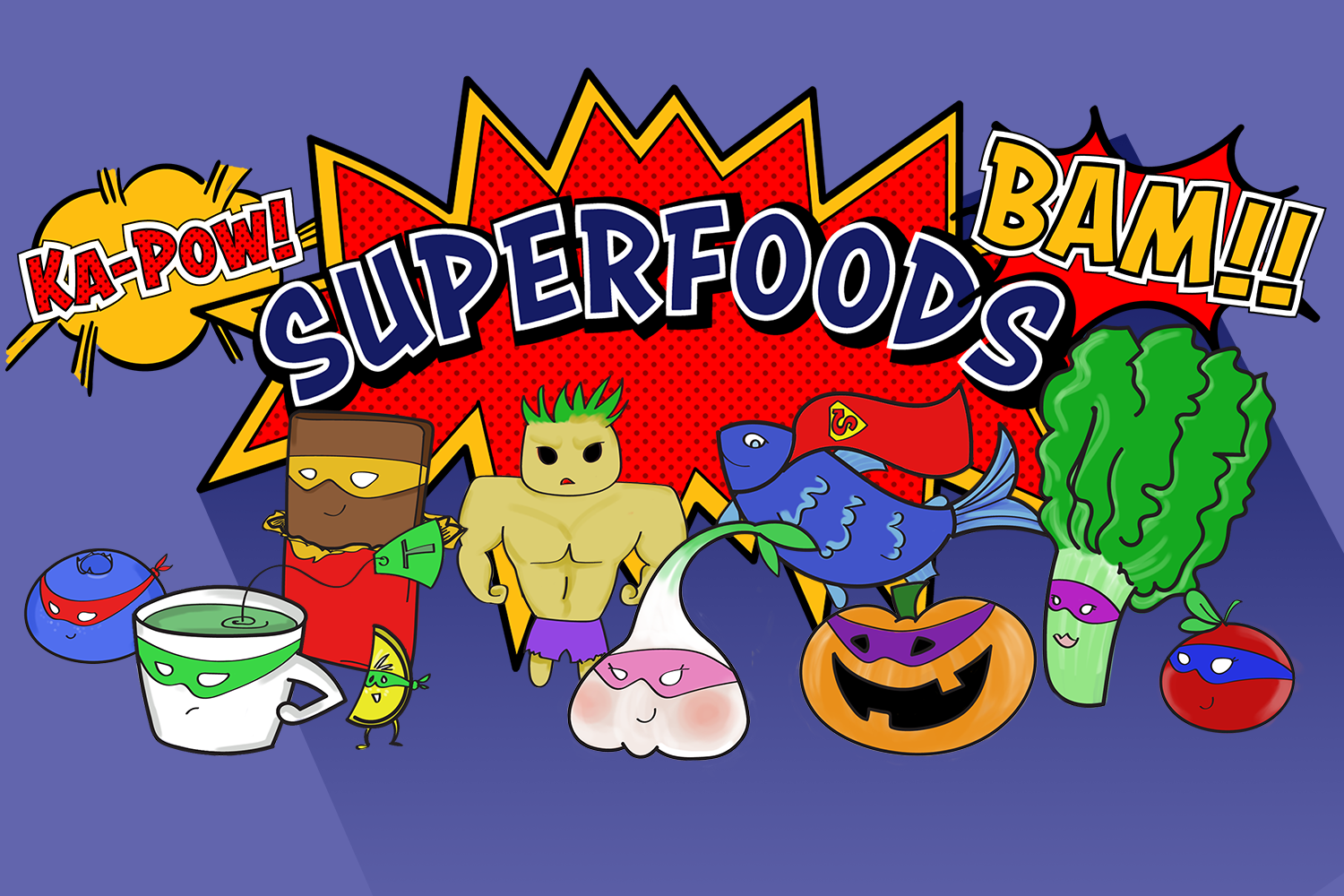

Keep your body at its strongest by teaming up with these food superheroes and fight your way to feeling stronger and healthier than ever before.

Blueberries – Bursting with fiber, vitamin C, and cancer-fighting compounds, these powerful little berries can do a whole lot to help the body, and may help improve memory.1

Kale –Kale can be prepared in a variety of ways: boiled, steamed, roasted, and stewed – eat it the way that works best for you. It is a great source of fiber, calcium, and iron, and contains more antioxidants than most other fruits and veggies.2 Talk about food that packs a punch!
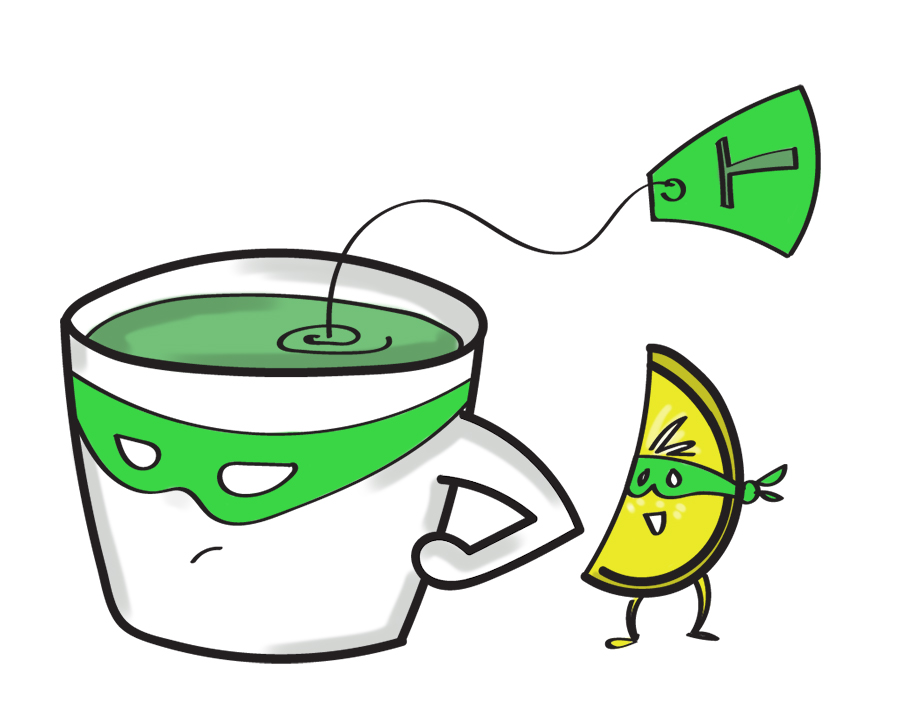
Green Tea – While green tea isn’t a food, it still makes our list thanks to the presence of EGCG (epigallocatechin gallate), which has been shown to slow irregular cell growth, which could help aid in cancer prevention.3
Lemon (+green tea) – In a study put out by Purdue University, research found that the addition of squeezed lemon juice to green tea “caused 80 percent of tea’s catechins to remain”4, and catechins display health promoting qualities. The only problem is that catechins are rather unstable in non-acidic environments, but citrus acids help remedy this. Talk about a health-promoting duo!

Salmon –Full of omega-3 fatty acids, this healthy choice may help reduce the risk of cardiovascular disease.5

Ginger – This all-natural remedy helps calm an upset stomach and aid in inflammation.6

Pumpkin – Pumpkin spice is twice as nice when you learn that this festive gourd is full of beta-carotene, which helps aid in immune boosting and strengthening eye health.7

Cranberries – The berry that does it all, including acting as an overall health booster, fighting against inflammation, the risk of heart disease, oral health, prevention of ulcers, yeast infections and even some cancers!8 Boom, that’s a food superhero we can get behind!

Garlic – Vampires beware, but humans take note. This powerful clove can help treat high blood pressure, heart disease and even help prevent certain types of cancer.9

Dark Chocolate – Probably the most decadent superfood on our list. Just one-fourth of an ounce daily can help reduce blood pressure.10 So go ahead, treat yourself.
Interested to learn more about which foods do the body good? Check out our article Food Options to Drop Weight & Tone, and ask us your nutrition-related questions here!
Sources:

The Holiday Season can get stressful, so we may stick to a routine for the sake of easy planning. Try any of these 10 simple ideas to bring new life to your Thanksgiving celebrations.

By now, you may have seen some donation boxes at your local LA Fitness. If you haven’t been entirely sure what those boxes are all about, you’re in the right place!
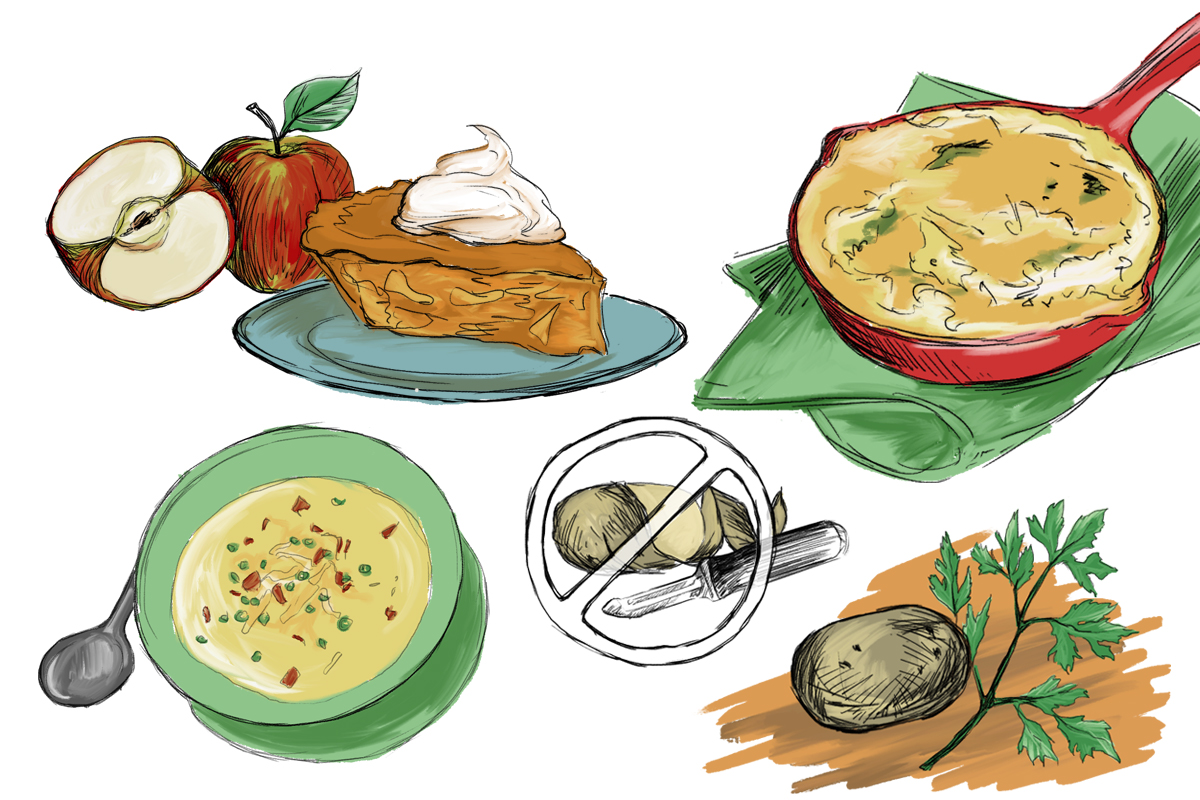
Most comfort foods we turn to are heavily laden with fat, starch and calories. There are healthier ways to enjoy down-home classics by making a few tweaks.

November 1st marks the start of American Diabetes Month, which draws nationwide attention to a disease that affects far too many. According to the Centers for Disease Control (the CDC), “more than 29 million people in the United States have diabetes.”1 What may even be more alarming is the fact that “one in four people with diabetes [doesn’t even] know he or she has it.” 2 This opens the door to many questions: Why is this? What is diabetes? What can we do to help prevent it?
Diabetes: A Deeper Look
If you feel like diabetes isn’t a health issue you have to worry about, you may be incorrect. More than 1 in 3 U.S. adults are considered prediabetic.3 That equates to roughly 86 million American adults. When you consider the fact that 29 million have already been diagnosed, and 86 million are on the borderline, that’s about 115 million Americans that are struggling with blood sugar levels. However, the diabetes epidemic isn’t just confined to the U.S. About 11 million Canadians are living with the disease or are considered pre-diabetic.4
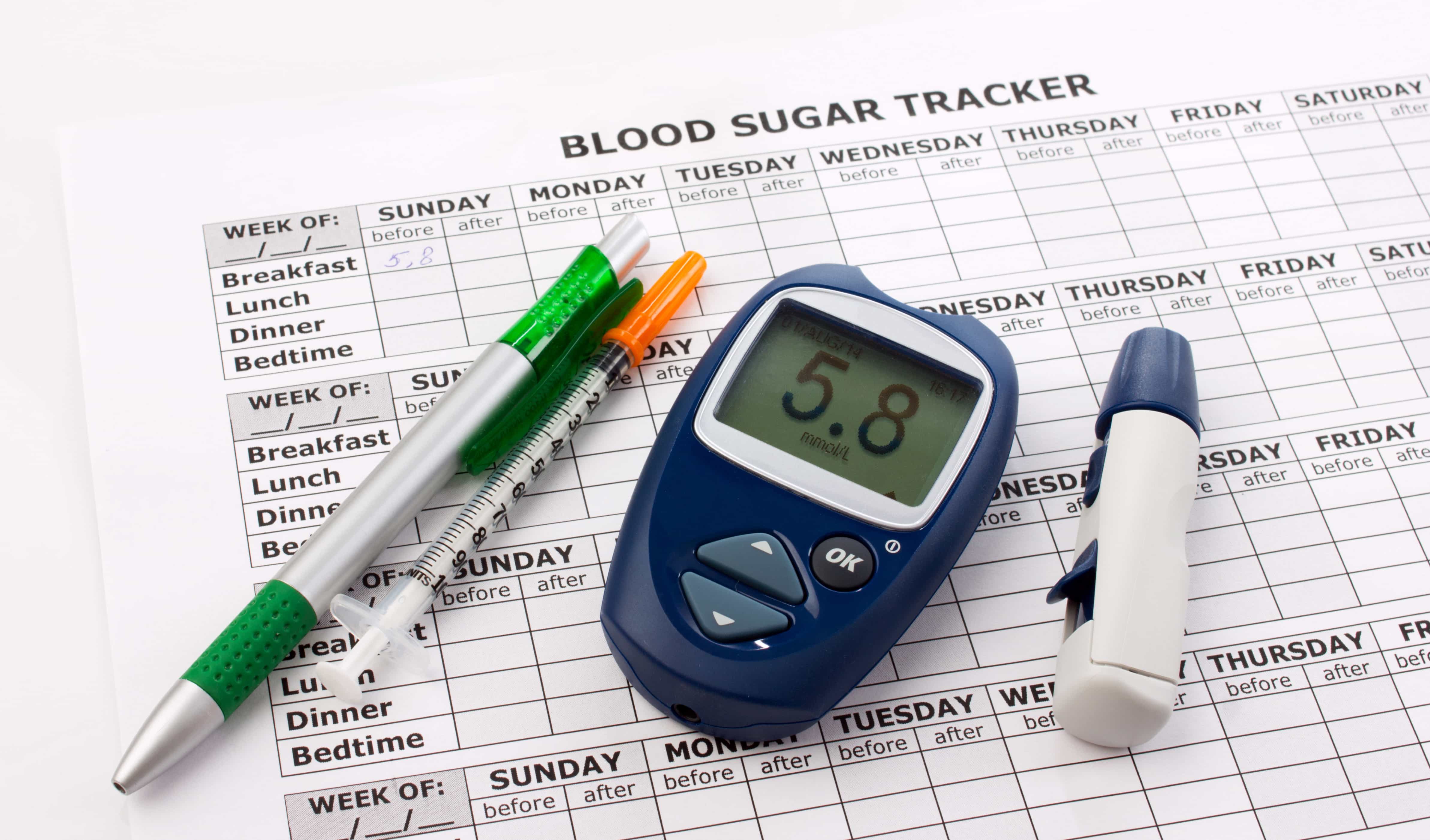
The American Diabetes Association shares some common diabetes symptoms5:
If you notice yourself experiencing any of these symptoms, or you have an increased risk of diabetes due to family history, consult your doctor or local physician. It never hurts to be proactive and get tested. In fact, the earlier you recognize the signs, the sooner you can begin making healthy changes, which may help save your life.
Type 1 vs. Type 2 Diabetes
Type 1 diabetes, previously known as juvenile diabetes, typically affects children and young adults and continues into adulthood. This type of diabetes affects the body’s ability to produce insulin, and insulin is necessary to help get glucose from the bloodstream into the cells of the body. Insulin therapy can help with this.
Type 2 diabetes is when the body causes blood sugar levels to rise higher than normal. This is also known as hyperglycemia. This is the most common form of diabetes. If you are diagnosed with type 2 diabetes, the body struggles with insulin resistance. While the pancreas attempts to make extra insulin to make up for it, over time it is unable to keep up, and the body’s insulin levels can’t keep the blood glucose at normal levels.
It’s Not Too Late
The good news is diabetes is not the end all – though that’s not to say it shouldn’t be taken seriously. Diabetes can be managed through a healthy change in diet, physical activity, and the use of medications that help regulate and lower blood sugar levels. If you are diabetic or were recently diagnosed with diabetes and want more information after consulting with your physician, check out the extremely helpful Food & Fitness tips shared by the American Diabetes Association. You may also want to look into investing into a CGM (continuous glucose monitor), FDA approved, which tracks your blood sugar levels both day and night. Readings are collected every 5 to 15 minutes and the device helps you stay up-to-date on your blood sugar levels. The data collected can better help its users manage their condition. Some monitors still require a finger stick to help the monitor stay accurate. The best way to find what’s right for you is to consult your doctor or physician.
How Physical Activity Helps
Exercise of any form helps reduce your risk for diabetes, and can help reduce symptoms in those who already have it. That’s right, exercise of any form! The key is movement. Keep your body moving. Staying active helps burn calories and keeps the body feeling good. No, you don’t have to run a marathon, or climb to the top of Mount Hood in Oregon (but hey, those could be future goals) — start with little exercises you enjoy. Do you not really enjoy the thought of exercising? Well, did you know that taking the dog for a walk counts? Walking through the mall counts, pushing your child on the swing counts, and even household chores like painting a room, or raking the leaves counts!
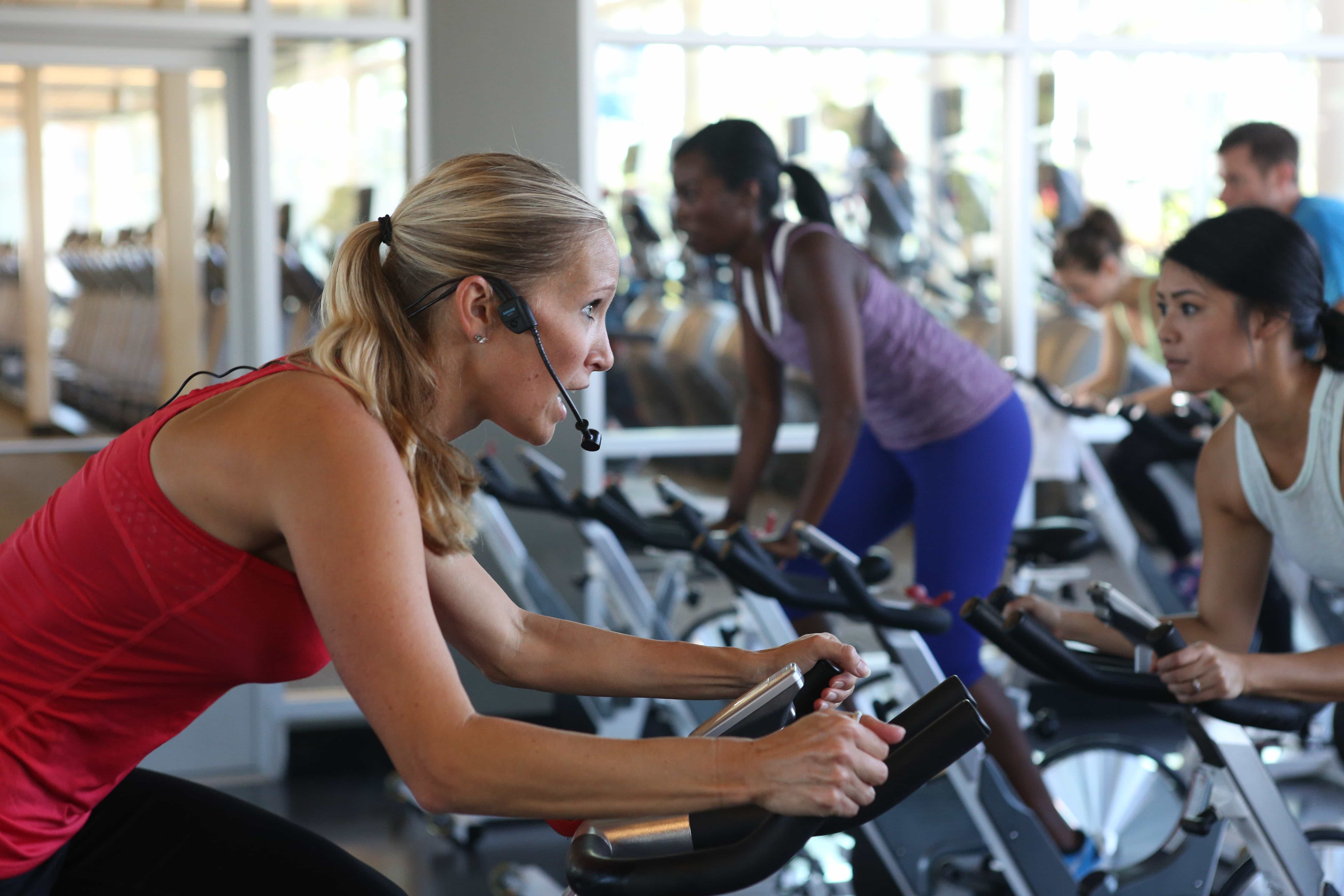
If you feel like stepping up your physical fitness game, try an aerobics class.* LA Fitness offers plenty of Group Fitness classes, all varying in exercises types, some of which cover cardio, while others work on strength training – some even cover both! Find a class that fits you and your personality here. A quick reminder you may find helpful is this: You’re not in this alone. Have friends and family join you at the gym. Establish a network that is going to help positively influence your life. Fitness starts with you, but can spread like wildfire among those you associate with.
You can take steps to take control of your health. Never forget that.
Feel like committing today to a new and healthy life? Share it with our community, here! Who knows, you could be the next LA Fitness Member Spotlight success story. We believe in you, now are you ready to believe in yourself?
*Class offerings vary by facility.
Sources:
The Holiday Season can get stressful, so we may stick to a routine for the sake of easy planning. Try any of these 10 simple ideas to bring new life to your Thanksgiving celebrations.
By now, you may have seen some donation boxes at your local LA Fitness. If you haven’t been entirely sure what those boxes are all about, you’re in the right place!
Most comfort foods we turn to are heavily laden with fat, starch and calories. There are healthier ways to enjoy down-home classics by making a few tweaks.

I have just joined LA Fitness and discussed nutrition with my trainer but I would like to get some insight from you. I am single, 60 years old, and I hate cooking so I go for the prepared meals more often than I should. Could you tell me what snacks I should put together for someone who usually only eat one time per day. They must be easy to put together and prefer something I can eat at my desk without being messy.
– Joyce C.

Don’t want peanut butter on your work papers? Normally I’d suggest hummus or yogurt, but there are plenty of neater options you can put together – or buy ready to eat. Here are some options to explore:
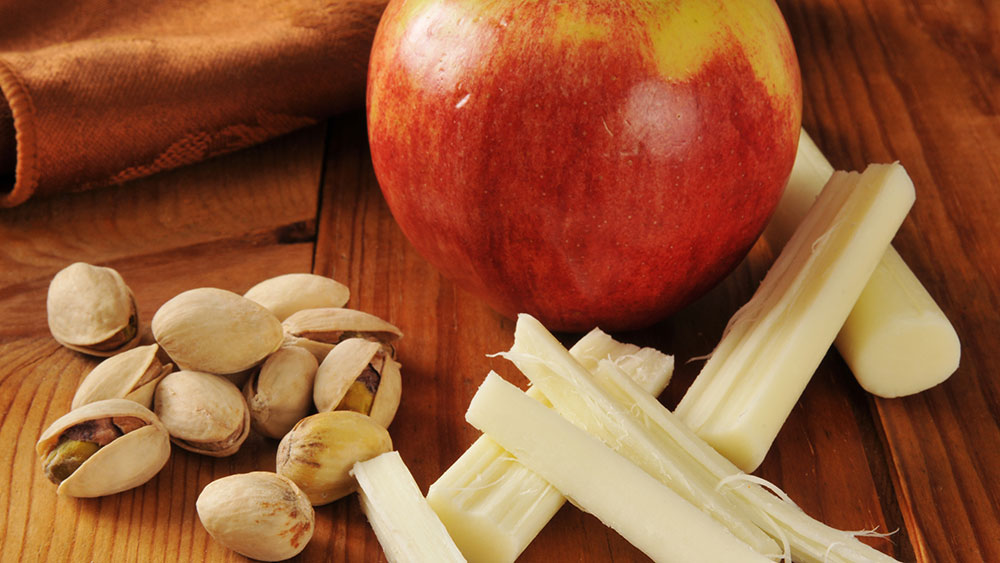
Individual wrapped string cheese or peeled hard cooked eggs are proteins you’ll need to keep cold. They pair well with a small banana, pretzels or baby carrots. You could try one of the newer snack packs with nuts, cheese cubes and dried fruit (found in grocery’s refrigerator case).
Traditional trail mix now has an alternative – energy bites or clusters that are easy to pop into your mouth. Most are made of grains, nuts and dried fruit, and sometimes soy or egg protein.
Think outside the box. Who says a snack can’t be breakfast food, appetizer or a liquid? Mini quiches and egg rolls could be quickly heated in the microwave for a warmer snack. A can of low-sodium vegetable juice is super easy and nutritious.
– Debbie J., MS, RD



Want more? SUBSCRIBE to receive the latest Living Healthy articles right in your inbox!
This article should not replace any exercise program or restrictions, any dietary supplements or restrictions, or any other medical recommendations from your primary care physician. Before starting any exercise program or diet, make sure it is approved by your doctor.
Some questions have been edited for length and/or clarity.
 Have a nutrition question? Our registered dietitian is ready to help!
Email nutrition@lafitness.com or submit your question below and it may be featured in an upcoming article!
Most comfort foods we turn to are heavily laden with fat, starch and calories. There are healthier ways to enjoy down-home classics by making a few tweaks.

Good nutrition is all about variety! Browse through our list of unusual fruits and veggies and give yourself a chance to try something new.

Does liberally salting your food help you pump more iron in the gym? Registered Dietitian, Debbie James, investigates the claims!

How long should I wait to work out after I eat? I usually eat about 2 hours before working out.
– Bryan D.
Your time frame is fine for GI comfort after a medium balanced meal. Most solid food would be working its way from your stomach to your intestines by then. Your peak fuel supply comes when digestion, absorption and transport to muscles are complete. Then you can burn molecules for ATP formation and muscle energy. Assuming your goal is to maximize muscle activity, you could wait another hour after a larger meal, or for a shorter gap, pare down the meal to a snack. With the latter choice, be sure to have a sports drink on hand and your recovery nutrition ready for afterward.
See our article Fuel Your Workouts to Maximize Your Results for pre-workout nutrition.
Timing also depends on what you eat and when you ate the previous meal. Starches and simple carbohydrates are a bit easier to breakdown than proteins and fats. For example, a breakfast of cereal and fruit will process faster than one of bacon and eggs. A dinner of pasta marinara will digest faster than one of chili. If you had a light dinner the night before and wanted to hit the gym first thing in the morning, a shake on the go would be fine. A gut-busting buffet lunch followed by a regular dinner 5 hours later may mean you should wait even longer to work out. Good thing most LA Fitness Sports Clubs are open until 10 or 11 pm!
– Debbie J., MS, RD
Want more? SUBSCRIBE to receive the latest Living Healthy articles right in your inbox!
This article should not replace any exercise program or restrictions, any dietary supplements or restrictions, or any other medical recommendations from your primary care physician. Before starting any exercise program or diet, make sure it is approved by your doctor.
Some questions have been edited for length and/or clarity.
Have a nutrition question? Our registered dietitian is ready to help!
Email nutrition@lafitness.com or submit your question below and it may be featured in an upcoming article!
Most comfort foods we turn to are heavily laden with fat, starch and calories. There are healthier ways to enjoy down-home classics by making a few tweaks.
Good nutrition is all about variety! Browse through our list of unusual fruits and veggies and give yourself a chance to try something new.
Does liberally salting your food help you pump more iron in the gym? Registered Dietitian, Debbie James, investigates the claims!
I am a 55-year-old very active male. I’ve had 3 back surgeries in the last 5 years. Lots of physical therapy. I am a tennis coach at a high school. I am a college basketball referee. I stay very active and try to eat a reasonably healthy diet although I do enjoy ice cream. In the last few years, my energy level is significantly lower than the past. My doctor tested my testosterone levels and found that I am near the low end of the acceptable range for my age. Could you recommend anything to help my energy level? I sleep very well and typically get 9 hours per night FYI.
– Patrick S.
Please see our recent answer regarding testosterone and diet by clicking here.
Besides sleep and hormones, energy levels may also be affected by stress, physical activity, and nutrition. Since you are regularly physically active let’s focus on stress and nutrition. Your surgeries may have significantly impacted your liveliness and stamina. Although you may have regained functional ability after each bout, the body’s recovery may be longer lasting.
Proper nutrition is a good defense against fatigue. Hydration is a key factor in feeling peppy as every cell in your body needs water! Adequate body fluids also ensure transport of nutrients and elimination of wastes/toxins. You burn calories constantly, not all at once so feed yourself the same way. To fuel body systems continuously you need balanced, spaced meals with fiber-rich complex carbohydrates, lean protein and healthy fats. A wimpy green salad may leave you flat while an overloaded lunch plate can set on an afternoon slump.
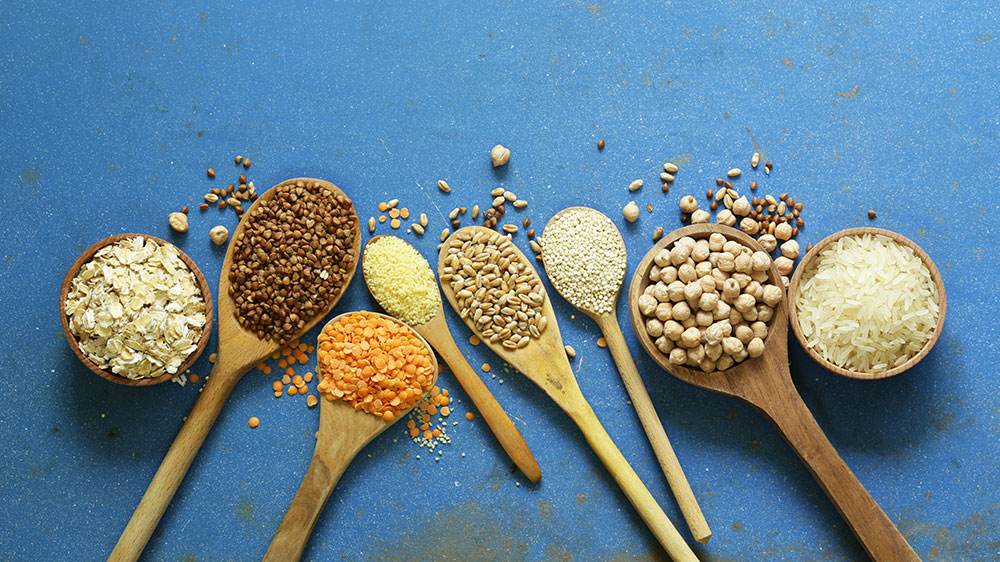
Particularly high-energy foods include oats & quinoa (fiber + unsaturated fat), chocolate & tea (caffeine), citrus (flavonoids), banana & barley (fructo-oligosaccharides), asparagus & wheat (inulin), and spinach (B-vitamins).
– Debbie J., MS, RD
Want more? SUBSCRIBE to receive the latest Living Healthy articles right in your inbox!
This article should not replace any exercise program or restrictions, any dietary supplements or restrictions, or any other medical recommendations from your primary care physician. Before starting any exercise program or diet, make sure it is approved by your doctor.
Some questions have been edited for length and/or clarity.
Have a nutrition question? Our registered dietitian is ready to help!
Email nutrition@lafitness.com or submit your question below and it may be featured in an upcoming article!
Most comfort foods we turn to are heavily laden with fat, starch and calories. There are healthier ways to enjoy down-home classics by making a few tweaks.
Good nutrition is all about variety! Browse through our list of unusual fruits and veggies and give yourself a chance to try something new.
Does liberally salting your food help you pump more iron in the gym? Registered Dietitian, Debbie James, investigates the claims!