Weight Loss for Diabetics

Weight Loss for Diabetics

Question:

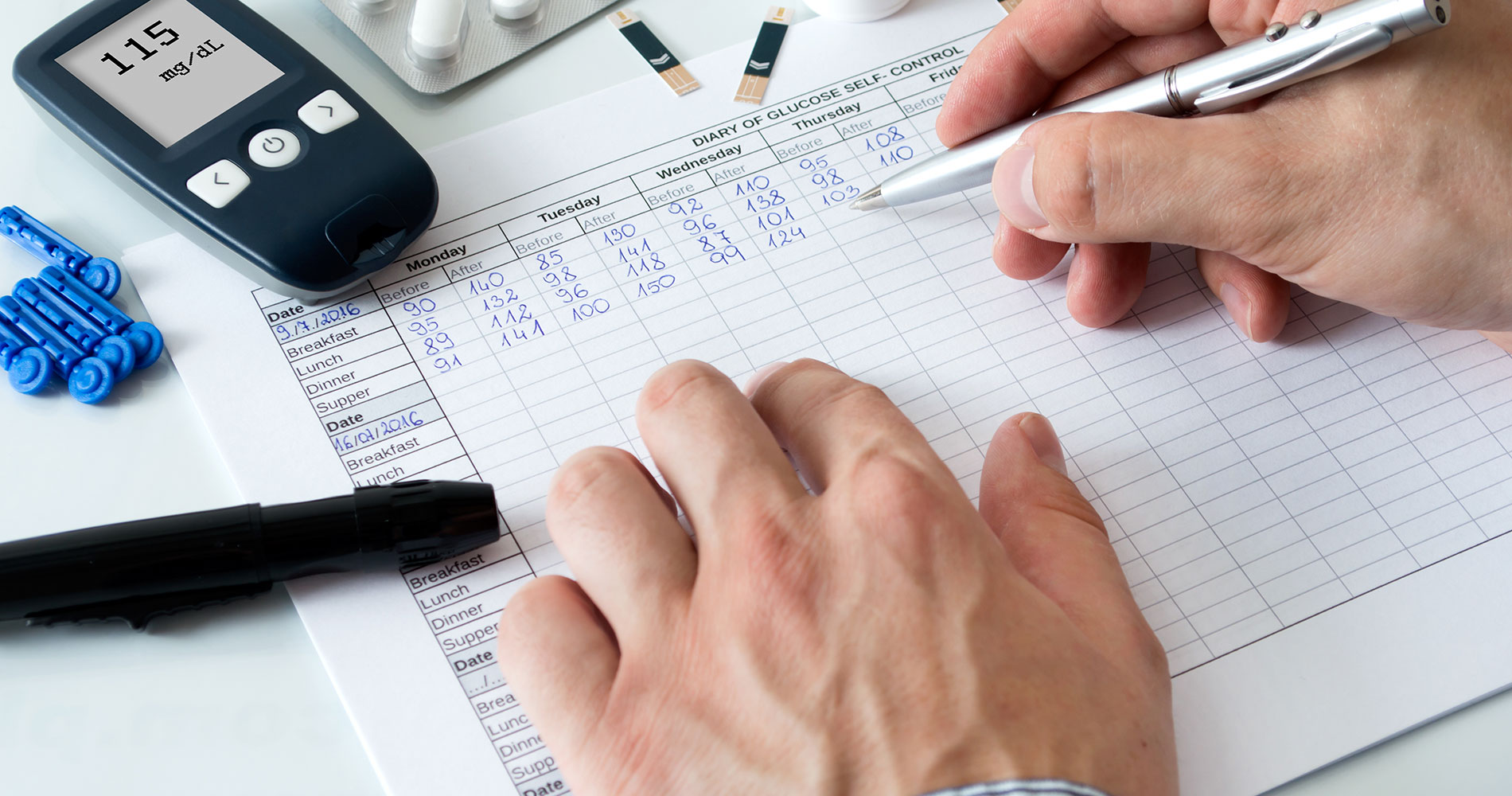
I’m 67 years old and weigh 208 pounds. I would like to lose a lot of weight. I’m a diabetic and take insulin 4 times a day. I can’t afford the trainers at LA Fitness. Any advice would be appreciated.

– Candace B.


Answer:

Ask your endocrinologist for a referral to a certified diabetes educator (CDE®) which may be covered under a health insurance plan. These specialists help you understand how medication, exercise and diet all play a role in weight and blood sugar control and can provide advice tailored to you.

In general, I will say that regular exercise helps lower blood sugar so that less insulin may be needed. It’s like training your cells and tissues to be more metabolically active and efficient. In combination with a mild to moderate reduction of intake and shift to lower glycemic load (blood sugar response) meals, an increase in exercise should induce weight loss. Raw, unprocessed fruit, legumes, popcorn, non-starchy vegetables and whole grain products tend to be lower glycemic carbohydrate foods. By switching to these in managed portions and incorporating nuts, lean meats and healthy fats, you can lower the glycemic load of a meal.

The American Diabetes Association is a host of information on meals, recipes and fitness tips. Check out their resources at www.diabetes.org. In addition, www.diabetes.ca and www.diabetesaustralia.com.au are credible sources offering nutrition and healthy living resources in English.

– Debbie J., MS, RD

This article should not replace any exercise program or restrictions, any dietary supplements or restrictions, or any other medical recommendations from your primary care physician. Before starting any exercise program or diet, make sure it is approved by your doctor.

Some questions have been edited for length and/or clarity.


Ask our Dietitian

Have a nutrition question? Our registered dietitian is ready to help!

Email nutrition@lafitness.com or submit your question below and it may be featured in an upcoming article!

9 + 1 =


Recommended Reading - Q+A

Cycling: Is it Right for You? – Podcast Ep. 2

Cycling: Is it Right for You? – Podcast Ep. 2


Welcome to the 2nd episode of the Living Healthy Podcast, presented by LA Fitness!

On this episode of Living Healthy, Andrew completes his first ever Cycle class. We also speak with LA Fitness Cycle instructor, Valerie W., and we fight through the sweat to help you better understand what you can expect when taking a seat in the saddle.

Cycling isn’t just for the experienced, all fitness levels are welcome, and we plan on bringing you the tips and tricks you’ll need before taking your next ride.

Listen to our latest episode now and let us know what you think!

How Are We Doing? 


Timecard Markers – Cycle – Podcast Ep. 2

Introduction:

Podcast Begins at 0:48

Check out what it’s like to be in a Cycle class

Halfway through Cycle class – Interlude

Begins at 2:40

Last 30 minutes of class.

Begins at 3:14

Cycle class ends.

Begins at 3:58

LA Fitness Cycle Instructor, Valerie joins the program.

Begins at 4:20

Cycle Overview – What can people expect?

Begins at 4:45

What’s ‘in the saddle’?

Begins at 5:13

How can people get comfortable going into their first Cycle class?

Begins at 5:39

Cycle Basics

Begins at 6:05

Group Cycle Energy

Begins at 7:57

Benefits of Indoor Cycling

Begins at 8:24

Cycle Variety

Begins at 8:44

What experienced cyclists should know

Begins at 9:35

Reserve a bike

Begins at 11:54

How to read your bike monitor

Begins at 12:36

Cycle Necessities

Begins at 15:28

Ending of episode

Begins at 17:59

This podcast should not replace any exercise program or restrictions, any dietary supplements or restrictions, or any other medical recommendations from your primary care physician. Before starting any exercise program or diet, make sure it is approved by your doctor.


Recommended Podcast Episodes 

AAT: Ep. 22 – Is Cardio or Strength Training Better for Weight Loss?

AAT: Ep. 22 – Is Cardio or Strength Training Better for Weight Loss?

Ask A Trainer: Featured Question of the Week

LA Fitness Pro Results® Master Trainer, Stone T., gives his expert advice on whether or not cardio or strength training is best for weight loss.


Do you have a fitness question? Ask one of our certified Pro Results® trainers here! Your question may be featured in an upcoming Ask Our Trainer video.**

1 + 10 =

**Selected submissions will be featured on the LA Fitness blog and possibly other LA Fitness digital media entities & websites. By making a submission, you hereby grant LA Fitness a non-exclusive, perpetual, worldwide, irrevocable license to use and make copies of the contents of such submission for any purpose and in any medium whatsoever, and you hereby waive and relinquish any copyright or other intellectual property right you may have in the contents of such submission and your right to pursue any claim for LA Fitness’s violation of those intellectual property rights.


Recommended 'Ask A Trainer' Videos

Healthy Suggestions for Breakfast, Lunch and Snacks!

Healthy Suggestions for Breakfast, Lunch and Snacks!

Question:

I am 54 and I am 6’3″ and weigh 365 pounds. I have been strength training for 4 months with the help of a trainer. I need some guidance as to what to eat to lose weight. My training has been building muscle and strength but not much weight loss. I don’t always have much flexibility for dinner in what my wife cooks but I do control breakfast and lunch. I wonder if I am eating too many carbs and not enough protein. I could use suggestions for healthy breakfast, lunch, and snacks.

– Tom O.

Answer:

Given your anthropometrics, age and an assumed exercise routine of 2-3x per week, your anticipated energy needs for weight loss are in the range of 3,500-4,000 calories per day. That may seem like a lot, but it’s just as possible you are maintaining with more as it is you’re maintaining with fewer calories. Your calculated resting metabolic rate (RMR) is close to 2,600 calories and you should consume that amount at minimum daily. To start, I’d take the mid-point of about 3,000 calories (half way between RMR and lower range of total energy needs) to work with.

Saving 1/3 of that figure for your evening eating gives us 2,000 calories to work with. I’d suggest dividing that between 2 meals of 750 calories each and 2 snacks of 250 calories each. Your goal isn’t to count calories exactly, but to eat a volume of healthy foods that represent those amounts.

Here are some meals and snack suggestions for you:

750 Calories 

Option #1

  • 3 whole wheat waffles
  • 1 cup sliced strawberries
  • 1 tablespoon margarine
  • 2 egg Denver omelet (peeper, onion, ham)
  • 1 tablespoon feta cheese
  • 8 fl oz nonfat milk

Option #2

  • 1.5 cups oatmeal
  • 1/3 cup chopped pecans
  • 2 dates, diced
  • 3 oz Canadian bacon
  • 1/2 medium grapefruit

Option #3

  • 8″ sub/hoagie roll
  • 5 oz turkey breast
  • 1 tablespoon mayonnaise
  • 1/2 cup spinach
  • sliced tomato, cucumber, and peppers
  • 1 cup broccoli cheese soup

Option #4

  • 5 oz grilled salmon
  • medium sweet potato
  • 1 tablespoon margarine
  • 1 cup green beans
  • 1/2 cup coleslaw
  • medium banana

250 Calories 

Option #1

  • 4″ oatmeal raisin cookie
  • 8 fl oz soymilk

Option #2

  • 1/4 cup raw almonds
  • 1/2 medium apple

Option #3

  • 1/2 cup tuna salad
  • 6 Triscuits

Option #4

  • 4 oz bean and cheese burrito
  • 1/4 cup salsa

– Debbie J., MS, RD

This article should not replace any exercise program or restrictions, any dietary supplements or restrictions, or any other medical recommendations from your primary care physician. Before starting any exercise program or diet, make sure it is approved by your doctor.

Some questions have been edited for length and/or clarity.

Ask our Dietitian

Have a nutrition question? Our registered dietitian is ready to help!

Email nutrition@lafitness.com or submit your question below and it may be featured in an upcoming article!

14 + 15 =


Recommended Reading - Q+A

Fine Dining Meets Casual at Made Nice NYC

Fine Dining Meets Casual at Made Nice NYC

Chef Daniel DiStefano. Photo provided by: Made Nice

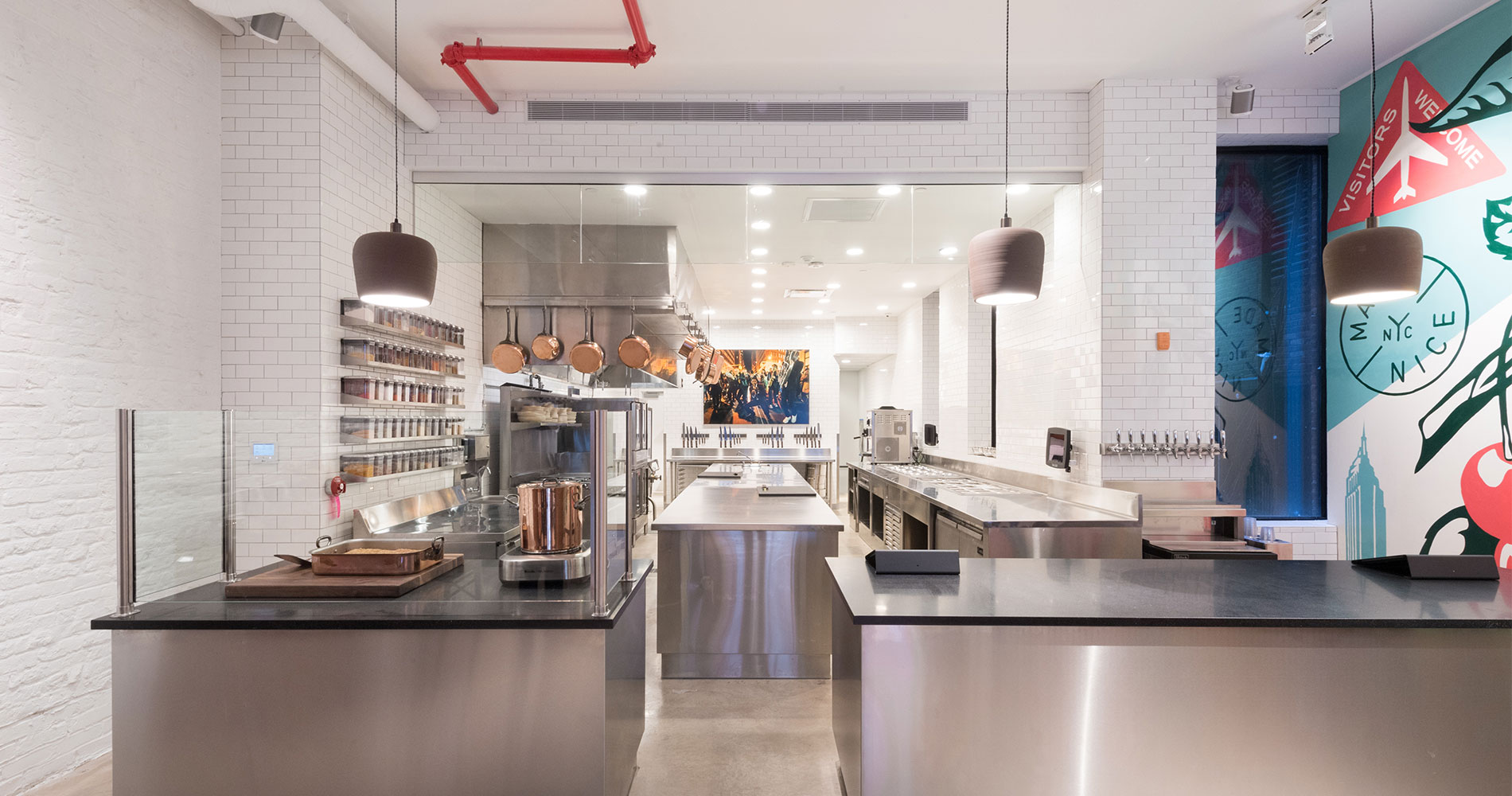
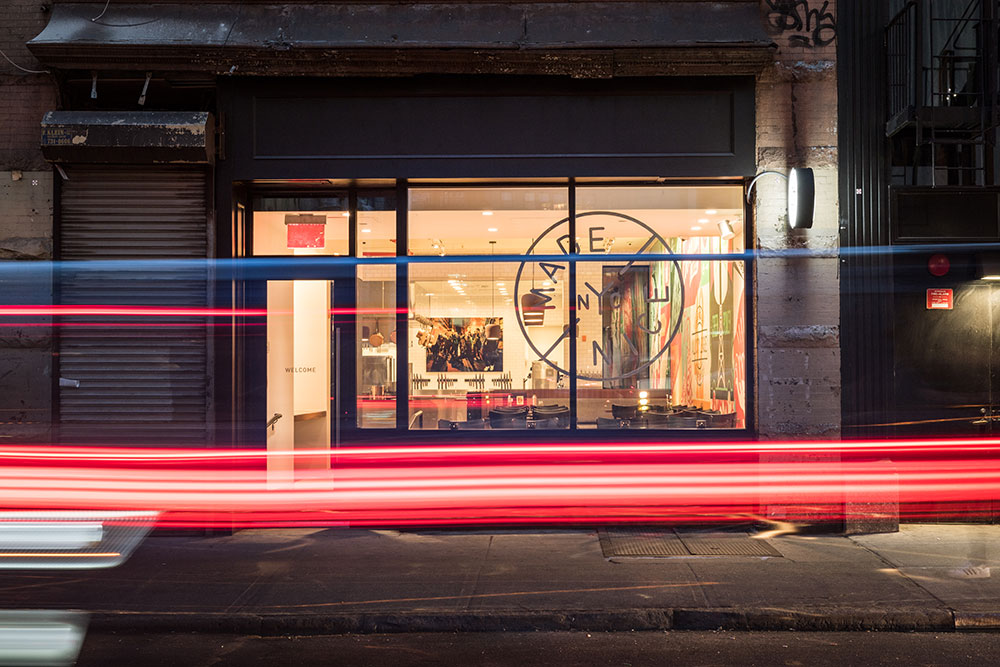
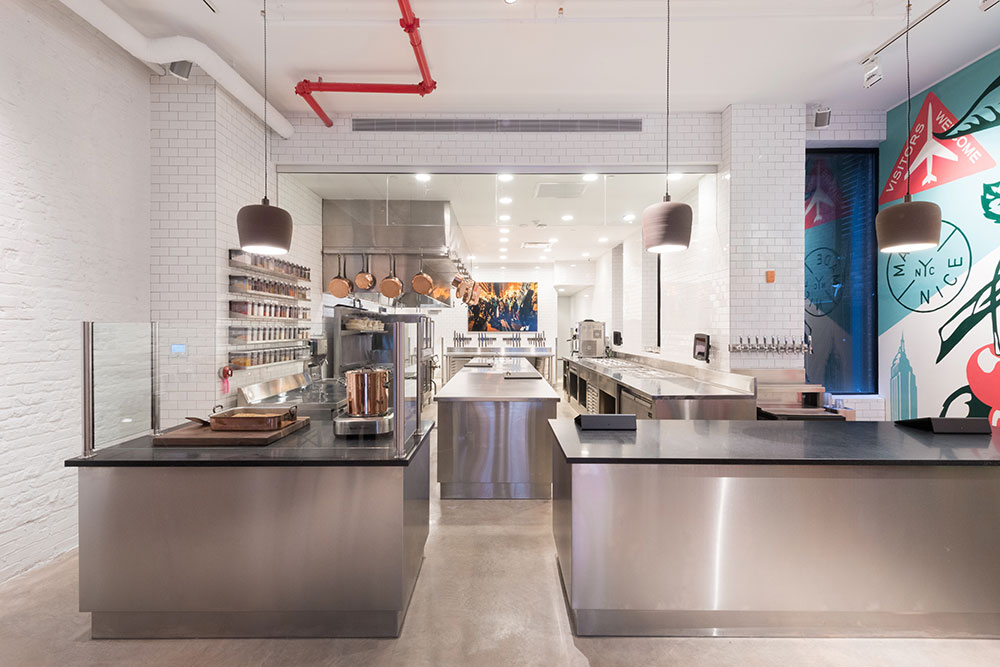
Meet Chef Daniel DiStefano of Made Nice, a casual dining restaurant located in NYC with roots in fine dining. The meals prepared at Made Nice marry healthy and fresh seasonal ingredients together to serve guests the very best while on-the-go.

QWith roots based in fine dining, what caused you to make the switch to Made Nice?

Chef Daniel DiStefano: I think there’s no better way to gain a foundation in the kitchen or in a restaurant than by working in fine dining.  It teaches you discipline and a strong work ethic, and you gain unique experiences that don’t exist in other restaurant environments.  Unfortunately, only a handful of people in the world can afford to experience fine dining. What brought me to Made Nice was the opportunity to give many, many more people a taste of fine dining, every day.

Q: Made Nice is grab-and-go made healthy, how do you keep things fresh and the customers coming back?

DD: We change the majority of the menu seasonally, about four times per year, but we are constantly trying new flavor profile and techniques.  We’re constantly evolving our menu to keep things exciting and fresh — we actually rely on change to drive our creativity.

QWhat are your two favorite ingredients to combine that many may not think go together?

DD: We often use three unexpected ingredients together to season our soups and sauces: salt, lime, and cayenne. The salt brings out the flavor, the lime balances acidity and the cayenne adds just a hint of spice. On their own, each of these ingredients has a unique flavor profile, but together they create the ultimate seasoning spice.

QHow can our readers make healthy eating a part of their everyday lifestyle?

DD: I think most people believe eating clean or cooking from scratch is just too time-consuming. As with most things, planning ahead definitely makes it quicker and easier. In the kitchen, we often refer to the French term “mis en place,” or having everything in place.  If you take a bit of time on the weekend to plan ahead for the week, it makes eating well throughout the week much easier!

QDoes your menu change seasonally? How does incorporating seasonal produce add to the flavor of your dishes?

DD: Our menu changes seasonally about four to five times per year.  We always want to serve food in its best light, when it’s freshest and tastes best. Being in NYC and having the Union Square Greenmarket just a few blocks away makes it very easy to stay inspired.


Some responses have been edited for length and/or clarity. 


Made Nice NYC is located at the following location:

Made Nice NYC

LA Fitness North Bergen

Distance to closest LA Fitness: 5.1 miles to North Bergen LA Fitness 


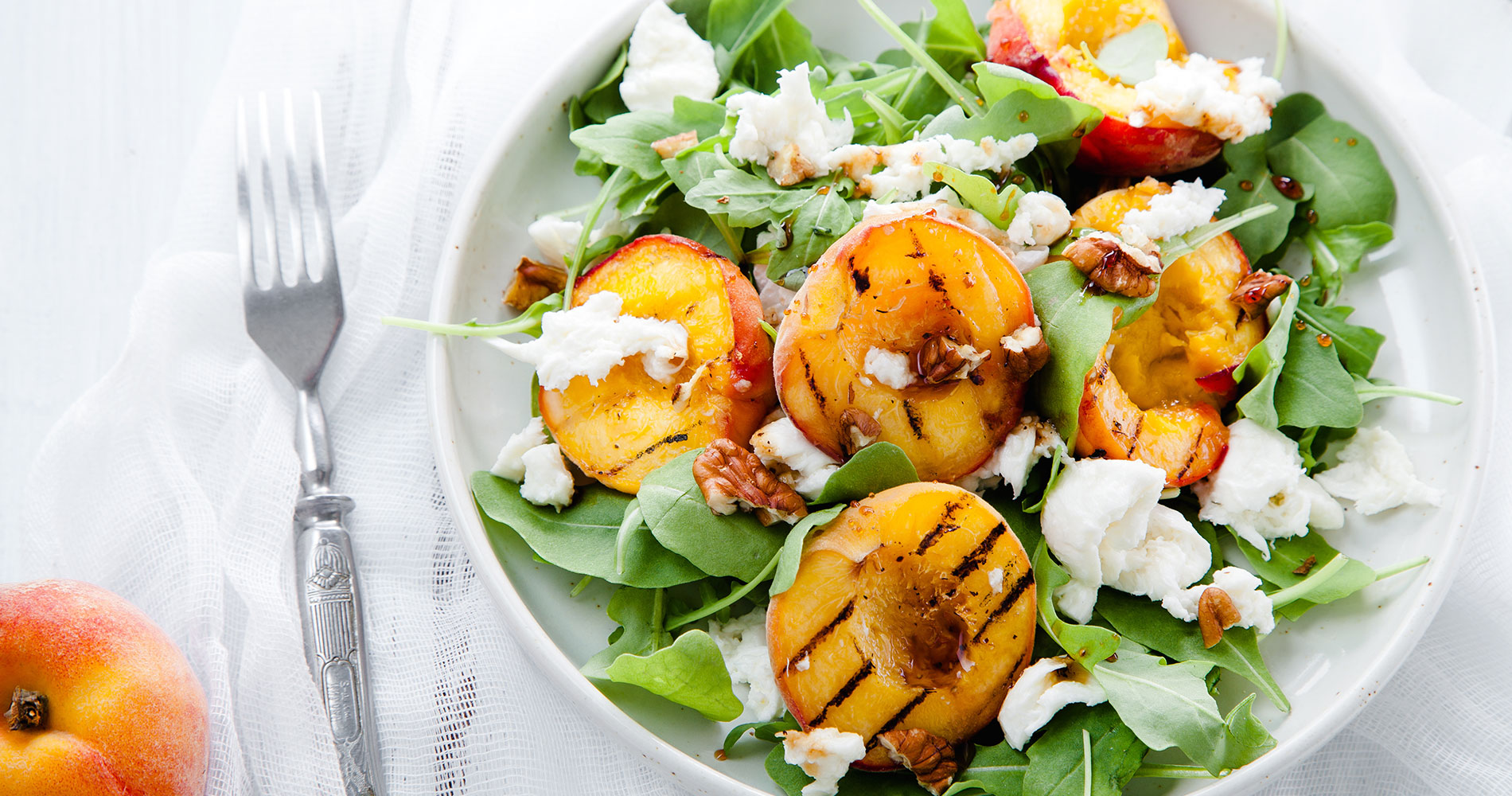
Lime Yogurt Vinaigrette

Photography by: Evan Sung

Ingredients


  • 2 cups Greek yogurt
  • 1/2 Granny Smith Apple, peeled and sliced
  • 1/2 Cucumber, peeled and sliced
  • 1/4 cup Lime Juice
  • Cayenne Pepper to taste
  • Salt to taste

Method


  1. Combine the apple and cucumber in a blender and blend until smooth.
  2. Transfer the mixture to a mixing bowl, and add the yogurt lime juice.
  3. Whisk until all the ingredients are incorporated.
  4. Season with salt and cayenne pepper to taste.
  5. Toss with kale, charred avocado, shaved radish, cucumber and apple (or whatever vegetables you like!) and serve.

Featured Recipes