
Autumn brings a stirring of cool wind, fallen leaves, and a host of new allergens to battle. You can manage these home-invading allergens with some very easy-to-implement measures.

Protein Percentages for Seniors | Q+A

Question:
What percent of protein a day should seniors (over 65) be eating? I am female, if that makes a difference, and do cardio, weights, and yoga/Pilates classes.
– Carole H.

Answer:
Hello Carole, I’m hoping your question is about what percent of calories should come from protein.
Seniors should consume about 1.0 gm protein per kilogram of body weight daily. This is higher than the recommended 0.8 gm/kg for other healthy adults for two reasons: a greater need for maintaining lean mass and slightly diminished protein digestion/absorption. Since protein has 4 calories per gram, your requirement equates to a set number of calories, but the percentage this makes up of your total calories will depend on how many you take in.
If you were 130 pounds, you’d need (divide pounds by 2.2 to get kilograms) 59 grams of protein. These 236 calories would be 12% of a 2000 Calorie diet, but 20% of a 1200 calorie diet.
– Debbie J., MS, RD
Sources:
Protein for Fitness: Age Demands Greater Protein Needs. Densie Webb. Today’s Dietitian. April 2015 Issue, Vol. 17 No. 4, P. 16
Seniors — Beef it up to prevent muscle loss. Jennifer K. Nelson. WebMD. May 1, 2015
This article should not replace any exercise program or restrictions, any dietary supplements or restrictions, or any other medical recommendations from your primary care physician. Before starting any exercise program or diet, make sure it is approved by your doctor.
Some questions have been edited for length and/or clarity.

Want more? SUBSCRIBE to receive the latest Living Healthy articles right in your inbox!
Ask our Dietitian
 Have a nutrition question? Our registered dietitian is ready to help!
Email nutrition@lafitness.com or submit your question below and it may be featured in an upcoming article!
Recommended Reading
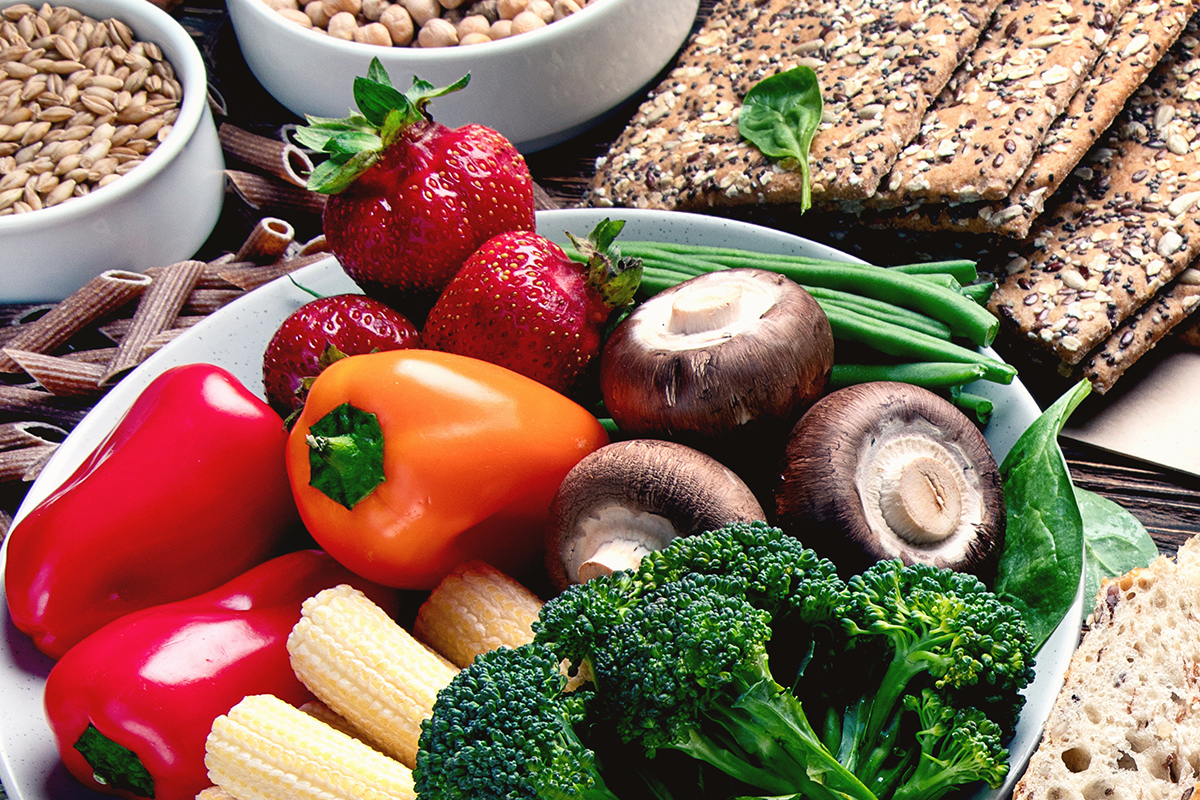
Healthy Fiber Options for Your Daily Diet | QA
Registered Dietician, Debbie James, helps answer a reader’s question about how to add healthy fiber options to her diet.

What Happens to Your Body When You Stop Working Out?
Have you ever wondered what happens to your body when you stop working out? The effects can be seen in your heart, your muscles, and even your brain.