The Happiness Factor: How Happiness Affects Health

The Happiness Factor: How Happiness Affects Health

Are you happy?

Believe it or not, happiness may help improve your health and extend your life.

The correlation between happiness and health is significant in many ways. Studies have shown that it’s not just necessarily adopting the attitude of ‘don’t worry, be happy’ that helps promote better health.  Rather, those who display certain “positive psychological attributes, such as happiness, optimism and life satisfaction,”1 may have an easier time maintaining healthy habits. Some examples include eating a well-balanced diet, exercising and getting adequate rest.

“Happiness is not something you postpone for the future; it is something you design for the present.”

Jim Rohn

American entrepreneur, author and motivational speaker

You may find yourself thinking, that sounds great, but some people are just naturally happy – what about the rest of us? If you find that you’re not as naturally inclined to happiness as others, you may not be entirely wrong. Dr. Laura Kubzansky, professor of social and behavioral sciences at Harvard University, suggests that certain psychological states such as anxiety or depression—or happiness and optimism—are forged by both nature and nurture. These traits are 40-50% heritable, which means that certain individuals may indeed be born with a genetic predisposition toward them. However, the amazing part about those numbers is that it leaves a lot of room to maneuver.2 In other words, there is still an opportunity to truly be happy even if you aren’t genetically predisposed to be.

While happiness varies from person to person, the following are some methods that may help increase an individual’s sense of happiness, contentment and overall sense of well-being:

  1. Live in the moment.
  2. Spread kindness.
  3. Smile.
  4. Engage in a physical activity.
  5. Accomplish something.

“Be happy for this moment. This moment is your life.”

Omar Khayyam

Poet

Living in the moment is one of the most important things to remember if you want to choose a life of happiness. Being present and not allowing your mind to wander off and worry about future stresses may help ease anxiety and help you better appreciate the now. Another factor that can help promote happiness is spreading kindness. If you do something good for others, it may help you feel good inside. Smiling can also help promote a sense of cheer by activating muscles that can actually trick your brain into thinking you are happy. In addition to smiling, engaging in a multitude of physical activities, like swimming laps, going for a run, enjoying a hike, or playing a game of racquetball, could help make us feel happier, because different forms of exercise aid in the production of feel-good hormones, like serotonin and dopamine.

Lastly, accomplish something. This is vital. Accomplishing a task or goal of any sort, large or small—like going to the gym 3 days in a row, or crossing off everything on your to-do list—can make us feel good inside. According to Psychology Today, “progress on our goals makes us feel happier and more satisfied with life (our subjective well-being, SWB, increases).”3 This is because it gives us a sense of purpose and helps improve our self-esteem. Of course, other acts may help increase happiness too, and the payoff may vary from person-to-person. Certain shared traits exhibited by “happy people” include focusing on the positive and being optimistic, picking themselves back up when they fall, living in the moment, caring about other people’s happiness, displaying acts of selflessness, not comparing themselves to others, and displaying mature defenses (e.g. future-mindedness, humor and the ability to delay gratification).

How does happiness affect health?

Happiness can protect your heart. 

  • Various studies conducted have shown that happiness helped lower the heart rate and blood pressure in participants studied.4

Happiness may strengthen your immune system.

  • Specifically, laughing can have positive effects on the body. According to an article published by WebMD, laughing helps “curb the levels of stress hormones in your body and boosts a type of white blood cell that fights infection.”5

Happiness could help combat stress. 

  • Stress causes the body to produce higher levels of the stress hormone cortisol. In a study conducted, “where participants rated their happiness more than 30 times in a day, researchers found [that] the happiest participants had 23 percent lower levels of the stress hormone cortisol than the least happy, and another indicator of stress—the level of a blood-clotting protein that increases after stress—was 12 times lower.”6  So, if you want to help combat stress, try engaging in activities that -make you happy.

Happy people sometimes have fewer aches and pains.

  • Similar to the previous studies, in another study a group rated “their recent experience of positive emotions, then (five weeks later) how much they had experienced negative symptoms like muscle strain, dizziness, and heartburn since the study began. People who reported the highest levels of positive emotion at the beginning actually became healthier over the course of the study, and ended up healthier than their unhappy counterparts.”7 This study suggests that those exhibiting a more positive outlook may be subject to fewer aches and pains.

Happiness helps combat disease and disability. 

  • Various studies analyzing individuals of different backgrounds and age groups have shown that those who displayed positive emotions were less likely to be frail or develop health issues in later years.8

Happiness may help lengthen our lives. 

  • A fascinating study used nuns as a test group, where researchers studied their autobiographical essays they had written decades earlier. What the researchers noticed was that those who had expressed “feelings like amusement, contentment, gratitude, and love […] lived a whopping 7-10 years longer than [those] least happy.”9 Of course, you don’t have to be a nun to experience these benefits. Another study in 2011 followed 4,000 adults, ages 52-79, and monitored how happy, excited and content they were multiple times in a single day. At the conclusion of the study, “happier people were 35 percent less likely to die over the course of about five years than their unhappier counterparts.”10

Recommended Reading

Clean Eating: Salad Dressing Choices | Q+A

Clean Eating: Salad Dressing Choices | Q+A

Question:

Are there any clean commercial salad dressings that don’t have soybean oil or other bad oils? I also want a better mayo sub.

– Judy Y.

Answer:

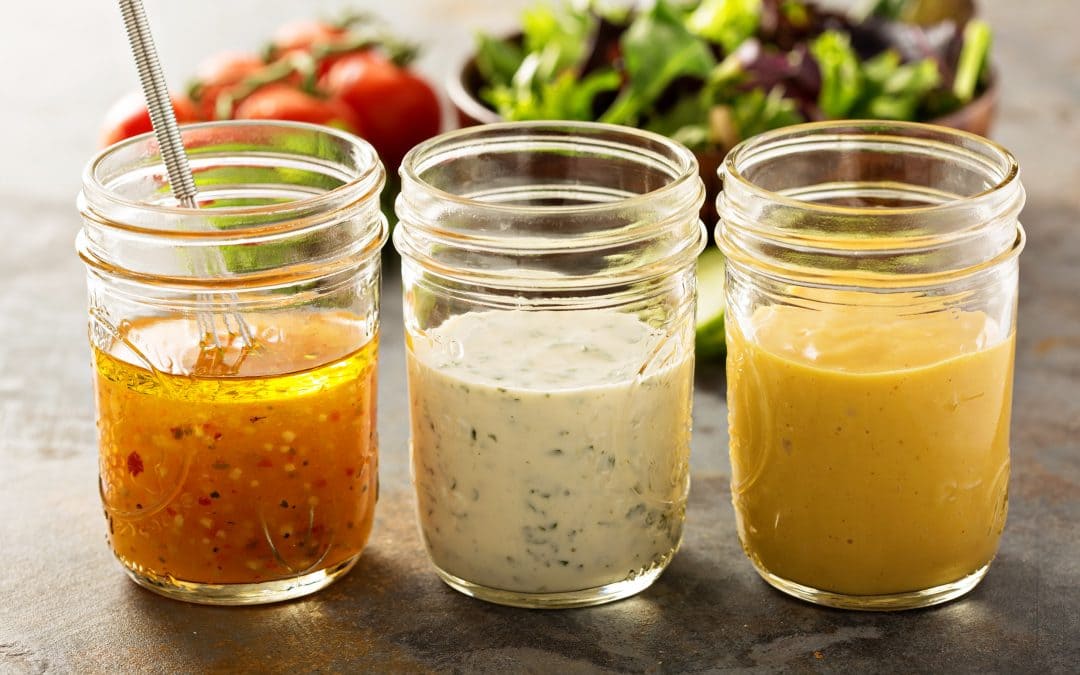
The only 100% clean (raw or minimally processed) salad dressing would be to mix your own oil, vinegar and seasoning at the time of use. This is the way my family did it in the 80’s, with a spice mix in a glass shaker. Now you can get an organic, low-sodium spice mix or use an herb mix to do the same.

For a single serving, mix about 1 Tbsp. oil and 2 tsp vinegar in a small container with a tight lid by shaking vigorously. For lighter flavors use vegetable or canola oil and rice wine vinegar. For robust flavor use olive oil and red wine vinegar. Soybean oil has a fatty acid profile (high in polyunsaturates) similar to cottonseed or safflower oil  and is fine to use. Mix in 1 tsp of an herb seasoning blend. I like Italian Seasoning, Herbes de Provence or Lemon Herb mixes with no sodium added.

For a creamy dressing, I suggest substituting Greek yogurt and/or pureed avocado to avoid the harmful saturated fat from the cream used in traditional versions. Check out this recipe from the March/April 2011 issue of Eating Well magazine:

  • ½ ripe avocado
  • ¾ cup packed fresh cilantro
  • ½ cup nonfat plain yogurt
  • 2 scallions, chopped
  • 1 clove garlic, quartered
  • 1 tablespoon lime juice
  • ½ teaspoon sugar
  • ½ teaspoon salt

Blend all ingredients together in a food processor or blender until smooth.

Makes 16 Tablespoons at 16 calories each; 1 g fat (0 g sat); 0 mg cholesterol; 2 g carbohydrates (0 gm fiber, 1 g sugar); 1 g protein; 80 IU vitamin A; 2 mg vitamin C; 18 mg calcium; 0 mg iron; 8 mcg folate; 80 mg sodium; 61 mg potassium.

While I’d recommend hummus in place of mayonnaise on sandwiches, for tuna, pasta and potato salads you’ll need a mayo substitute that mimics the white, creamy original. If you’re looking for a mayo substitute without eggs or soybean oil, you’ll need to find one with grapeseed oil or coconut oil, which will often include rice as a binder. Vegetarian mayonnaise substitutes are still processed products, most with preservatives.  In the refrigerated section you might find preservative-free versions, which last about 2 weeks.

– Debbie J., MS, RD

This article should not replace any exercise program or restrictions, any dietary supplements or restrictions, or any other medical recommendations from your primary care physician. Before starting any exercise program or diet, make sure it is approved by your doctor.


Recommended Reading - Q+A

Swimsuit Season Is Here – Can You Stomach It?

Swimsuit Season Is Here – Can You Stomach It?

Everyone wants a flatter belly, especially when warmer weather dictates lighter clothing. When it comes time to hit the beach or pool, will you be ready to dive in? To even head in the direction of belly-baring status, you must first know thine enemy – your abdominal fat. Afterward, read on to see what you can do to help chisel a trimmer tummy.

No matter your current physique, the following approaches may help you achieve obtaining a flatter belly.

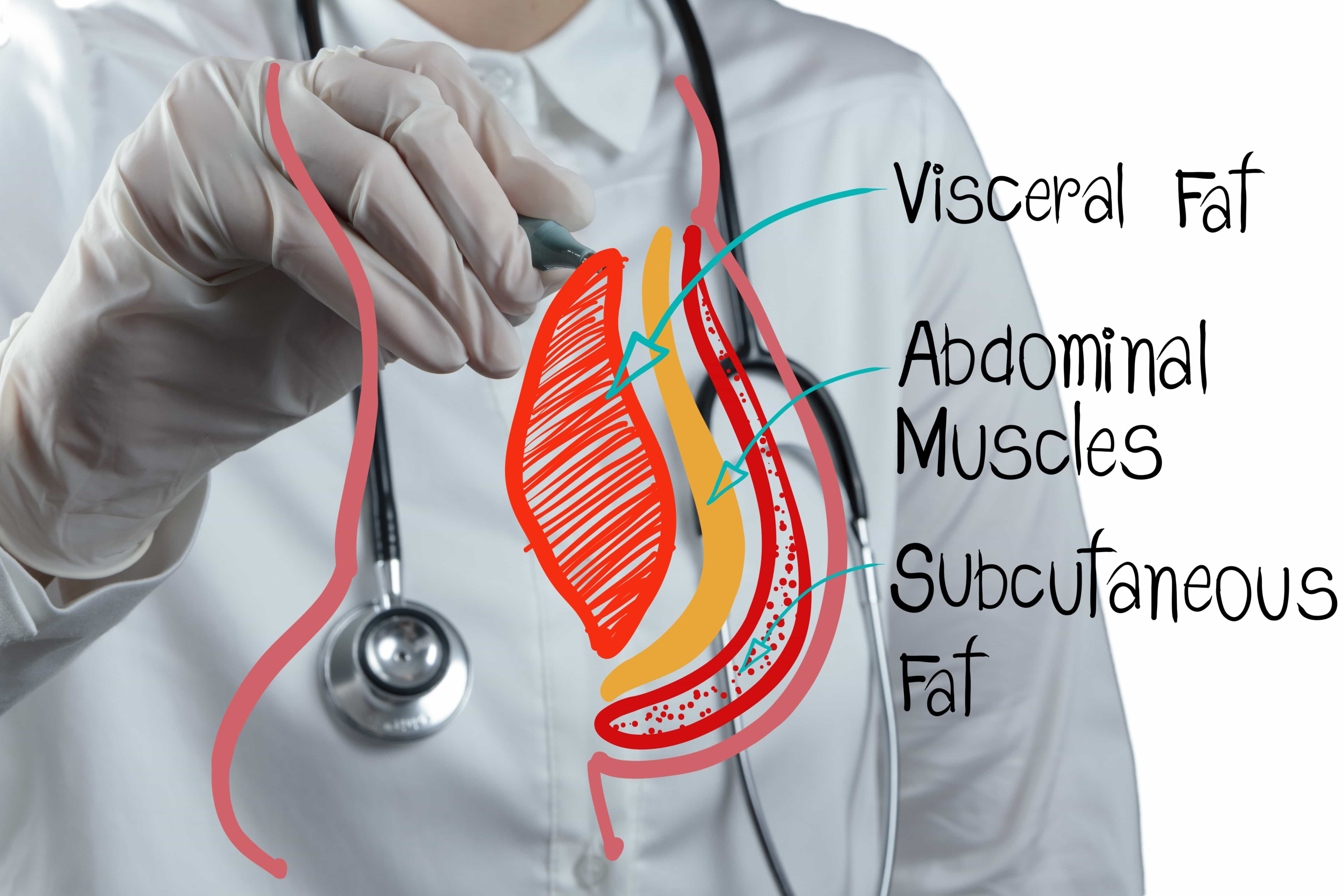
Your abdominal fat is actually in two places or compartments – under the skin (subcutaneous) and intra-abdominal (visceral) fat. The former lies above the abdominal muscles, the latter beneath. In simple view, here’s what they look like:

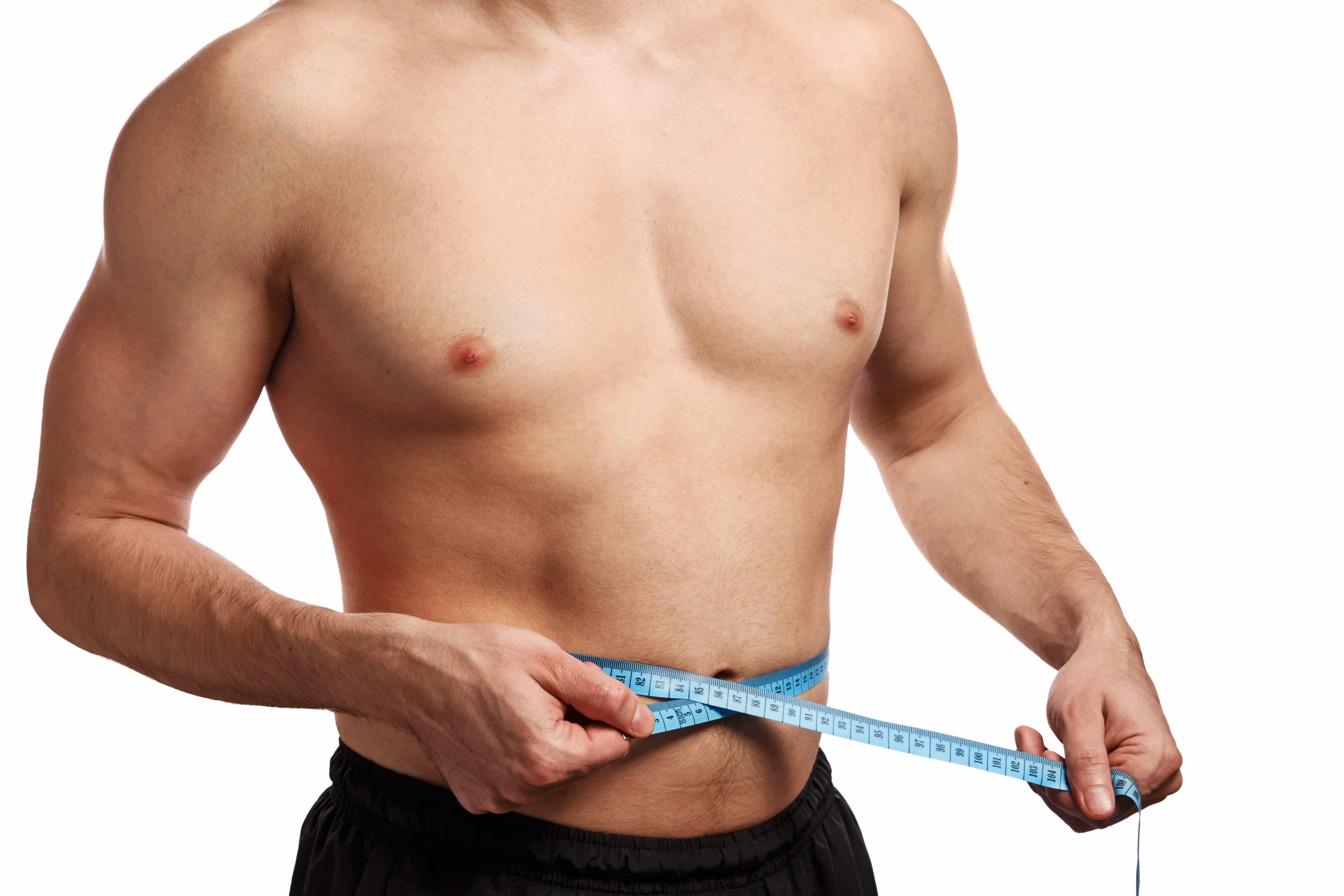
It just takes a quick measurement to see how much fat you’ve got and to track changes. Waist circumference can’t pinpoint where fat lies, but this measurement does correlate with overall abdominal fat. Total waist measurement depends on your body frame size, so it’s better to look at waist to hip ratio which shows how your belly area compares to your hips.

How to measure your Waist-to-Hip ratio (either metric or customary):

  1. Standing relaxed, with a flexible tape, measure waist at the smallest area – or if this is not apparent, mid-way between the lowest rib and top of the hip bone.
  2. With feet and thighs together, measure hips at the widest portion of your buttock.
  3. Divide waist measurement by hip measurement to get your ratio. The ratio should be less than 0.9 for men; less than 0.85 for women.

1. Exercise


Greater physical activity is associated with lower waist circumference and waist-to-hip ratio. It’s no secret that moving muscles are the furnace for fat burning. Exercise is really essential in fat metabolism. Exercise burns fatty acids (in processes called lipolysis and oxidation), contributing to reduction in body fat. Aside from exercise aiding in fat-burning, a developing theory is that fat cells, including those in the abdomen, are temporarily ‘starved’ when blood flow is focused to moving muscles.

True, you can’t spot reduce, selectively dropping fat from only one area of the body. But new research indicates that certain types of exercise can reduce belly fat more than others. While the same level of calories are burned with each, anaerobic high-intensity intermittent training has been shown to produce greater abdominal fat reduction than continuous aerobic training.1

2. Diet


Energy

Calorie restriction (regardless of energy source) affects both visceral fat and subcutaneous fat. This is only true to an extent, as very low calorie diets end up with the losses of visceral fat regained weeks afterward. In fact, modest weight loss, even 5% body weight for overweight individuals, is enough to reduce visceral fat, regardless of method. One study showed that 4 different calorie-reduced diets were equally effective in reducing abdominal fat, with most loss coming from subcutaneous fat.2

Composition

A greater intake of fat and carbohydrates, typical of Western diets, is associated with higher waist circumference. Conversely, those following a Mediterranean style diet were less likely to gain abdominal fat over 10 years.3 This style reflects a focus on plant-based foods (like vegetables, fruit, and whole grains) with moderate protein intake, minimal animal fats, and a prominence of olive oil, all resulting in a low saturated fat intake. The bulk of research indicates conventional nutritionally-balanced plans are as effective as high protein diets in reducing abdominal fat.

Green Tea

Green tea (vs. black) is made with the youngest leaves, which have the most catechins. See our related article – Nutrition is Sprouting this Spring!

At a certain threshold, catechin compounds in green tea can impact abdominal fat. These compounds (prominently EGCG) may affect the sympathetic nervous system in a way that influences fat distribution. It takes about the equivalent of 5 cups of tea, or 500 mg catechins, for an effect. Studies with significant finding used catechin-enhanced beverages.4,5 More is not better… consuming >800 mg ECGC in one sitting would be like slamming a gallon of green tea all at once, and instead of acting as an antioxidant (as it does at lower levels), you’d get pro-oxidant effects! Also, having smaller servings spread throughout the day is more effective than a single huge dose.

For the most catechins, look for quality packaging to ensure better storage with minimal exposure to oxygen, light, and moisture. Also, don’t take highly concentrated EGCG green tea extracts or supplements while taking acetaminophen.

3. Posture


Though it won’t change your belly fat, adjusting your posture could improve the appearance of your midsection. Tilt your pelvis when standing so that your tailbone is in (pointed down, not out), as shown to the right.

References:

  1. Abdominal fat reducing outcome of exercise training: fat burning or hydrocarbon source redistribution?  Kuo CH and Harris MB. Canadian Journal of Physiology and Pharmacology. 2016 Jul; 94(7):695-8.  doi: 10.1139/cjpp-2015-0425.
  2. Effects of 4 weight-loss diets differing in fat, protein, and carbohydrate on fat mass, lean mass, visceral adipose tissue, and hepatic fat: results from the POUNDS LOST trial. De Souza RJ, et al. American Journal of Clinical Nutrition 2012 Mar;95(3):614-25. doi: 10.3945/ajcn.111.026328.
  3. Mediterranean diet impact on changes in abdominal fat and 10-year incidence of abdominal obesity in a Spanish population.  Funtikova AN, et al. British Journal of Nutrition. 2014 Apr 28; 111(8):1481-7.  doi: 10.1017/S0007114513003966.
  4. Green tea catechin consumption enhances exercise-induced abdominal fat loss in overweight and obese adults. Maki KC, et al. Journal of Nutrition. 2009 Feb;139(2):264-70. doi: 10.3945/jn.108.098293.
  5. Effects of catechin enriched green tea on body composition. Wang H, et al. Obesity (Silver Spring). 2010 Apr; 18(4):773-9. doi: 10.1038/oby.2009.256.

This article should not replace any exercise program or restrictions, any dietary supplements or restrictions, or any other medical recommendations from your primary care physician. Before starting any exercise program or diet, make sure it is approved by your doctor.


Recommended Reading

Hooray! It’s National Donut Day!

Hooray! It’s National Donut Day!

It’s National Donut Day! 

Before reaching for one of your favorite donut styles, do you know how many calories you are consuming? Ignorance may be bliss, but too many tasty treats can start showing on the waistline. Have no fear – you can still celebrate the holiday and perhaps even indulge in one of your favorites. We have listed a few different methods below to help you work off that scrumptious splurge.

How many calories are in your favorite donut? *

Glazed Donut | 260 calories2 

Exercise:

**You would need to walk at a brisk pace for about an hour and 10 minutes to burn around 260 calories.

Plain Donut | 320 calories1

Exercise: 

**It would take approximately 30-35 minutes of kickboxing to burn about 320-325 calories.

Chocolate Glazed Donut | 340 calories3

Exercise: 

**You would need to cycle at a moderate pace for about 45 minutes to burn roughly 340-350 calories.

Chocolate Cake Donut | 250 calories4 

Exercise:

**It would take about 1 hour and 15 minutes of engaging in jumping jacks to burn off about 250 calories.

Jelly Donut | 270 calories6

Exercise:

**In order to burn about 270-275 calories you would need to do about 1 hour and 30 minutes of Pilates.

Sugar Donut | 280 calories5

Exercise:

**It would take about 1 hour and 20-30 minutes of constant sit-ups to burn roughly 280 calories.

Vanilla Crème Donut | 370 calories7

Exercise:

**You would need to engage in moderate rowing for approximately 1 hour and 40-50 minutes to burn off about 370 calories.

Sprinkle Donut | 290 calories8

Exercise:

**You would need to jump rope at a moderate pace for about 30 minutes to burn approximately 295 calories.

Donut hole | 59 calories9

Exercise:

**It would take about 20 minutes of yoga to burn about 50-60 calories.

Maple bar | 490 calories10

Exercise:

**You would need to run approximately 1 hour and 5 minutes to burn about 500 calories.

Apple Fritter | 350 calories11

Exercise:

**You would have to engage in about 45-55 minutes of a Zumba® class to burn approx. 350 calories.

Depending on body weight, gender, age and fitness level you may burn more or less calories. If you want to learn the exact amount, there are online calculators that can give you an estimation of how many calories your body will burn based on the exercise you complete. Simply input your personal fitness information and you’ll have a good idea of how many calories you can burn.

*Calorie counts are approximate and may be higher or lower depending on size, brand, and ingredients. 

**Based on a 130 lb. female

Referenced:

  1. Healthstatus.com, Inc. “Calories Burned Calculator.” HealthStatus. N.p., n.d. Web. 24 May 2017.
  2. “Diet Tool: Calories Burned Calculator for Common Exercises and Activities.” WebMD. WebMD, n.d. Web. 24 May 2017.

Sources:

  • I. “Calories in Dunkin Donuts Plain Cake Donut.” Calories in Dunkin Donuts Plain Cake Donut – Calories and Nutrition Facts | MyFitnessPal.com. N.p., n.d. Web. 24 May 2017.
  • II. “Calories in Krispy Kreme Doughnuts Original Glazed Doughnut | Nutrition, Carbohydrate and Calorie Counter.” CalorieKing. N.p., n.d. Web. 24 May 2017.
  • III. “Calories in Krispy Kreme Doughnuts Chocolate Iced Glazed Doughnut | Nutrition, Carbohydrate and Calorie Counter.” CalorieKing. N.p., n.d. Web. 24 May 2017.
  • IV. “Sharing the Joy around the World.” Krispy Kreme – Glazed Chocolate Cake Doughnuts | Chocolate Cake Donuts. N.p., n.d. Web. 24 May 2017.
  • V. “Nutrition Guide.” Dunkin Donuts, 23 May 2017. Web. 24 May 2017.
  • VI. Ibid
  • VII. Ibid
  • VIII. Ibid
  • IX. Bruso, Jessica. “How Many Calories Do Doughnut Holes Have?” LIVESTRONG.COM. Leaf Group, 19 June 2015. Web. 24 May 2017.
  • X. “4 Types of Doughnuts You Should Always Avoid / Nutrition / Healthy Eating.” 4 Types of Doughnuts You Should Always Avoid. Fitday, n.d. Web. 24 May 2017.
  • XI. “Sharing the Joy around the World.” Krispy Kreme – Apple Fritters | Apple Fritter Donut. N.p., n.d. Web. 24 May 2017.

Recommended Reading

What’s The Best Way to Calculate RMR? | Q+A

What’s The Best Way to Calculate RMR? | Q+A

Question:

What is the best way to calculate RMR?

– Mark B.

Answer:

The best measurement of resting (awake/alert) metabolic rate is to conduct an indirect calorimetry test using metabolic equipment, as done in a research laboratory or hospital setting. In lieu of a physical test, the second best way to predict resting metabolic rate is to calculate/estimate using a validated equation. I recommend the Mifflin-St. Jeor equation or the one used by the World Health Organization. For your computational pleasure here they are:

The Mifflin St. Jeor equations are used often in the medical and weight loss fields because of their accuracy, and are recommended by the Academy of Nutrition and Dietetics.

  • Women:          (10 x weight in kg) + (6.25 x height in cm) – (5 x age in years) – 161
  • Men:                (10 x weight in kg) + (6.25 x height in cm) – (5 x age in years) + 5

The World Health Organization, as well as the United Nations University and Food and Agricultural Organization, use the following equations, which were derived based off a large database, reflecting many countries over several decades.

  • 18-30 yrs:        kcal/d = 13.3 × weight (kg) + 334 × height (m) + 35
  • 30-60 yrs:        kcal/d = 8.7 × weight (kg) – 25 × height (m) + 865
  • >60 yrs:           kcal/d = 9.2 × weight (kg) + 637 × height (m) – 302

As is true with any equation, these equations are only estimations of your needs, so you might want to try both and obtain a range that your true RMR probably falls within. Neither of the above take into consideration lean mass versus fat mass, so they aren’t practical for extremely muscled or morbidly obese individuals. For teens, the Schofield method (previously used by the World Health Organization and the US government to formulate the RDAs) has different equations for various age groups.

– Debbie J., MS, RD

This article should not replace any exercise program or restrictions, any dietary supplements or restrictions, or any other medical recommendations from your primary care physician. Before starting any exercise program or diet, make sure it is approved by your doctor.

LA Fitness Living Healthy subscribe button

Want more? SUBSCRIBE to receive the latest Living Healthy articles right in your inbox!

Recommended Reading

Your Guide to Mindful Eating

Your Guide to Mindful Eating

With over 62 million tons of wasted food in the U.S. each year, minimizing our impact is more important than ever. Read on to learn what you can do to help reduce food waste.

Ask our Dietitian

Have a nutrition question? Our registered dietitian is ready to help!

Email nutrition@lafitness.com or submit your question below and it may be featured in an upcoming article!

12 + 7 =