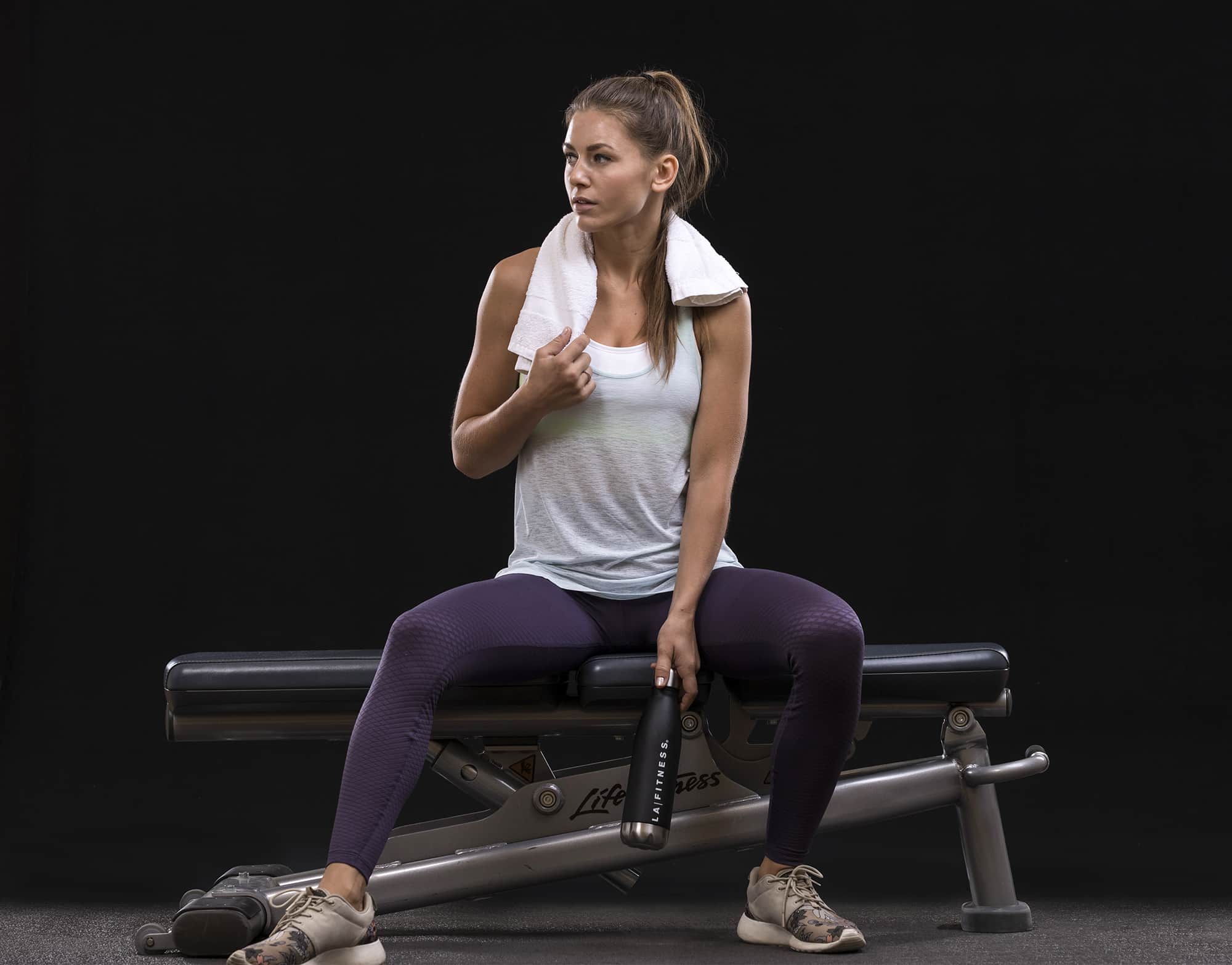

Health Tip: Rest Days Are Crucial

Health Tip: Rest Days Are Crucial

Leg day and chest day and arm day… oh my! When you’re making it a priority to get your body feeling and looking its greatest, you may find yourself pushing harder than ever to achieve your goals. However, all work and no rest can do the body more harm than good. When you’re putting in the extra time and commitment, don’t waste those epic workouts and tough dietary restrictions by overexerting your body. By not allowing the body enough adequate rest and recovery time, a string of unhealthy issues could start to ensue.

Consider the benefits of rest days below:

Things to consider:

  • Those new to fitness may need more of a ‘full rest day’ vs. bodybuilders. Those used to working out, especially at a higher intensity or higher frequency, may still want to get some light cardio in. It depends on your own personal fitness level.
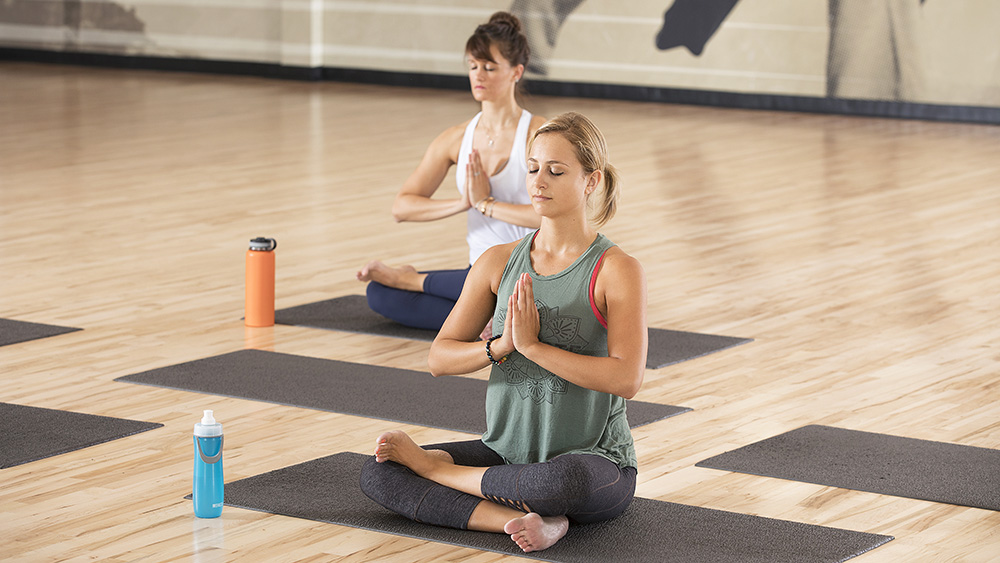
  • If you don’t want to take a full day off, try opting for a different exercise routine. Yoga is a great example of a slower paced class that can still tone and sculpt the body without overexerting the muscles, like some cardio and weight training might.
  • A rest day should not count as a “cheat day”. By allowing your body a rest day, you should be doing simply that, resting. Try not overindulging in calories like you might on an otherwise heavy workout day. This can put you over your caloric intake for the day and cause weight gain.

Tip Takeaway: Don’t worry about taking a day off, “in general, it takes your body almost two weeks of non-activity before you start losing a noticeable amount of your progress or performance level”.2 How do you choose to spend your rest days? Share in the comments below!

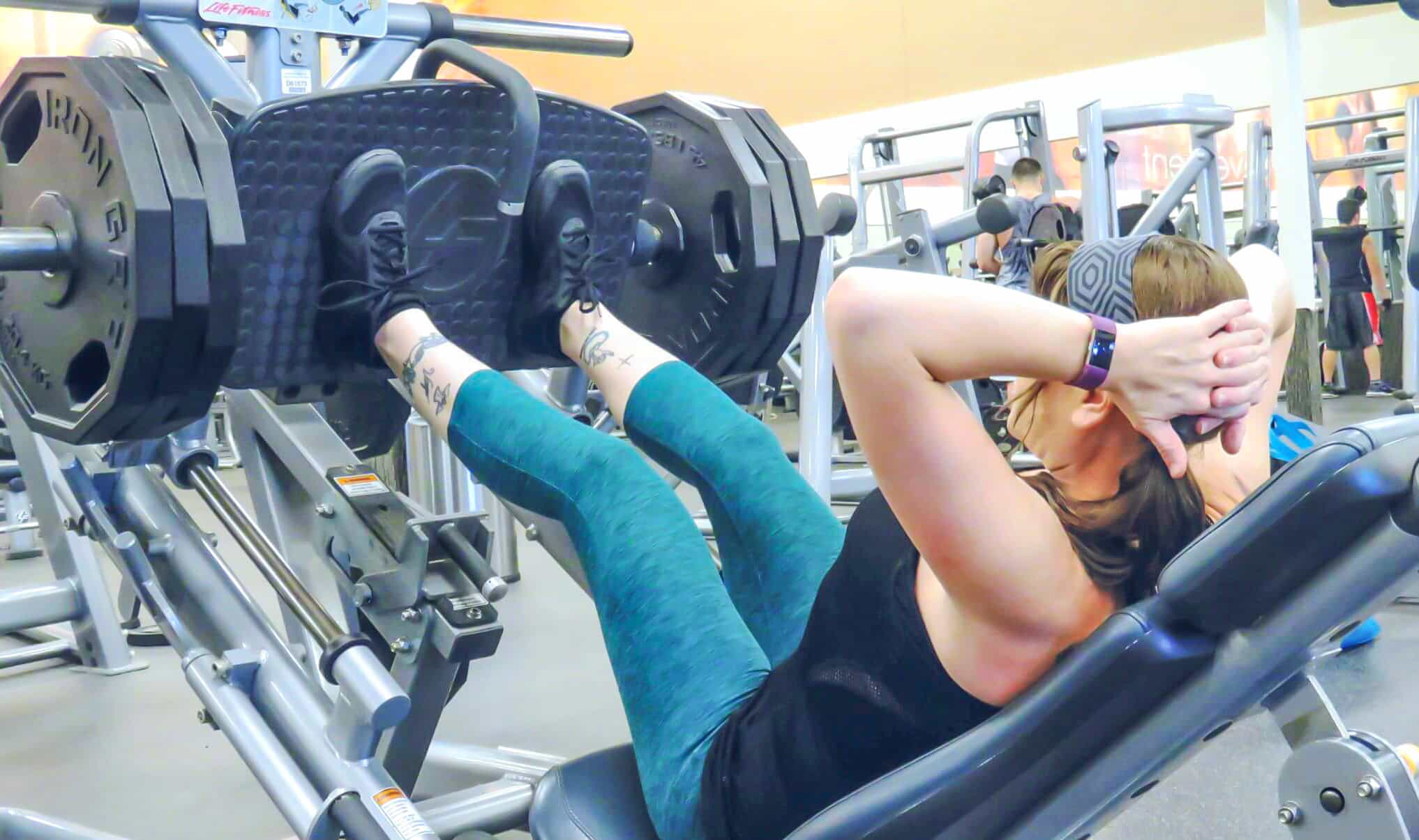
  1. Gain Muscle – Lifting weights creates tiny tears in the muscles – sounds painful, right? This is actually a good thing. When we rest, our bodies are hard at work fixing these tears up, which helps make the muscles stronger and build them up. Meaning, if you want to gain muscle, allow proper rest time.
  2. Prevent Burnout – Too much of anything can cause eventual burnout. Working out should help make our bodies feel better, stronger and healthier. If working out becomes a tedious chore, it can cause stress to our bodies, increase cortisol, and store fat rather than burning it off.
  3. Protect Your Immune System – The immune system is triggered when we work out because it’s helping to build our bodies back up and provide proper recovery. However “if the body doesn’t come out of continual practice, this system doesn’t have the time to catch up and start patching everything back up”.1
  4. Strengthen Your Performance – Overtraining can affect your sleep by increasing restlessness, which may cause your body to have a higher heart rate and alertness. Lack of sleep can cause the body to feel more tired and dampen performance levels due to lack of energy.
  5. Lessen Your Chance of Injury – Resting helps prevent your body from overuse. If muscles and joints aren’t given enough time to recuperate it can lead to strain and injury. So kick your feet up and lay back, because it really can help recharge the body!

Sources:

  1. Gibson, Sarah. “Give It a Rest: It’s OK to Skip Your Workout.” Wellbridge Athletic Clubs. N.p., n.d. Web. 13 July 2017.
  2. Karnazes, Dean. “6 Reasons Why Rest Days Are Important.” Fitbit Blog. N.p., 22 Apr. 2016. Web. 13 July 2017.

Recommended Reading

Member Spotlight | Never Give Up

Member Spotlight | Never Give Up

“Always find time to take care of yourself no matter what, because you can’t take care of someone else if you’re running on empty and not healthy yourself.”

Kelly G.

LAF Member

Struggles are a part of life, and for Kelly G. of Hennepin County, Minnesota, she has learned to fight through them for herself and her sons. Having struggled with weight since puberty, Kelly decided to join LA Fitness in 2014, after years of wanting to become healthier. In middle school and high school, Kelly was teased for being a bit larger than her classmates. She stood at 5’4” and weighed in at 180 lbs. From there, her weight slowly increased through adulthood, especially after having her children. The most she remembered weighing was 215 lbs., and she knew then that something had to be done.

The problem was that Kelly would get on a fitness kick and begin to lose some weight, but then something would happen that would set her back, or she’d feel lazy, stop working out and then feel miserable. She noticed that she tended to binge eat whenever she was stressed. She recognized this as a problem, and began to change her ways. She got on a positive health kick in May 2014, which inspired her to join LA Fitness. She was working out, eating healthier, feeling good and even began losing some weight – until she received some of the worst news possible. Her oldest son had been diagnosed with an aggressive form of Alveolar rhabdomyosarcoma cancer.

The cancer had already spread to his lymph nodes, sending Kelly into a tail spin of emotions, stress and depression. She stopped working out. She stopped taking care of herself. And she fell back into stress eating. Her son went through 42 weeks of chemotherapy and had 28 sessions of radiation. His last chemo appointment fell on Kelly’s birthday. It was on that day, in September of 2015, that Kelly decided if her son could fight through cancer like a champ, then she could fight to get healthy too.

During her son’s cancer treatments, Kelly had gained 30 lbs. She was miserable and in pain. Her feet hurt, her back ached all the time, and she weighed the most she ever had. Kelly shared the physical pains she was experiencing with her doctor, who told her very bluntly to lose 20 lbs. and then see if her feet were still hurting. She was a bit shocked at how up front he was, but with no sugar coating, it helped Kelly get on a mission. She wanted to get healthy not just for herself, but for her sons.

Kelly started taking advantage of her LA Fitness membership again and got really strict with her nutritional choices. Her determination to succeed superseded the obstacles she found herself facing in the past. Each day she strived to get healthier than the day before. In the past year and a half, Kelly has lost 80 lbs. by eating a low-carb diet and working out five to six days a week. At almost 40 years old, Kelly now weighs less than she did in middle school and high school, and she’s feeling much better. Kelly strives to do better each day and has since gained a new appreciation for life. Her advice to others is to “always find the time to take care of yourself no matter what, because you can’t take care of someone else if you’re running on empty and not healthy yourself.” Kelly hopes to lose another 5 to 10 pounds and add some additional muscle definition. Judging from how far she’s come, there’s no doubt she’ll reach her goals and then some!

This article is not meant to be construed as medical advice. Results will vary. Consult with your physician before starting a new fitness or nutritional routine.


Recommended Reading

ASK A TRAINER: Ep. 4 – What Can I Do to See Results?

ASK A TRAINER: Ep. 4 – What Can I Do to See Results?

Ask A Trainer: Featured Question of the Week

LA Fitness Pro Results® Master Trainer, Geoff F., helps answer LA Fitness member, Sunny V.’s, question on how to start seeing results. Short and simple? You’re going to want to start increasing intensity. Find out how by watching the video below!

Do you have a fitness question? Ask one of our certified Pro Results® trainers here! Your question may be featured in an upcoming Ask Our Trainer video.**

15 + 6 =

**Selected submissions will be featured on the LA Fitness blog and possibly other LA Fitness digital media entities & websites. By making a submission, you hereby grant LA Fitness a non-exclusive, perpetual, worldwide, irrevocable license to use and make copies of the contents of such submission for any purpose and in any medium whatsoever, and you hereby waive and relinquish any copyright or other intellectual property right you may have in the contents of such submission and your right to pursue any claim for LA Fitness’s violation of those intellectual property rights.


Recommended 'Ask A Trainer' Videos

Can Cardio Get Rid of Belly Fat? | Q+A

Can Cardio Get Rid of Belly Fat? | Q+A

Question:

I am 6’2″ and about 215 lbs. and average build. I started working out the last two weeks after long time. I am doing 20 minutes of Stairmaster and 15 minutes of treadmill. Along with that, I’m doing push/pull/legs alternative days. My goal is to build muscle and lose fat. I think I have large/moderate amount of belly fat. I’m wondering whether doing cardio will help to get rid of belly fat and what my caloric intake should be. Thanks for your help.

– Prabhu M.

Answer:

Yes, it takes at least 30 minutes of moderate intensity aerobic exercise to increase fat burning. This is because of the body’s use of available fuels in metabolism processes. There are other sources of energy burned before body fat and these reserves last approximately 30 minutes. There are a series of reactions and hormones that kick in after the first half-hour of exercise that allow stored fat to be accessed. Abdominal fat is both under the skin (subcutaneous) and between organs (visceral), necessitating a diverse nutrition approach beyond just caloric restriction.

Am I doing the right things with my diet and exercise to lose belly fat?

Your estimated energy need is about 2000 calories daily, but you will need at least a 500 calorie energy deficit between actual intake and expenditure. In a study of 768 overweight or obese individuals following diets that represented a deficit of 750 calories, at 6 months the average waist circumference reduction was 5-6 cm, and at 2 years an average 4-6 cm loss in circumference was maintained. That’s about a 2-inch reduction, with the best results from the group consuming 20% fat, 25% protein and 55% carbohydrate.

Weight-Loss Diets, Adiponectin, and Changes in Cardiometabolic Risk in the 2-Year POUNDS Lost Trial. Ma W, Huang T, Zheng Y, et al. The Journal of Clinical Endocrinology and Metabolism. 2016;101(6):2415-2422.

– Debbie J., MS, RD

This article should not replace any exercise program or restrictions, any dietary supplements or restrictions, or any other medical recommendations from your primary care physician. Before starting any exercise program or diet, make sure it is approved by your doctor.

Some questions have been edited for length and/or clarity.

LA Fitness Living Healthy subscribe button

Want more? SUBSCRIBE to receive the latest Living Healthy articles right in your inbox!

Ask our Dietitian

Have a nutrition question? Our registered dietitian is ready to help!


Email nutrition@lafitness.com or submit your question below and it may be featured in an upcoming article!

7 + 10 =

Recommended Reading

Vertical Training vs. Horizontal Training: Which Do You Need?

Vertical Training vs. Horizontal Training: Which Do You Need?

Whether you’re new to fitness or a seasoned vet, most likely you once experienced the feeling of walking into a gym and not knowing where to begin. With all the various cardio and weight equipment, how do you know where to start? Is it with cardio? How many days a week should you weight train? What type of training is right for your body? A lot of questions tend to flood the mind and can oftentimes scare people away from returning to the gym. Let’s break things down a bit, starting with: what is vertical training vs. horizontal training?

Vertical training can be viewed as anything that involves ascension (i.e. rising/climbing), whether actual or simulated. Examples of vertical training could be climbing on the Stairmaster, an inclined walk or run on the treadmill, or mountain climbing.

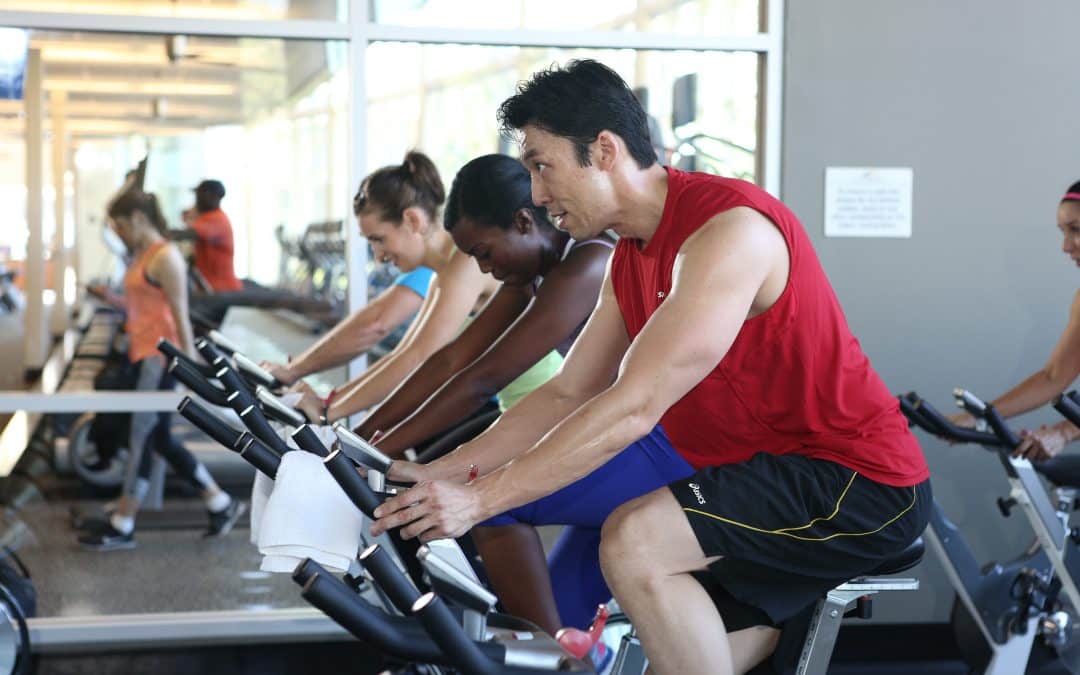
Horizontal training, on the other hand, refers to exercises that would keep your form parallel to the ground. Some typical exercises include using the rowing machine, running (without incline), or working out on a stationary bike.

Now that you know the differences– which form of training is best?

If you guessed both, you are correct. Neither is necessarily “better” for you than the other. It’s up to personal preference and which part of the body you are looking to train. Some machines may better benefit those recovering from an injury, while others training  specific skills or for a competition may want to use others. The best thing to do before questioning what type of training is right for you or getting overwhelmed by all of your options is this: come up with a clear and defined list of goals.

Knowing your goals may seem pretty obvious, but it’s a lot more than simply knowing you want to lose weight, or you want to get stronger. Break down your overall goal into smaller ones. If you want to lose weight, ask yourself where you want to lose the weight. Is it from the stomach area? Maybe you want to tone your arms? Knowing the muscles you would like to strengthen will help you narrow down which machines to use and what type of exercise you should be engaging in.

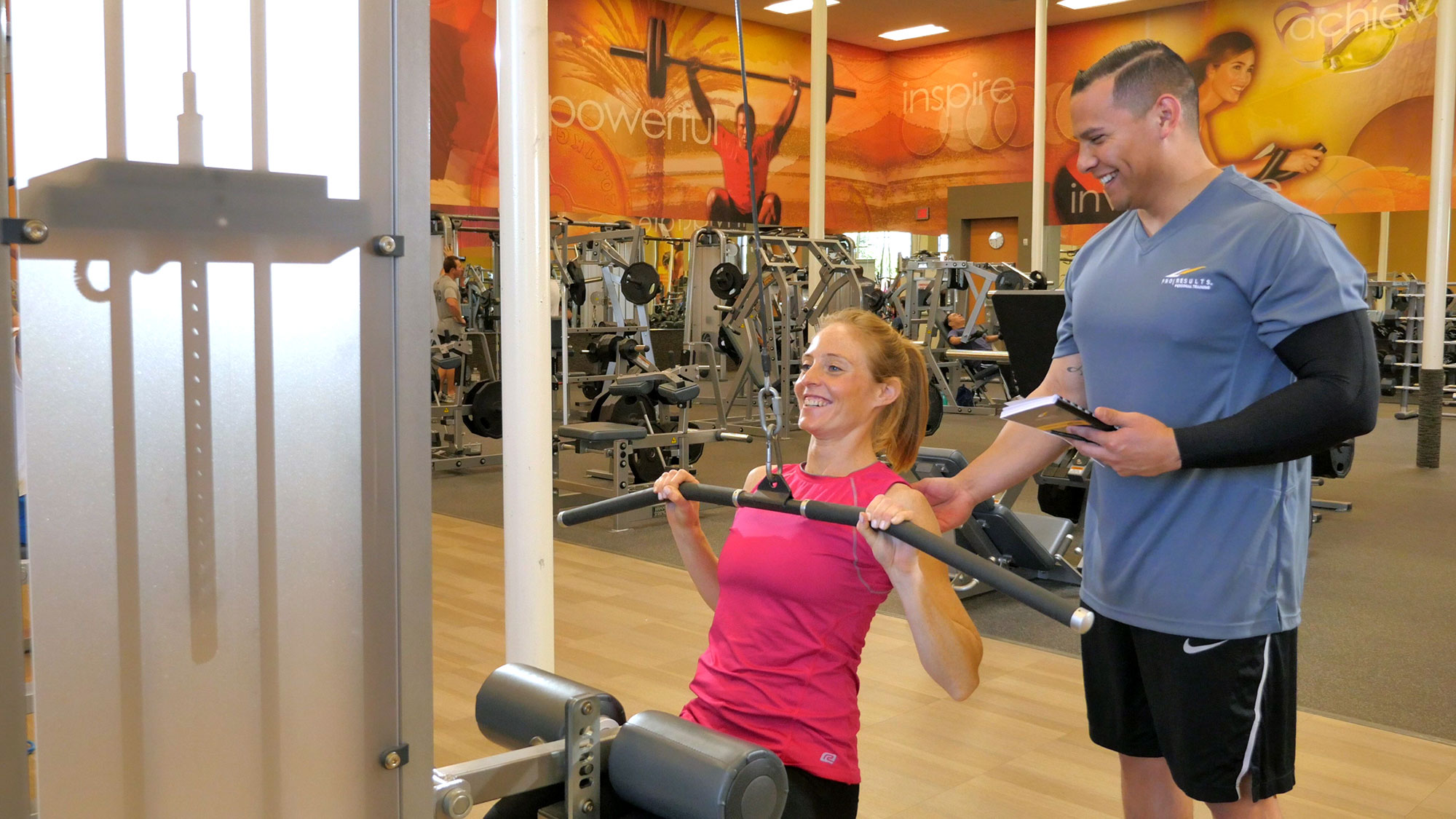
If you have your “baby goals” written down, but you’re still unsure where to begin, it’s perfectly acceptable to ask for help. More often than not, people enjoy helping others who are looking to better themselves. Making your health a priority is an admirable goal, and many share that goal. Everyone starts somewhere, so ask a friend or fellow gym-goer how to use a machine you’re unsure of. Better yet, ask an employee to help you out. If extra assistance is needed, consider signing up for personal training to get a deeper, more personalized plan for you.

Once the “scariness” of the gym goes away, you will be surprised how much easier going seems to be. Don’t be afraid to try new machines, attempt a new class or make a new friend. As author Jack Canfield once put it, “everything you want is on the other side of fear.” So, where will you begin? Is vertical training better than horizontal? In the battle between the two, both win. Train the way that best fits you, and watch all you can accomplish!


Recommended Reading