What’s Up with Delayed Onset Muscle Soreness?

What’s Up with Delayed Onset Muscle Soreness?

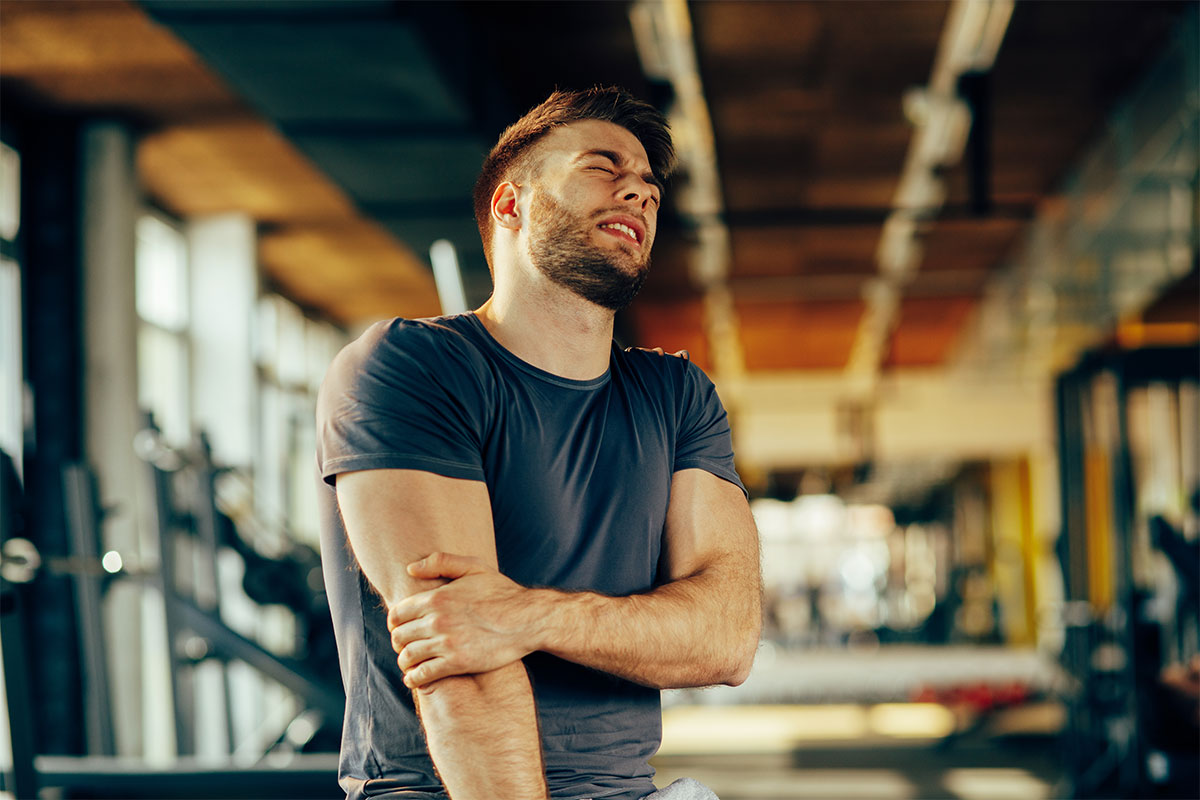
Why do muscles sometimes hurt right away and other times up to 48 hours afterward? Delayed Onset Muscle Soreness (DOMS) is something every gym goer experiences, but it can affect everyone differently. DOMS is a common result of physical strain put on the muscles and the microscopic tears, or damage, done to the muscle fibers. This “damage” done to the muscles is extremely beneficial in helping with muscle growth and building strength, but it can cause some discomfort.

While no one likes to be in pain, the slight aches are a good indication that your body is benefiting from the new workout routine. When your body adjusts to the exercise, you’ll experience less pain, but this may be a sign it’s time to switch to a new exercise routine in order to keep your muscles guessing and not getting used to doing the same movements. A shock to the system will help increase muscle awareness and help contribute to continued muscle growth.

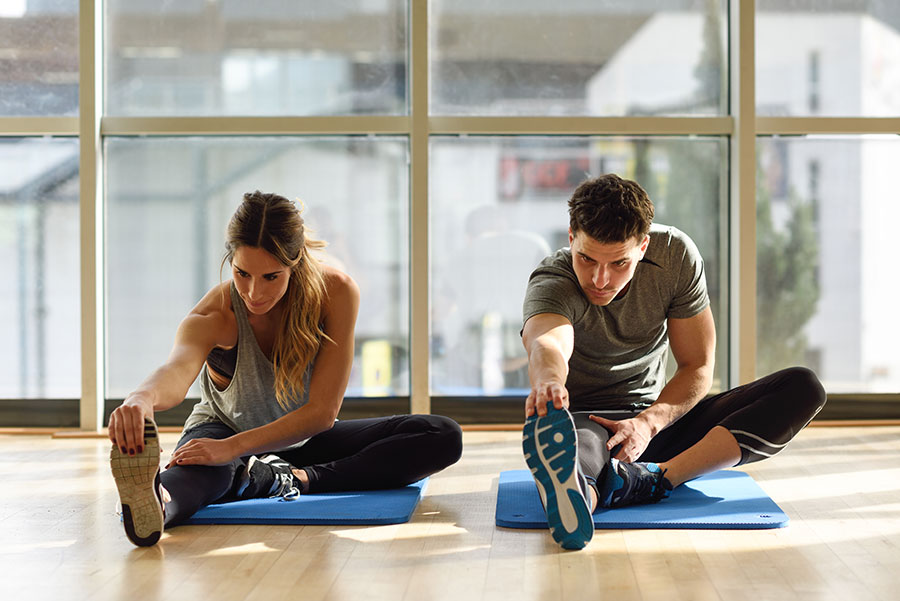
Minor discomfort is considered normal, but if your aches and pains are preventing you from doing everyday tasks, this could be an indicator that you’ve strained a muscle too far. In that case, focus on another muscle group in order to give your sore muscles enough time to heal. A good way to help prevent muscle soreness (or at least minimize it) is to properly stretch after each workout session. Some articles on the benefits of stretching can be found here and here.

Additional ways to help the body recover from DOMS is ice, rest, pain medication, massage, heat, and of course, stretching.1 Some people may even benefit from a post-workout cooldown, which would be about 10 minutes of light cardio, followed by stretching. This works because “when muscle temperature is increased, blood flow increases, bringing fresh oxygen and healing nutrients to the injured site.”2 It’s also important that you switch up the muscle groups you’re targeting at the gym, in order to build overall muscle and avoid over trained muscles. This is where injury can occur.

What if you don’t experience soreness after a workout? Well, that doesn’t necessarily mean that you’re not working out hard enough. Different body types handle pain and exercise differently. It could just mean that you’re one of the lucky ones not experiencing as much inflammation as others might. Another way to help decrease DOMS is staying properly hydrated.3 Drinking enough water helps prevent dehydration and assists with circulation.

What are your tips for helping combat DOMS? Leave your suggestions in the comments below. 

Sources:

  1. Sarnataro, Barbara Russi. “Sore Muscles? Don’t Stop Exercising.” WebMD, WebMD, www.webmd.com/fitness-exercise/features/sore-muscles-dont-stop-exercising.
  2. Ibid
  3. Zickl, Danielle. “Is Muscle Soreness Really a Sign Of an Effective Workout?” Men’s Health, Men’s Health, 30 July 2018, www.menshealth.com/fitness/a19542200/what-is-delayed-onset-muscle-soreness/.

Recommended Reading

AAT: Ep. 35 – Workouts for Strengthening the Back

AAT: Ep. 35 – Workouts for Strengthening the Back

Ask A Trainer: Featured Question of the Week

On this episode of ‘Ask A Trainer’ we speak with LA Fitness Pro Results® trainer Morgan C., and get her expert advice on which exercises help strengthen the back. 


Do you have a fitness question? Ask one of our certified Pro Results® trainers here! Your question may be featured in an upcoming Ask Our Trainer video.**

9 + 8 =

**Selected submissions will be featured on the LA Fitness blog and possibly other LA Fitness digital media entities & websites. By making a submission, you hereby grant LA Fitness a non-exclusive, perpetual, worldwide, irrevocable license to use and make copies of the contents of such submission for any purpose and in any medium whatsoever, and you hereby waive and relinquish any copyright or other intellectual property right you may have in the contents of such submission and your right to pursue any claim for LA Fitness’s violation of those intellectual property rights.


Recommended 'Ask A Trainer' Videos

Does the Body Burn More Calories in the Cold?

Does the Body Burn More Calories in the Cold?

Winter is here, and red noses are aplenty. Big coats shield us from the icy cold, and boots work their hardest to keep our feet nice and warm. Still, the chill of winter wind sends a shiver through the body every time a breeze blows by just the right way. Logically speaking, it makes sense to think that between our bodies constantly working to keep us warm in the winter months, that the body would obviously burn more calories in cold weather – right?

Not exactly, but kind of.

Cold weather is not the sole deciding factor dictating whether or not our bodies go into calorie-burning mode. It’s more so the process our bodies undergo once we start shivering from a temperature drop. This process is called thermogenesis. One way of this happening is to shiver, which is when the muscles contract involuntarily in order to create warmth and help maintain a healthy body temperature.

Or, your body could go into non-shivering thermogenesis. This is where the body’s brown fat breaks down to release heat and, again, help warm the body up. Both shivering and non-shivering thermogenesis increase the body’s energy expenditure, which helps burn calories. This is why your body may burn more calories in colder weather.

However, those two energy-expending and calorie-burning processes only kick into high gear when the body is truly cold. Once exercise begins, and the body naturally warms up from it, the body isn’t going to burn any extra calories just because of the weather. But don’t use that as an excuse to not exercise this winter season, sitting around and being sedentary is no way to keep the body healthy during the chilly months.

The Caloric Burn Breakdown

  1. BMR: Your basic daily caloric burn, known as BMR, or basal metabolic rate. That’s how many calories your body needs just to function at rest. (~60% – ~80% total energy expenditure)
  2. FOOD BREAKDOWN: The energy needed to break down all that yummy food consumed throughout the day. (~10% total energy expenditure)
  3. EXERCISING: Lastly, the energy needed when engaging in physical activity. (~10% – ~30% total energy expenditure)

The calories burned during thermogenesis plays a substantially small role in overall expenditure, less than 5% – 10% actually.1 In one study where individuals were put in cold rooms for an entire day, subjects burned an additional 150 to 200 calories.2 That’s not ideal or healthy, and not a smart way to burn extra calories.

So, if you’re looking to burn extra calories this winter season, then up your fitness routine rather than your time freezing in the cold. And for those of you looking to take your workout season indoors, get a 5-day LA Fitness guest pass here.

Sources:

  1. Belluz, Julia. “Do You Burn More Calories Exercising in the Cold? Here’s What the Science Says.” Vox, Vox, 6 Feb. 2018, www.vox.com/2017/12/23/16774320/exercise-in-cold-burn-more-calories.
  2. Ibid

Resources:

  1. Praderio, Caroline. “If Your Office Is Freezing This Summer, You Might Be Burning Extra Calories.” INSIDER, INSIDER, 3 July 2018, www.thisisinsider.com/does-being-cold-burn-calories-2017-8.

Recommended Reading

AAT: Ep. 35 – Workouts for Strengthening the Back

AAT: Ep. 34 – How Much Weight Should I Be Lifting While Pregnant

Ask A Trainer: Featured Question of the Week

On this episode of ‘Ask A Trainer’ we speak with LA Fitness Pro Results® trainer Morgan C., and get her expert advice on how much weight is safe to lift while pregnant.


Do you have a fitness question? Ask one of our certified Pro Results® trainers here! Your question may be featured in an upcoming Ask Our Trainer video.**

6 + 9 =

**Selected submissions will be featured on the LA Fitness blog and possibly other LA Fitness digital media entities & websites. By making a submission, you hereby grant LA Fitness a non-exclusive, perpetual, worldwide, irrevocable license to use and make copies of the contents of such submission for any purpose and in any medium whatsoever, and you hereby waive and relinquish any copyright or other intellectual property right you may have in the contents of such submission and your right to pursue any claim for LA Fitness’s violation of those intellectual property rights.


Recommended 'Ask A Trainer' Videos

Exercising During Cold and Flu Season

Exercising During Cold and Flu Season

We are in the midst of cold and flu season. Have you taken the precautionary measures to avoid headaches and runny noses looming in every office building, school classroom and store this season?

We spoke with Chris McGilmer, MD, a sports and family medicine specialist at the Kaiser Permanente North Hollywood Medical Offices, who gave his expert advice on how to best protect the immune system this season and whether or not it’s okay to work out when sick.

This is what he shared:

How does exercise support our immune health?

Exercise, along with other healthy habits, can help strengthen our immune system. A healthy immune system protects us from infection and disease, including the viruses that cause colds and flu.

Some research has found that people who exercise regularly are less prone to illness because they have a better immune system response. Plus, exercise can help us manage stress and reduce the release of stress-related hormones. This is important because stress can be detrimental to our immune function. Other studies have found that exercise can help flush bacteria out of the lungs and airways – thus reducing our risk of respiratory illness – and that exercise can boost our number of infection-fighting white blood cells.

Is it okay to work out when you’re sick? When is it safe to exercise?

Exercise is recommended as long as your illness is mild and feel well enough to work out. For example, most people who have a common cold or mild upper respiratory symptoms, like a stuffed or runny nose, are generally able to work out. You’ll very likely have to lower the intensity and you’ll definitely need to monitor your heart rate and breathing. Certain decongestants and cold medications can increase the heart rate. Although some individuals with asthma and other chronic respiratory health conditions can exercise without any issues, it’s best that they reach out to their doctor to see if they can continue being physically active while they are sick.

Please keep in mind that overexertion can make you feel worse and slow down your recovery.

When are you too sick to work out? When is exercise not recommended?

If you’re experiencing a fever of 101.5 degrees or more, body aches, congestion, gastrointestinal issues, or feeling weakness, please wait a few days before working out. Also, drink plenty of fluids while you’re recovering to avoid dehydration both while you’re sick and when you return to your fitness regimen.

When is it okay to return to your exercise routine?

Typically, it’s okay to return to your exercise routine 48 hours after a fever has broken or diarrhea or vomiting has stopped. Your best gauge is your overall well-being. If you feel good, great. If your body is telling you to take another day off, listen to it!


Can you really sweat out a cold?

No. Sweating methods, such as a sauna or steam room, inhaling warm steam and exercise can provide temporary relief by relieving nasal congestion and loosening up mucus, but they will not shorten your recovery time. It normally takes seven to 10 days to fully recover from a common cold. If you choose to incorporate a “sweat out method” as part of your treatment plan, drink plenty of fluids and be on the lookout for possible signs of dehydration. When you sweat, you not only release water; you also release electrolytes.


Prevention Tips
  1. Get an annual flu shot. This is your best line of defense.
  2. Eat a healthy, balanced diet. Our immune system needs a variety of vitamins, nutrients, and minerals to function well.
  3. Get enough sleep. Inadequate sleep has been linked to a weakened immune system.
  4. Wash your hands constantly. A 20-second wash with soap and warm water is the best, but if water isn’t available, use an alcohol-based hand sanitizer.
  5. Avoid touching your face. The most common way germs get into the body is via the face.
  6. Manage your stress levels. Chronic stress can increase your risk of illness.
  7. Avoid overtraining and exerting your body. Listen to your body and give it time to recover.
  8. If you exercise in a gym or fitness club, sanitize the equipment before and after your workout to minimize the spread of germs.

Content contributed by Chris McGilmer, MD, a sports and family medicine specialist at the Kaiser Permanente North Hollywood Medical Offices. 


Recommended Reading