How to Like Running – Podcast Ep. 34
On this episode of the Living Healthy Podcast, we speak with running expert, Greg McMillan, to learn what it takes to start running and enjoy the journey.

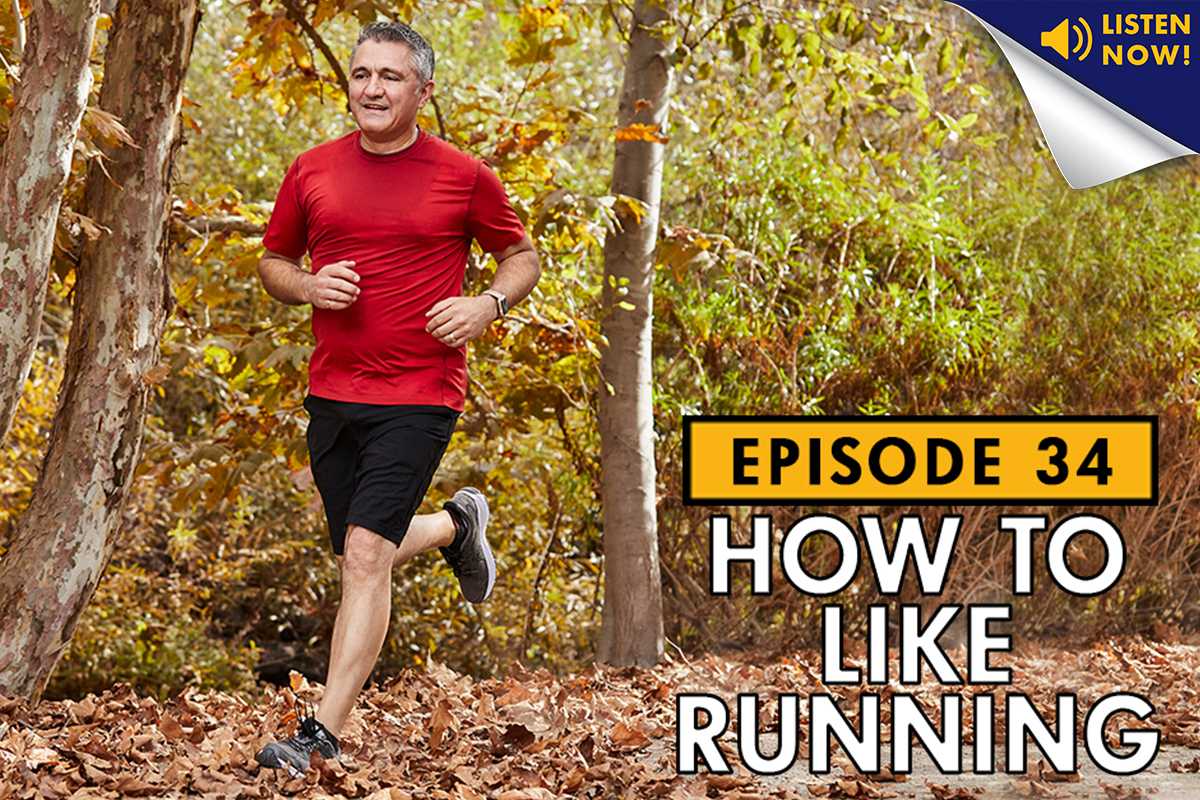
Welcome to the 34th episode of the Living Healthy podcast, presented by LA Fitness.
On this episode of the Living Healthy Podcast, we speak with Greg McMillan, Founder and Head Coach at McMillan Running and former National Trail Marathon Master’s Champion.
Having trained everyone from new runners to Olympians, Greg understands what it takes to run for the first time and what training looks like for those looking to up their game. Listen in to learn some things you may not know about running, to bust some misconceptions about its effects on your joints, and to hear a gross bug story from Andrew.
How Are We Doing?
This podcast should not replace any exercise program or restrictions, any dietary supplements or restrictions, or any other medical recommendations from your primary care physician. Before starting any exercise program or diet, make sure it is approved by your doctor.
Intro
0:01
Introduction of Founder and Head Coach at McMillan Running, Greg McMillan, M.S
2:08
What Makes You So Passionate About Running?
2:34
What are Some Reasons to Add Running to Your Routine?
3:49
The Shared Experience Among Runners
6:07
What Would Help New Runners Get Started?
8:21
Is it Difficult to Get into Running in Baby Steps?
11:19
Is it Important to Find Out What Kind of Runner You Are?
13:42
Do You Need Special Shoes for Distance Running?
15:38
What is a Good Distance to Start with If You’re Training for a 5K?
16:33
Stride and Cadence to Increase Pace in Long Distance Running
17:35
Recommendations for Hydration Before and During a Run
19:02
If You’re Not Well Hydrated, Should You Avoid Running?
21:43
What are the Right Shoes for Sprinters?
22:30
Are Intervals the Right Way to Train for Sprinting?
23:19
What is a Good Starting Routine for Beginners?
24:17
What Is Running’s Physical Toll on Your Body?
25:09
Is Running Good for Losing Weight?
26:32
What is Good or Bad Running Form?
27:32
Can Music’s BPM Enhance Your Cadence?
30:58
Should You Stretch Before or After Running?
32:41
Myth Busting: Will Running Cause Your Skin to Sag Over Time?
36:36
Actionable Advice
39:00
Outro
41:19
On this episode of the Living Healthy Podcast, we speak with running expert, Greg McMillan, to learn what it takes to start running and enjoy the journey.
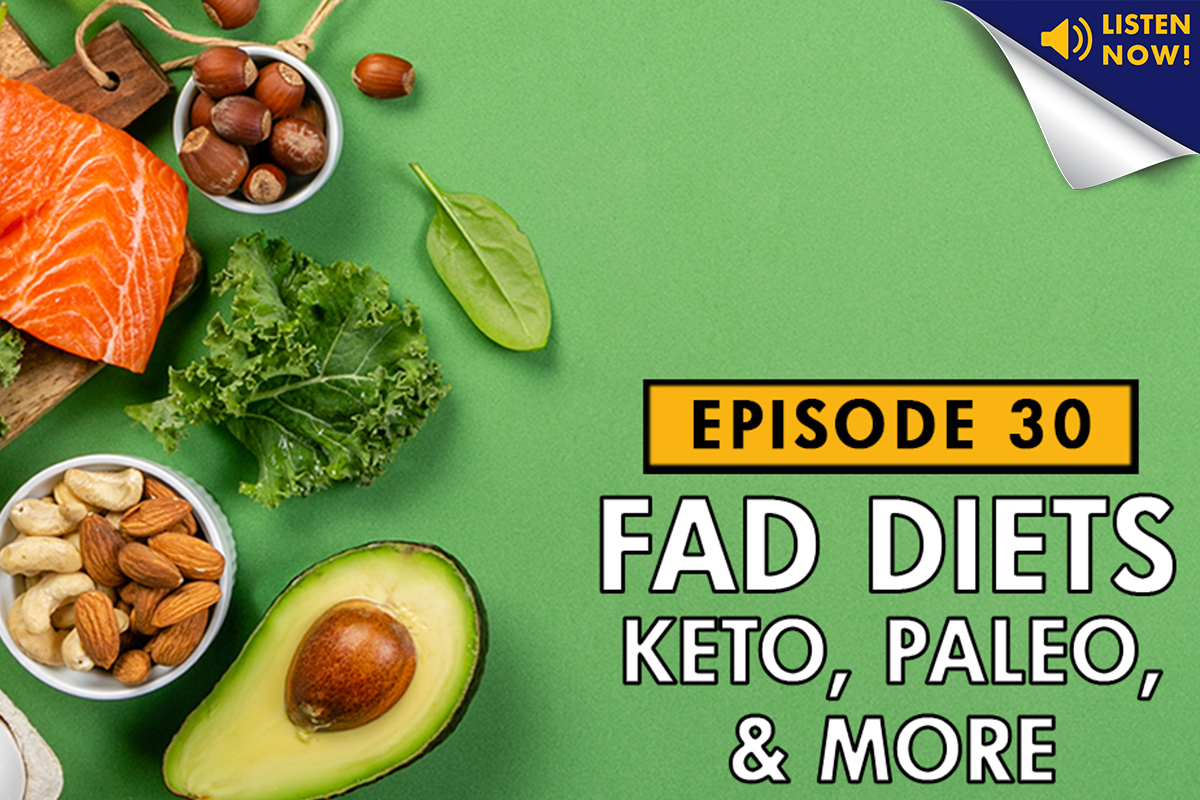
On this episode of the Living Healthy Podcast, Debbie James, RDN, answers some frequently asked questions about some of the most popular fad diets: Paleo, Whole 30, Keto, Anti-Inflammatory, and Intermittent Fasting. What are the Pros and Cons? How do they compare?
On this episode of the Living Healthy Podcast we cover the basics of health, fitness, and nutrition with three outstanding guest experts!

Can you give me some help and suggestions to reach my goal? I’m 6’0 and around 220 to 230lbs. I’m honest with myself and have given up the dream of being a ripped–up monster; I just want to live a healthy lifestyle. Losing weight is probably my number one goal and if I can gain muscle at the same time, that’s great. I work overnight so it’s difficult to be consistent at the gym, but I can be consistent with what I eat. So, I’d love to hear back from you and hear your views.
-Erik L.

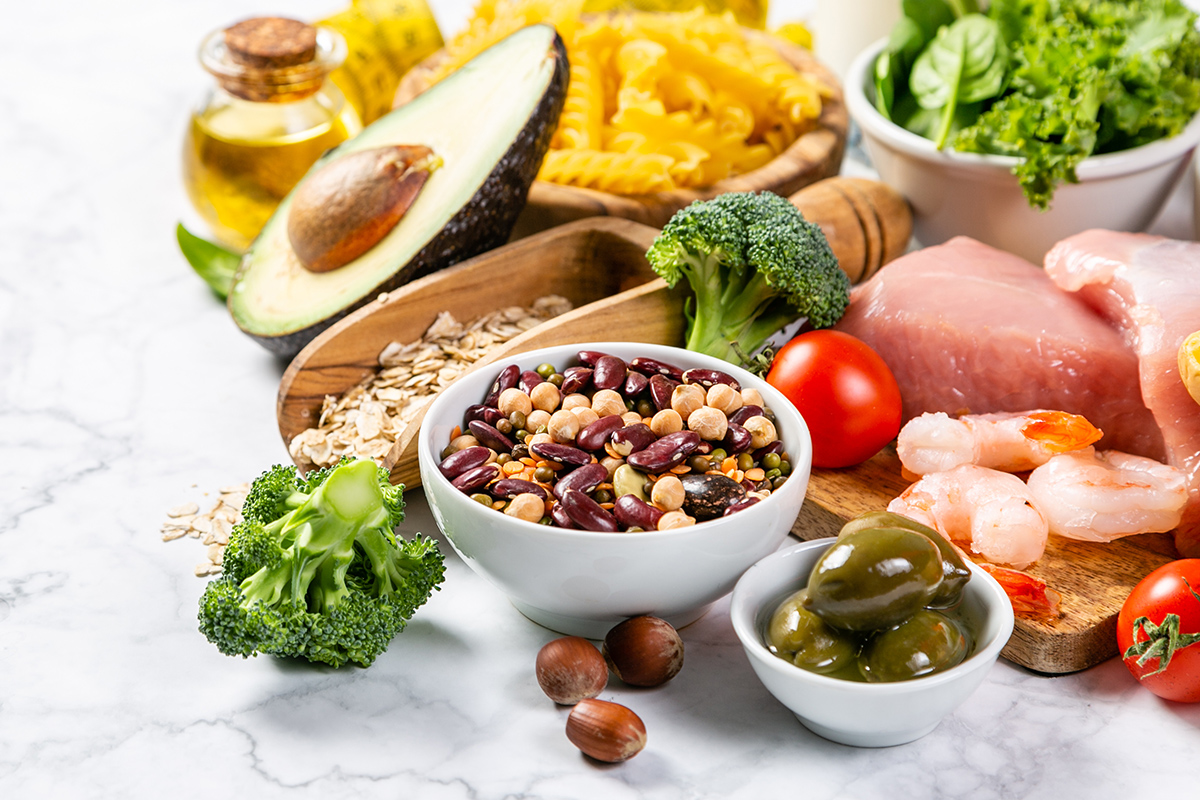
Your realism is admirable, Erik. Yes, it’s possible to lose fat and gain muscle simultaneously with the proper exercise. One diet can help you with both. You’ll need to moderately reduce calories by reducing portions slightly and cutting out alcohol, added sugars and excess fat. Meanwhile, switch the bulk of your consumption to whole nutrient-rich foods like vegetables, beans, poultry, fish, grains, nuts & seeds, fruit and low-fat dairy that are minimally processed.
Take a look at these two menus/plans to see the kind of changes to make:
|
2600 Calories (Before) |
2200 Calories (After) |
|
111 gm Protein; 46%Carb/17%Pro/34%Fat |
123 gm Protein; 47%Carb/22%Prot/31%Fat |
|
|
|
|
16 fl. oz. fruit smoothie |
6 oz. plain nonfat yogurt ½ cups strawberries 2 Tbsp. granola |
|
|
|
|
2 cups spaghetti & meat sauce |
2 cups spaghetti & meat sauce |
|
3 pieces garlic bread |
1 Tbsp. Parmesan cheese |
|
Caesar salad 2 Tbsp. regular dressing |
2 cups spinach ½ cup white beans 2 Tbsp. low fat dressing |
|
|
|
|
Egg, sausage, potato, cheese burrito |
Vegetable frittata: 2 scrambled eggs + ½ Cup zucchini/tomato/onion cooked in 1 tsp. oil Whole wheat pita |
|
|
|
|
1.5 oz. chocolate covered peanut butter energy bar |
Small banana 1 oz. almonds (about 12) |
|
|
|
|
6 oz. grilled salmon |
6 oz. grilled salmon |
|
1 cup white rice |
1 cup brown rice |
|
½ cup broccoli |
1 cup broccoli |
* Calculated by Registered Dietitian Nutritionist using www.NutritionData.Self.com’s MyTracking function. Findings were used along with RDN’s professional judgment.
– Debbie J., MS, RD
This article should not replace any exercise program or restrictions, any dietary supplements or restrictions, or any other medical recommendations from your primary care physician. Before starting any exercise program or diet, make sure it is approved by your doctor.
Some questions have been edited for length and/or clarity.
 Have a nutrition question? Our registered dietitian is ready to help!
Email nutrition@lafitness.com or submit your question below and it may be featured in an upcoming article!

Debunking fitness myths surrounding the ideas of muscle building and fat burning.

Foods that promote weight loss are rich in micronutrients, low in saturated fat and full of phytochemicals and fiber. Vegetables are perfect!
For structure, you could follow a moderate diet plan providing no fewer than 1500 calories a day. We offer a sample daily diet plan.
No matter how much exercising and dieting I do, I can’t get rid of a small “spare tire” I’ve had for years. Is there something I can do nutritionally to help burn off that fat?
– David H.
Hi, What are the foods you recommend that can reduce belly fat (subcutaneous fat) and give a flat belly? Thanks.
– Karthik K.
What foods are the best to eat to get rid of your belly fat and keep it off?
– Shawn R.
We are asked these questions a lot! Scan for previous Living Healthy blog articles on the topic and you’ll find no less than twenty. For those already at a healthy body weight or with only a few pounds to lose, fat around the midsection and abdomen seems to resist all efforts at reduction.
Though you can’t target belly fat with specific foods or exercises, fine tuning your diet and workout program can help you lose weight and tone all over. Exercise including moderate intensity work at least 30 minutes per day plus strength training helps control weight and fight abdominal fat, both subcutaneous and visceral (around the organs).
For diet, the goal is to reduce foods that are readily converted to fat and focus on those that require greater work to metabolize. Doing so reduces both actual fat storage and the signals/prompts that cause it to happen, such as insulin. …As long as your overall caloric intake is less than your expenditure, of course!
Sources:
– Debbie J., MS, RD
This article should not replace any exercise program or restrictions, any dietary supplements or restrictions, or any other medical recommendations from your primary care physician. Before starting any exercise program or diet, make sure it is approved by your doctor.
Some questions have been edited for length and/or clarity.
Have a nutrition question? Our registered dietitian is ready to help!
Email nutrition@lafitness.com or submit your question below and it may be featured in an upcoming article!
Debunking fitness myths surrounding the ideas of muscle building and fat burning.
Foods that promote weight loss are rich in micronutrients, low in saturated fat and full of phytochemicals and fiber. Vegetables are perfect!
For structure, you could follow a moderate diet plan providing no fewer than 1500 calories a day. We offer a sample daily diet plan.
I want to follow a daily routine which will help me reduce weight. Currently, I am 129 lbs. I want to reduce it to 120 lbs; however, I am a vegetarian. I don’t eat eggs or meat. Please help.
– Swapna A.
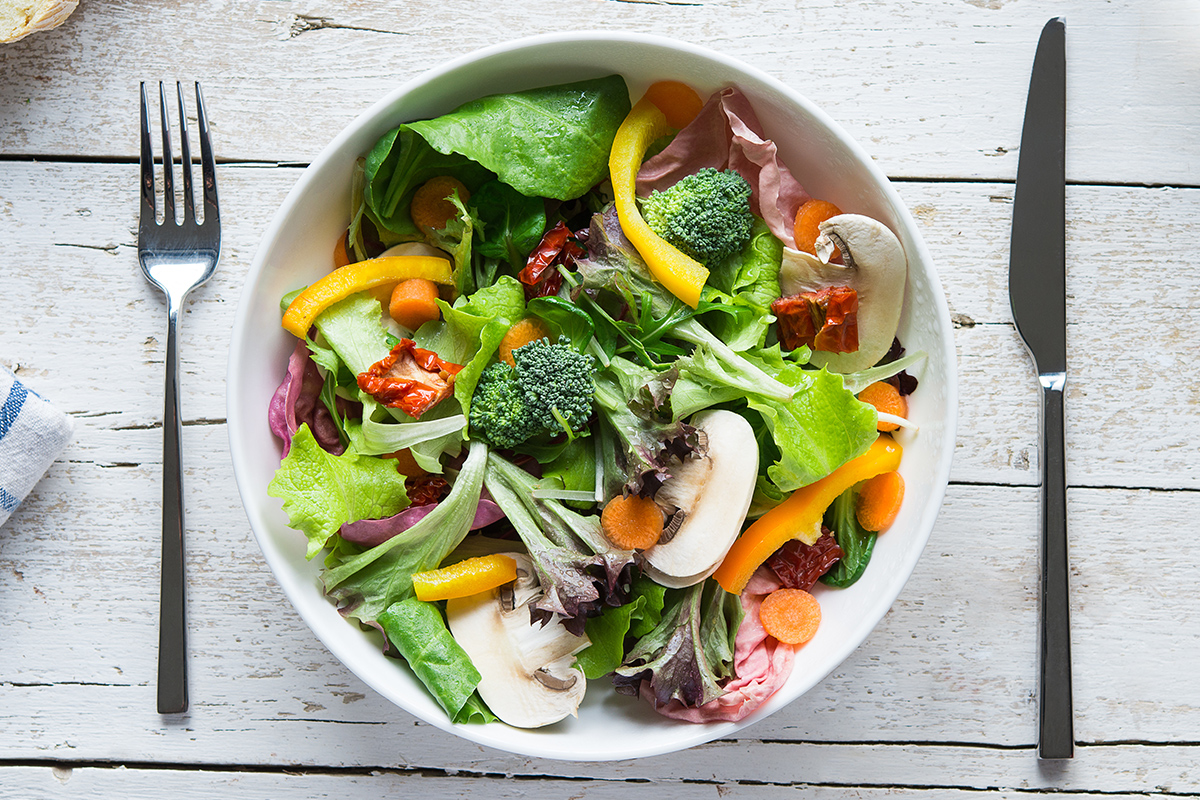
Vegetarian diet or not, the same rules apply for reducing body fat to lose weight: eat less than you burn. Where vegetarians may have trouble is with concentrated sugars (in foods like smoothies, cereals, fruit bars) and excess fats (hidden oils in boxed/frozen foods). Restricting intake of processed foods while focusing on whole plant foods will ensure you control the amount of sugar and fat consumed. Basically, choose foods you need to chew!
Consider a healthy vegetarian dish of lentils, mushroom, onion, chopped spinach, olive oil and carrot over sweet potatoes. Despite the correct balance of carbohydrates, fats and protein you still need to deal with volume. Do you fill a 10-inch plate, 20 oz. bowl or only a cup? Portion control is important, no matter the diet you follow. Just cutting back 50 calories a day can promote a 5-pound weight loss over a year.
I wouldn’t advise a daily menu repeated over and over because you need a variety of produce, legumes, nuts and seeds to meet micronutrient requirements and provide beneficial phytochemicals. But, you can start with a few days mapped out for you! EatingWell® has a decent vegan 7 day 1200 calorie plan. For a week’s worth of lacto-ovo Indian meal suggestions, check out this traditional plan from Healthline. Also read the Living Healthy blog’s Ask Our Dietitian post How to Lose Fat as a Vegan for more meal and snack options.
– Debbie J., MS, RD
This article should not replace any exercise program or restrictions, any dietary supplements or restrictions, or any other medical recommendations from your primary care physician. Before starting any exercise program or diet, make sure it is approved by your doctor.
Some questions have been edited for length and/or clarity.
Have a nutrition question? Our registered dietitian is ready to help!
Email nutrition@lafitness.com or submit your question below and it may be featured in an upcoming article!
Debunking fitness myths surrounding the ideas of muscle building and fat burning.
Foods that promote weight loss are rich in micronutrients, low in saturated fat and full of phytochemicals and fiber. Vegetables are perfect!
For structure, you could follow a moderate diet plan providing no fewer than 1500 calories a day. We offer a sample daily diet plan.

Hi, I wanted to ask a question about dieting. What is the lowest number of daily calories for an adult woman (34 years old, 5’6”, 140 lbs.) that is safe but will also allow for weight loss? I’ve been even eating 1,200 or so per day, but I’m not sure if that’s accurate. Thanks!
– Jess S.
First off, 140 pounds for a height of 5’6” makes your BMI 22.6, within a healthy range (18.5-24.9). In general terms, 1,200 calories for women and ,1500 calories for men have long been used as minimum recommended intake levels. Even at these amounts it’s difficult to meet vitamin and mineral requirements unless one’s diet is exceptionally nutrient-rich and balanced.
Using personalized estimates based on standardized equations is more predictive of actual needs. Using your age, height, weight and gender, your calculated base energy requirement, called basal metabolic rate (BMR), is 1,352-1,376 calories daily*. Your body composition, genetics and physiology, among other factors, determine your true metabolic rate which may be higher or lower than estimated.
It’s not advised to reduce intake to BMR minimum very long for successful fat loss. Restricting intake to that level creates such an energy deficit that lean mass starts to break down for fuel. The scale may show a weight drop – often significant – from the water released as stored glycogen is used to fill the energy gap. Neither of these conditions foster fat burning or improve body composition.
My best advice is to increase physical activity which will help retain lean mass and allow you to get sufficient nutrients from a more generous diet. There’s a lot of nutrition you can pack into 150 calories of wholesome foods. A yogurt parfait or bowl of crunchy popcorn is worth a half hour of dancing, recreational biking or swimming in my book!
*based on Mifflin–St. Jeor and WHO equations.
Suggested further reading:
Resting Metabolic Rate: Best Ways to Measure It – And Raise It, Too https://www.acefitness.org/certifiednewsarticle/2882/resting-metabolic-rate-best-ways-to-measure-it-and/
Calories Burned in 30 Minutes For People of Three Different Weights https://www.health.harvard.edu/diet-and-weight-loss/calories-burned-in-30-minutes-of-leisure-and-routine-activities
– Debbie J., MS, RD
This article should not replace any exercise program or restrictions, any dietary supplements or restrictions, or any other medical recommendations from your primary care physician. Before starting any exercise program or diet, make sure it is approved by your doctor.
Some questions have been edited for length and/or clarity.
Have a nutrition question? Our registered dietitian is ready to help!
Email nutrition@lafitness.com or submit your question below and it may be featured in an upcoming article!
Debunking fitness myths surrounding the ideas of muscle building and fat burning.
Foods that promote weight loss are rich in micronutrients, low in saturated fat and full of phytochemicals and fiber. Vegetables are perfect!
For structure, you could follow a moderate diet plan providing no fewer than 1500 calories a day. We offer a sample daily diet plan.