Muscle Building and Fat Burning Myths Debunked

Muscle Building and Fat Burning Myths Debunked

Muscle Building and Fat Burning Myths Debunked

Most of us have been told a lie in the gym at some point. The real question is, did you believe it? If someone has helped you or given you tips, did you ever research what they said or did to see if it was true? There’s a chance that it was completely wrong.

We’re going to go over and debunk a handful of myths surrounding the ideas of muscle building and fat burning.

01.

MYTH: We burn more fat during extended moderate exercise compared to shorter high intensity exercise.

When we exercise moderately, it’s true that more fat can burn compared to carbohydrates. However, this type of training burns fewer total calories and takes significantly longer. High intensity exercises like HIIT (high intensity interval training) can burn more calories in a shorter amount of time and can cause an “after-burn” effect fueled by fat that can last a day or longer. I personally found success with HIIT training.  HIIT by LAF is great for those interested in high intensity workouts looking to burn some calories!

02.

MYTH: Don’t eat after a certain *time at night*.

“Don’t eat late at night.” “Eat dinner earlier.” “No carbs before bed.” These seem to be some common statements we hear for losing weight and they couldn’t be more inaccurate. Calories are calories and if you eat too many of them you’ll gain weight, regardless of what time it is. According to a  , overweight people lost more weight eating carbohydrates at night compared to throughout the day. The late-night eaters had better hormone levels that control satiety and hunger. The Human Growth Hormone (HGH) is a powerful hormone produced by the human body that regulates the amount of body fat you burn and the amount of muscle you build. HGH levels peak while you’re sleeping so if you eat right before bed, your body could utilize those nutrients to build muscle and burn fat at the same time.

03.

MYTH: We must do cardio for at least 20 minutes to burn fat.

What’s going to burn more fat calories in 20 minutes: watching TV, walking, or interval sprinting? If you think it’s TV or walking, you’re wrong. Just because you burn a higher percentage of fat from moderate exercise doesn’t mean you’ll burn as many total fat calories. Interval sprinting burn a less percentage of fat but a much higher total calorie loss, which actually results in more fat calories burned than walking for 20 minutes.

04.

MYTH: When you eat more protein, you build more muscle.

A family member of mine went on a diet a while ago to try and lose weight. She was told to double her protein intake and eat less carbohydrates. She ended up miserable and weighing more than she did before her diet. We’re not saying protein doesn’t build muscle, but there’s a point where protein can hurt compared to help. For every pound of body weight, consuming about Any protein consumption over the 1.25g per pound of bodyweight can get broken down in to amino acids and nitrogen which can either store in your body or excrete your body.

If someone is trying to give you a fitness tip, listen to what they have to say but do your own research and come up with your own opinion. Everybody has a different body and genetic makeup. What works for one person might not work for another. Know what works best for you and own your workouts!


References

Recommended Reading

Your One-Stop Guide to a Flat Ab 6-Pack Summer

Your One-Stop Guide to a Flat Ab 6-Pack Summer

Whether you’re looking for abs so flat this season they make your ex jealous, or you just really want to finally trade in the beer belly for a flat one, this article is for you.

We offer 30 tips to help you reach your flat abs, 6-pack-summer potential.
1. Limit Calorie Intake

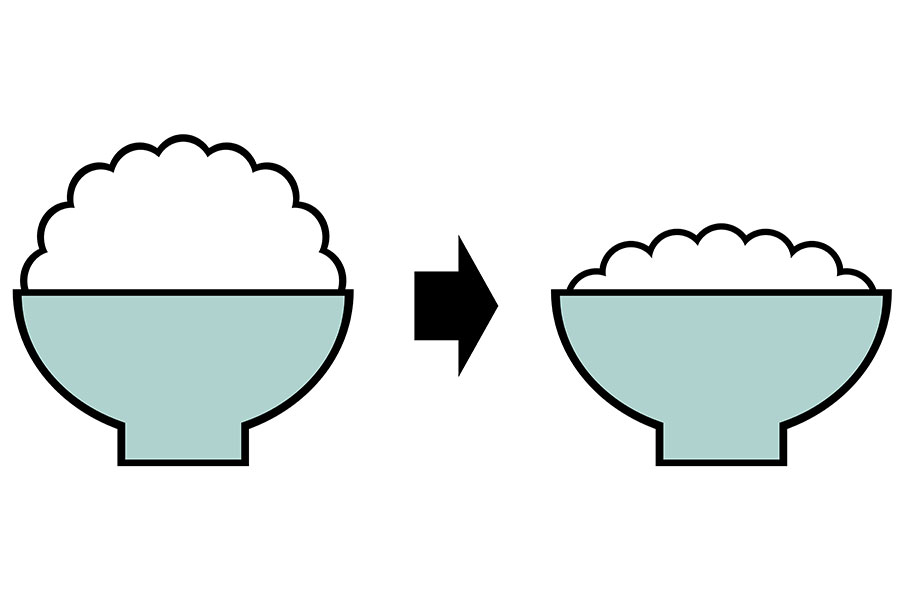
    • This almost goes without saying, but how many calories should you cut out? If you decrease your caloric intake by approximately 500 to 1,000 calories a day (while maintaining roughly the same level of activity), you should expect to lose roughly 1 to 2 lbs. a week, by cutting calories alone!
    • NOTE: Do not drastically reduce your caloric intake, as cutting more than 500 to 1,000 calories could have the opposite effect. The body senses that food storage is low so it lowers the rate at which it burns calories for energy. This is known as a decrease in metabolic rate.

2. Increase Soluble Fiber

    • OK, but what is soluble fiber? Basically, this type of fiber dissolves in water and gastrointestinal fluids, while insoluble fiber does not. The benefit of soluble fiber is that it helps lower fat absorption, aids in weight management, helps lower cholesterol, reduces the risk of cardiovascular disease, and helps feed healthy gut bacteria.1
    • HIGH SOLUBLE FIBER FOODS: Healthline provides a list of the “Top 20 Foods High in Soluble Fiber”. A few of these include black beans, brussel sprouts, avocados, sweet potatoes, and broccoli. To view the full list, click here. (Some may surprise you!)

3. Take Probiotics

    • If you aren’t totally sure what probiotics are but you’ve seen food and drink commercials claiming probiotics help with “regularity”, well, they do. But there is more to them than that. Probiotics are live bacteria. That sounds kind of gross but keep with us for a second.
    • Consuming probiotic foods have been shown to help balance out gut flora, which helps reduce the risk of weight gain and fat in your tummy area – and if flat abs are what you’re looking for, probiotics should be on your grocery list.
    • Probiotic foods can include certain types of yogurt, kimchi, and pickles, along with others. You can also find probiotics in certain supplements! The three types of probiotic strains that have been shown to be particularly effective in helping with belly fat are Lactobacillus fermentum, Lactobacillus amylovorus, and Lactobacillus gasseri.2

4. Level Up on Cardio

    • Step up your cardio game! Why? Because cardio burns calories faster than strength training and, usually, in a shorter amount of time. If you’re overweight and looking for the quickest way to burn fat, turn to cardio first, then slowly incorporate weight training to help build muscles. Check out our Living Healthy Podcast Episode “All About That Cardio”! 
    • Muscle gain actually helps the body burn more calories in a rested state, so a balanced exercise routine combining both cardio and strength training is going to be the best for your body.
    • Some great examples of cardio centered workouts include cycling, running, hiking, Zumba®, and rowing, but your options are endless! Try some indoor and outdoor workouts this summer to take advantage of the cool indoor gym air and the beauty of the sunshine-filled summer days!

5. Drink Protein Shakes

    • Protein shakes are filled with, you guessed it, protein! And protein gets broken down in the body and converted into amino acids, which are known as the building blocks of the body. Having enough protein in your diet, helps the body stay fuller for longer periods of time. Of course, when balanced with a healthy diet (don’t forget about fibers and healthy fat!)
    • While some people may get enough protein in their diets through food alone, protein shakes are a fast and convenient way for those short on time or those who don’t have big appetites. Check out our Living Healthy Podcast Episode on “How to Gain Healthy Weight and Bulk“, which touches upon the benefits of protein shakes and supplements.

6. Say Hello to Monosaturated Fatty Acids

    • Don’t fear the word “fat” within the phrase monosaturated fatty acids. These types of food are known as “good fats” and good fats help equate to less belly fat. It’s a win-win!
    • Foods high in monosaturated fatty acids include olive oil, avocados, nuts, and seeds. All staples that are common in a Mediterranean-style type diet.

7. Limit Carbs

    • Why do carbs taste so good but have such a bad rap? It depends on which carbs we’re talking about. There are two types of carbs: simple and complex. If you’re looking for a flat tummy, complex carbohydrates get the greenlight while simple carbohydrates should be avoided.
    • If you’re not for cutting carbs entirely out of your diet, try sticking with whole grain options (labels should read 100% whole wheat or whole grain).
    • Check out our article Carbs: The Good, The Bad, and The Ugly for more information.

8. Add Resistance Training to Your Routine

    • If you’re limiting your caloric intake it’s extra important to add resistance training to your routine in order to help prevent muscle loss. By consuming fewer calories and focusing solely on cardio-centered workout routines, you could lose muscle mass which can decrease your metabolic rate, equaling fewer calories burned.
    • Some resistance training exercises, using body weight, include lunges, step-ups, pushups, and chin-ups. While some weighted resistance training exercises include: biceps curls, barbell squat, shoulder press, and bench press. Ask a Pro Results® trainer at your local club for some advice if you’re unsure where to start.

9. Stand More, Sit Less

    • How is this possible when so much of the day is spent sitting? The average person can expect to go from their bed, to sitting in their car, to sitting at work, sitting at lunch, more sitting at work, more sitting in the car, and then some relaxing time sitting in front of the TV later at night. Stop the cycle! It’s unhealthy and it’s not the way to get 6-pack summer abs!
    • There are a few ways to help fix this:
      • Get in a pre-work, early morning workout.
      • Take some quick, brisk, walks throughout the workday.
      • Have lunch outside and spend half of it on your feet.
      • Try biking to work (if you work close enough!)
      • Get in some sort of physical activity after work that brings you joy (weight training at the gym, playing ball with your kids, an outdoor walk with your dog, a dance class, a hike, a sports league, the options are endless!)
    • The more you move, the more calories you burn and the less fat you’ll accumulate.

10. Add ACV to Your Grocery List

    • Good ol’ apple cider vinegar. The stuff may smell gross but plug your nose and have a spoonful! A 12-week study in obese men showed that a tablespoon of apple cider vinegar a day helped reduce waistlines by a half-inch!3
    • ACV is mainly made up of acetic acid, which has been shown in animal studies to help reduce body fat accumulation. If you can stomach the taste and smell, give it a shot and see if it works for you.

11. Walk, Walk, and Walk Some More

    • Experts suggest simply walking for 30 to 40 minutes a day at a brisk pace, to notice a slimmer waistline.4

12. Nix the Liquid Calories

    • This is probably the easiest thing you can do to help cut out calories and get one step closer to a sexy 6-pack body. Liquid calories include everything from fruit juice to energy drinks, coffee drinks, alcohol and sodas.
    • Here are some healthier swaps:
      • Sugary coffee drink –> Americano or black coffee
      • Soda –> Soda water or flavored carbonated water
      • Energy drinks –> unsweetened iced tea or green tea
      • Fruit juice –> an actual piece of whole fruit

13. Eat More Whole Foods

    • The easiest way to think about this is this way: walk over to your cupboard, fridge or freezer and pull out a packaged item. Now read the ingredient list. Do you recognize every ingredient listed? If the answer is no, that is most likely not a whole and unprocessed food. In fact, there really shouldn’t be any ingredients listed on whole foods. Check out some of the whole foods listed below.
    • Whole foods include nuts, legumes, fruit, veggies, dairy, fish and unprocessed meat. The less a food product has been altered, typically the healthier it is for you.
    • LA Fitness, registered dietitian, Debbie James gave the best advice when she said to stay away from the middle aisles at a grocery store and instead shop the perimeter. This is where most of the whole foods are located. Try it next shopping trip and see for yourself!

14. Go with H20

    • Water is your friend. Actually, it’s more than your friend – you literally need it to live. Not only does it help keep your body hydrated (which helps keep skin looking youthful), but it can help aid in weight loss in many ways.
    • Drinking a glass of water before a meal can help the body feel fuller, so you’ll most likely eat less. It can also help relieve constipation, getting rid of the belly poof, and bloating. Noted by Healthline, drinking water may also help temporarily increase metabolic rate and increase energy expenditure by up to 100 calories a day!5

15. Be Mindful

    • Think about this for a moment, have you ever eaten something less than healthy when feeling sad, angry, or stressed? If you have, don’t feel guilty, most people have. But instead of letting your emotions control your eating patterns, try to be mindful of the decisions you’re making by recognizing your emotions and coping with them in healthier ways.
    • Try exercising instead! Exercise helps reduce stress and releases endorphins into the body that helps trigger happiness! Now you’re happy, and one step closer to those summer abs. Check you out, you Fitness Rockstar.
    • If you’re noticing that your emotions have more of an effect on your diet than you would like them to, consider speaking with a nutritionist or alternative healthcare professional. They may be able to help you create a roadmap for healthier eating and living.

16. Avoid These Belly Bloaters: Air and Gasses

    • Here’s an easy tip: slow down. Things, like eating too fast, talking while eating, drinking through a straw, chewing gum or drinking carbonated drinks, can create gas in the belly area and cause bloating and/or stomach distention (basically, swelling of the abdomen).

17. HIIT (High-Intensity Interval Training)

    • HIIT (high-intensity interval training) may be one of the latest buzzwords in the fitness industry, but it’s not without good reason! As lives become hectic and it’s hard to find the time to work out, a quick and fast-paced workout may be the best (and sometimes only) option.
    • Check out our HIIT by LAF® website to find an LA Fitness near you with HIIT by LAF® studios!

18. Namaste

    • Bet you didn’t think yoga could influence your belly fat, did you? Well, it can! Yoga, along with other methods of destressing and relaxing activities, can help reduce stress levels. Stress and anxiety are very common but can help be managed with yoga or meditation.
    • When the body is stressed it triggers the production of cortisol, which increases appetite and can lead to an increase in belly fat. Check out How to Combat Stress Better with These 8 Foods.

19. Load Up on Protein

    • Similar to #5: (Drink Protein Shakes). Protein helps keep the body full, reduces appetite and helps retain muscle mass when dieting. You don’t want to lose muscle when dieting, just the fat. So, load up on protein, but make sure you’re getting the right amount for you.
    • Protein needed depends on age, gender, and activity level – are you more sedentary or are you active? As a general rule of thumb, you should try to get 20-30% of your calories from protein on a daily basis.6

20. Track Calorie Intake

    • You may think you know how many calories are in your meals and snacks, but you’d probably be surprised to learn just how many actually are! If you’re new to dieting and trying to lose weight, try tracking foods using a free food tracking app.
    • This is a great way to teach yourself how many calories your body needs versus how many calories you’re consuming.

21. Crack an Egg or Two

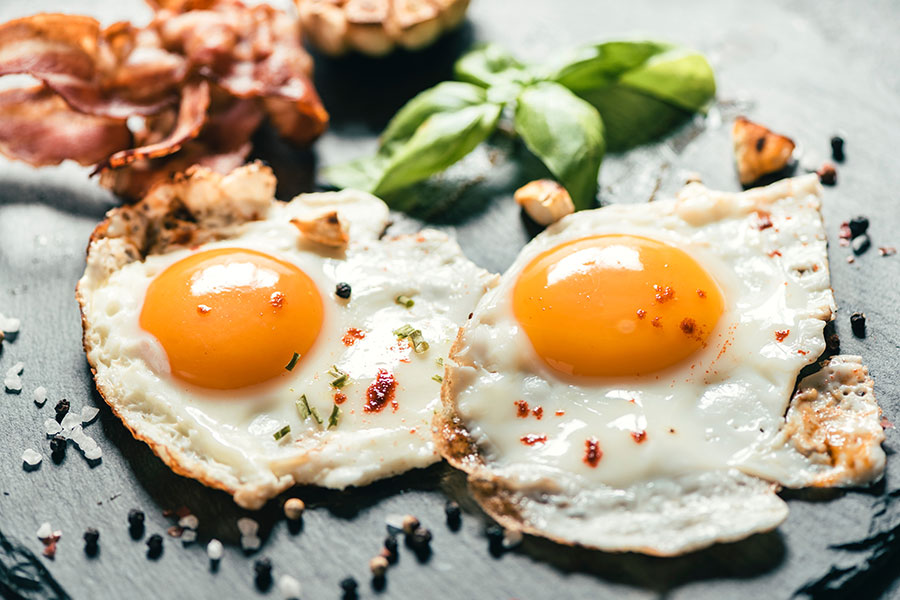
    • Ah, the great egg debate. Some argue that eggs are high in cholesterol and should only be consumed in moderation, while others argue that eggs are healthy, nutritious, and high in protein. We agree with the latter, as noted here in our article Foods That Help Curb Hunger.
    • Fun Fact: Did you know that 2 hard-cooked eggs have more protein than a ¼ cup of tuna salad? Time to hit the grocery store and load up on some farm-fresh eggs!

22. Get Enough Zzz’s

    • Next time you’re feeling tired, let your body rest! Listening to your body and allowing yourself enough sleep per night can have an impact on your belly fat. In a study taken from the NCBI database, sleep-deprived people are 55% more likely to become obese, over those with healthy sleep patterns. So, shut off the lights, put the phone down, and let yourself drift off to dreamland.

23. Fasting… maybe.

    • Fasting definitely isn’t for everyone, but if you’re able to fast without noticing any negative side effects, it may be worth it.
    • Intermittent fasting allows followers of this diet method to eat and fast within certain periods of time. There are different timing styles you can follow, some allow an eating window of 8 hrs. a day.
    • Generally speaking, by reducing your eating window, followers of this type of fasting eat fewer calories. Check out our registered dietitian’s take on The 16-8 Fasting Diet.

24. Supplements

    • It’s recommended to consume fatty fish once to twice a week, due to their long-chain omega-3 fatty acids. High fatty fish include salmon, sardines, and albacore tuna, among others. Fatty fish is considered a high-quality protein and omega-3 fatty acids may help “reduce the accumulation of fat in the liver and abdominal cavity.”7
    • If you aren’t a fan of fish, you can opt for a fish oil supplement, for added fat loss.

25. Say No-no to Added Sugars

    • Added sugars should not be in your diet whether you’re looking for 6-pack abs or not! These health destroyers have been linked to heart disease, type 2 diabetes, and fatty liver disease. According to an article posted on Healthline, “studies have shown a direct link between high intake of added sugar and increased waist size, especially in people who drink sugar-sweetened beverages.”8
    • Try opting for a healthier option, like the healthy swaps recommended in #12: Nix the Liquid Calories.
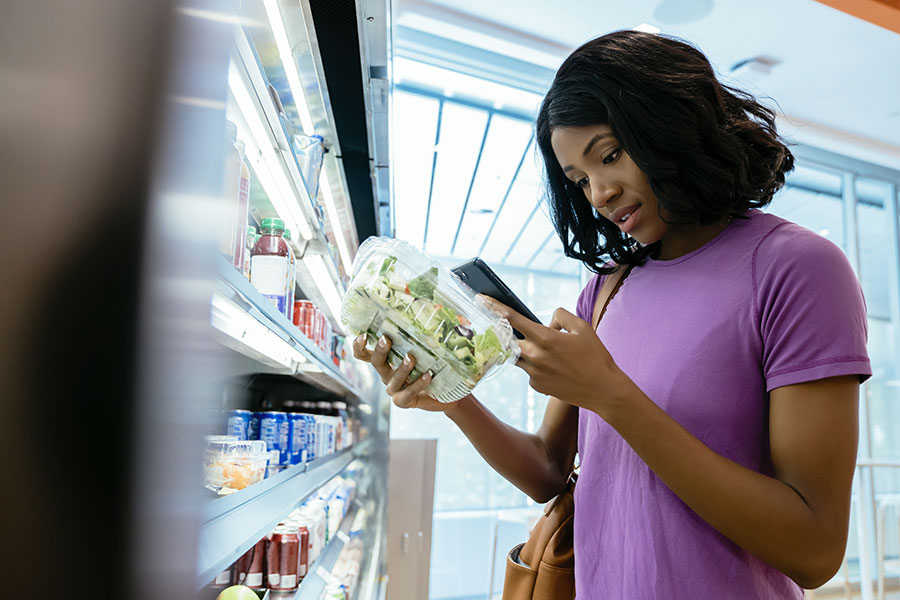
    • Be wary of food packaging! A lot of times added sugars end up in your packaged foods too. Carefully read ingredient and nutrition labels to make sure added sugars aren’t being sneaked into seemingly healthy food.

26. Fat Replacements

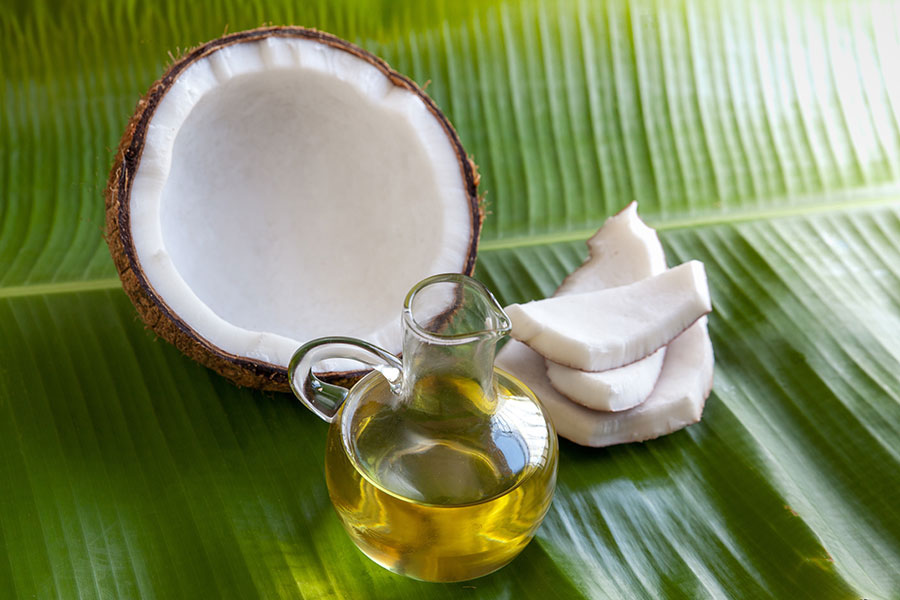
    • While it’s recommended to replace some fats with healthier alternatives to help flatten the belly, reviews are mixed on the benefits of switching out some dietary fat with coconut oil. In a study referenced by Healthline, it’s shared that “coconut oil has been shown to more effectively reduce waist size than other types of fat.”9
    • LA Fitness registered dietitian Debbie James has shared the positives and negatives of consuming coconut oil. In our Let’s Talk: Coconut Oil Q+A, she mentions that coconut oil as a consumable product is very high in saturated fats. However, in our Flat Ab Summer Foods article, she mentions that MCTs (medium-chain triglycerides) may reduce visceral fat and waist circumference by increasing energy expenditure, satiety, and fat oxidation. They are rapidly metabolized compared to long-chain fatty acids, having less chance to be stored as fat.
    • Because the benefits of coconut oil seem to be a topic that experts still toggle with, speak with your healthcare professional before trying out any new product or switch to a well-known, heart-and-expert-approved, cooking oil instead – olive oil!

27. Drop the Plank

    • A strong core means a tight and toned looking tummy! Core exercises help strengthen the muscles that help hold your stomach in, perfect for a beach-ready body. As a plus, when your core is tight and your muscles are engaged, it can help with posture and relieve backaches. It’s a win-win!
    • A great core strengthening exercise is planks. Find out which type of plank is right for you, by clicking here!

28. Coffee and Green Tea Are A-OK

    • Ah, sweet caffeine, how would we get through our busy days without thee? The good news is coffee and green tea are actually beneficial to help get you on the path to those 6-pack abs!
    • Not only are both of these beverages (unsweetened) super low in calories but drinking coffee has been shown to increase the number of calories burned by 3% to 11% and drinking tea or taking green tea supplements have been shown to increase fat burn up to 17%!10 We’ll drink to that!

29. Limit or Remove Alcohol

    • Carbs, sugars, and empty calories should be huge red flags to either completely remove or drastically limit your alcohol intake if you’re looking to achieve washboard abs come summertime.
    • Not only has heavy drinking been shown to contribute to weight gain, but especially so around the midsection – which is exactly what you don’t want!

30. Move More = Burn More

    • It really is that simple; move more and burn more calories! Think of all the ways you can keep your body active when it’s not in exercise-mode. Stand up more, walk around more, take the stairs versus elevator, park further away, maybe go out to the store to buy whatever it is that you need or want instead of ordering it online and waiting for it to be delivered to you.
    • Just. Move. More.

Good luck on your journey to a happy and healthy fit-tastic summer!


Recommended Reading

The Journey of Fat to Muscle

The Journey of Fat to Muscle

When that little extra cushioning suddenly turns into the spare tire you never wanted, chances are you’re starting to think about ways to quickly shed that excess fat and replace it with muscle.

To successfully make this happen, it’s important to first understand some facts about fat and muscle.

  1. There is no quick way to replace fat with muscle. The weight didn’t come on overnight so it won’t go away overnight.
  2. A pound of body fat equates to around 3,500 calories. Meaning, you’ll need to burn about 3,500 calories for every pound of fat that you want to get rid of. This can mean cutting 500 to 1,000 calories a day out of your diet to lose about 1 to 2 lbs. per week.
  3. Muscle burns more calories than fat. Once you start building muscle, you will be able to eat more because your body will be burning more calories.
  4. Muscle does not replace fat. You’ll have to first burn off the fat before your body can start creating muscle mass.

How Excess Fat Affects the Body

Most people know that obesity can lead to a laundry list of health concerns, including (but not limited to):

  • Heart disease
  • Diabetes
  • Cancer
  • Sleep and respiratory issues
  • Depression

It’s not that all fat is bad for the body. In fact, our body needs fat to function. The idea instead is to get rid of excess fat that can cause damage to the body, create a sense of sluggishness, and lead to feelings of discontent.

Is Cardio the Best Option for Fat Loss?

Yes… and no. But, mainly yes!

Here’s why:

Cardio increases heart rate fast and typically burns more calories than weight lifting does. Because you’ll want to burn off the fat first, before focusing more on muscle building, cardio-forward workouts may be the most beneficial for those looking to lose fat – although, cardio should be combined with weight training for a balanced workout routine.

A few cardio exercises that are known for high levels of calorie burn include HIIT*, cycling, running, or use of the elliptical machine.

*Learn more about HIIT by LAF®.

Of course, there are other cardio options that may sound more appealing to some. These options include Group Fitness classes like Zumba® or sports leagues*.

*Check out LA Fitness Group Leagues here.
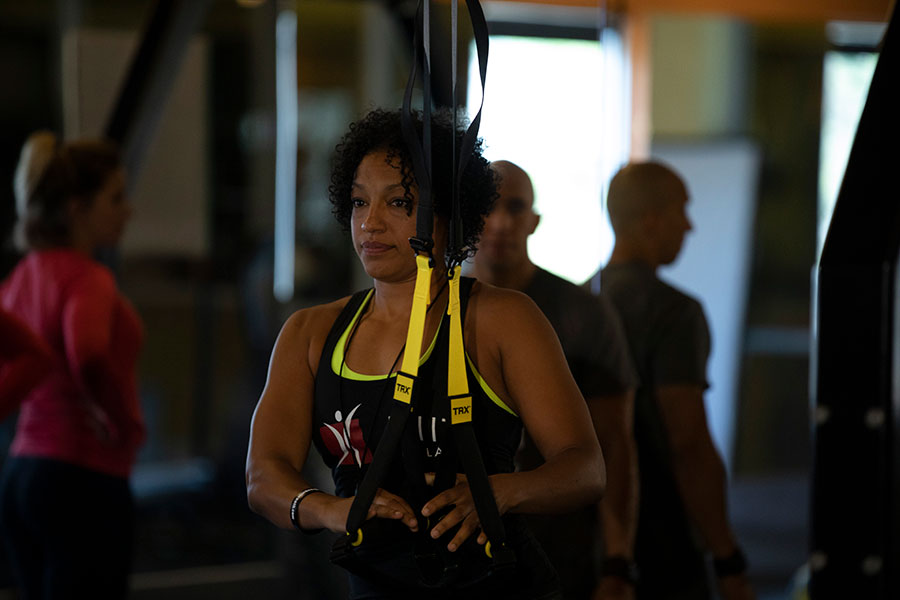
AAT: Ep. 22 – Is Cardio or Strength Training Better for Weight Loss?

Check out this episode of Ask A Trainer with Master Trainer, Stone Thomas, who helps further answer if cardio or strength training is better for weight loss.

http://bloglafitness.azurewebsites.net/2018/06/01/cardio-or-strength-training-better-for-weight-loss/

Targeting Belly Fat

While it would be so much nicer if it were possible to just target a certain area of the body, it’s not realistic. That’s just not how fat loss works.

LA Fitness Pro Results® trainer, Kayla V., explains it more in the video below and gives tips on what can be done to increase weight loss overall.

http://bloglafitness.azurewebsites.net/2018/02/09/best-exercises-stomach-fat/

Diet is Key (But You Probably Already Knew That)

Consuming more calories than what your body is expending will, at the very least, lead to a weight loss plateau (if not weight gain).

In the beginning stages of weight loss, it’s so important to track your calories.

Once you have a better understanding of food proportions and how much you need to eat daily to lose weight, you can choose to stop tracking calories and just eat smaller, healthier options when your body signals that it’s hungry.

There are plenty of online options available to help better understand healthy eating and portion control.

And, if you’re an LA Fitness member, we have a special section called “Ask Our Dietitian” dedicated to answering your nutrition-related questions. Send them to us here.
From Fat Loss to Muscle Gain

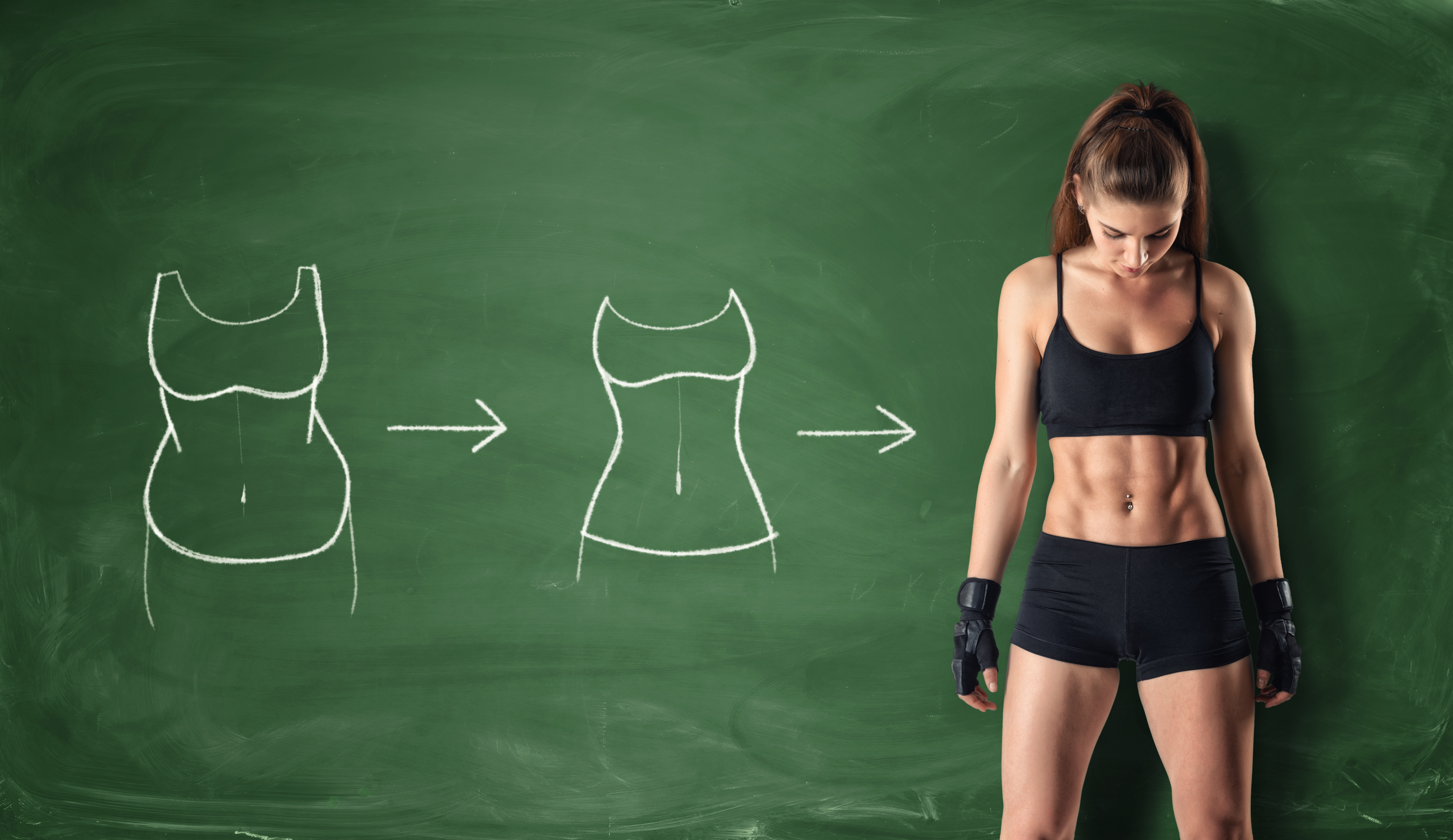
Perhaps you’ve already shed the excess body fat and now you’re looking to increase your muscle mass. This is where things get fun.

Building muscle means your workouts should now encompass more weight training. To build muscle, rather than simply retain what you already have, you should increase your weight and decrease the number of reps you’re doing.

Foods to Help Muscle Recovery

When questioning why our bodies tend to become tired and sore after working out, LA Fitness registered dietitian Debbie James, RDN shared “Since your muscles are sore, their cellular metabolism needs to be restored to normal. You might need more sources of potassium and anti-inflammatory compounds.”

These include:

  • Tomatoes, bananas, potatoes, kale, cabbage, berries, cherries, lentils, salmon, tuna, nuts, garlic, curcumin, and olive oil.
  • One possible recovery meal is tuna salad with tomatoes, olives and pine nuts on spinach.
  • A tasty snack option is cherries and almonds.

You’re Probably Going to Feel Hungrier

When you start training harder and more frequently, your body is going to need more calories because your body is going to be burning more energy.

This is where it might get tricky for someone who was formally at an unhealthy body weight.

You’ve heard it over and over again: “Cut calories and you’ll lose weight.”

So, you’ve become conditioned to eating less, but now your goal has changed. You’re no longer looking to drop fat; you’re looking to build muscle.

If you keep working out and not consuming enough calories the body begins breaking down the muscle you have, rather than repairing it or building it.

This is why protein should be your best friend when it comes to building muscle.

Healthy Eating Tips

  1. Opt for lean cuts of meat.
  2. Choose healthy carbohydrates over simple carbohydrates.
  3. If you choose to supplement with protein shakes, choose a protein powder with little to no added sugar.
  4. If you’re looking for protein options that are meat-free, you can substitute eggs, milk, beans, or tofu.

That lean-look, or definition of muscles, will come with time after body fat percentage is dropped and strength training has increased.

It’s Not Easy for Everyone

Understanding how to take your body from overweight to healthy and in shape sometimes takes the help of professionals. If you’ve found yourself struggling to make the transition on your own, it may be time to investigate personal training or dietic consulting.

Living a healthy lifestyle can be done by anyone, at any age, at any time.

All you have to do is get started.

Share what made you make the change in the comments below!


Recommended Reading

Foods for Weight Loss

Foods for Weight Loss

Question:

I am wondering what you recommend for a diet to lose 10 lbs. in 2 weeks when I work out every day on the elliptical for 1 hr. I know I should do calorie counting, but I was hoping to adjust my diet to eat foods that promote weight loss.

– Lou G.

Answer:

Calorie counting is a good start IF you know what your estimated energy needs are and how much you were eating before. Of course, you can just choose an arbitrary number or follow generic advice, often a flat 1,500 calories daily. However, that method isn’t an accurate guide as to how much you can lose. Losing 10 pounds in two weeks means you’re sure to decrease lean body mass as well, so I don’t recommend it. The most effective weight loss is fat loss, which doesn’t occur as rapidly as you intend. Keeping off those pounds means changing your lifestyle permanently. 

Foods that promote weight loss are rich in micronutrients, low in saturated fat and full of phytochemicals and fiber. Vegetables are perfect! You can work some sort of veggie into every meal and snack. Whole grains (e.g., barley, rye, wheat berries, quinoa) give you sufficient energy for your daily elliptical workout. Lean proteins (e.g., most fish, egg whites, poultry breast, extra lean meats) will support muscle retention as you curb caloric intake. Water is critical for efficient metabolism and to help dampen appetite. Fruits are a great substitute for desserts and work as ready-to-eat snacks pre/post workout. Even something higher calorie like nuts can work into your diet given you control portions – an ounce per serving. 

– Debbie J., MS, RD

This article should not replace any exercise program or restrictions, any dietary supplements or restrictions, or any other medical recommendations from your primary care physician. Before starting any exercise program or diet, make sure it is approved by your doctor.

Some questions have been edited for length and/or clarity.

Ask our Dietitian

Have a nutrition question? Our registered dietitian is ready to help!

Email nutrition@lafitness.com or submit your question below and it may be featured in an upcoming article!

9 + 11 =


Recommended Reading - Q+A

What to Eat for Rapid Weight Loss

What to Eat for Rapid Weight Loss

Question:

I currently weigh 270 lbs. and I’m looking to lose at least 70 lbs. I’m trying to lose at least 5 lbs. per week. What should I eat and how much?

– Niesha G.

Answer:

Your specific diet for rapid weight loss would need to be developed one-on-one with a dietitian, preferably in conjunction with a medical professional. I can say that we’ve addressed similar requests in the past – and the answer is different for each unique person.

Though it’s certainly plausible the scale could drop 5 pounds each of the first few weeks, it’s likely most of that weight would be water loss. Unless you are burning an extra 2,000 calories (a week’s worth of exercise!) daily there wouldn’t be an energy deficit great enough to promote fat burning to that extent.

So… I’d say to focus on your first 10-15-pound reduction by reducing portions, eliminating fried foods, alcohol, and sweets. For structure, you could follow a moderate diet plan providing no fewer than 1,500 calories a day. Whether it’s Mediterranean style, lower carbohydrate, high fiber or 6 mini-meals, adhering to a regimen for a couple of months forces you to plan, shop and prepare for everything you eat.

Here’s just one sample 1,500 calorie day of familiar American foods to get your started*:

  • Breakfast
    • 1 Cup bran flake cereal, 1 Tbsp. almonds, ½ Cup 1% milk, 2 scrambled eggs, ½ grapefruit
  • Lunch
    • 3 oz. grilled chicken breast, ½ Cup coleslaw, 1 cob corn
  • Dinner               
    • 3 oz. halibut, 1 Cup green beans, 1 Cup wheat noodles
  • Snacks
    • 3 Cup light popcorn
    • 1 C. plain low-fat yogurt + ½ C. berries

Analysis on www.FitDay.com by a Registered Dietitian Nutritionist = 28% Protein, 28% Fat, 44% Carbohydrate, 25 gm Fiber * Findings were used along with RDN’s professional judgment.

– Debbie J., MS, RD

This article should not replace any exercise program or restrictions, any dietary supplements or restrictions, or any other medical recommendations from your primary care physician. Before starting any exercise program or diet, make sure it is approved by your doctor.

Some questions have been edited for length and/or clarity.

Ask our Dietitian

Have a nutrition question? Our registered dietitian is ready to help!

Email nutrition@lafitness.com or submit your question below and it may be featured in an upcoming article!

5 + 6 =


Recommended Reading - Q+A