How to Like Running – Podcast Ep. 34
On this episode of the Living Healthy Podcast, we speak with running expert, Greg McMillan, to learn what it takes to start running and enjoy the journey.

Welcome to the 16th episode of the Living Healthy Podcast, presented by LA Fitness.
On this episode of the Living Healthy Podcast, we speak with a doctor named Bobby, a dietitian named Candy, and a personal trainer named Mark(y). (I may have added the “y” just to keep things consistent.)
All guests are experts in their field and share their knowledge with us on the topics of health, nutrition, and fitness. This episode may be all about the basics, but it’s anything but boring.
Stick around to the end of the episode for a special announcement (Hint: you may win something pretty cool!)
This podcast should not replace any exercise program or restrictions, any dietary supplements or restrictions, or any other medical recommendations from your primary care physician. Before starting any exercise program or diet, make sure it is approved by your doctor.
Intro
Begins at 0:01
**Part 1 – Health**
Dr. Bobby Davari (of Kaiser Permanente Orange County), Joins the Show
Begins at 1:00
How Do Doctors Determine Health?
1:17
How to Keep Blood Sugar from Spiking
4:10
The Waist-to-Hip Circumference: Truth or Fiction?
5:55
Is “Skinny Fat” Really a Thing?
8:45
Does Fat Help the Body at All?
10:35
What Are Some Simple Things Listeners Can Do to Improve Their Health?
11:47
**Part 2 – Nutrition**
Candice Maher, RDN, (of Kaiser Permanente Orange County), Joins the Show
13:56
How Many Calories a Day Do You Generally Need?
14:15
Can You Eat Whatever You Want If You Stay Within Your Caloric Limits?
15:48
How Much Does It Matter to Cut Out Soda and Fruit Juice When It Comes to Dieting?
16:28
Are Natural Sugars (Like from Fruit Juice) Healthier for the Body?
18:32
What Are Some of the Most Important Things Our Listeners Should Know About Improving Their Nutrition?
20:29
**Part 3 – Fitness**
LA Fitness, Personal Training Director, Mark Joseph de Guzman, Joins the Show
22:27
What Are Some of the Differences Between: Bodyweight, Selectorized and Free Weight Training?
23:08
What Should Beginners Begin With?
24:07
Do You Need to Strength Train and Cardio Train to Achieve Results?
25:04
What’s Involved in a LAF Fitness Assessment?
27:34
How Many Times Should You Aim to Work Out?
28:41
How Many Rest Days Should You Give Yourself? Should You Still Keep Active on Rest Days?
29:33
What Are Some Basic Things Our Listeners Should Take Away About Fitness?
30:29
Outro (AND SUPER EXCITING ANNOUNCEMENT!!)
30:57

On this episode of the Living Healthy Podcast, we speak with running expert, Greg McMillan, to learn what it takes to start running and enjoy the journey.
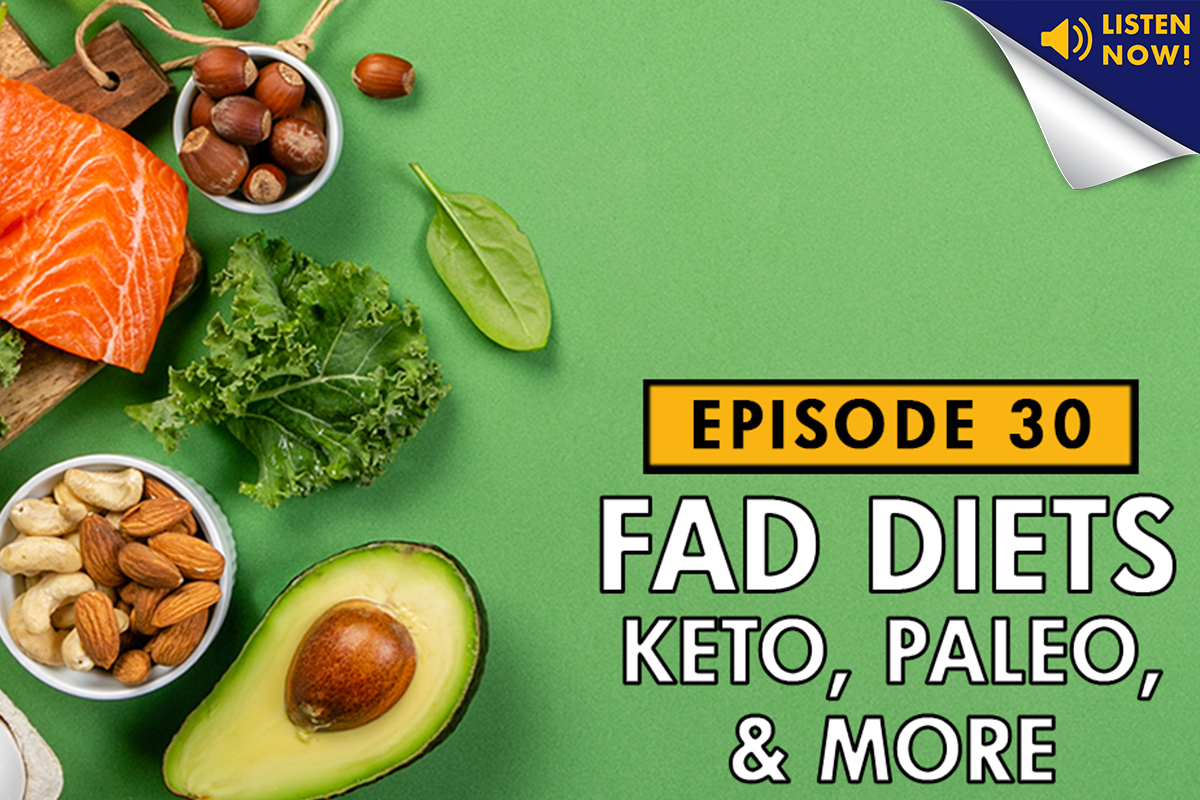
On this episode of the Living Healthy Podcast, Debbie James, RDN, answers some frequently asked questions about some of the most popular fad diets: Paleo, Whole 30, Keto, Anti-Inflammatory, and Intermittent Fasting. What are the Pros and Cons? How do they compare?
On this episode of the Living Healthy Podcast we cover the basics of health, fitness, and nutrition with three outstanding guest experts!


I have a goal of losing weight from 135 lbs. to 120 lbs. I am 17 years old and I go to LA Fitness every day. According to my calorie tracker, I eat 1,200 calories every day and burn 450. Can you please give me some healthy tips so I can lose weight faster? Because I am not seeing the changes I want to see.
– Rimsha M.

At 17 years of age, you need plenty of energy (even if you’re done growing in height). Your tracked 1,200 calories simply are NOT enough for most boys or girls of your age, who should consume at least 1,800 calories. If you are truly overweight, meaning your height is 5’1” or less, then your high level of physical activity should create enough of a deficit for weight loss. Bravo for hitting the gym for daily exercise! Nutritionally, you can make sure your calories are spread out in at least 3 meals comprised of whole grains, fresh fruits and vegetables, lean protein, low-fat dairy and healthy plant fats. Without its snacks or desserts, the 2-week sample weight loss menu from ChooseMyPlate.gov should give you an idea of what to eat. Get plenty of water and sleep, too! Focus on the health habits you are improving, and the scale will eventually follow.
– Debbie J., MS, RD
This article should not replace any exercise program or restrictions, any dietary supplements or restrictions, or any other medical recommendations from your primary care physician. Before starting any exercise program or diet, make sure it is approved by your doctor.
Some questions have been edited for length and/or clarity.
 Have a nutrition question? Our registered dietitian is ready to help!
Email nutrition@lafitness.com or submit your question below and it may be featured in an upcoming article!

Debunking fitness myths surrounding the ideas of muscle building and fat burning.

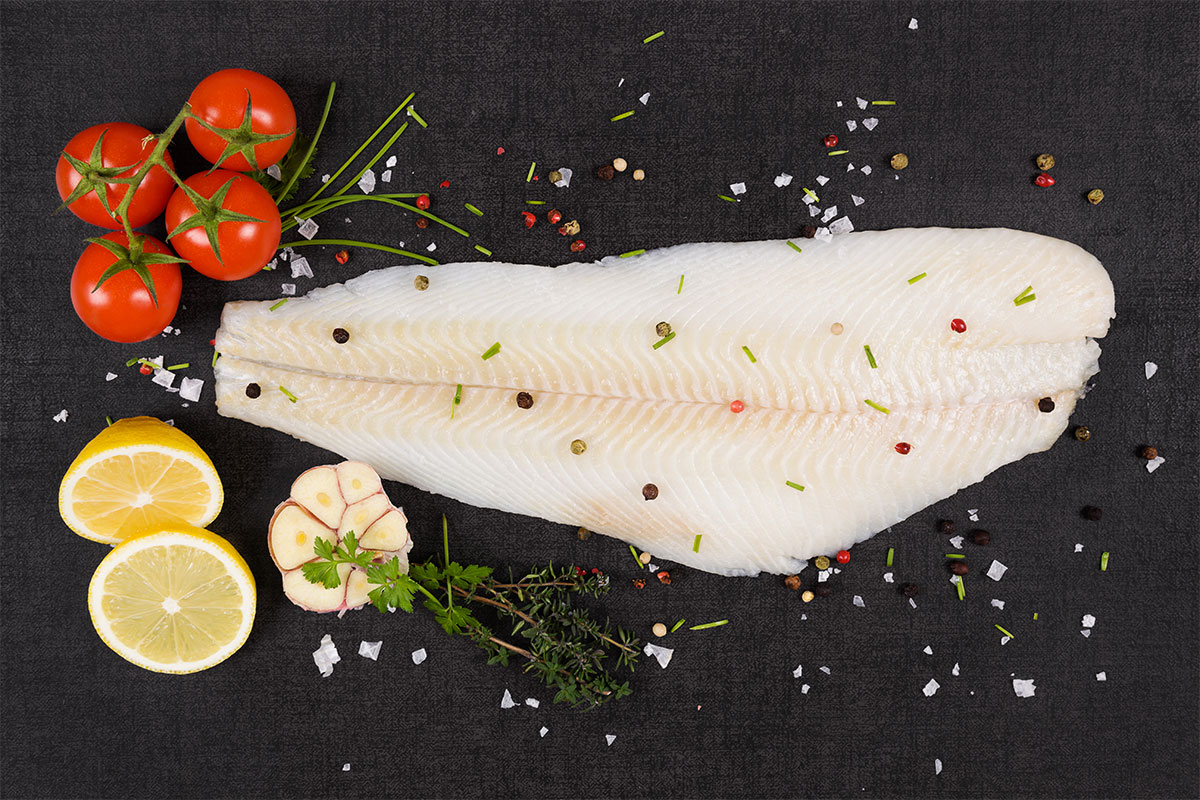
Foods that promote weight loss are rich in micronutrients, low in saturated fat and full of phytochemicals and fiber. Vegetables are perfect!
For structure, you could follow a moderate diet plan providing no fewer than 1500 calories a day. We offer a sample daily diet plan.

What should start with if I want to learn with nutrition? My focus would be weight loss.
– Ricardo E.
We already have a primer for you! Our previous post Let’s Talk About the Basics: Carbs, Fats & Proteins includes the nutrients that contain calories. Nutrients are components of food that are vital for life. Water is the fourth major nutrient, but it has no calories. These parts of food are called “macronutrients,” while vitamins and minerals are called “micronutrients.”
What do Macro and Micronutrients Have to do with Weight Loss?
The Academy of Nutrition and Dietetics* has a simple 3-step message for weight loss: 1) Make smart choices from every food group; 2) Get the most nutrition from your diet; and 3) Balance food and physical activity. These are the key nutrition principles applied within almost every weight loss plan.
To learn more about nutrition, of course, you can read through our Living Healthy blog archives! For more in-depth learning consider a mass open online course (MOOC). Several are free (taken as an audit, not for credit) and available from trusted sources like respected U.S. universities.
Source:
Back to Basics for Healthy Weight Loss, The Academy of Nutrition and Dietetics, Oct. 18. 2018. Accessed 11.26.2018.
– Debbie J., MS, RD
This article should not replace any exercise program or restrictions, any dietary supplements or restrictions, or any other medical recommendations from your primary care physician. Before starting any exercise program or diet, make sure it is approved by your doctor.
Some questions have been edited for length and/or clarity.
Have a nutrition question? Our registered dietitian is ready to help!
Email nutrition@lafitness.com or submit your question below and it may be featured in an upcoming article!
Debunking fitness myths surrounding the ideas of muscle building and fat burning.
Foods that promote weight loss are rich in micronutrients, low in saturated fat and full of phytochemicals and fiber. Vegetables are perfect!
For structure, you could follow a moderate diet plan providing no fewer than 1500 calories a day. We offer a sample daily diet plan.

I am a 50-year-old man. My weight is 154 lbs. and I’m 5’ 10”. When I look at myself I’m not satisfied. I want more muscle and less belly. I go to the gym 5 days a week. I think I have too much fat on my abdomen when I eat a lot.
– @peurn_ma
If your weight is acceptable but you’re not satisfied with its composition, you’ll need to change two things: what you’re eating and your workout plan. Though toning your abdomen is largely a result of resistance and cardiovascular work, reducing body fat can show off those new muscles. Belly fat cannot be ‘targeted’ per se, but the type of fat around your midsection should respond to some nutritional tweaks given the right exercise.
The following can help reduce stubborn abdominal fat:
– Debbie J., MS, RD
This article should not replace any exercise program or restrictions, any dietary supplements or restrictions, or any other medical recommendations from your primary care physician. Before starting any exercise program or diet, make sure it is approved by your doctor.
Some questions have been edited for length and/or clarity.
Have a nutrition question? Our registered dietitian is ready to help!
Email nutrition@lafitness.com or submit your question below and it may be featured in an upcoming article!
Debunking fitness myths surrounding the ideas of muscle building and fat burning.
Foods that promote weight loss are rich in micronutrients, low in saturated fat and full of phytochemicals and fiber. Vegetables are perfect!
For structure, you could follow a moderate diet plan providing no fewer than 1500 calories a day. We offer a sample daily diet plan.
I am a 5’7″, 225 lb. male and I just started going to LA Fitness as I am trying to lose weight. I am trying to do this alone, but I need some nutrition advice. I am going to the gym for 6 days a week, doing 30-45 minutes of cardio every day and some weight training, but I would like to know how to eat right. I would like some tips on how to eat properly. Can you give me any advice that would help me lose the weight fast or at a steady pace?
– Jeremy L.
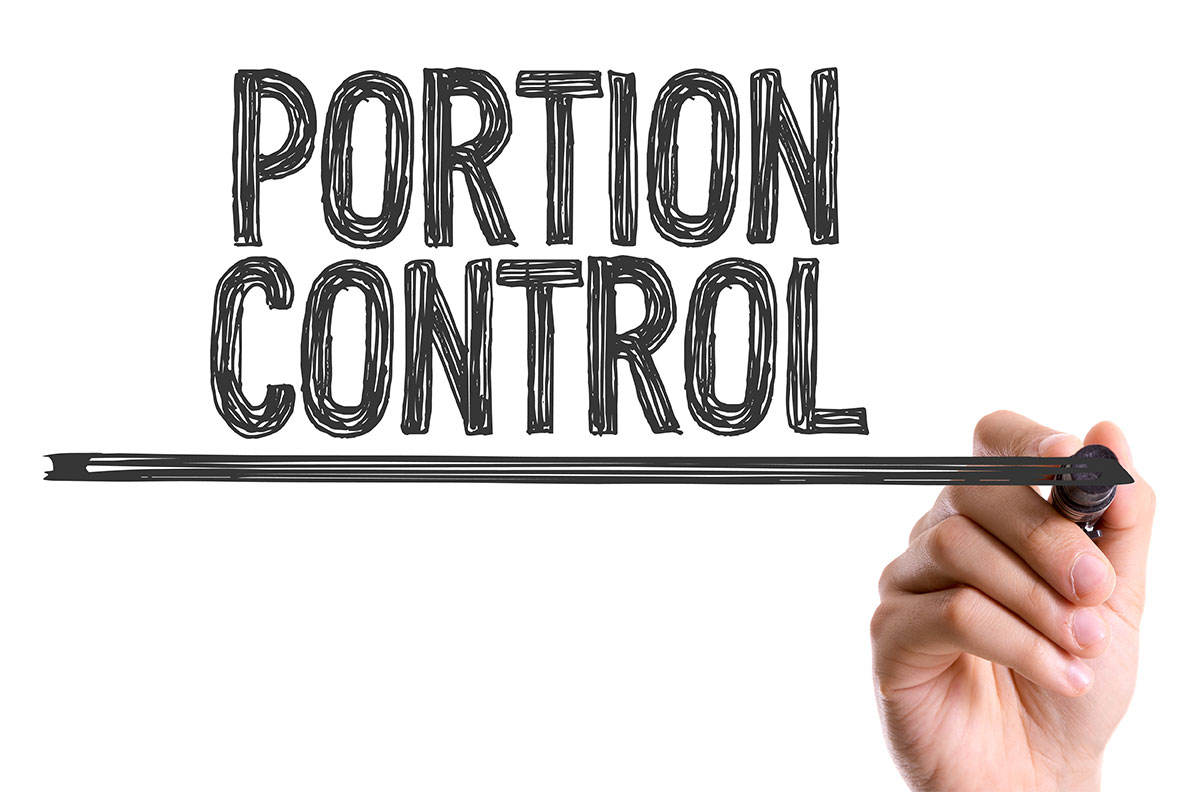
Welcome, Jeremy! Bravo on your consistency working out. Some people’s appetites increase with greater exercise à energy deficits from physical activity may be neutralized by compensatory intake. That means you may be eating more than you think. You may want to consider portion control as a first step to eating right. Look for areas you can cut back on volume. Order smaller servings or split meals to allow for leftovers. The idea isn’t to reduce drastically and cause hunger but to pare down consumption up to 25 percent. Once your intake is at a level to just satisfy you, then turn to improving your food choices. See our previous post The 3 Pronged Attack for Weight Loss – DIET for examples of proper eating plans.
– Debbie J., MS, RD
This article should not replace any exercise program or restrictions, any dietary supplements or restrictions, or any other medical recommendations from your primary care physician. Before starting any exercise program or diet, make sure it is approved by your doctor.
Some questions have been edited for length and/or clarity.
Have a nutrition question? Our registered dietitian is ready to help!
Email nutrition@lafitness.com or submit your question below and it may be featured in an upcoming article!
Debunking fitness myths surrounding the ideas of muscle building and fat burning.
Foods that promote weight loss are rich in micronutrients, low in saturated fat and full of phytochemicals and fiber. Vegetables are perfect!
For structure, you could follow a moderate diet plan providing no fewer than 1500 calories a day. We offer a sample daily diet plan.