Warm Comfort Foods Made Healthy(ish)
Most comfort foods we turn to are heavily laden with fat, starch and calories. There are healthier ways to enjoy down-home classics by making a few tweaks.

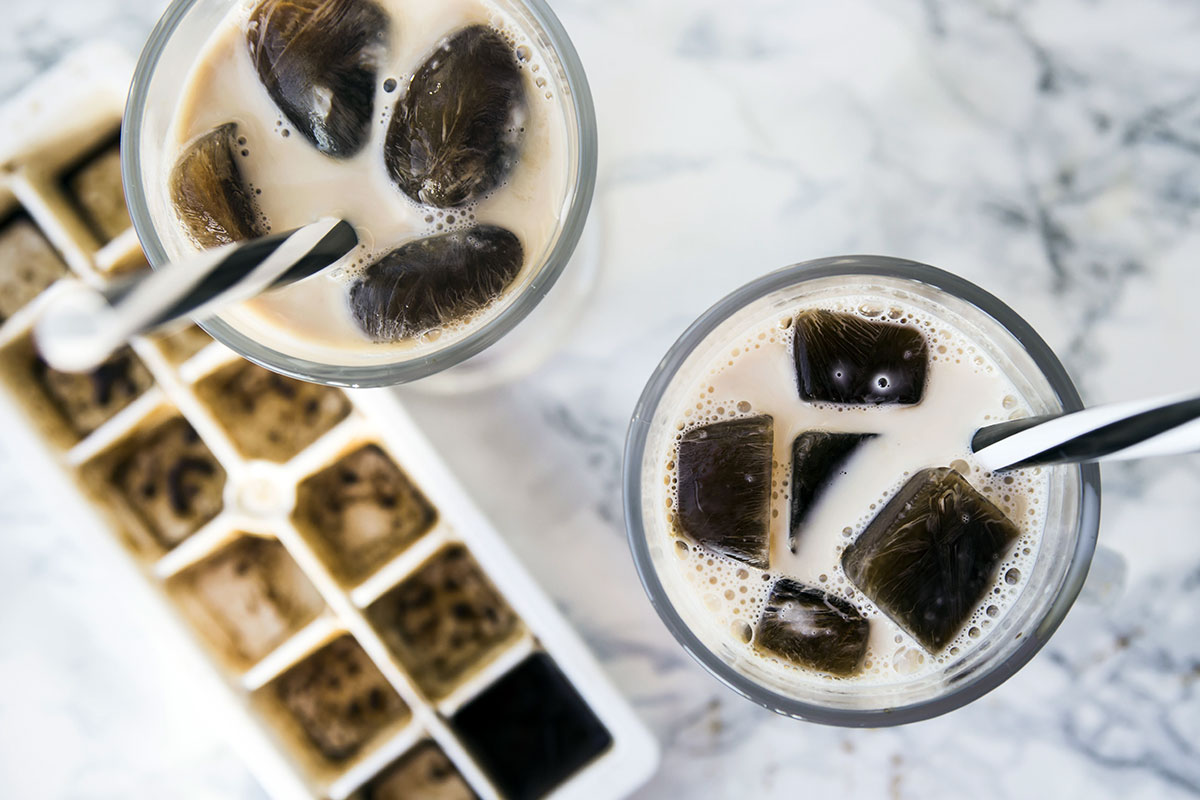
Cheats to save you time and money for the best of health.
Fill an ice cube tray with leftover coffee, lemonade, tea or other non-carbonated drink so you can use them later to chill similar drinks without dilution for maximum energy and taste.

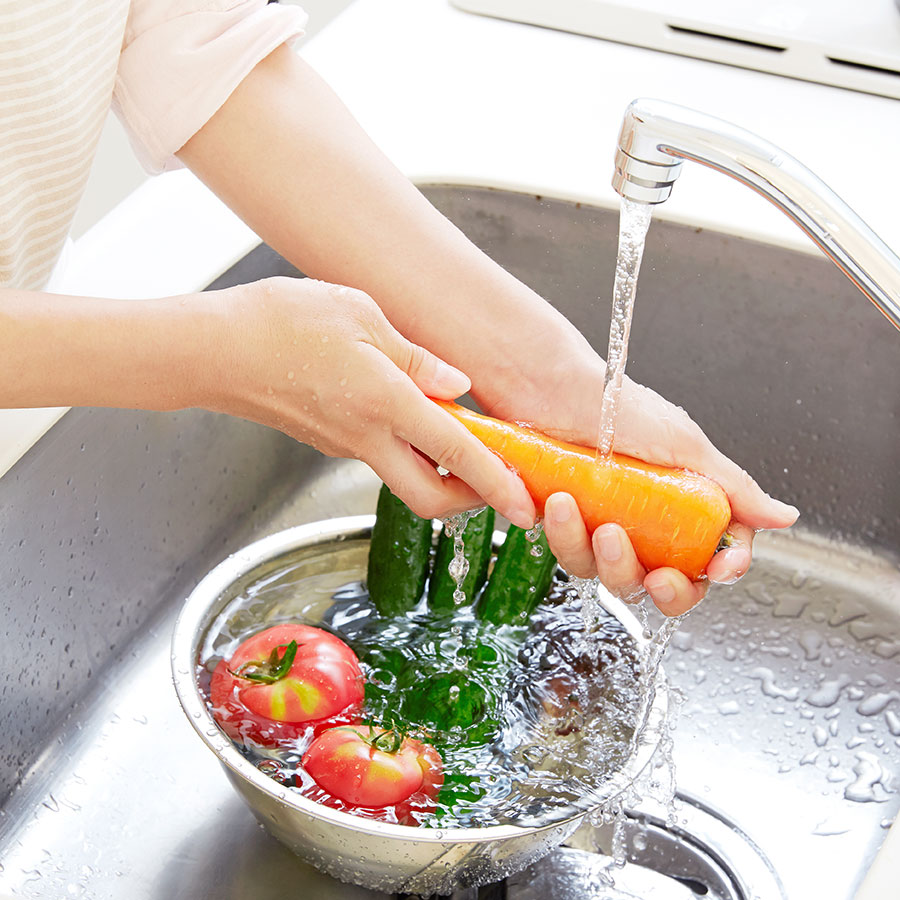
Rinsing isn’t enough to remove pesticide residue and waxes from fruits and vegetables. It’s easy to make your own wash with baking soda and water. We suggest the recipe we found here: https://www.healthline.com/health/mini-hack-diy-fruit-and-vegetable-wash
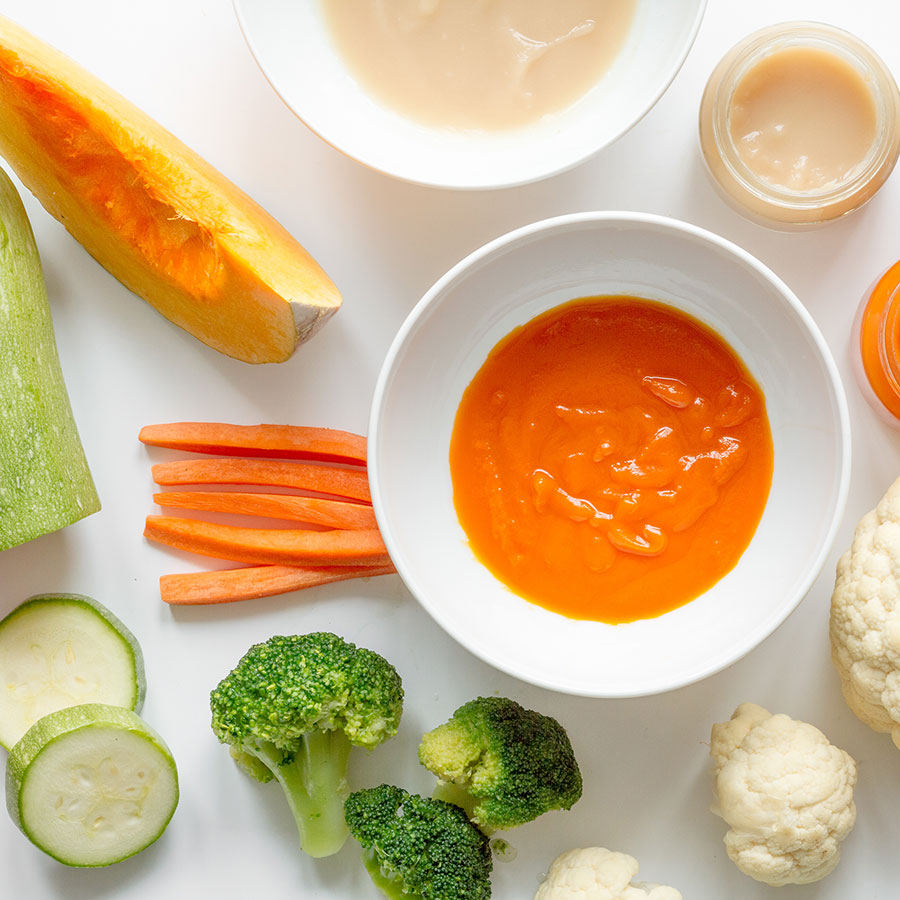
Don’t want to chew on more rabbit food? Yep, blenderize leftover cooked veggies so the vitamin-rich puree can be used in soups, spreads, and sauces. Best if used up to a ratio of 1 part puree to 3 parts liquid/paste of similar color (red + green = brown).
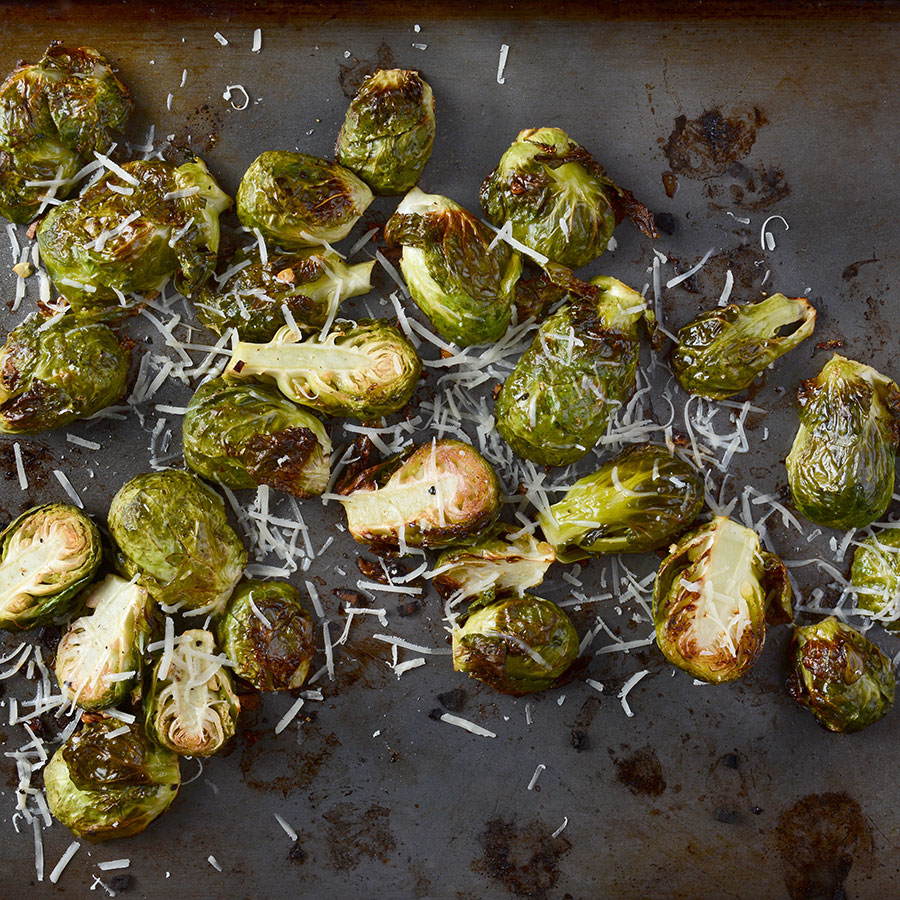
If you’re not into eating a pile of leaves, these savory little gems fit as garnish for everything from pasta, potatoes, and salads to soup. Tear well-dried kale leaves or dice Brussel sprouts, toss in extra virgin olive oil, sprinkle with salt and roast at 400 degrees F on sheet pans until crisp. Stir every few minutes and keep an eye on them so they don’t char.
Use the inside of used paper grocery bags laid over newspaper as underlayment for just cooked meats, cookies, and fried foods to absorb extra grease and oils. Unlined paper plates (the lightweight matte ones) also work well but aren’t eco-conscious.

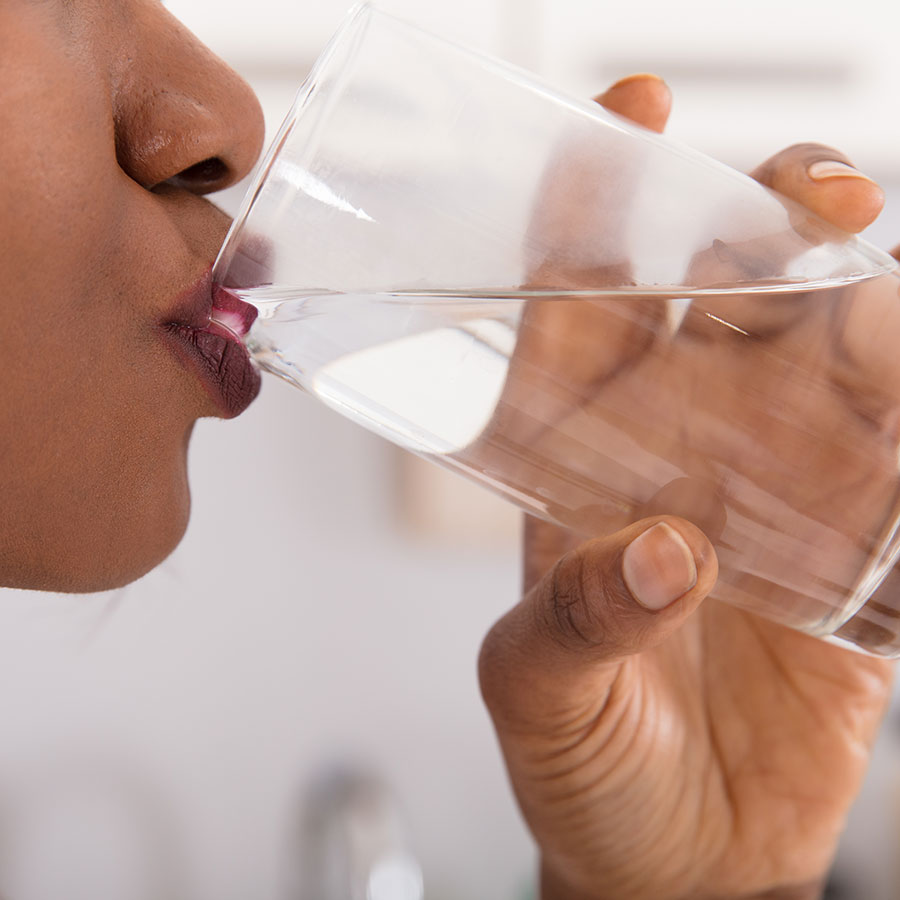
Before you grocery shop or head to that party, eat an entire raw apple and drink a cup of water to fill you up, thereby reducing impulse buys and unintended high-calorie nibbles.
Fool your eyes into thinking you’re getting more than you actually are by using smaller cups, bowls, and plates. When you finish these smaller containers filled with food, you’ll feel more satisfied than eating from partially full larger ones that leave you wanting more.
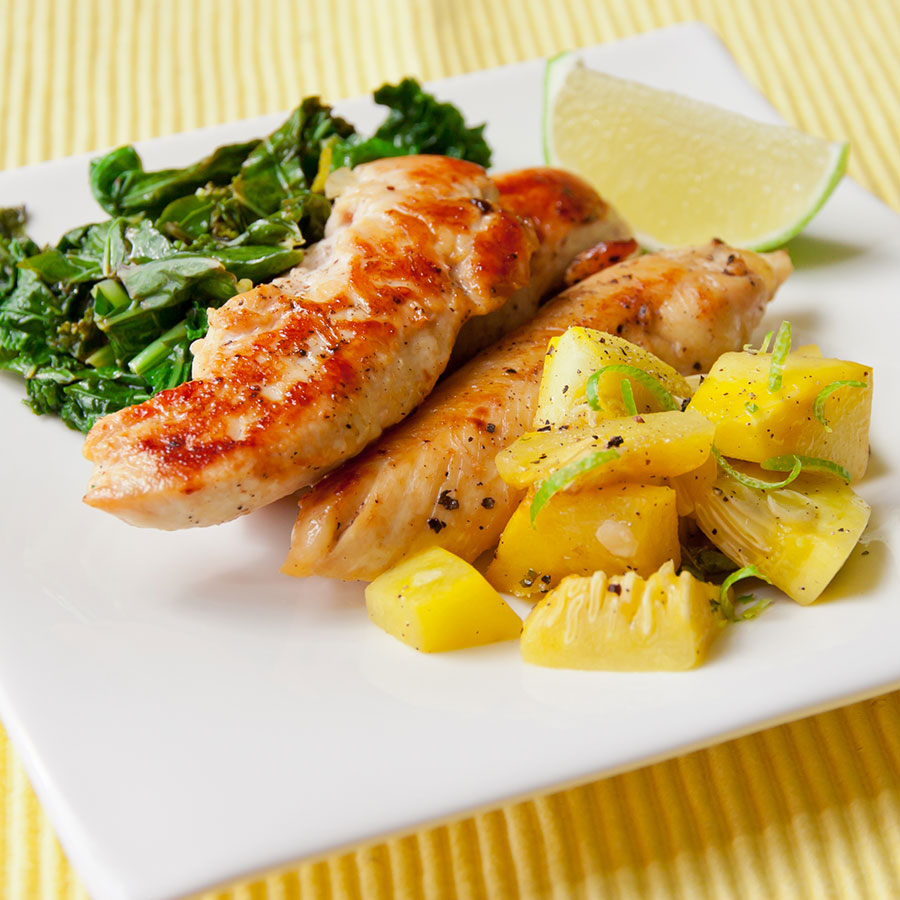
Cook once but eat twice! Plan on using leftovers for a subsequent quick meal by preparing your first meal with double the quantity. Go even bigger by tripling and freezing a third full meal portion.

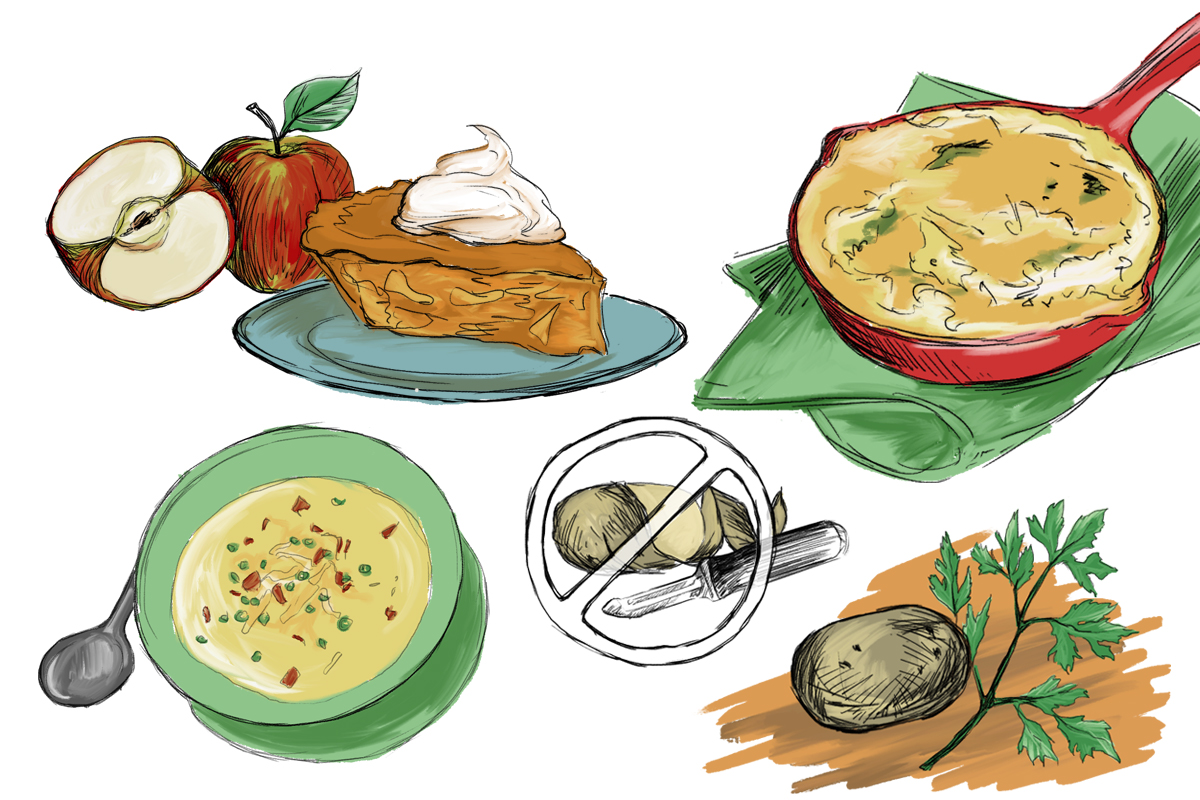
Most comfort foods we turn to are heavily laden with fat, starch and calories. There are healthier ways to enjoy down-home classics by making a few tweaks.

Debbie James, RDN, helps answer a reader’s question about how to eat healthily on vacation while still enjoying the local flavors.
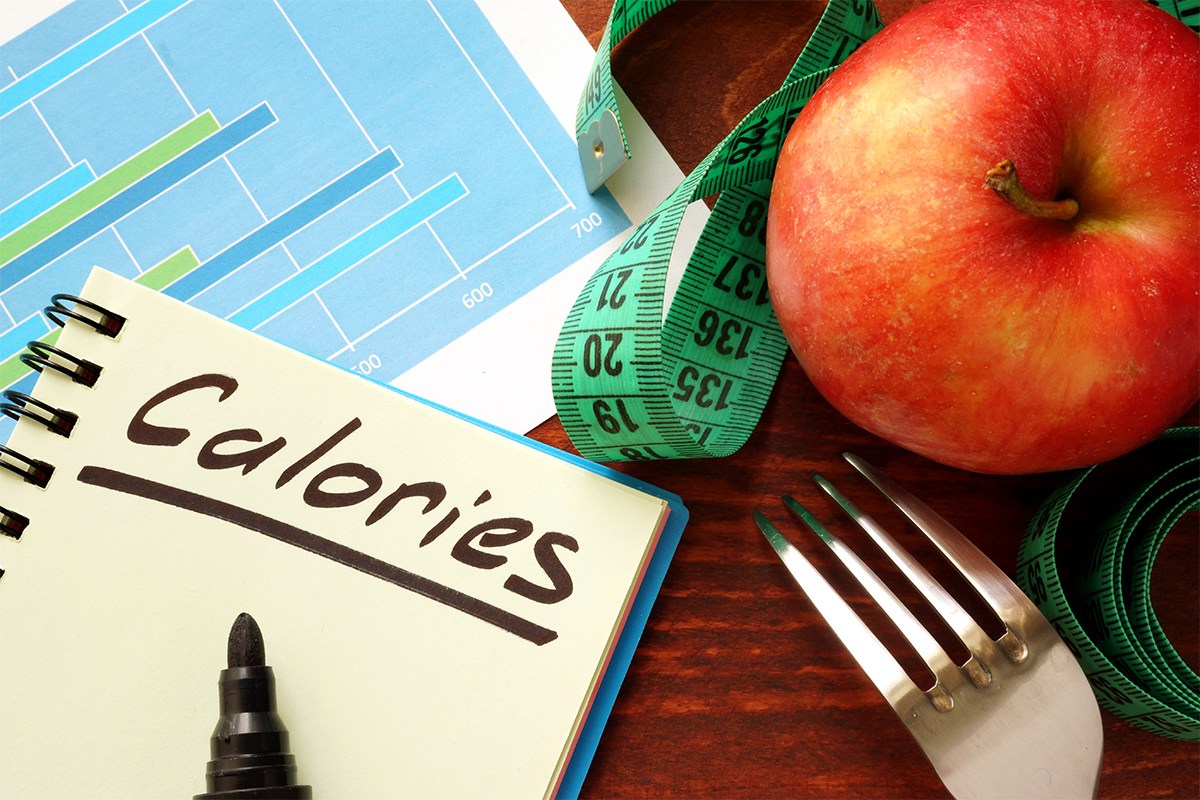
Debbie James, RDN, helps answer a reader’s question about nutrition advice for muscle gain and healthy body weight.
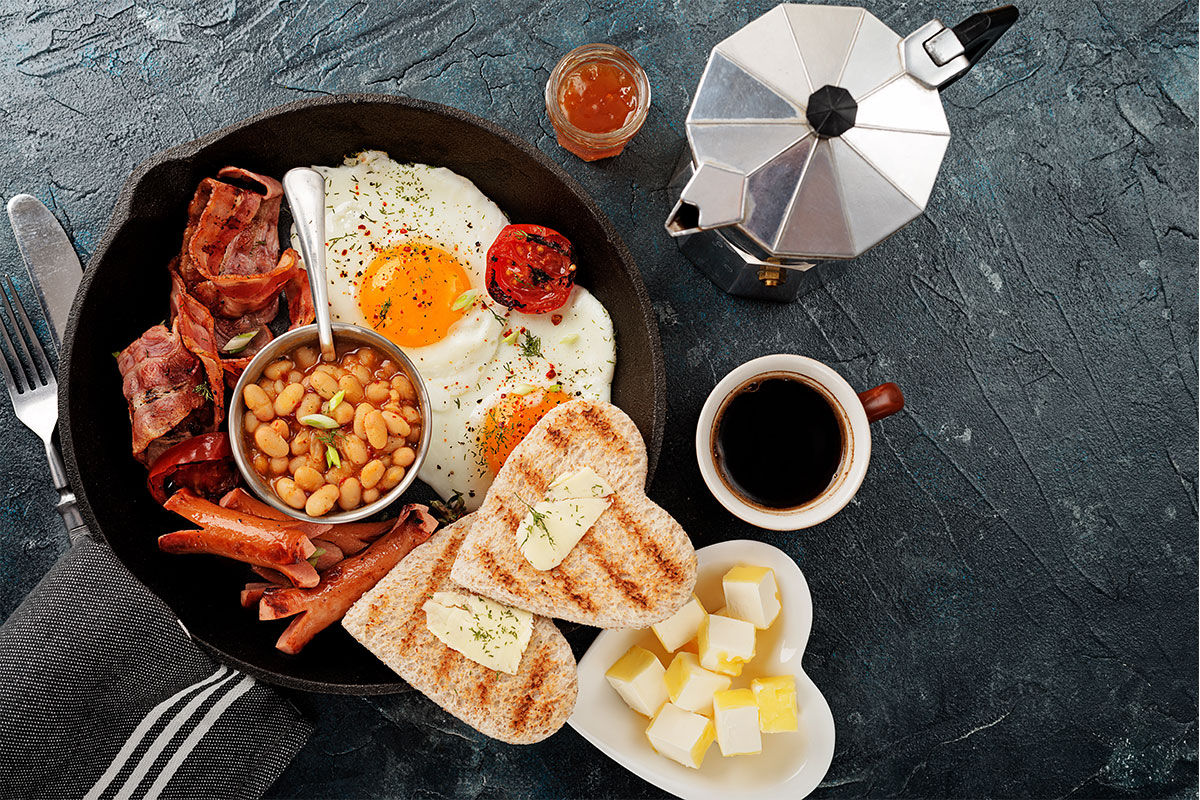

I’m trying to bulk up, but I keep losing weight. I’m down to 142 lbs. I mostly eat turkey sandwiches and chicken breast.
– Donald M.

First and foremost, Donald, please visit your healthcare provider as unexplained weight loss could be the result of an underlying medical condition. If you have any GI problems or trouble chewing, there are interventions to assist with breaking down your food.
That said, here are my tips for bulking up… Eating more volume is an obvious plan. Adding calories to what you already eat is important. Your turkey sandwiches need to be laden with avocado, full-fat mayonnaise, pesto or cheese to maximize calories. Chicken breast can be breaded, fried, or served with sauces and creams to increase energy density.
Get the most out of every bite by making sure starches are dressed with heavier condiments – baked potato with butter and cream cheese, pasta with alfredo or pesto, risotto with cream sauce, etc. Opt for the densest version of food items like dried fruit vs fresh, granola vs cereal, and tortillas vs bread. Choose energy-rich produce (e.g. bananas, cherries, peas, sweet potato) over watery varieties. Use nut butters on crackers, rolls and in shakes.
Power-pack your beverages by adding a couple spoonsful of the concentrated version to your fluid. For example, pour some evaporated milk into your glass of milk or thawed juice concentrate into your OJ. Use leftover drinks to make ice cubes to use later instead of regular ice (water has no calories).
– Debbie J., MS, RD
This article should not replace any exercise program or restrictions, any dietary supplements or restrictions, or any other medical recommendations from your primary care physician. Before starting any exercise program or diet, make sure it is approved by your doctor.
Some questions have been edited for length and/or clarity.
 Have a nutrition question? Our registered dietitian is ready to help!
Email nutrition@lafitness.com or submit your question below and it may be featured in an upcoming article!
Most comfort foods we turn to are heavily laden with fat, starch and calories. There are healthier ways to enjoy down-home classics by making a few tweaks.
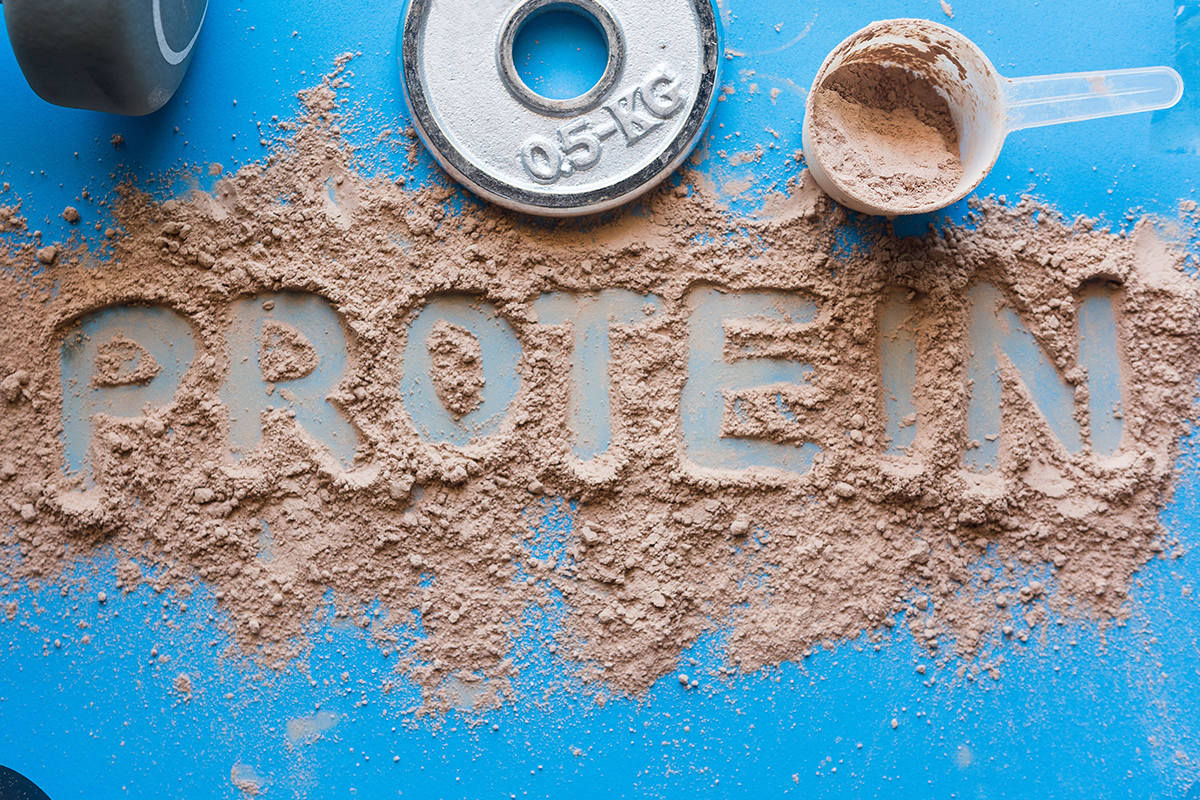
Debbie James, RDN, helps answer a reader’s question about how much protein is too much for the body to process.
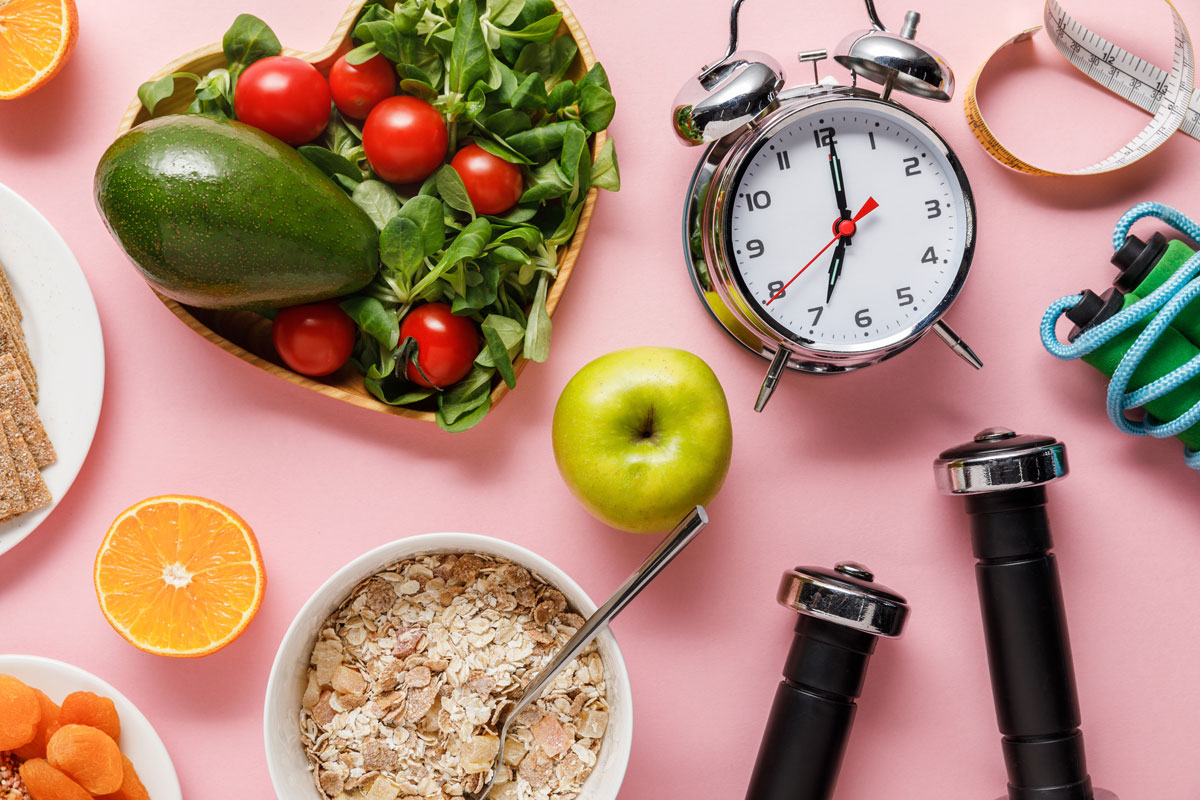
Debbie James, RDN, helps answer a reader’s question on breakfast and working out.
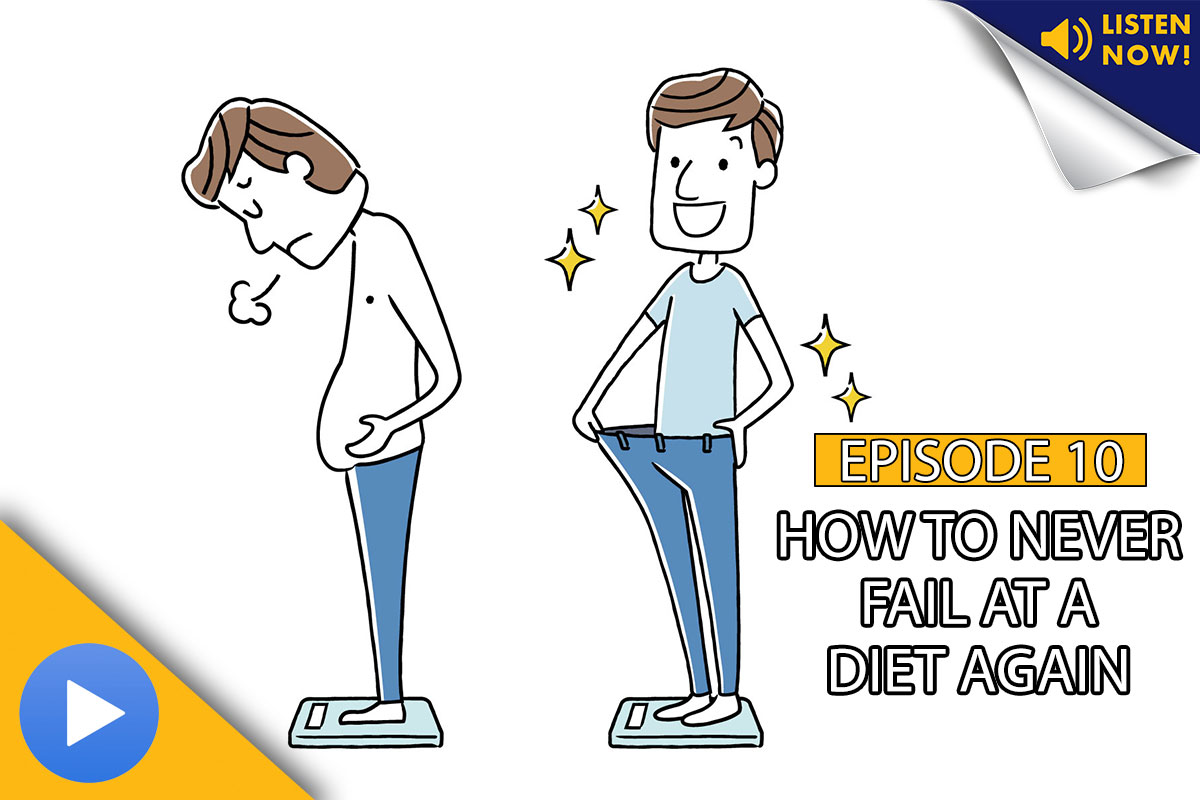
Welcome to the 10th episode of the Living Healthy Podcast, presented by LA Fitness.
On this episode of Living Healthy, we speak with LA Fitness, registered dietitian, Debbie James, who helps give it to us straight. We talk about the good and bads of dieting, how you should mentally approach it, and how to avoid common dieting mistakes.
How Are We Doing?
This podcast should not replace any exercise program or restrictions, any dietary supplements or restrictions, or any other medical recommendations from your primary care physician. Before starting any exercise program or diet, make sure it is approved by your doctor.

Introduction
0:01
Registered Dietitian, Debbie James Joins the Show
Begins at 0:33
The Perfect Diet?
Begins at 0:42
Nutritional Guidelines About Diets
Begins at 1:34
The 8-Week Goal
Begins at 3:38
Can Your Taste Buds Really Change?
Begins 5:04
Dieting and Metabolism – What to Look Out For
Begins at 6:30
The Trouble with Cutting Calories Drastically
Begins at 7:40
What Can You Do to Avoid Failed Diet Relapse?
Begins at 8:29
The Baby-Step Approach
Begins at 11:40
Data Analysis – Tracking
Begins at 13:42
Why is it Hard to Break a Bad Habit?
Begins at 15:03
Do Unhealthy Food Cravings Subside Over Time?
Begins at 15:51
The Mental Approach to Dieting
Begins at 16:32
Andrew Shares His Advice, “Memories Over Macros”
Begins at 17:45
Let’s Talk About Portions
Begins at 19:21
Don’t Be So Hard on Yourself
Begins at 12:38
Product Password
Begins at 20:50
Actionable Advice
Begins at 22:56
Outro
Begins at 24:29
On this episode of the LHP we talk with nutriton expert, Debbie James, RDN, and get her advice on how to never fail at a diet again.
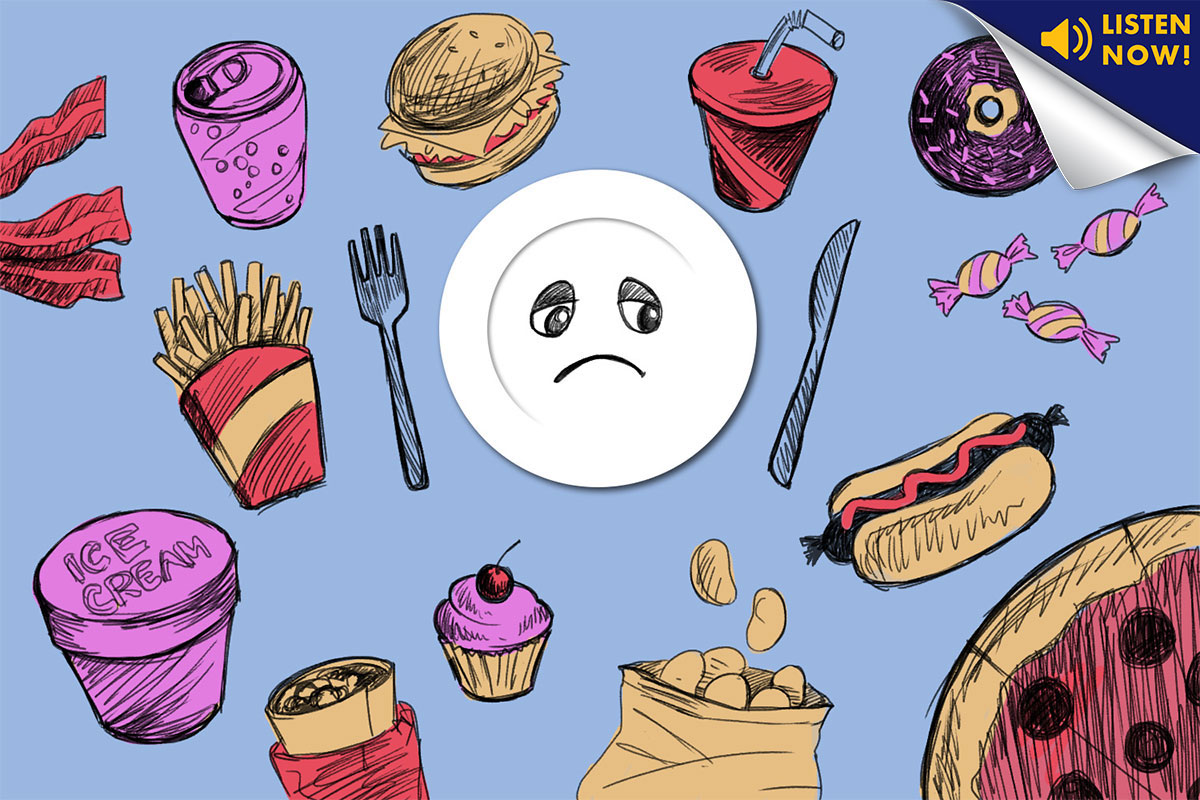
Can certain foods truly cause us to feel angry, sad or tired? The answer may shock you! Learn more about these bad mood foods on the #LivingHealthyPodcast.
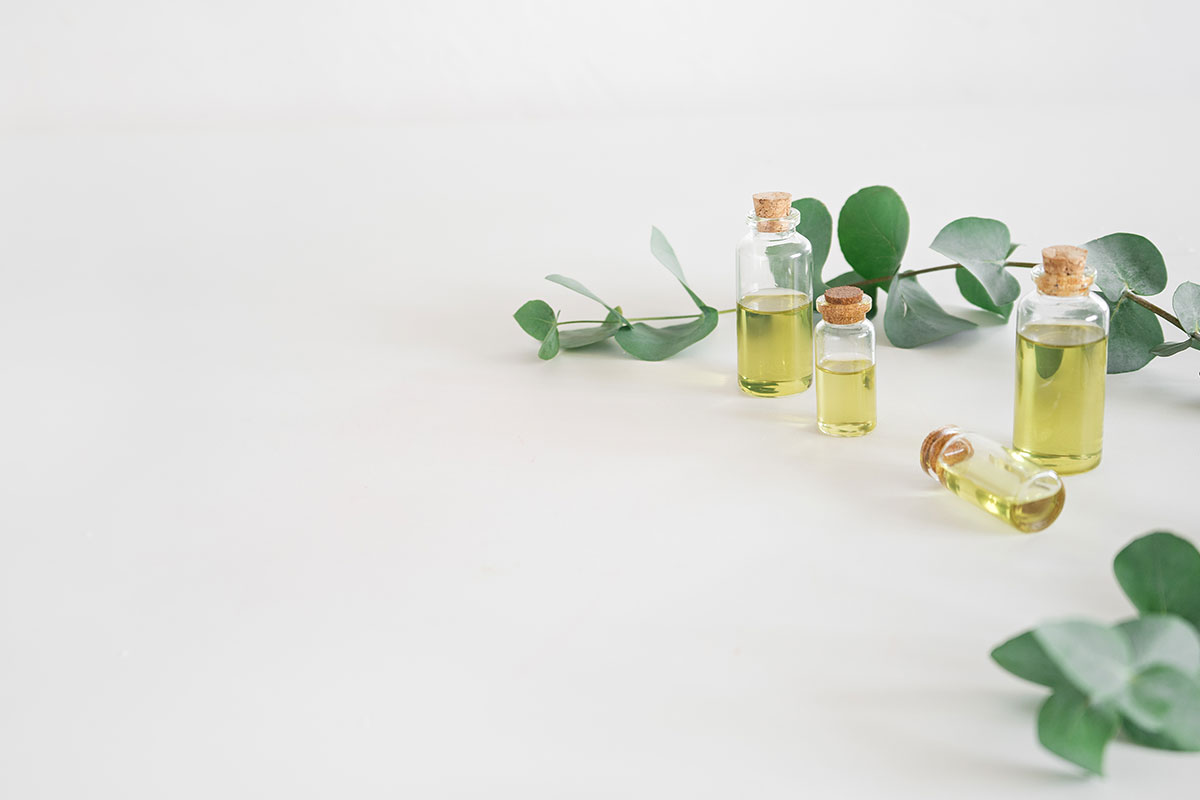
Does camphorated oil burn fat?
– Margaret
Camphor is an insoluble, waxy, flammable, white or transparent solid with a strong aroma (typically from Asian evergreen trees or basil) that is used in skin balms and liniments.
You may get a different answer from a company or person promoting sales of it, but nutritionally camphor oil has NO proven effect on weight status, metabolism or body fat. Oral intake is not recommended as side effects include mouth and throat burning, nausea and vomiting. Ingestion of camphor can lead to coma and death.
Note that in the 1980s, “camphorated oil” (20% camphor in cottonseed oil) was removed from the US market because of safety concerns. Use of products containing more than 11% camphor is not recommended. Diluted camphorated oils are only for topical or aromatic use in the treatment of infections, cold/cough, and respiratory disorders, sleeplessness, skin conditions, pain and swelling.
Resources:
– Debbie J., MS, RD
This article should not replace any exercise program or restrictions, any dietary supplements or restrictions, or any other medical recommendations from your primary care physician. Before starting any exercise program or diet, make sure it is approved by your doctor.
Some questions have been edited for length and/or clarity.
Have a nutrition question? Our registered dietitian is ready to help!
Email nutrition@lafitness.com or submit your question below and it may be featured in an upcoming article!
Most comfort foods we turn to are heavily laden with fat, starch and calories. There are healthier ways to enjoy down-home classics by making a few tweaks.
Debbie James, RDN, helps answer a reader’s question about how much protein is too much for the body to process.
Debbie James, RDN, helps answer a reader’s question on breakfast and working out.

I have been drinking a lot of Jamaica tea with a little Splenda. Does the tea have a sugar content? I have seen conflicting articles when I Google it. Thanks.
– Antonio D.
Tea brewed from the dried petals of the hibiscus flower (also known as Jamaica or Roselle) is a pleasant ruby red, almost cranberry juice-like color, not to be confused with African rooibos tea.
According to the USDA’s National Nutrient Database for Standard Reference, Legacy Release: brewed hibiscus tea has 0 grams carbohydrate per 8 fluid ounces, no caffeine and contains trace minerals. By contrast, a cup of the raw flower petals has 6.5 grams carbohydrate.
If you brew your own or obtain it unsweetened, there should be no sugar in your Jamaica. However, prepared hibiscus/Jamaica teas sold at a coffee shop/restaurant or in the drink aisle at a store may be sweetened with sugar.
– Debbie J., MS, RD
This article should not replace any exercise program or restrictions, any dietary supplements or restrictions, or any other medical recommendations from your primary care physician. Before starting any exercise program or diet, make sure it is approved by your doctor.
Some questions have been edited for length and/or clarity.
Have a nutrition question? Our registered dietitian is ready to help!
Email nutrition@lafitness.com or submit your question below and it may be featured in an upcoming article!
Most comfort foods we turn to are heavily laden with fat, starch and calories. There are healthier ways to enjoy down-home classics by making a few tweaks.
Debbie James, RDN, helps answer a reader’s question about how much protein is too much for the body to process.
Debbie James, RDN, helps answer a reader’s question on breakfast and working out.