Warm Comfort Foods Made Healthy(ish)
Most comfort foods we turn to are heavily laden with fat, starch and calories. There are healthier ways to enjoy down-home classics by making a few tweaks.


When temperatures drop, it’s time to put on cozy slippers and pull up a blanket. A soothing plate to warm your belly doesn’t hurt… unless it’s unhealthy. Most comfort foods we turn to are heavily laden with fat, starch and calories. There are healthier ways to enjoy down-home classics by making a few tweaks. Try the following updates to your traditional favorites without leaving flavor behind.
Meatloaf and mashed potatoes. This duo based on simple protein and starch can be loaded with saturated fat.
Meatloaf
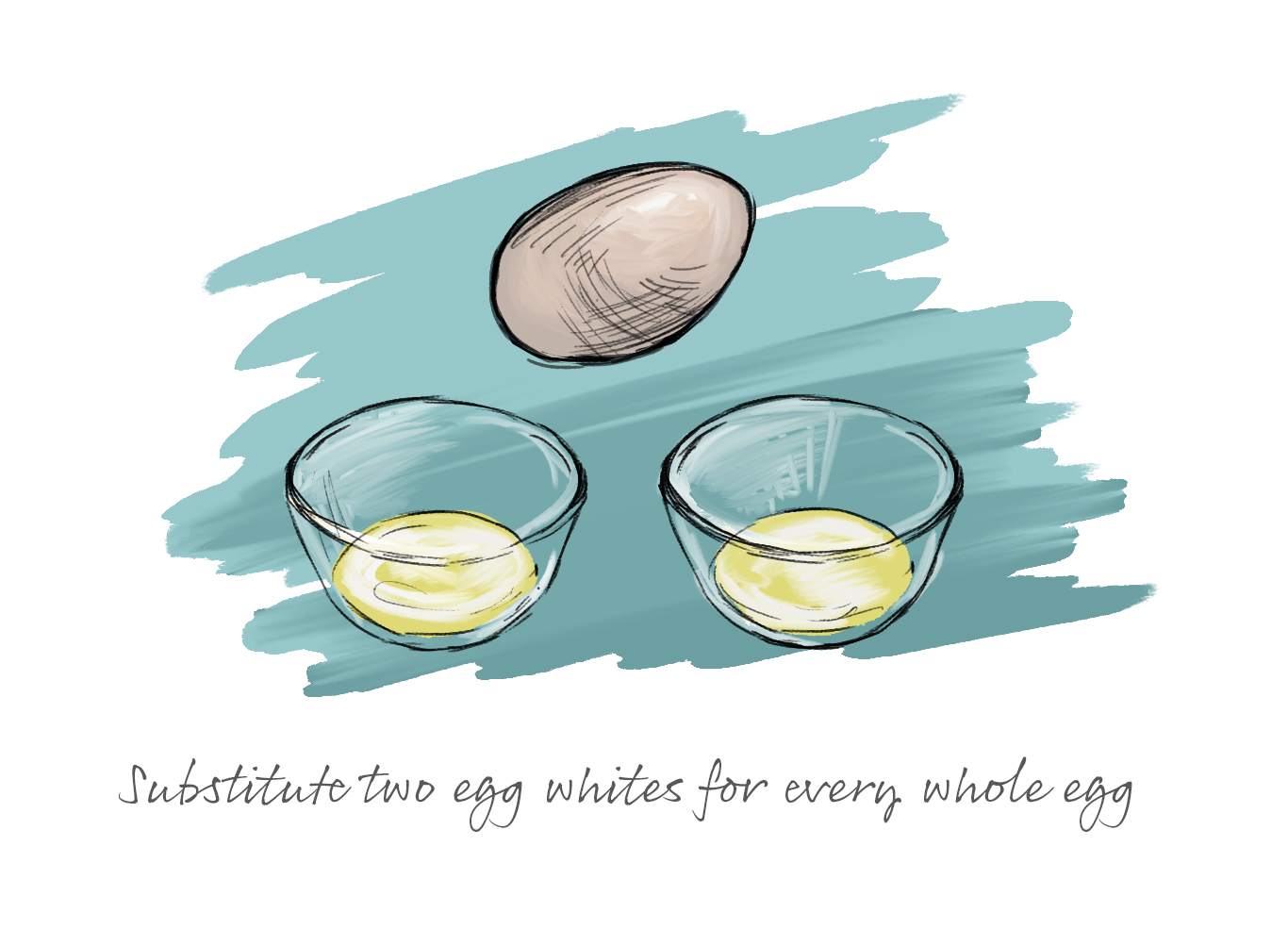
Mashed potatoes

Pasta casseroles (e.g. baked macaroni & cheese, lasagna) While tasty now, the cheese and white flour noodles may depress your mood later after you get on the scale.

Chicken pot pie / Shepherd’s Pie It’s not just what’s under the cover that adds up here. With a thick crust or mashed potato layer, you can also blame the topping.

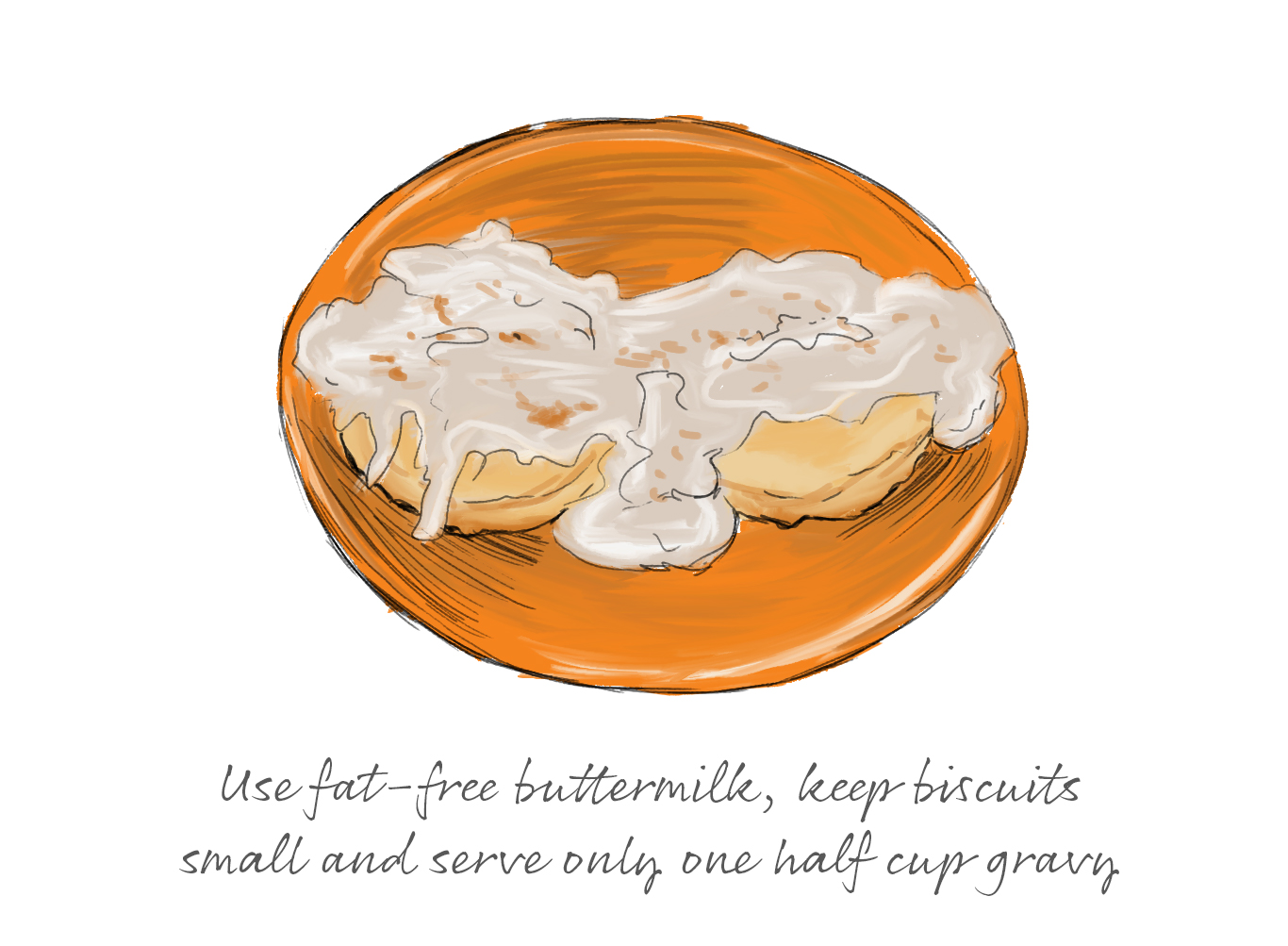
Biscuits and Gravy – This Southern breakfast that sticks to your ribs is traditionally full of saturated fat and calories.
Biscuits:
Gravy:
Warm Apple Pie – Here is a double whammy! The crust is full of fat and the filling is full of sugar.

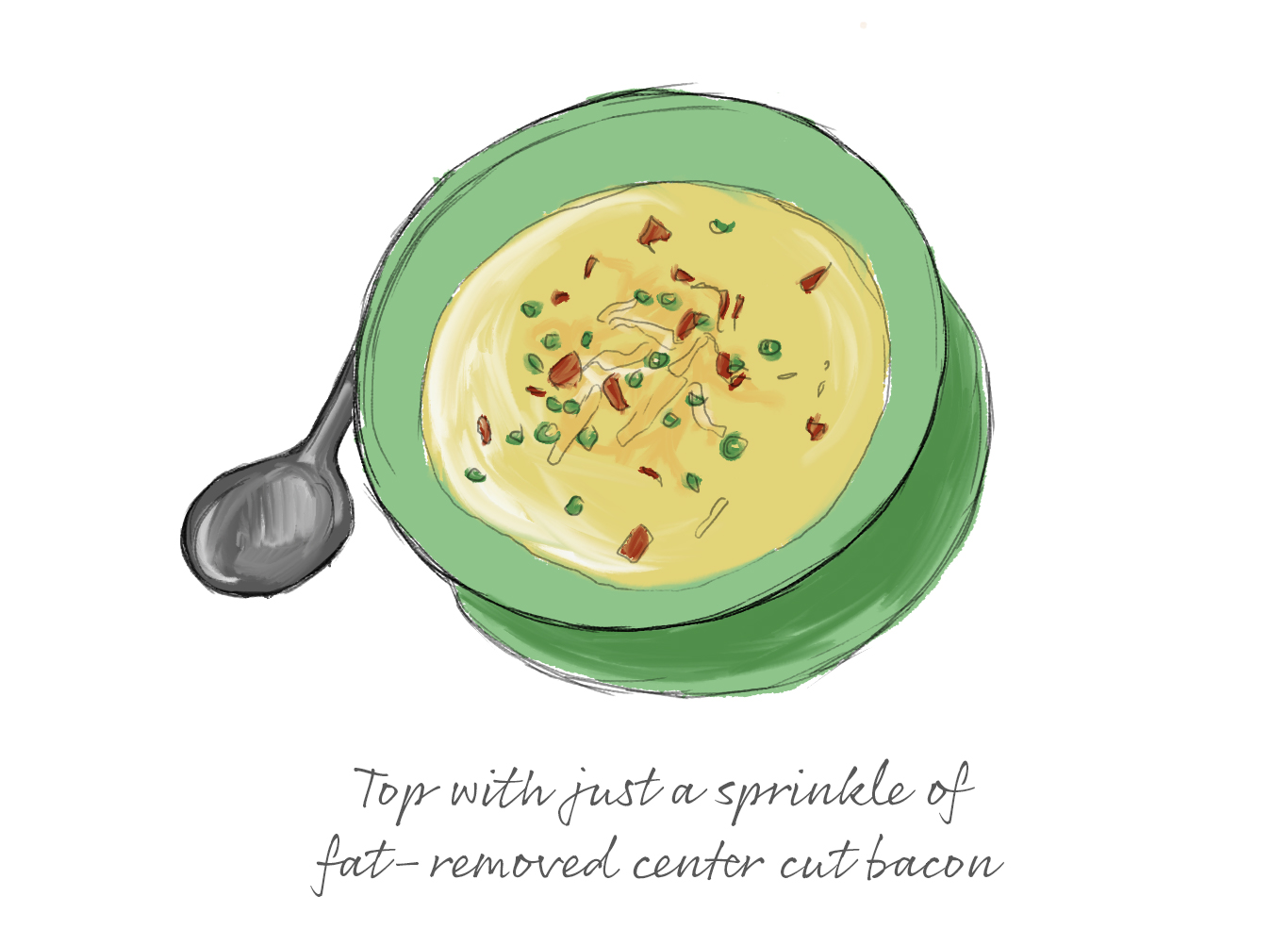
Loaded Cheesy Potato Soup A thick chowder or bisque base isn’t the only culprit when the garnish can weigh in at a hefty hundred calories or so.
Now you can take solace in knowing there’s a way to enjoy comfort foods without ruining your physique. Pick the changes you’d like to try, have a go at them in the kitchen and let us know your favorite updates in the comments section below!
Sources:
Most comfort foods we turn to are heavily laden with fat, starch and calories. There are healthier ways to enjoy down-home classics by making a few tweaks.

Debbie James, RDN, helps answer a reader’s question about how to eat healthily on vacation while still enjoying the local flavors.
Debbie James, RDN, helps answer a reader’s question about nutrition advice for muscle gain and healthy body weight.

I’m headed to Italy for two weeks on vacation. While I want to indulge a bit on wine, pasta, and pizza, I don’t want to lose all the gains I have made. What is your advice for a calorie responsible, yet delectable, Italian vacation?
– Jim J.

Italian food can be the model of a Mediterranean diet if it includes fresh vegetables, fish, fruit and nuts.
Here are my tips for traveling or dining out Italian-style:
The point is to only “spend” your calories on something that’s unique for that venue. In buona salute!
– Debbie J., MS, RD
This article should not replace any exercise program or restrictions, any dietary supplements or restrictions, or any other medical recommendations from your primary care physician. Before starting any exercise program or diet, make sure it is approved by your doctor.
Some questions have been edited for length and/or clarity.
 Have a nutrition question? Our registered dietitian is ready to help!
Email nutrition@lafitness.com or submit your question below and it may be featured in an upcoming article!
Most comfort foods we turn to are heavily laden with fat, starch and calories. There are healthier ways to enjoy down-home classics by making a few tweaks.
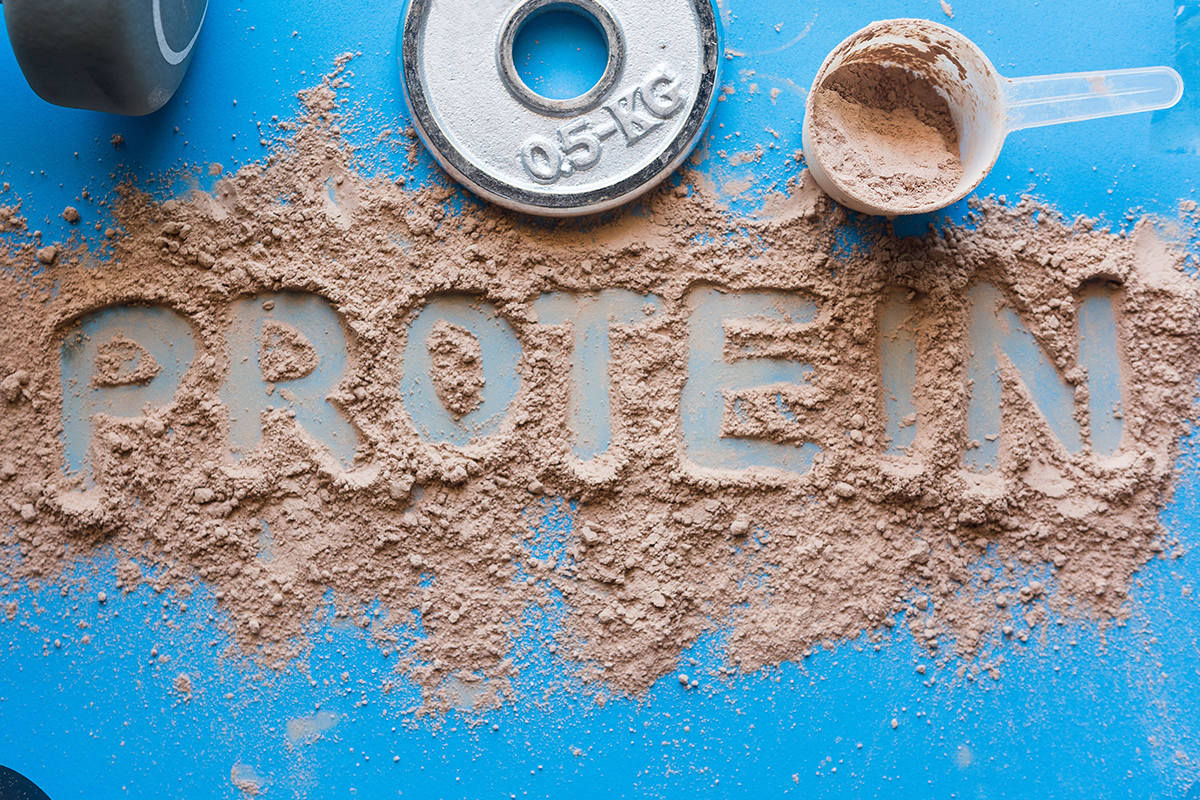
Debbie James, RDN, helps answer a reader’s question about how much protein is too much for the body to process.
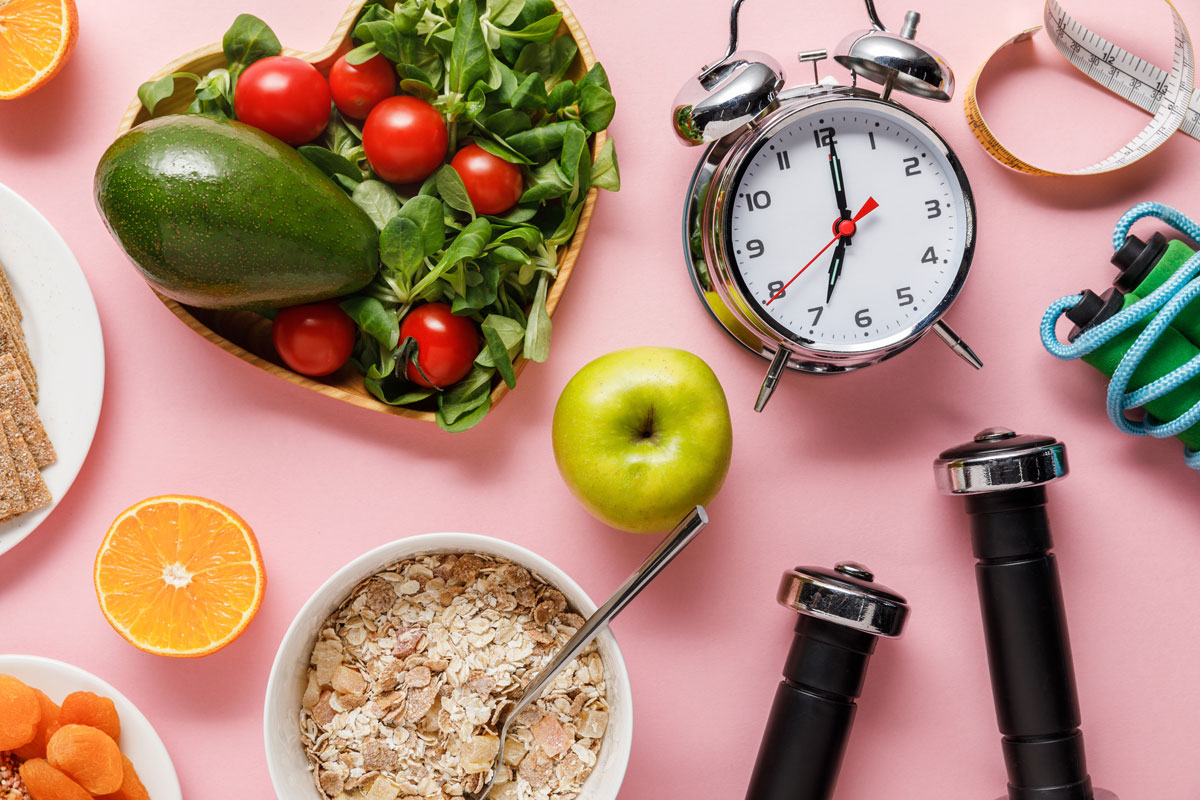
Debbie James, RDN, helps answer a reader’s question on breakfast and working out.
Hello, I am a 147 lb, 24 year old, male. I am very active in terms of working out and playing sports. How many calories should I eat daily to maintain my body weight and gain more muscle? I was 198 lbs and have dropped down to this weight. Thank you.
– Rafi H.
Most equations would put your energy needs in the range of 2,800-3,000 calories per day, based on a height of 5 foot, 9 inches. Subtract 30 calories for every inch shorter or add 25 calories for every inch taller. That’s assuming your weight loss was intentional as you say you’d like to maintain now.
Your body doesn’t know such equations exist and your digestion, metabolism, genetics and hormones will act on their own. My recommendation would be to get a good look at how much you’re currently eating before making changes. You can do so using PersonalTracker from nutrihand.com or the Diet Analysis & Food Diary tool at happyforks.com.
Once you get a sense of your actual energy intake and carbohydrate, protein, and fat percentages, you can determine where you may need to make changes in macronutrient breakdown to build muscle.
– Debbie J., MS, RD
This article should not replace any exercise program or restrictions, any dietary supplements or restrictions, or any other medical recommendations from your primary care physician. Before starting any exercise program or diet, make sure it is approved by your doctor.
Some questions have been edited for length and/or clarity.
Have a nutrition question? Our registered dietitian is ready to help!
Email nutrition@lafitness.com or submit your question below and it may be featured in an upcoming article!
Most comfort foods we turn to are heavily laden with fat, starch and calories. There are healthier ways to enjoy down-home classics by making a few tweaks.
Debbie James, RDN, helps answer a reader’s question about how much protein is too much for the body to process.
Debbie James, RDN, helps answer a reader’s question on breakfast and working out.
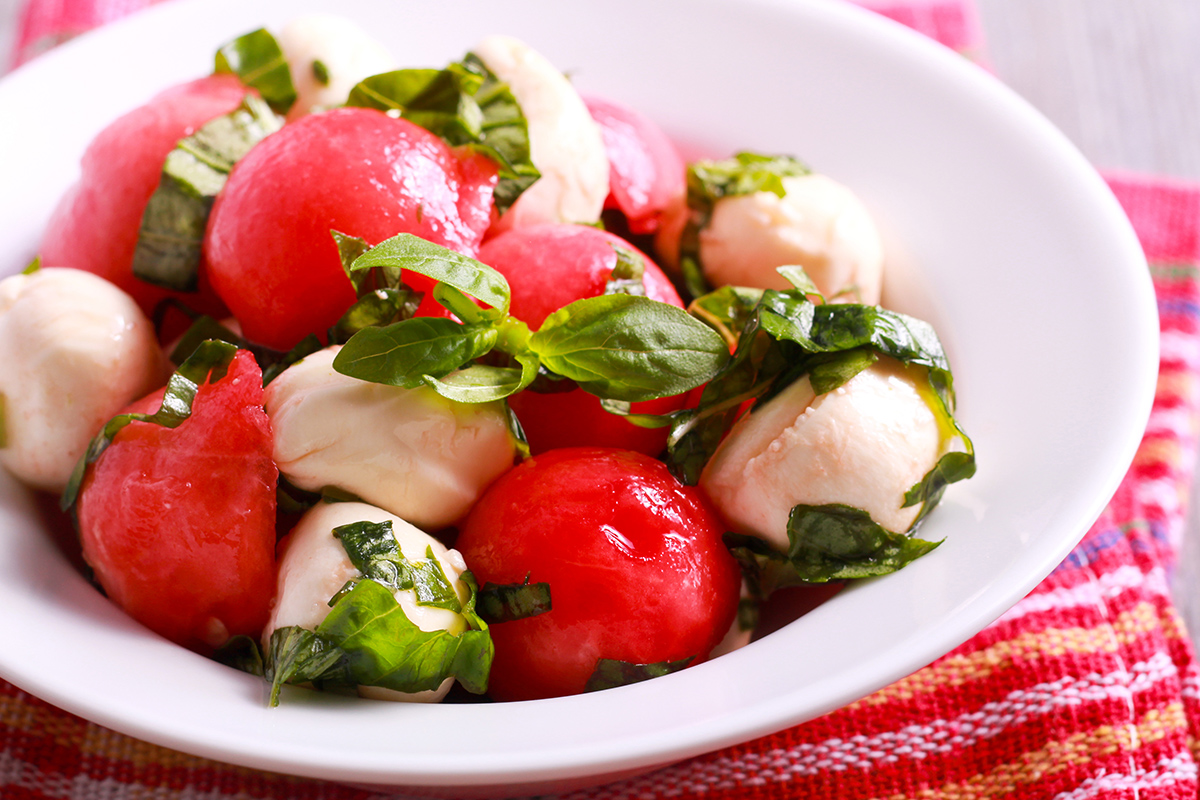
I am a 65 year old male. I weigh 295 pounds with borderline diabetes (A1c 6.2). I love watermelon because it hydrates and satisfies my sweet tooth. Can I eat too much watermelon?
– Joseph H.
Of course, you can eat too much of anything, even food with natural sugars! Watermelon is a more dilute fruit — its high water content (90%!) means less sugar per volume compared with other fruits. A single serving of watermelon at 2/3 cup (100 grams) provides only 7.6 gm carbohydrate. Eat a few servings and you’re back to a higher sugar intake.
Besides just focusing on controlling the sugar load, you should also consider balancing meals and snacks. It’s possible to modify the digestion/absorption speed of the fruit you eat. Consuming fat and protein (or fiber) with simple carbohydrates acts to slow digestion and absorption, thereby blunting the rise in blood sugar response. Example: add part-skim mozzarella, olive oil, basil & balsamic vinegar for a watermelon caprese salad.
Keep in mind your total calories, so reducing portions of fat and protein elsewhere in the day may be needed.
See our previous answers regarding fruit: Which Fruits Contain the Most Sugar, Which Fruits are Best to Eat and Do I Need to Limit Fruit.
Resources:
– Debbie J., MS, RD
This article should not replace any exercise program or restrictions, any dietary supplements or restrictions, or any other medical recommendations from your primary care physician. Before starting any exercise program or diet, make sure it is approved by your doctor.
Some questions have been edited for length and/or clarity.
Have a nutrition question? Our registered dietitian is ready to help!
Email nutrition@lafitness.com or submit your question below and it may be featured in an upcoming article!
Most comfort foods we turn to are heavily laden with fat, starch and calories. There are healthier ways to enjoy down-home classics by making a few tweaks.
Debbie James, RDN, helps answer a reader’s question about how much protein is too much for the body to process.
Debbie James, RDN, helps answer a reader’s question on breakfast and working out.

Hi. I’m a member at LA Fitness. I started this weight loss journey 6 months ago. I weighed 287 pounds. I’m currently 210 pounds. I have been eating under 20 grams carbs per day and 1-3 grams of sugar per day. It’s like a version of keto. But I don’t do high fat. No cheat days. I work out daily. I’ve hit a plateau with my weight. What can I do?
– Stephanie S.
My question is: How has your body composition changed during your journey the last 6 months? Have you kept track of your measurements in addition to the scale? With a significant weight loss of 27% either you’ve lost some lean body mass (reduces metabolism), retained it, or have gained lean mass (hides fat loss on scale).
Strength training is a critical component of your exercise routine. You say you work out daily. Remember that the workload must be progressive – your body is stronger now than last year, so more resistance is needed for the same effect. The idea is called the overload principle. When you continue the same routine for your workouts after your body has adapted, you fail to make further progress.
Stress and lack of sleep can also contribute to rising cortisol levels which may impact metabolism and weight.
With very low carbohydrate, high protein and moderate fat intake it’s just as likely that you’re under-consuming calories now as it is you are overconsuming calories. Eating too little suppresses metabolism while eating more than you need prevents fat burning. Seemingly healthy keto foods like bone broth are higher in sodium which may cause you to retain water weight. Remember to focus on real, whole foods and avoid processed food products.
Breaking through a plateau may take a few weeks and everybody is different, so you will experience a shorter or longer duration of plateau than another person. If you still don’t see a change in body composition after a month of progressive exercise and fine-tuning your diet, consider starting over from where you are at now using the Body Weight Planner to determine calorie needs. Plan for only a 1-2 pound loss per week to avoid rapid weight loss (greater than 2 lbs./week) which contributes to muscle, water, and bone density loss.
– Debbie J., MS, RD
This article should not replace any exercise program or restrictions, any dietary supplements or restrictions, or any other medical recommendations from your primary care physician. Before starting any exercise program or diet, make sure it is approved by your doctor.
Some questions have been edited for length and/or clarity.
Have a nutrition question? Our registered dietitian is ready to help!
Email nutrition@lafitness.com or submit your question below and it may be featured in an upcoming article!
Most comfort foods we turn to are heavily laden with fat, starch and calories. There are healthier ways to enjoy down-home classics by making a few tweaks.
Debbie James, RDN, helps answer a reader’s question about how much protein is too much for the body to process.
Debbie James, RDN, helps answer a reader’s question on breakfast and working out.